Why Roman Granaries Made Surplus Visible

A granary is easy to mistake for a background building. It waits, it stores, it seems less dramatic than a battle, a speech, or a riot. Rome knew better. Roman granaries made surplus visible because stored grain was not only food kept for later. It was evidence that the city could survive tomorrow’s hunger, if … Read more

Why Ostia’s Harbor Made Empire Feel Reachable

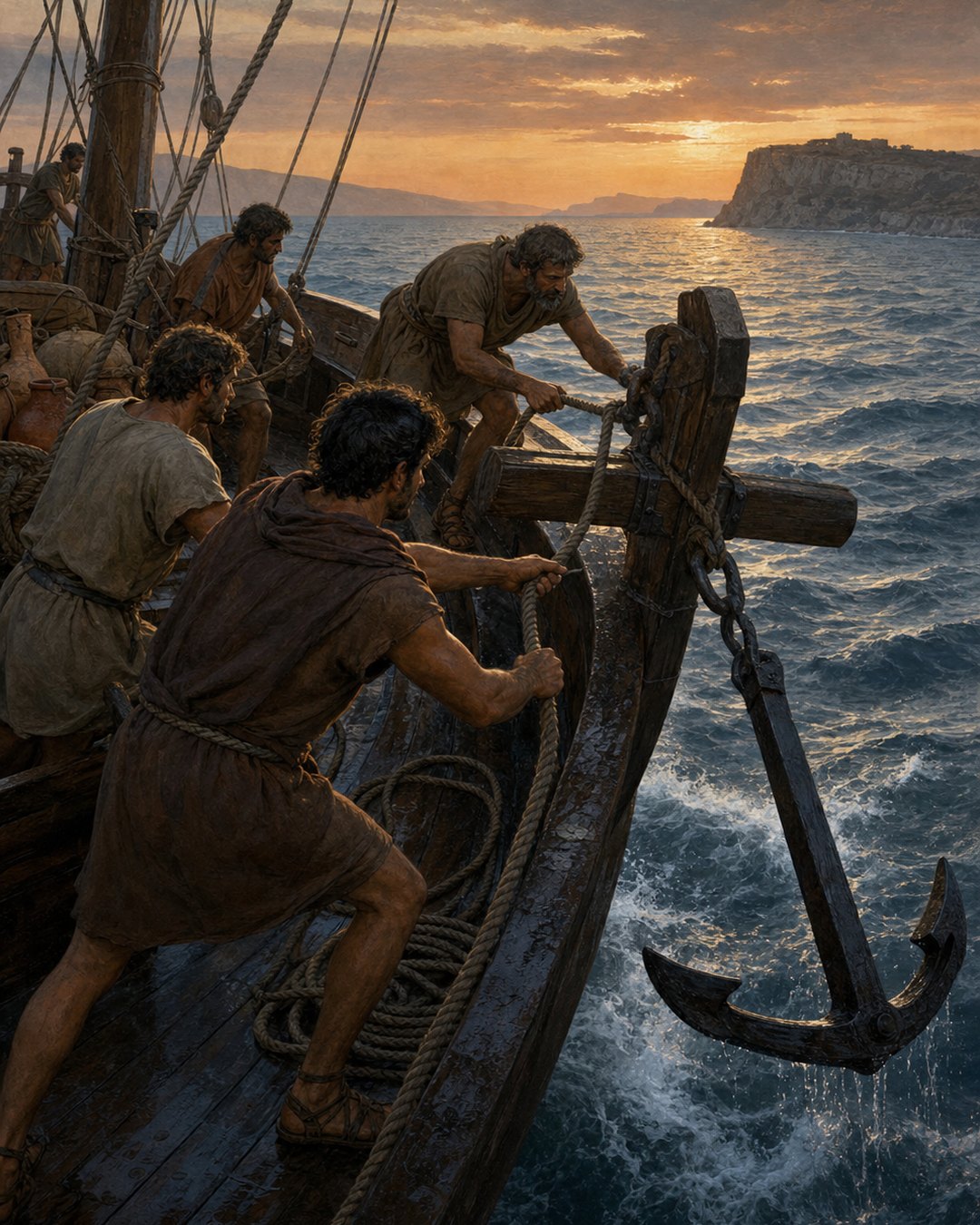
Empire can sound abstract until it reaches a dock. At Ostia, distance became visible as ships, ropes, sacks, amphorae, warehouses, ledgers, and laborers moving goods toward Rome. Ostia’s harbor made empire feel reachable because it turned faraway provinces into practical arrivals. The system was not only conquest or map color. It was cargo handled at … Read more

Why Roman Surveyors Made Land Disputes Visible

A Roman land dispute could begin with something small: a stone moved, a furrow crossed, a neighbor’s claim repeated once too often. The solution, at least in theory, required making the invisible argument visible. Roman surveyors made land disputes visible because they turned ownership, taxation, settlement, and jurisdiction into measured lines on the ground. A … Read more

Why Roman Veteran Colonies Made Conquest Permanent

A conquest did not become permanent when the battle ended. It became harder to undo when someone measured land, drove stakes into soil, assigned plots, opened roads, and persuaded retired soldiers to build lives where an army had once passed. Roman veteran colonies mattered because they turned military victory into civilian geography. A discharged soldier … Read more

Why Roman Brick Stamps Made Buildings Speak

A Roman wall could speak before anyone covered it with marble. Its voice was small, rectangular, and easy to miss: a stamp pressed into wet clay before firing. To the casual eye it was only a mark on a brick. To a historian, it can be a name, a workshop, an estate, a date, and … Read more

Why Roman Boundary Stones Made Land Political

A boundary stone looks quiet until people disagree about it. Then it becomes a witness, a threat, a memory, and a piece of government in the soil. Romans understood that land was not only earth. It was measured earth, inherited earth, taxed earth, sacred earth, and sometimes conquered earth. That is why Roman boundary stones … Read more

Why Aurelian’s Walls Changed the Meaning of Rome

A wall is never only a wall around a capital. It is a confession in stone and brick. When Aurelian began building a new defensive circuit around Rome in the 270s CE, the city received more than fortification. It received a visible admission that the old confidence had changed. For centuries, imperial Rome could imagine … Read more

Sulla’s March Showed Rome a New Kind of Army

The most dangerous road in the late Republic was not outside Italy. It led back to Rome. In 88 BC, Lucius Cornelius Sulla did something Roman political culture had struggled to imagine: he marched his own army toward the city to settle a domestic command crisis. The shock was not simply violence. Rome knew violence. … Read more

Why the Antonine Plague Changed Rome’s Confidence

The Antonine Plague did not arrive in a weak empire waiting to fall over. That is what makes it unsettling. It struck during the reign of Marcus Aurelius, when Roman power still stretched from Britain to the Euphrates and armies still fought on enormous frontiers. The shock was not simply that people died. The shock … Read more

Why Diocletian Split Power to Save the Empire

Diocletian did not split power because he wanted a smaller Rome. He split power because the empire had become too large, too violent, and too vulnerable to depend on one emperor appearing everywhere at once. Around AD 293, the tetrarchy tried to turn imperial rule from a single body into a system: two senior Augusti, … Read more