One Law Pushed Rome’s Dead Beyond the City

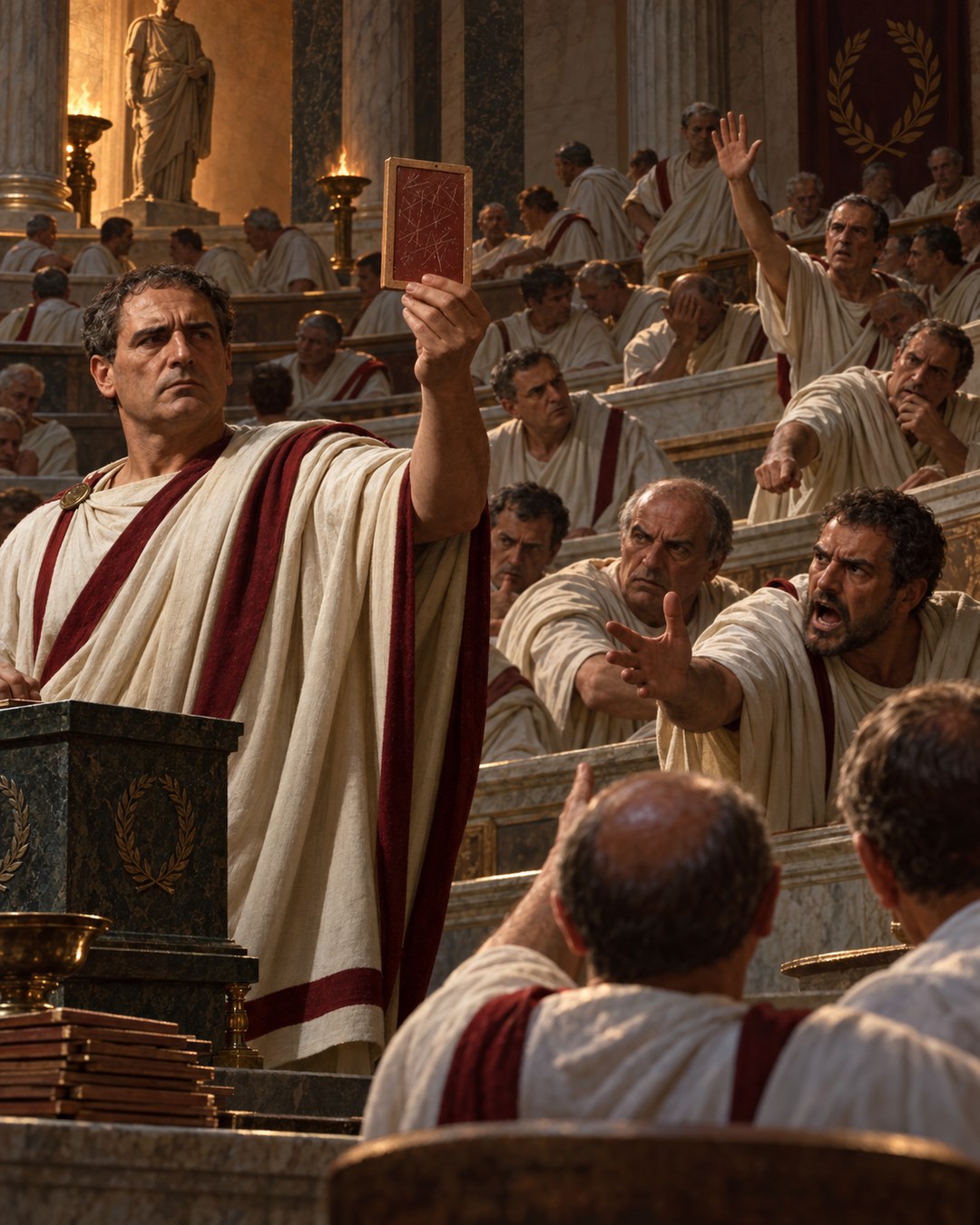
A Roman leaving the city did not pass from crowded life into empty countryside. Beyond the gates stood another population: the dead. Tombs, altars and inscribed monuments lined major roads, presenting family names to travelers while keeping bodies and funeral fires outside the civic center. A severe sentence in the Twelve Tables helped create that … Read more

Forty-Six BC Stretched to 445 Days

Rome entered 46 BC with a problem that could not be solved by declaring the next festival a little earlier. The civic calendar had slipped so badly against the solar year that dates no longer reliably named the seasons they were supposed to govern. Magistrates, courts, contracts, religious observances and military commands all depended on … Read more

Titus Sent Berenice Away Though Both Were Unwilling

Berenice had crossed the eastern Mediterranean to Rome and entered the household of the man expected to become emperor. She was a client queen, older than Titus, politically experienced, and already bound to the Flavian family by war and patronage. Ancient writers also say she was his lover. The relationship did not end because either … Read more

Geese Woke Manlius Before the Gauls Reached the Capitol

The Gauls climbed toward Rome’s Capitoline in darkness. They found a route so steep that the defenders had left it unguarded. Livy says the first man reached the summit without waking a sentry or even disturbing the dogs. Then Juno’s geese began to call and beat their wings. Hunger had not persuaded the besieged Romans … Read more

Augustus Smashed Every Goblet to Save One Cup-Bearer

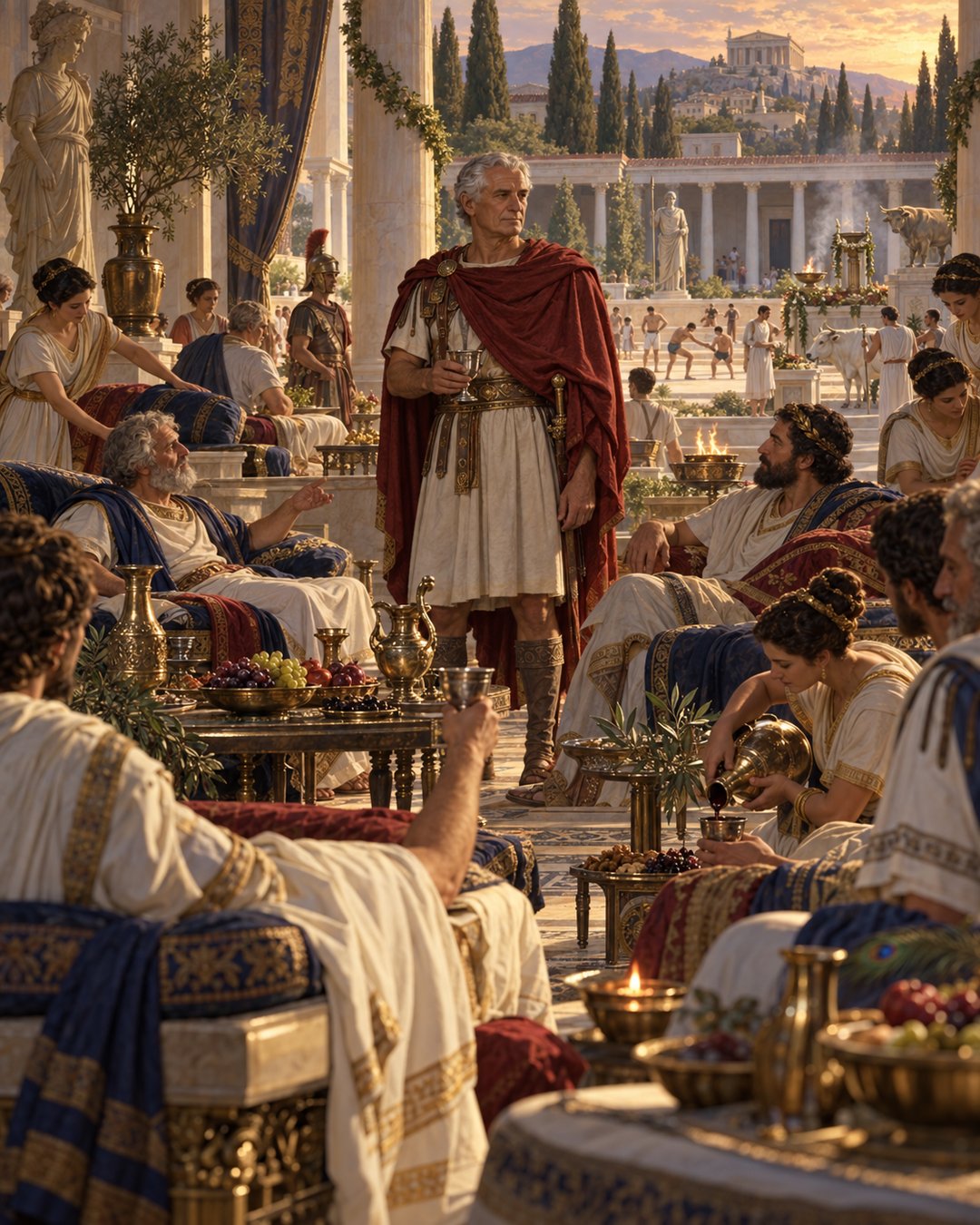
A cup-bearer broke a crystal goblet during a banquet given by Vedius Pollio. The wealthy host ordered the enslaved man thrown to the huge lampreys he kept in reservoirs. Emperor Augustus was dining there. Augustus first asked Vedius not to carry out the punishment. Vedius refused. The emperor then requested every similar or valuable drinking … Read more

Caesar Raised His Own Ransom from Twenty Talents to Fifty

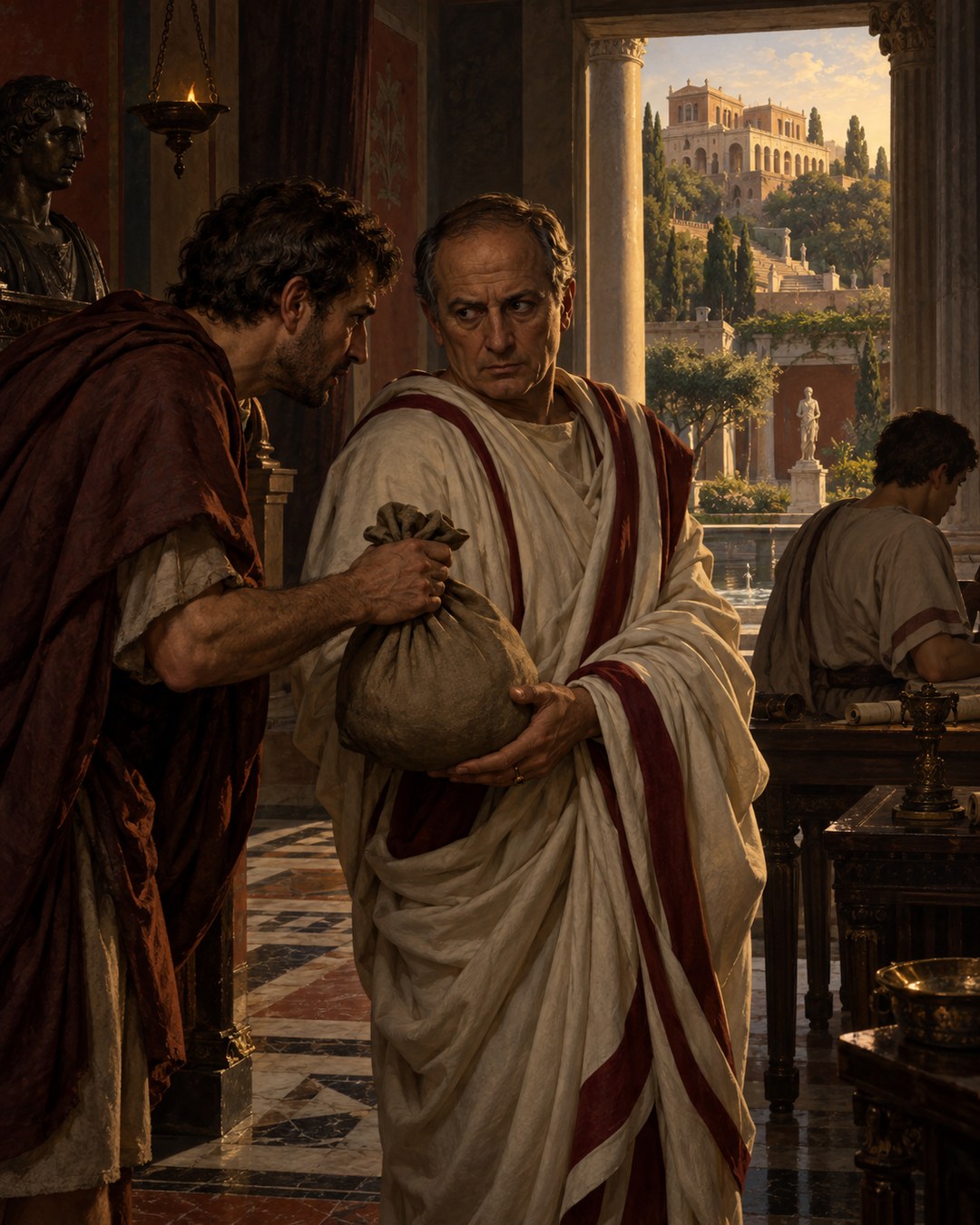
Pirates captured Julius Caesar near the island of Pharmacusa and demanded twenty talents for his release. Caesar laughed. They did not understand whom they had taken, he said, and he volunteered to pay fifty. Plutarch’s story is not a simple tale of courage. Caesar remained a captive for thirty-eight days while followers searched cities for … Read more

Cato Told Buyers to Visit a Farm More Than Once

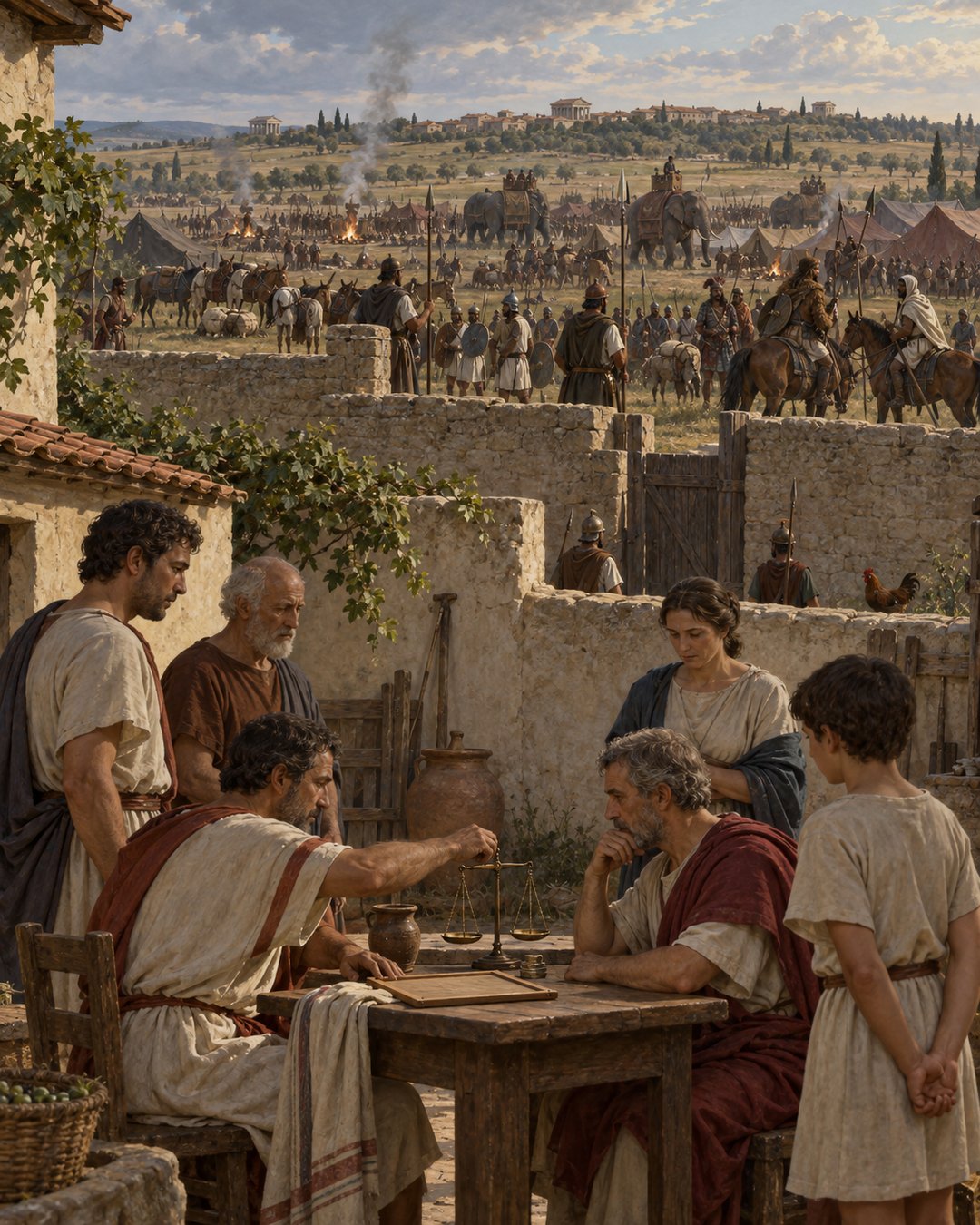
Cato the Elder begins his farming handbook by slowing the buyer down. Do not be over-eager to purchase, he warns, and do not consider one inspection enough. A good farm should become more convincing with each visit. The neighbors’ properties, the direction of the slope, water, workers, roads, town and equipment all had to support … Read more

Five Hundred Builders Turned Rome’s Fires into Crassus’s Property

Marcus Licinius Crassus watched Rome burn with a buyer’s patience. When a building caught fire, Plutarch says, he purchased the endangered property and the houses beside it while their owners were frightened and uncertain. The prices were trifling. Waiting behind the bargain was a workforce of more than five hundred enslaved architects and builders. The … Read more