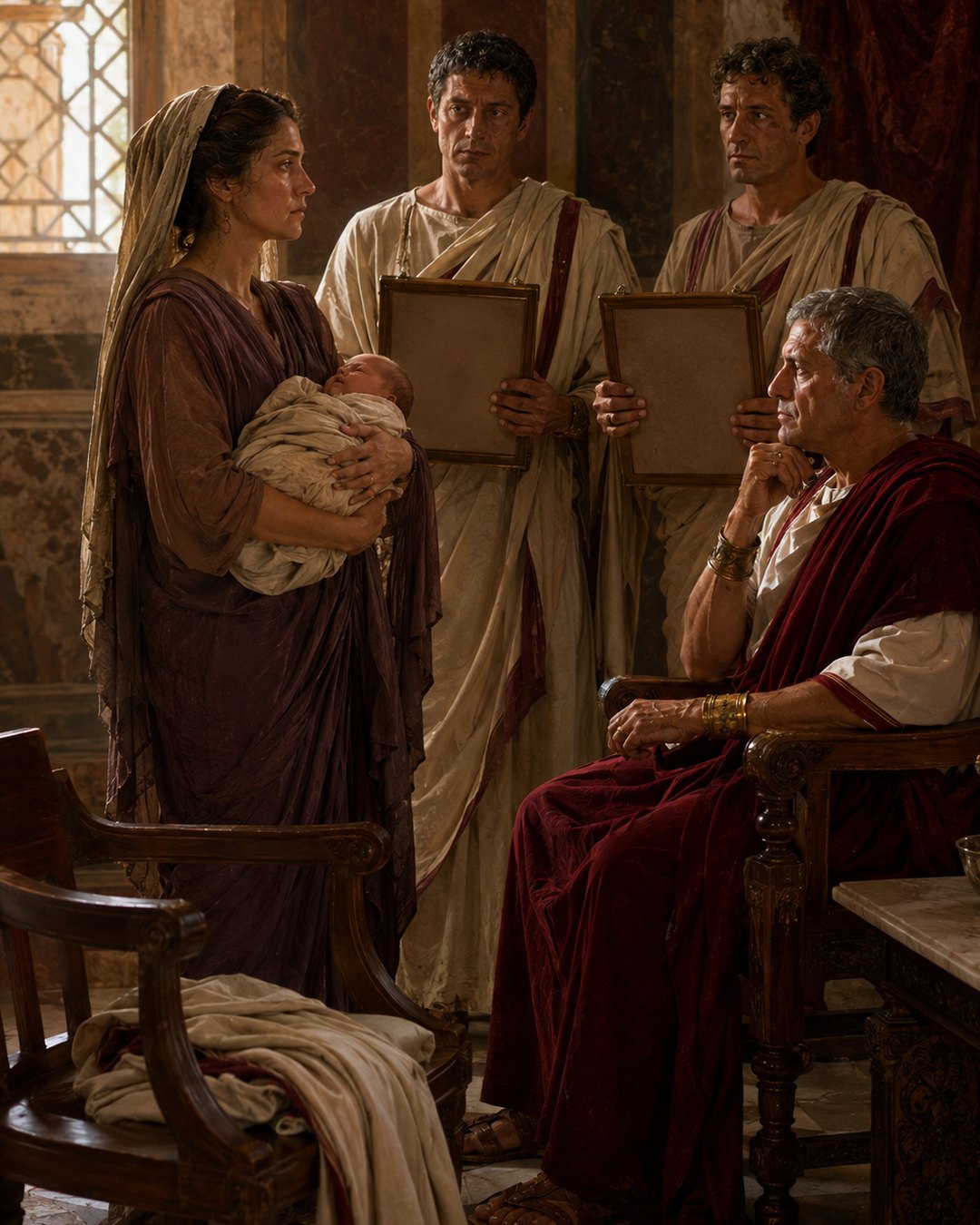
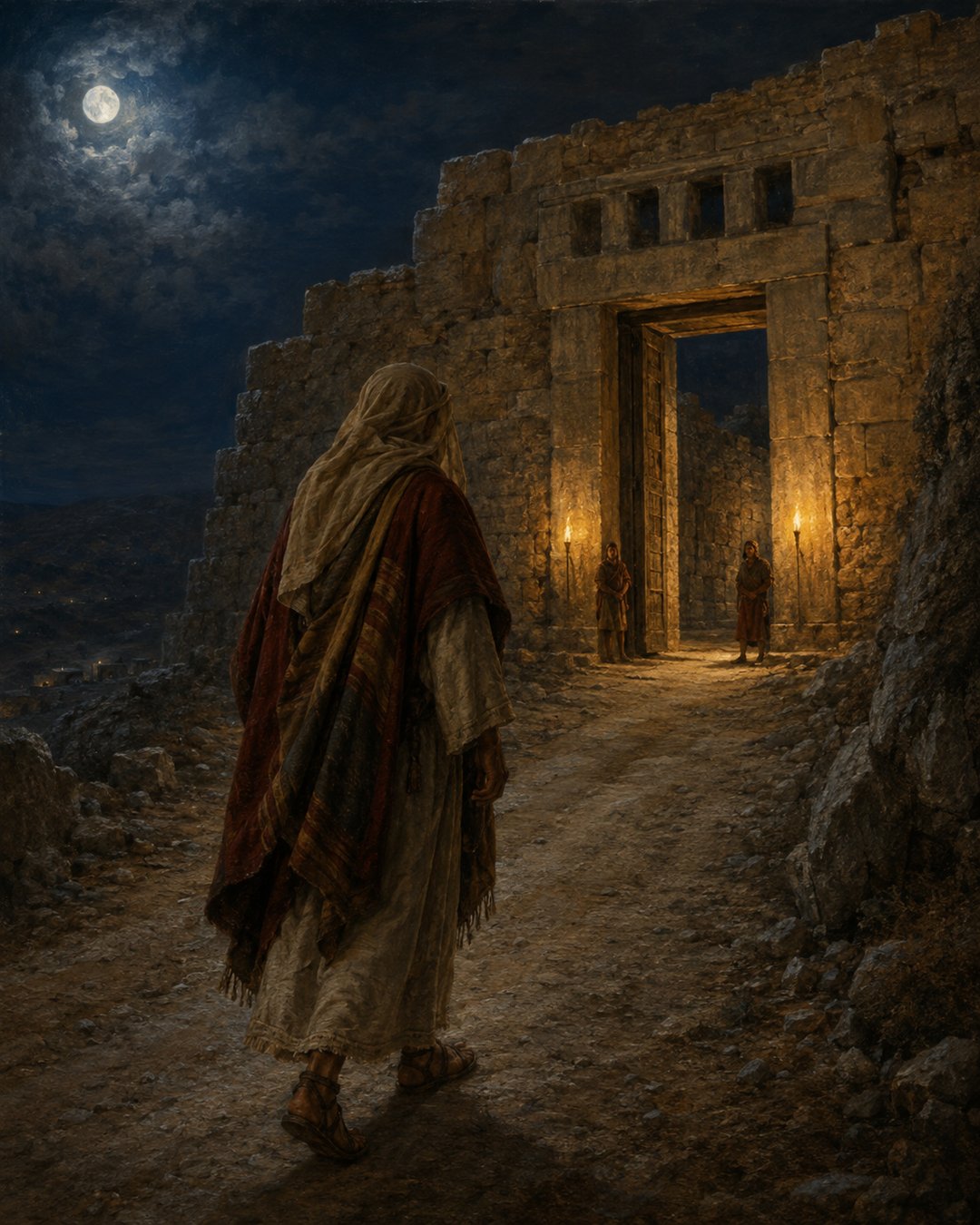
Caesar Raised His Own Ransom from Twenty Talents to Fifty

Pirates captured Julius Caesar near the island of Pharmacusa and demanded twenty talents for his release. Caesar laughed. They did not understand whom they had taken, he said, and he volunteered to pay fifty. Plutarch’s story is not a simple tale of courage. Caesar remained a captive for thirty-eight days while followers searched cities for … Read more

Five Hundred Builders Turned Rome’s Fires into Crassus’s Property

Marcus Licinius Crassus watched Rome burn with a buyer’s patience. When a building caught fire, Plutarch says, he purchased the endangered property and the houses beside it while their owners were frightened and uncertain. The prices were trifling. Waiting behind the bargain was a workforce of more than five hundred enslaved architects and builders. The … Read more

Crystal Cups Stopped a Slave at Vedius Pollio’s Lamprey Pool

A crystal goblet broke during dinner. Its owner, Vedius Pollio, did not ask what the vessel had cost or whether the damage was accidental. He ordered the enslaved cup-bearer taken to a pool of large muraenae, fish kept for a death that would turn punishment into spectacle. One guest changed the result. Augustus was at … Read more

Gold Goblets Went to War in Marcus Aurelius’s Auction

Gold cups, crystal, royal flagons, silk embroidered with gold and jewels from Hadrian’s cabinet left the imperial household for a public sale. The setting was not a discreet storeroom. An ancient account places the goods in the Forum of the deified Trajan, where Roman buyers could turn palace display into cash for a war. The … Read more

Ten Flute Players Marked Rome’s Funeral Limit

A Roman funeral could have music, mourning cloth and purple. It could display crowns that the dead had earned, and a gold bridge already fixed between the teeth did not have to be torn from the mouth. Yet an old legal memory drew lines through that display. Cicero quotes one limit with startling precision: no … Read more

Scipio Wept While Carthage Burned

Carthage was burning when the Roman commander began to cry. Appian places Scipio Aemilianus before a city that had resisted for three years and had now reached total destruction. This was the victory Rome had demanded. Yet Scipio did not greet the spectacle with a simple boast. He looked at the enemy’s ruin, reflected in … Read more

Thirty Days Began a Roman Debtor’s Descent into Fetters

A Roman who admitted a debt did not go straight into chains. In the version of the Twelve Tables quoted by Aulus Gellius, thirty lawful days came first. They formed a pause in enforcement: time to raise the money, find help or reach a settlement before the creditor could lay hands on the debtor. When … Read more

A Roadside Halt Left Caracalla Alone with His Assassin

The emperor’s escort was close enough to avenge him and too far away to save him. On 8 April 217, Caracalla halted while travelling between Carrhae and Edessa in northern Mesopotamia. He stepped away from the road to relieve himself. Julius Martialis, an imperial guard, followed as though he had a message. When the emperor … Read more

Sixteen Days Ended Cincinnatus’s Emergency Command

The envoys found Lucius Quinctius Cincinnatus working land across the Tiber. In Livy’s telling, the farm was only four iugera, and the former consul was either digging a ditch or ploughing when Rome’s messengers asked him to put on his toga and hear instructions from the Senate. Dust and sweat were replaced by formal dress … Read more

Sixty Tonnes of Marble Sank Fifty Kilometres from a Temple

At Kızılburun—“Crimson Cape”—a ship went down with architecture on its deck. Eight marble drums and a single Doric capital had been assembled as the parts of one monumental column. They were not rubble from a ruined building. They were a building element still in transit, interrupted between quarry and sanctuary. The carrier sank off the … Read more