A River Forced Ceres’s Portico Across the Road
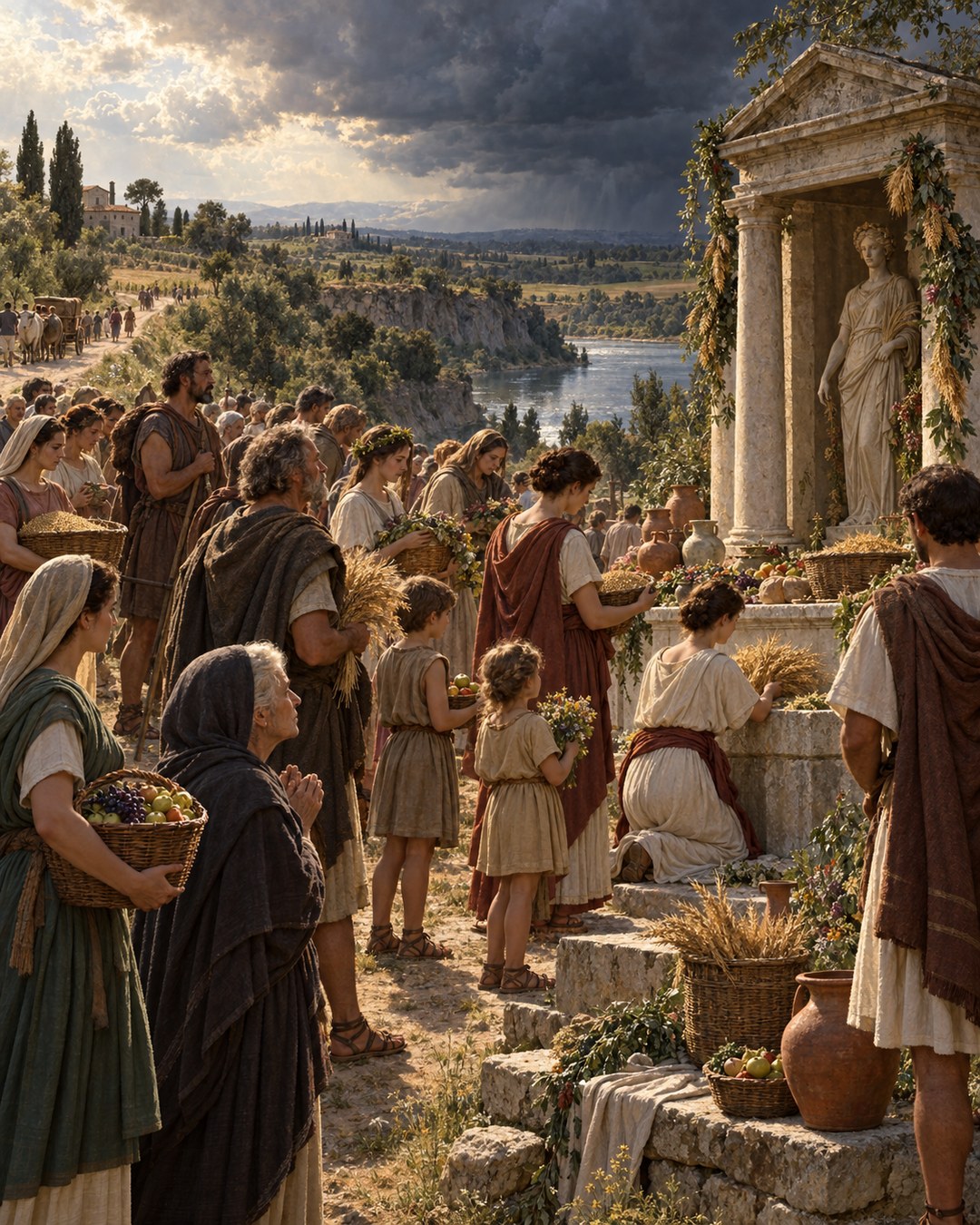
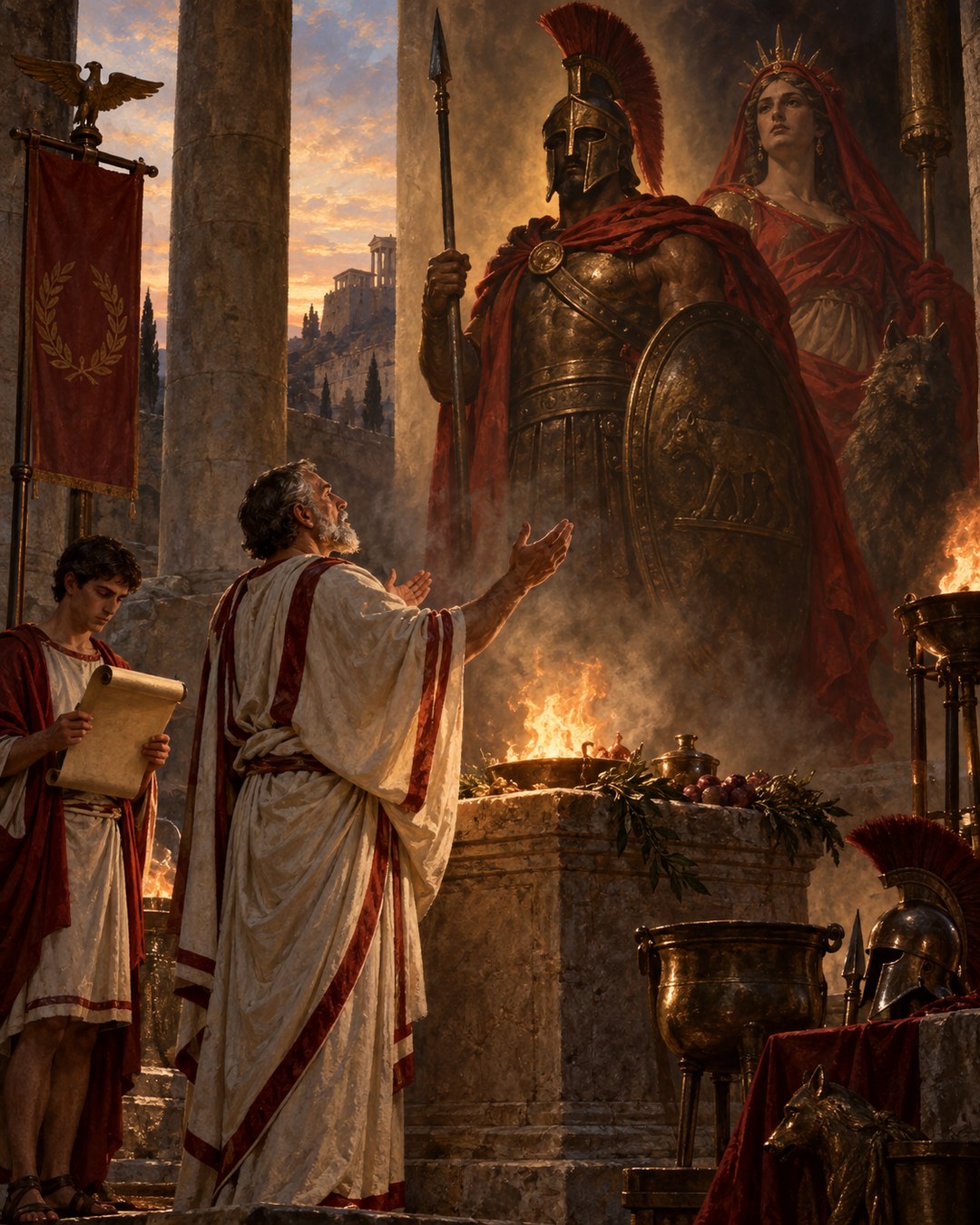
For most of the year, the old temple of Ceres stood on Pliny’s estate as a small rural shrine. On the Ides of September, the countryside arrived. Vows, business and bodies filled a site with no refuge from heat or storm. Repairing the temple was only half the answer. The river and road decided where … Read more
Thin Skull Bones Made Reason’s Best Design Vulnerable

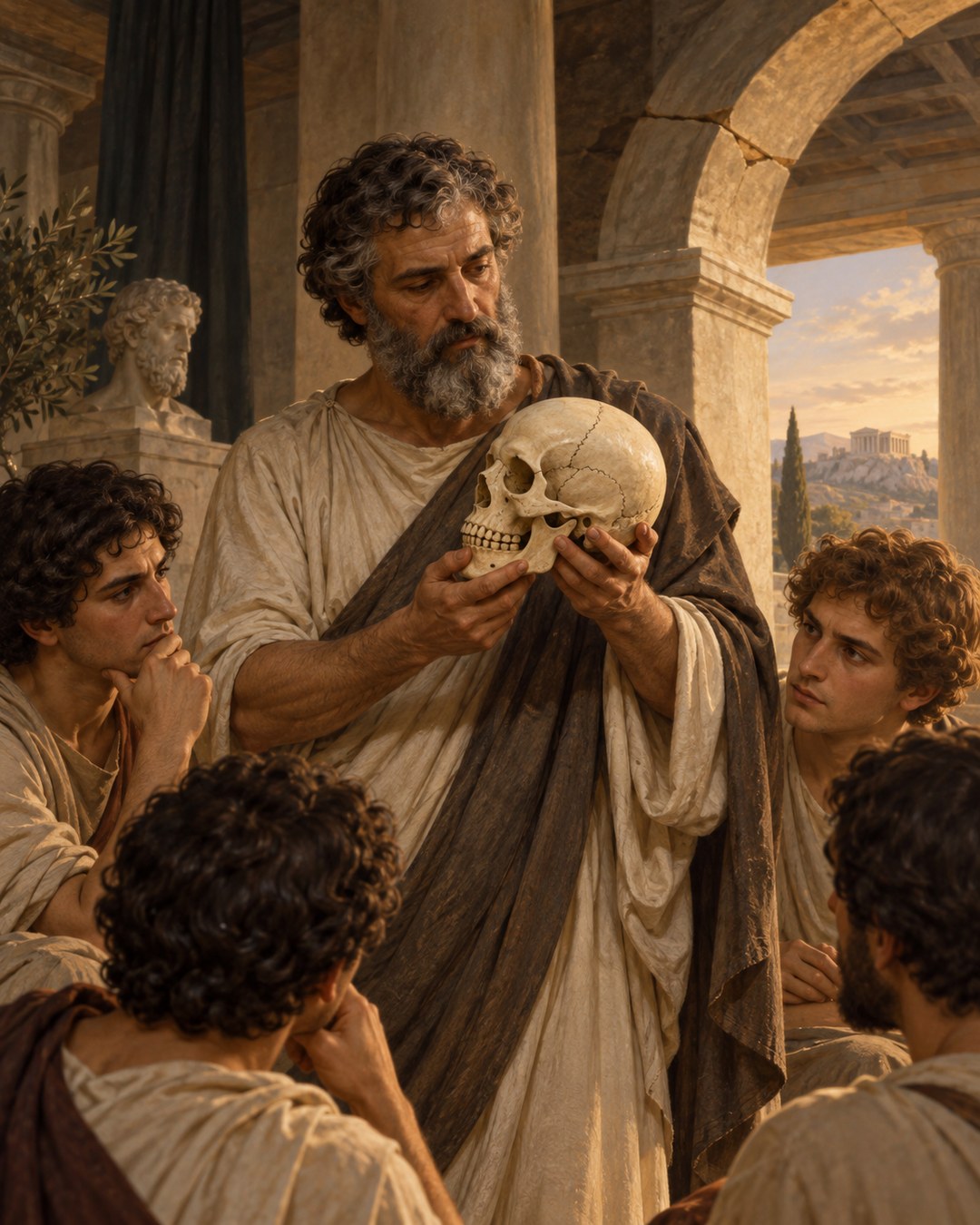
A philosopher defending Providence did not point to an invulnerable human body. He pointed to the skull. Its bones were small and delicate because the head required a particular kind of structure. The same choice left that vital part lightly protected against blows. For Chrysippus, vulnerability could travel beside usefulness without becoming nature’s original aim. … Read more

Vediovis Held Arrows Between the Capitol and Citadel

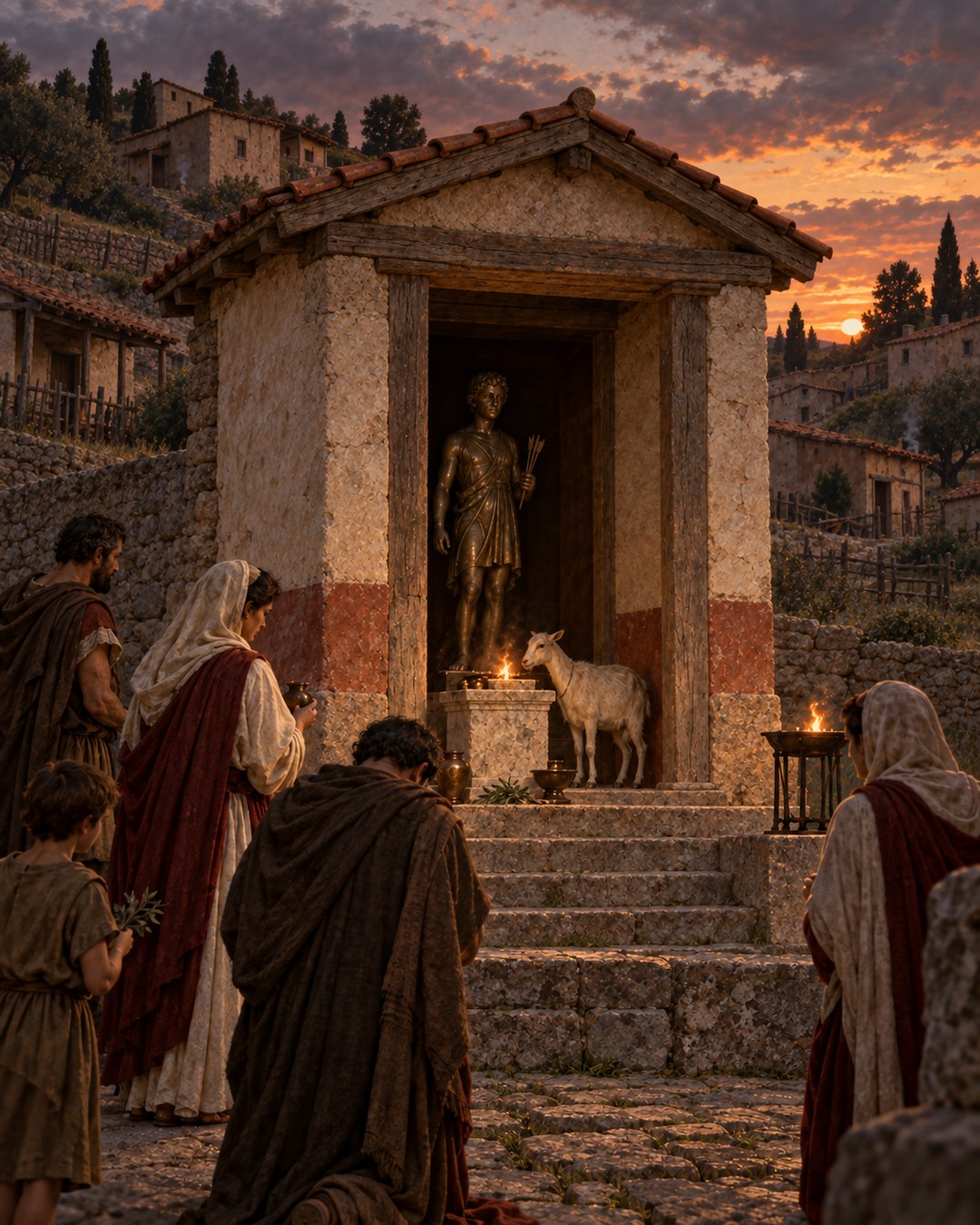
Between Rome’s Citadel and Capitol stood a temple whose god carried arrows. A she-goat belonged to his customary sacrifice. His name was Vediovis, and Aulus Gellius did not introduce him as a source of victory, harvest or healing. He introduced him through a distinction in religious attention. Some gods were worshipped to gain favor. Others … Read more

Nerio Gave Mars Strength, Then Became His Wife

In an old Roman prayer list, Mars did not stand alone. Moles and Nerio appeared beside him, just as Salacia appeared with Neptune and Maia with Vulcan. Aulus Gellius tried to explain what one of those pairings meant. His answer split in two directions. Nerio could be the strength and power of Mars. She could … Read more

Two Neighbors Crowned the Same Boundary Stone

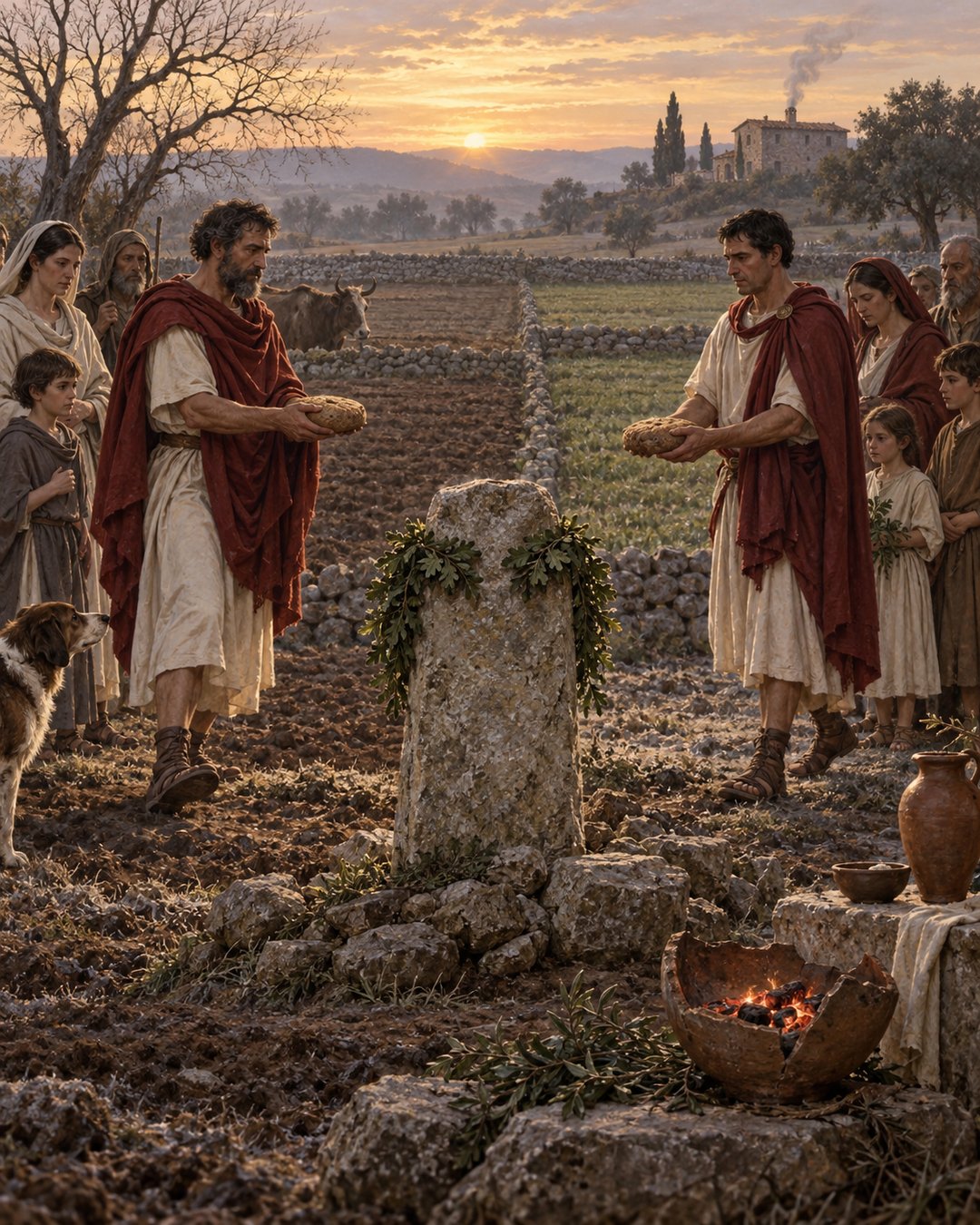
Two landowners approached the same boundary marker from opposite sides. Each carried a garland. Each brought a cake. Then the households arrived: a farmer’s wife with coals from the hearth, an old man with wood and bark, a boy with a basket, and a daughter with sliced honeycomb. In Ovid’s account of the Terminalia, the … Read more

Three Writers Competed Beside Mausolus’s New Tomb

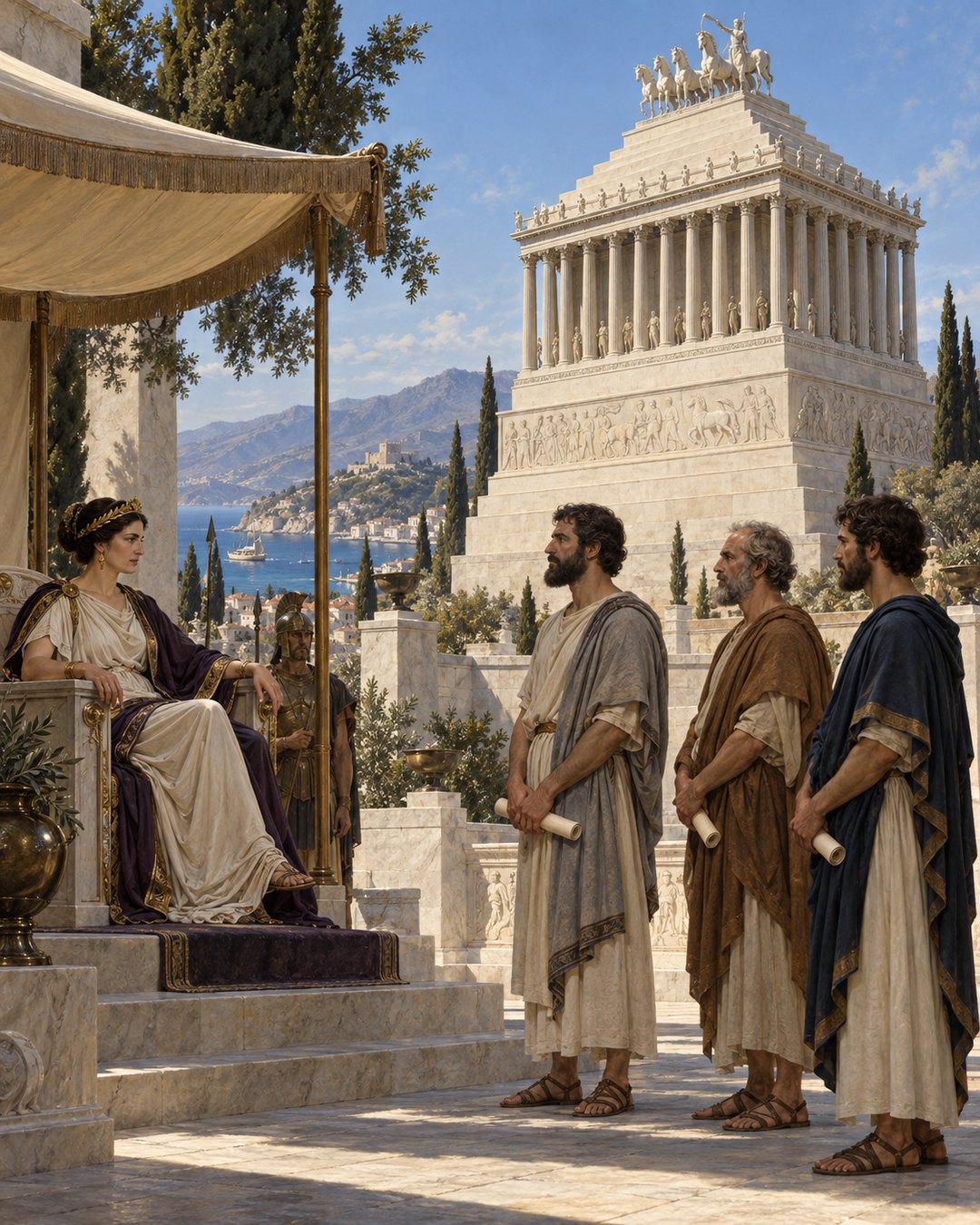
The marble tomb was not enough. At its dedication, Artemisia offered rich prizes and asked celebrated writers to compete in praising her dead husband Mausolus. Theopompus, Theodectes and Naucrates entered. One ancient tradition even added Isocrates to the field. A monument made memory visible. The contest tried to make it speak. Artemisia Built More Than … Read more

Mars’s Spears Moved; Rome Prepared a Second Sacrifice

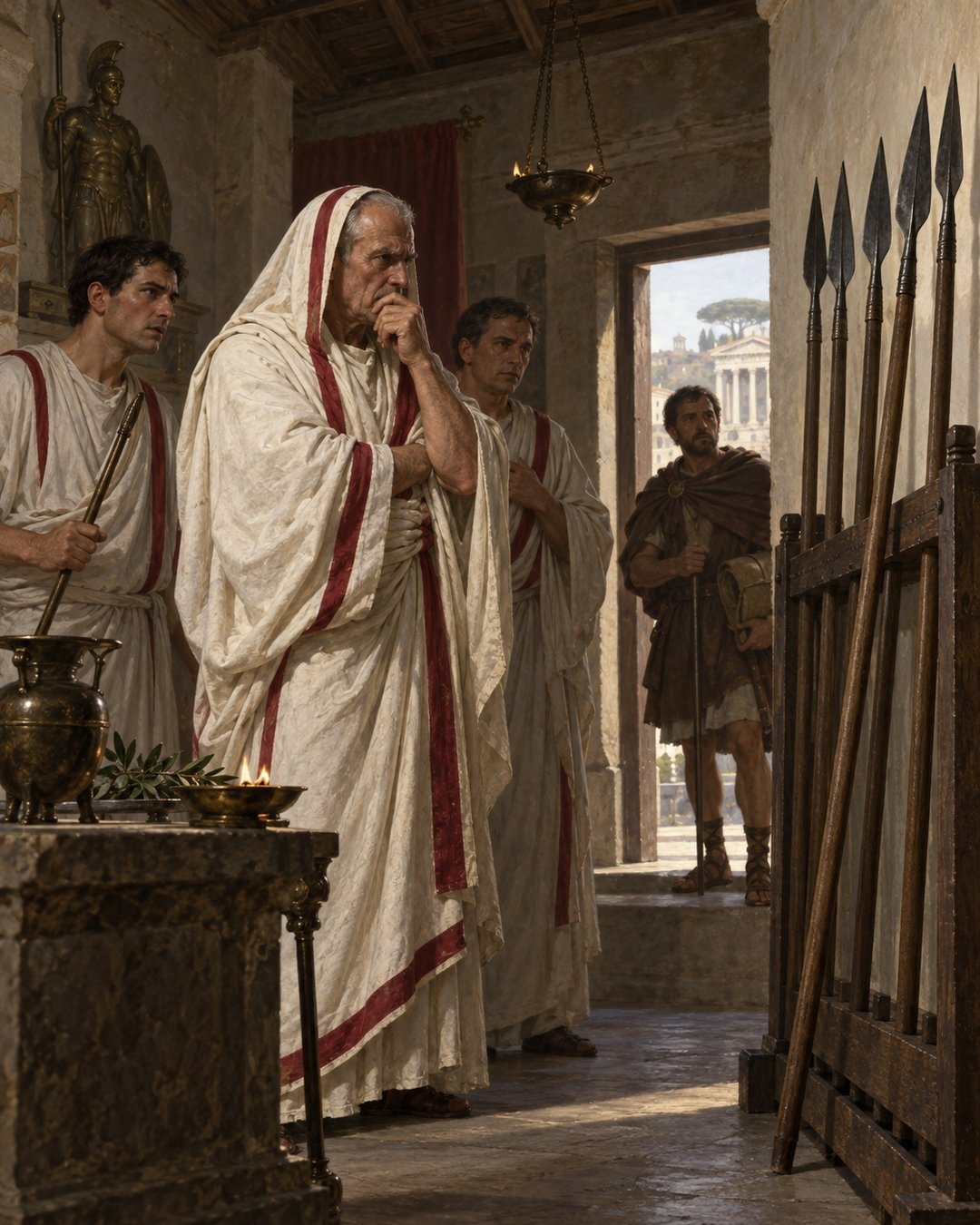
The spears were not on a battlefield. They stood inside the Regia, in a sanctuary tied to Mars. When they moved, a pontifex named Gaius Julius carried the observation into Rome’s machinery of government. The senate did not answer with a vague instruction to calm the gods. It named the consul responsible, distinguished which victims … Read more

Twenty Girls Entered Rome’s Lottery for One Vestal

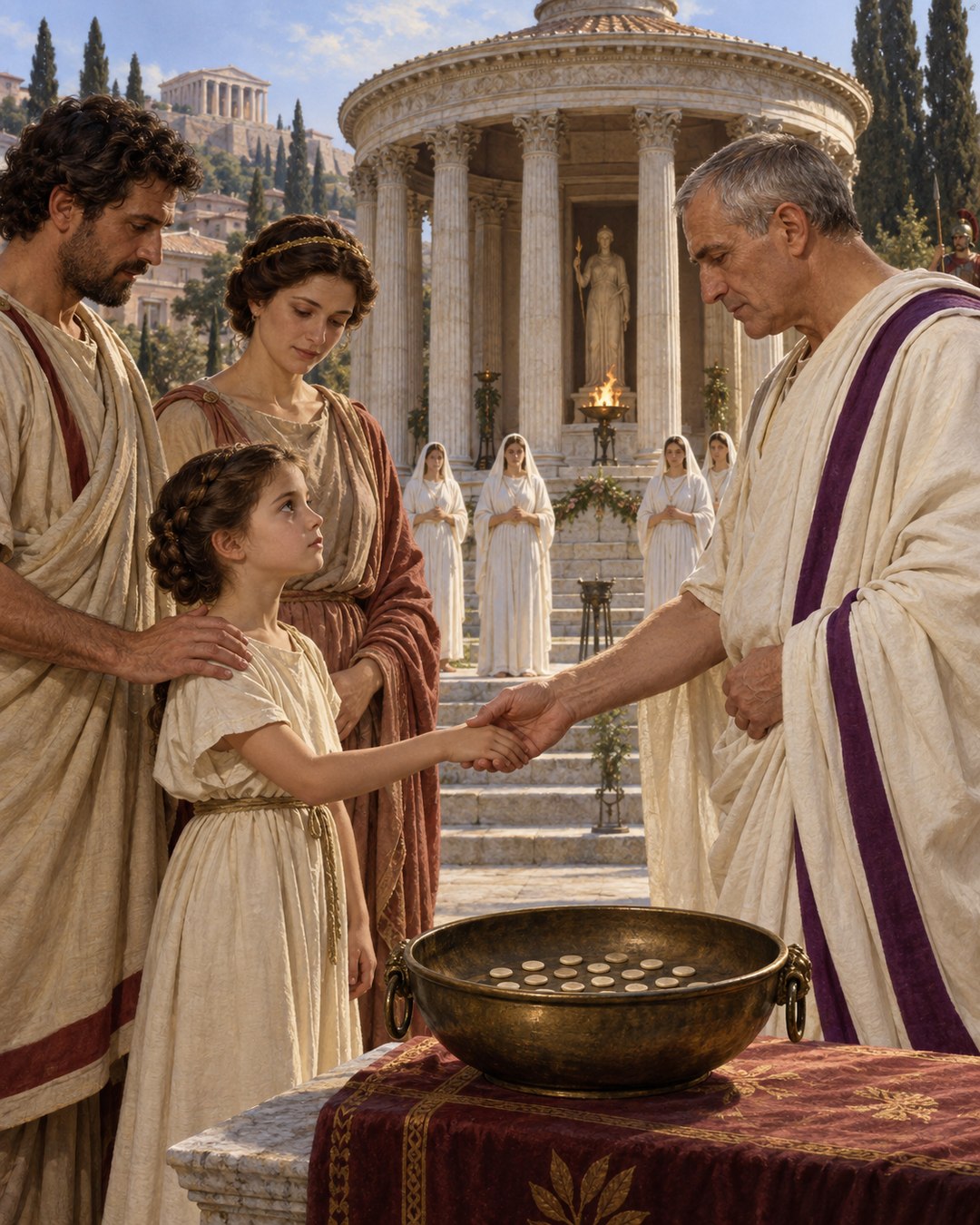
The bowl held twenty chances, but most Roman girls could never reach it. Aulus Gellius describes a selection process for the priesthood of Vesta that began with age, family and bodily qualifications. A candidate had to be at least six and no more than ten, with both parents living. Religious exclusions and family exemptions narrowed … Read more

Diviners Hid Horatius’s Statue Where the Sun Could Not Reach

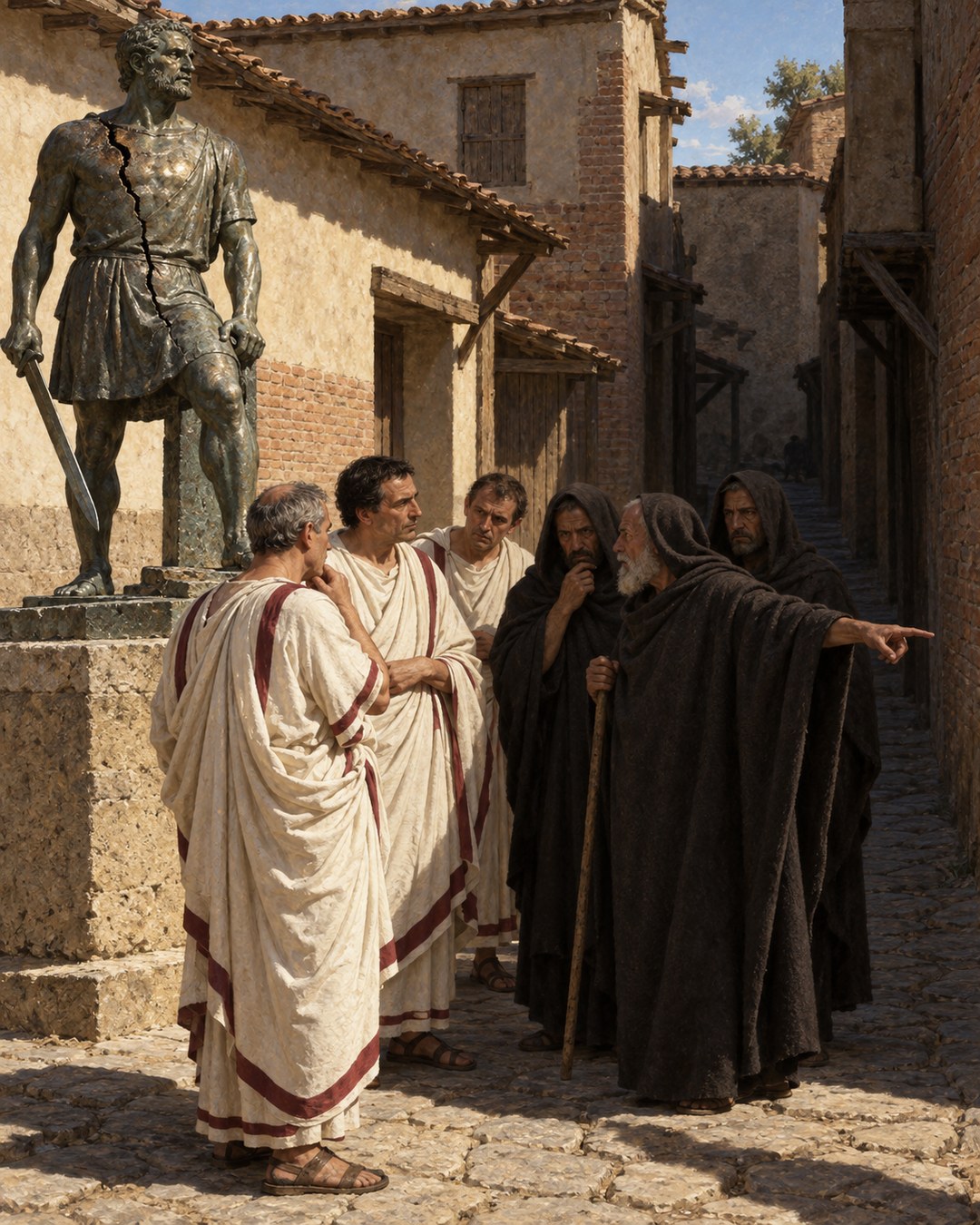
Lightning hit the bronze hero, and the experts told Rome to hide him from the sun. The statue of Horatius Cocles stood in the Comitium, a dense center of political memory. After the strike, Romans summoned diviners from Etruria to direct the expiation. According to Aulus Gellius, those advisers carried old hostility into their technical … Read more

An Earthquake Gave Rome a Holy Day without a God’s Name

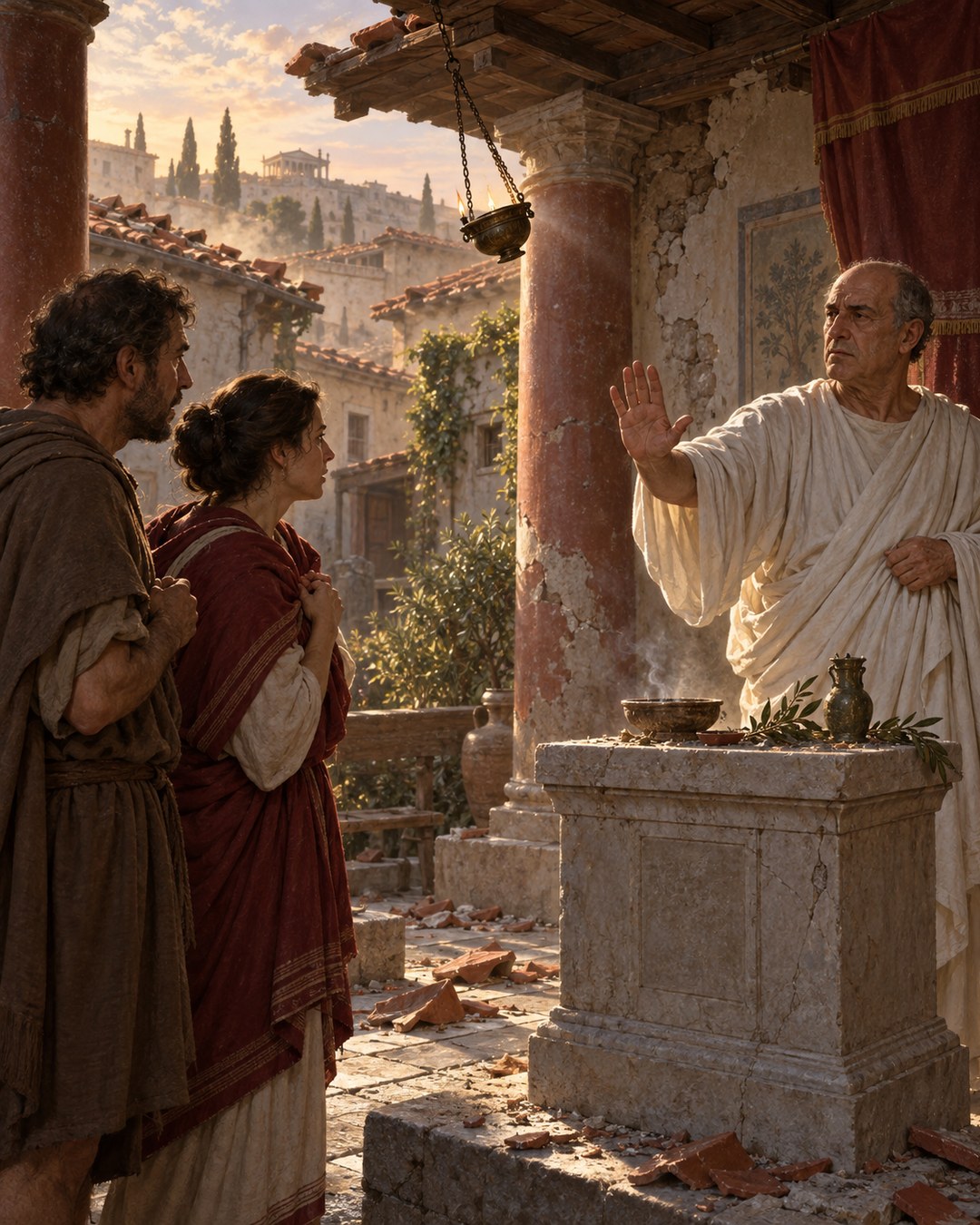
The ground moved, but the decree that followed did not name who had moved it. In Aulus Gellius’s account, Romans of old answered an earthquake by declaring a holy day. Where such a decree would ordinarily identify the god being honoured, this one left the divine recipient unstated. The omission was deliberate. Philosophers disagreed about … Read more