Marius Offered One Leg to the Surgeon’s Knife

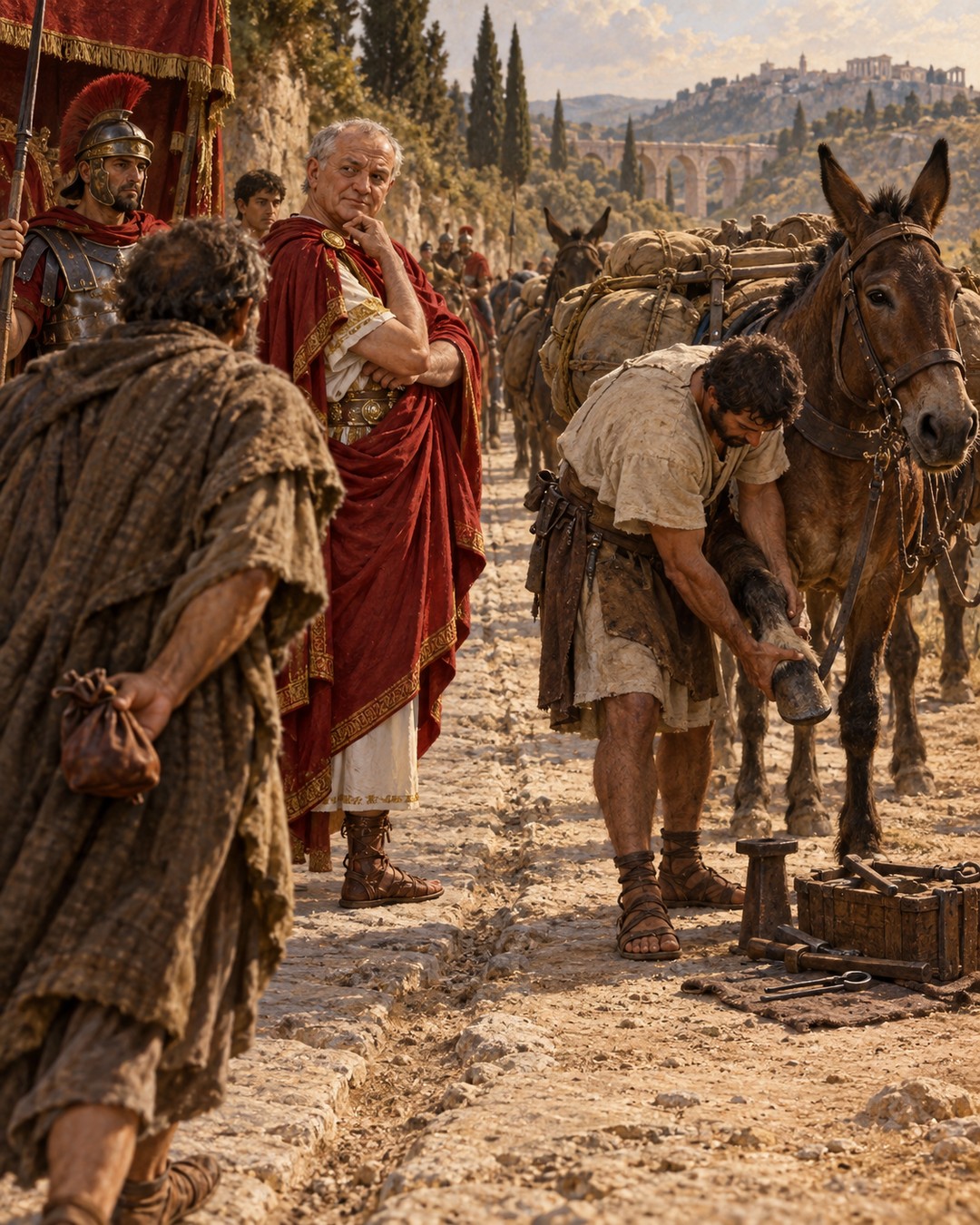
Gaius Marius placed one leg before a physician and refused to be tied down. Plutarch says the Roman endured the knife without movement, groan or change of expression. Then the physician approached the second leg. Marius stopped him. The cure, he decided, was not worth the pain. The abrupt refusal completes the anecdote rather than … Read more

Caracalla Made Nearly Every Free Imperial Subject a Citizen

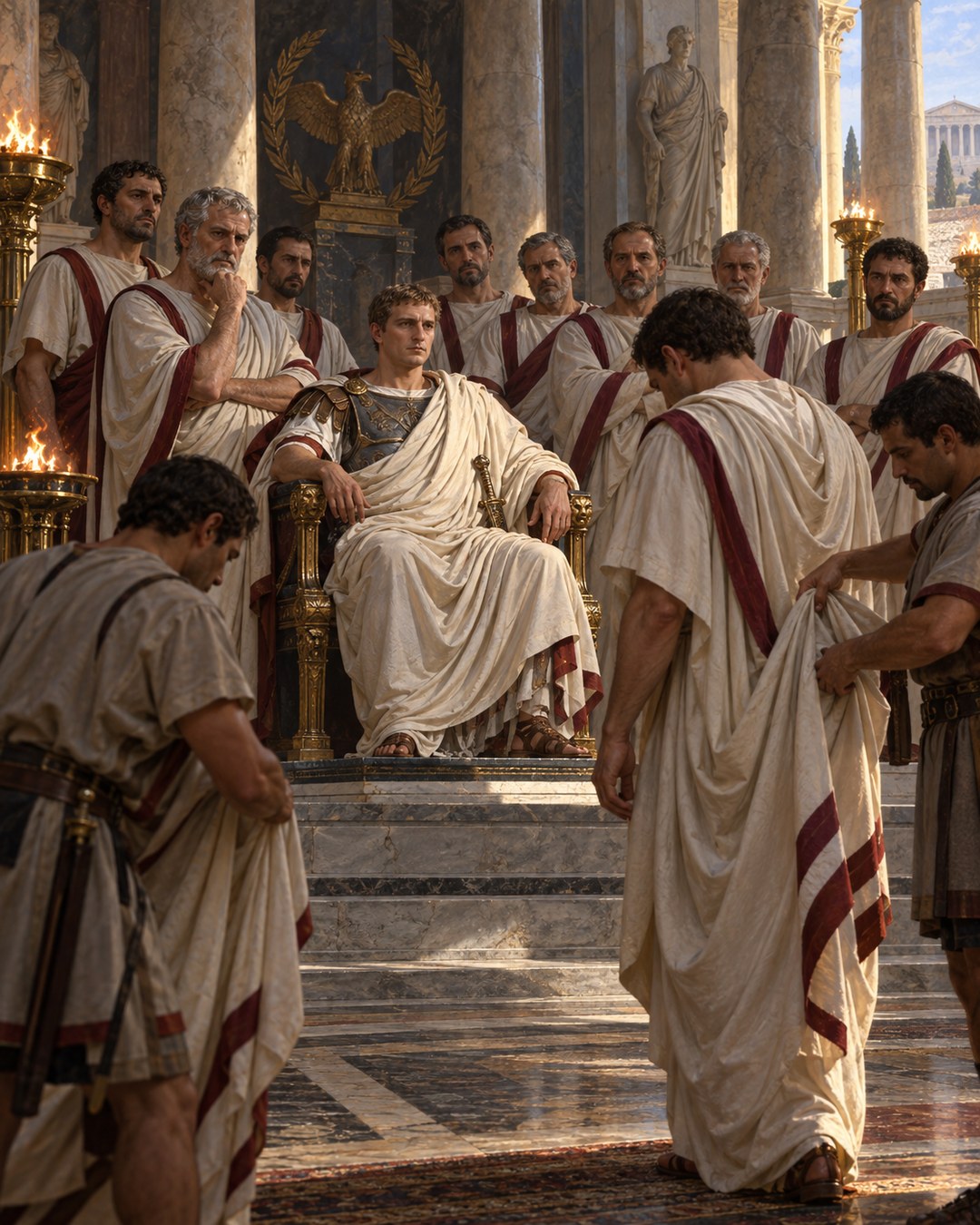
A damaged papyrus preserves the opening of an imperial decision that changed the legal identity of millions. In AD 212, Marcus Aurelius Antoninus—better known as Caracalla—extended Roman citizenship to almost every free inhabitant of the empire. The decree did not flatten the empire into one uniform society. It did something narrower and still enormous: it … Read more

Claudius Added Three Letters to the Roman Alphabet

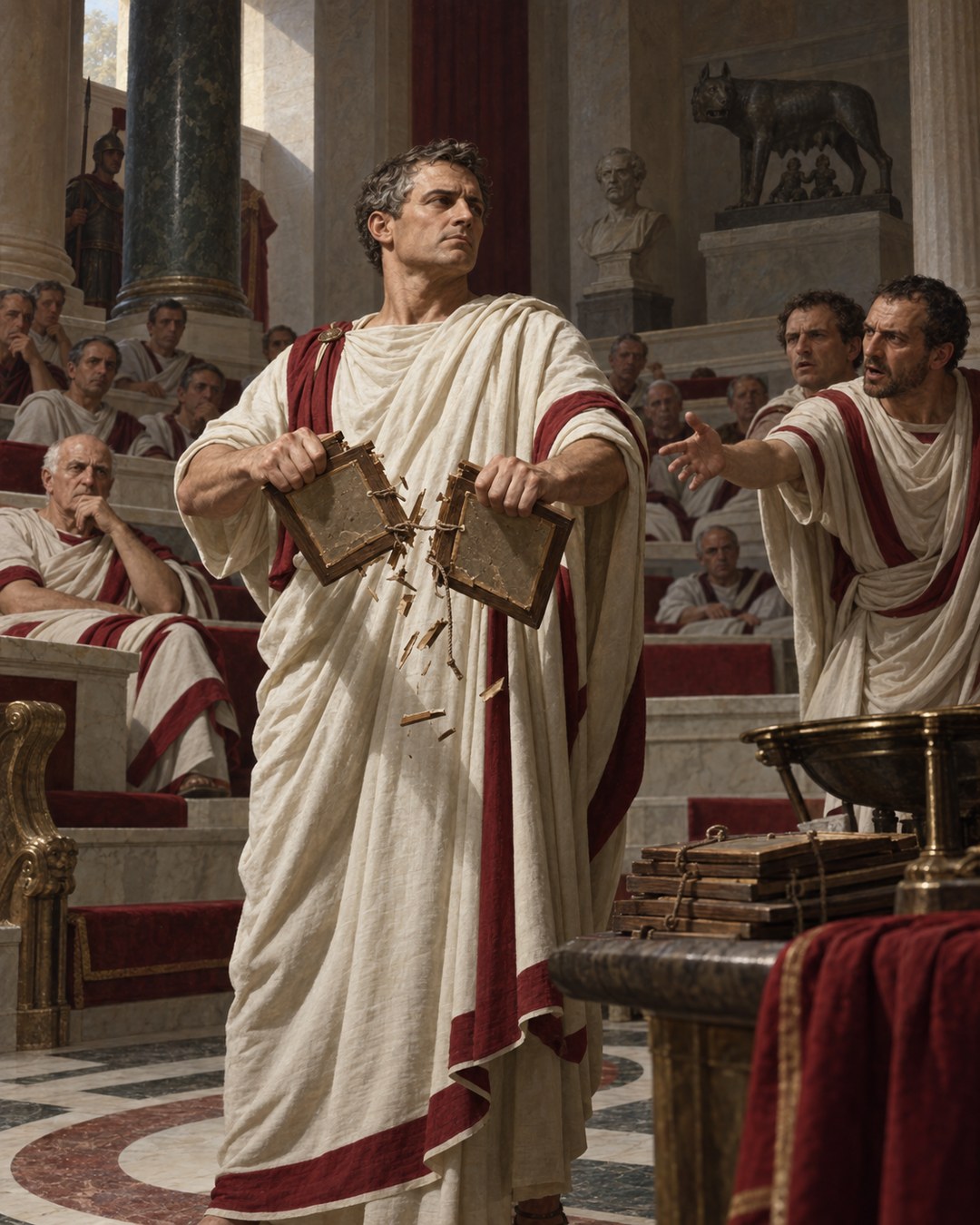
Claudius did not stop at writing histories in Latin and Greek. Before he became emperor, he designed three additions to the Latin alphabet, argued for them in a book, and later used imperial power to put them into public circulation. Suetonius says the characters appeared in books, Rome’s daily gazette, and inscriptions on public buildings. … Read more

Domitian’s Council Debated One Enormous Turbot

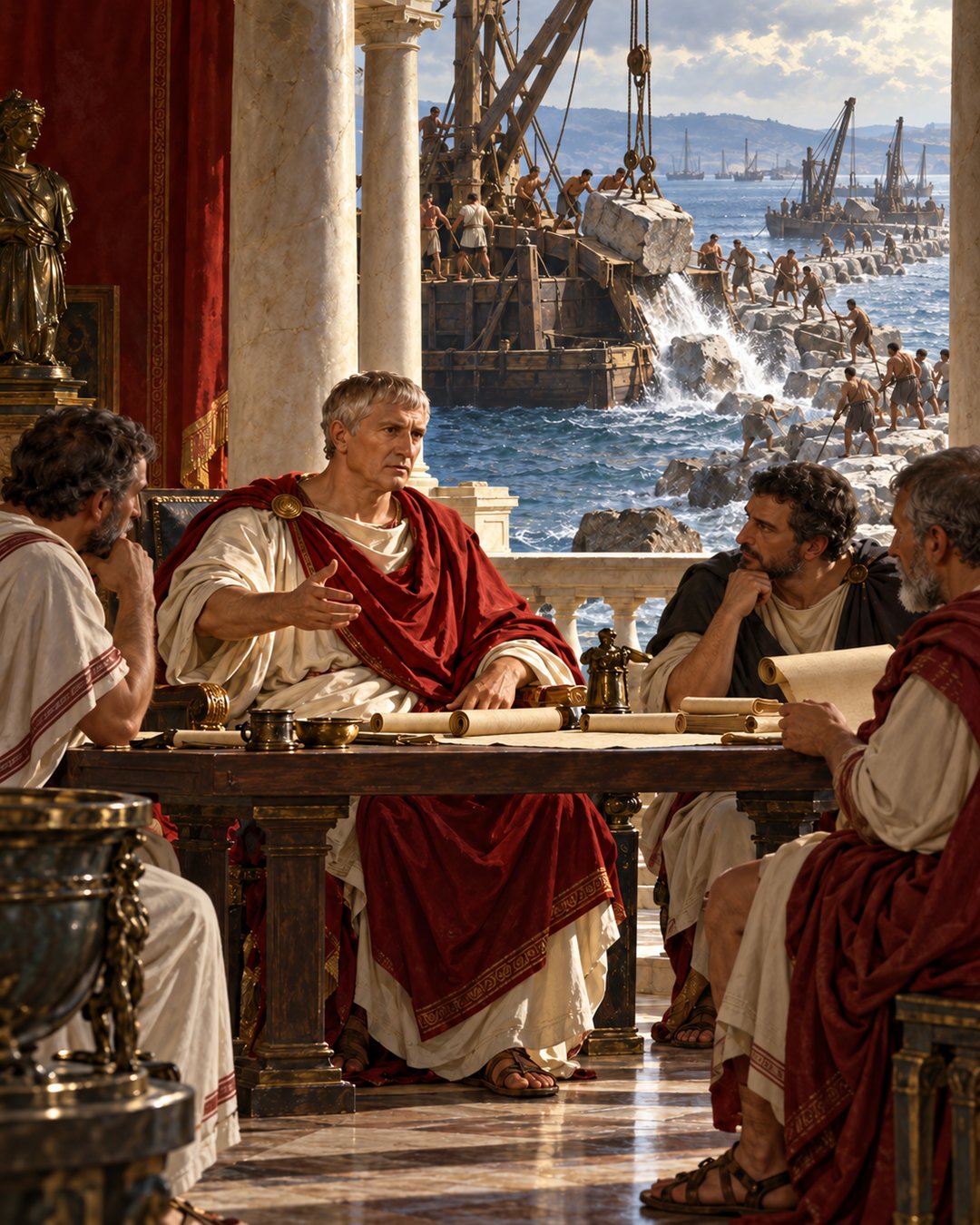
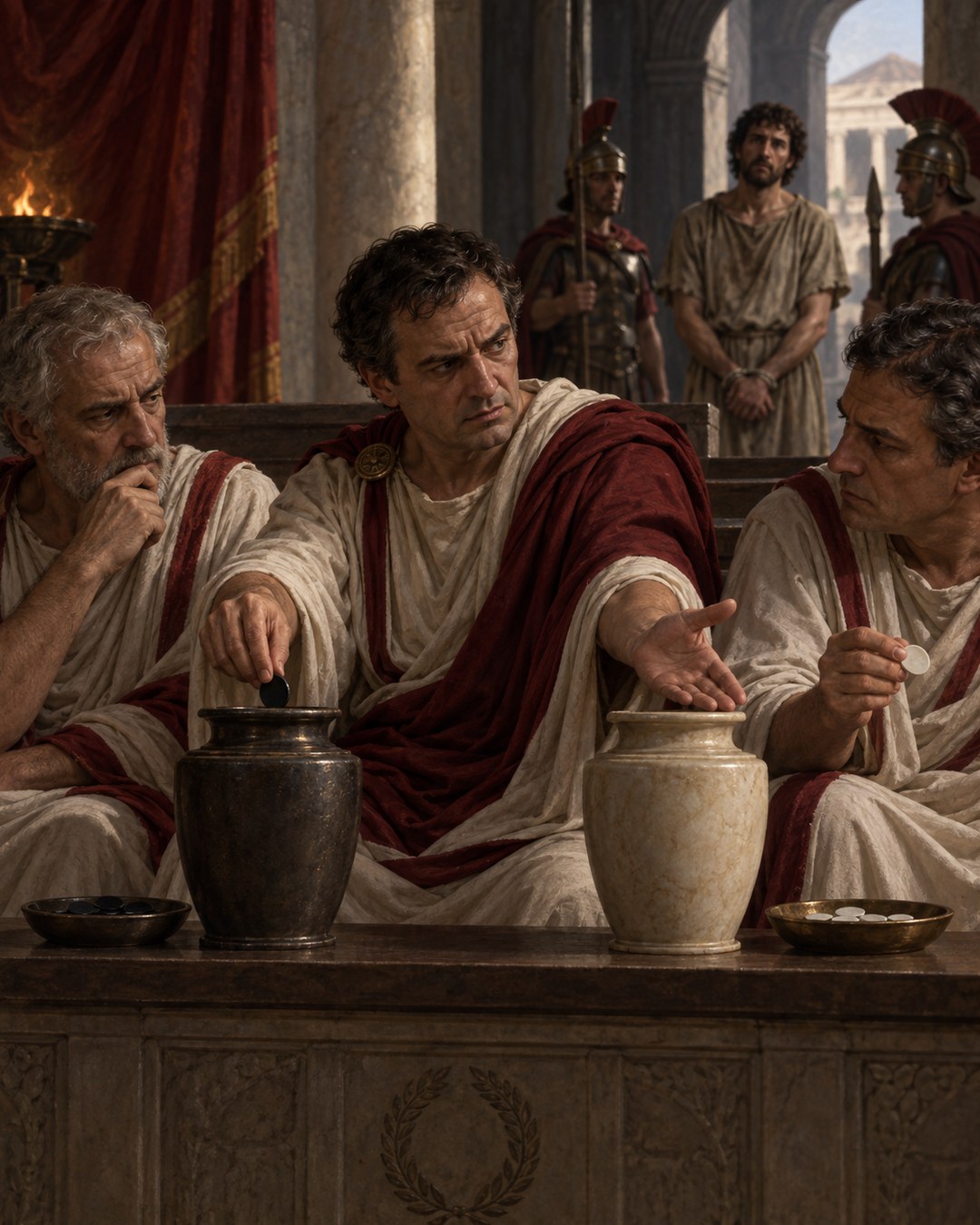
An Adriatic fisherman caught a turbot so large that selling it was dangerous. Juvenal imagines informers waiting to claim any remarkable creature for Domitian. The safest market was therefore the emperor himself. The fish reached the imperial villa, but the kitchen had no dish large enough to hold it. A ruler with armies, courts and … Read more

Forty-Six BC Stretched to 445 Days

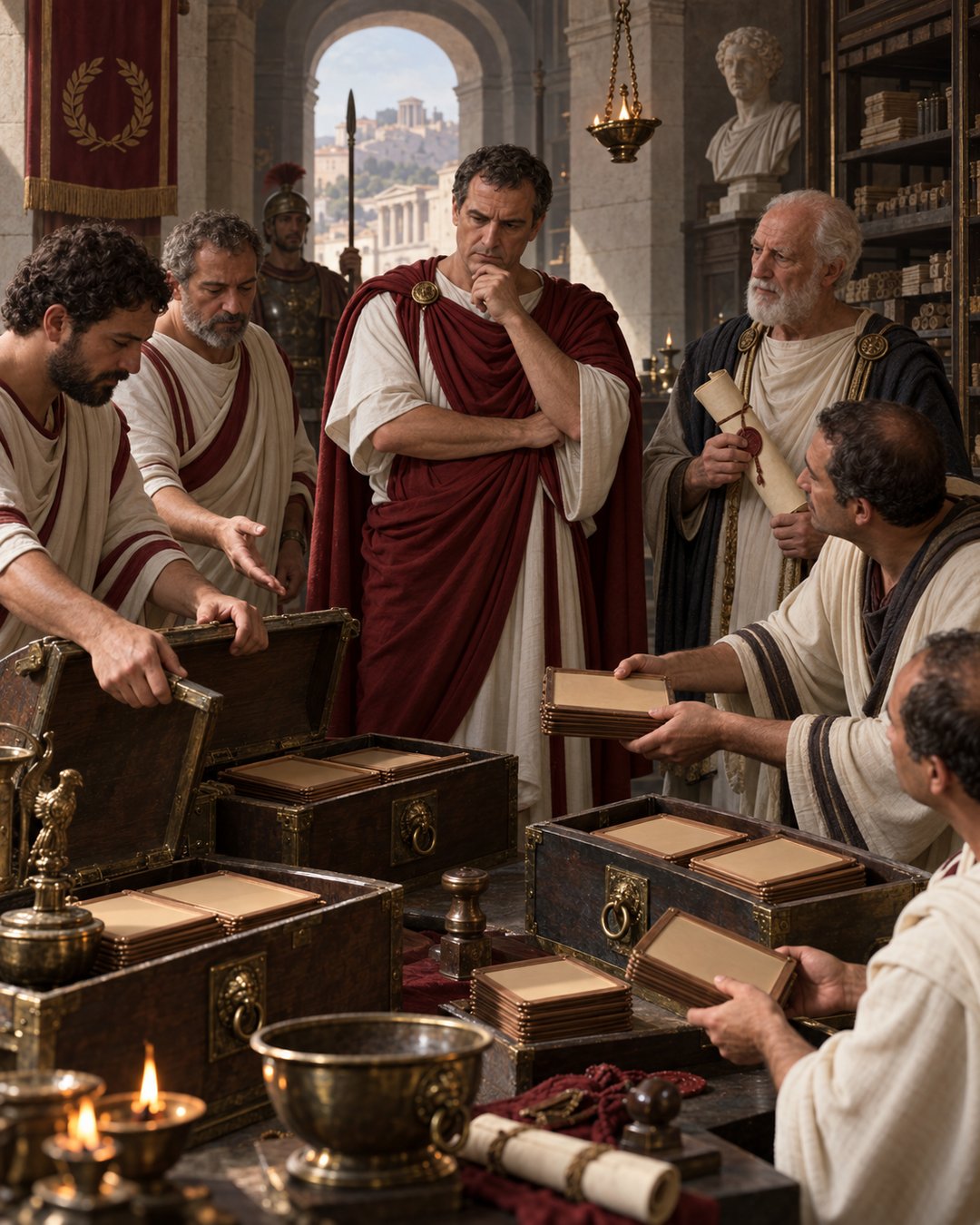
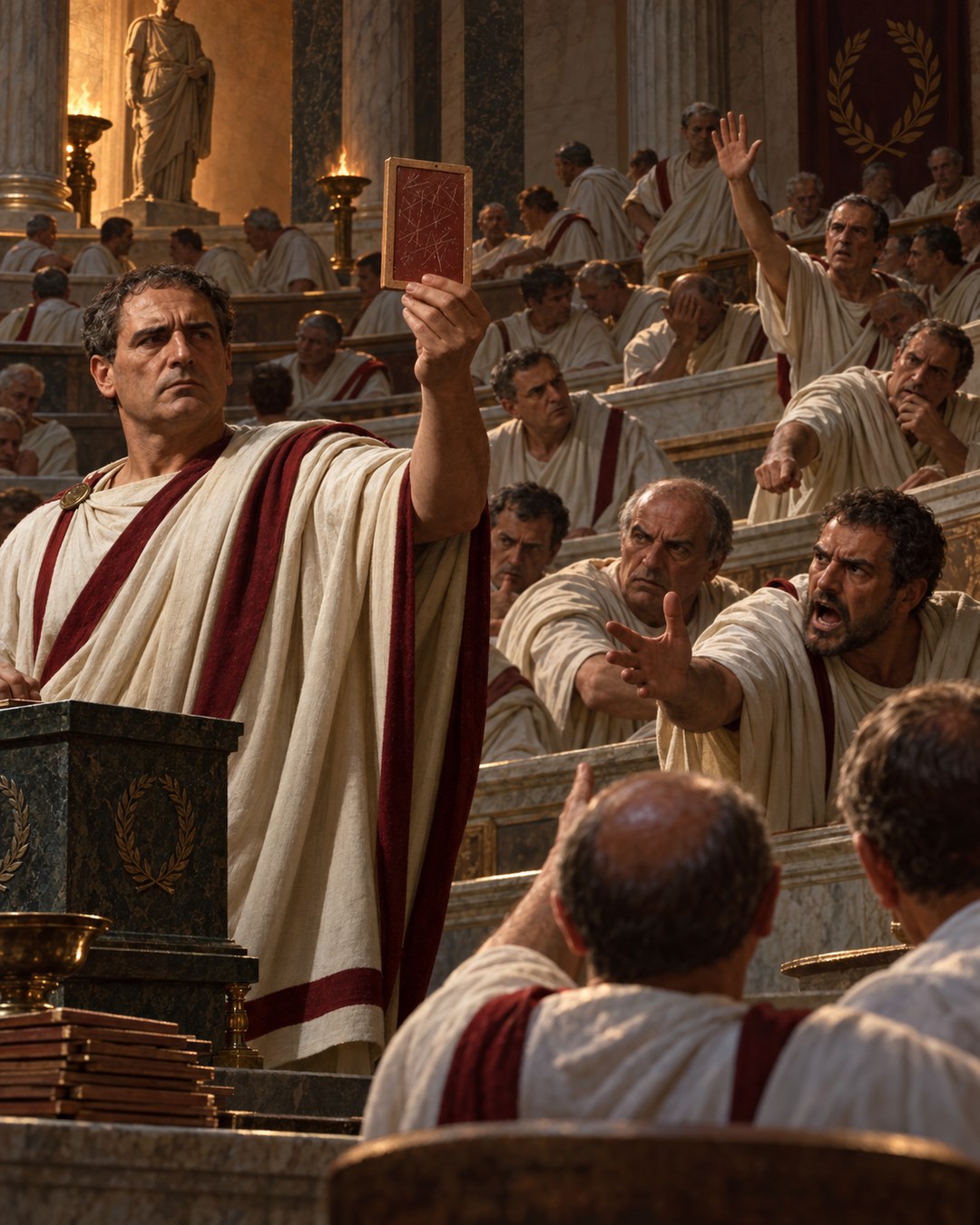
Rome entered 46 BC with a problem that could not be solved by declaring the next festival a little earlier. The civic calendar had slipped so badly against the solar year that dates no longer reliably named the seasons they were supposed to govern. Magistrates, courts, contracts, religious observances and military commands all depended on … Read more

Titus Sent Berenice Away Though Both Were Unwilling

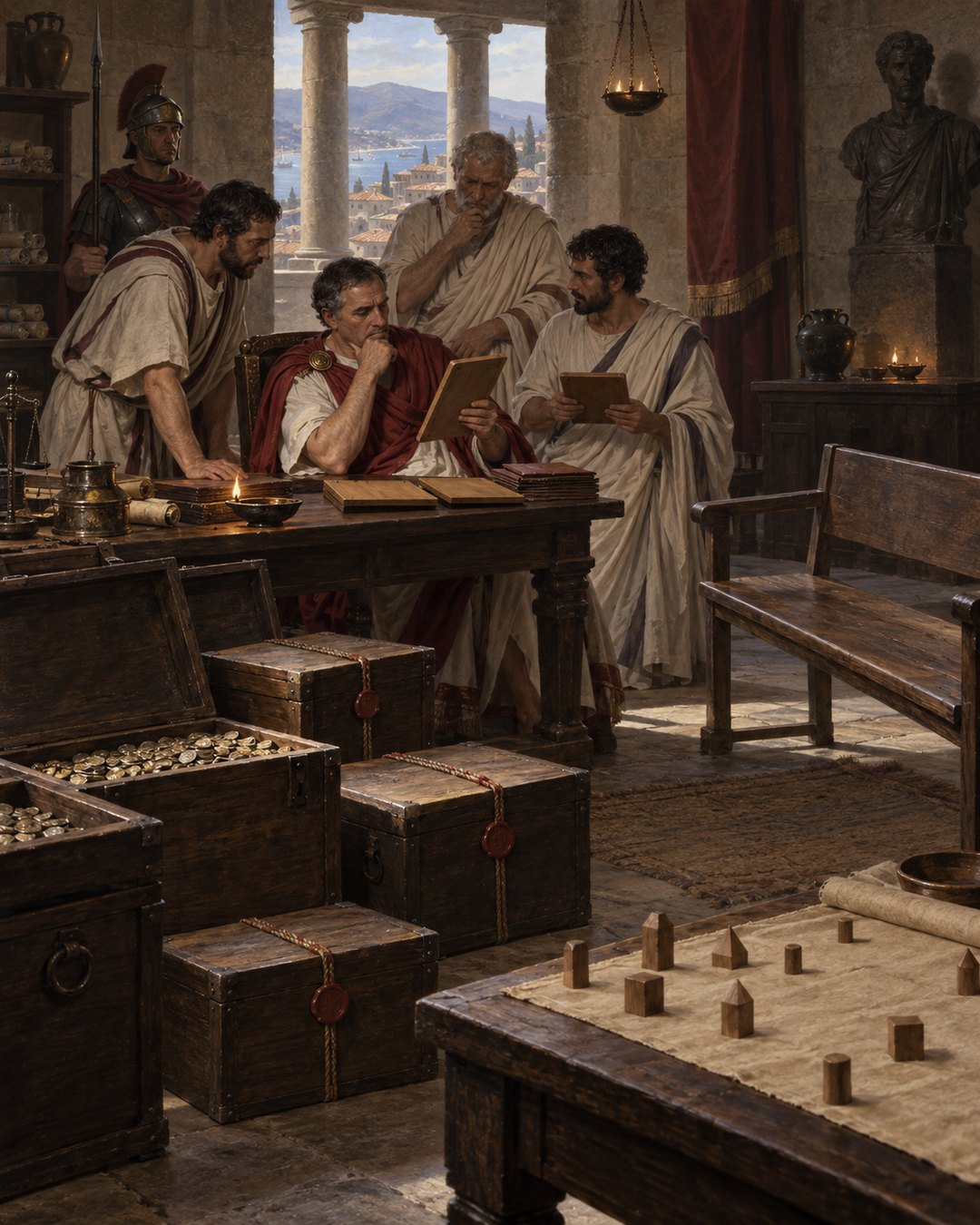
Berenice had crossed the eastern Mediterranean to Rome and entered the household of the man expected to become emperor. She was a client queen, older than Titus, politically experienced, and already bound to the Flavian family by war and patronage. Ancient writers also say she was his lover. The relationship did not end because either … Read more

Ponies, Dogs and Nightingales Burned for Regulus’s Son

First came the ponies: some trained to harness, others still unbroken. Then the dogs, large and small. Nightingales, parrots and blackbirds followed. According to Pliny the Younger, Marcus Aquilius Regulus had every one of these animals killed at the funeral pyre of his only son. Pliny did not offer the inventory to prove that Regulus … Read more

A Burning City Asked Trajan for 150 Firefighters

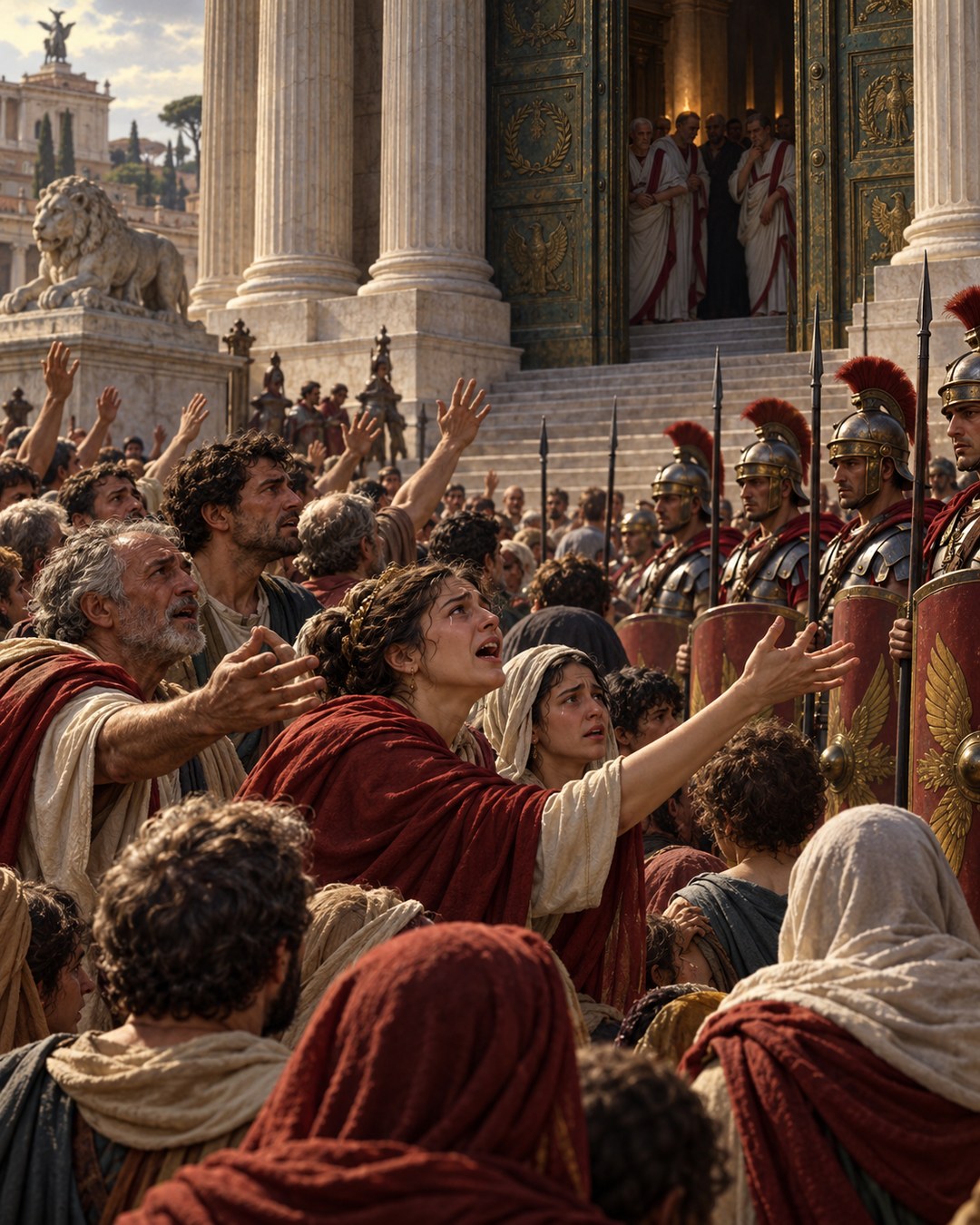
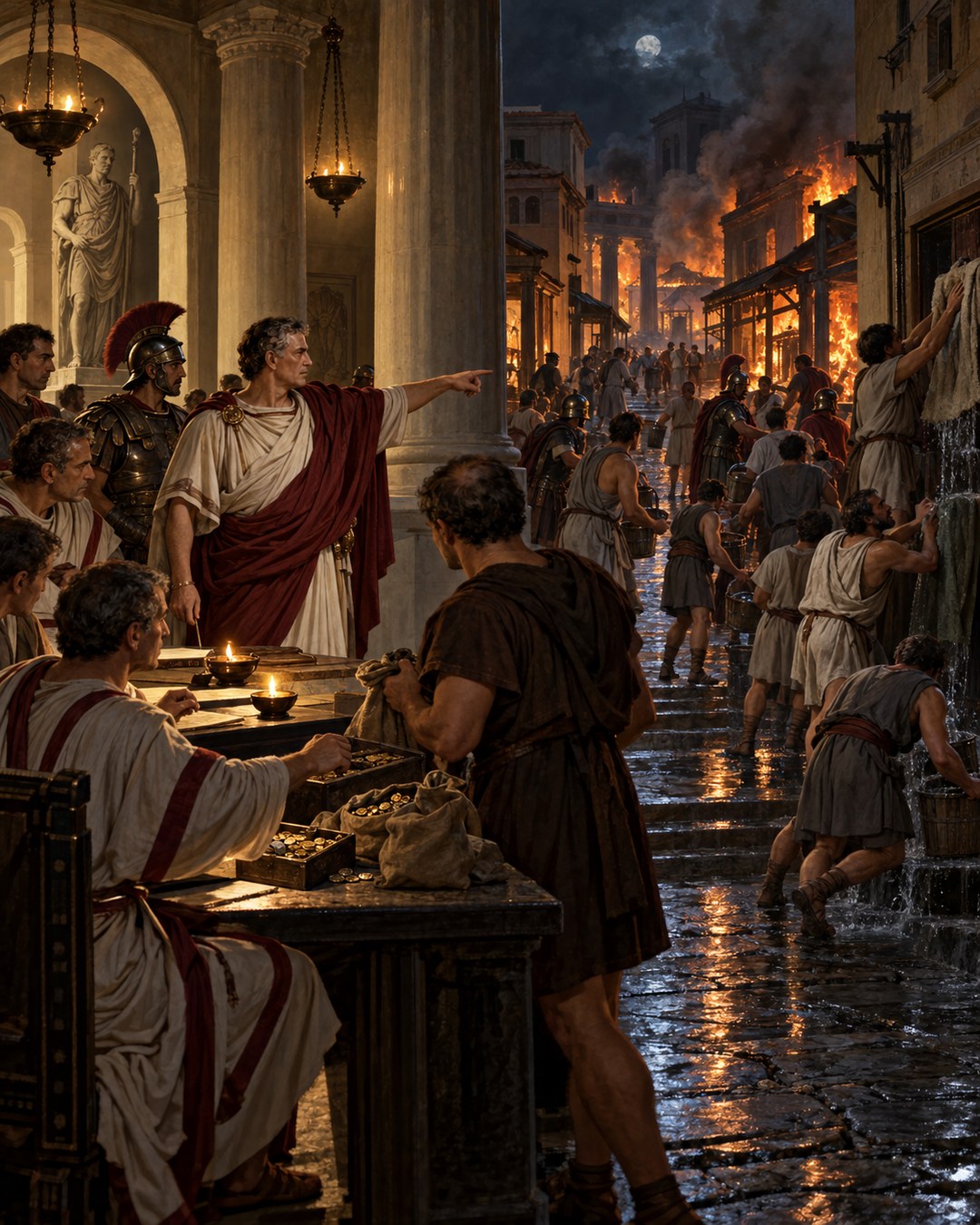
The road should have stopped the flames. It separated Nicomedia’s almshouse from the temple of Isis, yet both public buildings burned. Private houses went with them. Pliny the Younger, governing Bithynia for Trajan, listed the failures with the severity of someone writing after a preventable disaster: violent wind, citizens who stood watching, and a city … Read more