Apicius Crossed the Sea for Prawns and Turned Back

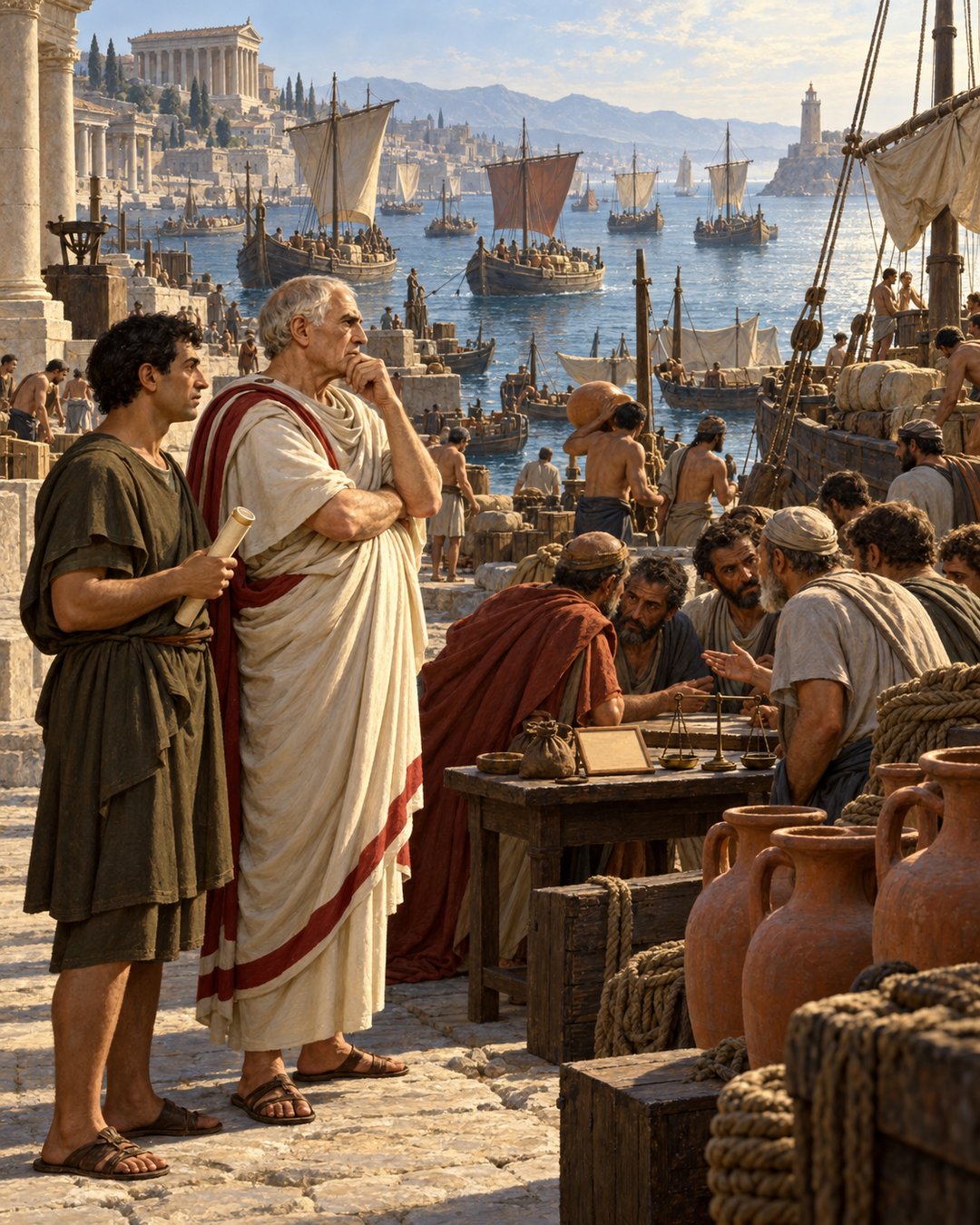
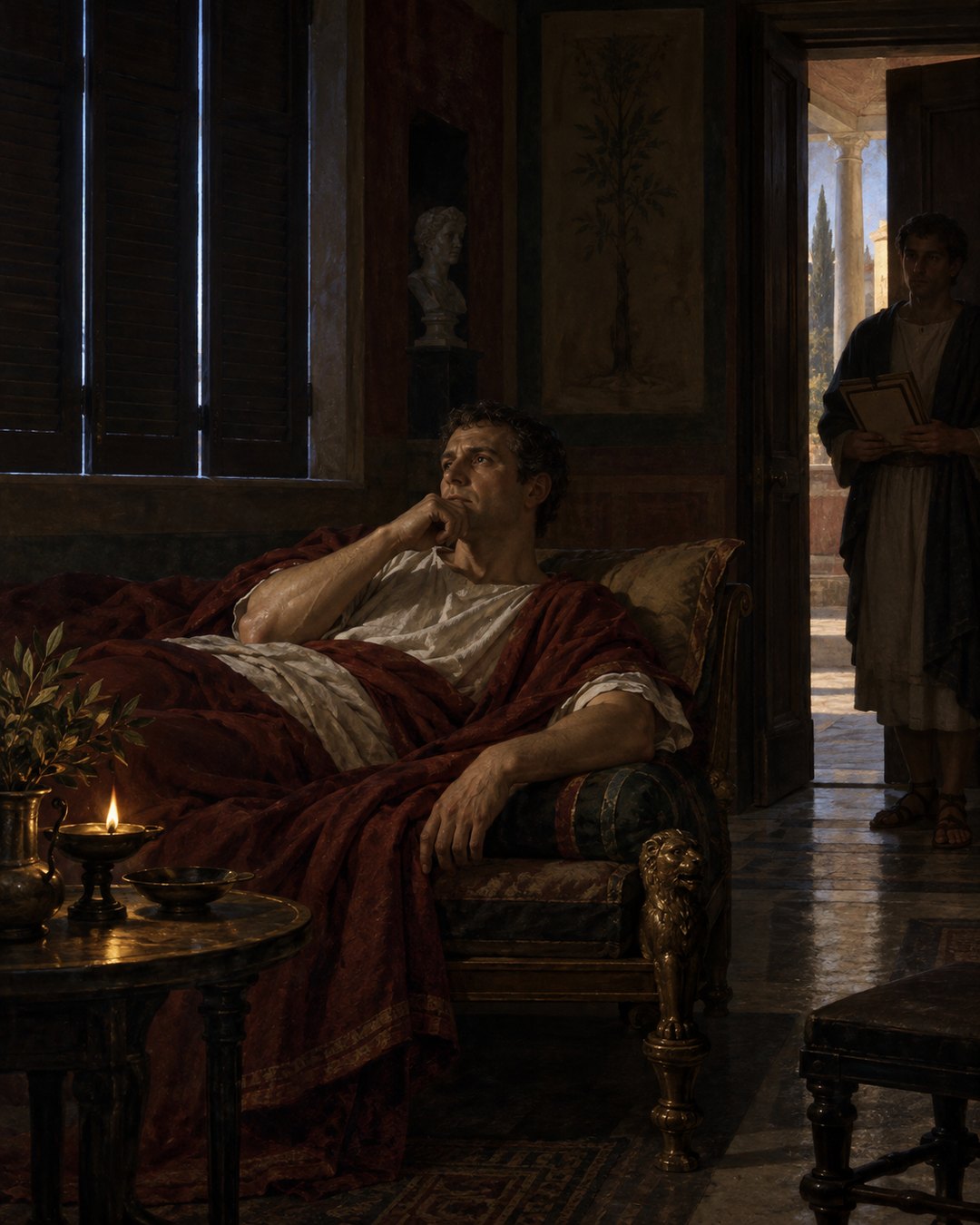
Apicius heard that enormous prawns lived off Libya. The report was enough to launch a voyage. He crossed the Mediterranean in search of a specimen larger than anything available near his Italian home. Fishermen came out to meet the arriving ship. Apicius asked whether they possessed prawns greater than the celebrated catch of Campania. They … Read more

Twenty-Five Asses Turned a Slap into a Purchase

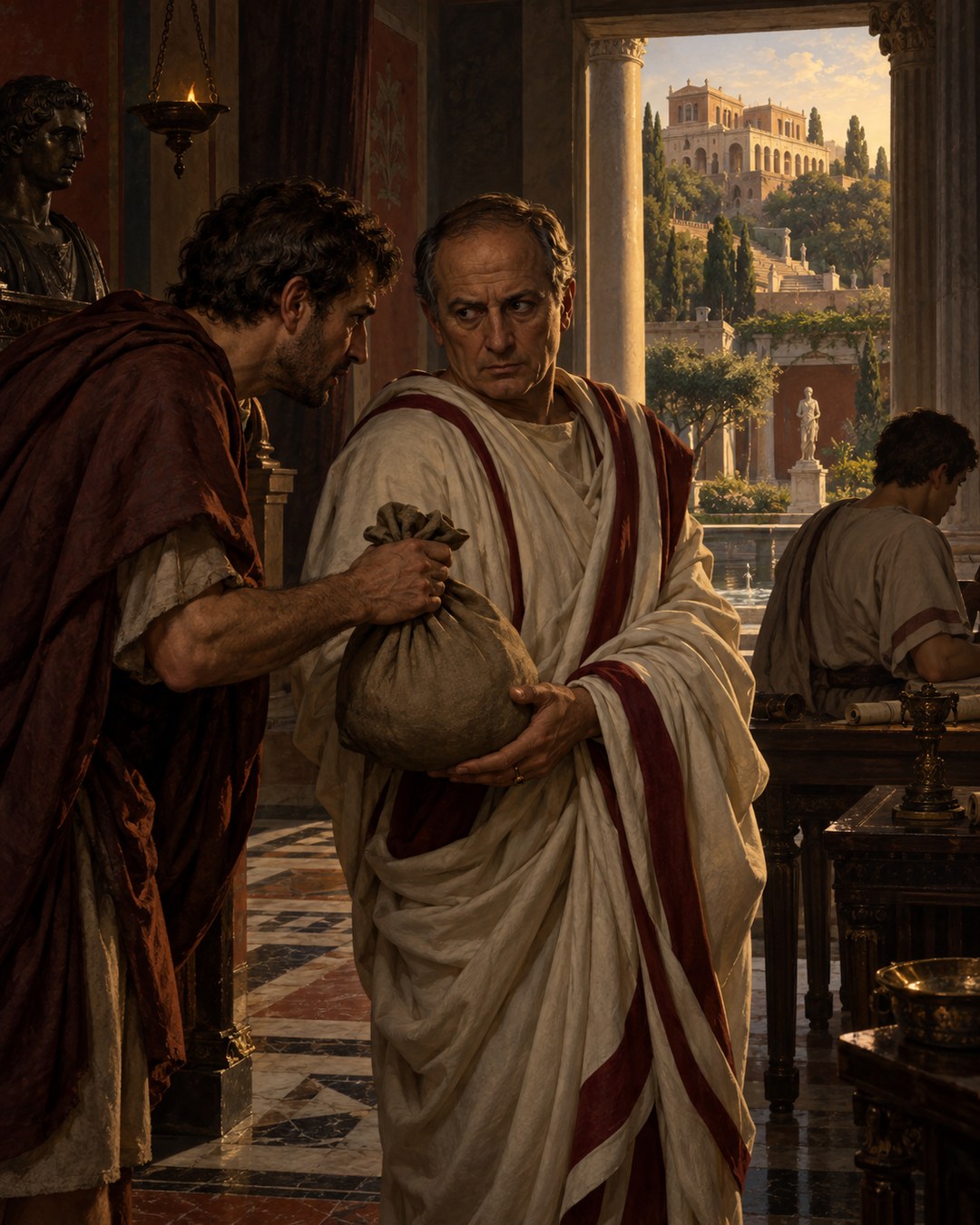
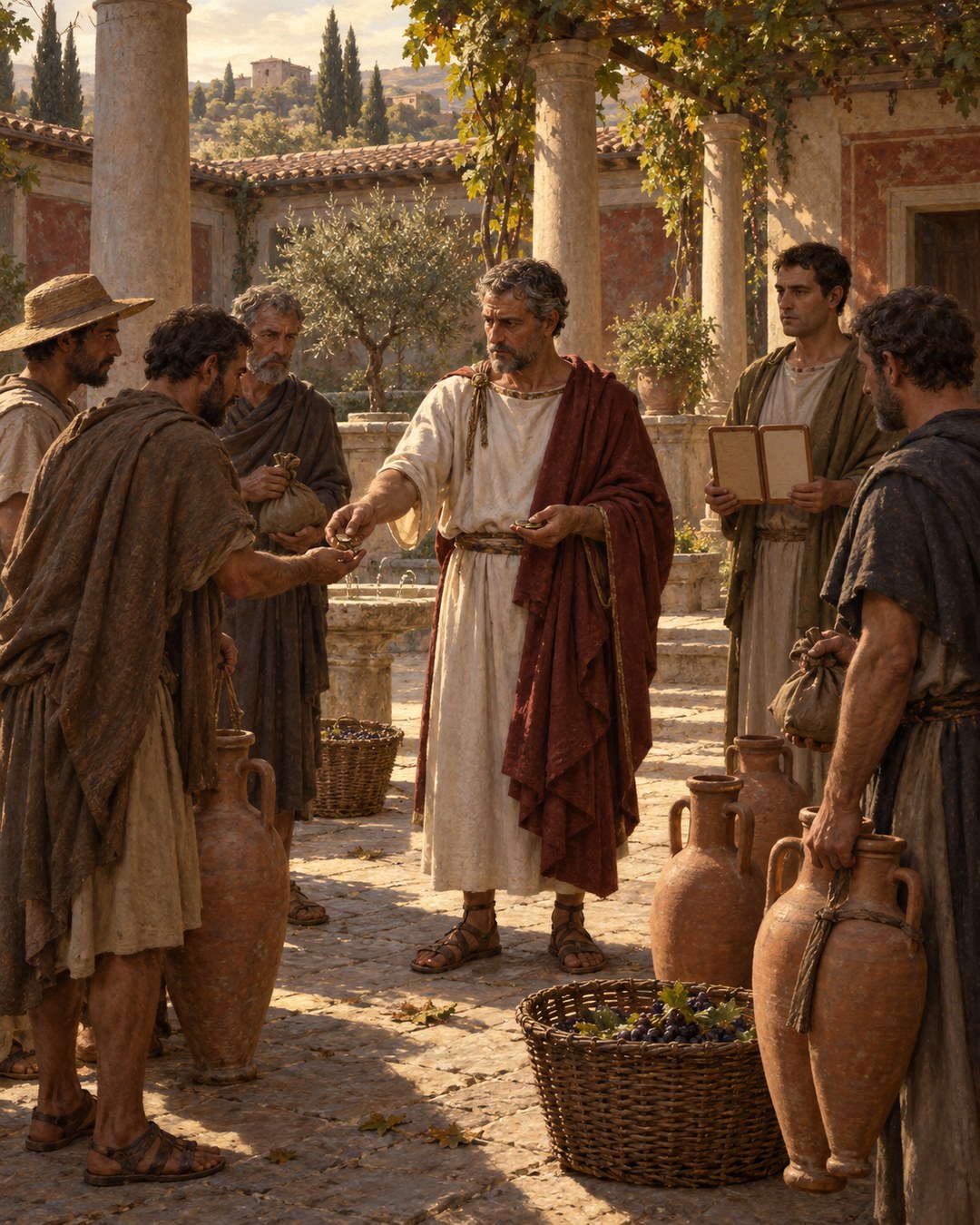
Lucius Veratius walked through Rome striking free citizens in the face. An enslaved attendant followed him with a purse. After each blow, the attendant counted out twenty-five bronze asses. Aulus Gellius presents the scene as an argument about old law. The Twelve Tables had attached a fixed payment to one form of personal injury. Once … Read more

Fabius Pictor Signed Rome’s First Famous Temple Painting

In 304 BC, a Roman aristocrat climbed into the role of a painter. Gaius Fabius decorated the Temple of Salus, placed his name on the work and left his descendants a surname: Pictor, the painter. Pliny the Elder considered the choice remarkable. Painting was not an obvious occupation for a man from a leading family, … Read more

Vespasian Taxed What Roman Laundries Collected

Vespasian held a coin beneath his son’s nose and asked whether it smelled. Titus said it did not. The emperor answered that it came from urine. Suetonius tells the exchange in a few lines, but the joke depended on an entire urban process. Roman urine was not merely waste. Fullers used aged urine in cleaning … Read more

One Law Pushed Rome’s Dead Beyond the City

A Roman leaving the city did not pass from crowded life into empty countryside. Beyond the gates stood another population: the dead. Tombs, altars and inscribed monuments lined major roads, presenting family names to travelers while keeping bodies and funeral fires outside the civic center. A severe sentence in the Twelve Tables helped create that … Read more

Augustus Smashed Every Goblet to Save One Cup-Bearer

A cup-bearer broke a crystal goblet during a banquet given by Vedius Pollio. The wealthy host ordered the enslaved man thrown to the huge lampreys he kept in reservoirs. Emperor Augustus was dining there. Augustus first asked Vedius not to carry out the punishment. Vedius refused. The emperor then requested every similar or valuable drinking … Read more

Cato Told Buyers to Visit a Farm More Than Once

Cato the Elder begins his farming handbook by slowing the buyer down. Do not be over-eager to purchase, he warns, and do not consider one inspection enough. A good farm should become more convincing with each visit. The neighbors’ properties, the direction of the slope, water, workers, roads, town and equipment all had to support … Read more

A Reader Followed Pliny Through Bath and Dinner

At dinner, a book was read aloud and notes were taken. If the reader mispronounced a word, Pliny the Elder interrupted him. On one occasion, a guest asked why he had not simply let the reader continue. Pliny answered that the correction mattered—and then rebuked the guest for wasting the time in which more than … Read more

Three Days in Salt Started Rome’s Purple Dye

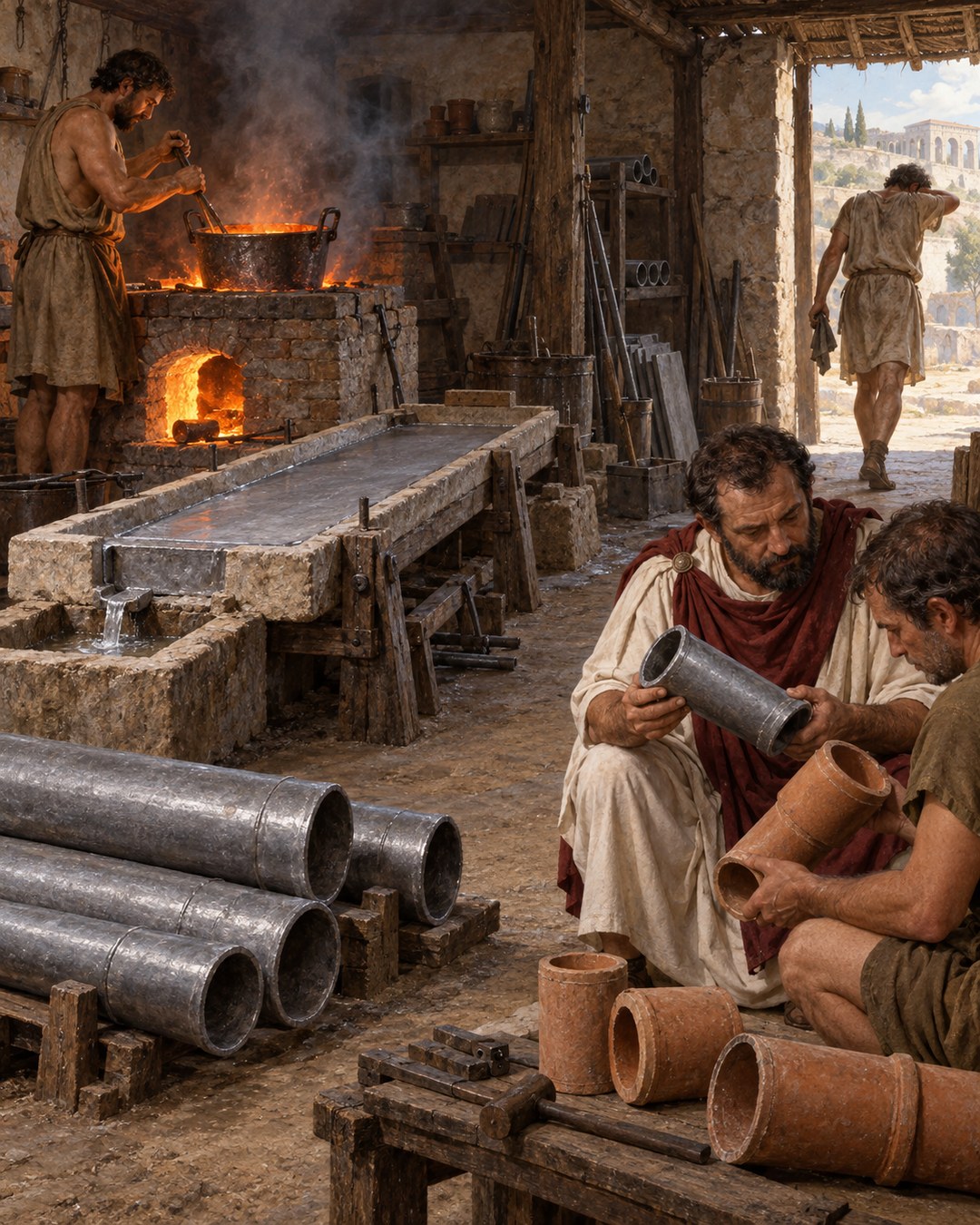
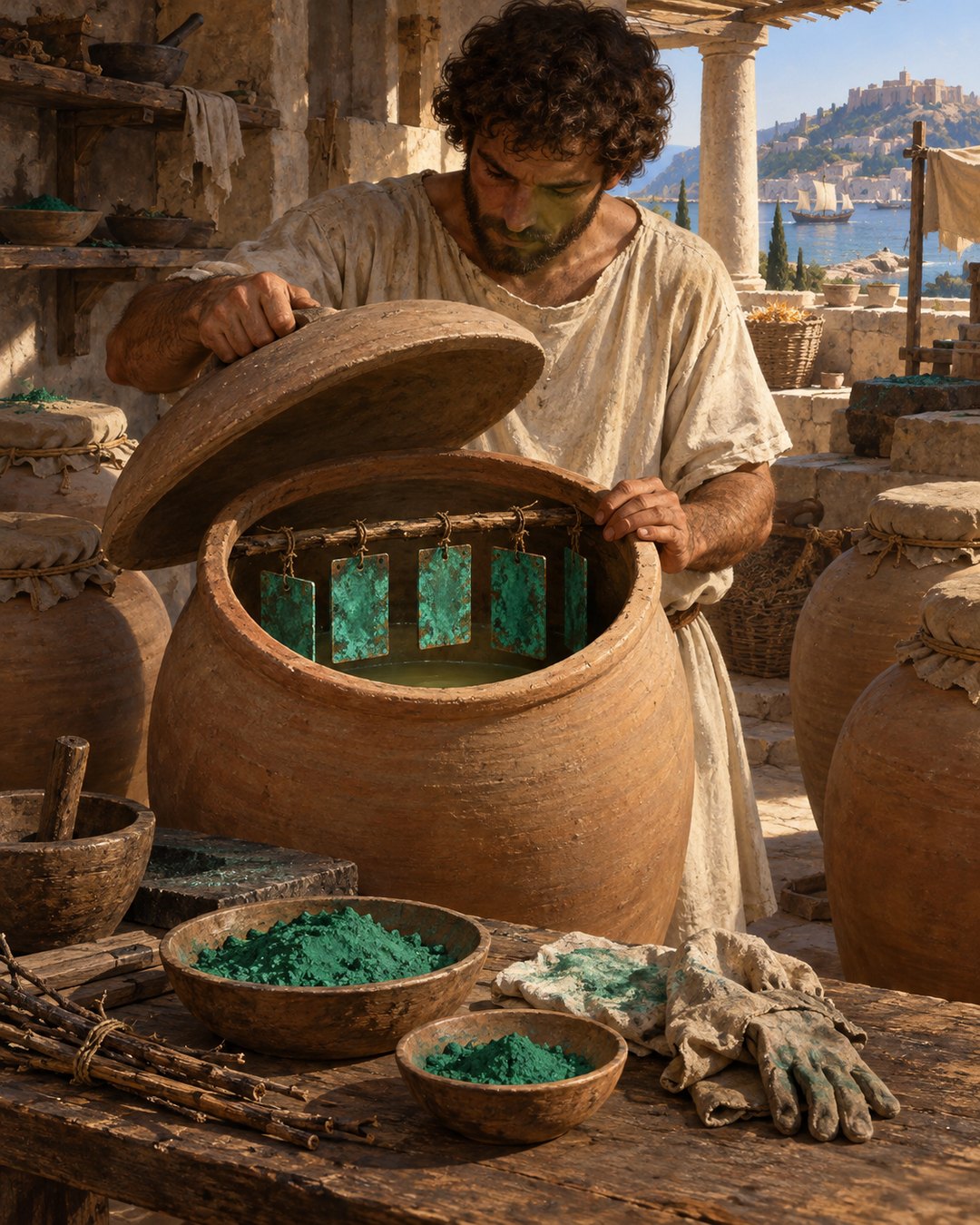
The color did not emerge from the sea as purple cloth. It began as a pale fluid in a shellfish’s body, removed with the animal’s tissue, mixed with salt and left for three days. The mass then went into a lead vessel over controlled heat. Flesh was skimmed away. Only after repeated reduction did a … Read more

Dark Clay Jars Turned Dormice into Villa Livestock

The jar was built to keep an animal moving in darkness. Its walls carried channels. A hollow held acorns, walnuts or chestnuts. Once the lid went on, the dormouse climbed, ate and accumulated fat inside a container designed for that single purpose. Varro’s account of villa husbandry does not begin at the dining couch. It … Read more