Tiberius Destroyed the Cup That Would Not Stay Dented

The glassworker arrived with a gift fit for an emperor: a drinking vessel no other workshop could make. Tiberius accepted it, admired it, and handed it back. Then the craftsman threw the cup onto the floor. It did not shatter. The impact left a dent, according to Petronius, but the maker calmly took out a … Read more

A Stray Ball Put a Razor into Roman Law

A player struck a ball with unusual force. The ball flew into a barber’s hand. The hand drove a razor across the throat of the slave sitting under the blade. In a few movements, a game beside a public workplace became a fatal problem in Roman law. The chain survives in Book Nine of Justinian’s … Read more

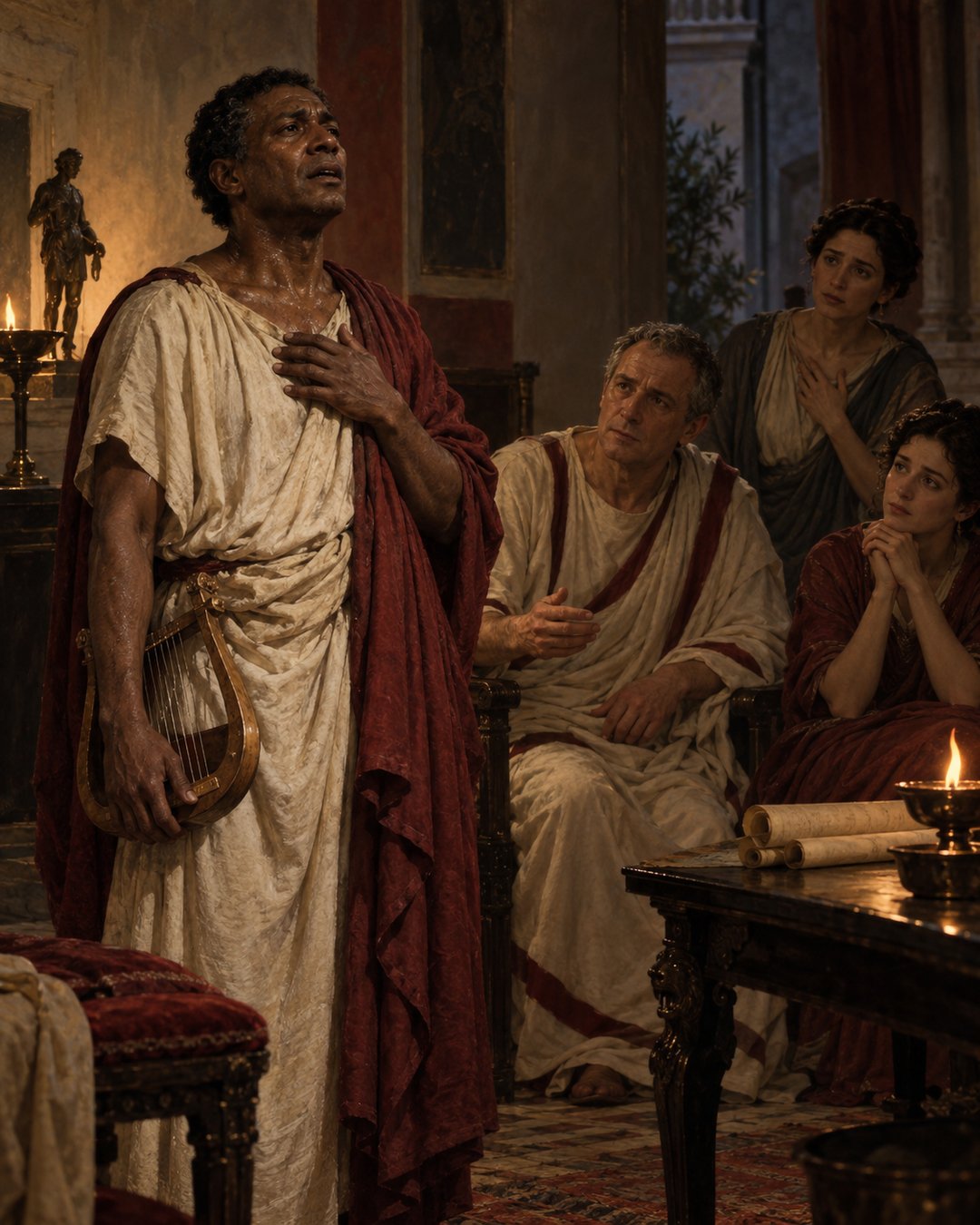
Two Ethiopians Carried Rome’s Talking Raven to Its Pyre

Every morning a raven left a shoemaker’s shop opposite the temple of Castor and flew toward the Rostra. Pliny says it greeted Tiberius by name, then Germanicus and Drusus, then the Roman people passing through the Forum. After completing that sequence, it returned to the shop. The routine lasted for years. Rome did not merely … Read more

Eleven September Survived in Claudia Severa’s Own Hand

A birthday invitation reached Sulpicia Lepidina with a precise request: come on 11 September and make the day happier by being present. The main message was written in an elegant professional-looking hand. Near the end, however, the script changed. Claudia Severa herself added that she would expect her “sister,” called her “my dearest soul,” and … Read more

Obsidian Mirrors Gave Rome Shadows Instead of Faces

A polished Roman wall could return a face as a shadow. Pliny the Elder describes obsidian as very dark and sometimes translucent, but cloudier than glass. When attached to walls as a mirror, he says, it reflected shadows rather than images. The surface announced a viewer’s presence without surrendering clear features. That imperfection did not … Read more

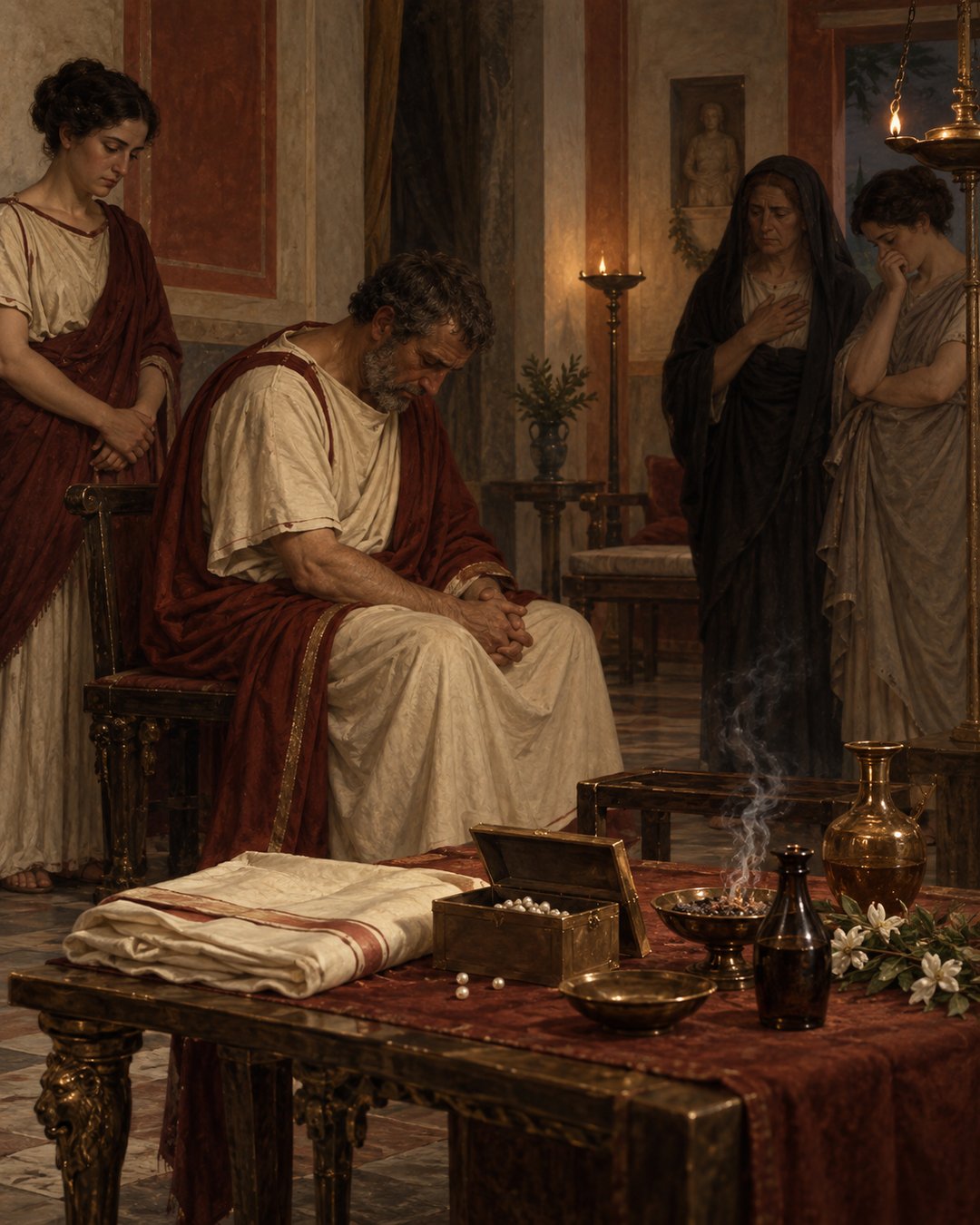
Fire Washed Rome’s Most Expensive Cloth

At a Roman banquet, a stained napkin could be thrown into the hearth instead of a wash basin. Pliny the Elder says he saw cloth of this kind glow among the coals and emerge cleaner than water could make it. The spectacle inverted everything a diner knew about linen. Ordinary flax burned. This fabric used … Read more

The Hot Floor That Failed to Hide Larcius Macedo’s Murder

Larcius Macedo’s attackers thought the heated floor would tell them whether he was dead. Enslaved men had surrounded the former praetor while he bathed at his villa near Formiae, beaten him and thrown him onto the hot pavement. Macedo stayed stretched out and motionless. Pliny the Younger says he either felt nothing or successfully pretended … Read more

Schoolmasters by Dawn, Corn Mills by Night: Martial’s Sleepless Rome

The schoolmaster began at dawn. Corn mills carried on through the night. Somewhere between them, bronze workers hammered, a money-changer rattled coins, a gold-beater struck stone, religious devotees shouted, sellers called and a passing crowd laughed close enough to wake the man in bed. Martial’s Rome did not need an alarm clock. It entered the … Read more

Bad Water and a Smoking Stove Followed Horace to Brundisium

The mule stopped pulling the boat and wandered off to graze. Passengers had already endured frogs, midges and competing songs in the dark. At another stop, bad water made Horace skip supper. Farther south, an innkeeper nearly burned down his own kitchen while roasting lean thrushes. Rome’s road network may have connected the peninsula, but … Read more