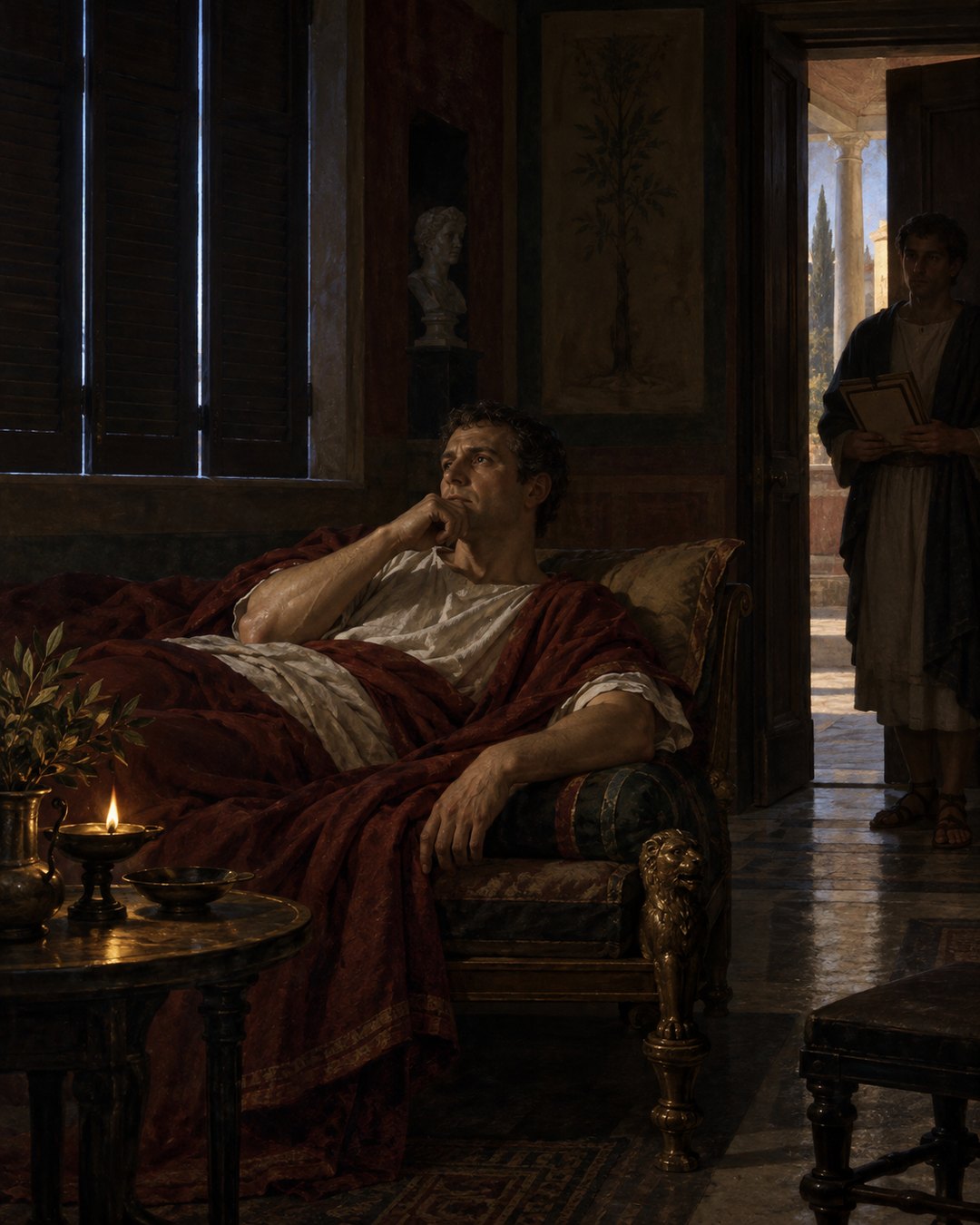
Caesar Kept His Papers Dry While Swimming from Alexandria

A boat at Alexandria filled with men as enemy troops surged toward a bridge. Julius Caesar chose the water. He swam toward another ship roughly two hundred paces away, but he did not enter the sea empty-handed. Suetonius says Caesar held papers above the surface with his left hand. He dragged his commander’s cloak behind … Read more

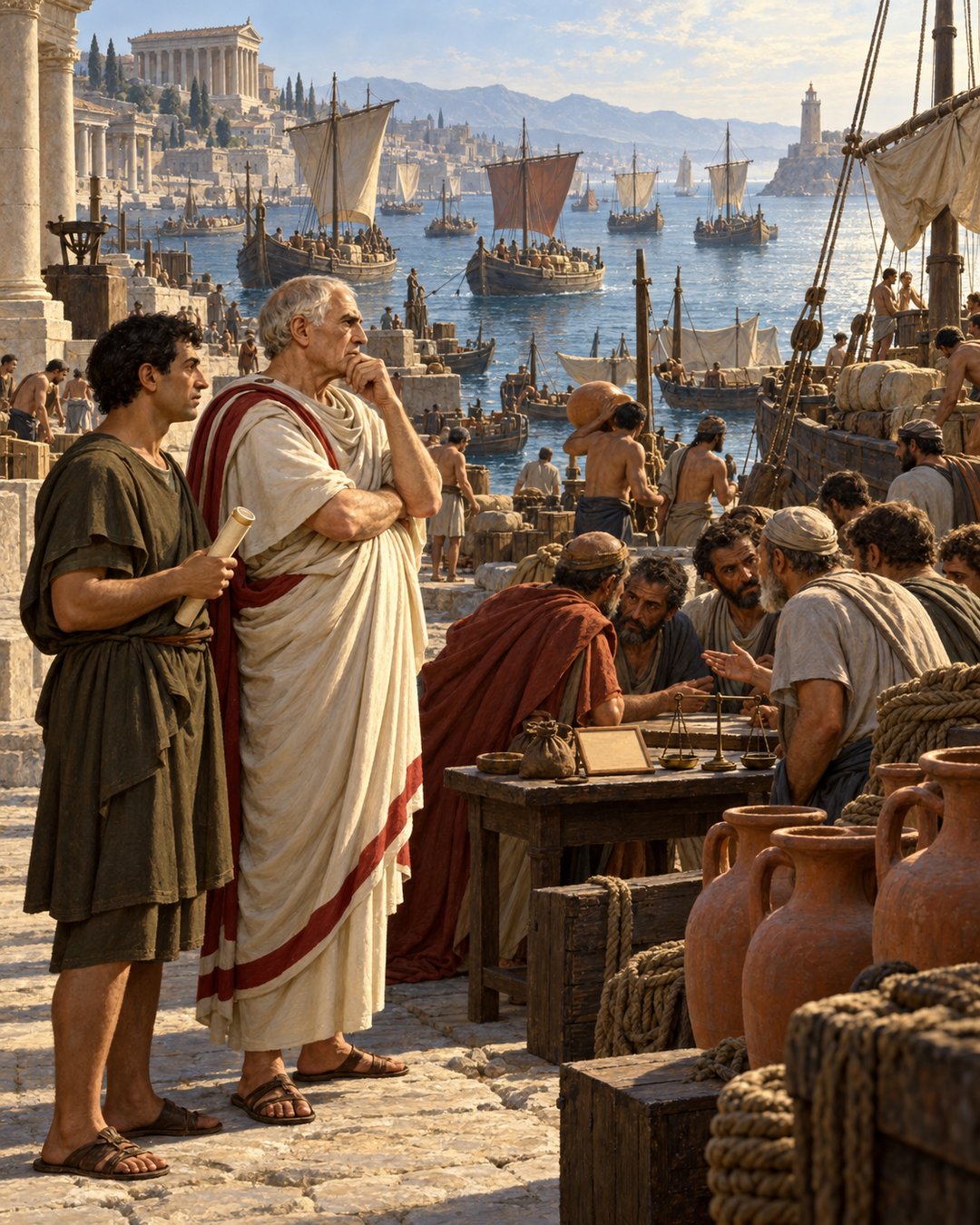
Apicius Crossed the Sea for Prawns and Turned Back

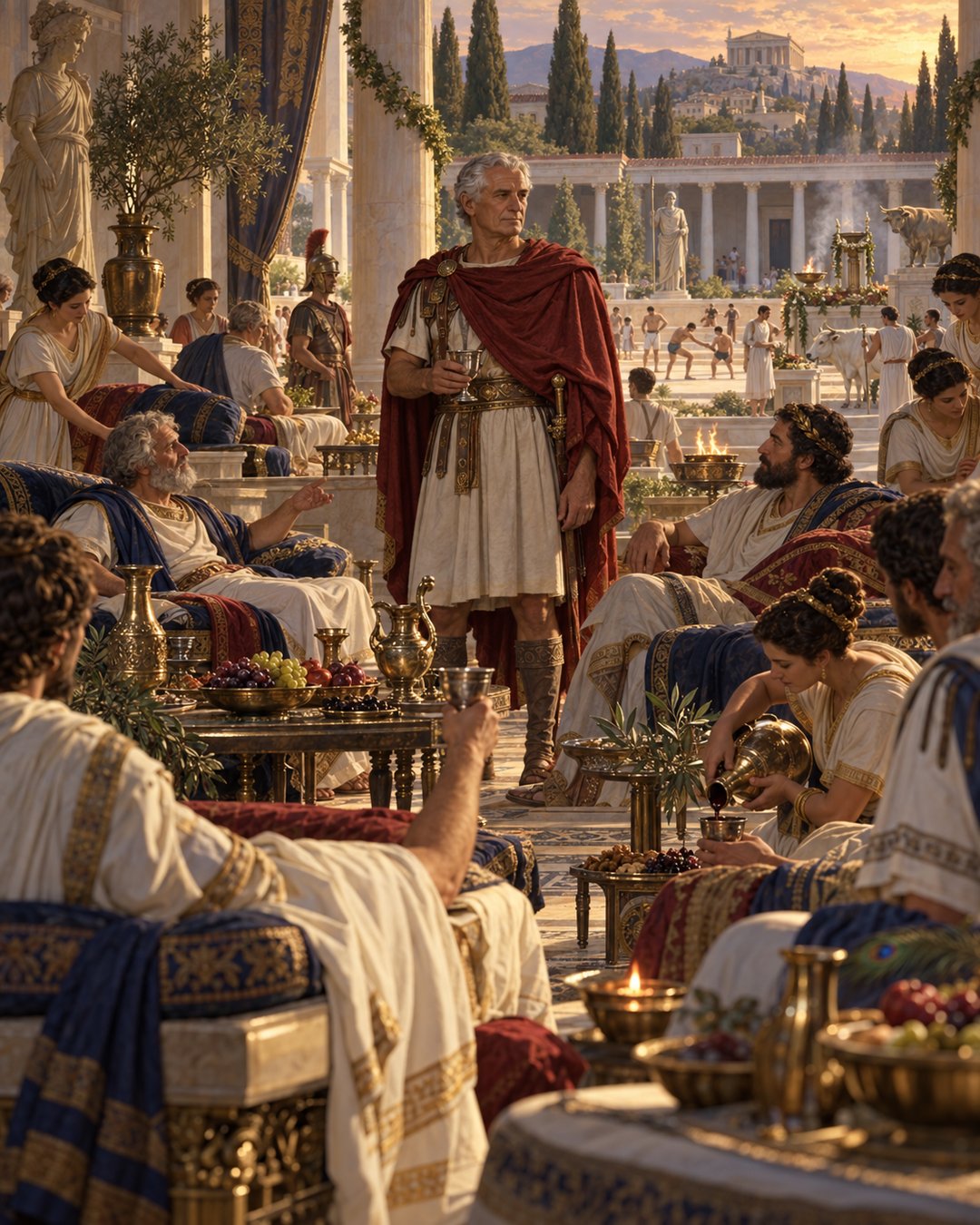
Apicius heard that enormous prawns lived off Libya. The report was enough to launch a voyage. He crossed the Mediterranean in search of a specimen larger than anything available near his Italian home. Fishermen came out to meet the arriving ship. Apicius asked whether they possessed prawns greater than the celebrated catch of Campania. They … Read more

Twenty-Five Asses Turned a Slap into a Purchase

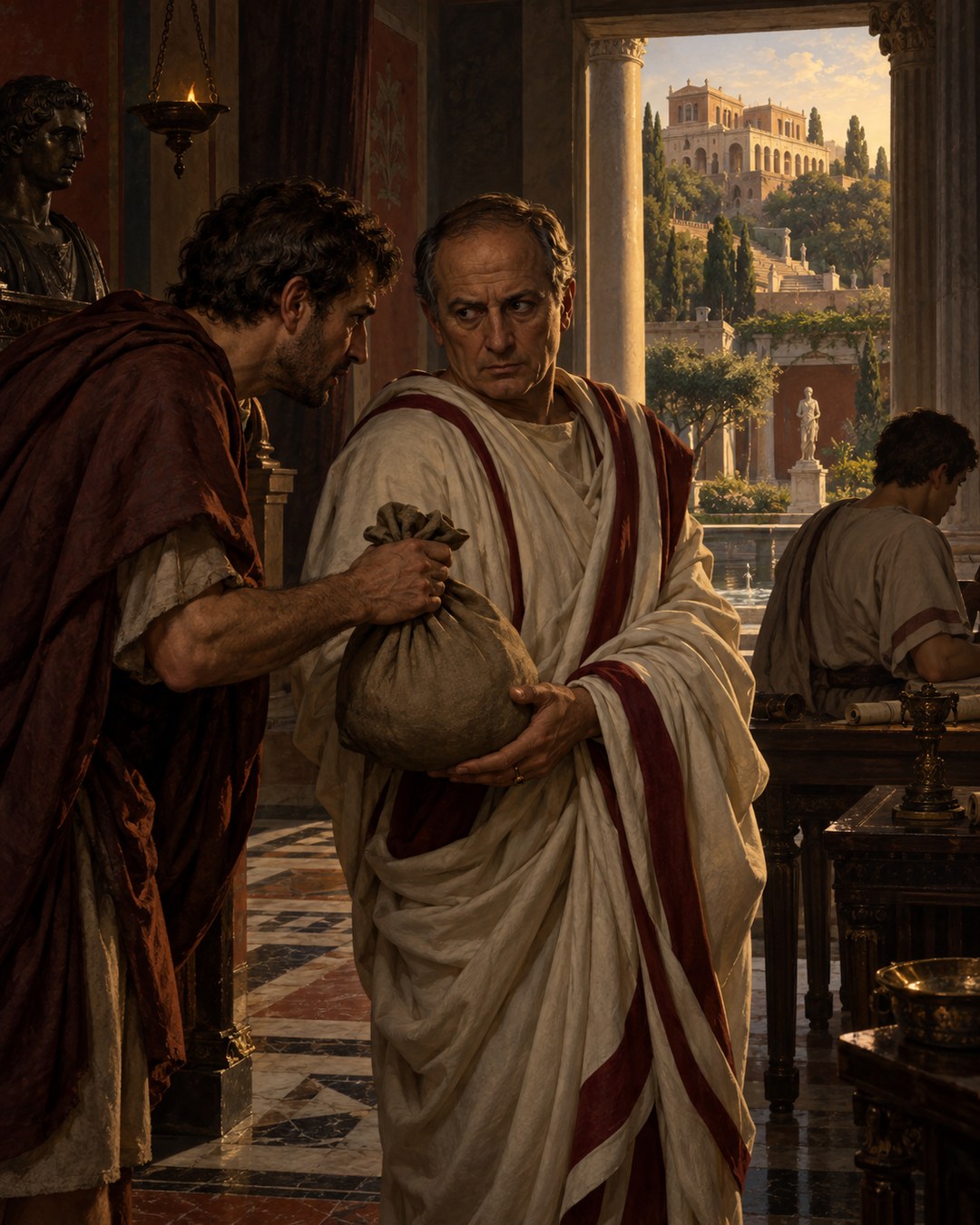
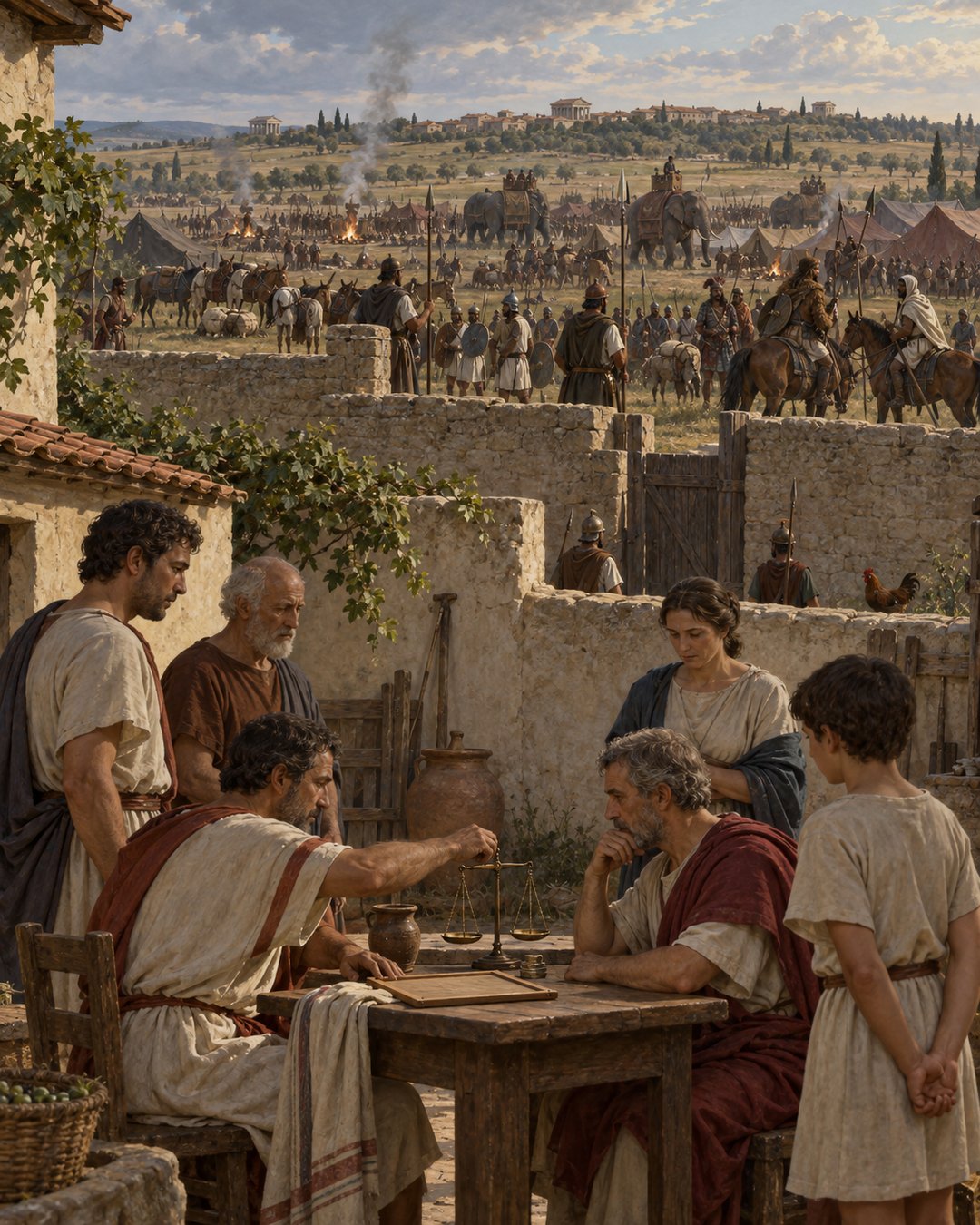
Lucius Veratius walked through Rome striking free citizens in the face. An enslaved attendant followed him with a purse. After each blow, the attendant counted out twenty-five bronze asses. Aulus Gellius presents the scene as an argument about old law. The Twelve Tables had attached a fixed payment to one form of personal injury. Once … Read more

Fabius Pictor Signed Rome’s First Famous Temple Painting

In 304 BC, a Roman aristocrat climbed into the role of a painter. Gaius Fabius decorated the Temple of Salus, placed his name on the work and left his descendants a surname: Pictor, the painter. Pliny the Elder considered the choice remarkable. Painting was not an obvious occupation for a man from a leading family, … Read more

Caracalla Made Nearly Every Free Imperial Subject a Citizen

A damaged papyrus preserves the opening of an imperial decision that changed the legal identity of millions. In AD 212, Marcus Aurelius Antoninus—better known as Caracalla—extended Roman citizenship to almost every free inhabitant of the empire. The decree did not flatten the empire into one uniform society. It did something narrower and still enormous: it … Read more

Claudius Added Three Letters to the Roman Alphabet

Claudius did not stop at writing histories in Latin and Greek. Before he became emperor, he designed three additions to the Latin alphabet, argued for them in a book, and later used imperial power to put them into public circulation. Suetonius says the characters appeared in books, Rome’s daily gazette, and inscriptions on public buildings. … Read more

Sacred Chickens Refused to Feed Before Drepana

Before the Roman fleet attacked near Drepana, sacred chickens were offered grain. They would not eat. The consul Publius Claudius Pulcher had received a bad omen at the moment he wanted speed. Later Roman writers gave him a line designed never to be forgotten. If the birds would not eat, he said, let them drink—and … Read more

Domitian’s Council Debated One Enormous Turbot

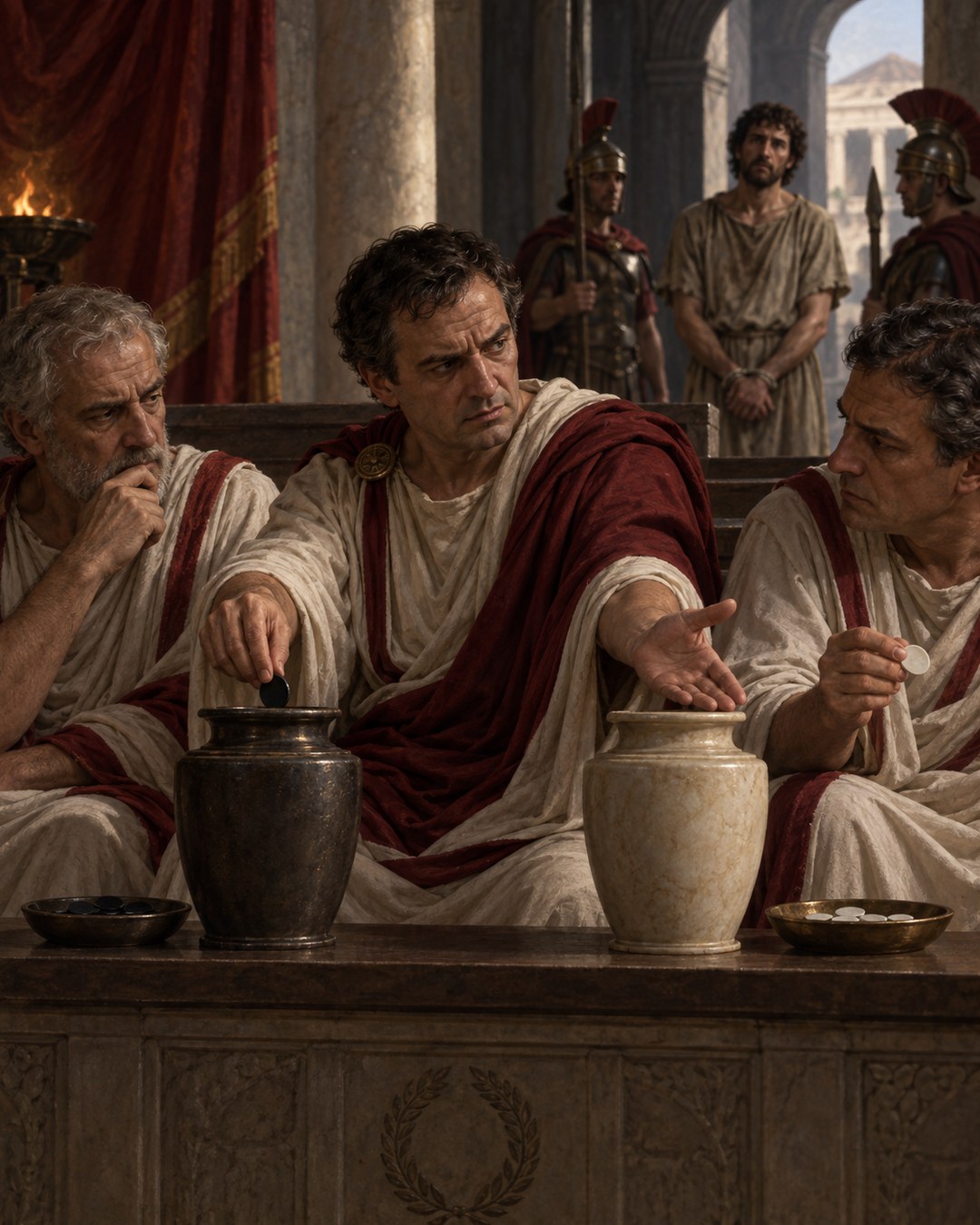
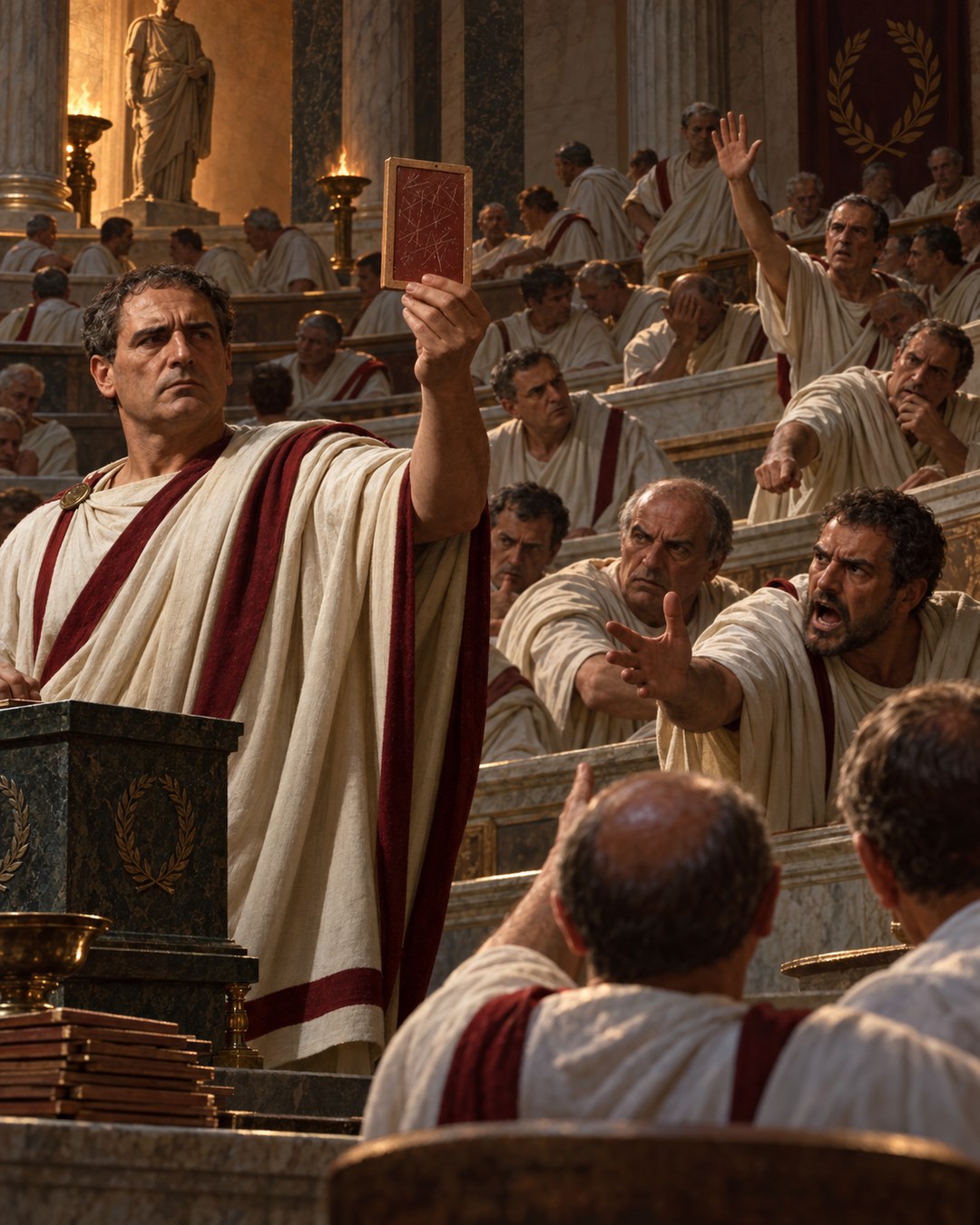
An Adriatic fisherman caught a turbot so large that selling it was dangerous. Juvenal imagines informers waiting to claim any remarkable creature for Domitian. The safest market was therefore the emperor himself. The fish reached the imperial villa, but the kitchen had no dish large enough to hold it. A ruler with armies, courts and … Read more

Vespasian Taxed What Roman Laundries Collected

Vespasian held a coin beneath his son’s nose and asked whether it smelled. Titus said it did not. The emperor answered that it came from urine. Suetonius tells the exchange in a few lines, but the joke depended on an entire urban process. Roman urine was not merely waste. Fullers used aged urine in cleaning … Read more

One Law Pushed Rome’s Dead Beyond the City

A Roman leaving the city did not pass from crowded life into empty countryside. Beyond the gates stood another population: the dead. Tombs, altars and inscribed monuments lined major roads, presenting family names to travelers while keeping bodies and funeral fires outside the civic center. A severe sentence in the Twelve Tables helped create that … Read more