A Ten-Talent Stone Broke Rome’s Floating Siege Tower
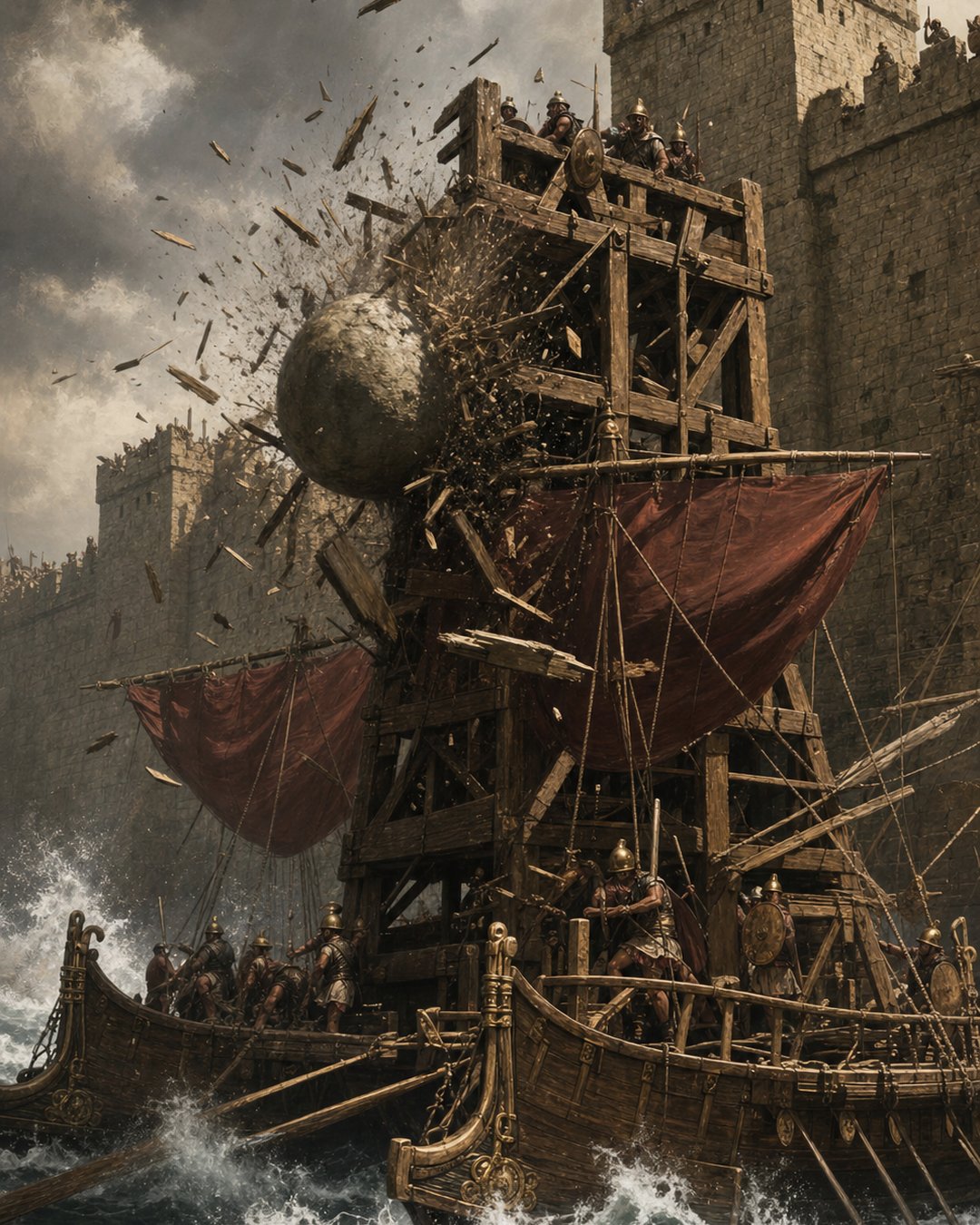
Marcellus brought a wooden assault tower toward Syracuse on paired ships. Plutarch calls the machine a sambuca, after a musical instrument its shape resembled. Before it reached the wall, a stone weighing ten talents struck it. Then another followed, and another. The blows crushed the engine’s foundation, shattered its frame and shifted it off the … Read more
Hides from Gaul Lured an Orca into Claudius’s Harbour

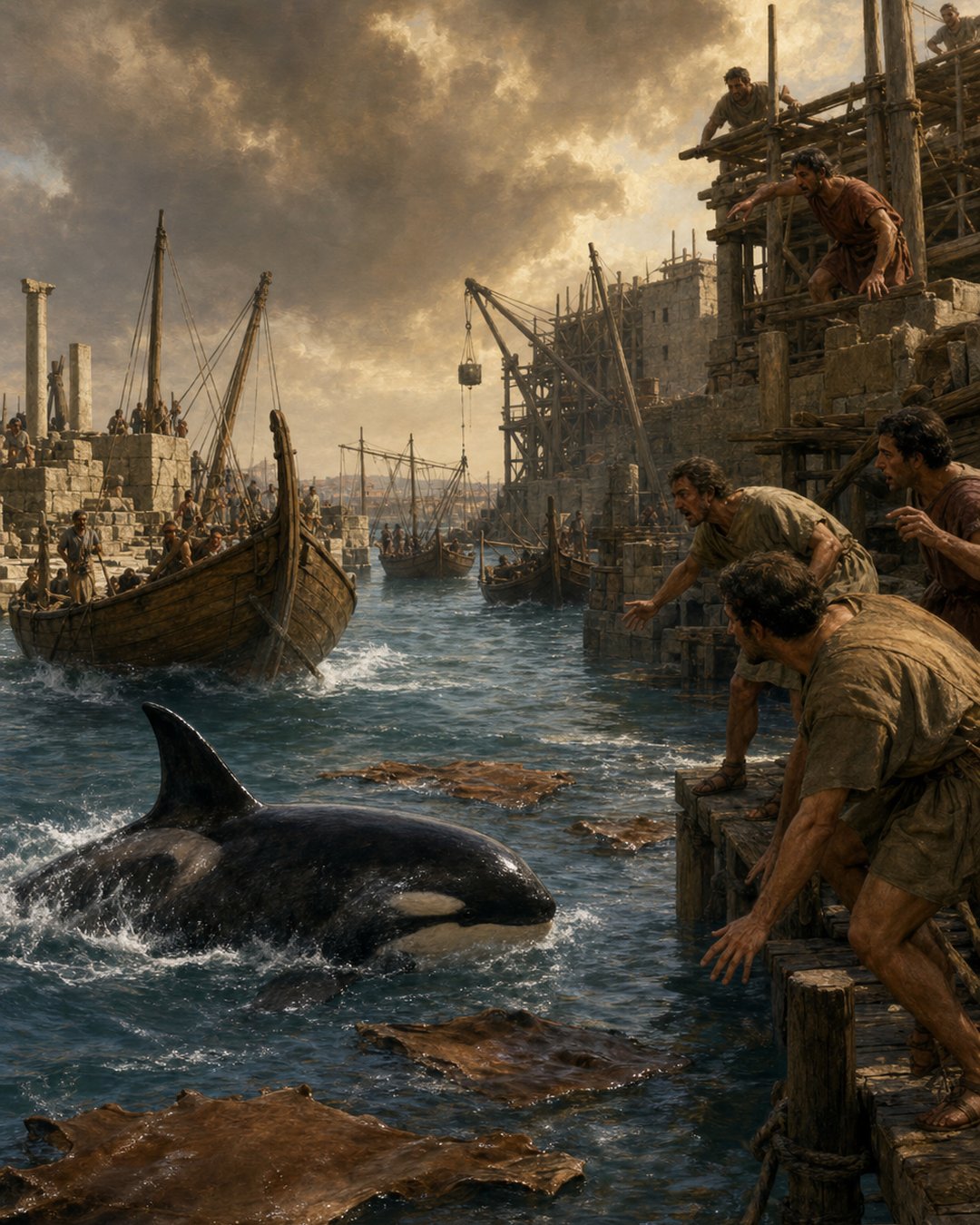
A cargo accident brought an orca into Claudius’s new harbour at Ostia. Pliny the Elder says hides shipped from Gaul fell overboard while the harbour was under construction. Their smell or presence drew the animal into shallow water, where it fed for several days. Then wind shifted the sand around the channel it had made. … Read more

Seven Judges Put Alexandria’s Favorite Poet Last

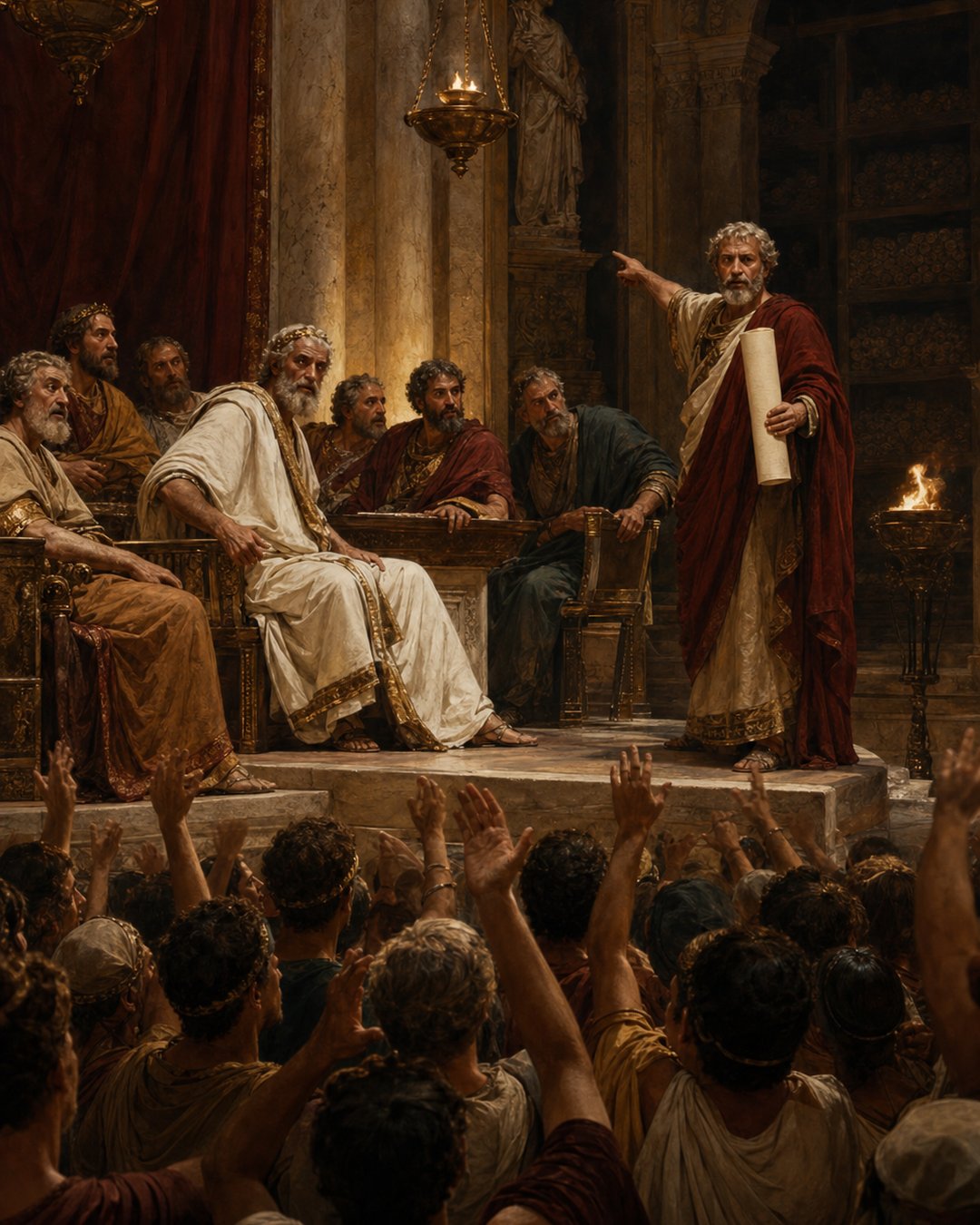
Alexandria’s audience had already made up its mind. The favorite poet had pleased the crowd, and six of the seven judges were ready to reward him. The seventh judge produced the opposite ranking. Aristophanes said the best poet was the competitor whom the public had liked least. Vitruvius says the king and the multitude reacted … Read more

Utica Gave Building Bricks a Five-Year Wait

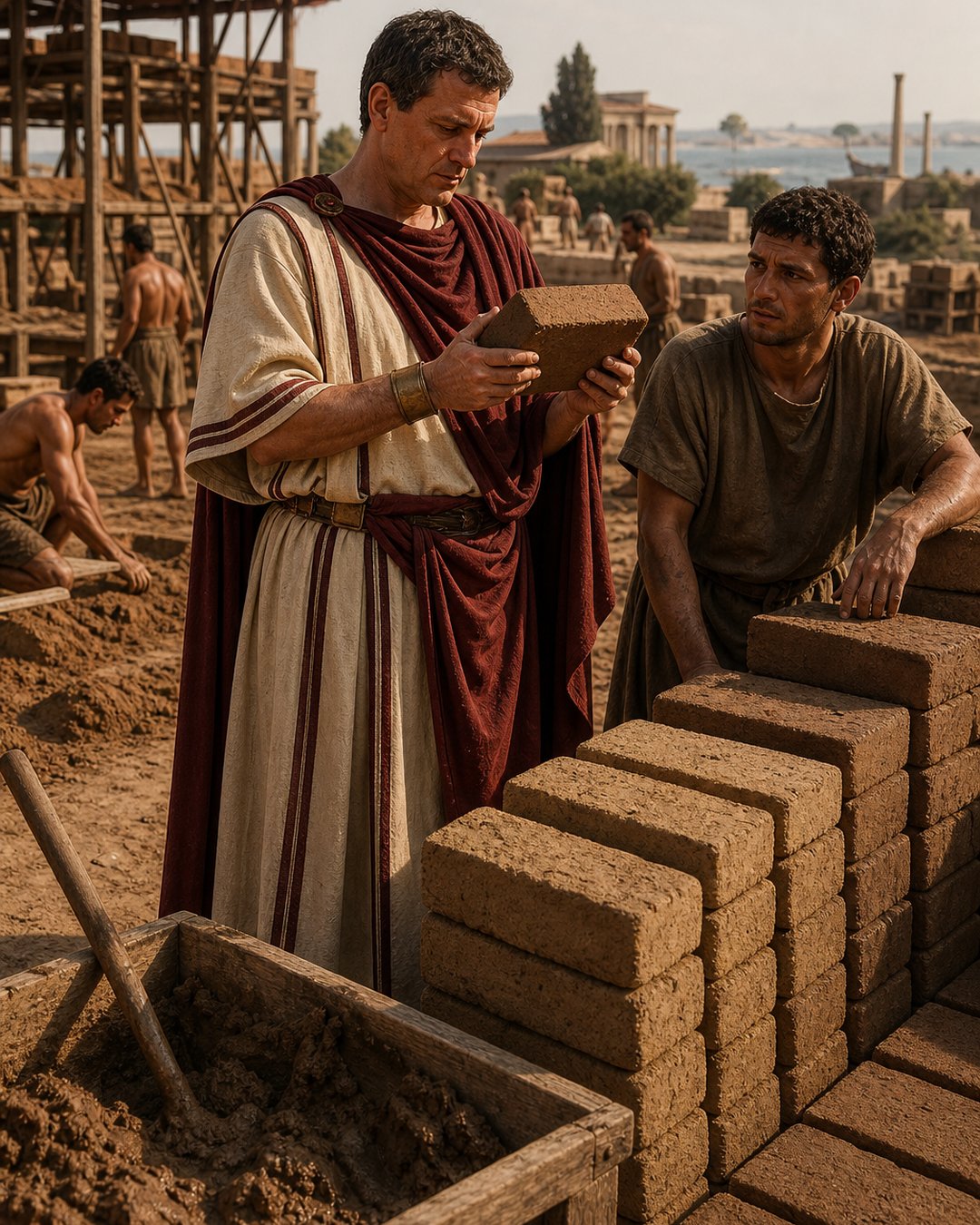
A wall in Utica began with five years of waiting. Vitruvius says the city allowed no brick into a building unless it had reached that age and received a magistrate’s approval. His own general advice was already patient: the best bricks, he wrote, had dried for at least two years. Utica more than doubled the … Read more

Mars’s Courage Became a Wife in Rome’s Old Prayers

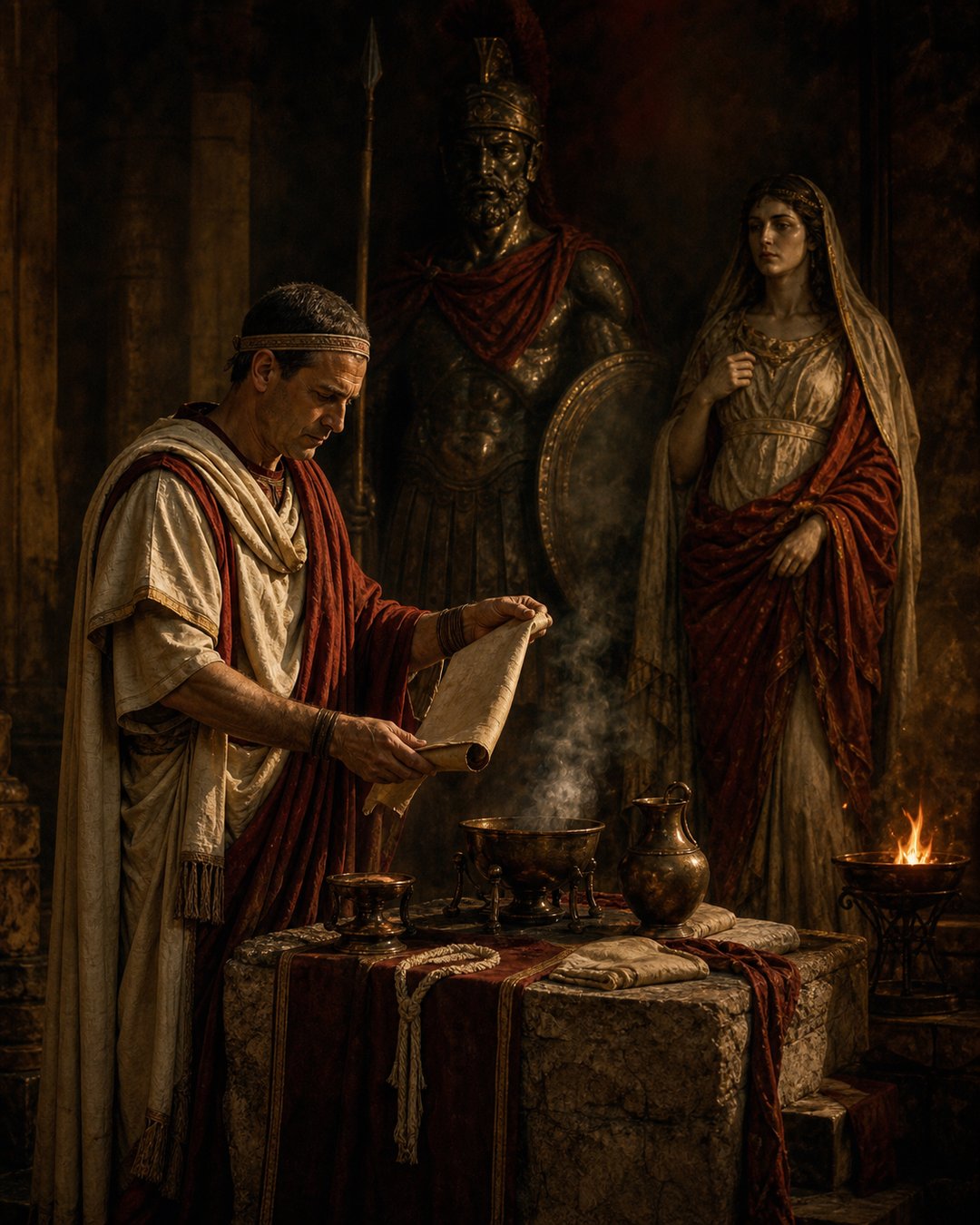
An old Roman prayer name could change identity without changing its place beside Mars. For one antiquarian explanation, Nerio meant the war god’s courage, strength and majesty. In comedy and annalistic tradition, Nerio—or Neria or Nerienes—was his wife. Aulus Gellius did not solve the contradiction by choosing one clean definition. He compared priestly prayer books, … Read more

The Better Battering Ram Cost an Engineer a Beating

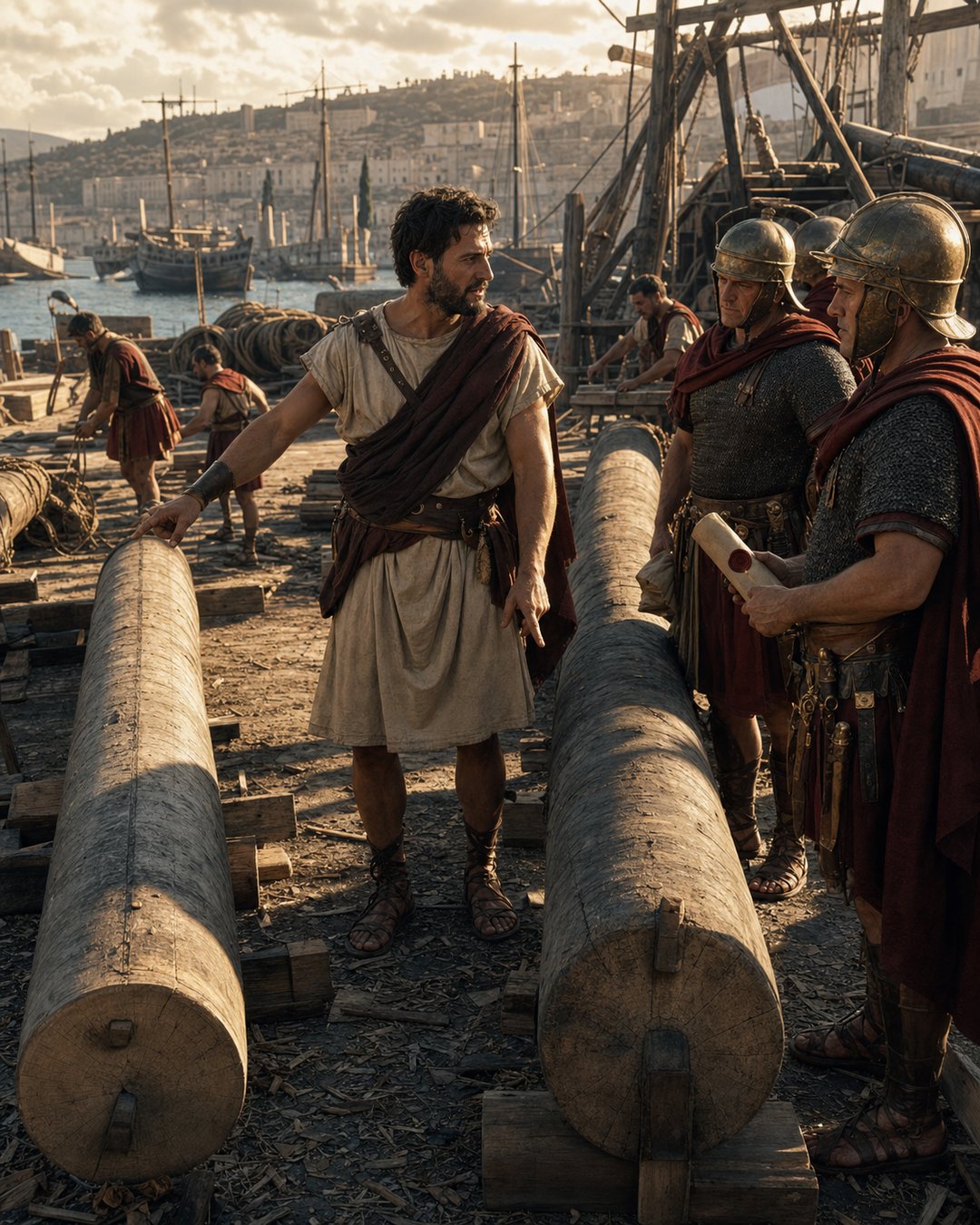
The order named the larger of two masts. The engineer sent the smaller one. He had not confused the timbers. After learning that Publius Crassus Mucianus wanted a beam for a battering ram, the chief engineer at Mylatta judged the smaller mast better suited to the machine and easier to transport. His substitution addressed the … Read more

Cabbage and Four Hours of Walking Filled Cato’s Medicine Chest

Cato’s patient was not simply told to eat a vegetable. Four pounds of smooth cabbage leaves had to be divided into three bundles. Each bundle met boiling water in a timed sequence. The leaves were pounded, squeezed through cloth, seasoned in an earthen cup and left outside through a calm night. Preparation continued with a … Read more

Dinner Laws Counted Asses, Silver and Wedding Days

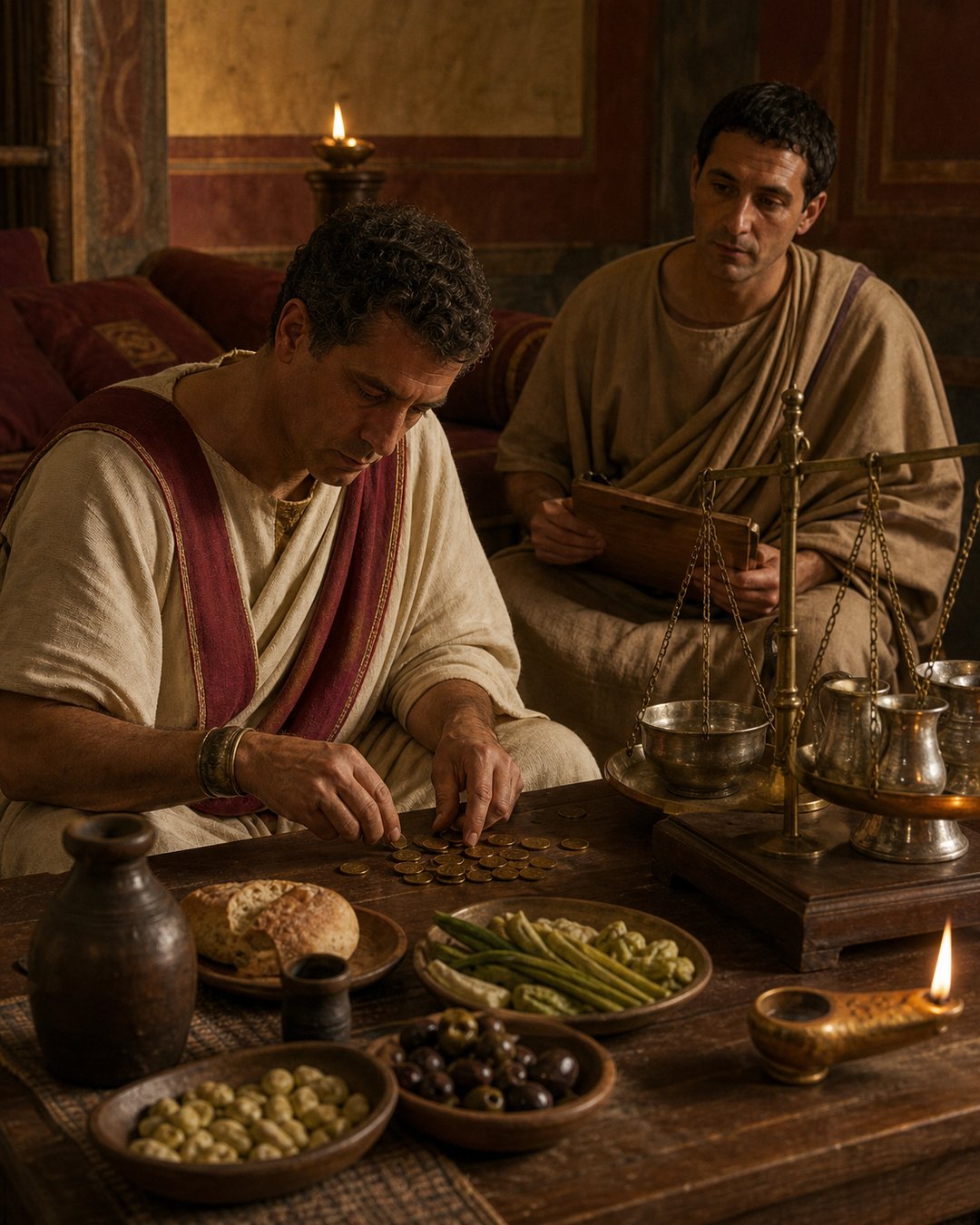
A Roman host could face a different dinner limit simply because the calendar had changed. In Aulus Gellius’s catalogue, one law permitted one hundred asses on named festival days, thirty on ten additional days each month, and only ten on ordinary days. Another made room for a wedding. An older decree counted silver by the … Read more

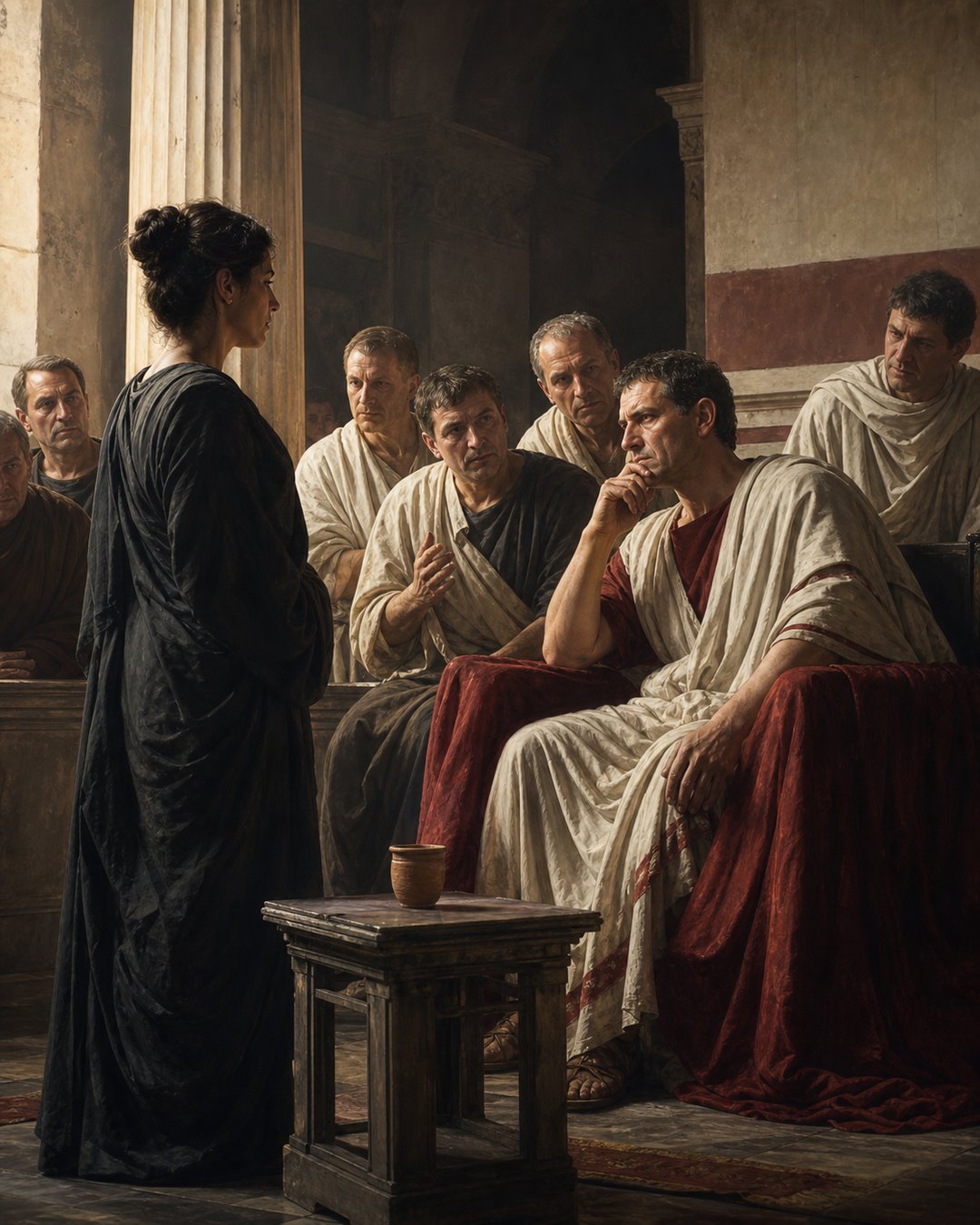
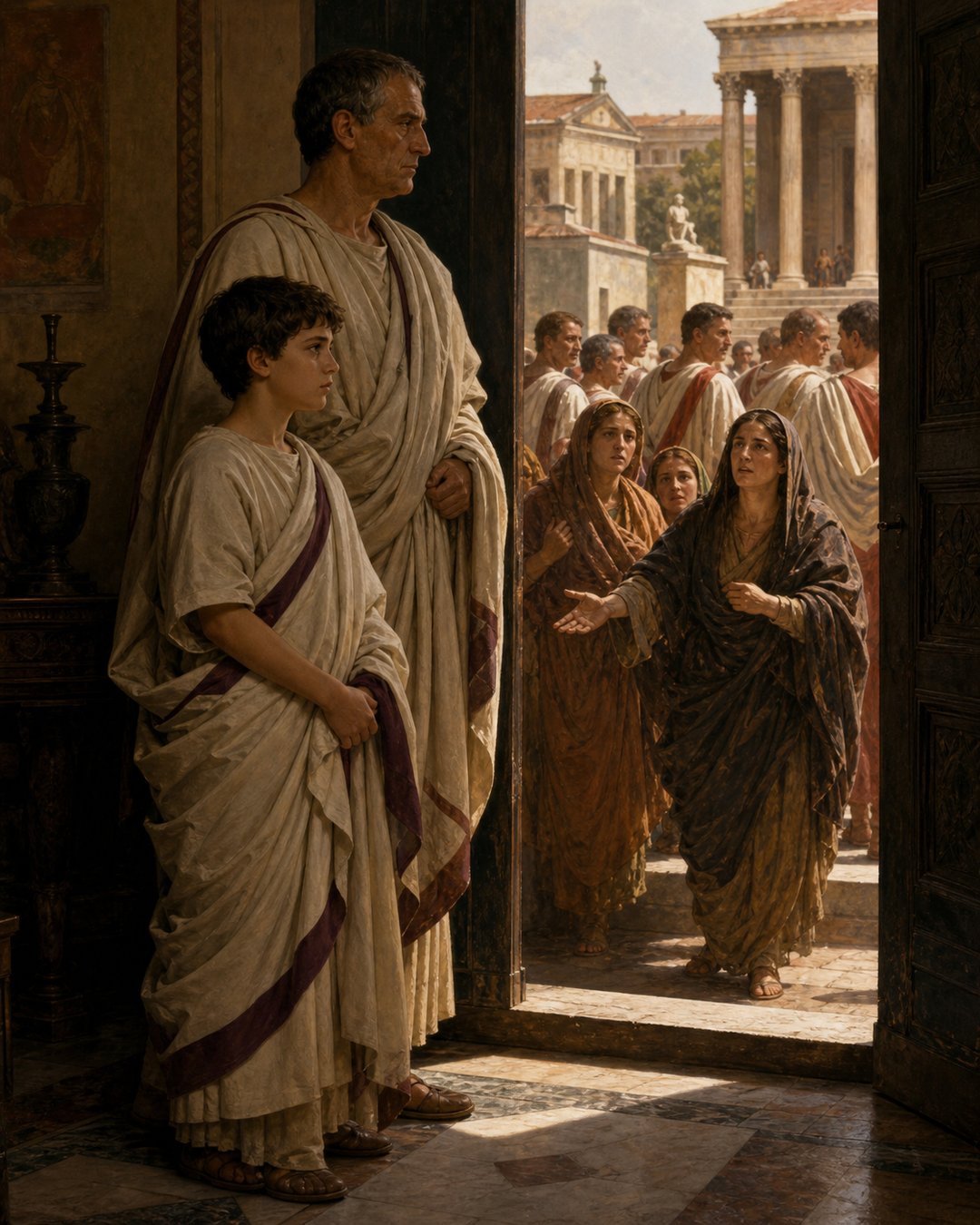
Dolabella Sent an Impossible Murder Case to Athens

The woman did not deny the poison. Before Gnaeus Dolabella, Rome’s proconsul in Asia, she admitted killing her husband and her son at the same time. That confession should have simplified the case. Instead, it made the difficulty visible. The two victims, she said, had treacherously killed another son of hers, a blameless young man … Read more