A Flint Stone Sealed Rome’s Treaty Oath
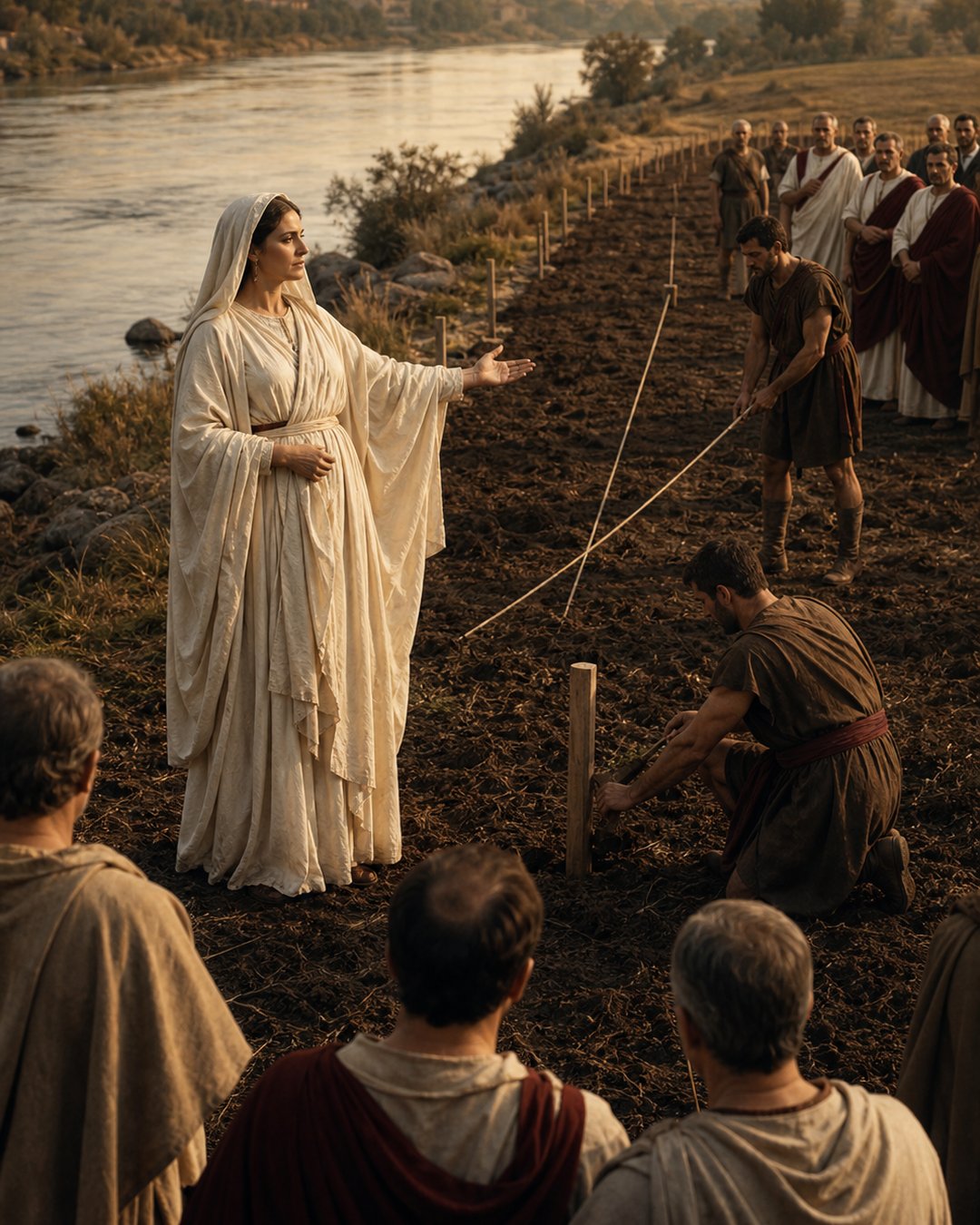
Before six brothers fought for Rome and Alba Longa, a Roman priest asked his own god to punish Rome if it broke its word. Livy places the treaty before the combat of the Horatii and Curiatii. Three champions from each community would decide which people submitted to the other. Yet the duel did not rest … Read more
Cork Floats Marked the Route of Cyprus’s Treasure

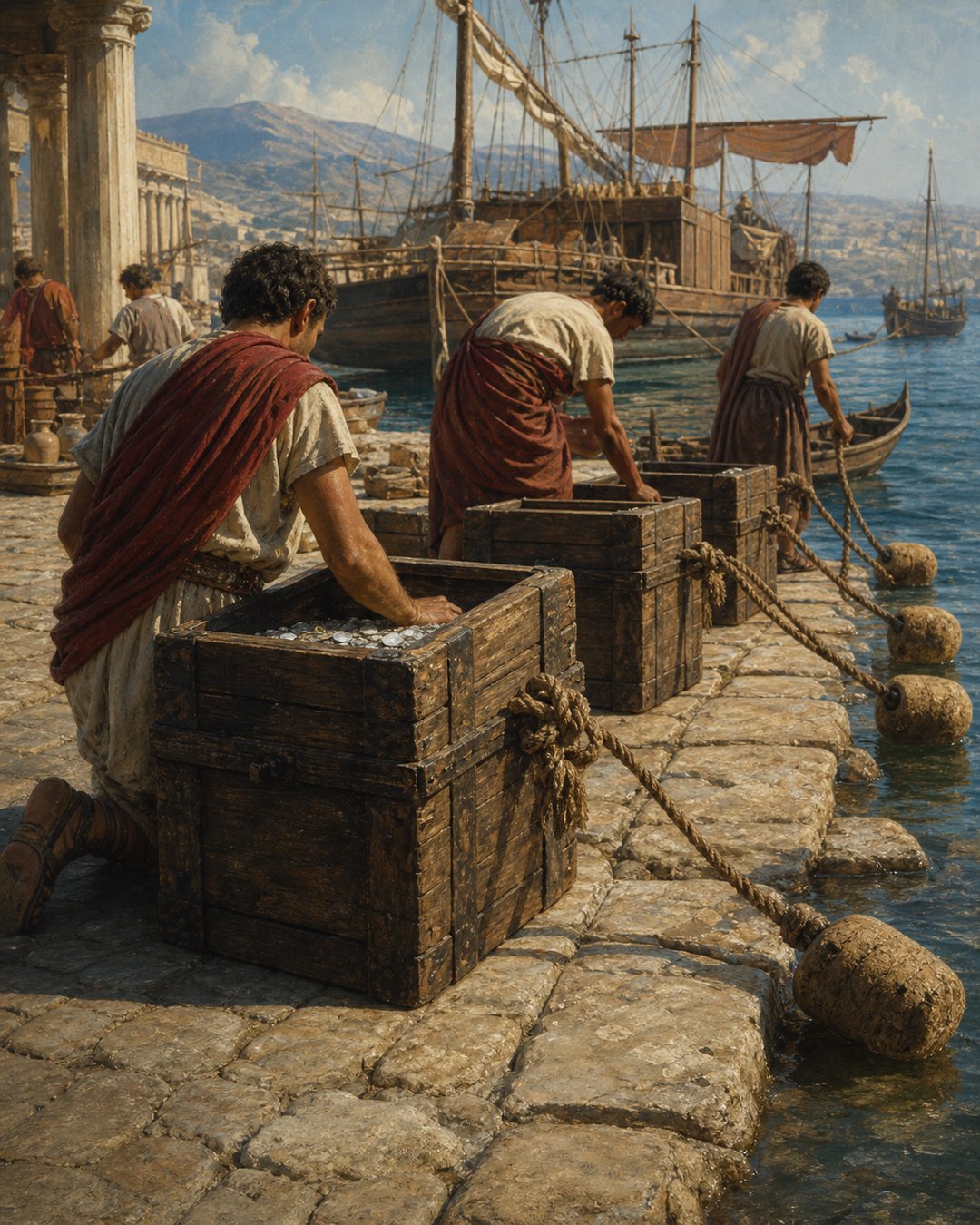
Cato the Younger prepared for a shipwreck by giving the sea something it could not easily hide: huge pieces of cork. Plutarch says Cato gathered nearly seven thousand talents of silver during his commission in Cyprus. For the long voyage to Rome, he divided it among many coffers. Each held two talents and five hundred … Read more

Grass from a Besieged Camp Became Rome’s Highest Crown

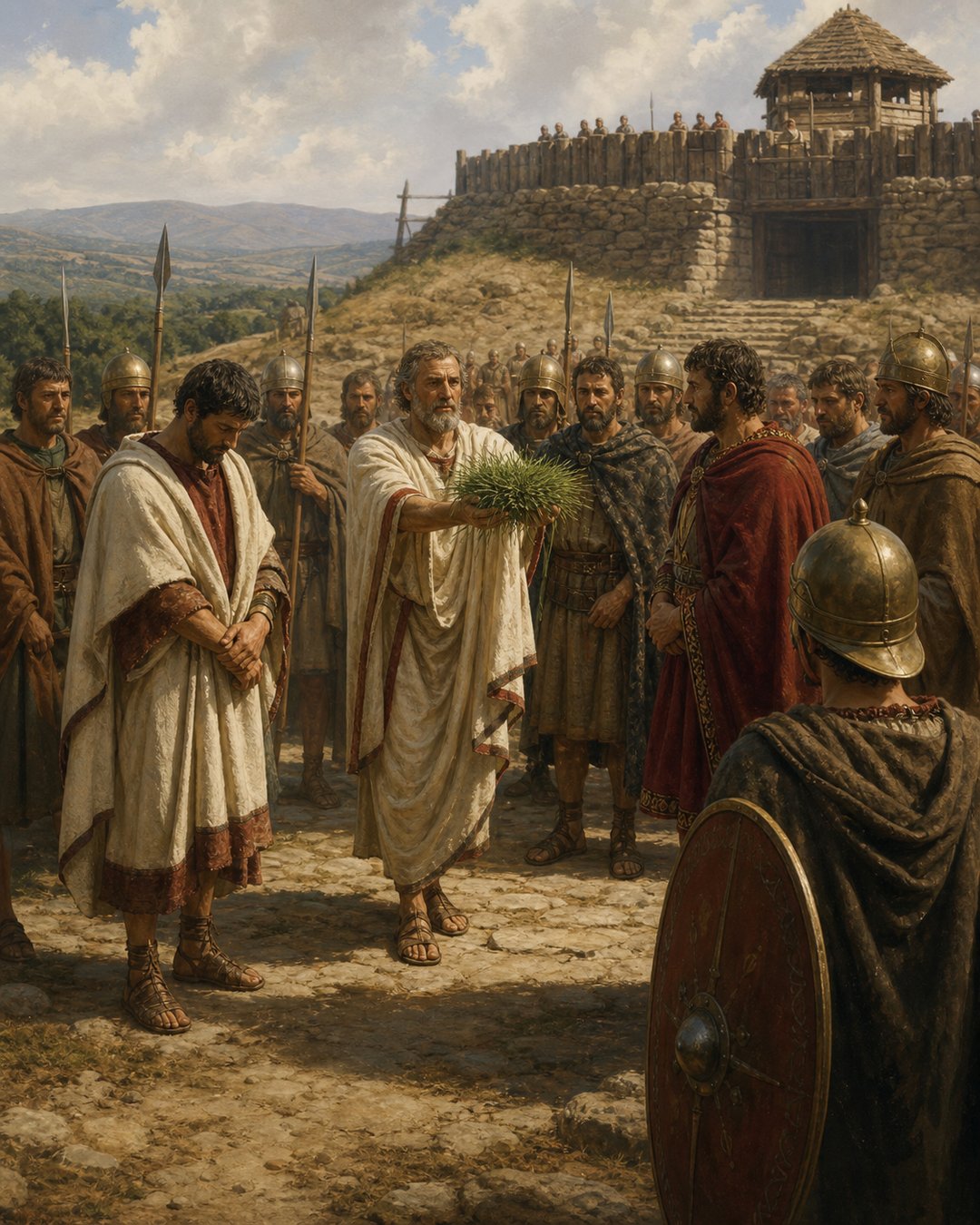
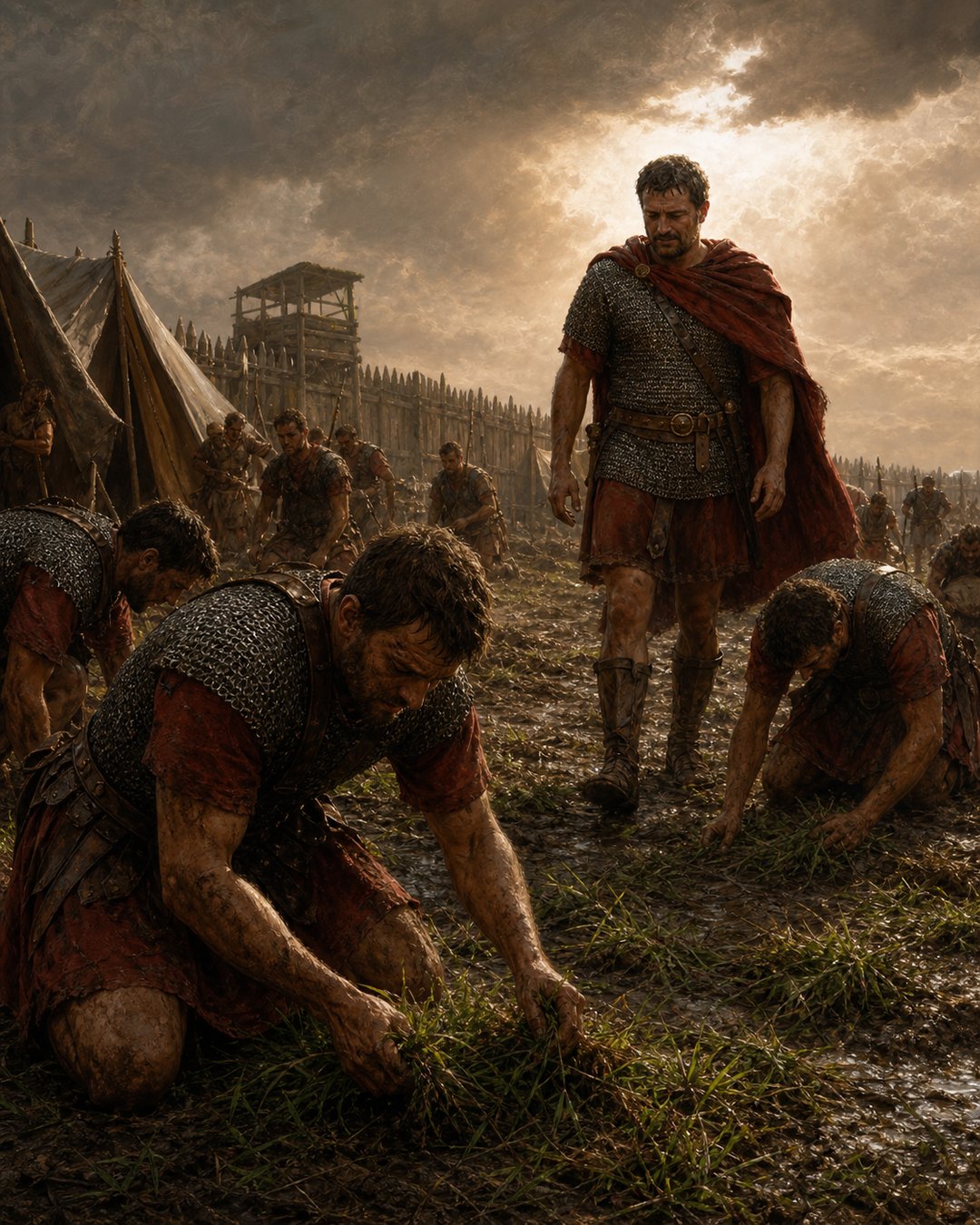
Rome’s most highly regarded military crown was not gold. It was grass gathered from inside a place that had nearly fallen. Aulus Gellius calls it the siege crown. The people delivered from encirclement presented it to the general who had saved them, and custom required the plants to come from the ground on which the … Read more

One Missing Tooth Split Rome’s Market Lawyers

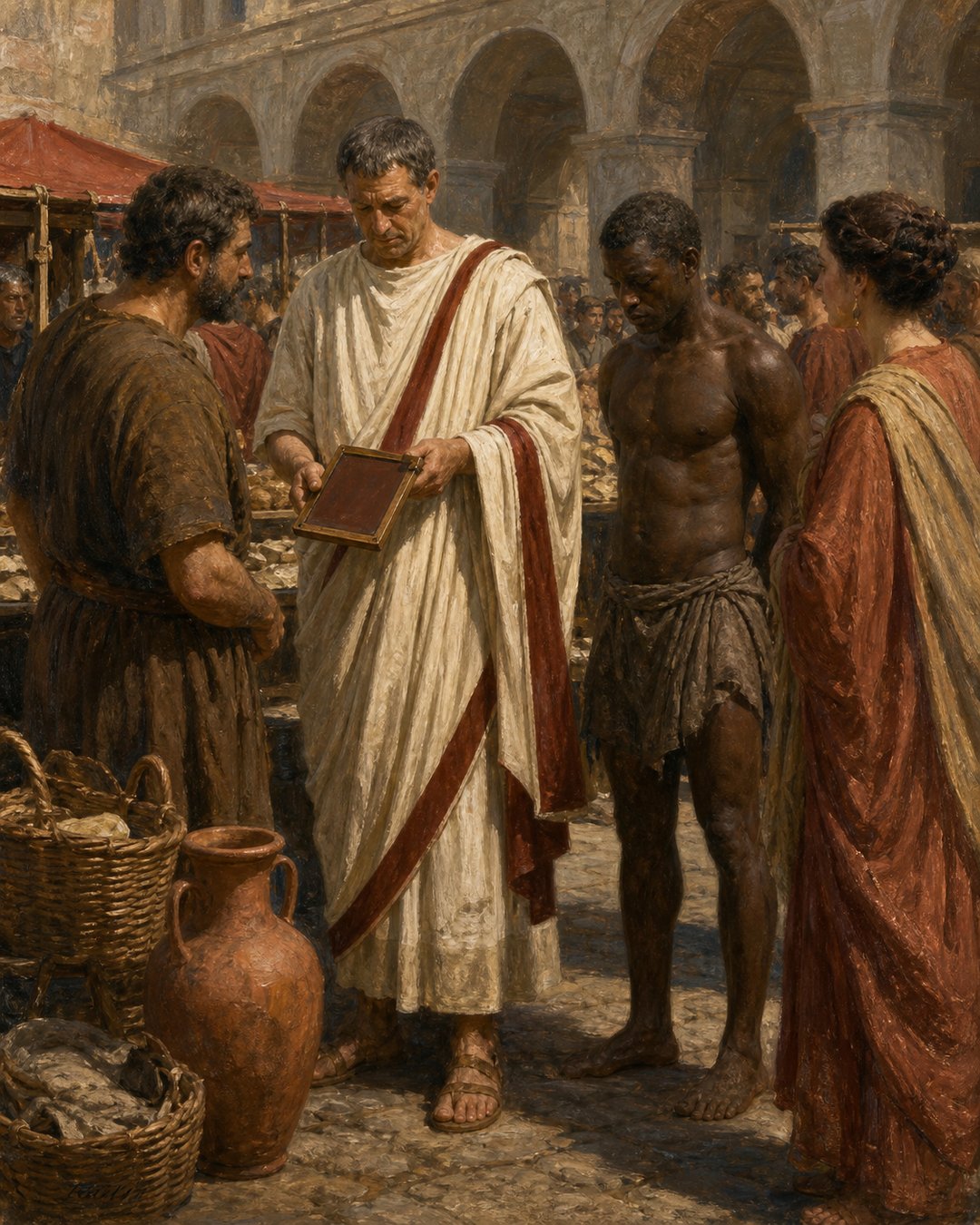
A single missing tooth divided two Roman jurists. Servius thought it could justify returning an enslaved person after a sale. Labeo thought that conclusion was absurd. The disagreement appears in Aulus Gellius’s discussion of the curule aediles’ market edict. The rule required a sale ticket to reveal disease, defect, flight, vagrancy and an unresolved condemnation. … Read more

Fabius Dismounted Before the Office His Son Held

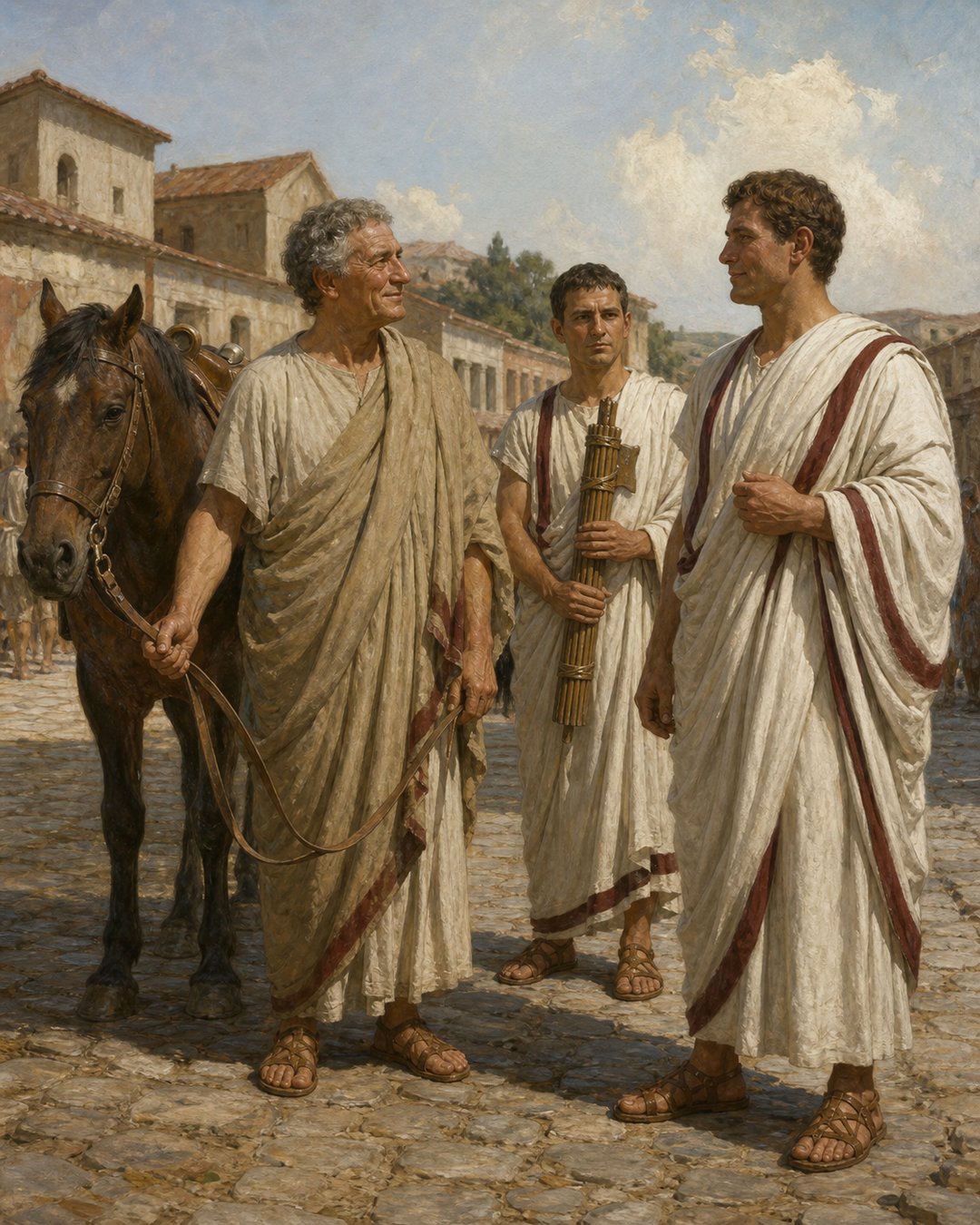
The proconsul remained on his horse as he approached a Roman consul. Nobody immediately told him to get down. The hesitation was understandable. The rider was Fabius Maximus, a former consul and the father of the magistrate in front of him. The lictors knew father and son lived in complete harmony. Household respect, seniority and … Read more

Thirteen Bronze Vessels Tuned a Stone Theatre

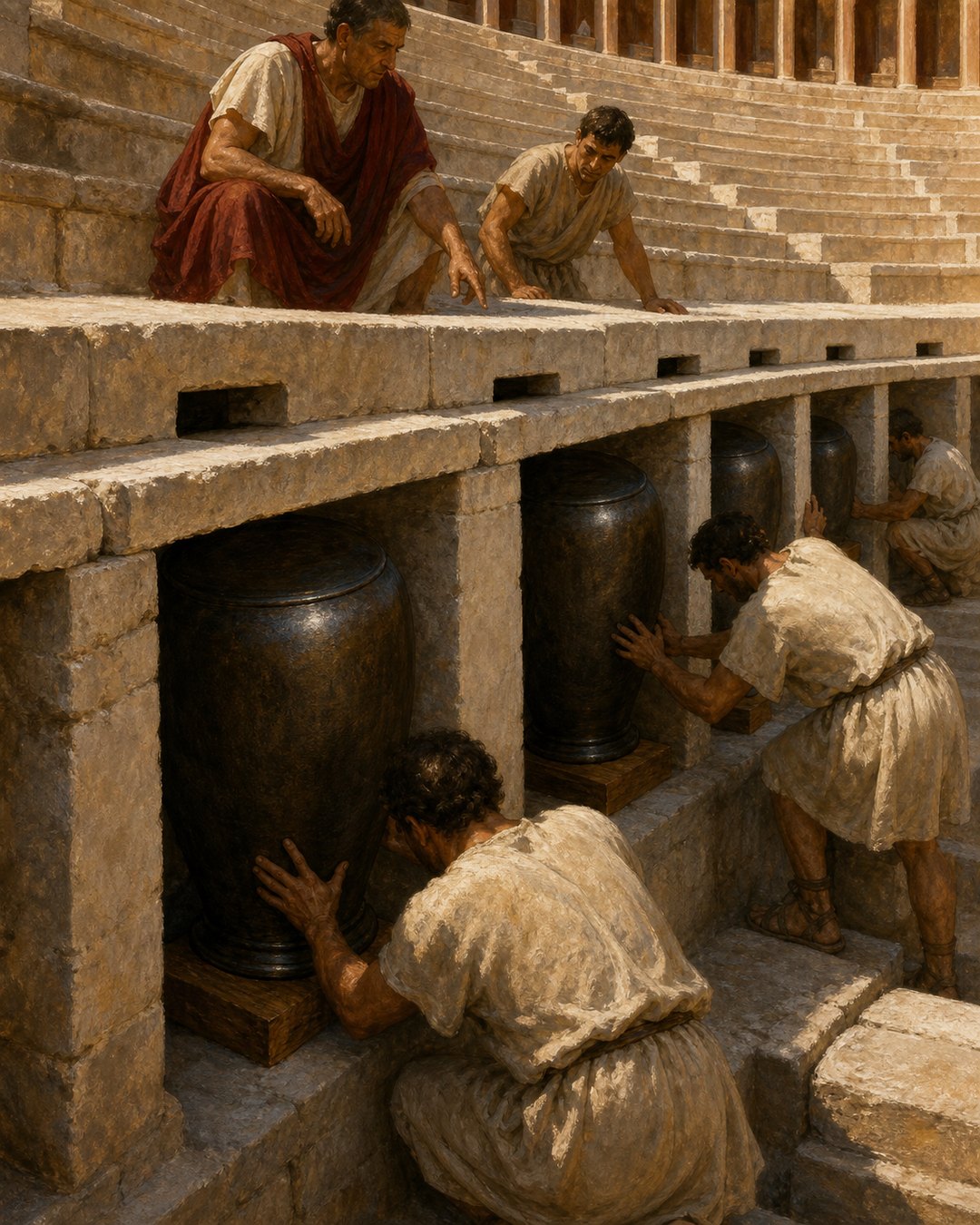
An actor spoke from the stage, and hidden bronze vessels beneath the seats were supposed to answer. Vitruvius did not imagine them as decoration. He specified their pitches, positions, clearances and openings. In a moderate theatre, thirteen cavities formed a measured ring halfway up the seating. Each vessel sat upside down, isolated from the wall … Read more

A Shoed Mule Bought a Litigant Time with Vespasian

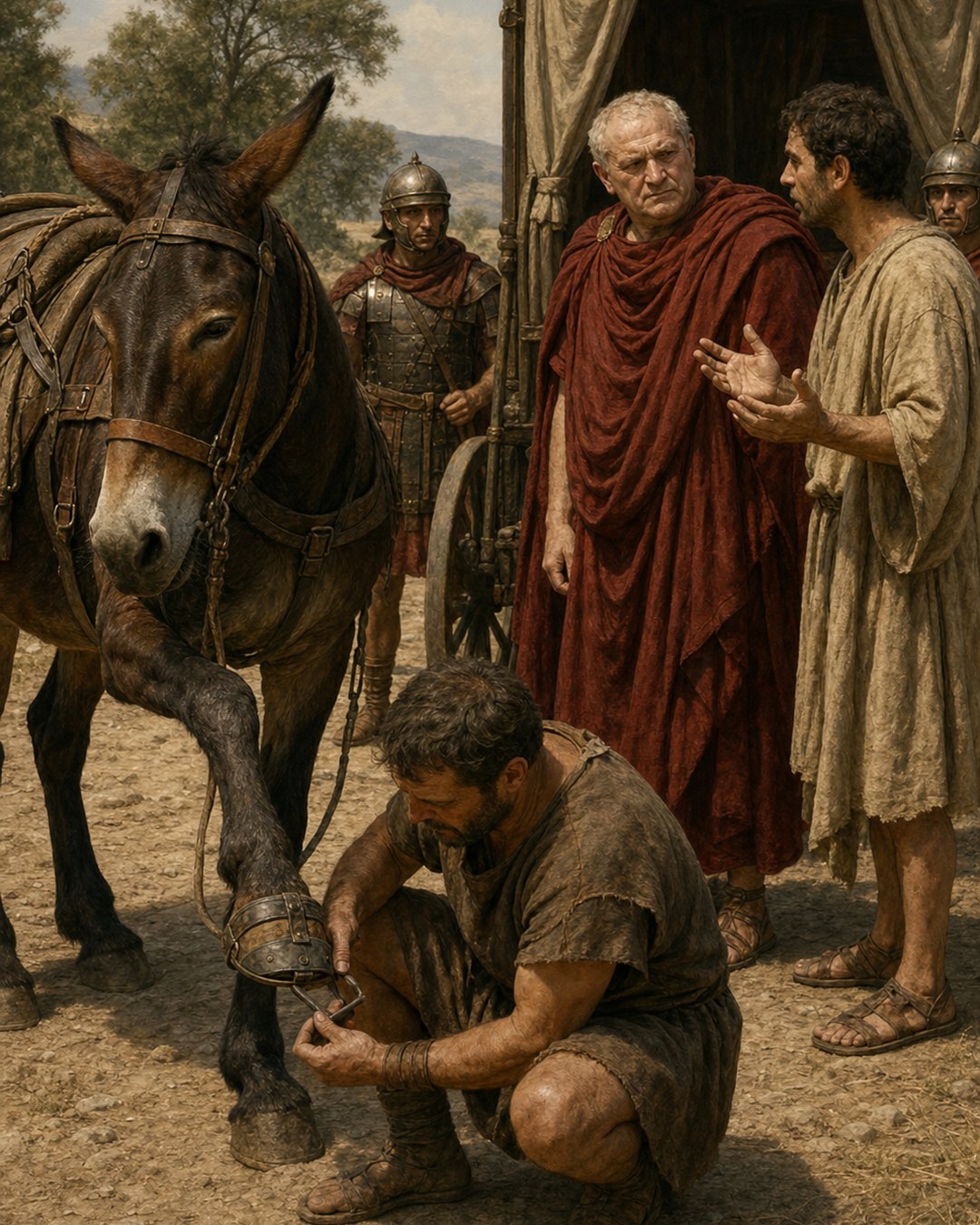
The imperial journey stopped because a mule needed a shoe. At least, that was the explanation offered beside the road. Vespasian suspected a different cause. The muleteer had created just enough delay for a man with a lawsuit to approach the emperor. Someone who could not order the travelling court to halt had apparently found … Read more

Two Hundred Empty Feet Protected a Roman Camp

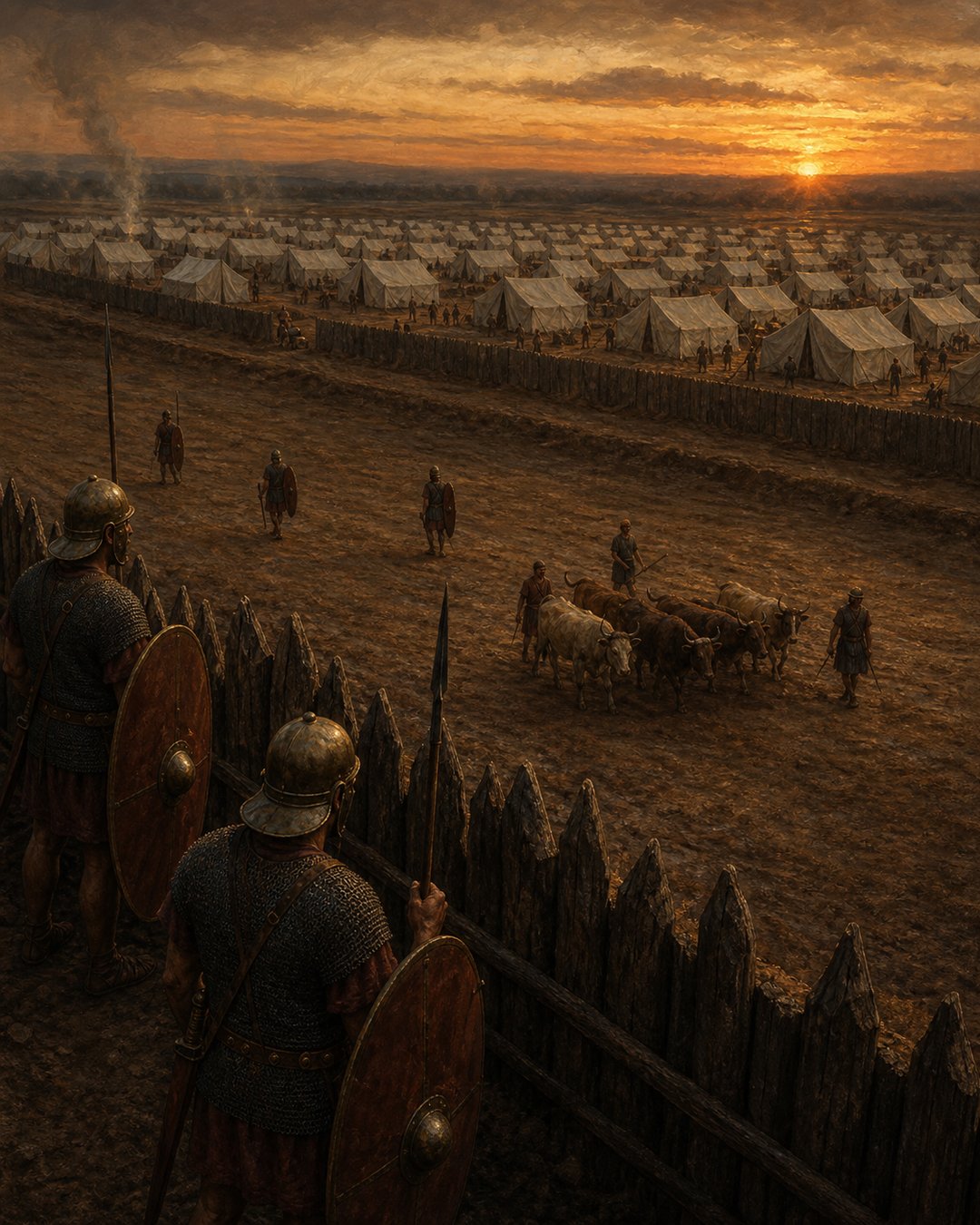
A Roman column stopped marching, chose its ground and built a boundary. Then, inside that defended perimeter, it left an enormous strip empty. Polybius places the tents 200 feet back from the entrenchment on every side. The distance was not a decorative margin. It protected canvas from missiles and night fire, let soldiers move without … Read more