Why Bad Emperors Are Easier to Remember Than Competent Ones
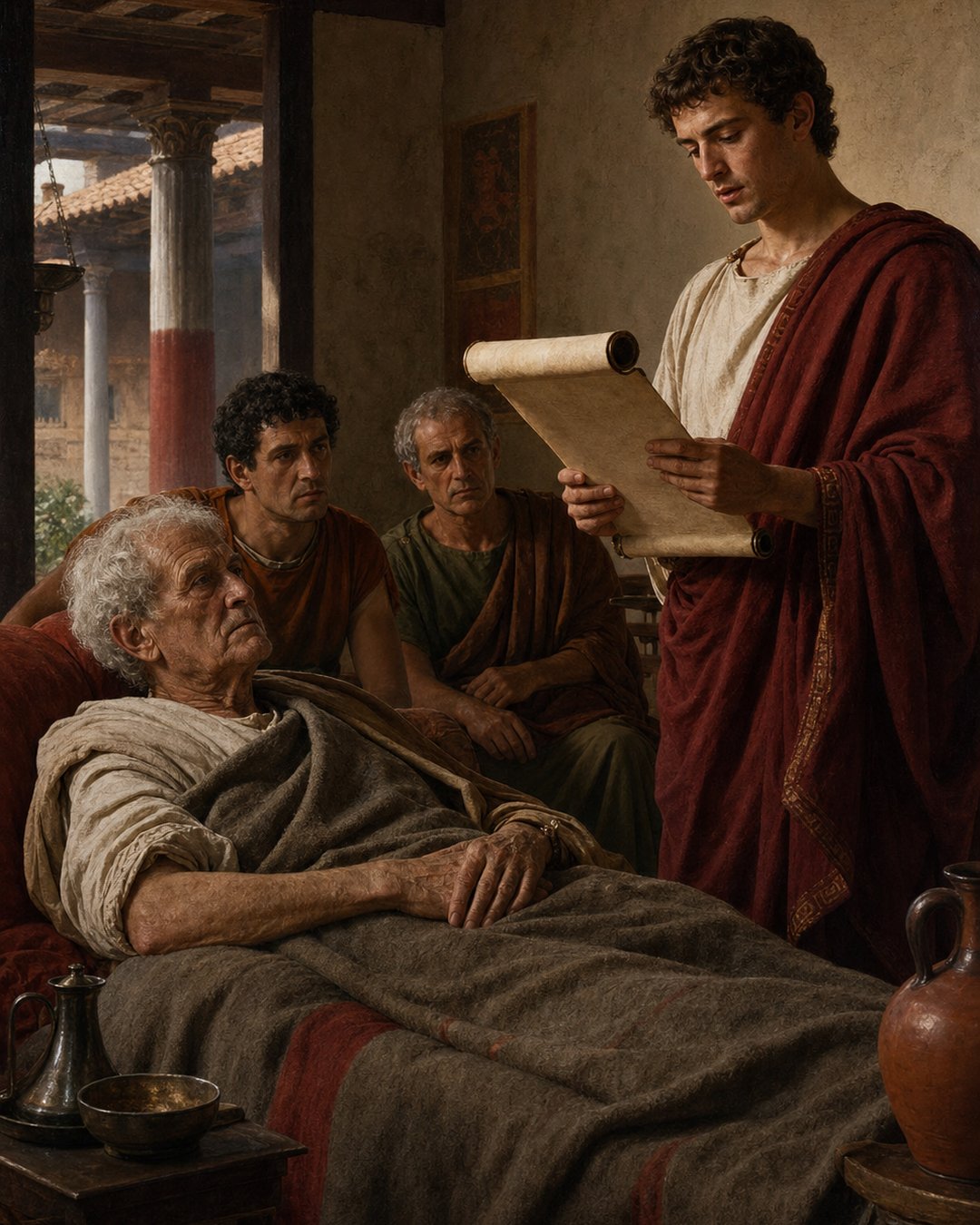
Bad emperors survive in memory because scandal is easier to narrate than administration.
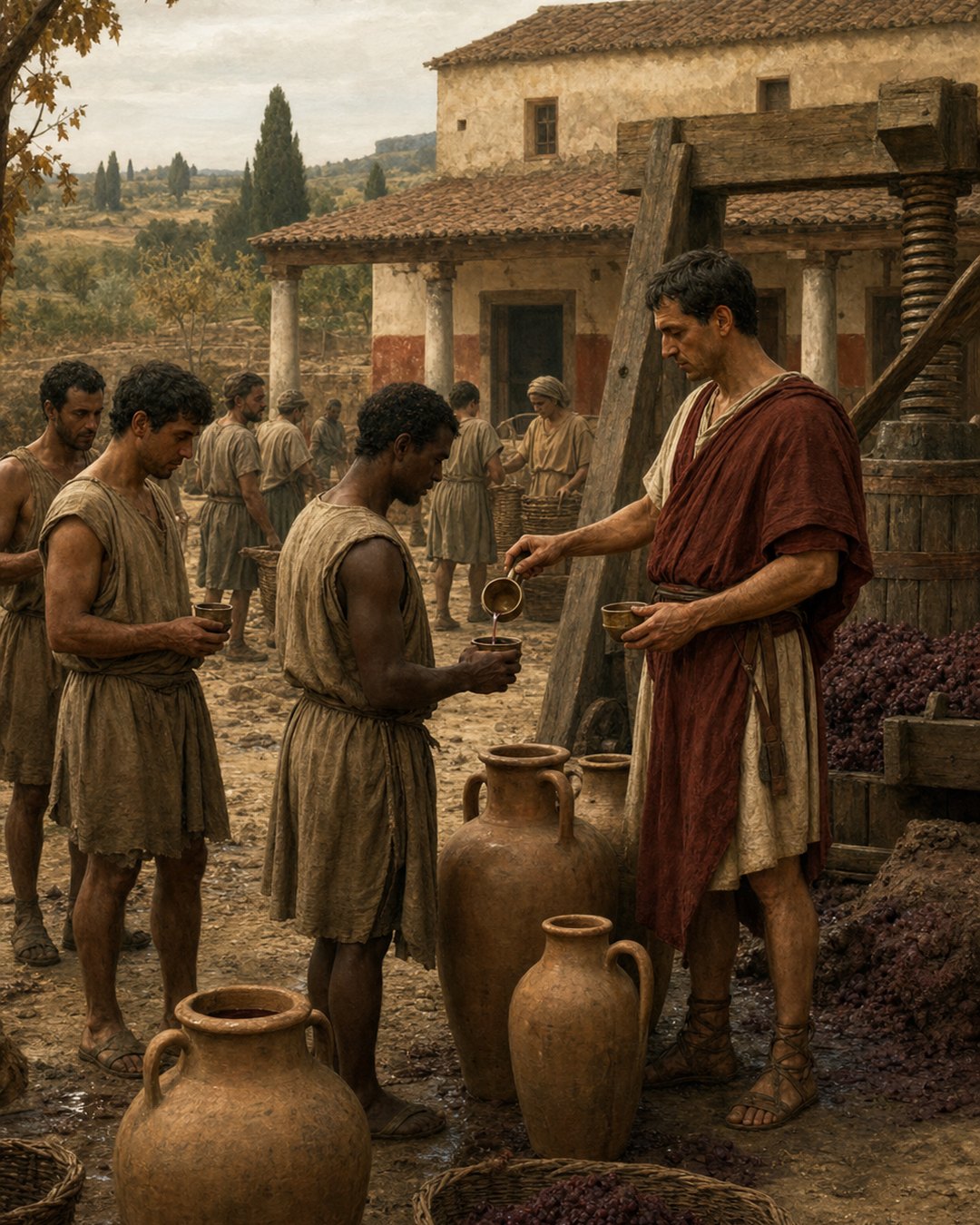
In Rome, bread was not just food. It was a political promise that held the city together.
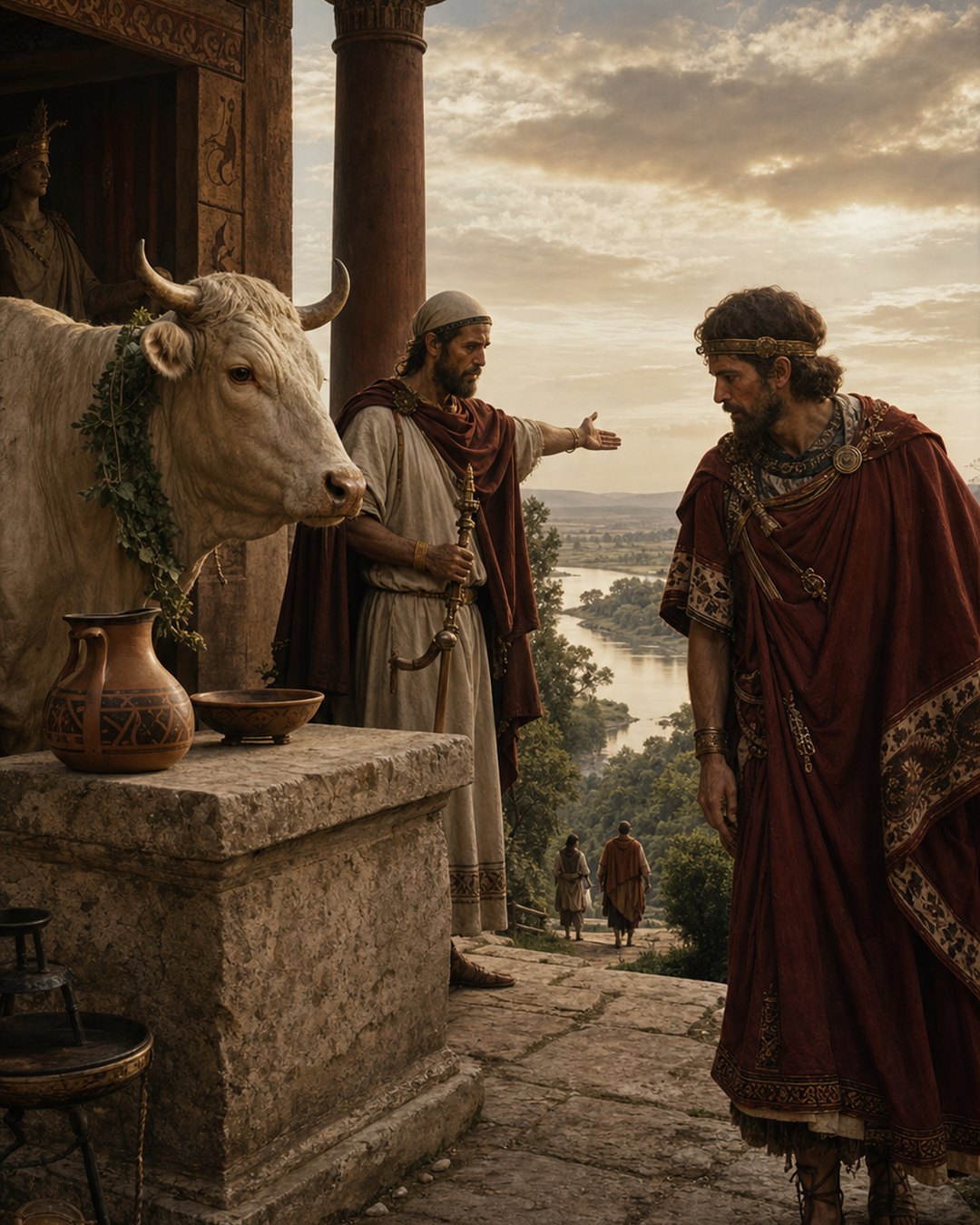
Rome’s foundation stories were not soft bedtime tales. They were myths about violence, brotherhood, boundaries, and the cost of rule.
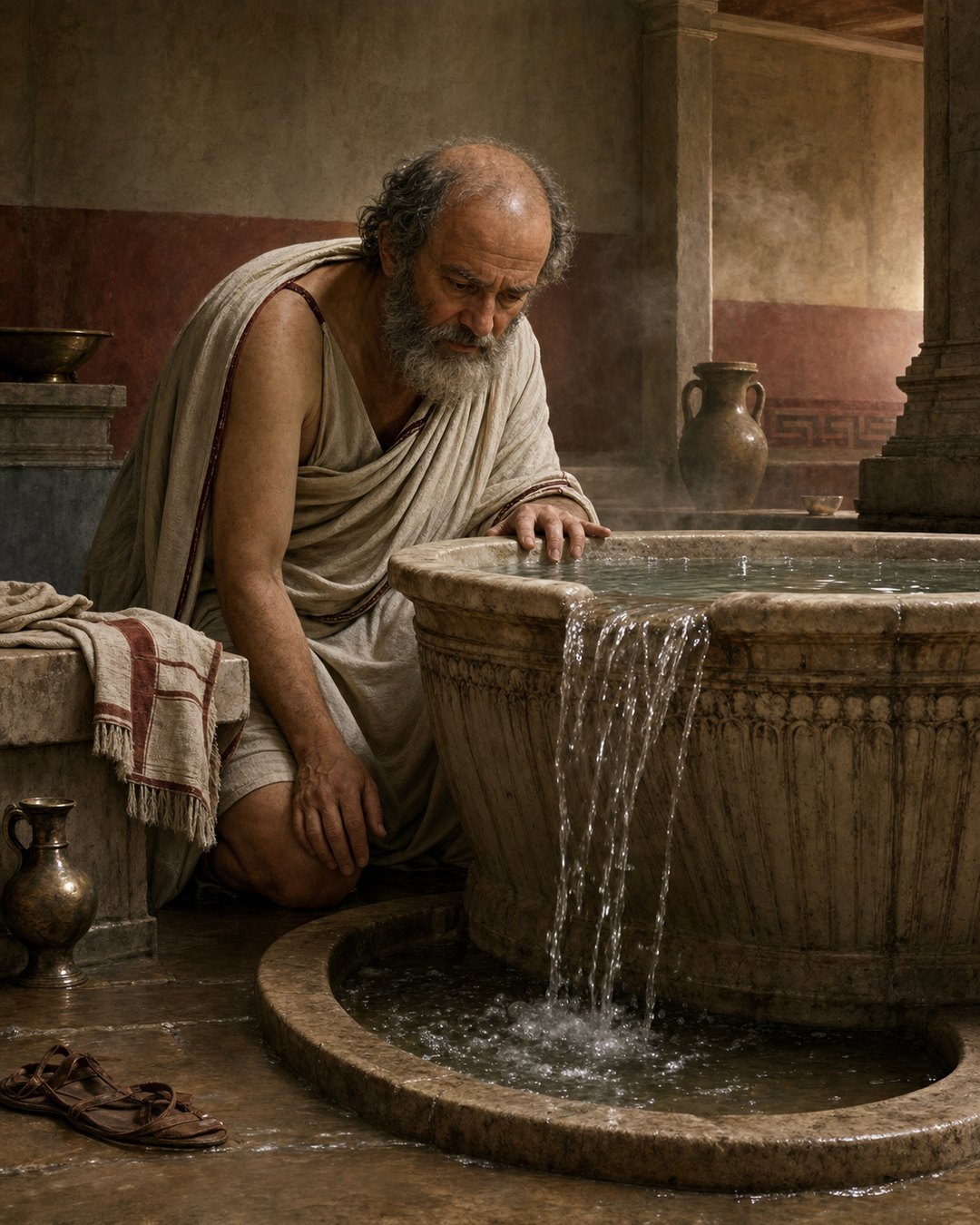
Baths look like leisure, but in Roman cities they were infrastructure for status, social contact, and imperial generosity.
Hadrian’s Wall is easy to picture as a stone line across northern Britain. That picture is not wrong, but it is too still. The wall mattered because it turned a frontier into a routine: inspections, passes, taxes, patrols, letters, quarrels, repairs, and the daily work of deciding who could cross Rome’s edge and under what … Read more
The legion was not only battlefield glory. For many men it was pay, discipline, risk, identity, and a long bargain with the state.
Caesar became more than a man because later power needed his name as a political technology.
Pompeii feels modern because daily life survived in detail, but the city also reveals how different Roman assumptions were.
A triumph celebrated victory, but it also staged a warning: Rome remembered enemies by dragging their defeat through the city.
The arena entertained Rome, but it also taught hierarchy, courage, punishment, and the power of public judgment.