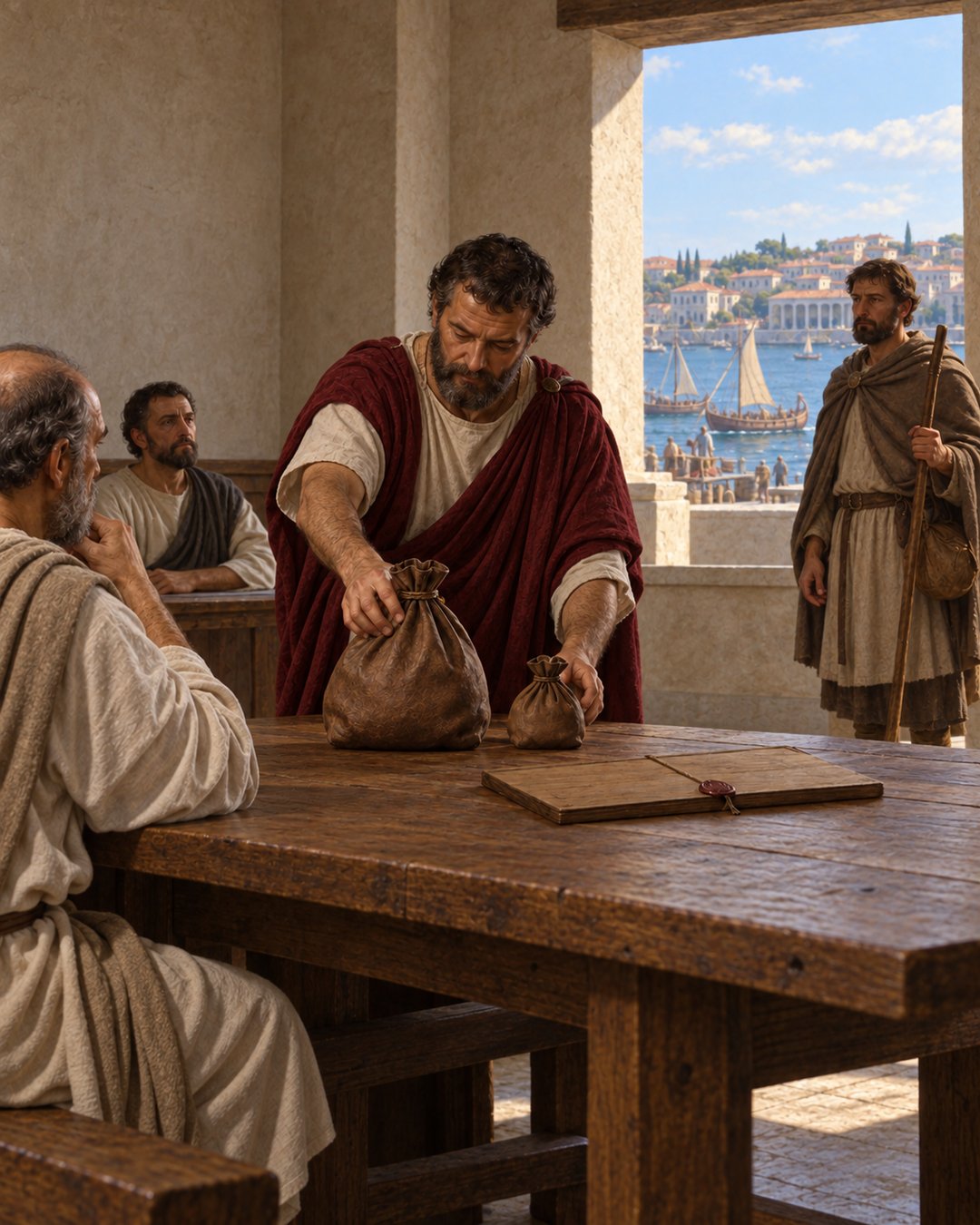
Too Much Wine Made Domitian Reach for the Vines

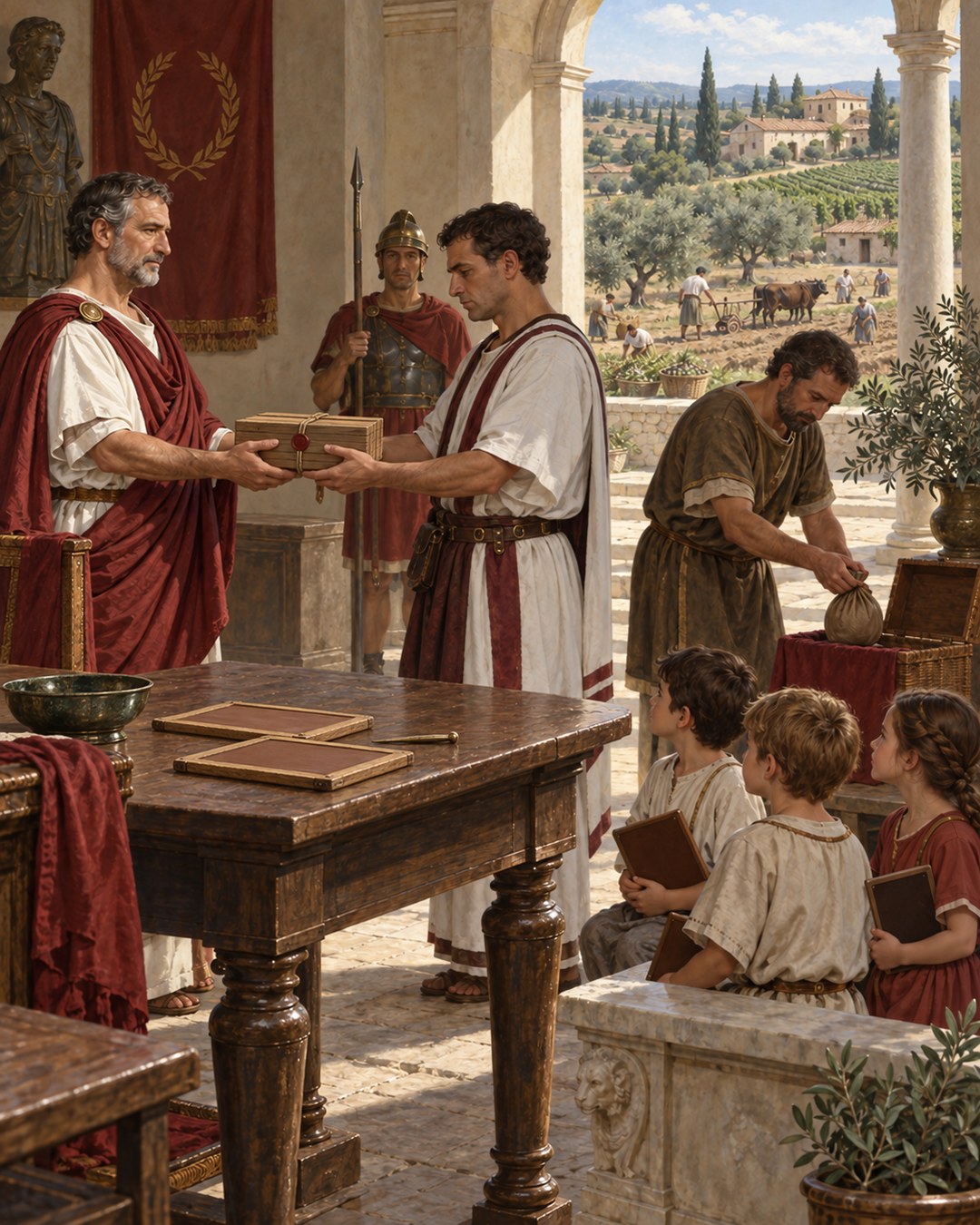
A plentiful wine harvest should have looked like good news. For Domitian, it became evidence of a dangerous imbalance. Suetonius says an abundant crop of wine arrived alongside a shortage of grain. The emperor concluded that farmers were giving vineyards too much attention and arable fields too little. His answer was an edict with two … Read more

Three Italian Rivers Won Their Case Against Rome

After the Tiber flooded Rome, two senators put a vast question before the Senate. Lucius Arruntius and Ateius Capito asked whether rivers and lakes feeding the Tiber should be diverted from their courses. The proposal treated inundation as a problem that might be moved through the landscape: reduce the water reaching Rome by changing what … Read more

Ten Million Sesterces Bought Vespasian One Last Joke

Vespasian’s funeral procession had already put a price on imperial memory: ten million sesterces. The figure enters Suetonius’s biography through a question shouted by Favor, a leading actor of mimes. Favor was wearing the dead emperor’s mask and performing the actions and words by which Vespasian had been known in life. When the officials gave … Read more

A Blood-Tipped Spear Turned a Grievance into War

Before an army crossed a frontier, a sentence had to cross it. In Livy’s account, a wool-covered envoy stood at another people’s boundary and called Jupiter, the boundary itself and righteousness to hear him. He repeated his demand to the first person he met, at the gate and in the forum. Only after waiting, returning … Read more

Five Worshippers Were Rome’s Limit for Bacchus

Five people could still meet. Six could not. Even among the permitted five, no more than two could be men and no more than three women. A priest, a presiding officer, a common treasury or a mutual oath could turn the gathering from tolerated worship into a capital case. The surviving order is so exact … Read more

Two Wooden Swords Made Priscus and Verus Both Victors

The crowd had already chosen an ending. Priscus and Verus had fought for a long time without separating themselves, and the spectators loudly demanded that both be released. The ruler did not immediately give them what they wanted. In Martial’s poem, Caesar remained inside the announced rule: the contest had to continue until a fighter … Read more

A Bronze Law Made Vespasian’s Past Orders Legal

Vespasian had already acted before Rome finished defining the legal basis on which he could act. The surviving bronze text associated with his imperial powers confronts that sequence directly. Near its end, it declares that measures undertaken, ordered or decreed by him before the law was proposed were to be valid as if the Roman … Read more

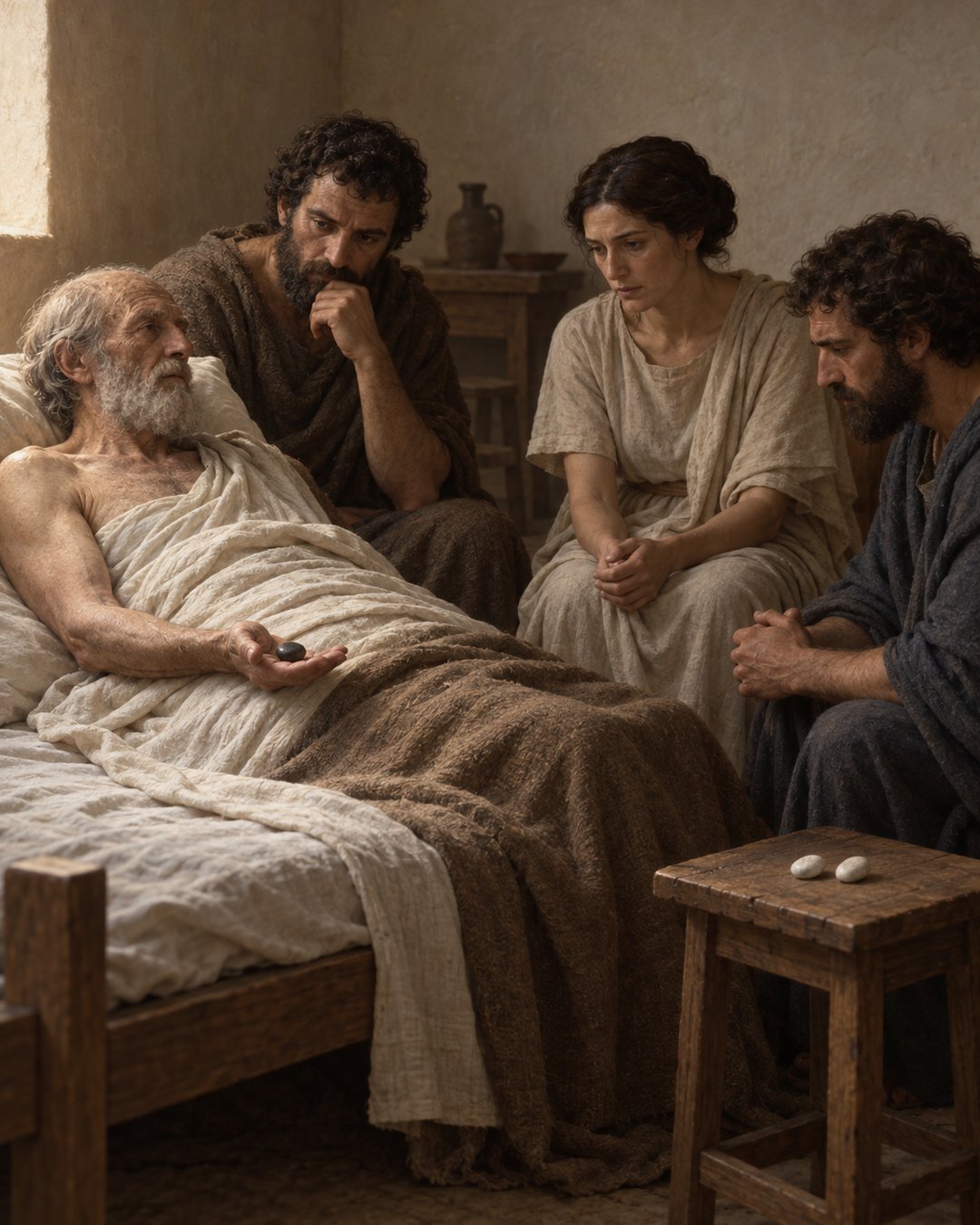
Fourteen Hundred Women Sent Hortensia to the Forum

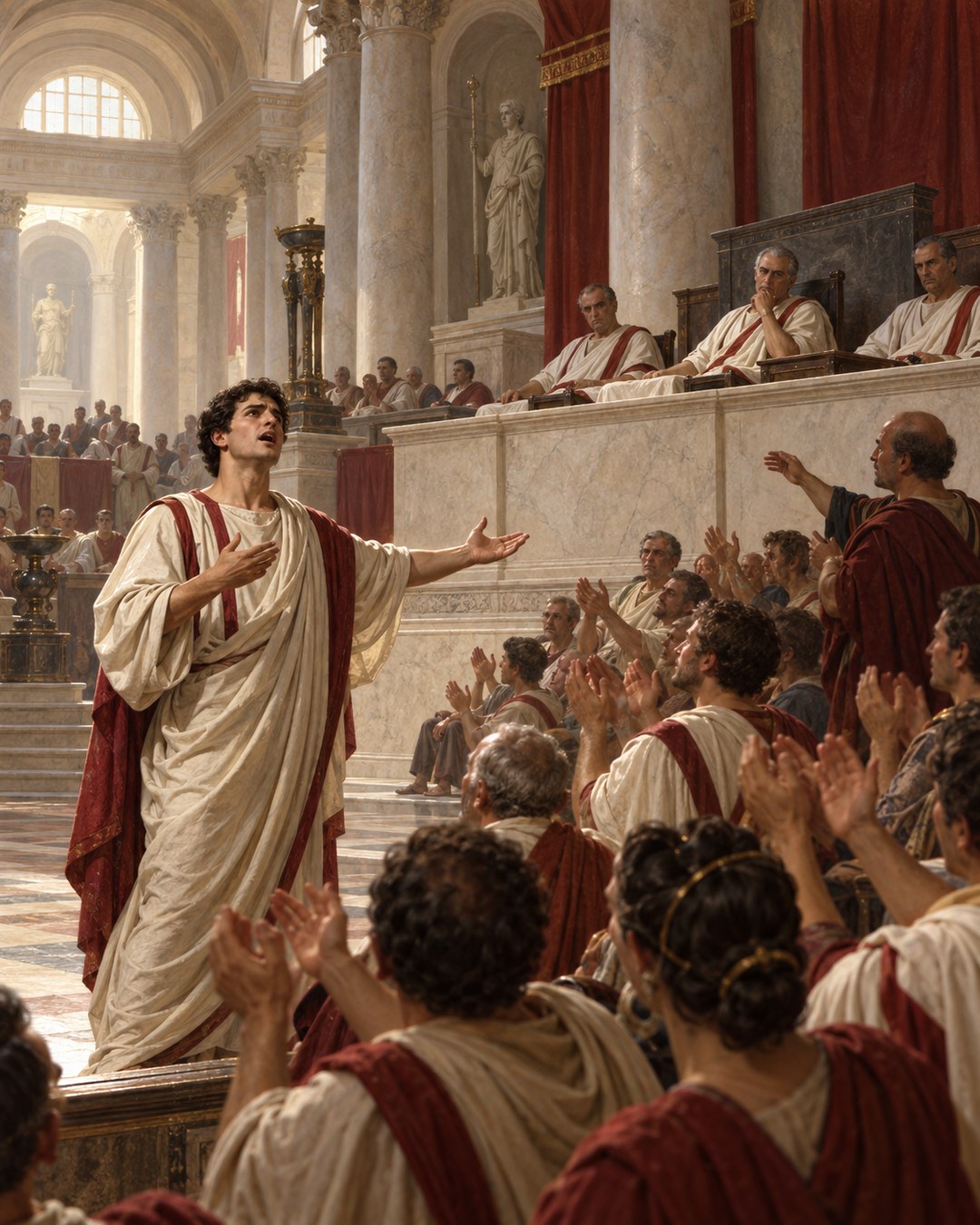
The edict did more than ask Rome’s richest women for money. It ordered 1,400 of them to declare their property, threatened penalties for concealment or false valuation, and promised rewards to informers whether free or enslaved. The Second Triumvirate needed cash for another Roman civil war. Its shortage was being converted into an inspection of … Read more