Pompey’s Four Elephants Could Not Fit Through Rome’s Gate

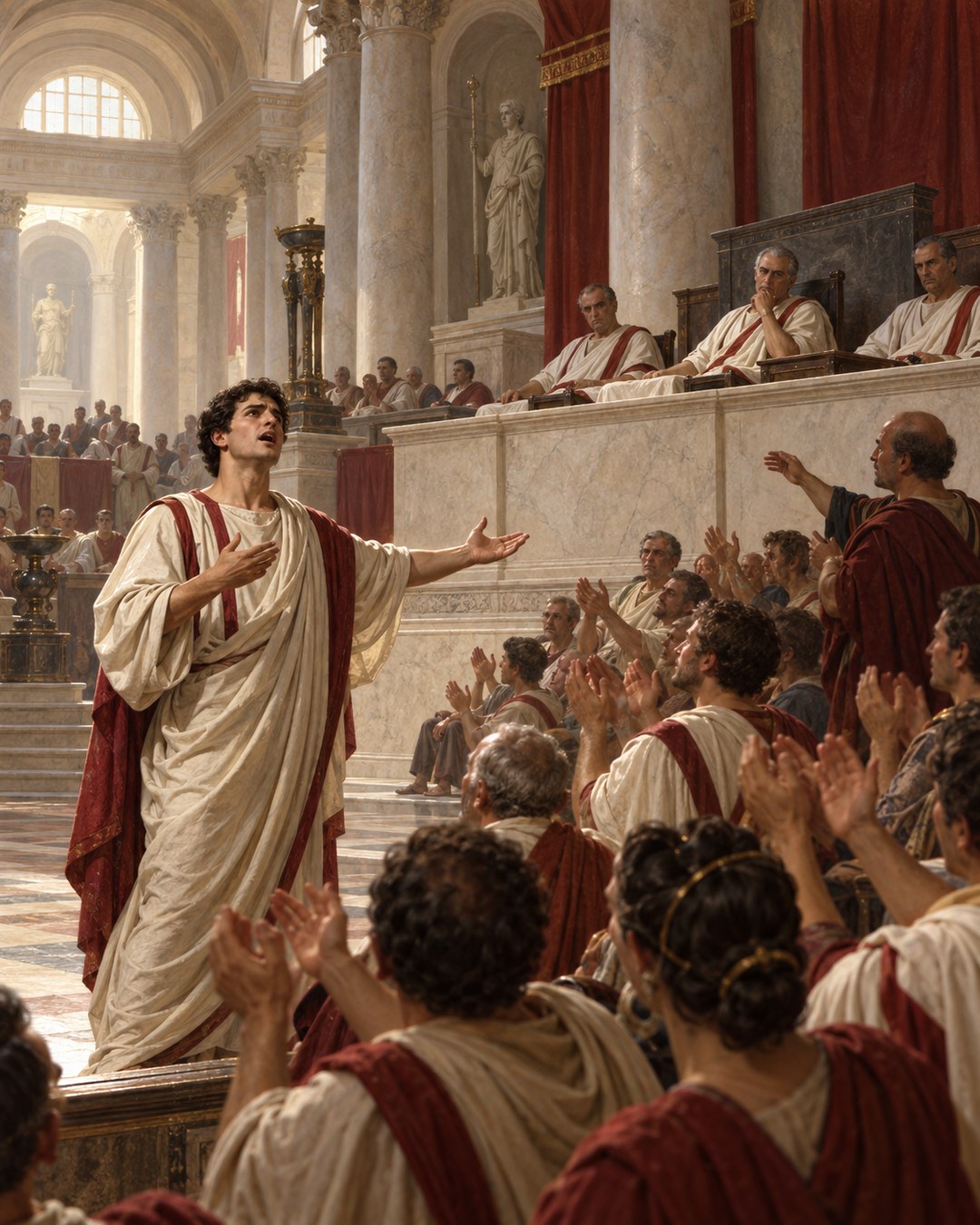
Pompey wanted four elephants to pull his triumphal chariot into Rome. He had brought the animals from Africa, and their size made the claim unmistakable: the young commander was returning with victory, kings and the living scale of another continent behind him. The city answered with masonry. The gate was too narrow. Pompey abandoned the … Read more

Crystal Cups Stopped a Slave at Vedius Pollio’s Lamprey Pool

A crystal goblet broke during dinner. Its owner, Vedius Pollio, did not ask what the vessel had cost or whether the damage was accidental. He ordered the enslaved cup-bearer taken to a pool of large muraenae, fish kept for a death that would turn punishment into spectacle. One guest changed the result. Augustus was at … Read more

One Knot Could Stop Jupiter’s Priest at the Door

If a person in fetters entered the house of Jupiter’s priest, the bonds had to come off. The restraints were then pulled upward through the opening in the roof and lowered into the street. The same priest could have no knot in his cap, belt or any other part of his clothing. Aulus Gellius records … Read more

Gold Goblets Went to War in Marcus Aurelius’s Auction

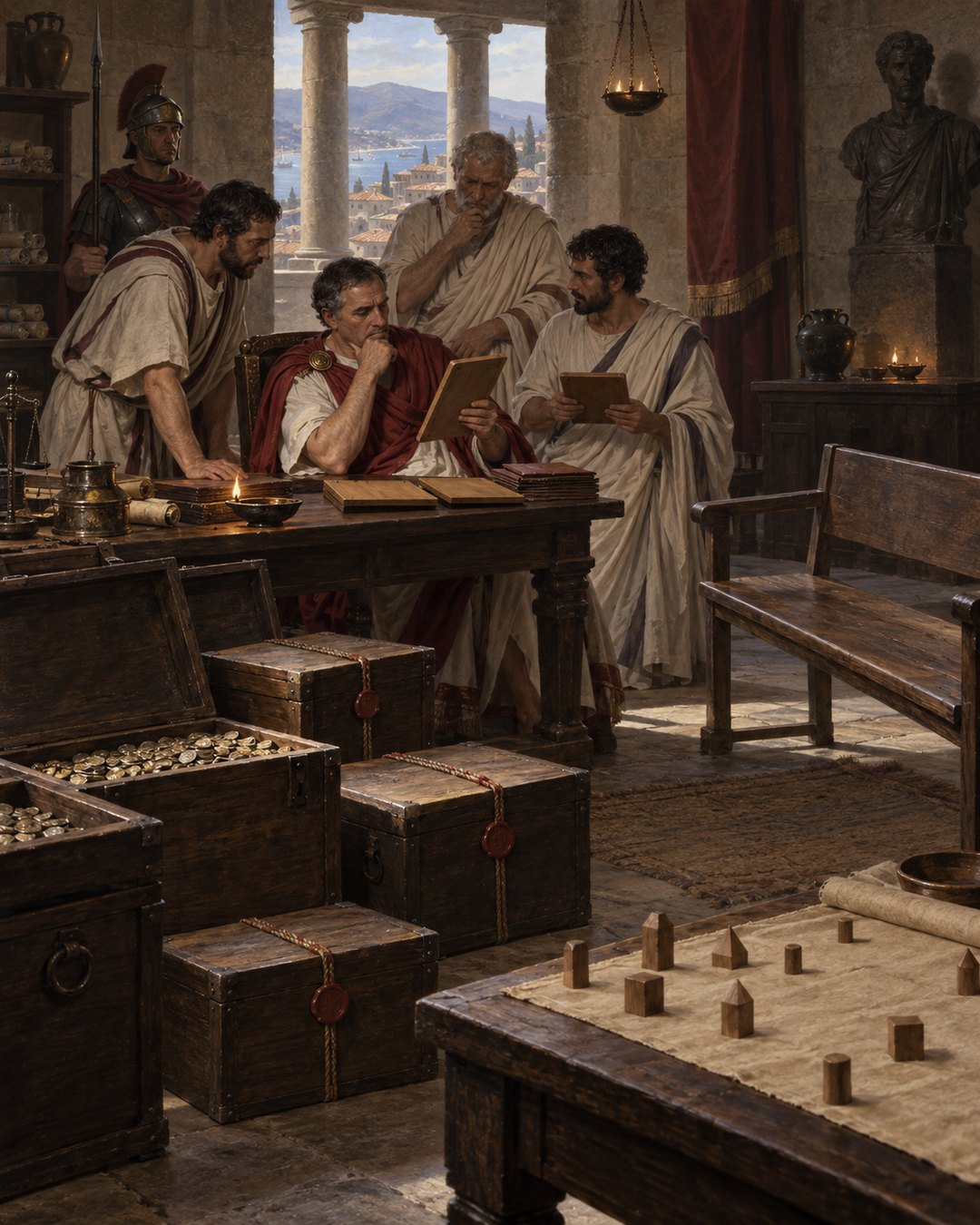
Gold cups, crystal, royal flagons, silk embroidered with gold and jewels from Hadrian’s cabinet left the imperial household for a public sale. The setting was not a discreet storeroom. An ancient account places the goods in the Forum of the deified Trajan, where Roman buyers could turn palace display into cash for a war. The … Read more

A Reader Followed Pliny Through Bath and Dinner

At dinner, a book was read aloud and notes were taken. If the reader mispronounced a word, Pliny the Elder interrupted him. On one occasion, a guest asked why he had not simply let the reader continue. Pliny answered that the correction mattered—and then rebuked the guest for wasting the time in which more than … Read more

Ten Flute Players Marked Rome’s Funeral Limit

A Roman funeral could have music, mourning cloth and purple. It could display crowns that the dead had earned, and a gold bridge already fixed between the teeth did not have to be torn from the mouth. Yet an old legal memory drew lines through that display. Cicero quotes one limit with startling precision: no … Read more

Three Days in Salt Started Rome’s Purple Dye

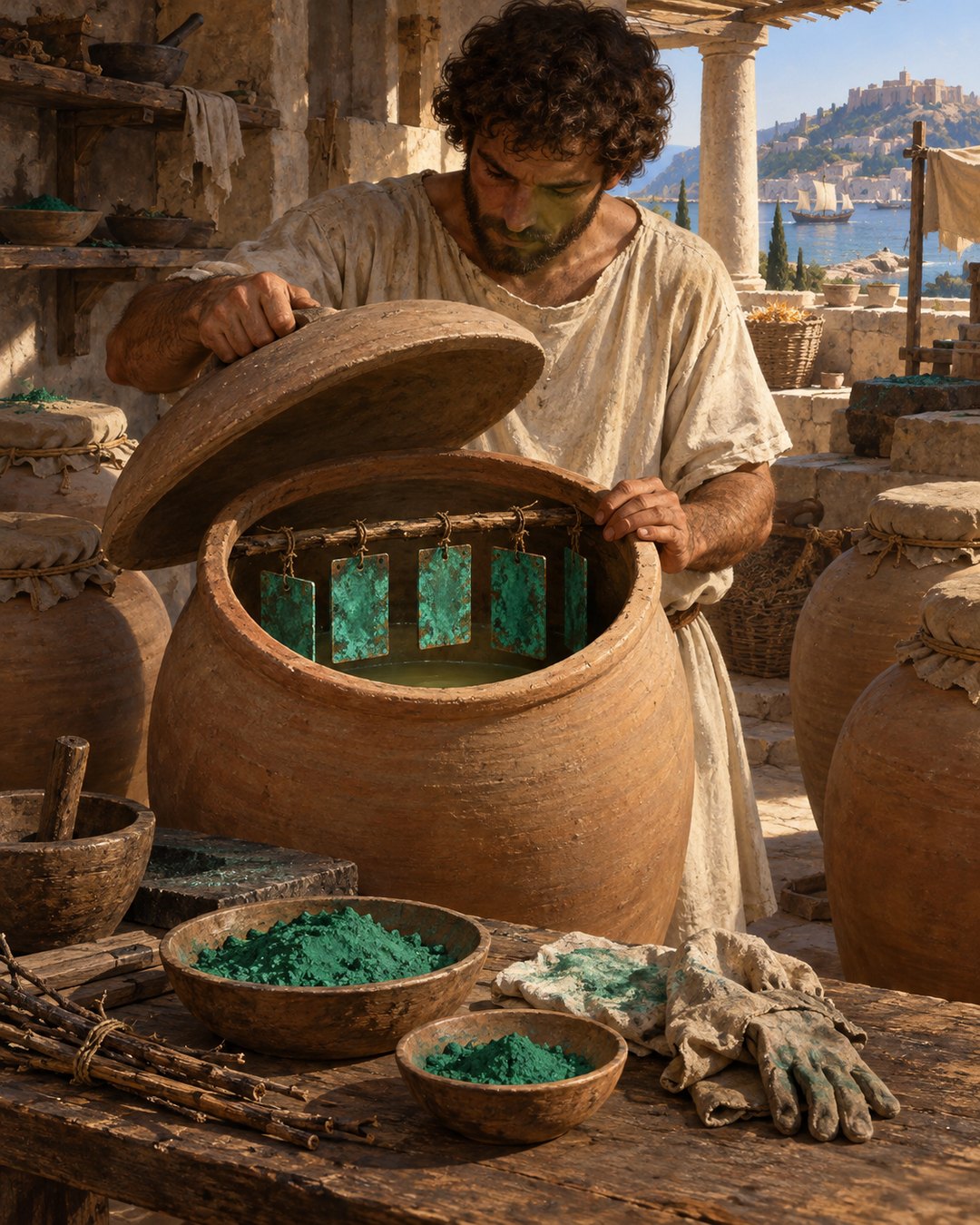
The color did not emerge from the sea as purple cloth. It began as a pale fluid in a shellfish’s body, removed with the animal’s tissue, mixed with salt and left for three days. The mass then went into a lead vessel over controlled heat. Flesh was skimmed away. Only after repeated reduction did a … Read more

A Wooden Tablet Carried Rome’s Password Through the Camp

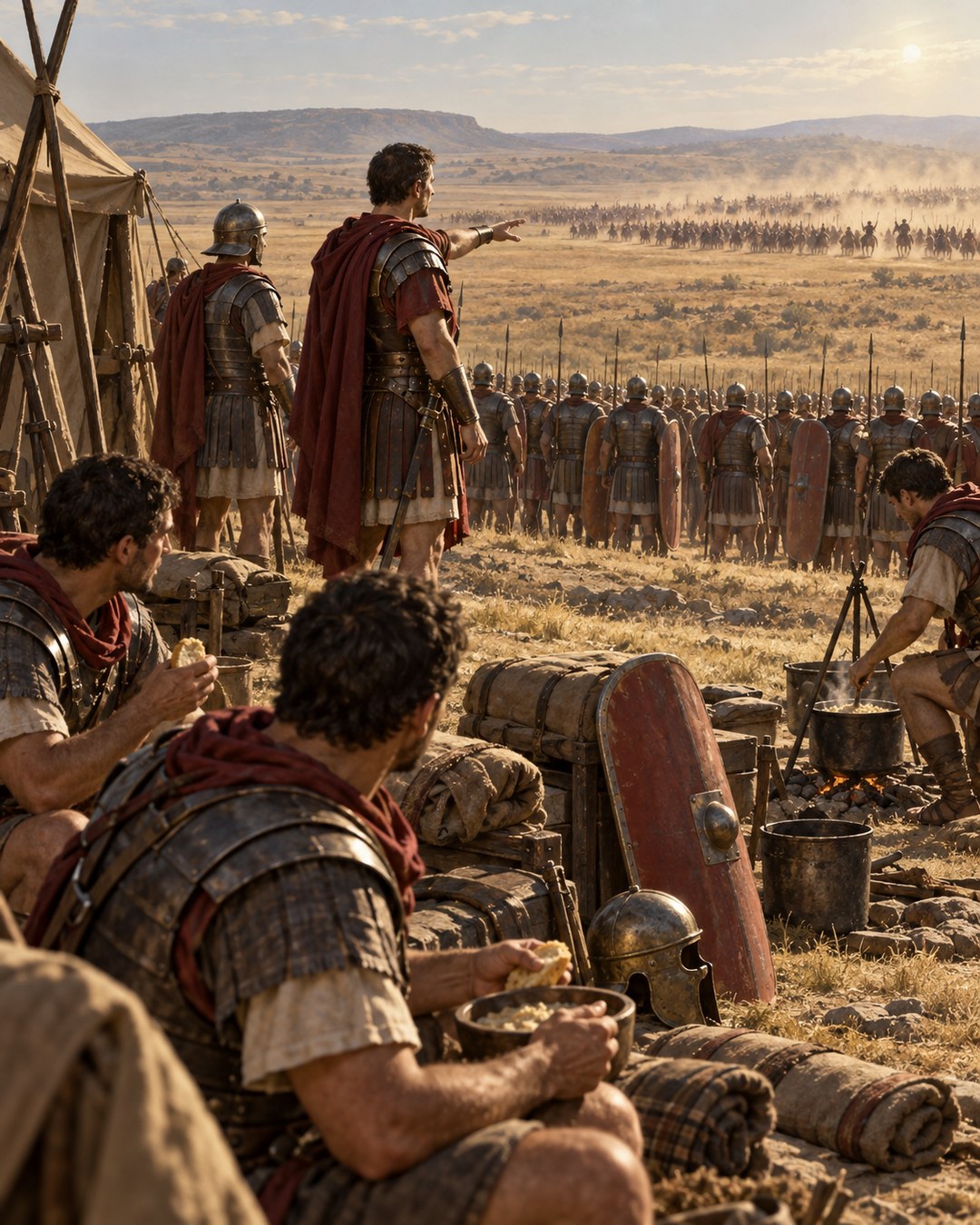
Before darkness settled over a Roman camp, a small wooden tablet had to complete a journey. It began with the tribunes and moved through a chain of maniples. At each handover, witnesses marked that the message had passed. The tablet eventually came back to the officers who had issued it. If every tablet returned before … Read more

Ponies, Dogs and Nightingales Burned for Regulus’s Son

First came the ponies: some trained to harness, others still unbroken. Then the dogs, large and small. Nightingales, parrots and blackbirds followed. According to Pliny the Younger, Marcus Aquilius Regulus had every one of these animals killed at the funeral pyre of his only son. Pliny did not offer the inventory to prove that Regulus … Read more

Dark Clay Jars Turned Dormice into Villa Livestock

The jar was built to keep an animal moving in darkness. Its walls carried channels. A hollow held acorns, walnuts or chestnuts. Once the lid went on, the dormouse climbed, ate and accumulated fat inside a container designed for that single purpose. Varro’s account of villa husbandry does not begin at the dining couch. It … Read more