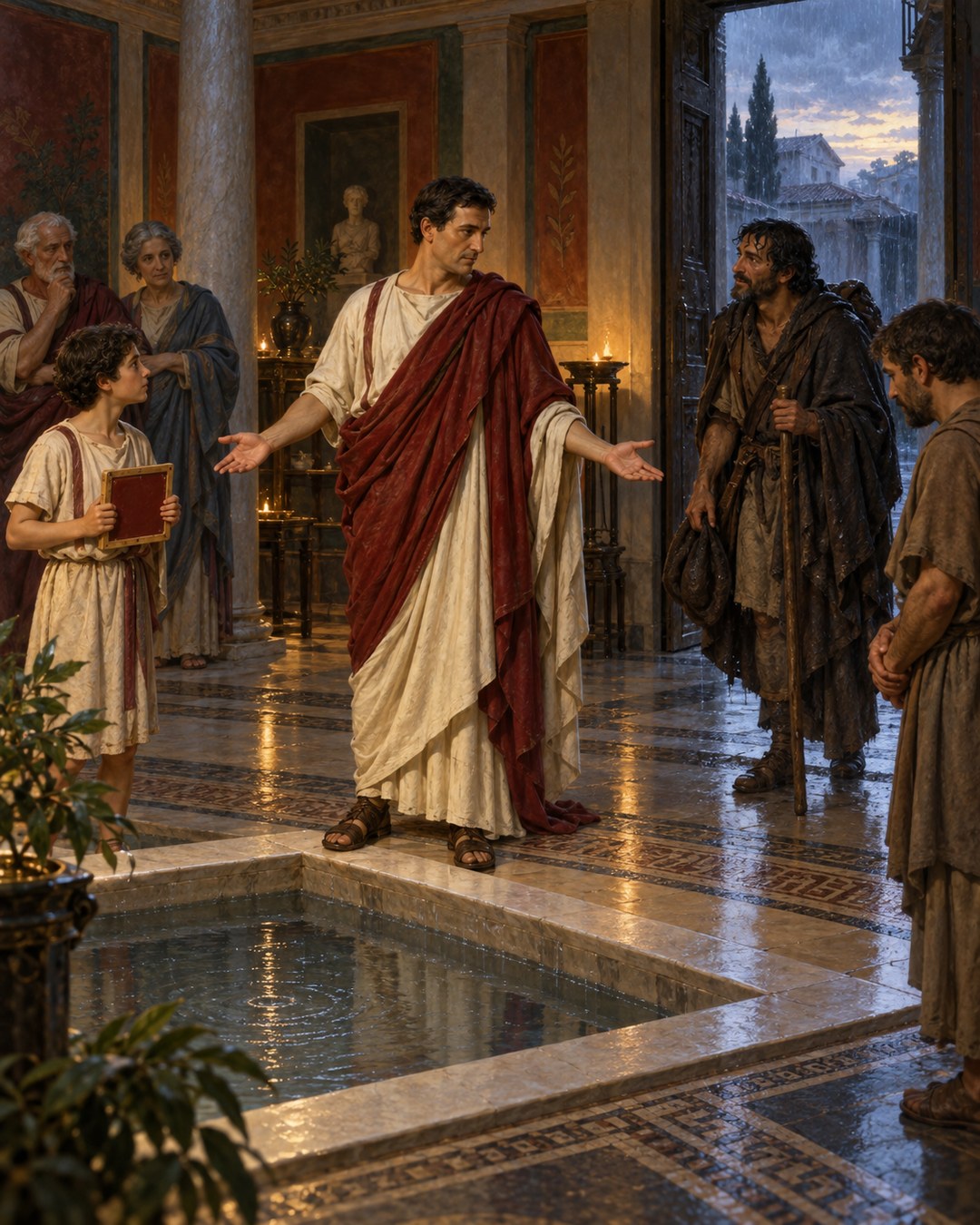
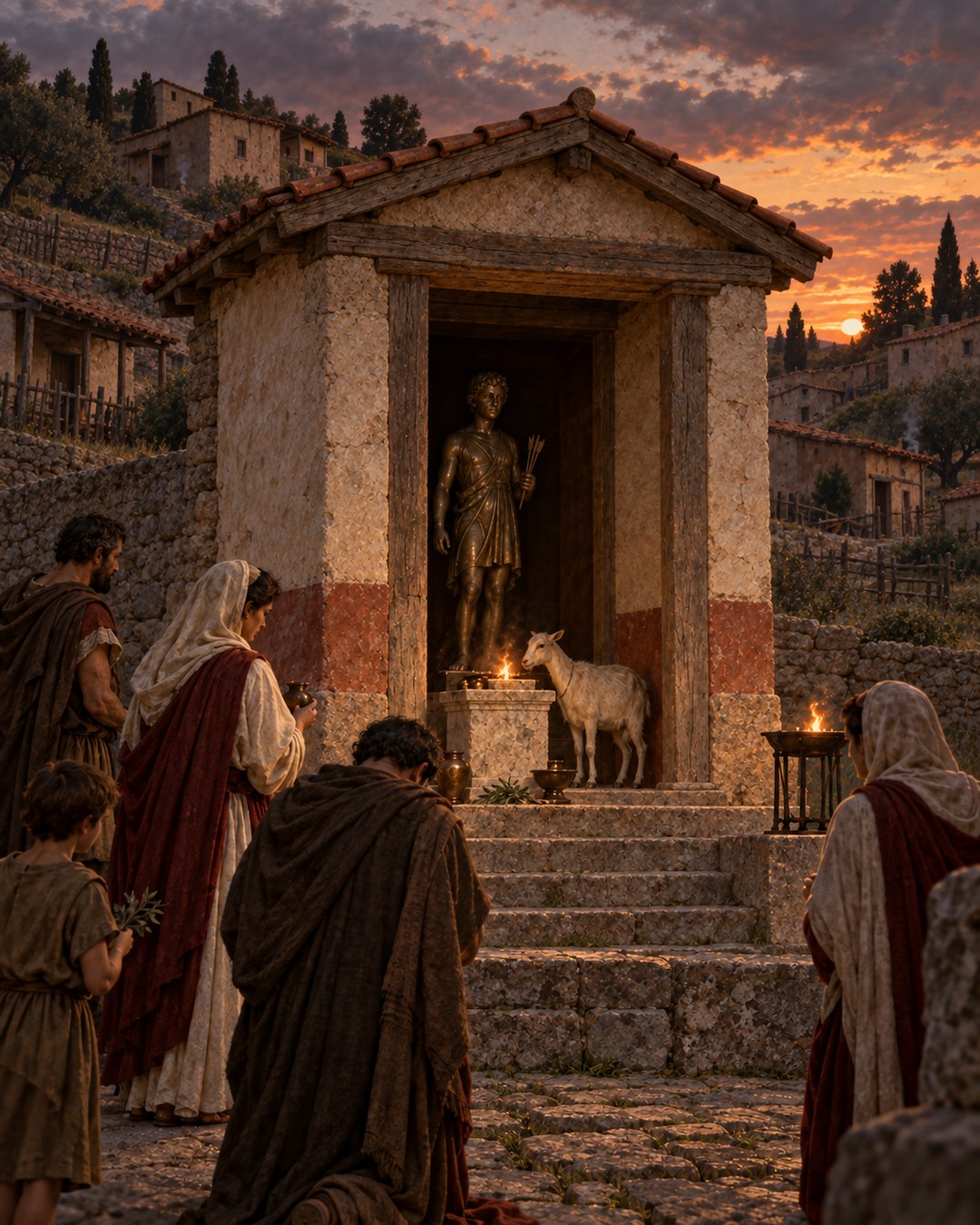
A Burning City Asked Trajan for 150 Firefighters

The road should have stopped the flames. It separated Nicomedia’s almshouse from the temple of Isis, yet both public buildings burned. Private houses went with them. Pliny the Younger, governing Bithynia for Trajan, listed the failures with the severity of someone writing after a preventable disaster: violent wind, citizens who stood watching, and a city … Read more

Two Rival Centurions Saved Each Other Beyond the Rampart

Titus Pullo shouted his challenge where the whole camp could hear it. “Why hesitate, Vorenus?” Caesar has him ask. If Lucius Vorenus wanted to prove his courage, the day had arrived. Pullo then stepped beyond the fortifications and charged the densest part of the Nervian line. The two centurions were rivals for promotion. Each year, … Read more

Tiberius Destroyed the Cup That Would Not Stay Dented

The glassworker arrived with a gift fit for an emperor: a drinking vessel no other workshop could make. Tiberius accepted it, admired it, and handed it back. Then the craftsman threw the cup onto the floor. It did not shatter. The impact left a dent, according to Petronius, but the maker calmly took out a … Read more

Three Dates Opened Rome’s Dangerous Mundus

On 24 August, Rome’s calendar marked an opening. The same thing happened on 5 October and 8 November. Ancient antiquarians described the mundus as open on those three dates, and Macrobius says the days were too religiously charged for battle, military recruitment or marriage. What opened is harder to recover. The surviving accounts do not … Read more

A Stray Ball Put a Razor into Roman Law

A player struck a ball with unusual force. The ball flew into a barber’s hand. The hand drove a razor across the throat of the slave sitting under the blade. In a few movements, a game beside a public workplace became a fatal problem in Roman law. The chain survives in Book Nine of Justinian’s … Read more

Violets Covered the Millstones on Vesta’s Holiday

For most of the year, a millstone announced work through weight, friction and noise. On Vesta’s holiday, Ovid saw the same rough stones disappear beneath flower garlands. The animals that normally turned them wore wreaths, and loaves hung from their decorated bodies. Bread was no longer only the product at the end of labor. For … Read more

Two Ethiopians Carried Rome’s Talking Raven to Its Pyre

Every morning a raven left a shoemaker’s shop opposite the temple of Castor and flew toward the Rostra. Pliny says it greeted Tiberius by name, then Germanicus and Drusus, then the Roman people passing through the Forum. After completing that sequence, it returned to the shop. The routine lasted for years. Rome did not merely … Read more

Too Much Wine Made Domitian Reach for the Vines

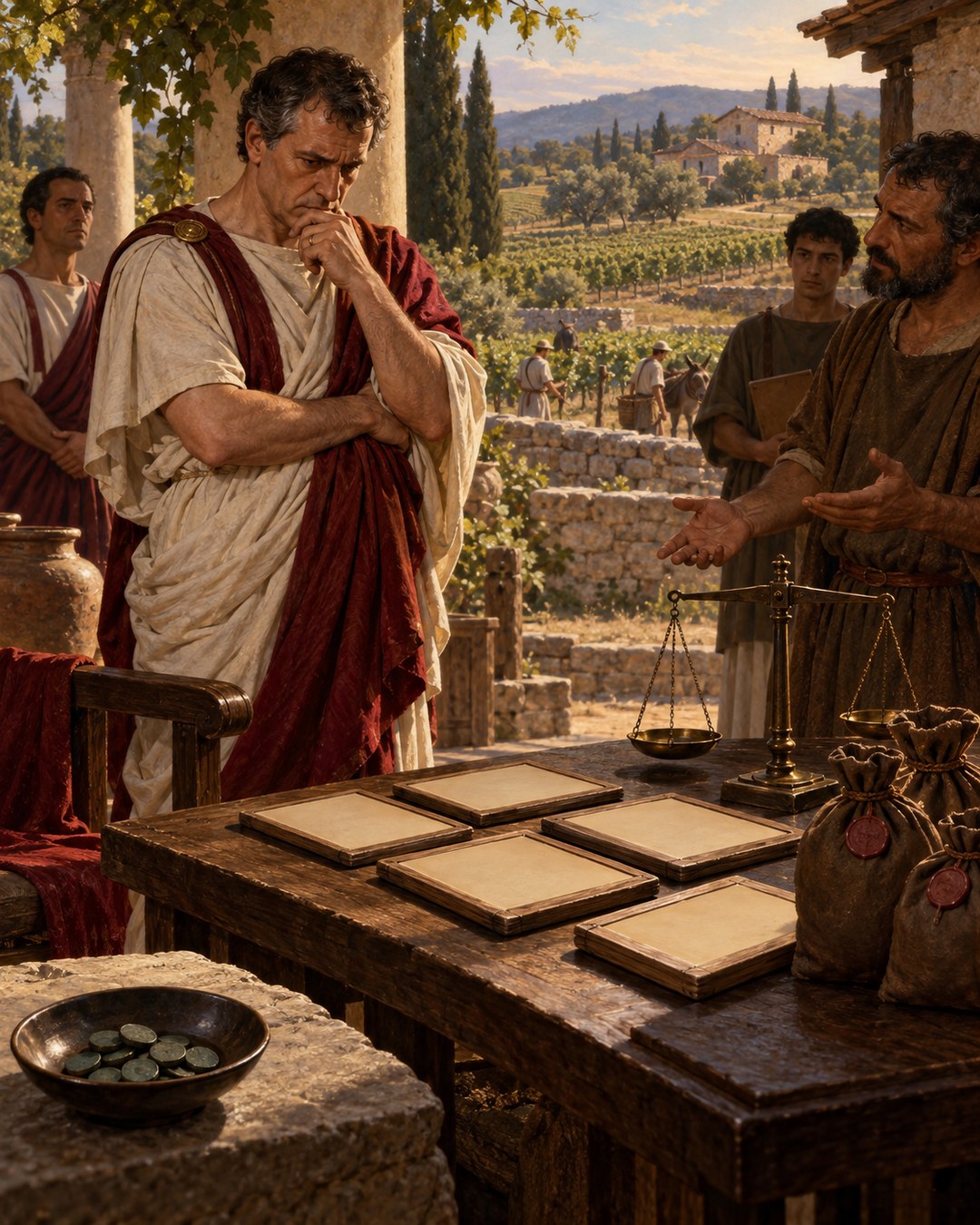
A plentiful wine harvest should have looked like good news. For Domitian, it became evidence of a dangerous imbalance. Suetonius says an abundant crop of wine arrived alongside a shortage of grain. The emperor concluded that farmers were giving vineyards too much attention and arable fields too little. His answer was an edict with two … Read more