Scipio Wept While Carthage Burned

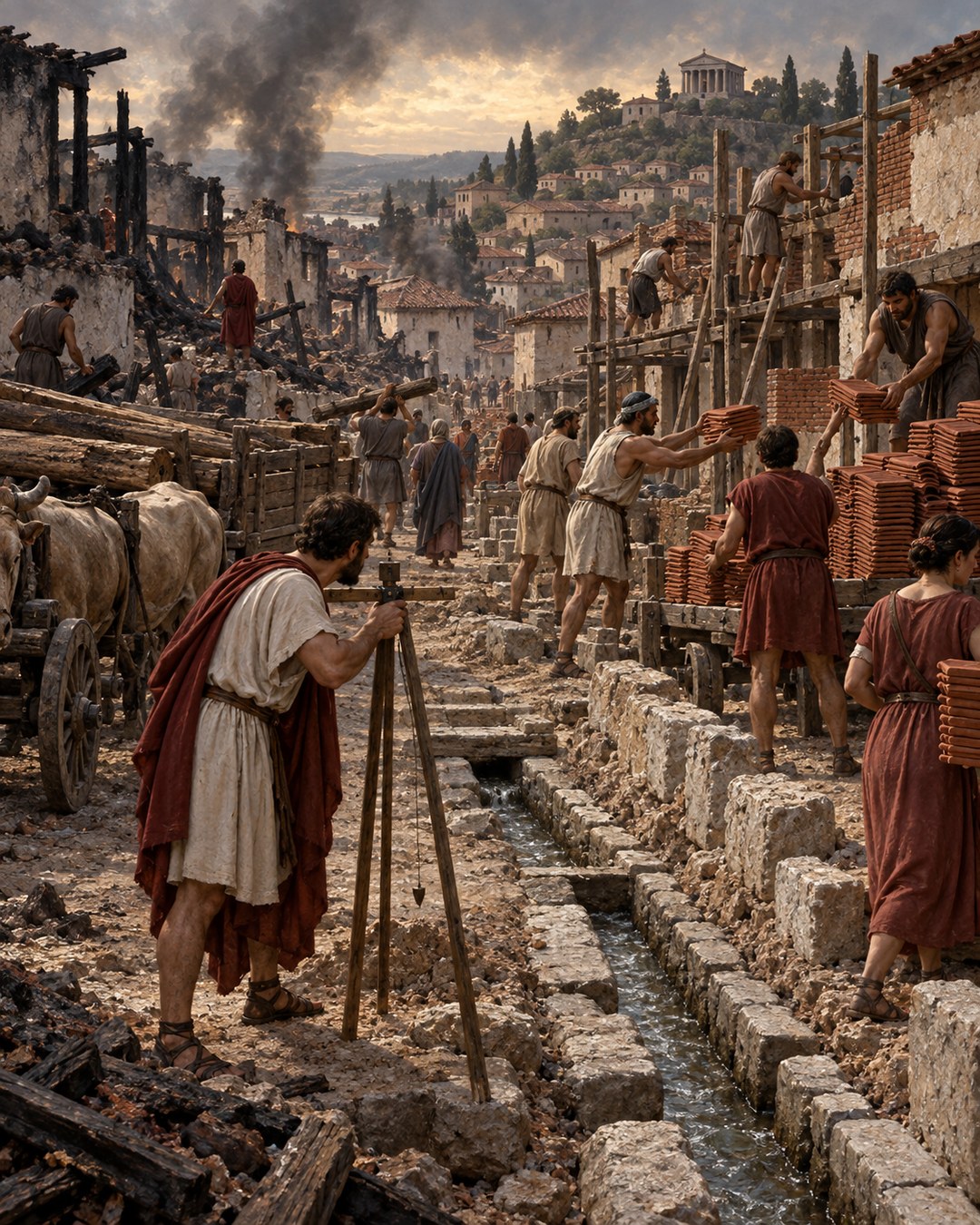
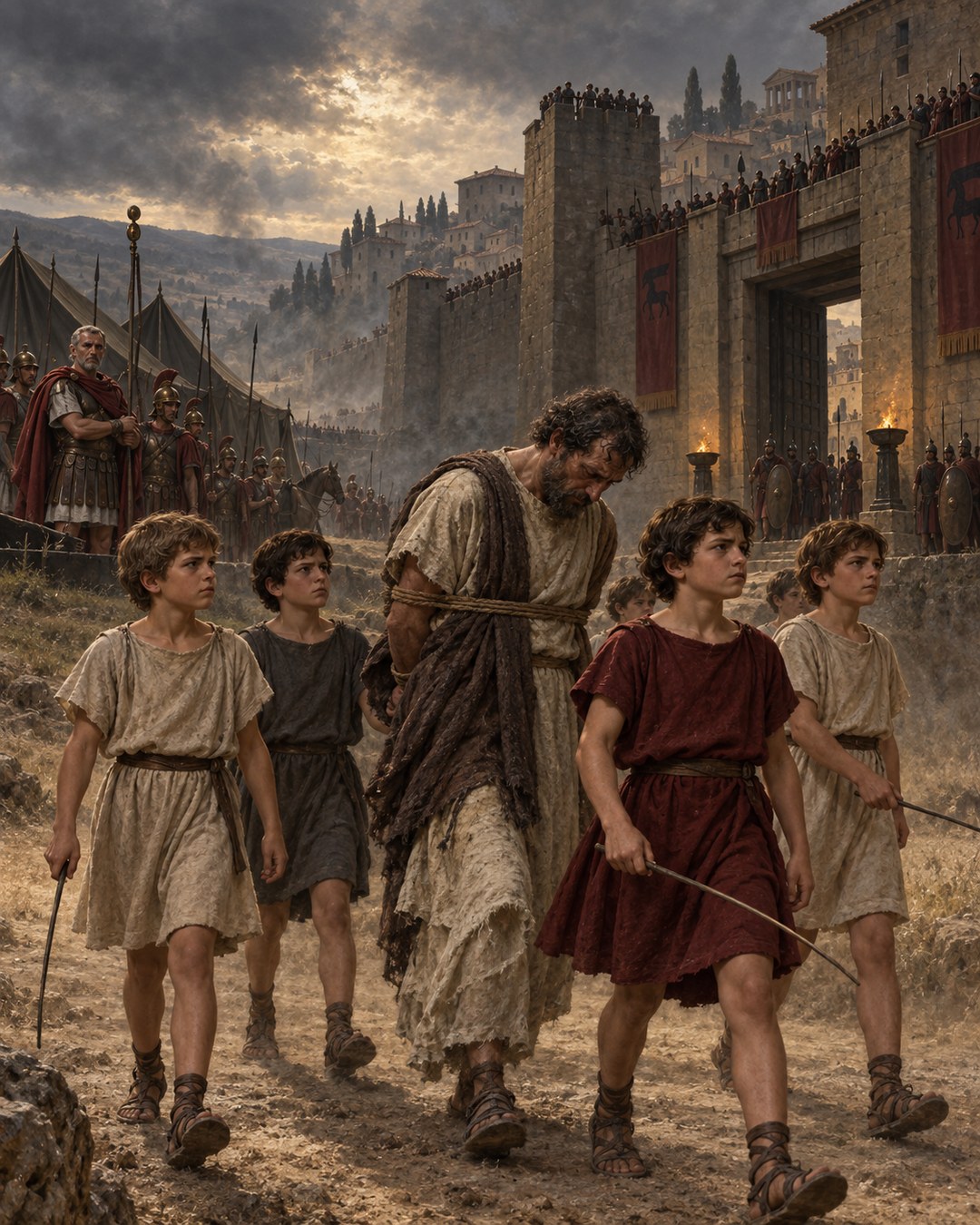
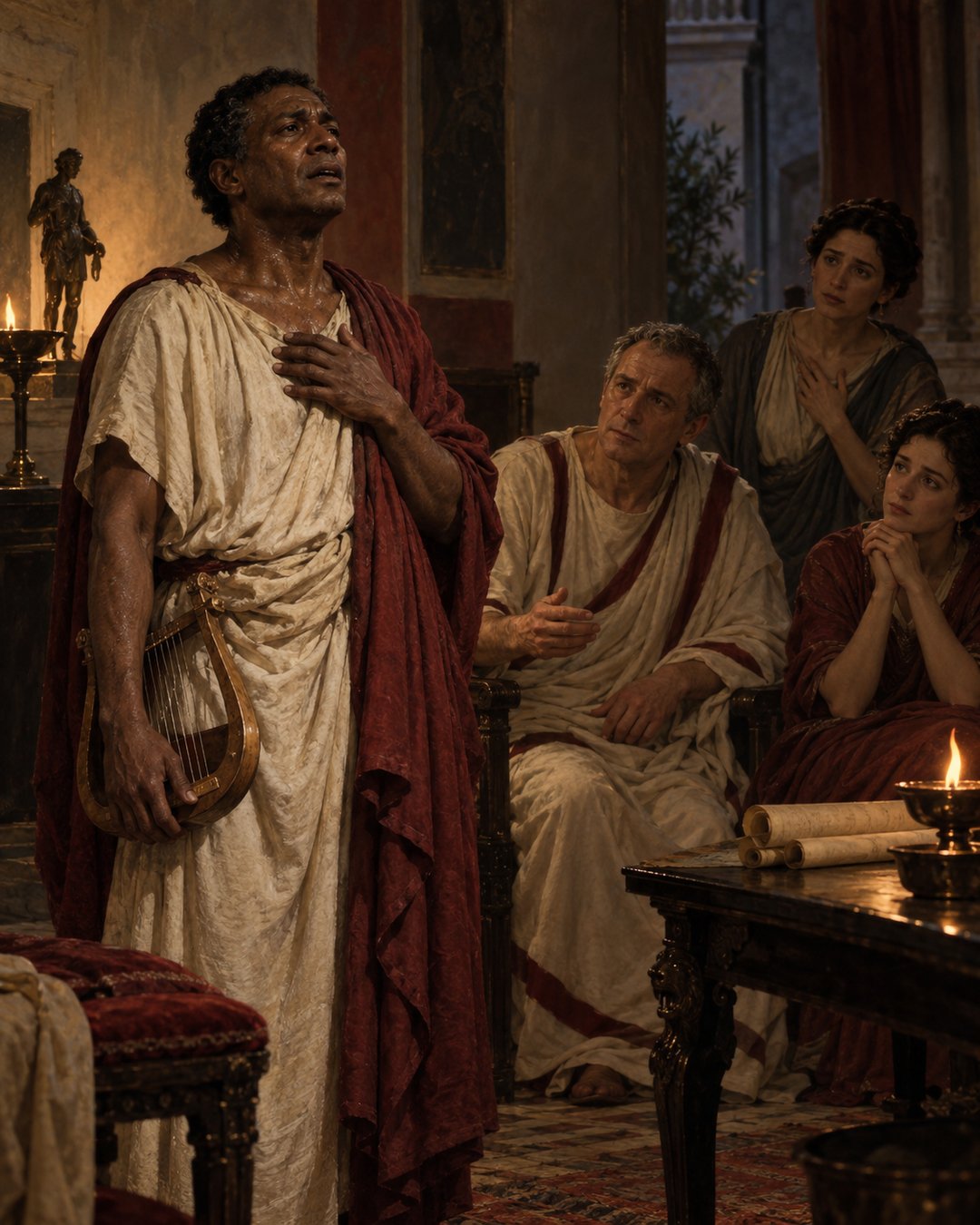
Carthage was burning when the Roman commander began to cry. Appian places Scipio Aemilianus before a city that had resisted for three years and had now reached total destruction. This was the victory Rome had demanded. Yet Scipio did not greet the spectacle with a simple boast. He looked at the enemy’s ruin, reflected in … Read more

Six Family Names Bound an Oath to Bath’s Hot Spring

Six names were cut into a thick metal sheet and placed in the sacred spring at Bath: Uricalus; Docilosa, his wife; Docilis, his son; Docilina; Decentinus, his brother; and Alogiosa. The text says they had sworn there on 12 April. It does not preserve what they promised. Instead, it preserves the consequence if one of … Read more

Eleven September Survived in Claudia Severa’s Own Hand

A birthday invitation reached Sulpicia Lepidina with a precise request: come on 11 September and make the day happier by being present. The main message was written in an elegant professional-looking hand. Near the end, however, the script changed. Claudia Severa herself added that she would expect her “sister,” called her “my dearest soul,” and … Read more

Obsidian Mirrors Gave Rome Shadows Instead of Faces

A polished Roman wall could return a face as a shadow. Pliny the Elder describes obsidian as very dark and sometimes translucent, but cloudier than glass. When attached to walls as a mirror, he says, it reflected shadows rather than images. The surface announced a viewer’s presence without surrendering clear features. That imperfection did not … Read more

Three Italian Rivers Won Their Case Against Rome

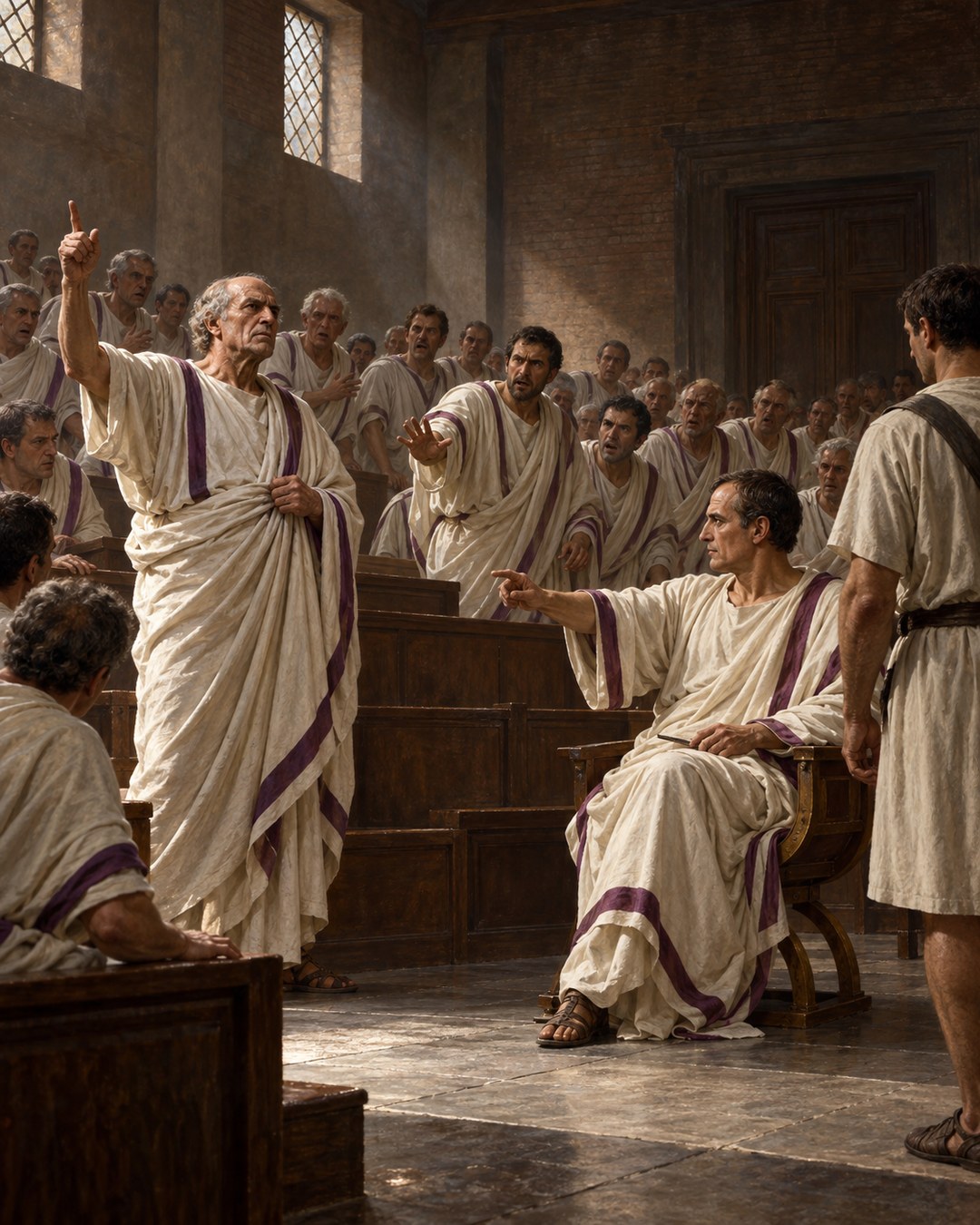
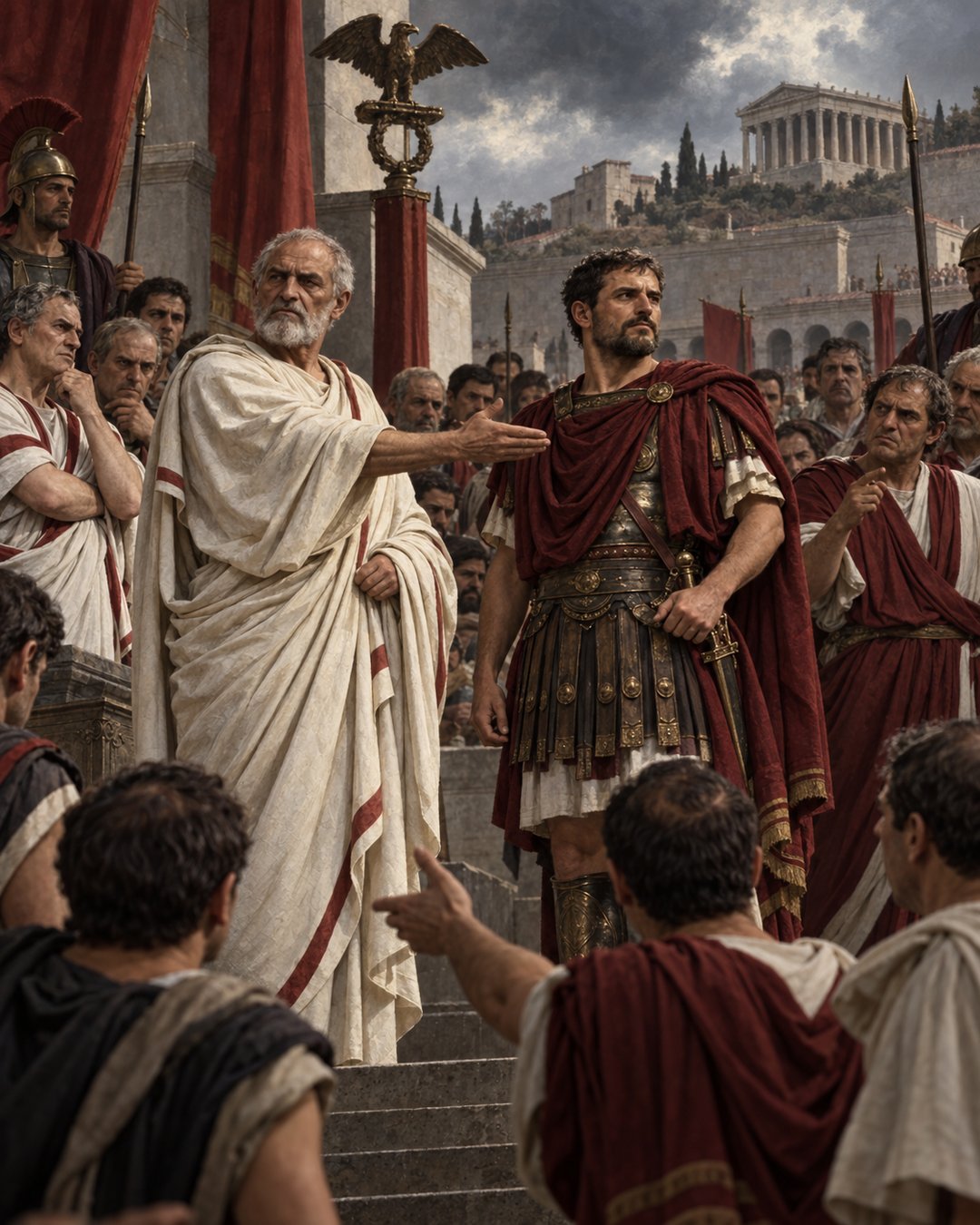
After the Tiber flooded Rome, two senators put a vast question before the Senate. Lucius Arruntius and Ateius Capito asked whether rivers and lakes feeding the Tiber should be diverted from their courses. The proposal treated inundation as a problem that might be moved through the landscape: reduce the water reaching Rome by changing what … Read more

Fire Washed Rome’s Most Expensive Cloth

At a Roman banquet, a stained napkin could be thrown into the hearth instead of a wash basin. Pliny the Elder says he saw cloth of this kind glow among the coals and emerge cleaner than water could make it. The spectacle inverted everything a diner knew about linen. Ordinary flax burned. This fabric used … Read more

An Olive Grove Crossed the Road When Nero Fell

Near the end of his discussion of tree diseases, Pliny the Elder records an event that defeats ordinary gardening language. In the territory of the Marrucini, he says, an entire olive grove belonging to the equestrian Vettius Marcellus crossed a public road. The crops on the opposite side crossed back and occupied the grove’s former … Read more

Thirty Days Began a Roman Debtor’s Descent into Fetters

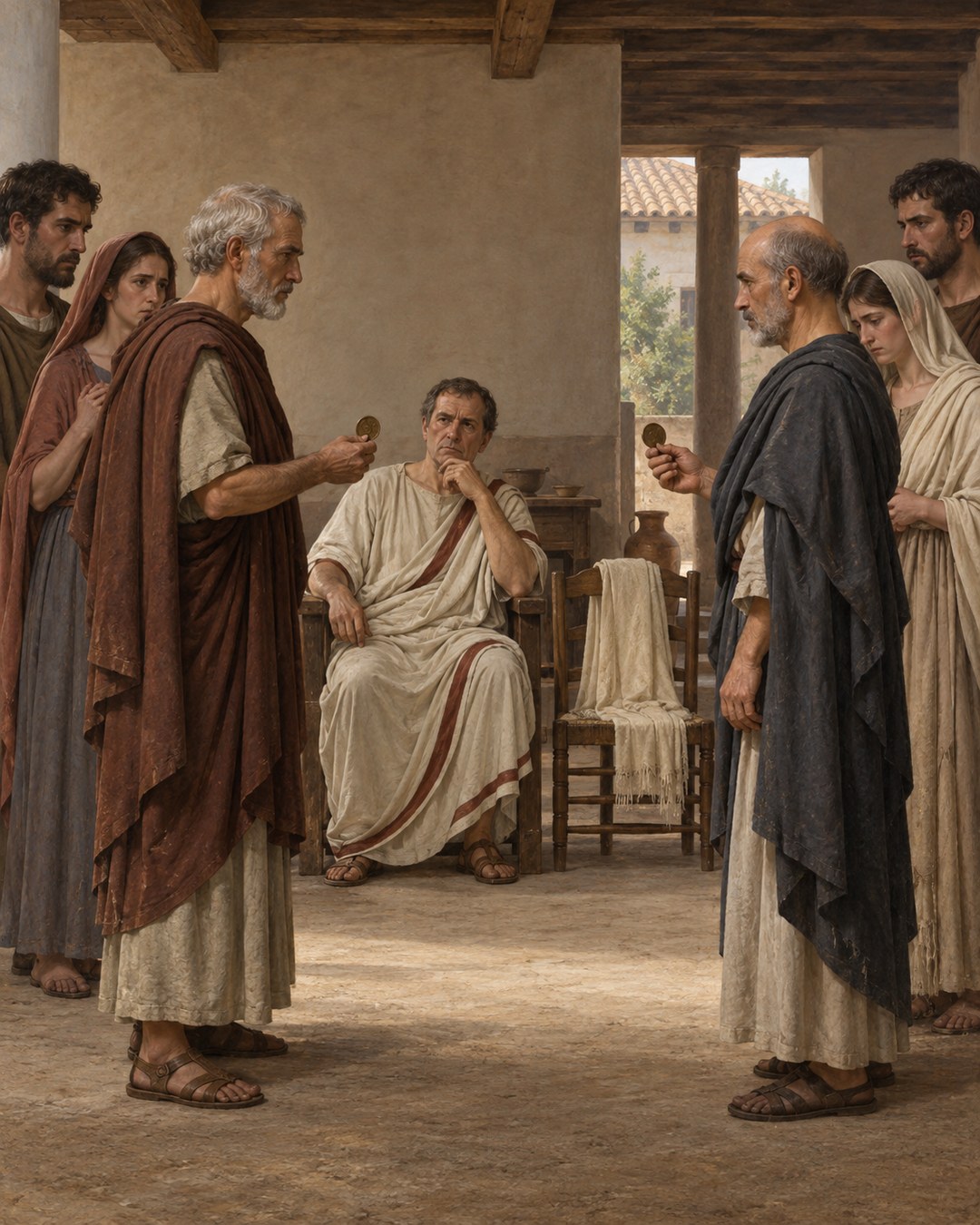
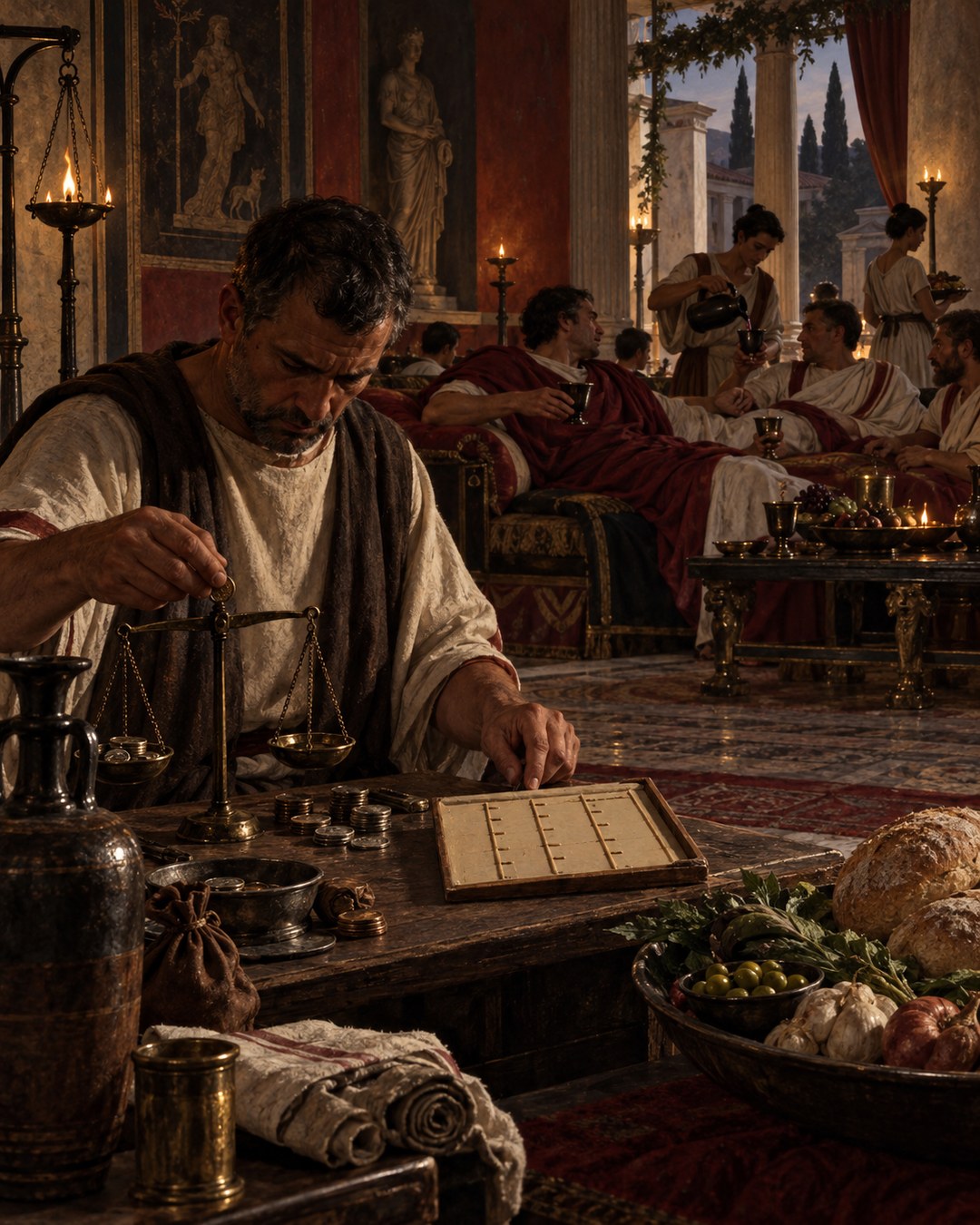
A Roman who admitted a debt did not go straight into chains. In the version of the Twelve Tables quoted by Aulus Gellius, thirty lawful days came first. They formed a pause in enforcement: time to raise the money, find help or reach a settlement before the creditor could lay hands on the debtor. When … Read more

Ten Million Sesterces Bought Vespasian One Last Joke

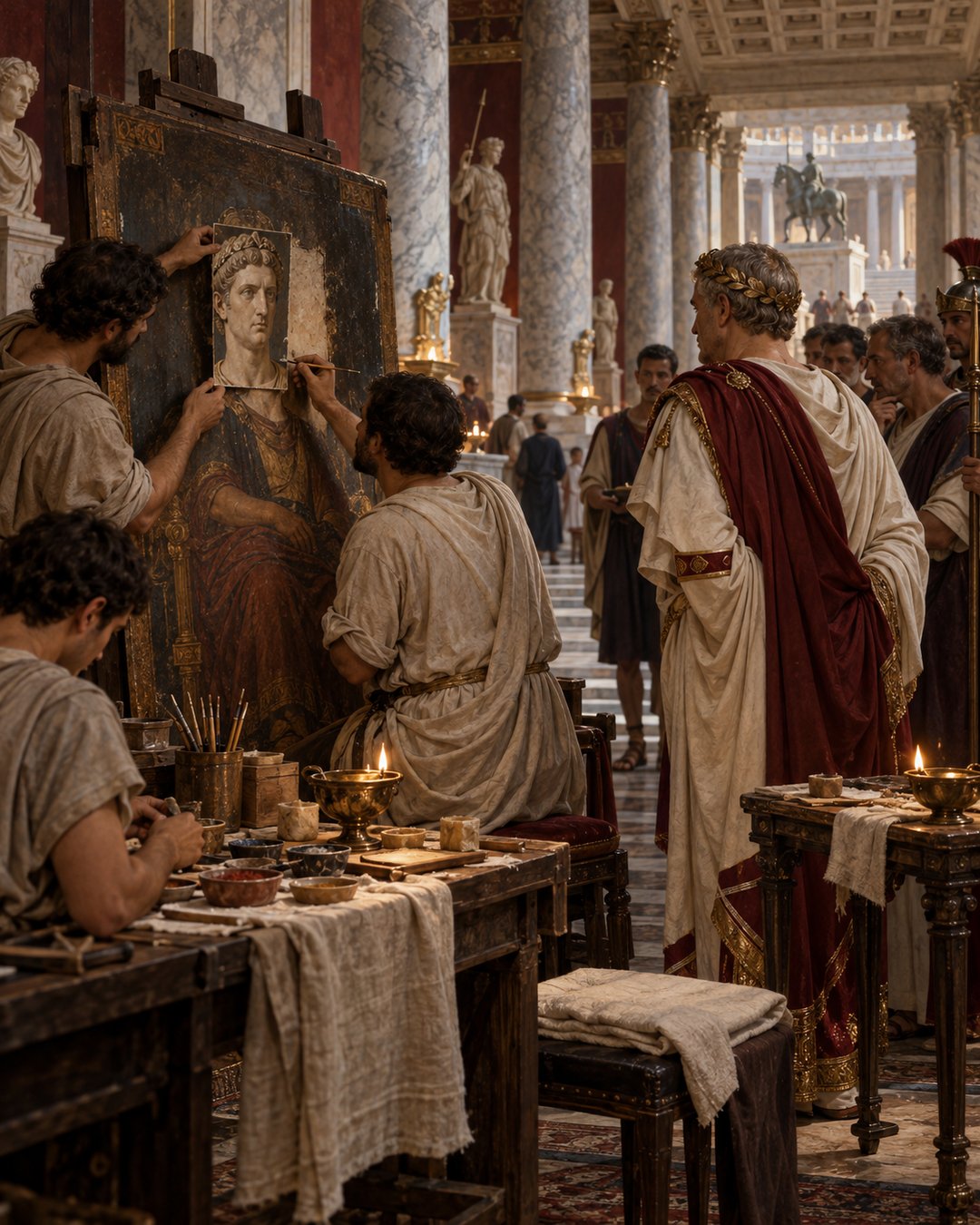
Vespasian’s funeral procession had already put a price on imperial memory: ten million sesterces. The figure enters Suetonius’s biography through a question shouted by Favor, a leading actor of mimes. Favor was wearing the dead emperor’s mask and performing the actions and words by which Vespasian had been known in life. When the officials gave … Read more