The Hot Floor That Failed to Hide Larcius Macedo’s Murder

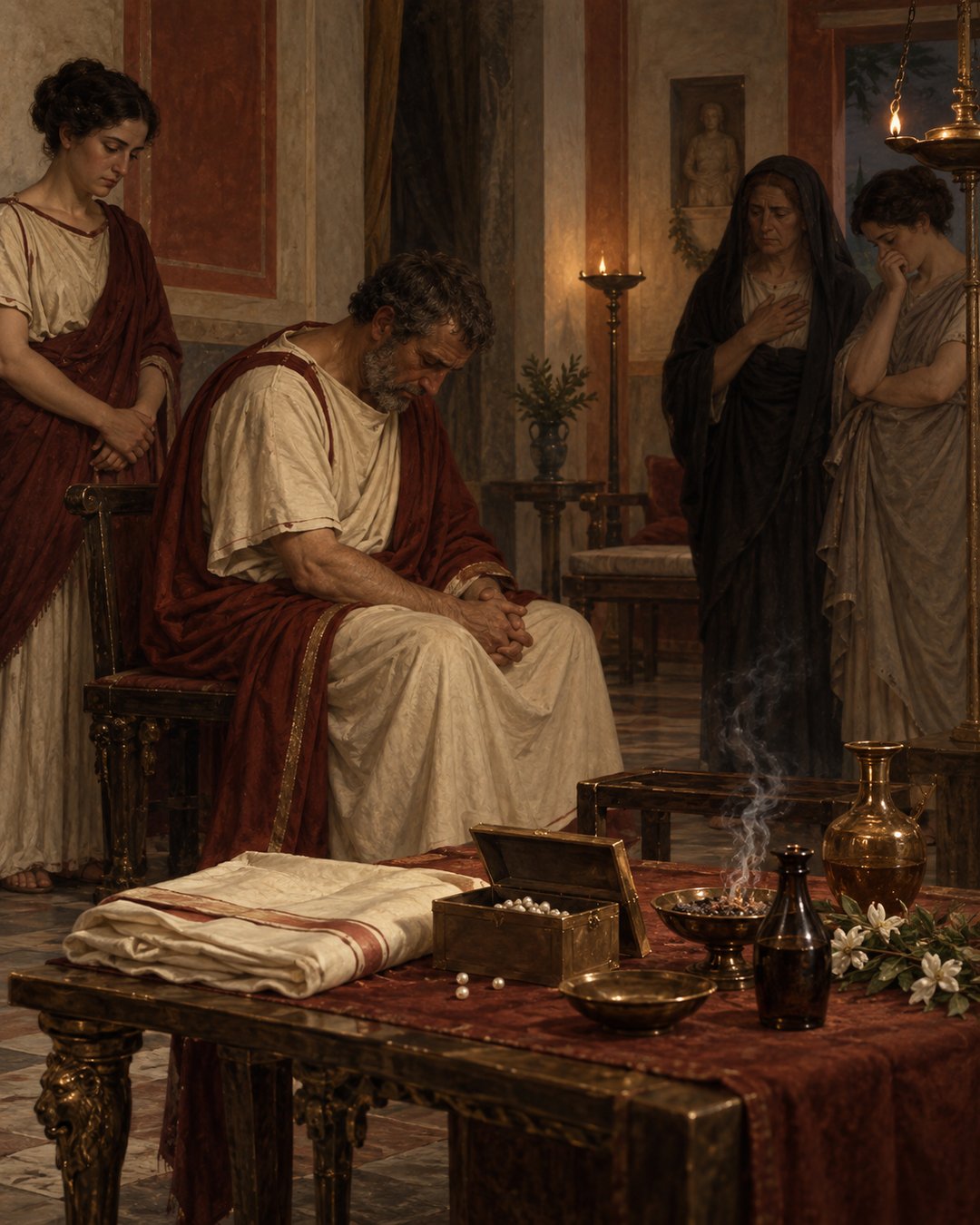
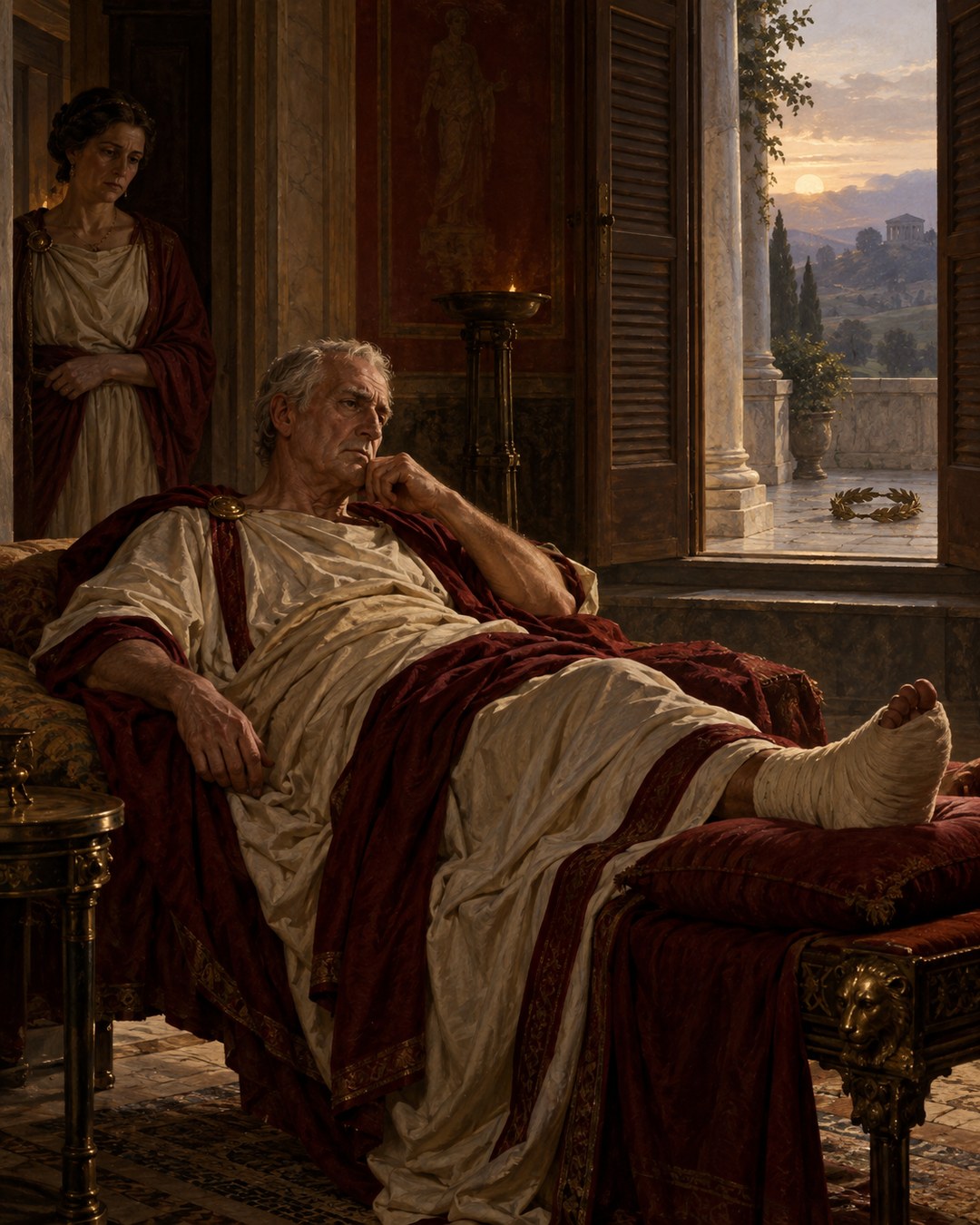
Larcius Macedo’s attackers thought the heated floor would tell them whether he was dead. Enslaved men had surrounded the former praetor while he bathed at his villa near Formiae, beaten him and thrown him onto the hot pavement. Macedo stayed stretched out and motionless. Pliny the Younger says he either felt nothing or successfully pretended … Read more

One Touch of a Tribune’s Cudgel Began the Whole Camp’s Sentence

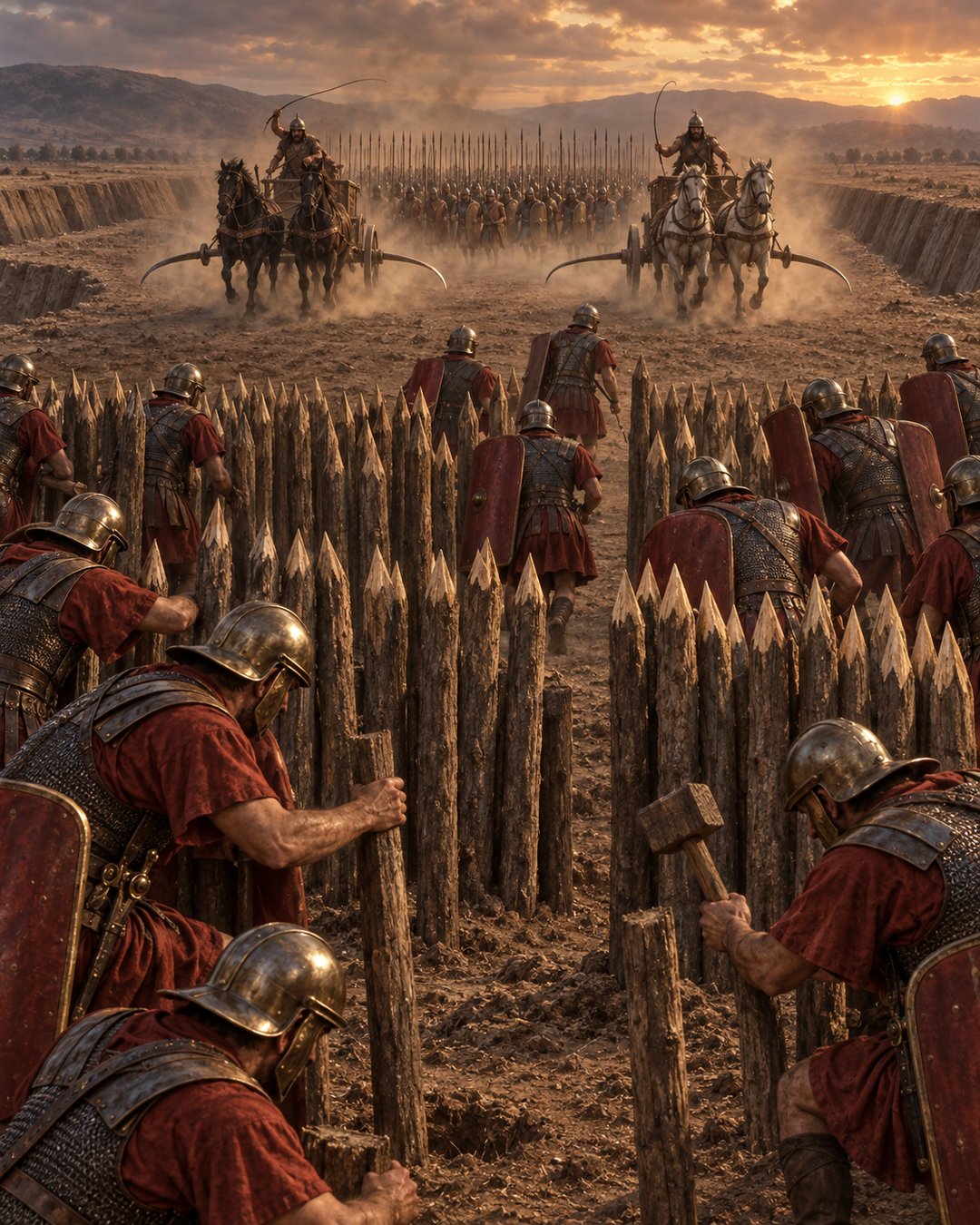
The tribune did not deliver the killing blow. According to Polybius, he touched the condemned soldier with a cudgel. The rest of the camp then closed in with clubs and stones. A small official gesture transferred a judicial decision into collective violence. This punishment, usually called the fustuarium, appears in Book 6 of Polybius’s Histories … Read more

A Dolphin Became Too Expensive for One Roman Town

The dolphin did not die because it attacked the boy. In Pliny the Younger’s story, it died after carrying him safely, returning on later days, accepting human touch and attracting so many officials that a small town could no longer afford the attention. Kindness made the animal famous. Fame made it expensive. Pliny sent the … Read more

Schoolmasters by Dawn, Corn Mills by Night: Martial’s Sleepless Rome

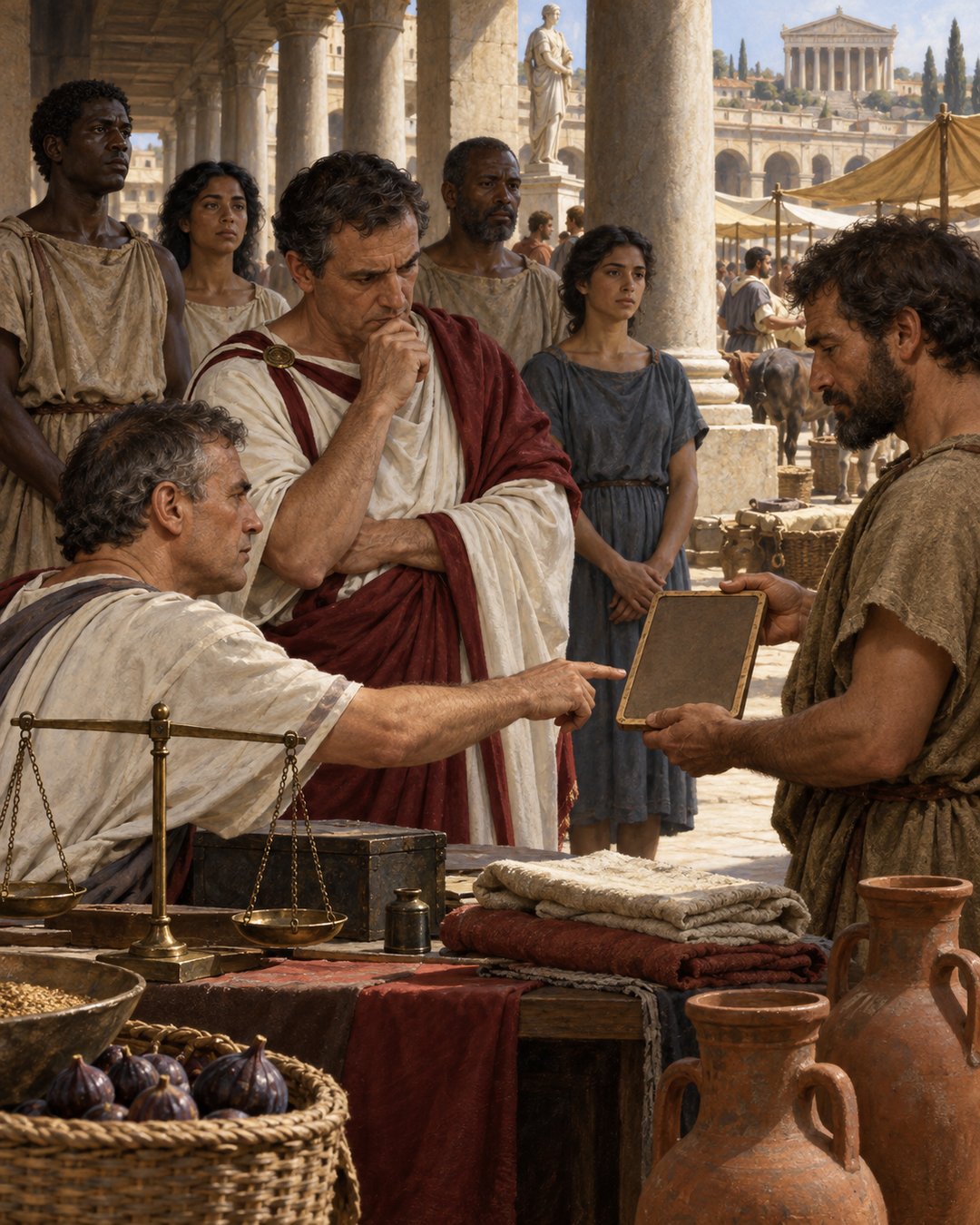
The schoolmaster began at dawn. Corn mills carried on through the night. Somewhere between them, bronze workers hammered, a money-changer rattled coins, a gold-beater struck stone, religious devotees shouted, sellers called and a passing crowd laughed close enough to wake the man in bed. Martial’s Rome did not need an alarm clock. It entered the … Read more

A Blood-Tipped Spear Turned a Grievance into War

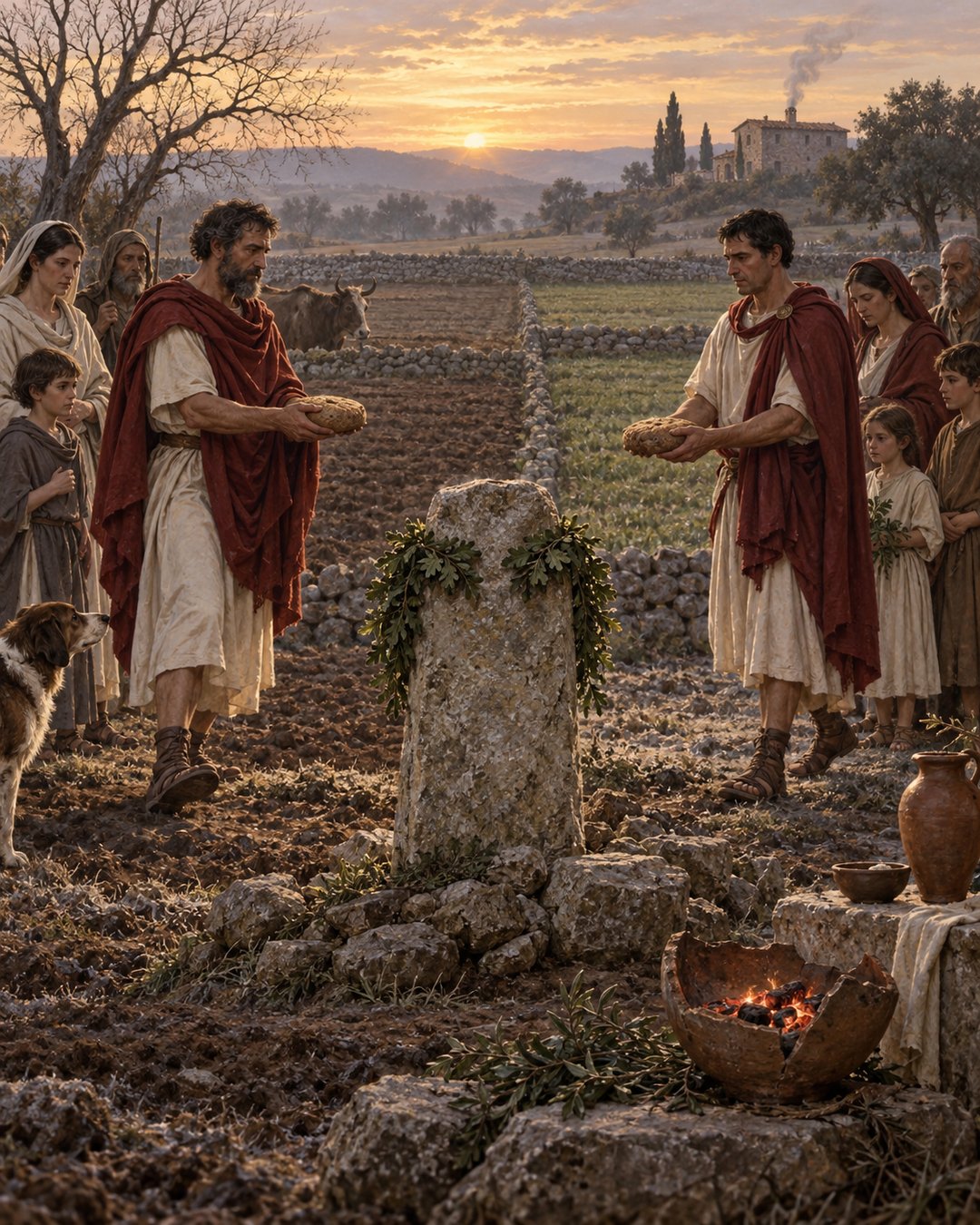
Before an army crossed a frontier, a sentence had to cross it. In Livy’s account, a wool-covered envoy stood at another people’s boundary and called Jupiter, the boundary itself and righteousness to hear him. He repeated his demand to the first person he met, at the gate and in the forum. Only after waiting, returning … Read more

A Lion Remembered the Hand That Pulled Out a Thorn

The condemned man had every reason to watch the lion’s mouth. Instead, the story asks us to watch the animal stop. In Aulus Gellius’s telling, the largest lion in a Roman beast show halted at the sight of one enslaved prisoner, approached quietly, and licked his hands and feet. The expected killing became a problem … Read more

Bad Water and a Smoking Stove Followed Horace to Brundisium

The mule stopped pulling the boat and wandered off to graze. Passengers had already endured frogs, midges and competing songs in the dark. At another stop, bad water made Horace skip supper. Farther south, an innkeeper nearly burned down his own kitchen while roasting lean thrushes. Rome’s road network may have connected the peninsula, but … Read more

Five Worshippers Were Rome’s Limit for Bacchus

Five people could still meet. Six could not. Even among the permitted five, no more than two could be men and no more than three women. A priest, a presiding officer, a common treasury or a mutual oath could turn the gathering from tolerated worship into a capital case. The surviving order is so exact … Read more

A Glass Cage Floated Around a Late Roman Cup

At first glance, the glass seems to be doing something impossible. A clear hemispherical bowl sits inside an open lattice of circles, hearts and rings. The outer network appears to float away from the vessel wall, yet it does not fall. Slender bridges, placed where the pattern hides them, hold the cage to the cup. … Read more