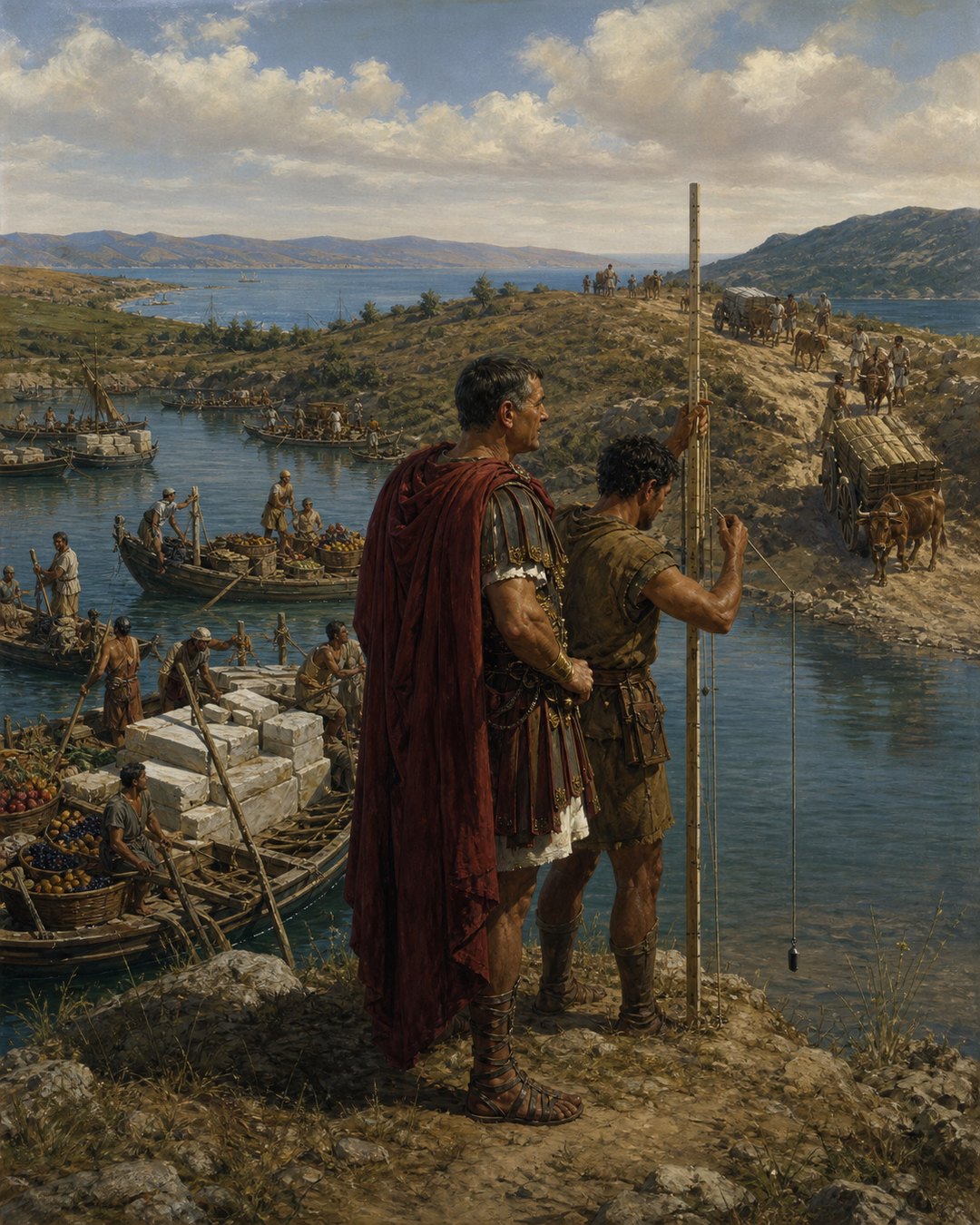
Why Roman Mansiones Made Imperial Travel Reliable

A Roman road can look self-sufficient in the imagination: straight stone, disciplined engineering, and a line across the landscape. But a road without places to stop is only a hard surface that exhausts people and animals. Roman mansiones made imperial travel reliable because they turned distance into a chain of known halts. Arrival, rest, repair, … Read more

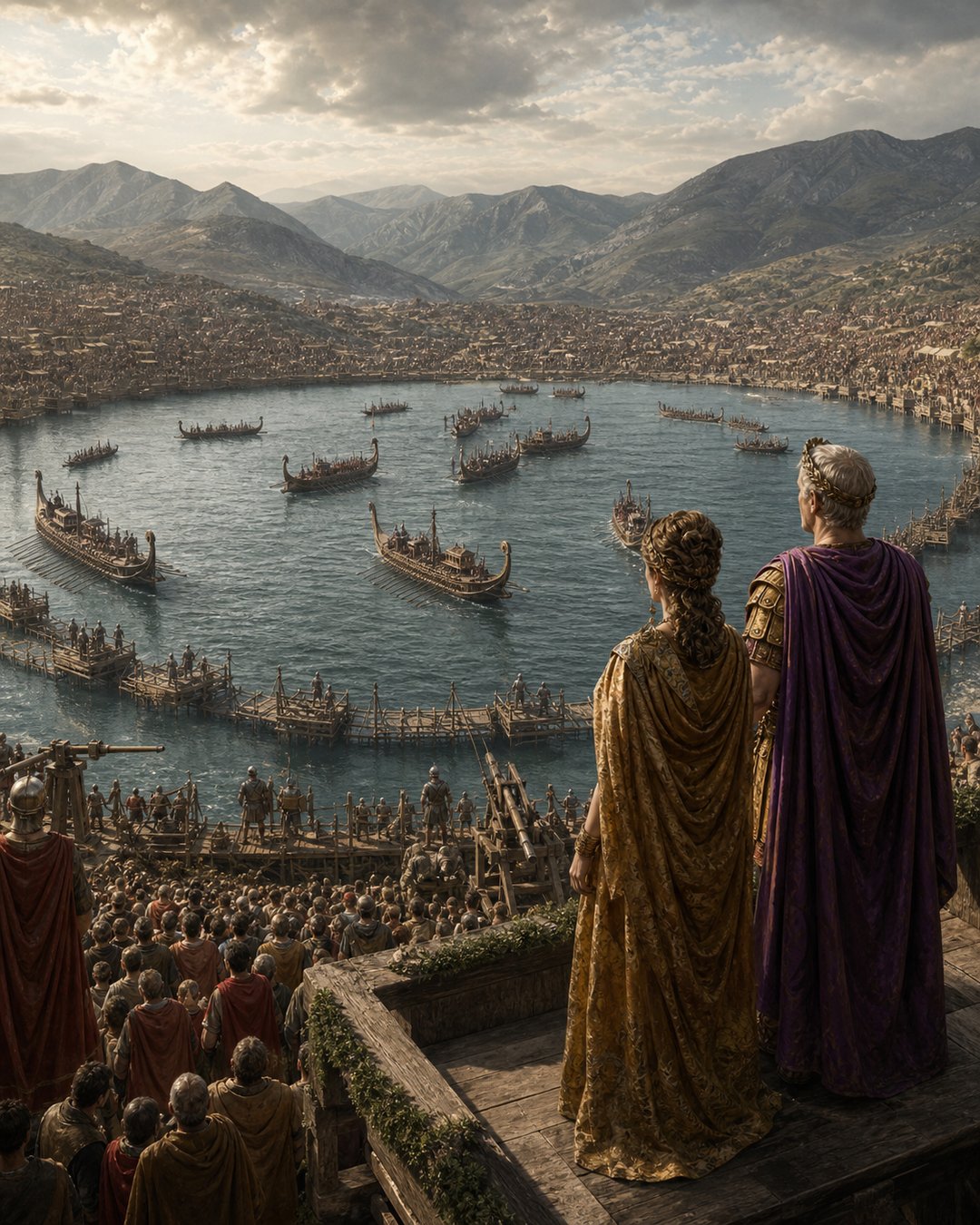
How Roman Navalia Made Sea Power Visible

A fleet at sea can look sudden, as if ships simply appear when war or transport demands them. Roman naval power was less magical than that. It needed timber, sheds, rope, carpenters, caulk, records, crews, and space along the water. Roman navalia made sea power visible because they turned readiness into a place. A ship … Read more

Why Roman Watermills Made Grain Less Dependent on Muscle

A Roman loaf began long before anyone smelled bread. It began with grain that had to be crushed, measured, moved, and trusted. That work could be done by hands, animals, or a machine that turned flowing water into pressure. Roman watermills made grain less dependent on muscle because they joined natural force to a visible … Read more

Why Roman Burial Clubs Made Memory Affordable

Death exposed Roman inequality with unusual cruelty. Some families could turn grief into monuments; others faced the fear of being forgotten, mishandled, or left without the rituals that made a life socially complete. Roman burial clubs made memory affordable because they turned funerary care into a collective obligation. A modest association could give ordinary people … Read more

How Roman Workshops Made Craft Public

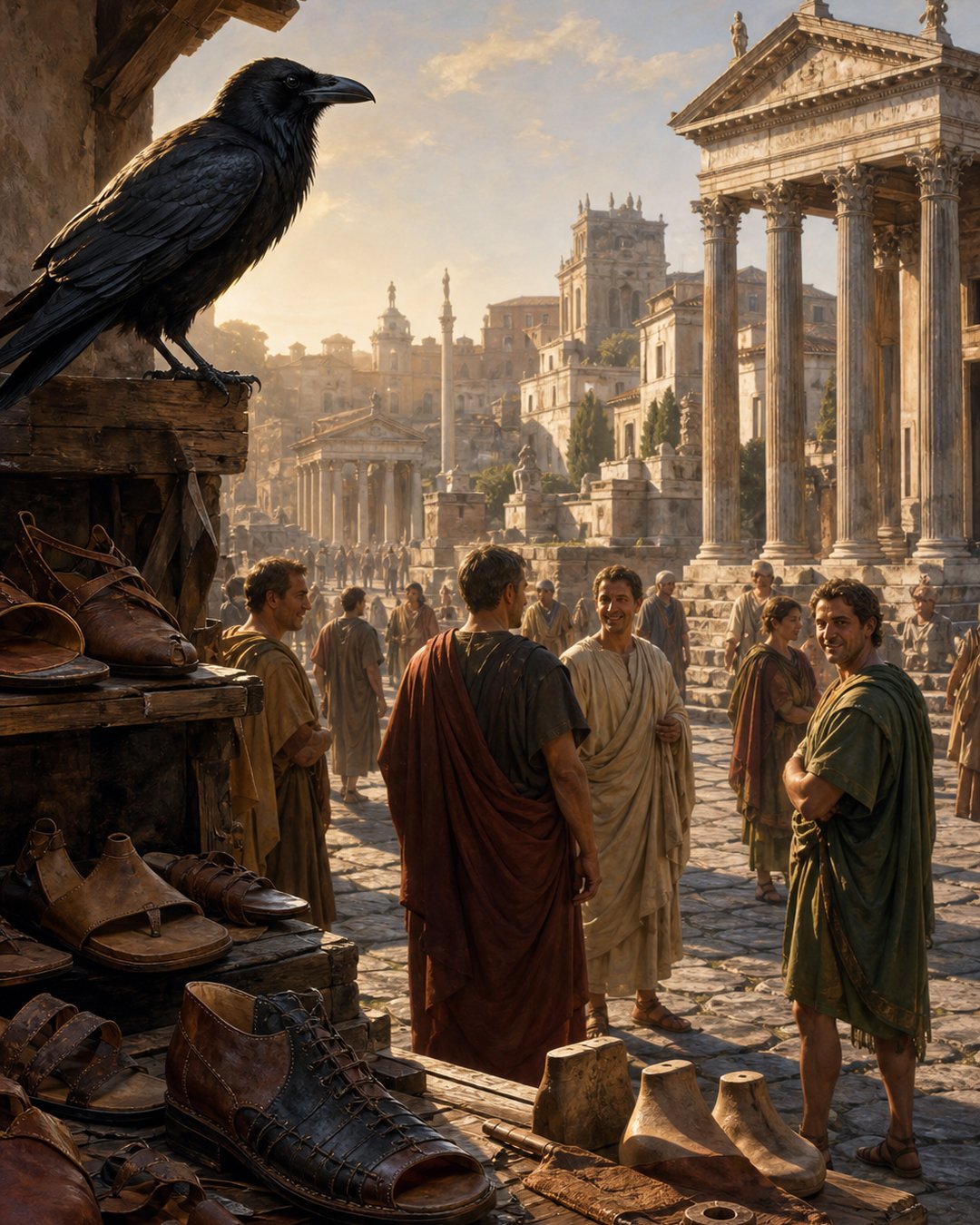
A Roman workshop was not simply a room where things were made. When it opened toward the street, it became a public argument about skill, reliability, noise, and reputation. Roman workshops made craft public because labor could be watched, heard, smelled, and judged. The doorway turned work into evidence before the finished object ever changed … Read more

Why Roman Crossroads Shrines Made Neighborhoods Visible

A Roman crossroads was never only a place to turn left or right. It was where carts slowed, neighbors recognized one another, shopfronts opened, gossip moved, and local gods could be noticed by people who might not share a household. Roman crossroads shrines made neighborhoods visible because they gave a vicus a sacred marker in … Read more

Why Roman Tabernae Made Streets Into Marketplaces

A Roman market was not confined to one grand space. It could appear in smaller bursts along a street whenever shutters opened, counters filled, and passersby slowed down. Roman tabernae made streets into marketplaces because they pushed exchange to the edge of public movement. A doorway became a stage where goods, prices, trust, suspicion, and … Read more

How Roman Collegia Made Work Public

A worker alone can disappear into the background of a Roman street. A group with a name, a meeting place, records, patrons, and rituals is harder to ignore. It begins to look like a body. Roman collegia made work public because they gave shared labor and shared identity recognizable forms. A craft, cult, neighborhood, or … Read more

Why Roman Altars Made Vows Visible

A vow can sound private when we imagine it as a thought whispered in fear or gratitude. Rome often made that promise harder to hide. It gave the promise stone, smoke, a route, witnesses, and a place where memory could return. Roman altars made vows visible because they turned religious obligation into public action. The … Read more

How Roman Market Days Made Rural News Public

A market day begins with practical things: baskets, animals, meat, vegetables, coins, measures, and the awkward work of getting goods into town. But practical gathering has a way of becoming public life. Roman market days made rural news public because they turned repeated trade into repeated contact. The nundinae brought sellers, buyers, officials, prices, rumors, … Read more