Why Roman Trophies Made Defeat Speak in Public
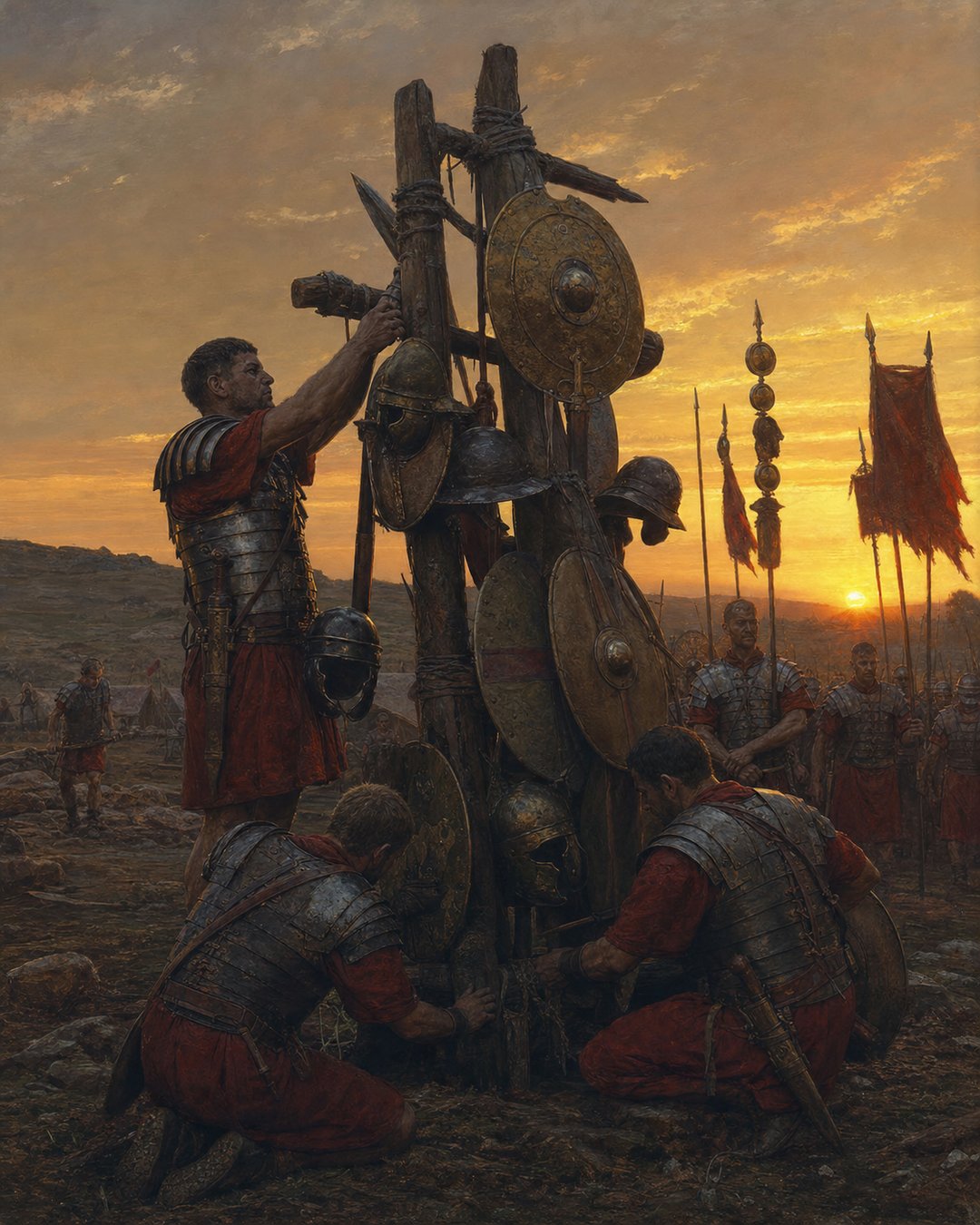
A defeated shield is just an object until someone decides where to put it. Rome was very good at deciding where objects should stand, who should see them, and what story they should be forced to tell. Roman trophies made defeat speak in public because captured arms could be rearranged into evidence. A helmet, a … Read more
Why Roman Treasury Ledgers Made War Countable

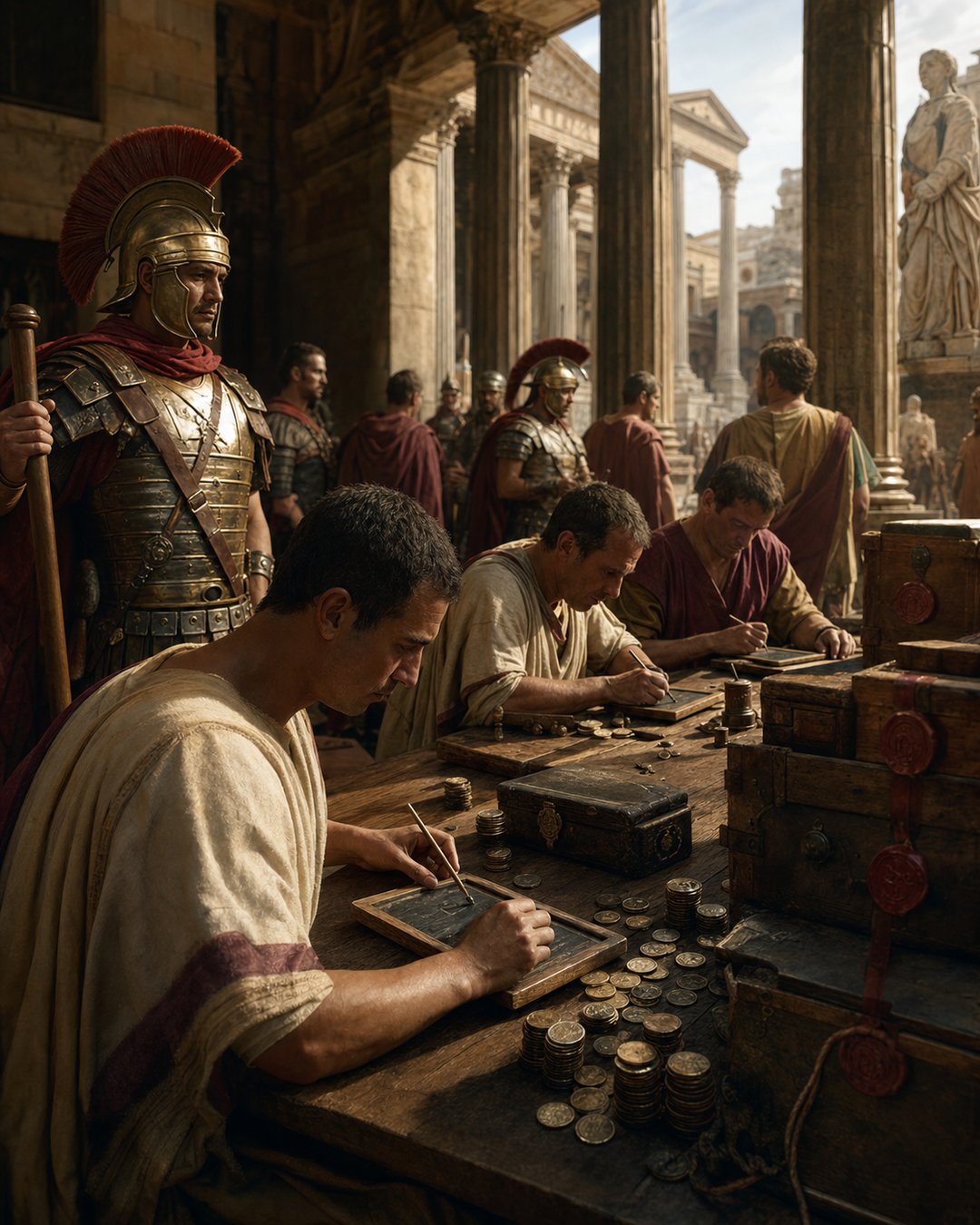
Roman war looks loud from a distance: standards, dust, shouted orders, triumphal memory. Up close, it also required a quieter world of taxes, tablets, coins, clerks, and public storage. Treasury ledgers made war countable because military power had to pass through administration before it became legend. Rome needed men, but it also needed sums: what … Read more

Why Roman Standards Made Legions Visible

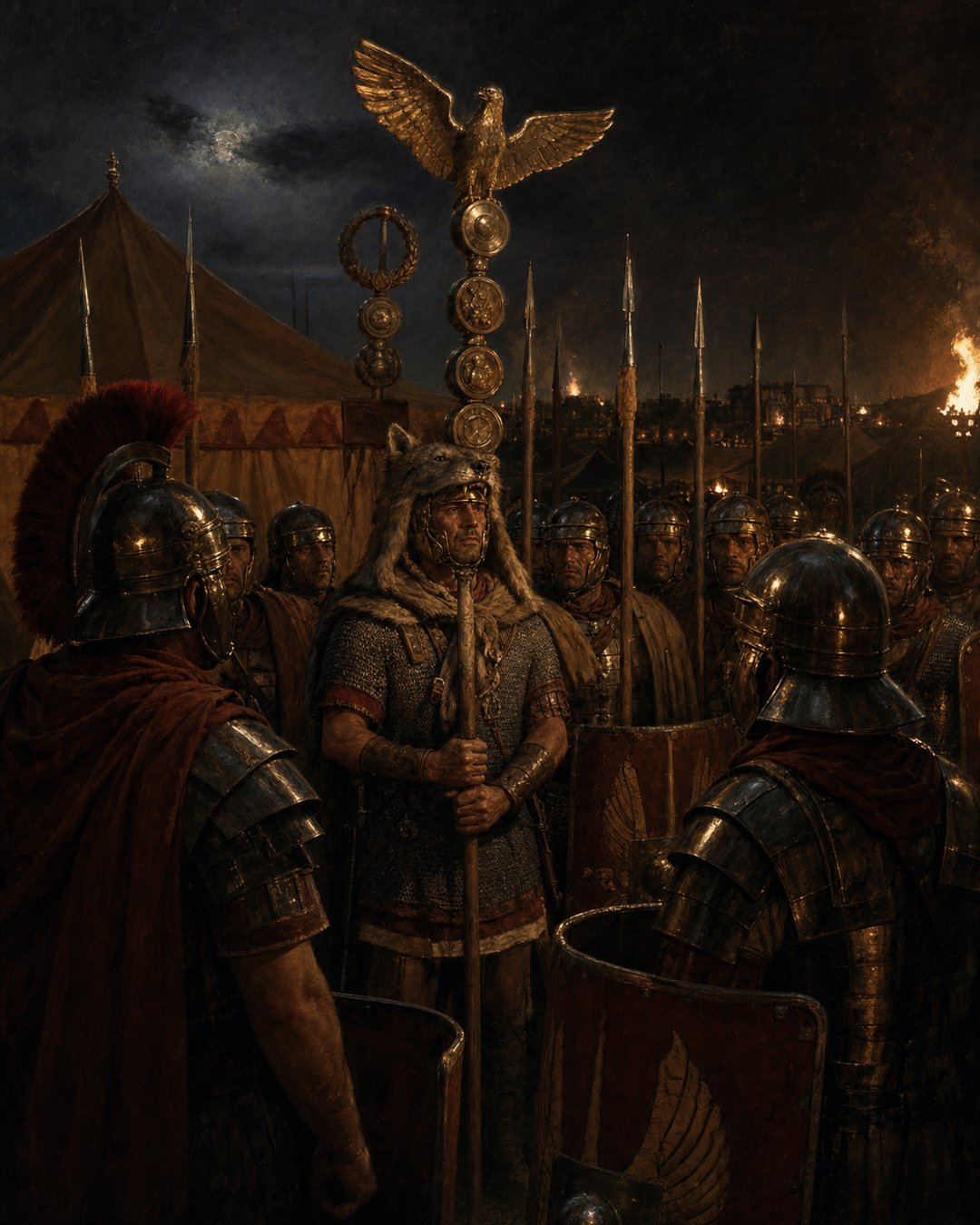
A Roman standard was not merely decoration on a pole. It stood above dust, helmets, shields, fear, and shouted orders. Men could look toward it, rally around it, swear by what it represented, and feel disgrace if it fell into enemy hands. Standards mattered because they made the legion visible to itself. In an army … Read more

Why Roman Marching Camps Made Conquest Repeatable

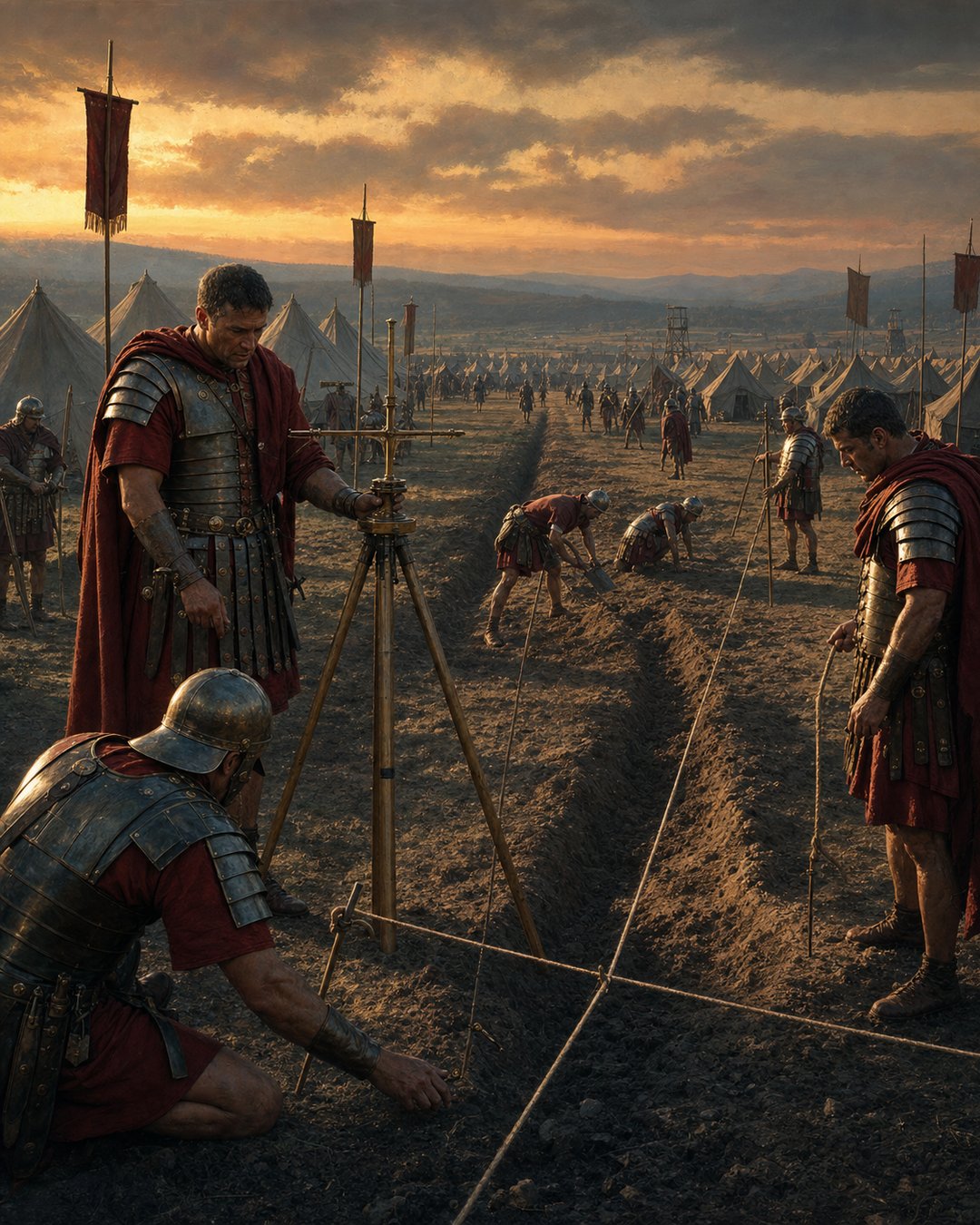
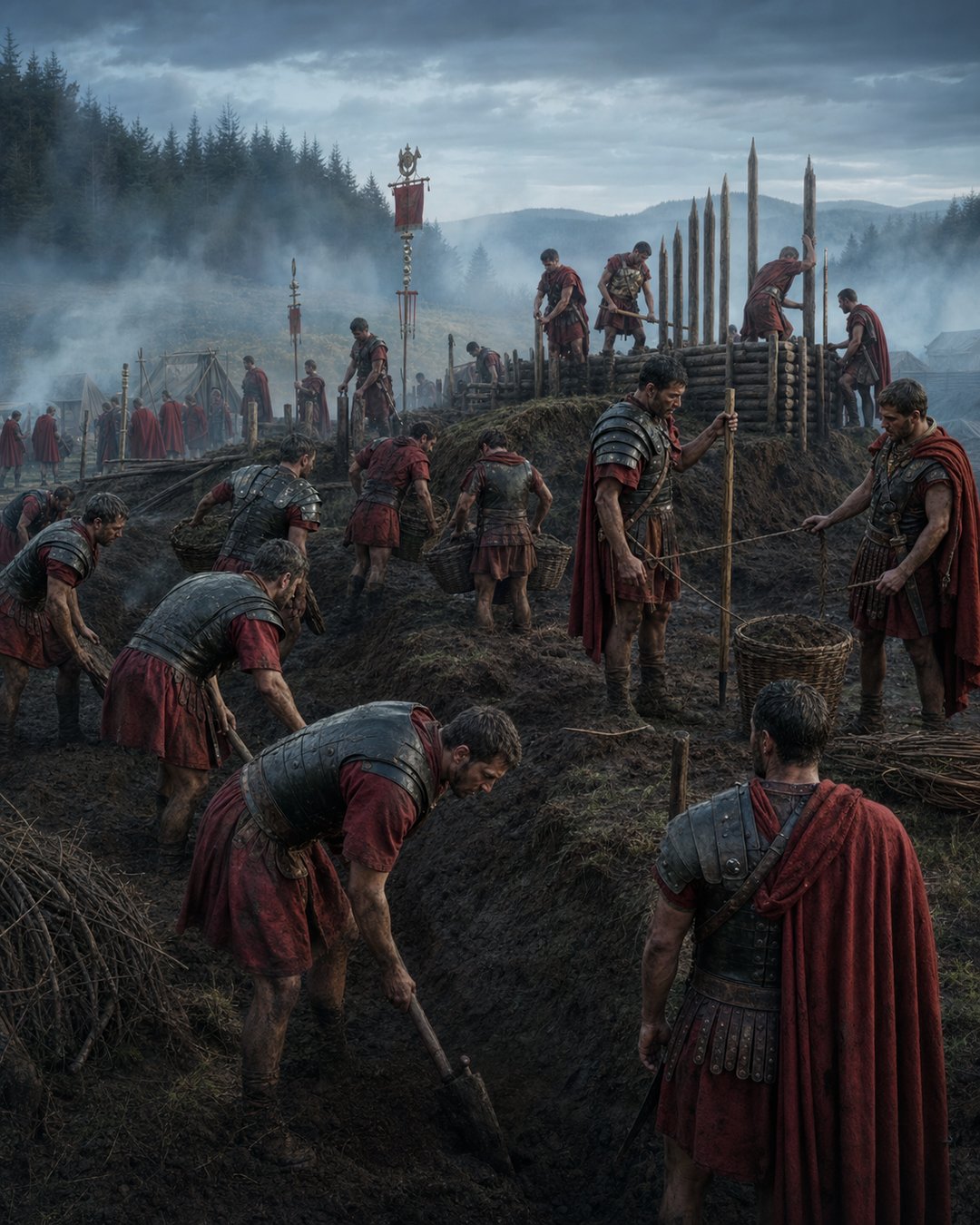
A Roman army did not simply stop when the day’s march ended. It measured a place, cut a ditch, raised a rampart, set gates, arranged tents, posted watches, and turned unfamiliar ground into something recognizable. The camp was not an afterthought. It was conquest made repeatable. Marching camps mattered because they gave Roman movement a … Read more

Why Roman Triumphal Arches Made Victory Permanent

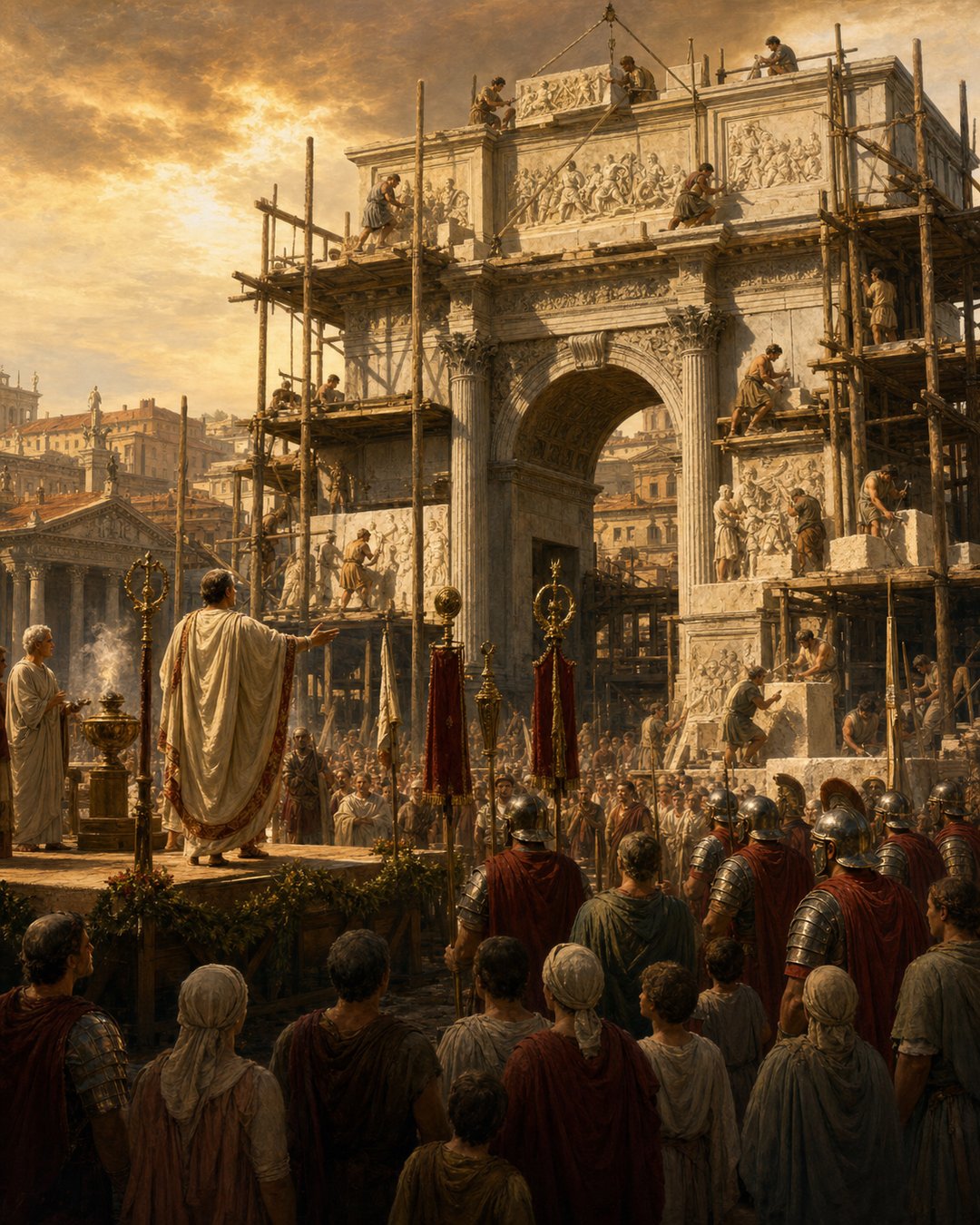
A triumph ended after one day. The crowd dispersed, the soldiers went back to ordinary duties, the captives disappeared into Roman systems of display and punishment, and the spoils found new homes. A triumphal arch solved that problem for memory. The arch made victory permanent by turning a procession into architecture. It stood where later … Read more

Why Roman Military Diplomas Made Citizenship Visible

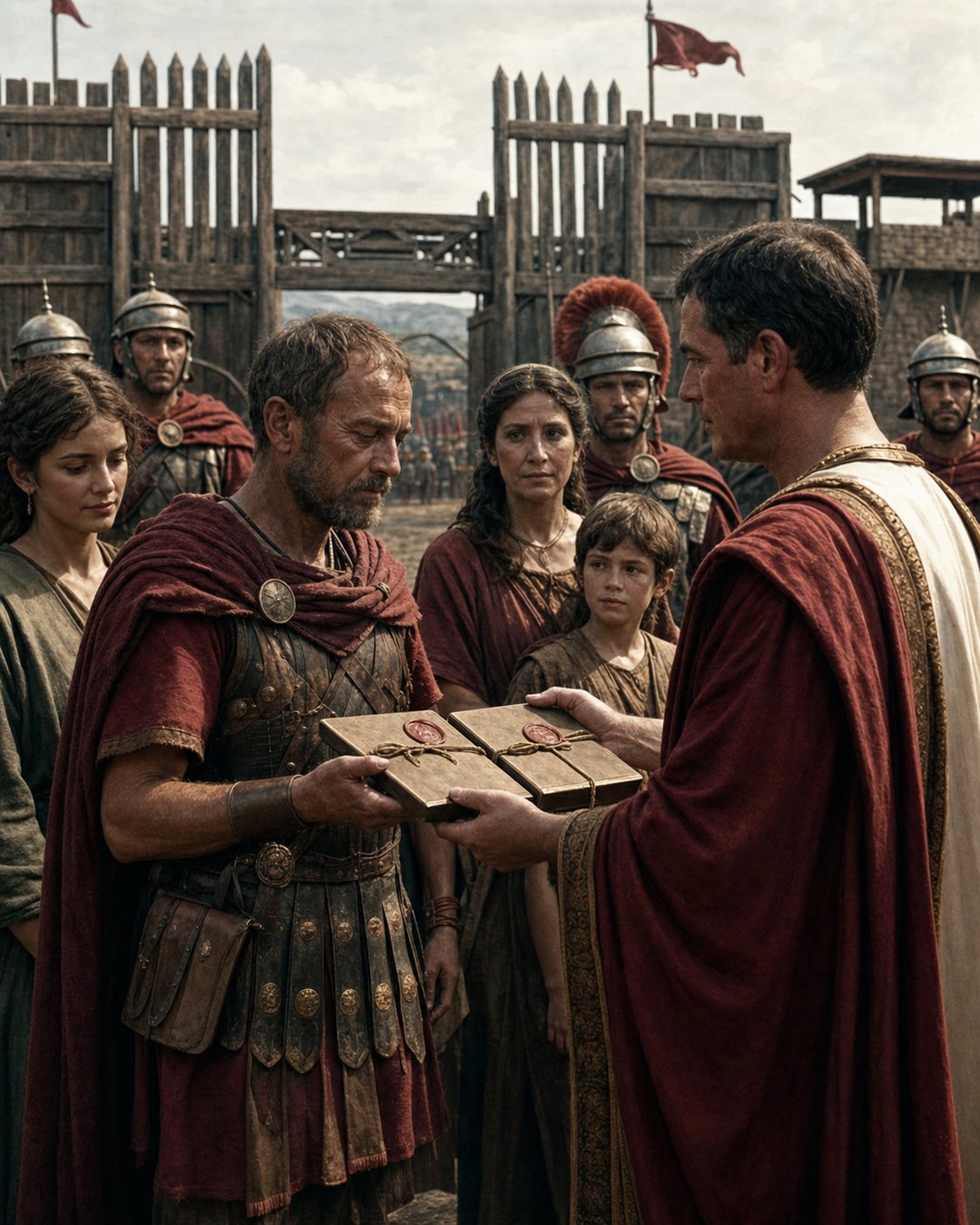
A Roman military diploma made citizenship something a veteran could hold. Two bronze tablets, sealed and witnessed, carried the memory of years spent far from home and turned imperial reward into portable proof. For an auxiliary soldier who had not been born a Roman citizen, the object could change more than his own name. The … Read more

Why Roman Forts Made Frontiers Feel Permanent

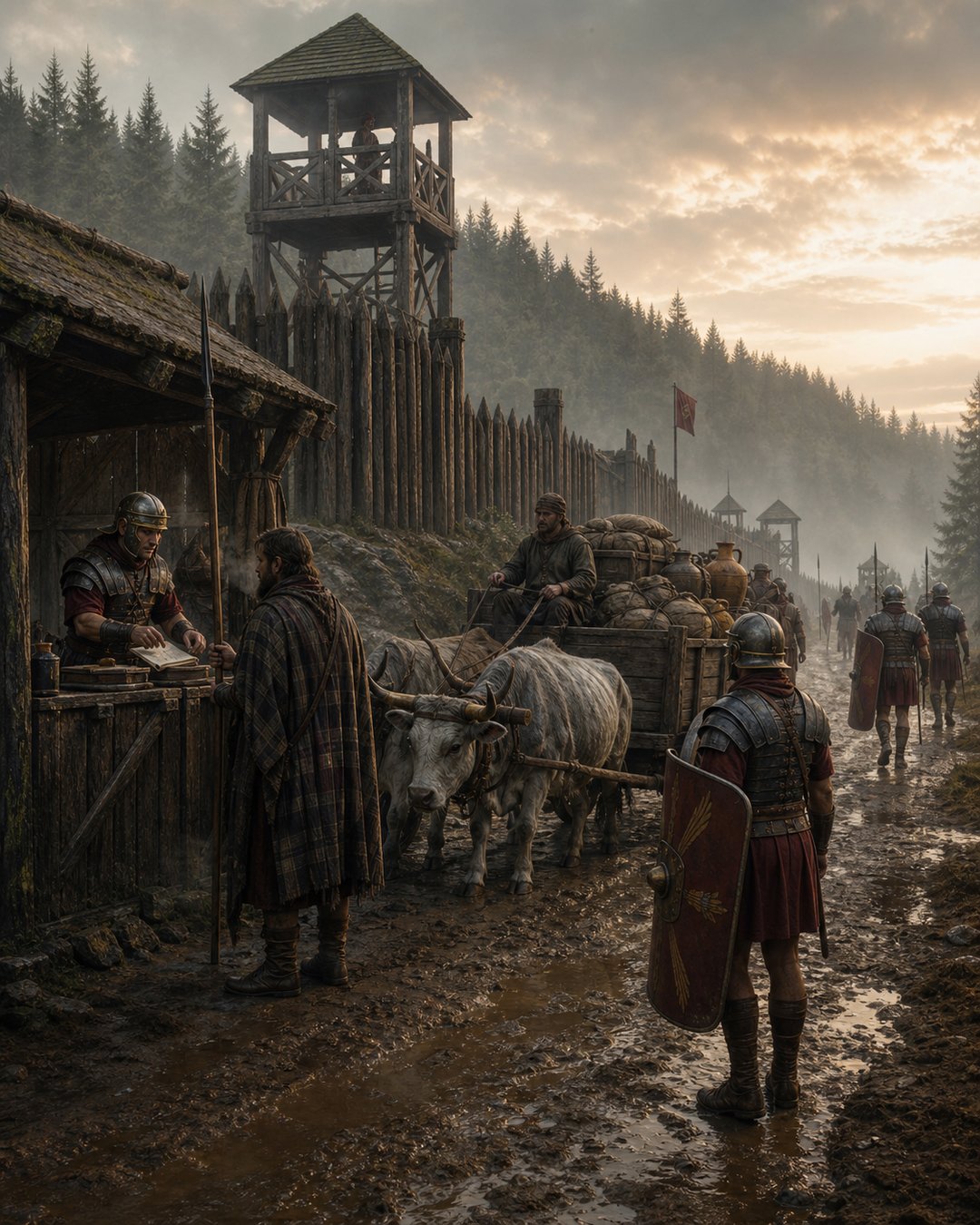
A Roman frontier was not made permanent by drawing a line on a map. It became convincing when soldiers dug ditches, raised gates, stored grain, repaired barracks, wrote rosters, and woke up to the same guarded landscape day after day. The fort was the frontier’s daily proof. That is why Roman forts made frontiers feel … Read more

Why the Roman Limes Made the Frontier Routine

A frontier sounds dramatic when seen on a map. It becomes stranger when imagined as a work schedule. Men changed guard. Traders waited. Carts were checked. Letters arrived. Roads needed repair. Gates opened and shut. The Roman limes mattered because it made the empire’s edge routine. The limes was not one identical wall running around … Read more

Why the Appian Way Made Conquest Durable

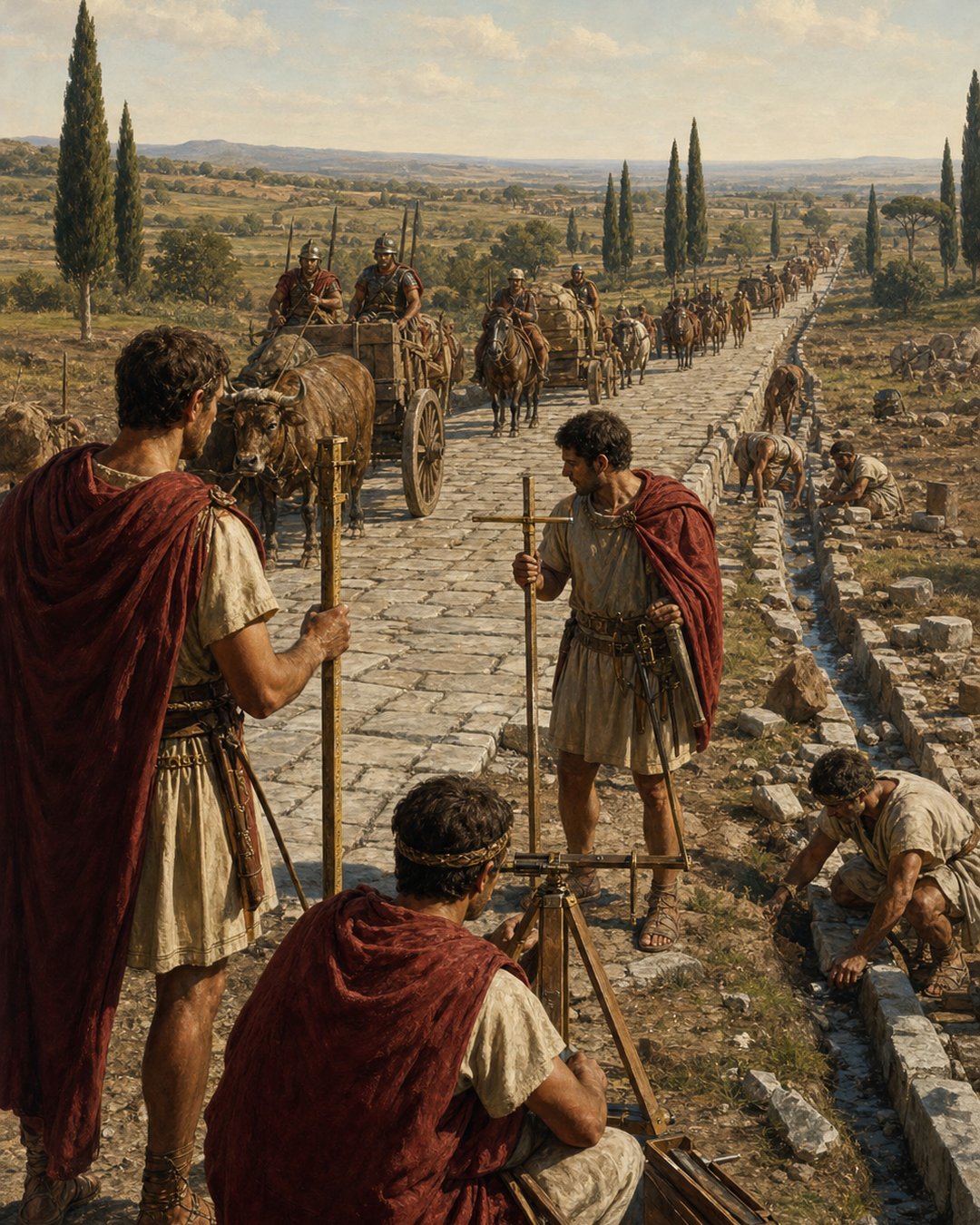
A battle can change a map for a season. A road can keep changing it for centuries. The Appian Way mattered because it made Roman power returnable. Soldiers could march, messengers could ride, merchants could follow, officials could inspect, and taxes could move along the same engineered line. Begun in 312 BCE by Appius Claudius … Read more

Why Roman Eagles Were Worth More Than Gold

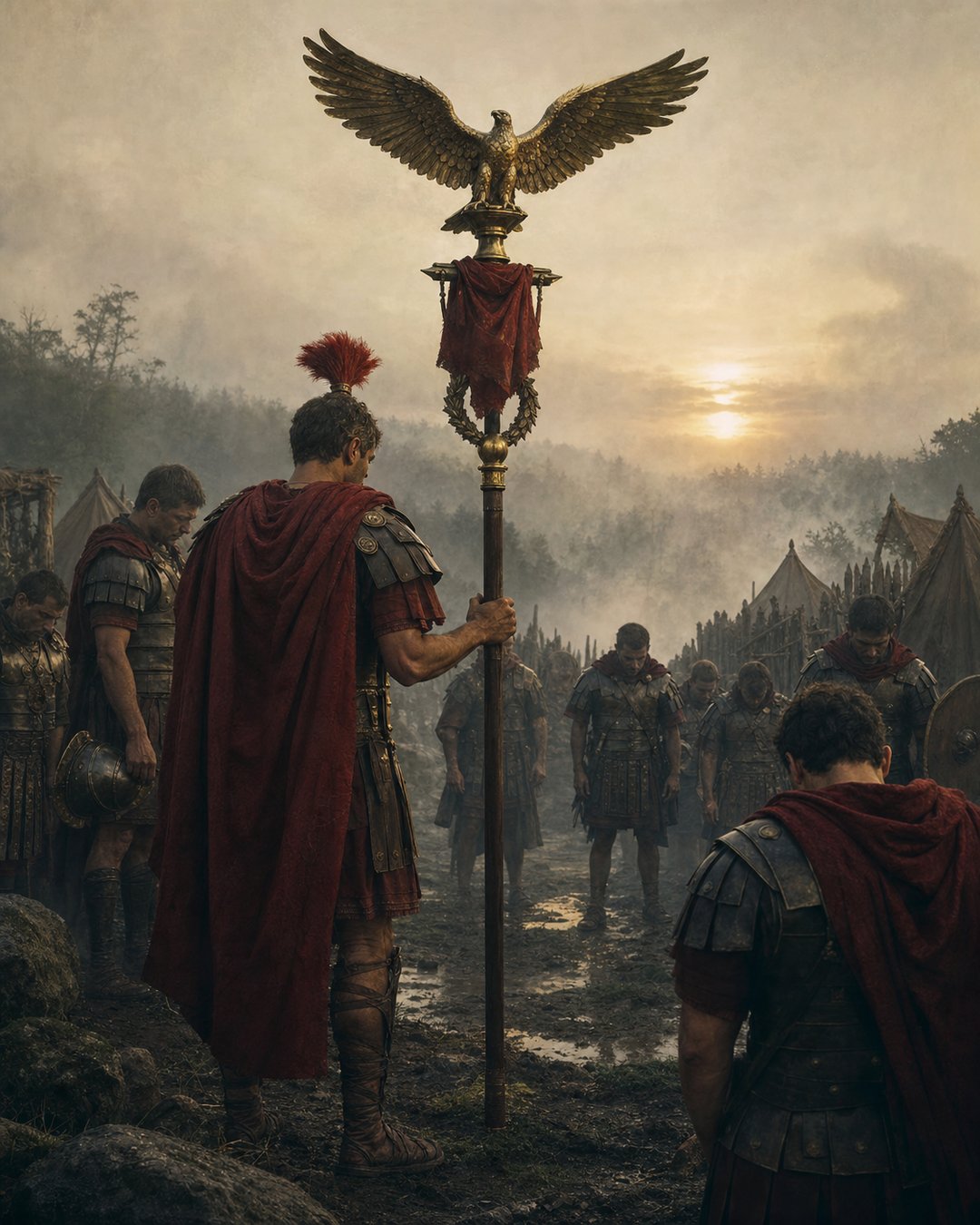
A Roman eagle standard was not valuable because of its metal. It was valuable because men had been trained to see a legion inside it. The aquila stood above the unit as a focus of honor, memory, command, and fear. To lose it was not like losing a spear or shield. It meant the legion’s … Read more