Mars’s Courage Became a Wife in Rome’s Old Prayers
An old Roman prayer name could change identity without changing its place beside Mars. For one antiquarian explanation, Nerio meant the war god’s courage, strength and majesty. In comedy and annalistic tradition, Nerio—or Neria or Nerienes—was his wife. Aulus Gellius did not solve the contradiction by choosing one clean definition. He compared priestly prayer books, … Read more
The Better Battering Ram Cost an Engineer a Beating

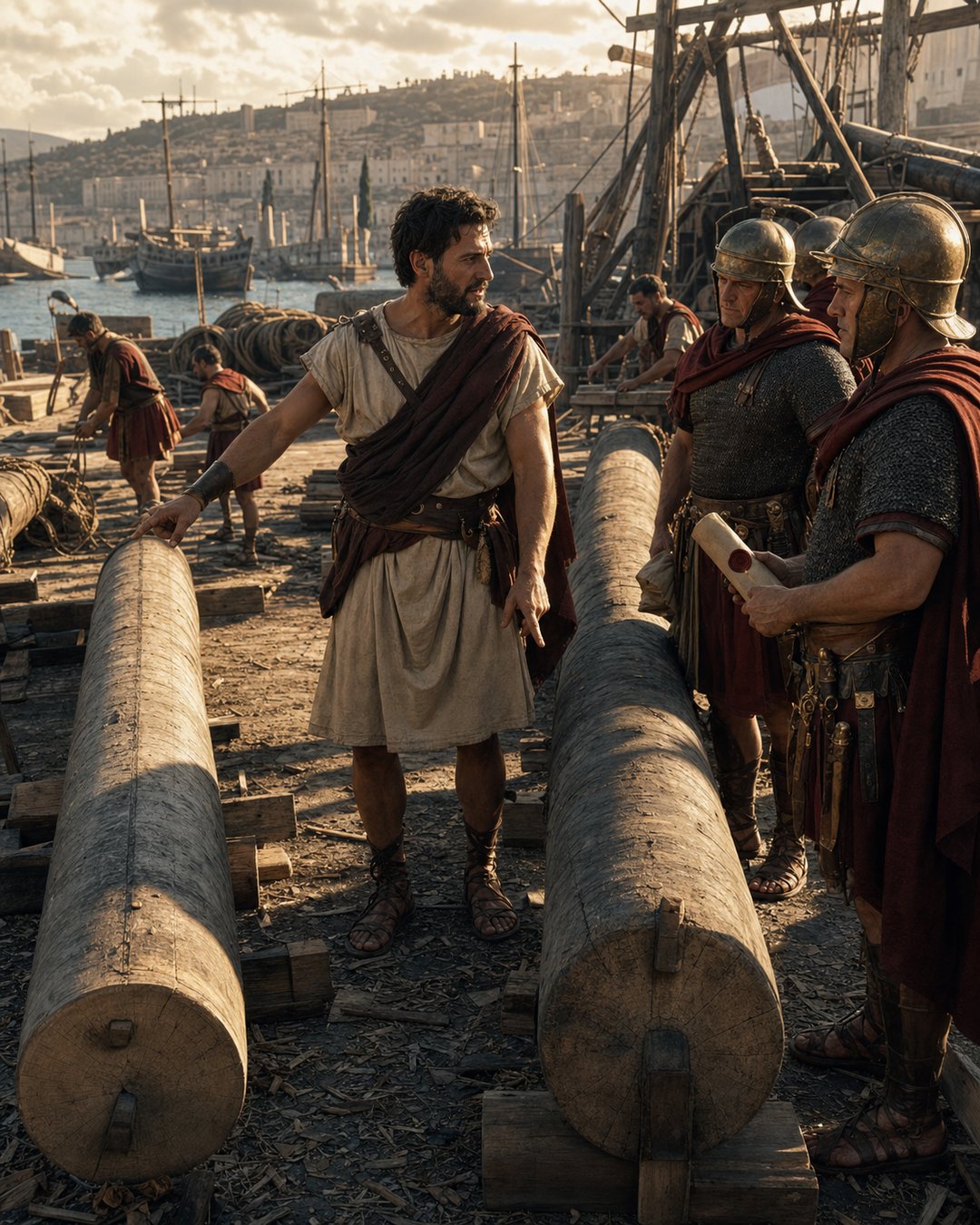
The order named the larger of two masts. The engineer sent the smaller one. He had not confused the timbers. After learning that Publius Crassus Mucianus wanted a beam for a battering ram, the chief engineer at Mylatta judged the smaller mast better suited to the machine and easier to transport. His substitution addressed the … Read more

Cabbage and Four Hours of Walking Filled Cato’s Medicine Chest

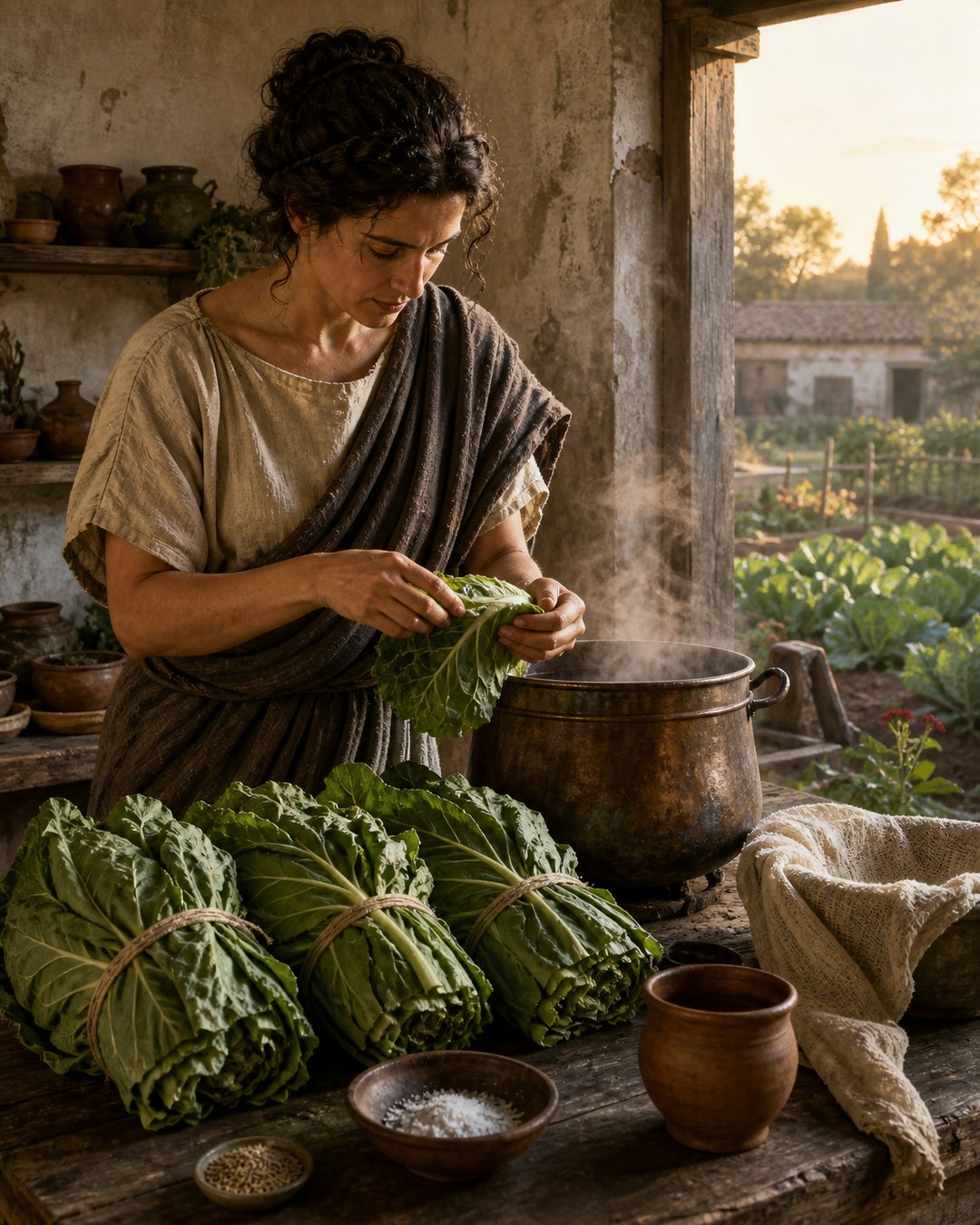
Cato’s patient was not simply told to eat a vegetable. Four pounds of smooth cabbage leaves had to be divided into three bundles. Each bundle met boiling water in a timed sequence. The leaves were pounded, squeezed through cloth, seasoned in an earthen cup and left outside through a calm night. Preparation continued with a … Read more

Dinner Laws Counted Asses, Silver and Wedding Days

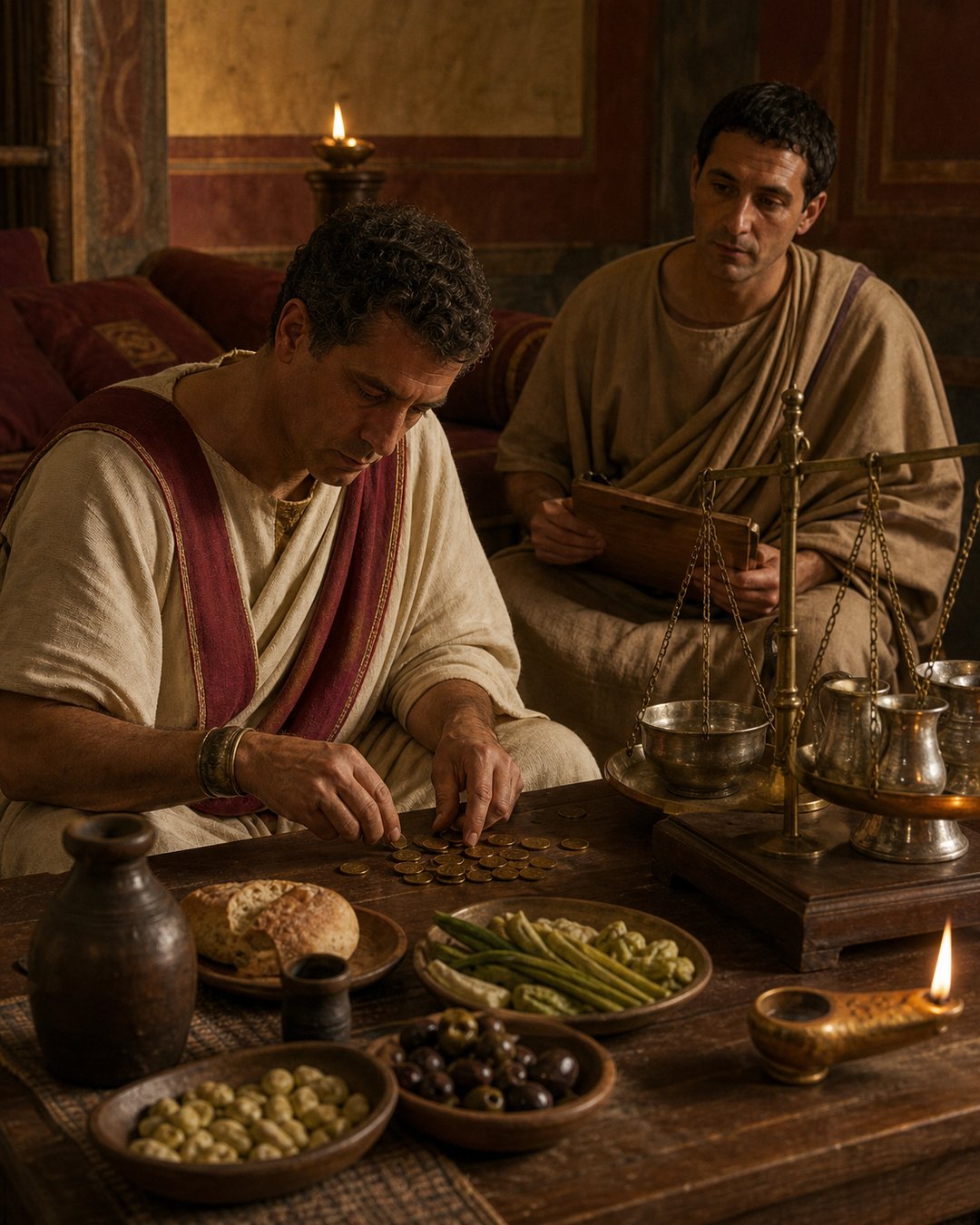
A Roman host could face a different dinner limit simply because the calendar had changed. In Aulus Gellius’s catalogue, one law permitted one hundred asses on named festival days, thirty on ten additional days each month, and only ten on ordinary days. Another made room for a wedding. An older decree counted silver by the … Read more

Dolabella Sent an Impossible Murder Case to Athens

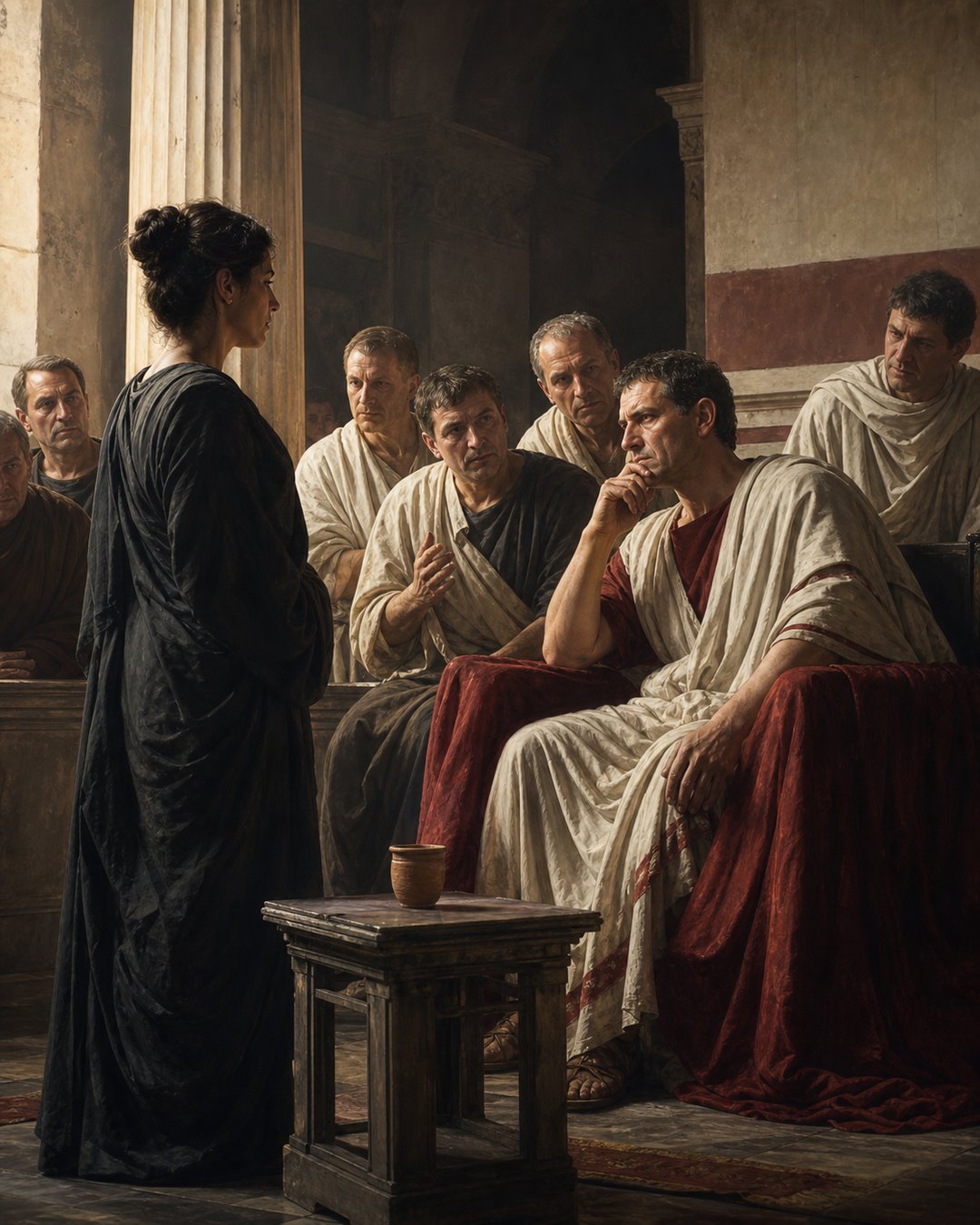
The woman did not deny the poison. Before Gnaeus Dolabella, Rome’s proconsul in Asia, she admitted killing her husband and her son at the same time. That confession should have simplified the case. Instead, it made the difficulty visible. The two victims, she said, had treacherously killed another son of hers, a blameless young man … Read more

Oil Dregs Helped a Roman Terrace Survive the Frost

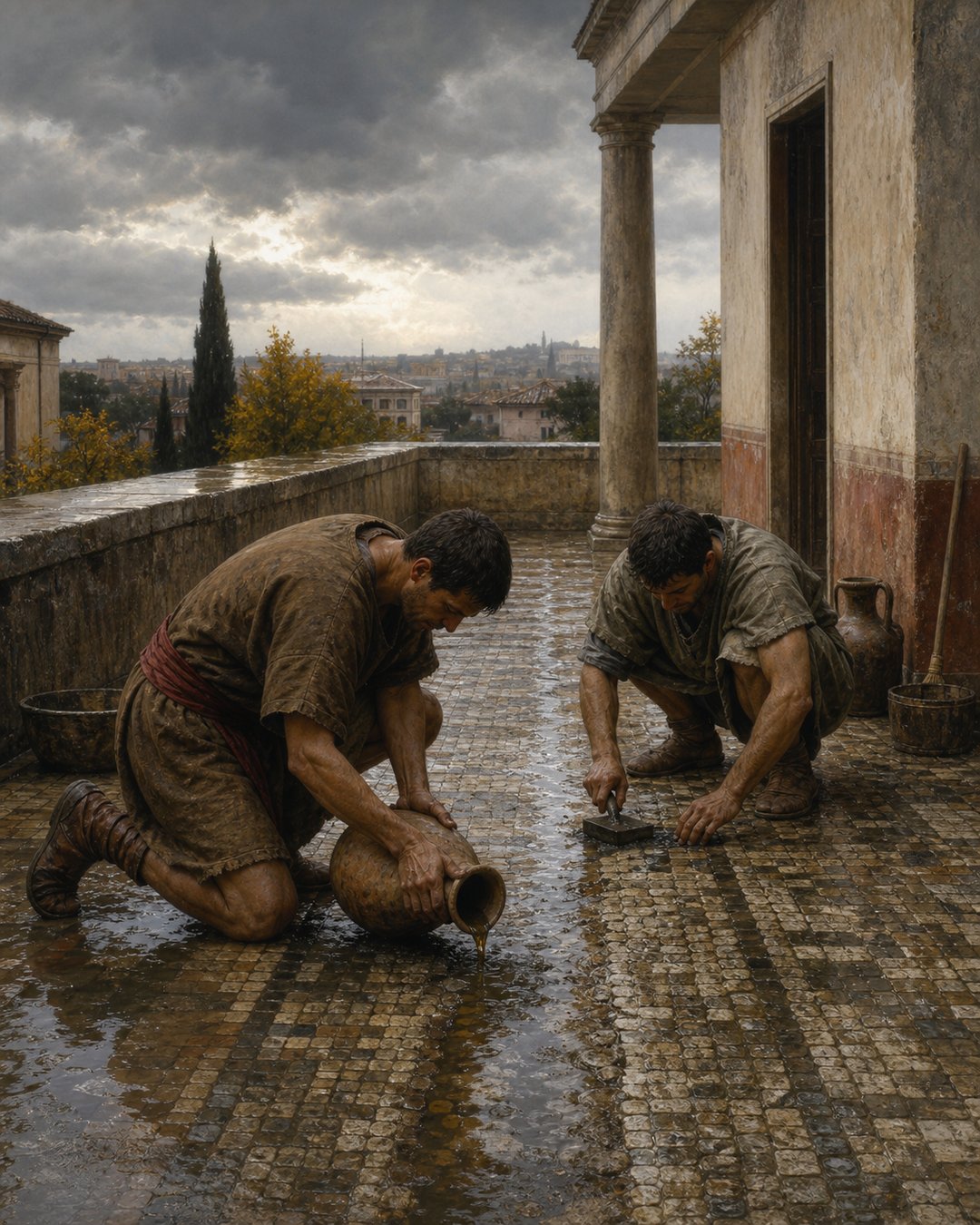
Before winter, a Roman terrace needed something that had already served another purpose: the dark residue left from olive oil. Vitruvius tells builders to drench the mortar joints with oil-dregs every year before the cold arrived. The instruction belongs to a much larger design for floors exposed to open air. Damp made the supporting wood … Read more

A Flint Stone Sealed Rome’s Treaty Oath

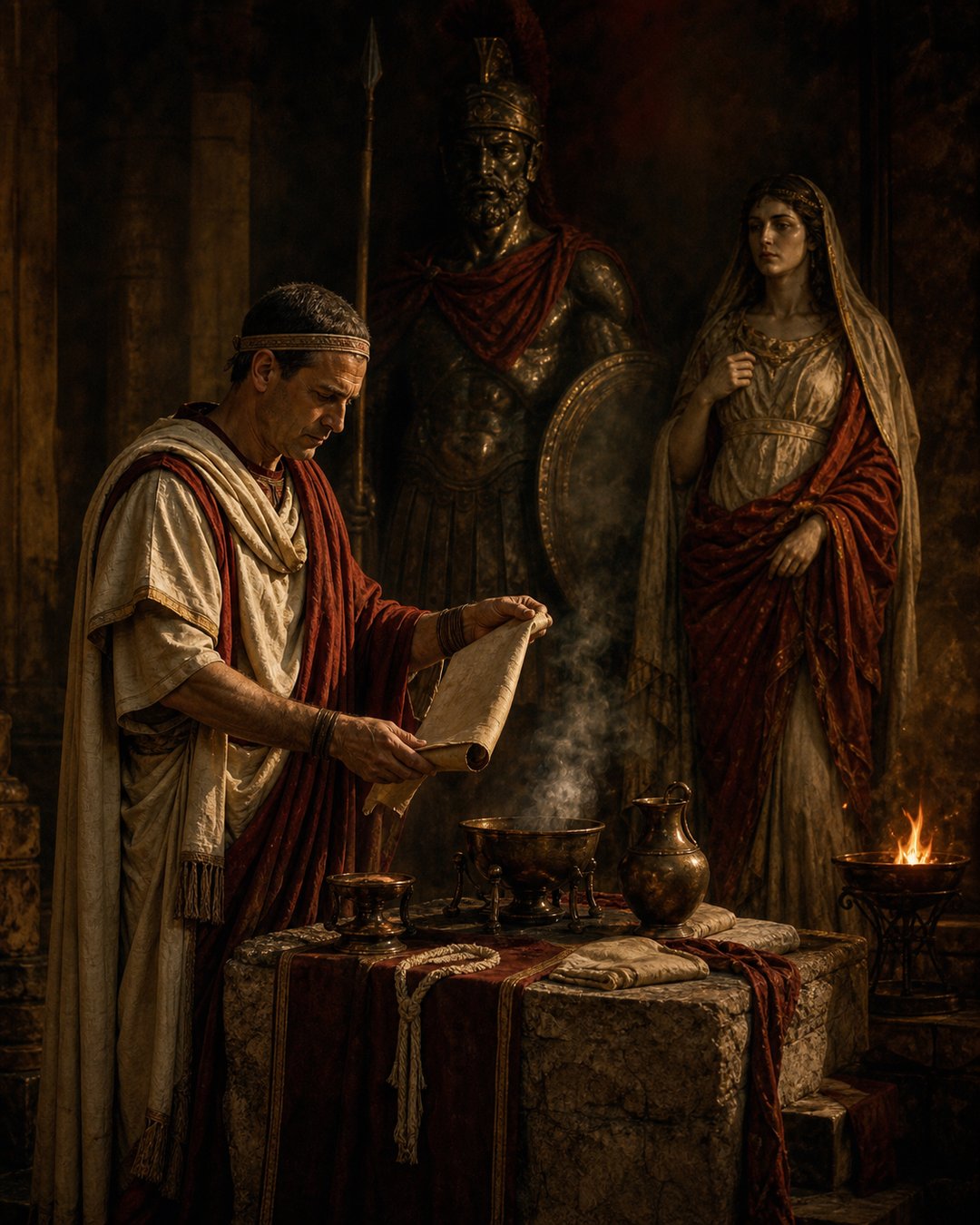
Before six brothers fought for Rome and Alba Longa, a Roman priest asked his own god to punish Rome if it broke its word. Livy places the treaty before the combat of the Horatii and Curiatii. Three champions from each community would decide which people submitted to the other. Yet the duel did not rest … Read more

Cork Floats Marked the Route of Cyprus’s Treasure

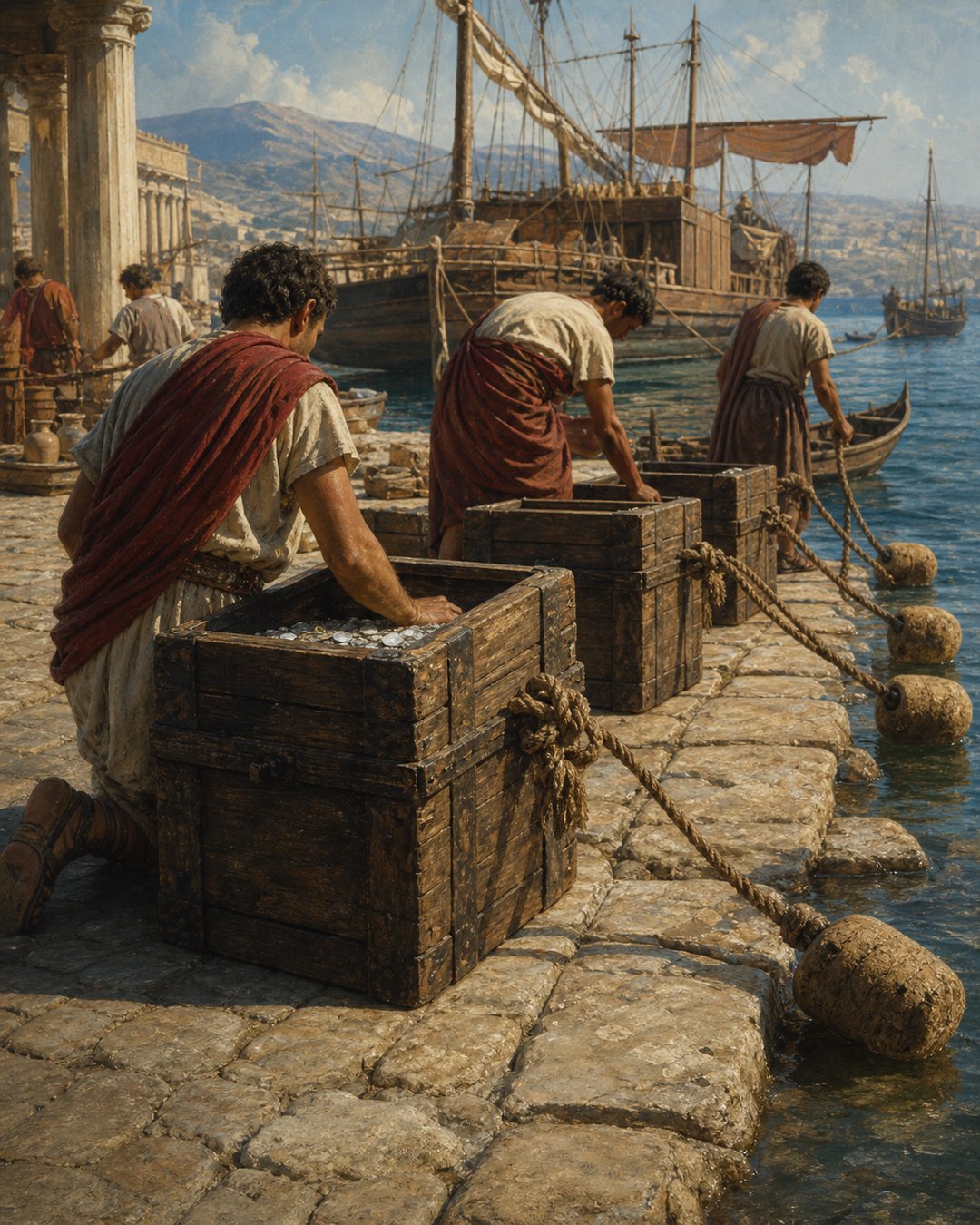
Cato the Younger prepared for a shipwreck by giving the sea something it could not easily hide: huge pieces of cork. Plutarch says Cato gathered nearly seven thousand talents of silver during his commission in Cyprus. For the long voyage to Rome, he divided it among many coffers. Each held two talents and five hundred … Read more

Grass from a Besieged Camp Became Rome’s Highest Crown

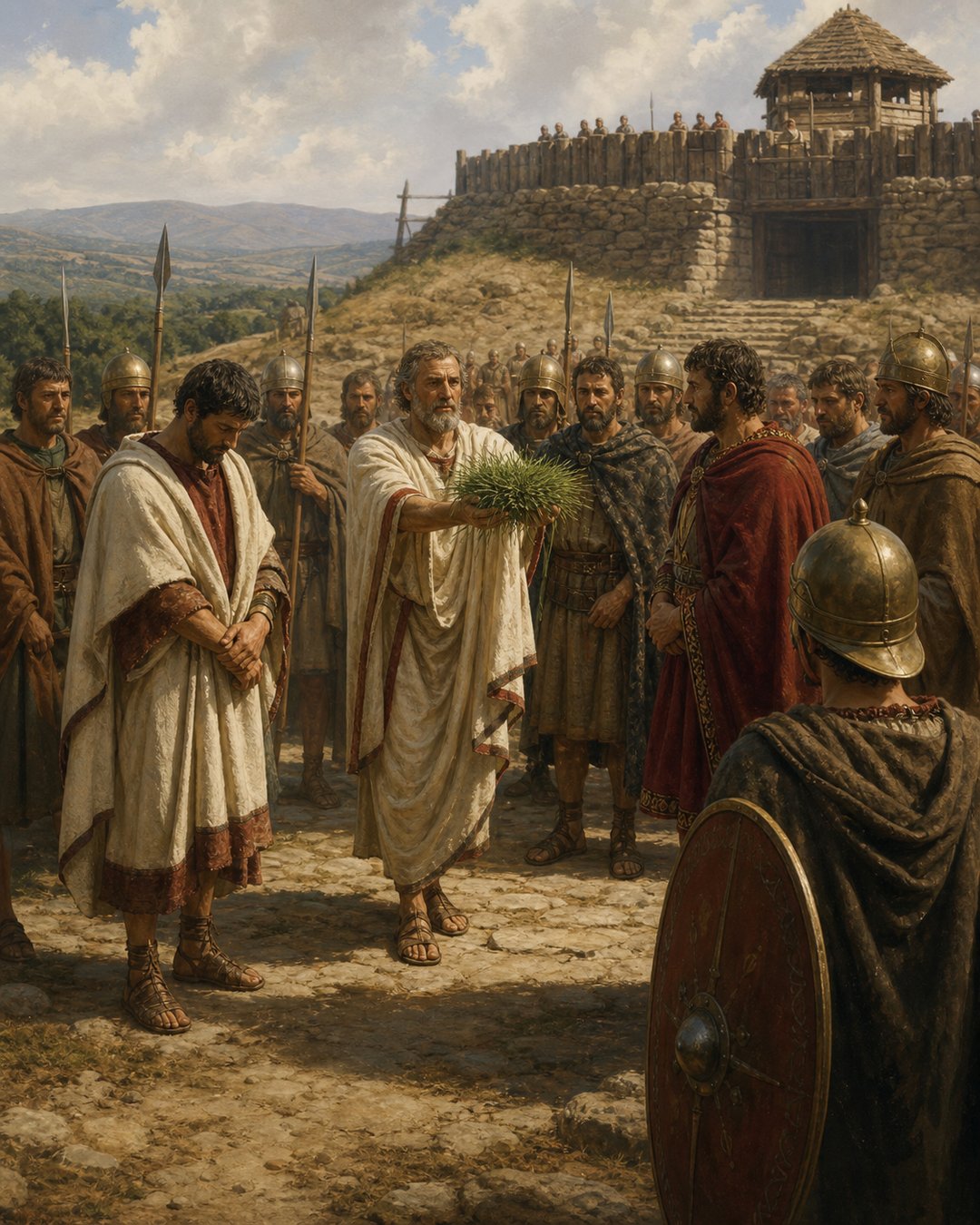
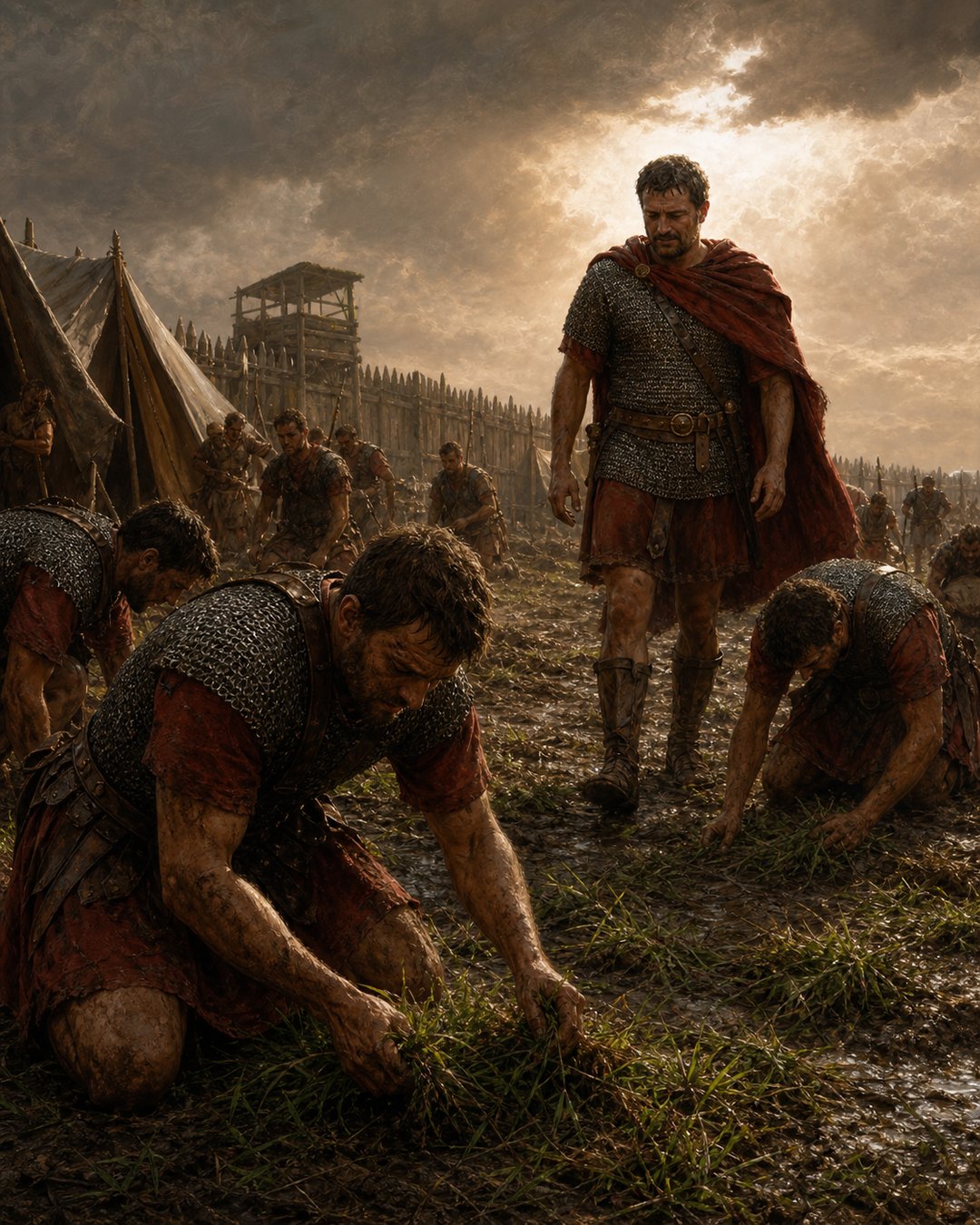
Rome’s most highly regarded military crown was not gold. It was grass gathered from inside a place that had nearly fallen. Aulus Gellius calls it the siege crown. The people delivered from encirclement presented it to the general who had saved them, and custom required the plants to come from the ground on which the … Read more