Coral Left the Sea Soft and Reached India as Red Stone
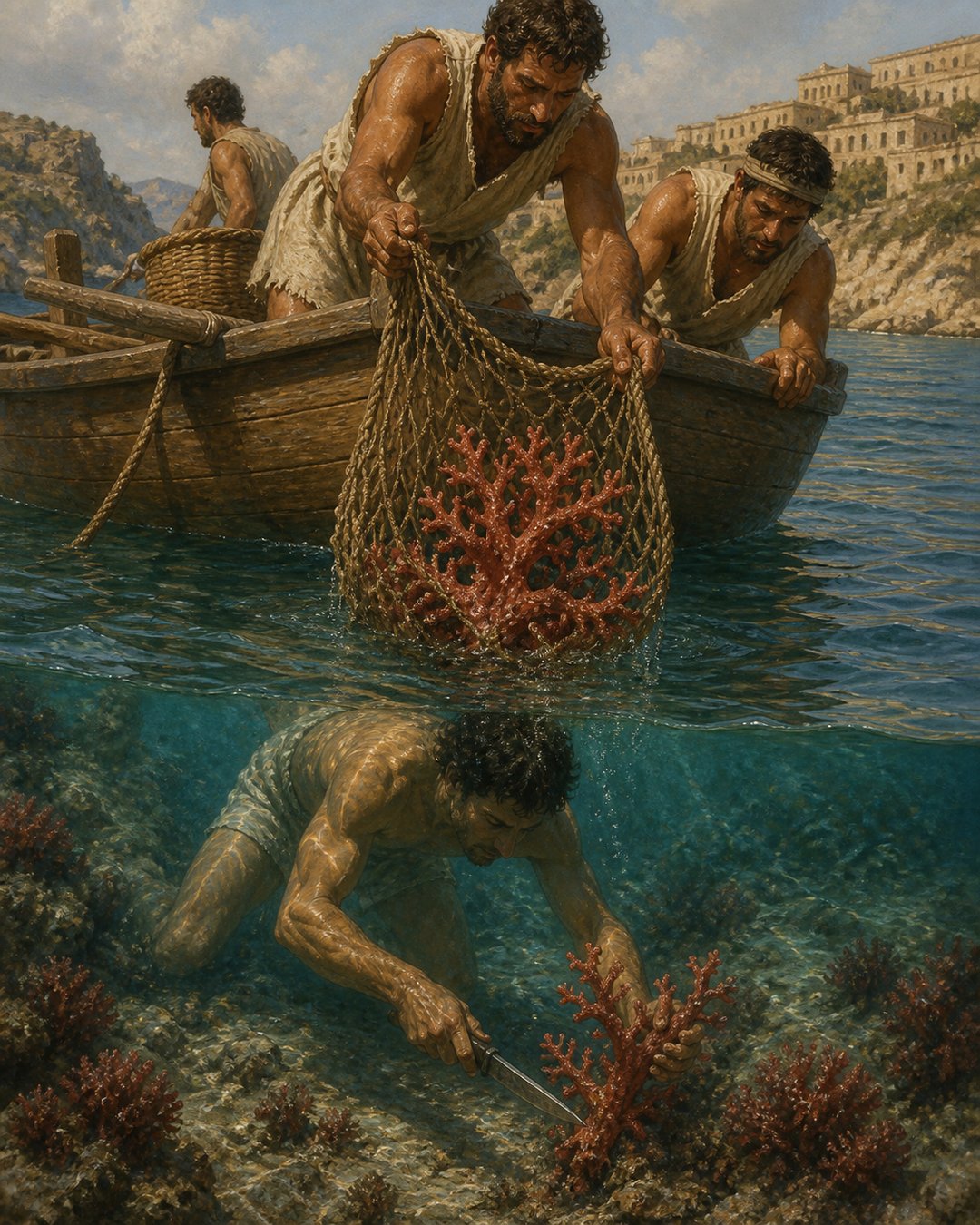
Pliny the Elder begins his account of coral with a reversal. People in his part of the world prized pearls from India; people in India prized Mediterranean coral. Value did not travel automatically with rarity or beauty. Taste on opposite sides of long trade routes made one sea’s familiar material another region’s treasure. Before coral … Read more

Five Sluices Released a River Against a Spanish Mountain

Five square openings held a reservoir above a broken mountain. Pliny the Elder says the basin could extend two hundred feet in length and breadth and reach roughly ten feet deep. Once filled, its gates were struck away. Water burst down with enough violence to roll obstructing rock. That release came late in the work, … Read more

A Pig and a Prayer Opened Rome’s Sacred Groves

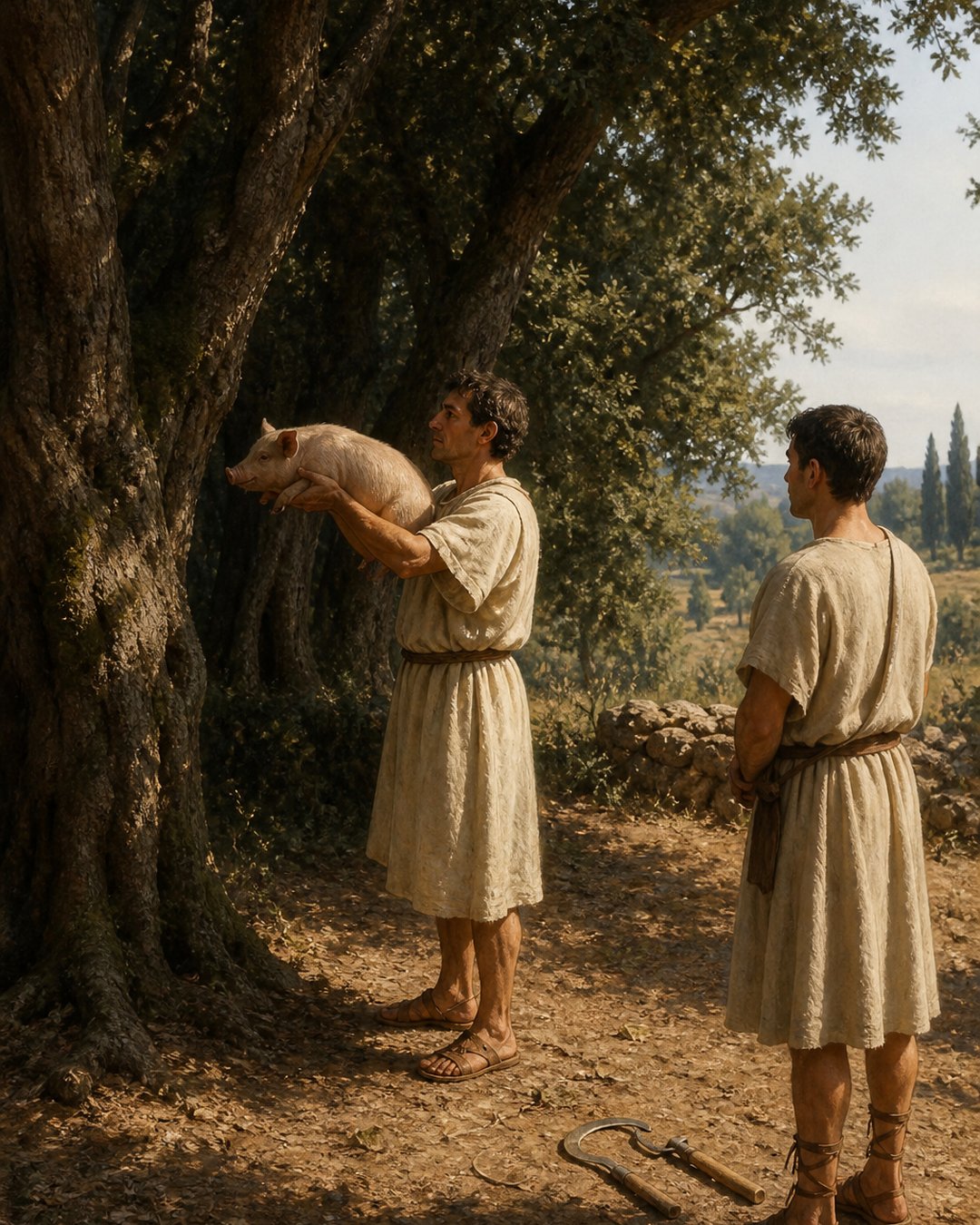
Before anyone thinned a sacred grove, Cato the Elder required a pig and a spoken formula. The speaker addressed “whether thou be god or goddess” to whom the grove belonged, acknowledged that deity’s right to the offering, and asked that the cutting be rightly done. The words did more than apologize for damaged trees. They … Read more

A False Fire Alarm Revealed Praxiteles’s Favorite Statues

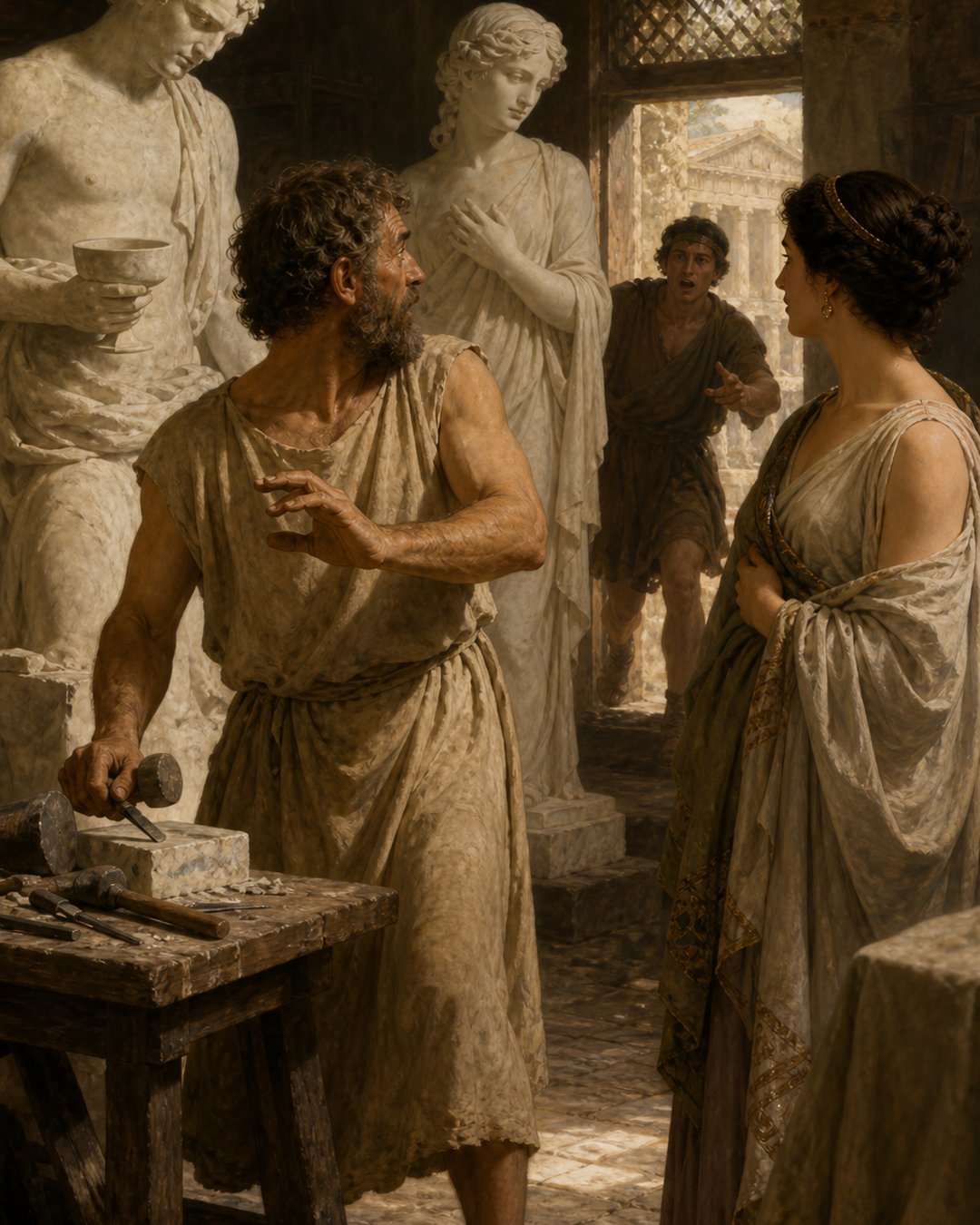
Praxiteles promised Phryne the most beautiful of his sculptures, then refused to say which sculpture that was. The gift sounded generous, but the maker still controlled the ranking. Any answer he gave could protect the work he least wanted to surrender. Phryne answered with a false emergency. A slave rushed in claiming that fire had … Read more

Wheeled Cucumber Beds Followed the Sun for Tiberius

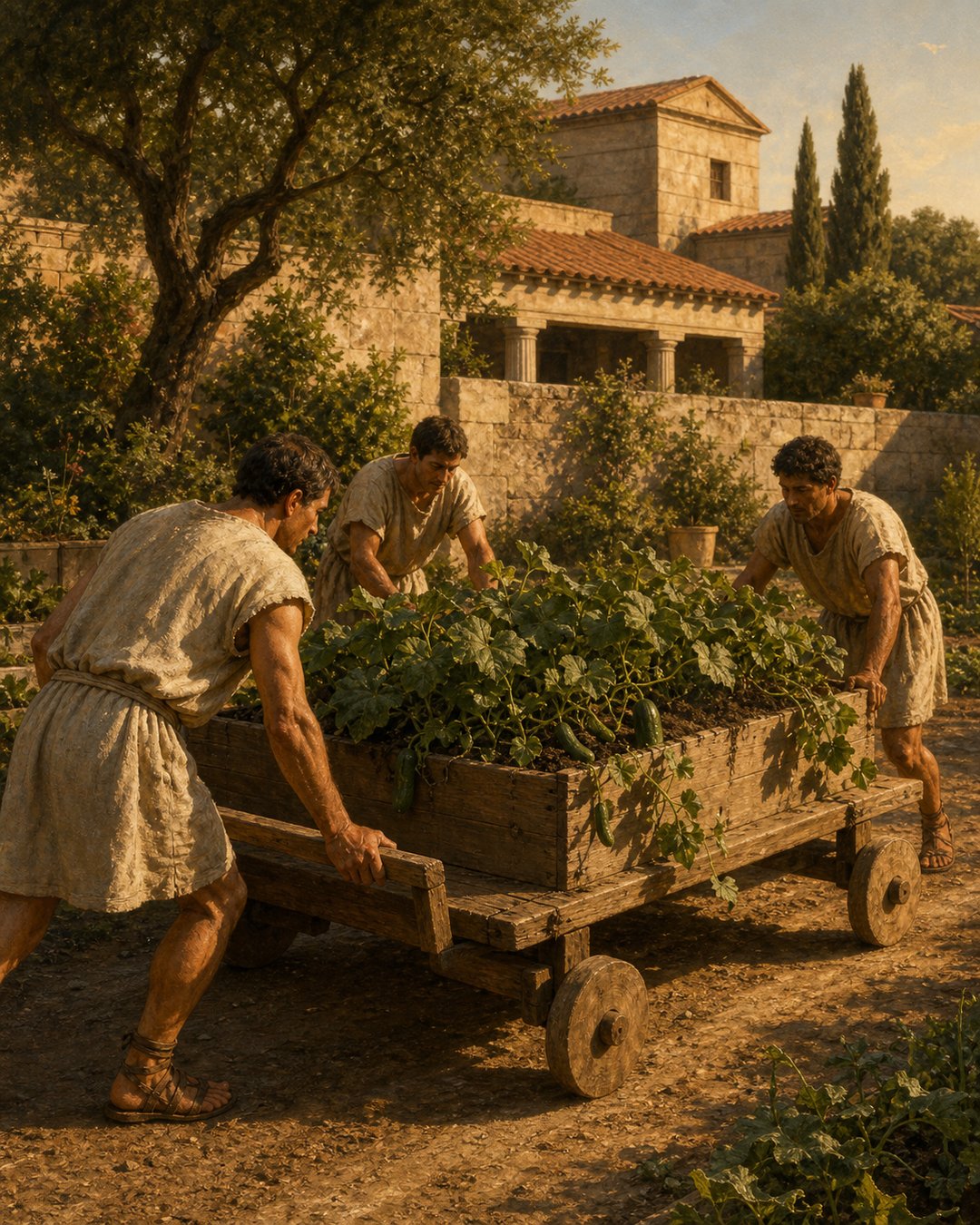
Tiberius wanted a cucumber every day. Pliny the Elder gives that preference only a few lines, yet those lines open an entire working garden. Soil-filled beds stood in frames. Wheels carried them toward the sun. When winter threatened, gardeners drew them back behind pale sheets of mirror-stone. No single object solved the problem. The crop … Read more

A Raven Won Valerius a Name Before Two Armies

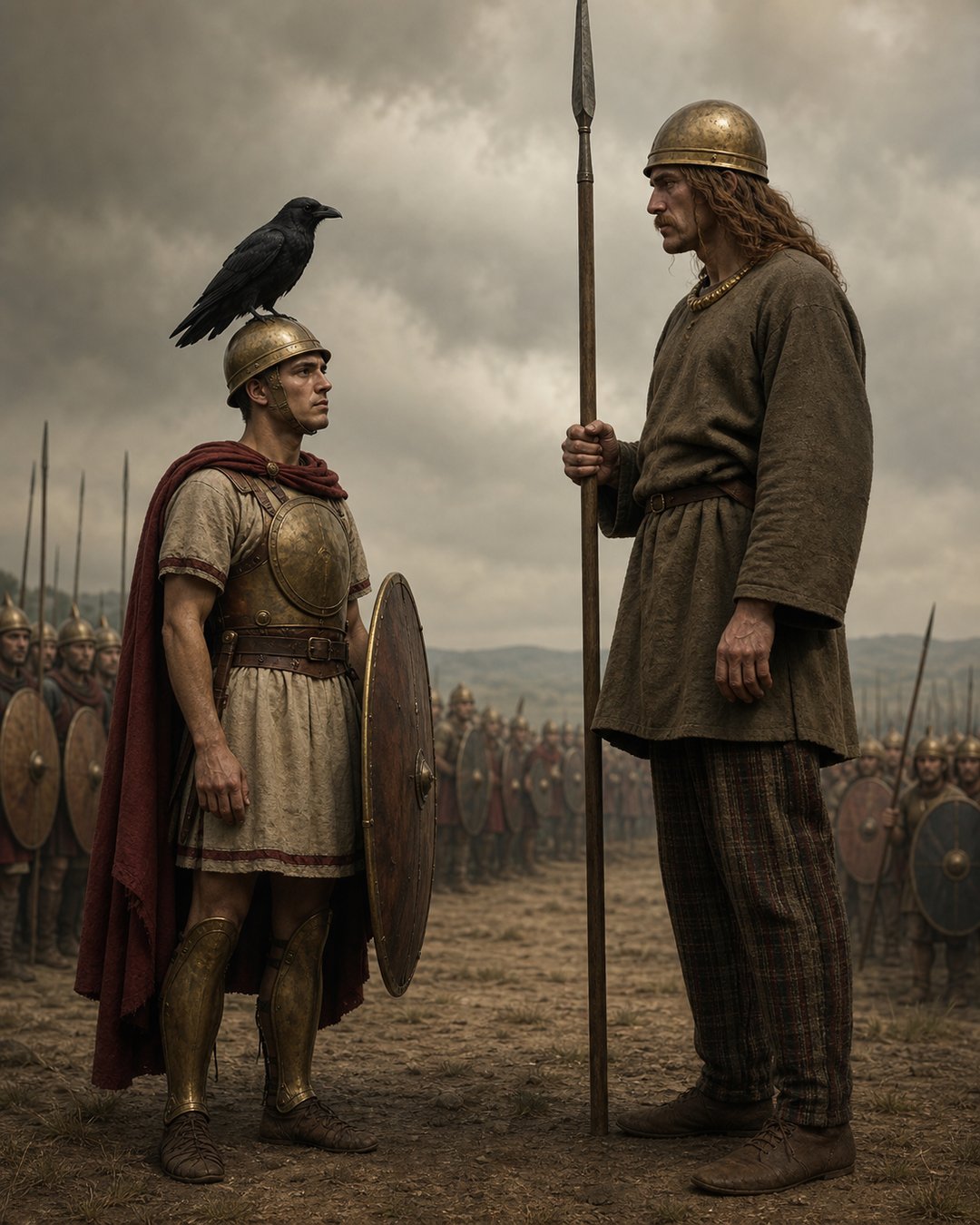
A giant Gallic warrior stepped out before two armies with gold flashing on his armor. He flourished a spear, looked across the Roman line, and challenged anyone willing to meet him. The consuls were already troubled by the enemy’s strength and numbers. For a moment, Gellius says, Roman soldiers wavered between fear and shame. Then … Read more

A Young Judge Swore the Evidence Was Not Clear

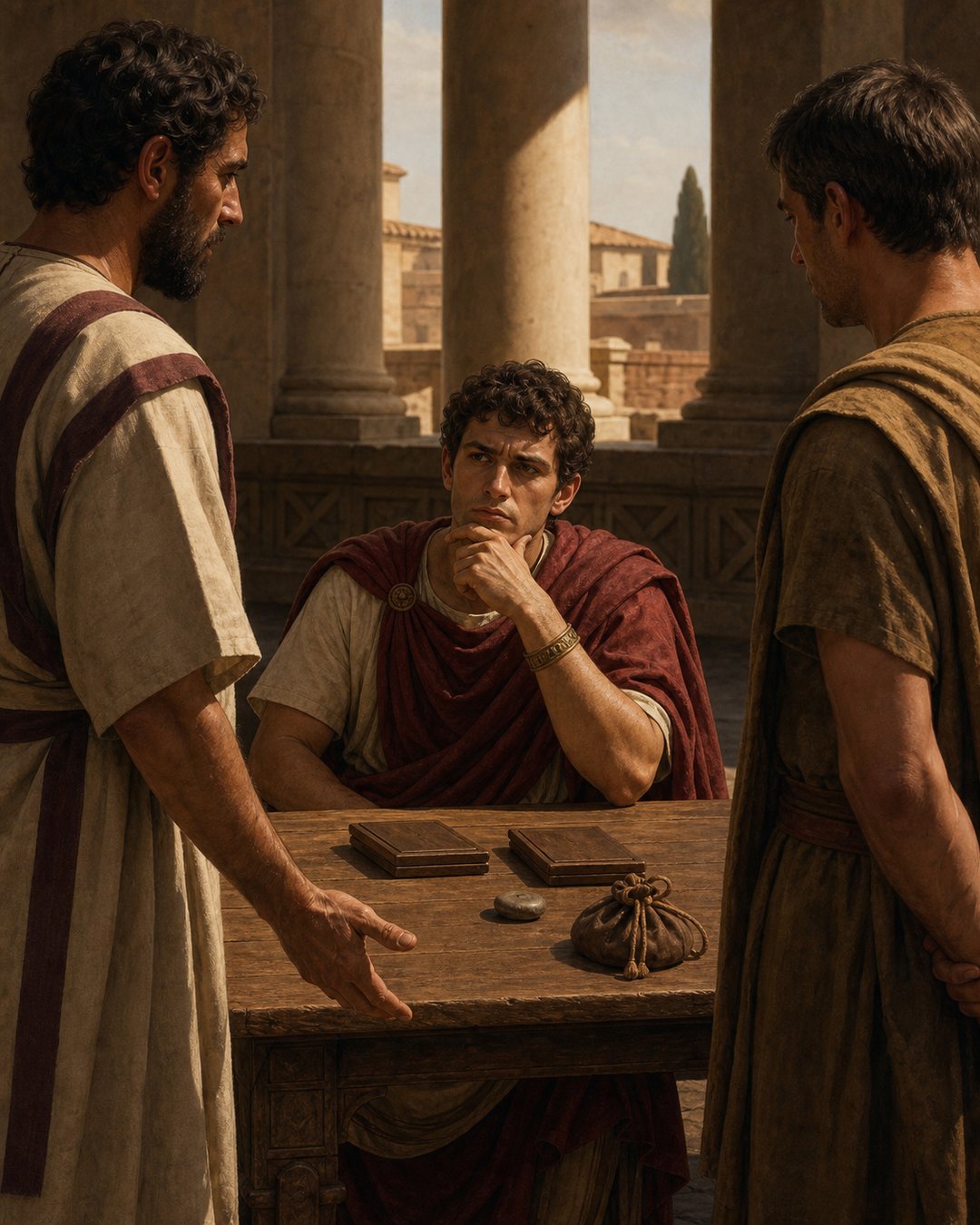
A money claim came before Aulus Gellius with almost everything a cautious judge might distrust. The claimant produced no receipt, no account entry, no signature, no sealed deed, and no witness. Yet Gellius believed him to be a man of tested honesty. The defendant, surrounded by advocates, had a reputation for lies and fraud. The … Read more

Three Seal Rings Carried Augustus from Sphinx to Portrait

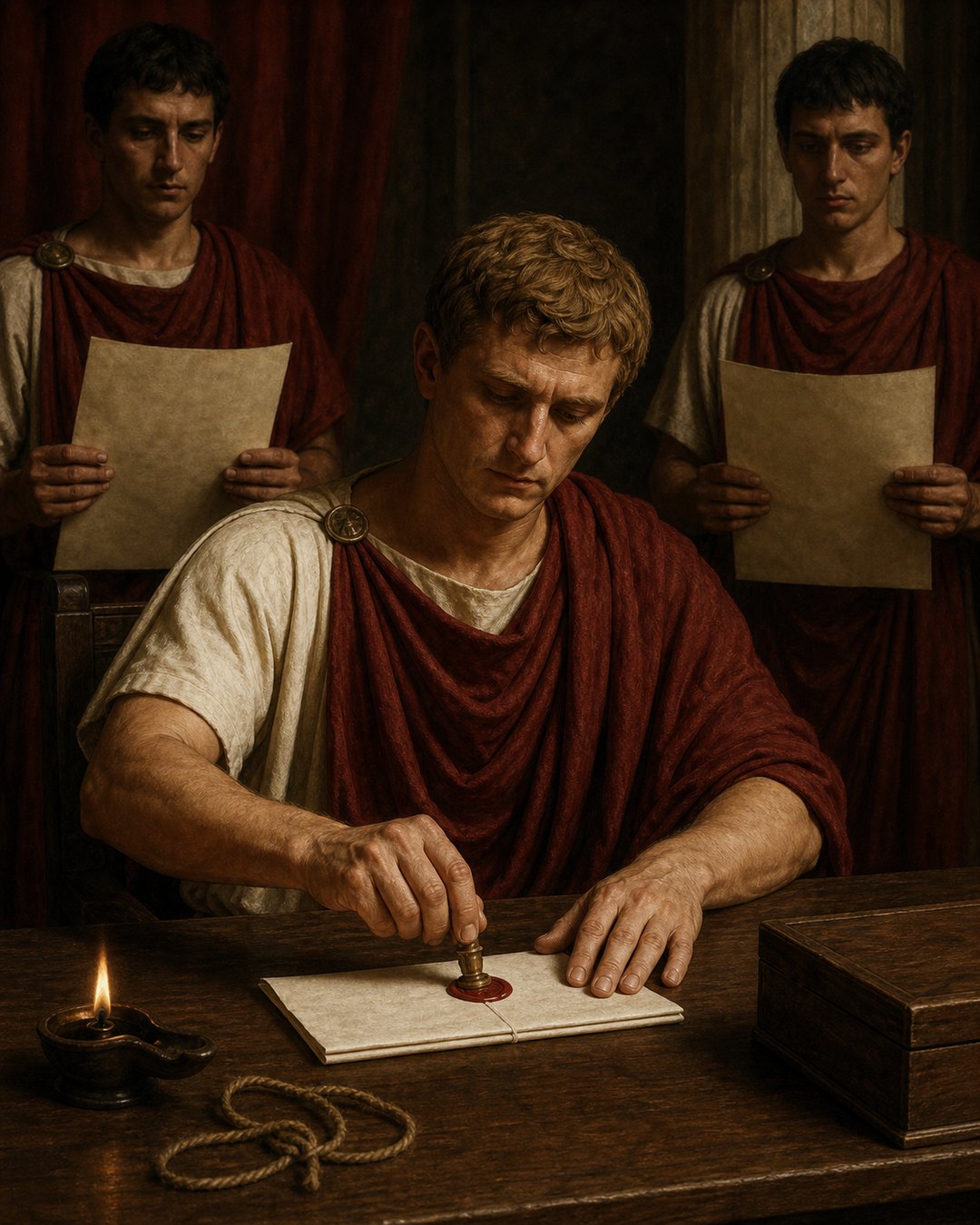
An obscure letter from Augustus could provoke a joke before it provoked obedience. The emperor’s first seal showed a sphinx. When recipients struggled with his meaning, Suetonius says, they remarked that the sphinx had brought riddles. The joke reveals what a signet could and could not do. Its impression could identify the sender and protect … Read more

Sicilian Barbers Brought Razors to Republican Rome

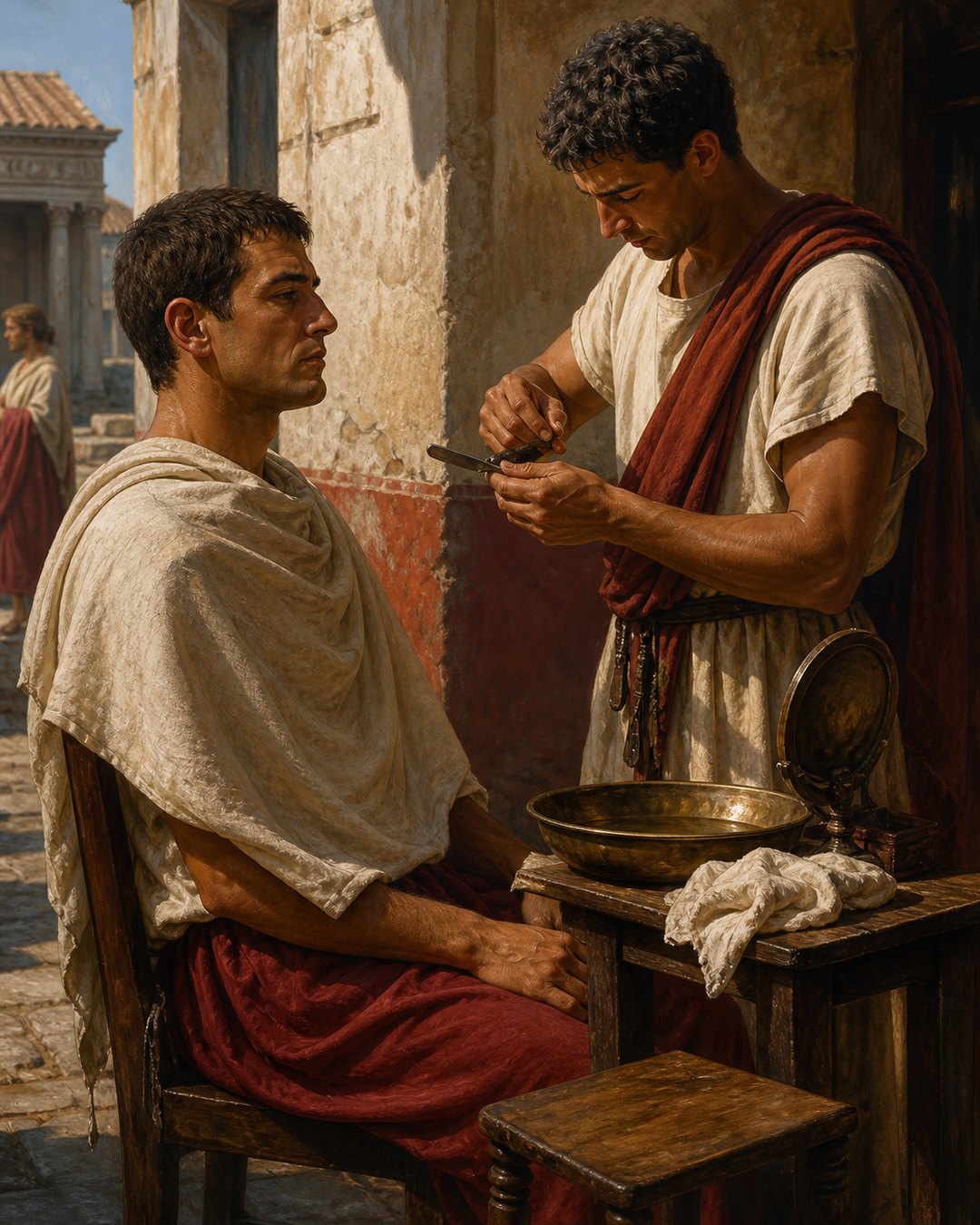
Pliny did not imagine the clean-shaven Roman face as something the city had always possessed. He gave it a transfer route, a date, and a name. Barbers, he says, came from Sicily in Rome’s 454th year. Publius Ticinius Mena brought them. Only later did Scipio Aemilianus turn shaving into a daily practice. That sequence matters … Read more

Cicero Found Archimedes Beneath the Briars

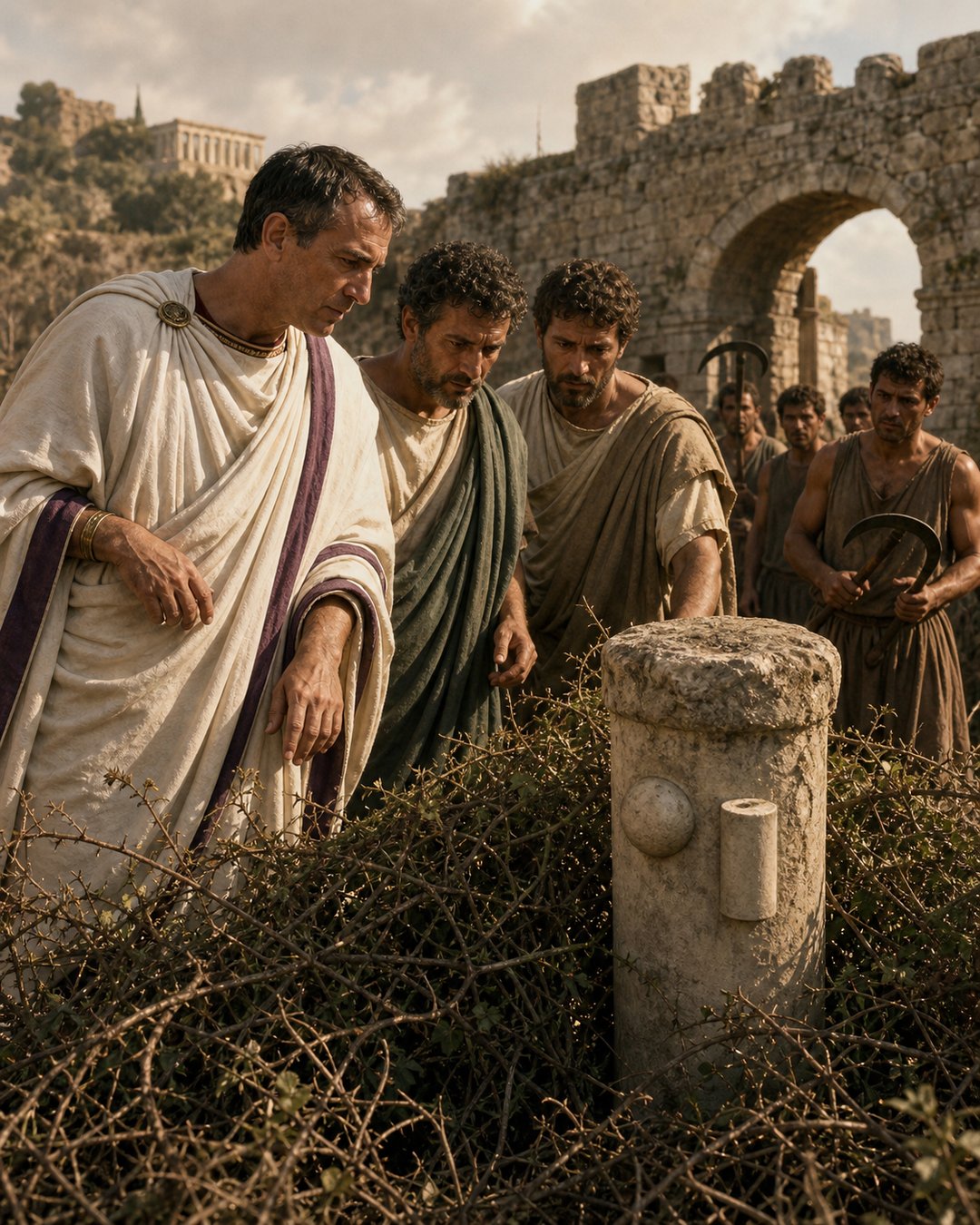
Syracuse’s leading men told Cicero there was no tomb to find. Archimedes had been the city’s greatest mathematician, yet the monument had dropped out of local memory. Cicero did not arrive with a map or an official register. He carried a few remembered verses and one visual clue: a sphere with a cylinder. During his … Read more