One Hundred Thirty Comedies Claimed Plautus’s Name
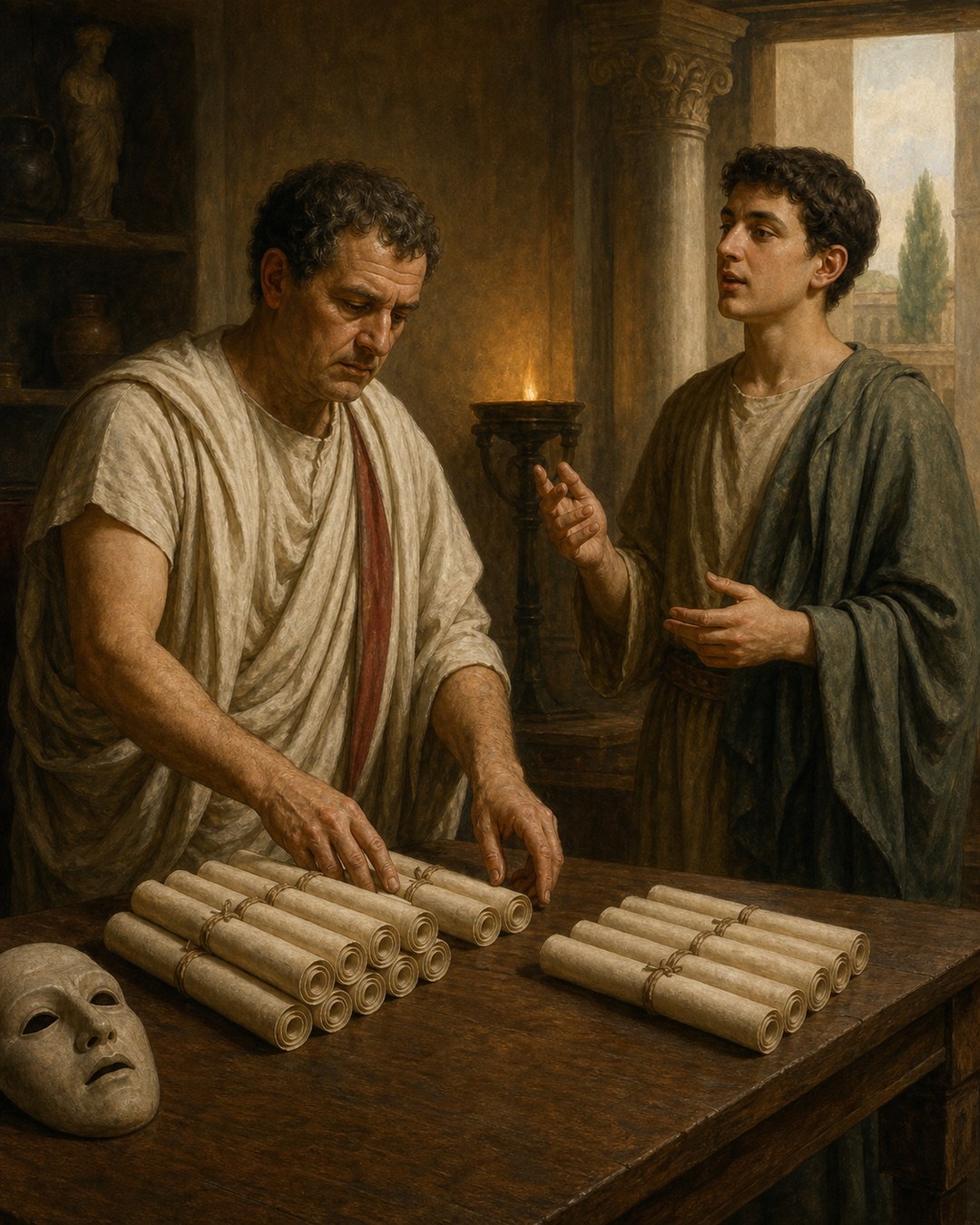
Around one hundred thirty comedies circulated under the name of Plautus. That number did not impress every Roman reader. Lucius Aelius accepted only twenty-five. Varro placed twenty-one in a group whose authorship was not disputed, then admitted further plays when their language persuaded him. The famous name written on a roll was evidence, but it … Read more
Scipio Turned His Trial Day into Zama’s Anniversary

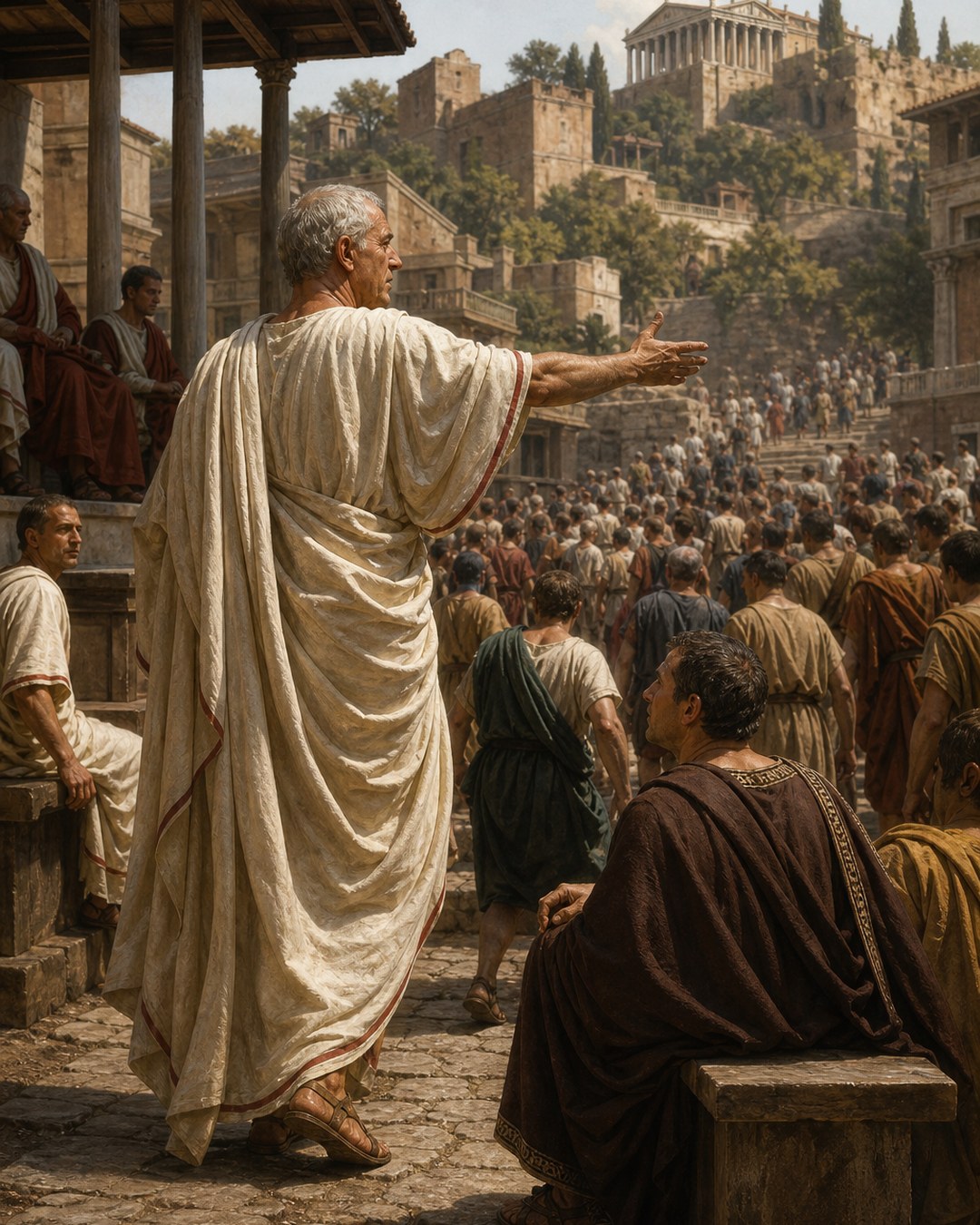
At dawn, the tribunes took their places on the Rostra. Scipio Africanus arrived through the Forum with friends, clients, and a crowd drawn from every social rank. He was not entering Rome in a triumphal chariot. He was appearing as a defendant, summoned to answer accusations involving money, influence, and his conduct around the war … Read more

Temple Columns Rolled from the Ephesus Quarry on Their Own Shafts

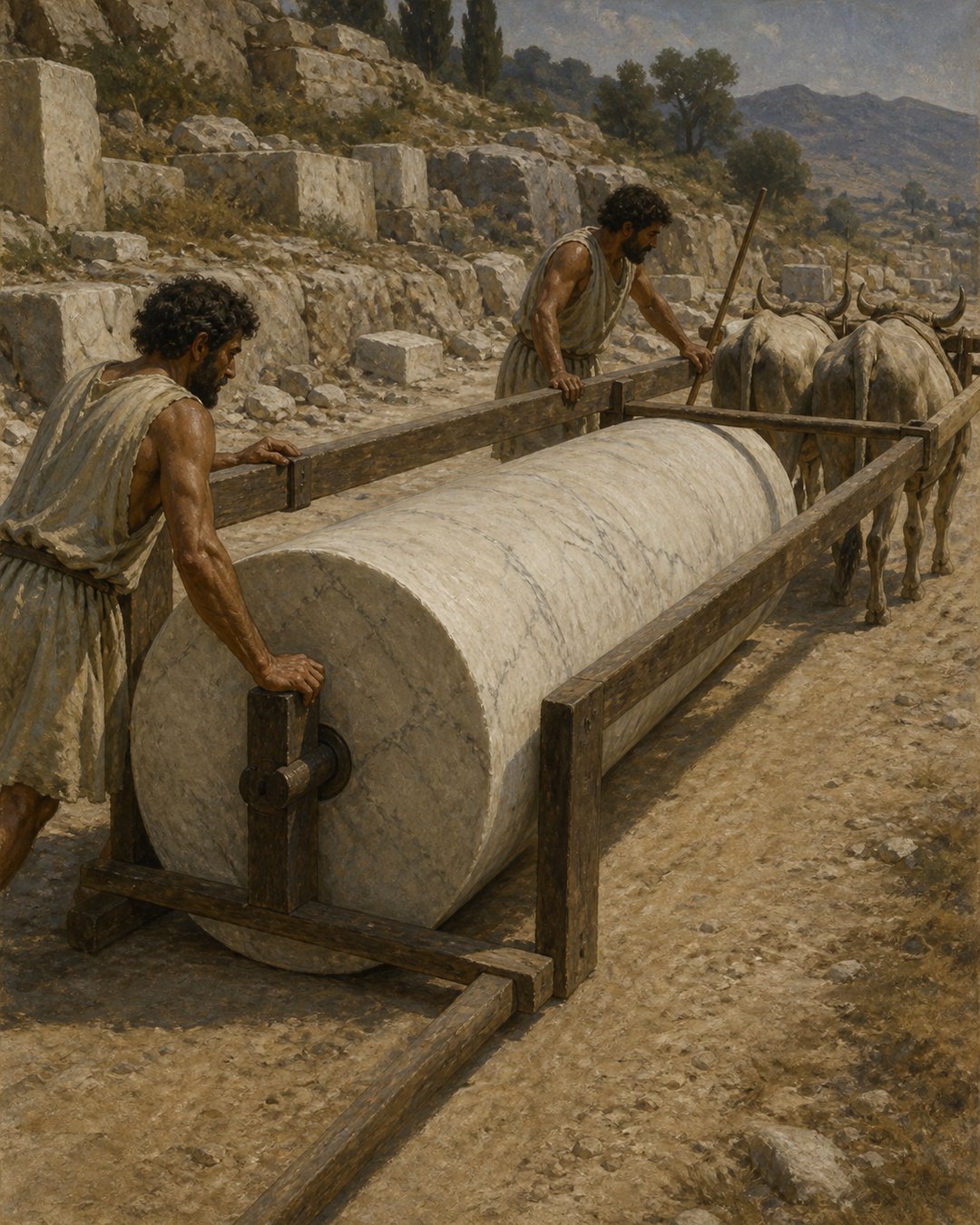
The marble columns of the temple of Diana at Ephesus presented a transport problem before they became an architectural one. Vitruvius says Chersiphron feared that an ordinary carriage, burdened with one of the immense shafts, would drive its wheels into the soft road between quarry and building site. Adding a stronger wagon did not remove … Read more

Alexander Rejected a City Carved into Mount Athos

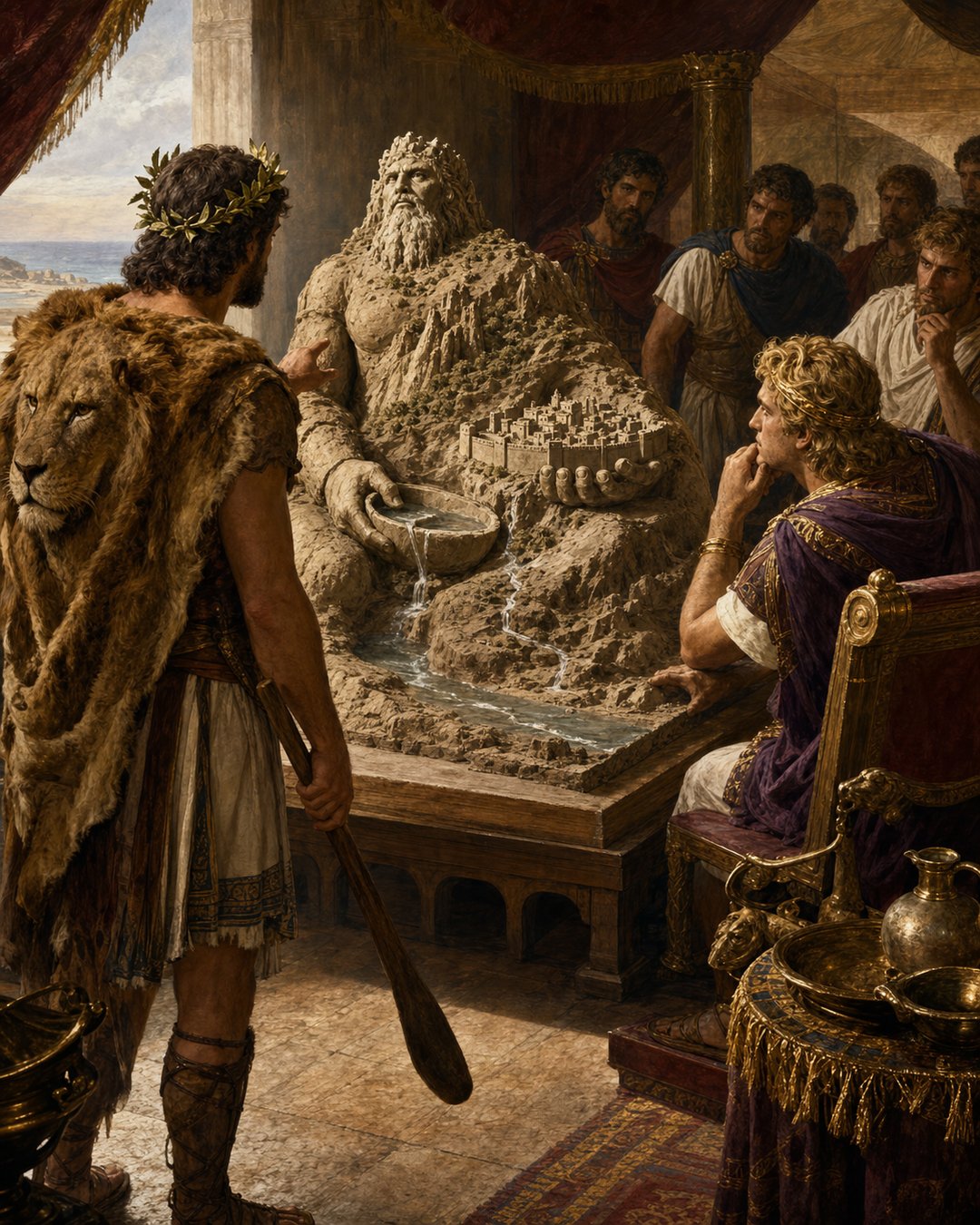
Dinocrates did not wait quietly for a royal appointment. According to Vitruvius, the Macedonian architect reached Alexander’s army with letters to powerful men, watched those introductions stall, and decided to turn his own body into the invitation. He stripped off his ordinary clothing, covered himself with oil, placed a poplar wreath on his head, slung … Read more

Cicero Trained a Harsh Voice for the Forum

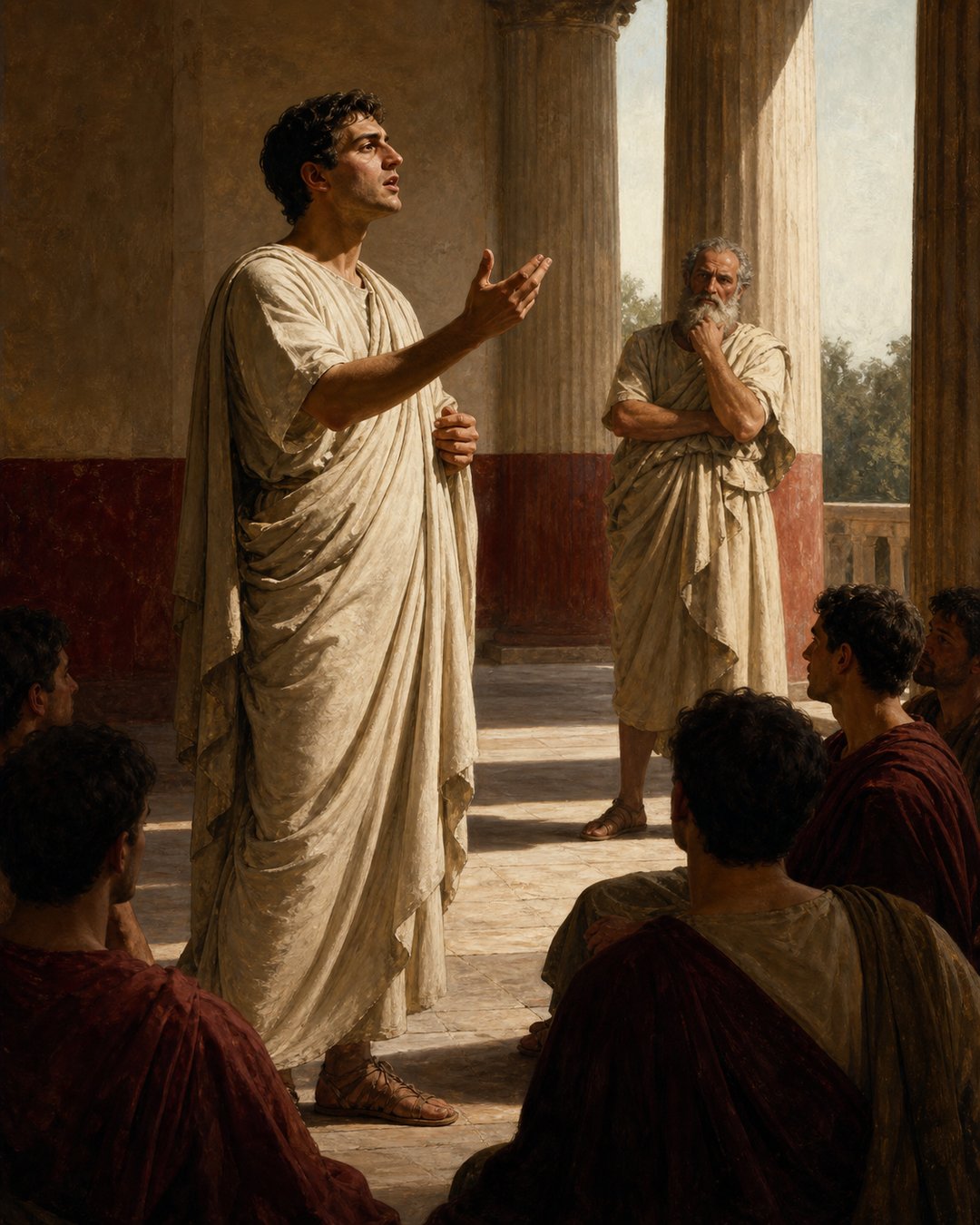
Cicero’s young voice was powerful enough to make listeners worry about the body producing it. Plutarch describes him as spare and lean, troubled by a weak stomach and able to take only a little light food late in the day. His voice was full and strong, yet harsh and unmodulated. Passion drove it upward into … Read more

Scipio Built and Demolished a Camp Every Day

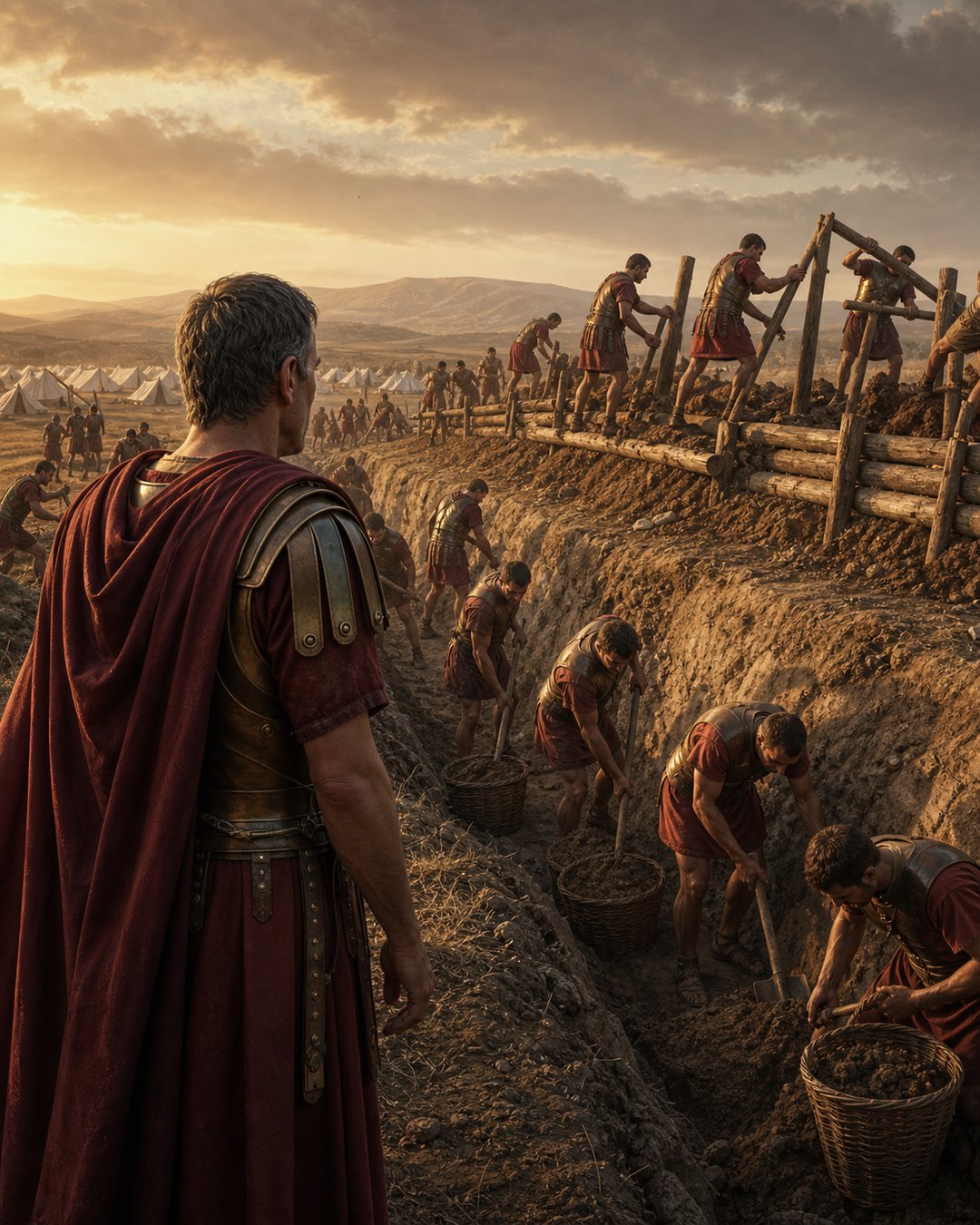
Scipio Aemilianus arrived in Spain to command an army he did not yet trust. Rome had elected him consul for a second time in 134 BCE because the war around Numantia had dragged on through defeats, reversals, and damaged morale. Appian says Scipio understood the order of his problem: he could not overcome the enemy … Read more

Roman Gates Began Where a Founder Lifted the Plough

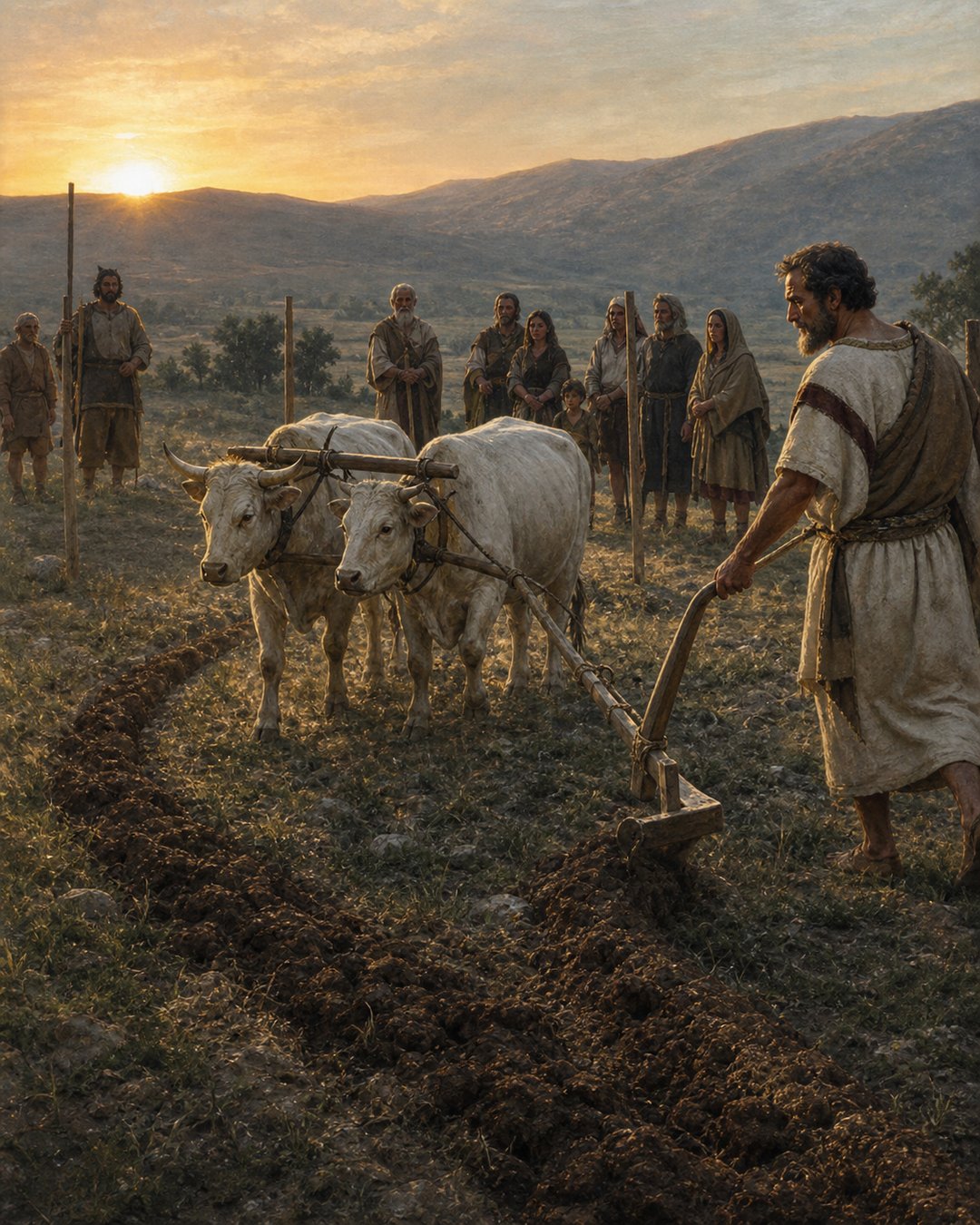
A Roman town boundary began with an agricultural tool. Varro says communities in Latium followed an Etruscan rite in which a bull and a cow drew a plough around the intended settlement. The founder turned the cut earth inward. The trench and its bank established the beginning of ditch, wall, and protected urban ground. The … Read more

Brick Walls Lost One Eightieth of Their Value Each Year

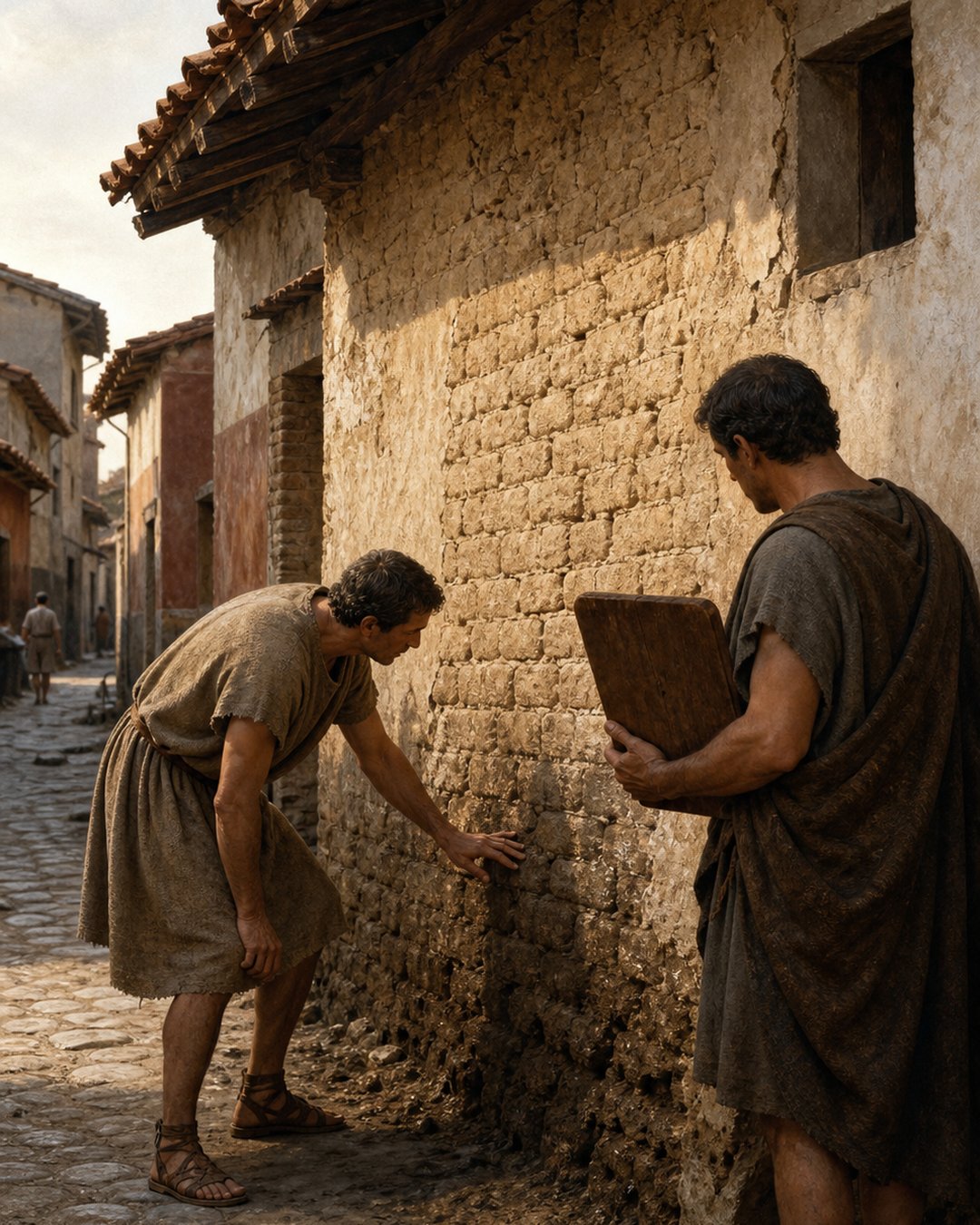
A Roman house wall could lose value even while it remained standing. Vitruvius describes assessors who examined shared walls when property was valued. For brickwork, they did not simply ask what construction had cost. They deducted one eightieth of that cost for each year the wall had existed. Once it was more than eighty years … Read more

Two-Hundred-Year Wine Became Honey in the Cellar

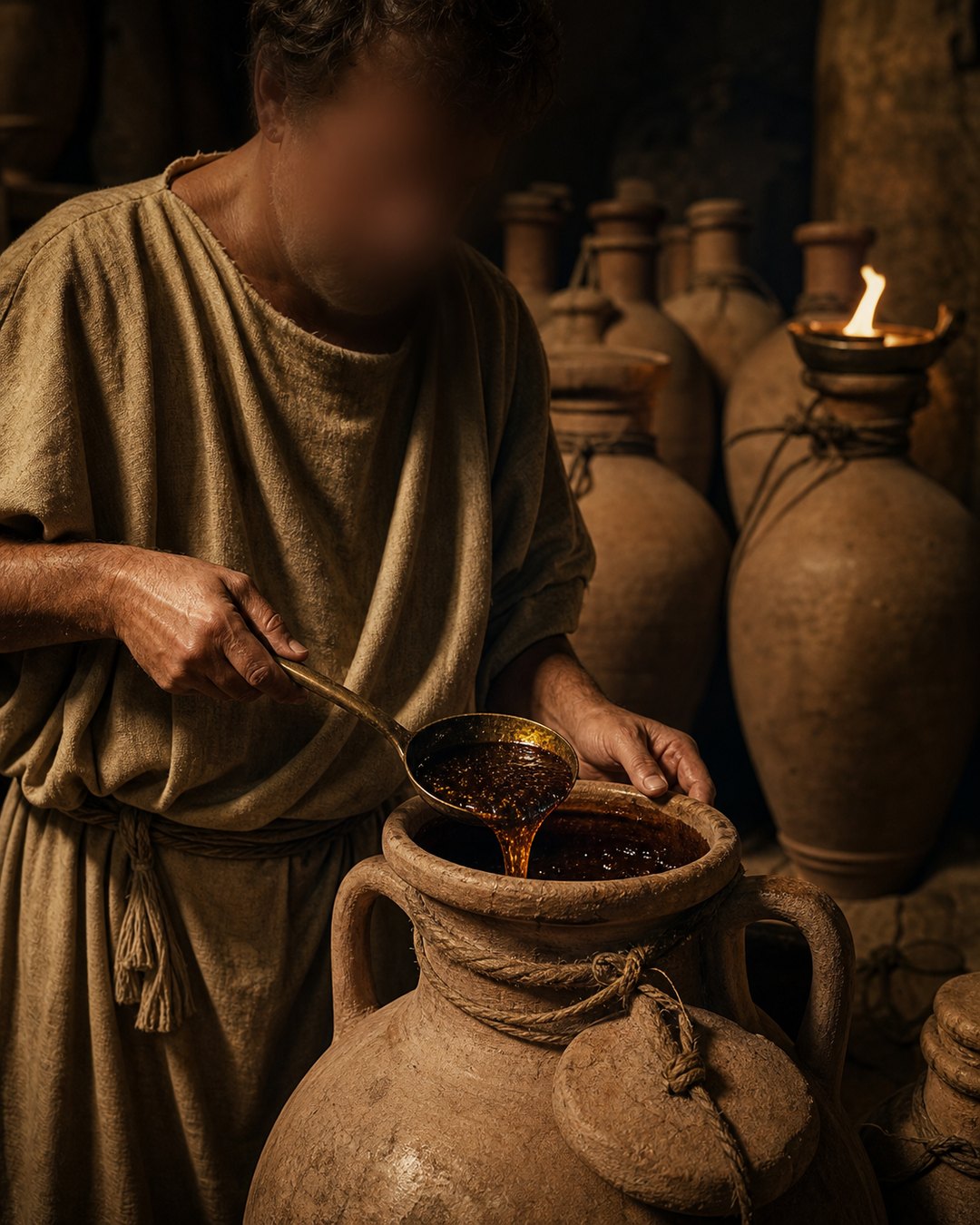
Pliny the Elder knew of wine that had outlived dynasties. It came from the consulship of Lucius Opimius, the year in which Gaius Gracchus was killed: Rome’s year 633, or 121 BCE. Nearly two centuries later, some of that vintage still survived. It did not survive as a perfectly improved version of the young drink. … Read more

Children Drove Their Traitor Back to Falerii

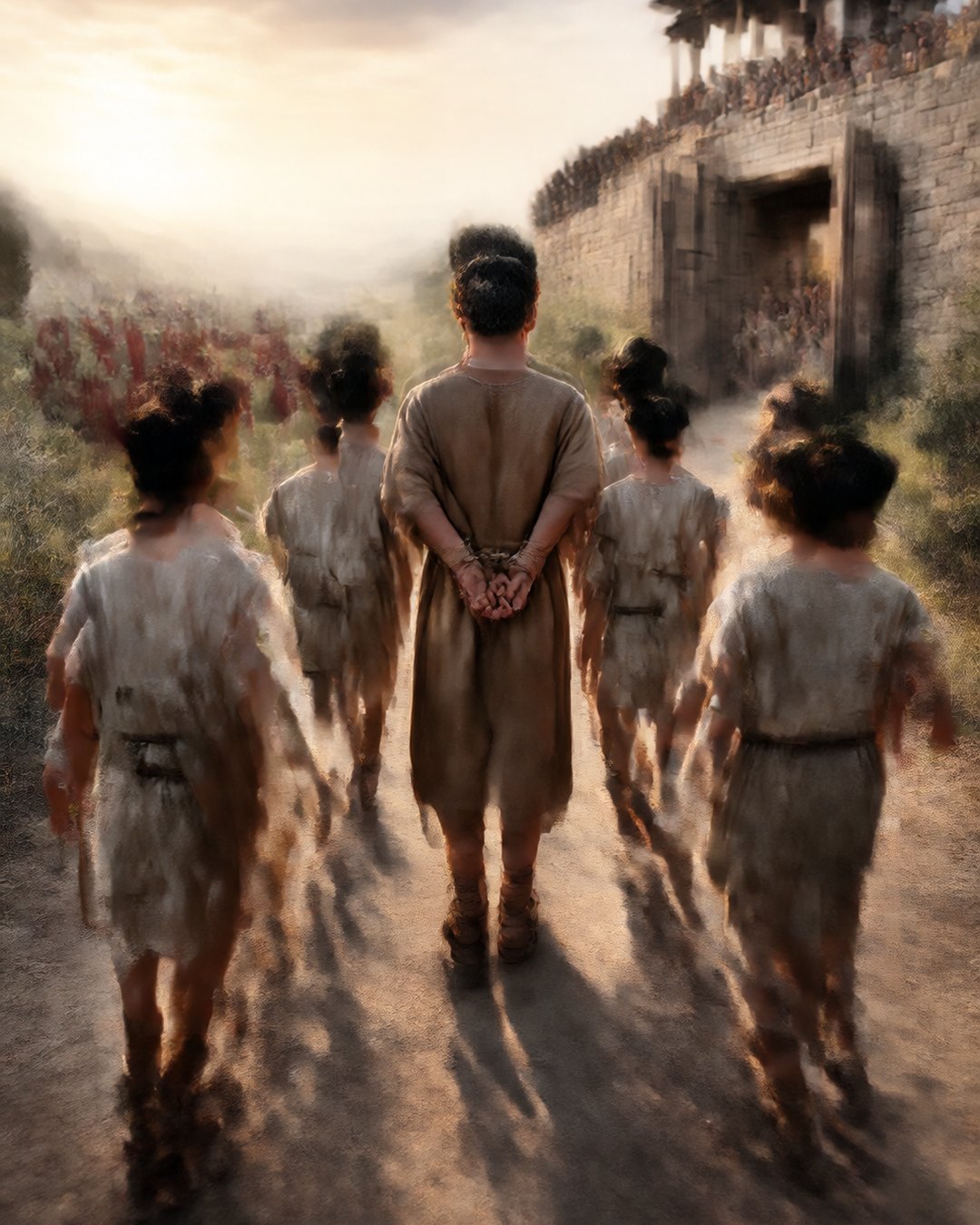
The betrayal began as a school routine. Livy says a tutor at Falerii regularly took the sons of leading families beyond the city for play and exercise. He had done it in peace, so the gate opened for him during war. Short walks became longer ones. Conversation and games carried the boys farther than usual … Read more