Bread Became a Trade After Five Hundred Eighty Years
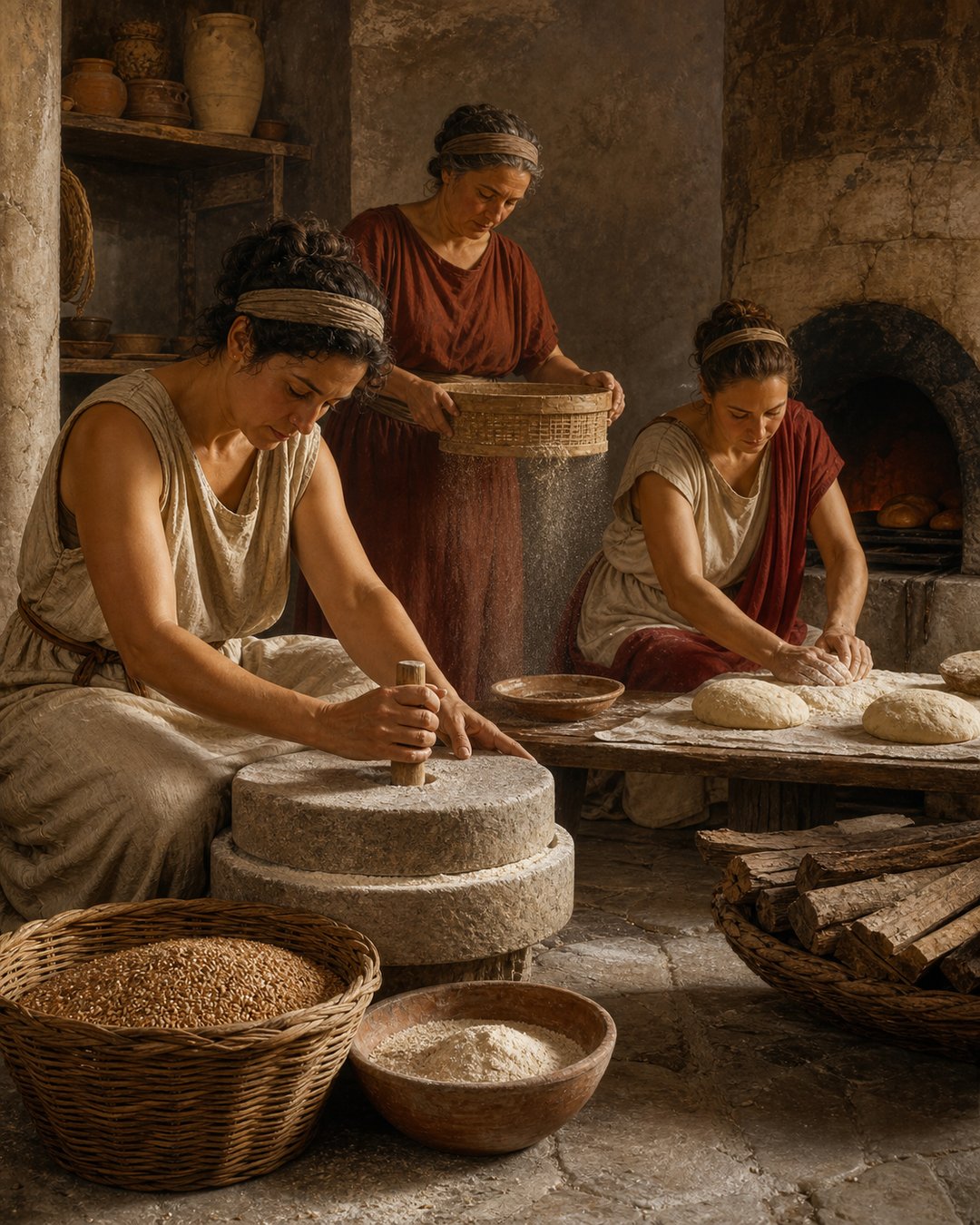
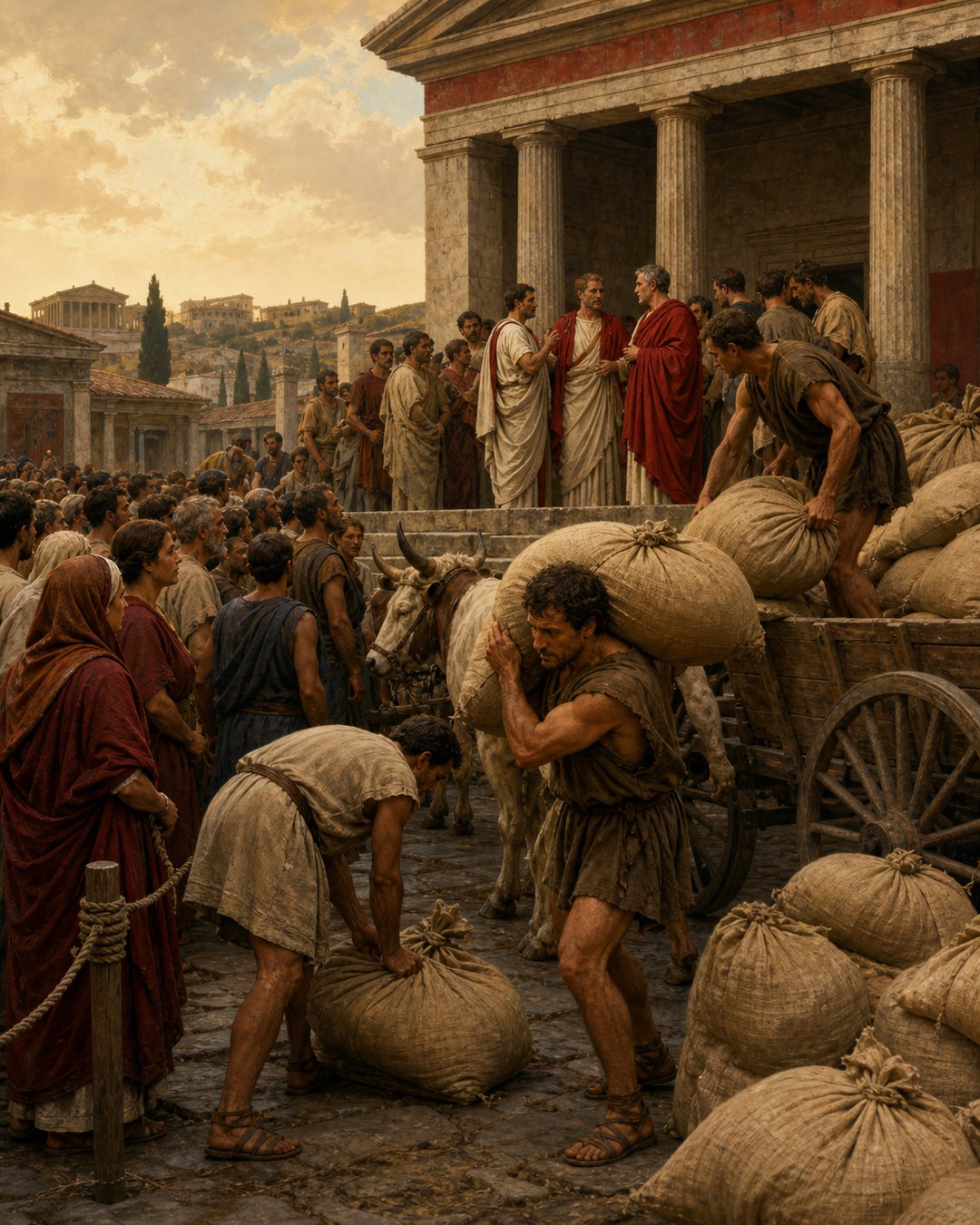
Rome did not discover bread when it discovered the baker. Pliny the Elder draws a distinction that is easy to miss: the food was ancient, but the specialist trade was not. He says there were no bakers at Rome until the war with King Perseus, more than five hundred and eighty years after the city’s … Read more
Six Hundred Miles of Amber Ended in Nero’s Arena

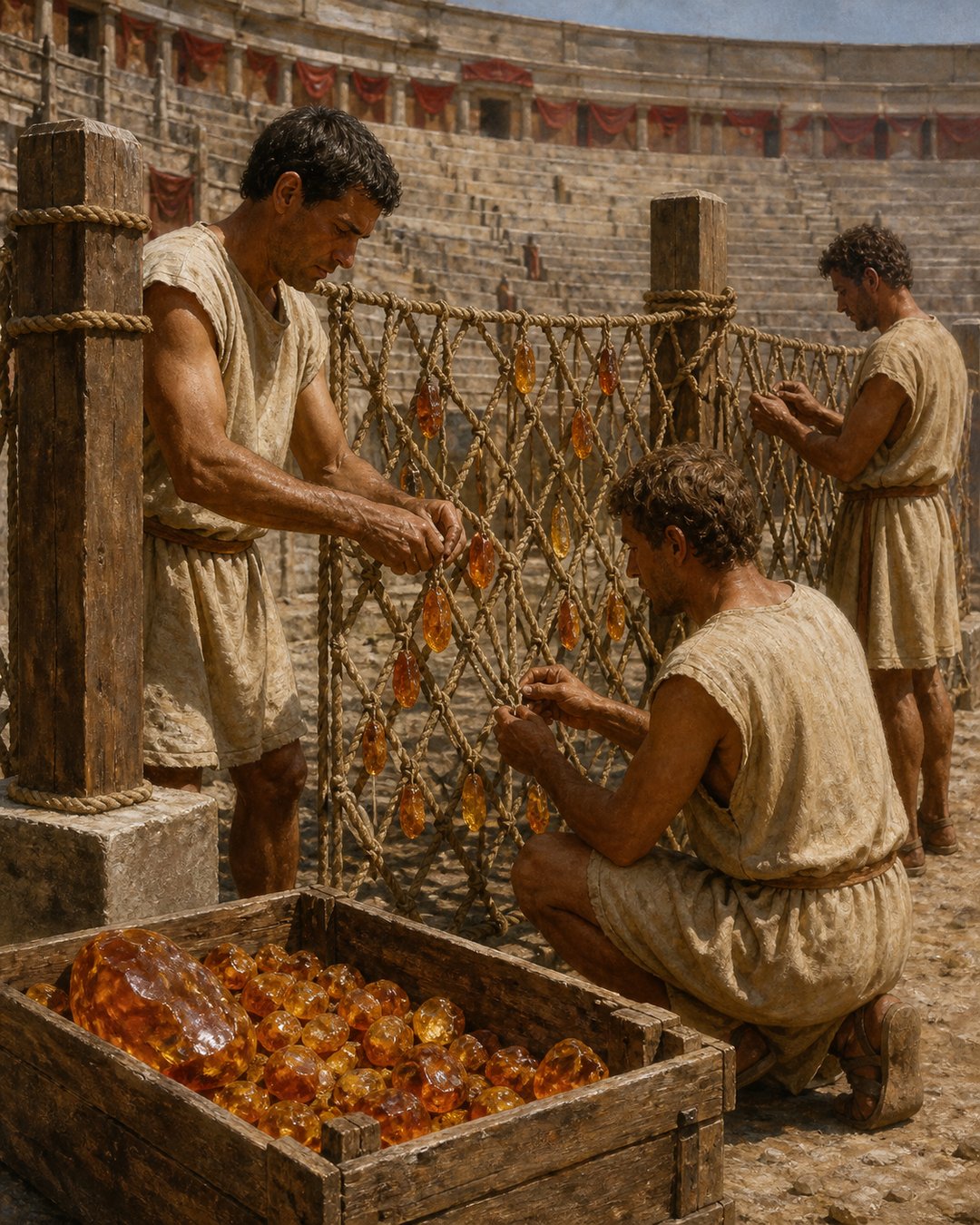
The scene Pliny records begins far from the arena. A Roman of equestrian rank travelled north from the Pannonian frontier, crossed markets along the coast, and returned with enough amber to alter the look of a day at Nero’s gladiatorial games. The distance Pliny gives between Carnuntum and the supplying coast is about six hundred … Read more

Lucullus Opened His Library to Rome’s Greek Visitors

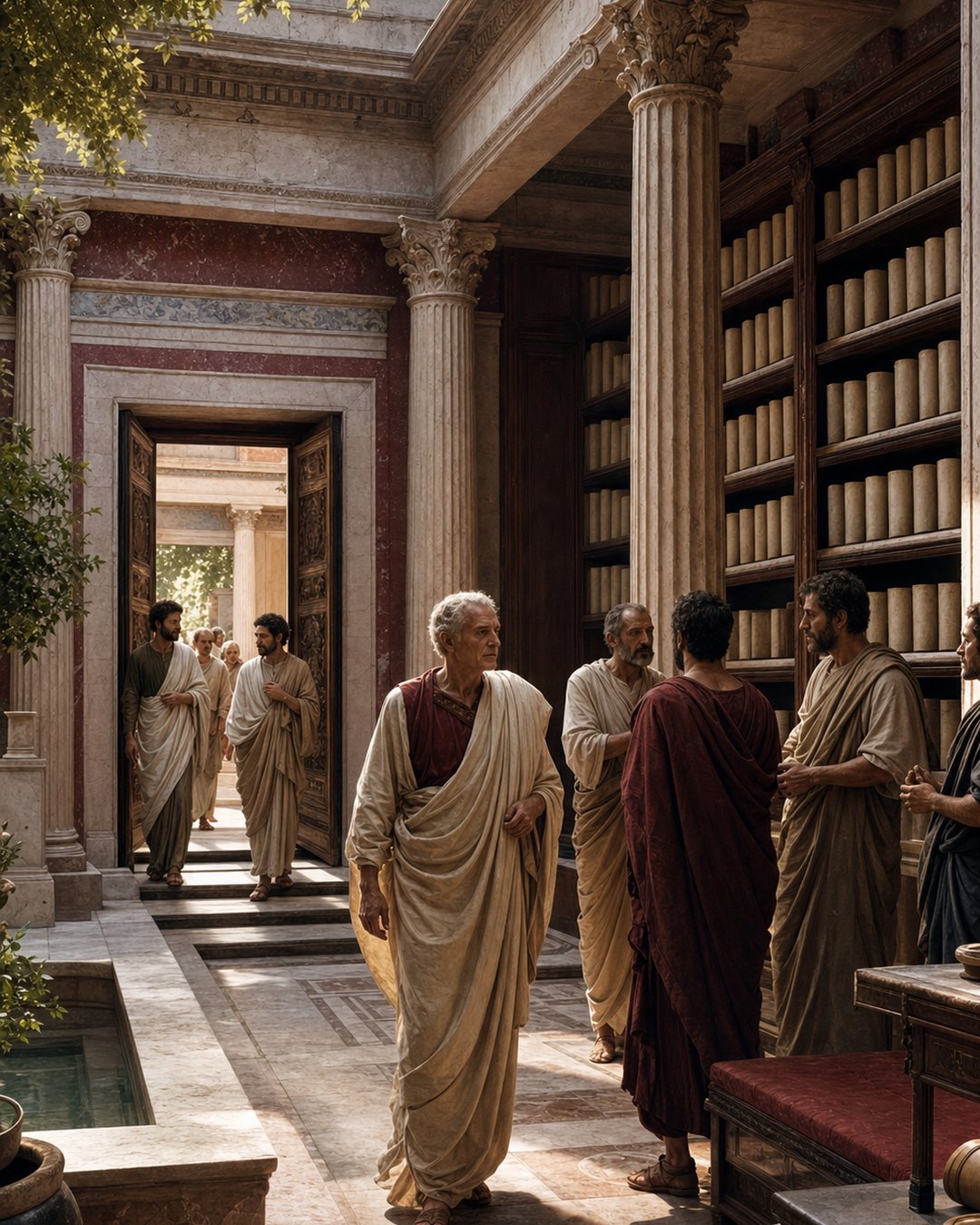
Lucullus could have kept his books as another form of captured wealth. Plutarch says he collected many fine volumes, but the biographer praises their use more than their acquisition. The libraries were open. Greek visitors in Rome could enter the surrounding cloisters and study rooms without restriction, spend the day together, and encounter the owner … Read more

Priests Made Marcellus Build a Second Temple

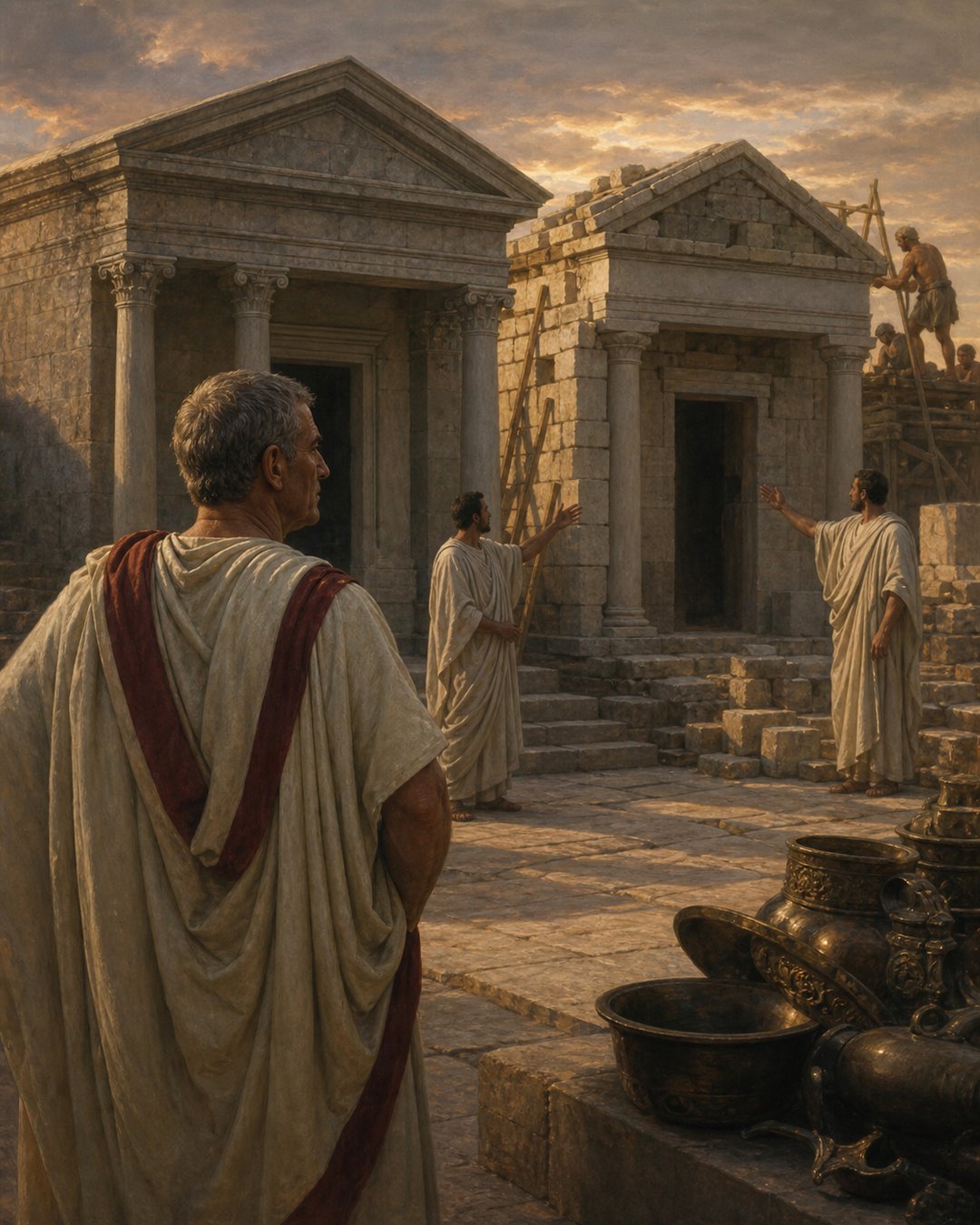
Marcellus had the money, the victory spoils and the office. He still did not control the dedication. In Plutarch’s account, the Roman commander wanted one temple built from his Sicilian spoils to honour two divine recipients: Honour and Virtue. The priests refused. They would not agree that two deities should occupy one temple. The solution … Read more

Cato Wrote Rome in Large Letters for One Reader

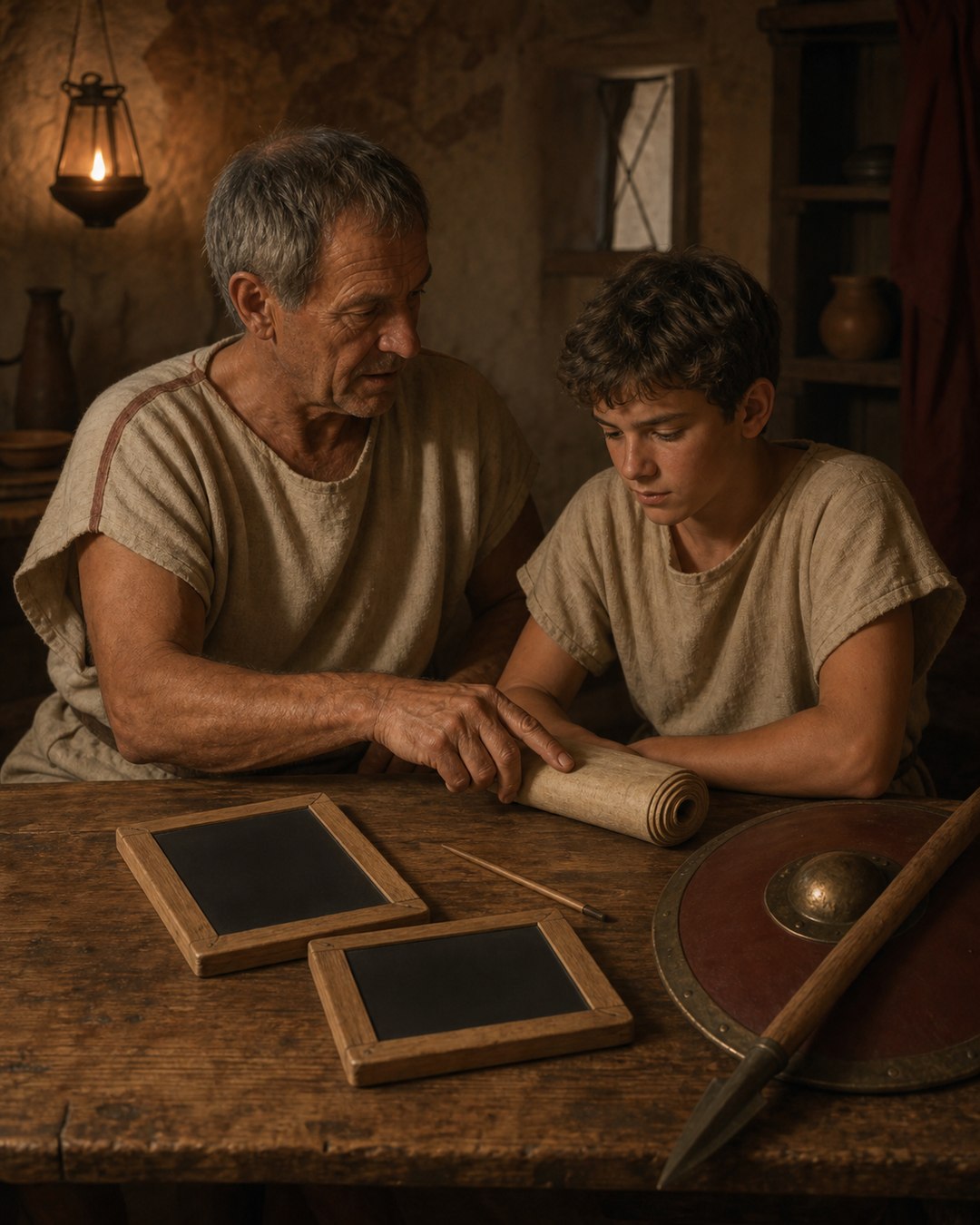
Cato the Elder had an accomplished schoolteacher in his household. He still chose to teach his son himself. The decision required more than hearing a reading lesson. Cato became instructor in letters, law and athletics. He taught riding, boxing, weapons, heat, cold and swimming through the Tiber’s current. Then he copied out a history of … Read more

Eight Trades Broke Rome’s Old Sabine Divide

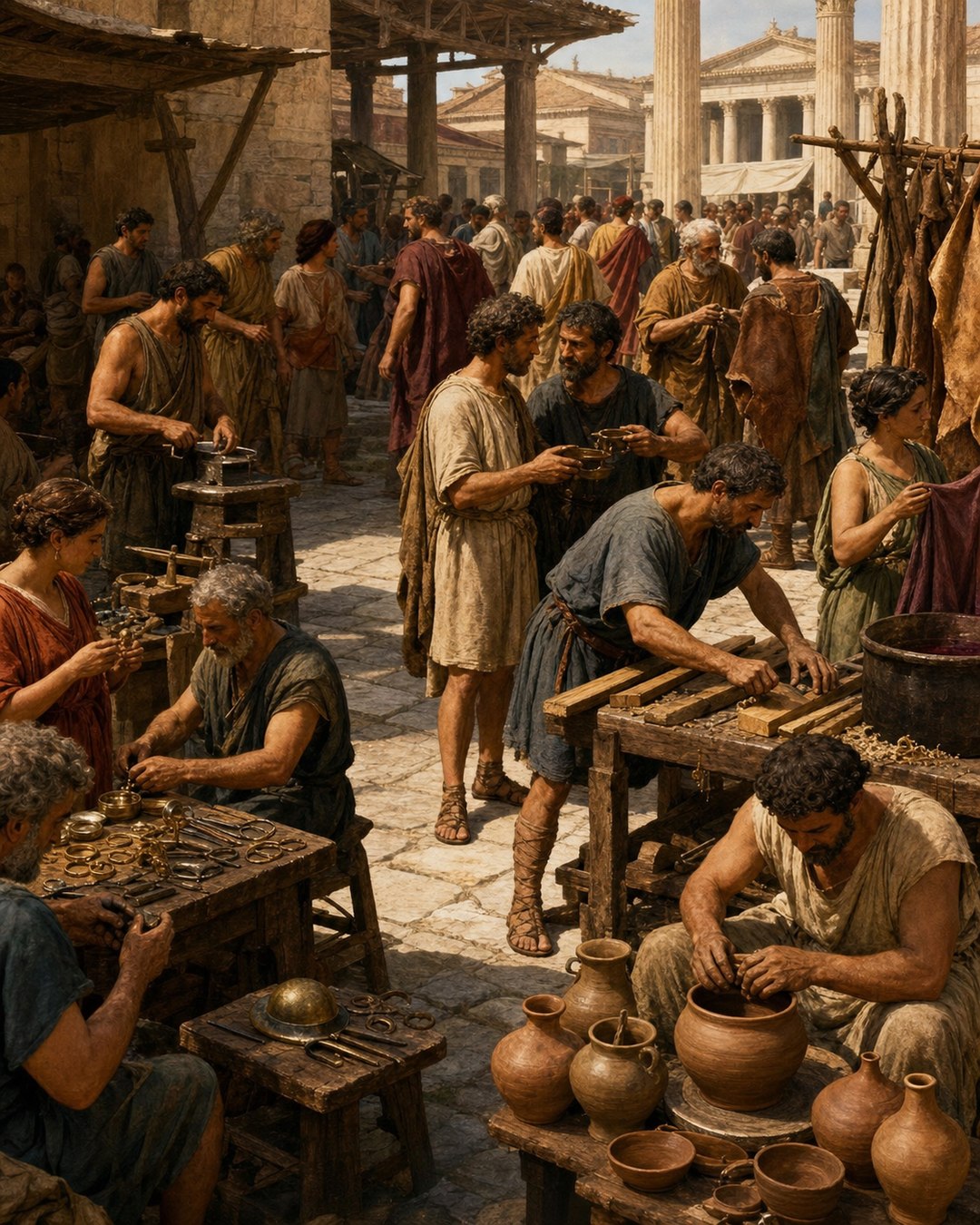
A potter did not stop remembering whether his family belonged to Rome’s original settlers or to the Sabines. Plutarch’s Numa tried something subtler. He gave the potter another group in which to act. Musicians, goldsmiths, carpenters, dyers, leather-workers, curriers, braziers and potters became named bodies. Other occupations entered a ninth collective group. Each body received … Read more

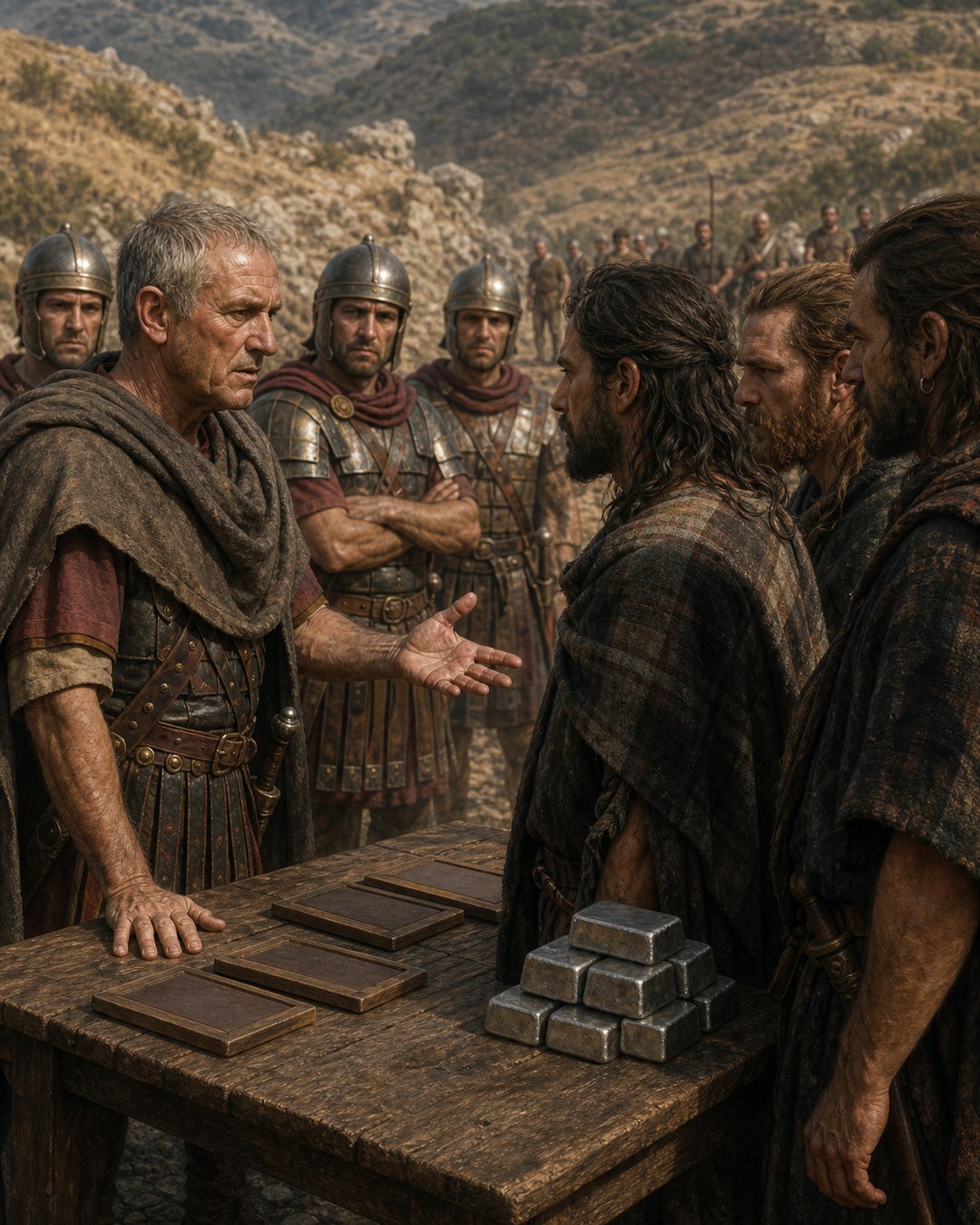
Two Hundred Talents Bought Cato Allies Only If He Won

Two hundred talents stood between Cato and the allies he needed. His officers heard humiliation in the price. Cato heard a bargain whose risk could be postponed until after battle. A large force threatened to drive him from his Spanish province. He asked neighbouring Celtiberians for help. They did not answer with sentimental loyalty to … Read more

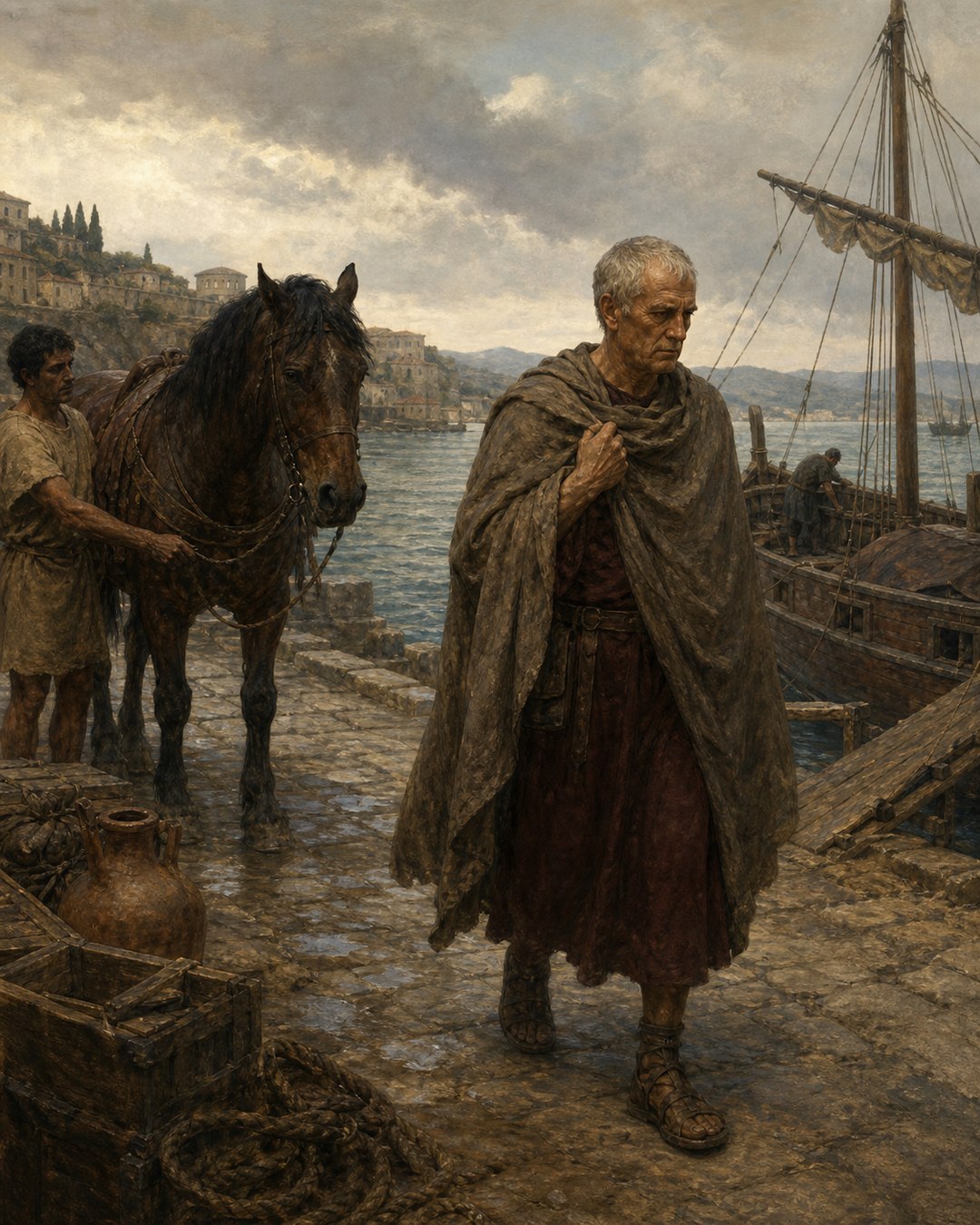
Cato Left His Warhorse in Spain to Save the Fare

The horse had carried a Roman consul through his Spanish campaign. When Cato the Elder sailed home, he left the animal behind. Cato supplied an austere reason. Transporting the horse would cost the city money, and he would not place that burden on the public account. In the language of republican virtue, the decision looked … Read more

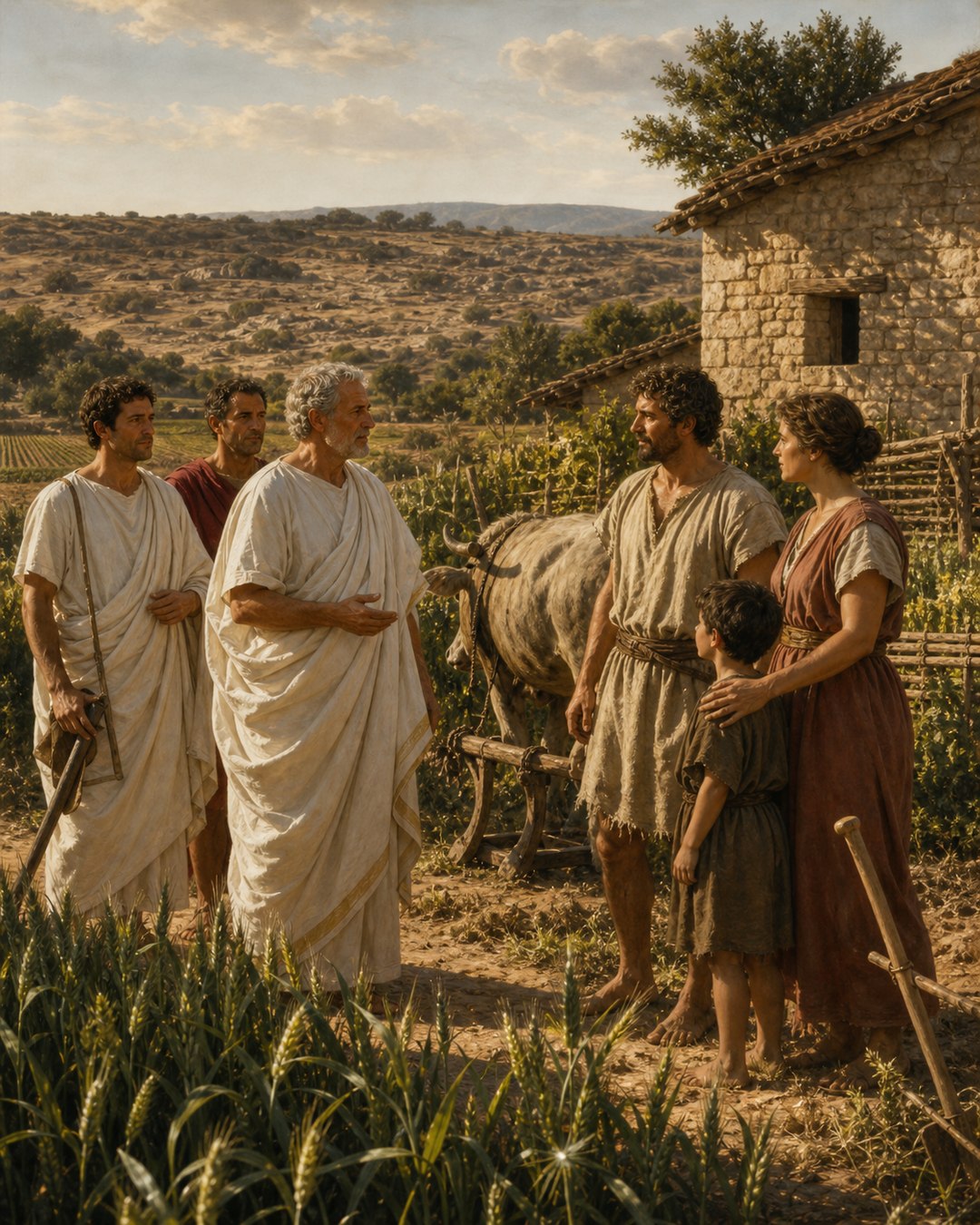
Numa Read a Farmer’s Character from His Fields

A field became a character reference. Plutarch imagines Numa walking beyond Rome, looking at furrows, boundaries and neglected ground, then deciding which citizens deserved trust. The judgement began with a material transfer. Land acquired under Romulus was distributed among people in need. Numa divided the territory into districts, appointed overseers and patrols, and sometimes inspected … Read more