Roman Gardens Made Nature Follow the House
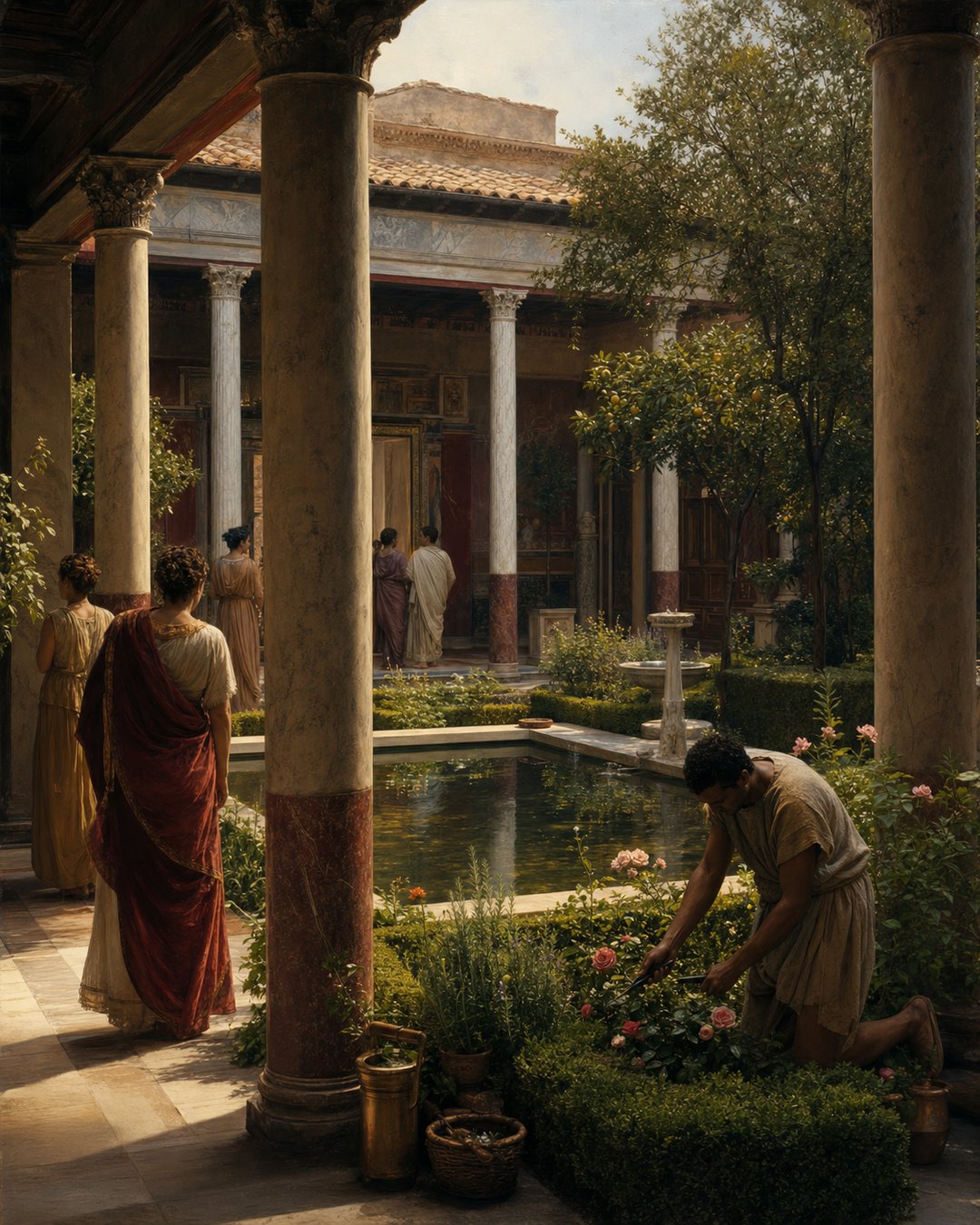
A visitor crossing a Roman atrium could meet an unexpected patch of sky. Beyond another doorway, columns framed wet stone, clipped shrubs, fruit leaves, roses, herbs and a narrow pool. The garden seemed to open the house to nature, yet almost everything visible had been positioned: where the guest stood, where water flashed and where … Read more
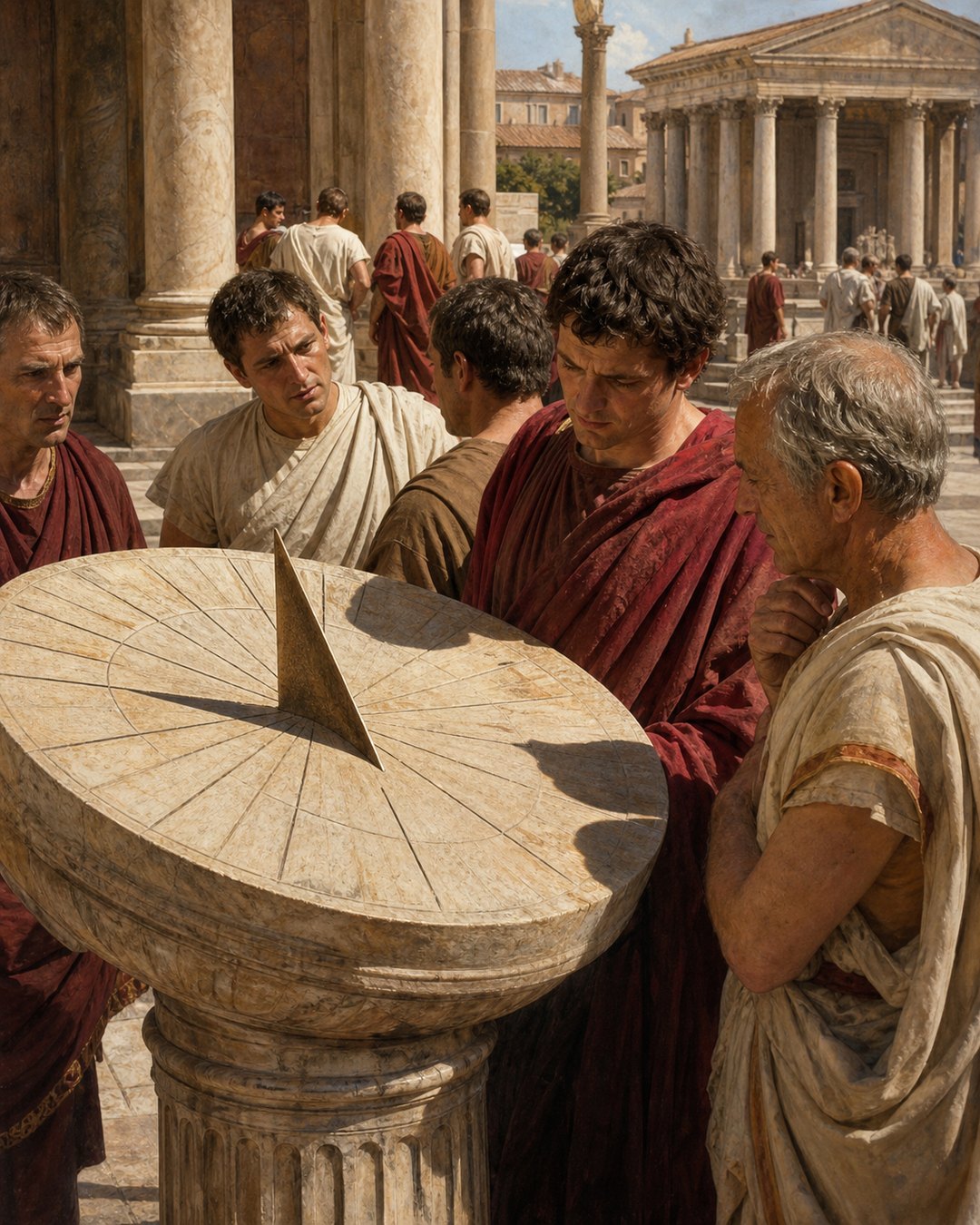
Roman Sundials Made an Hour Change with the Season

A Roman waiting in a forum did not glance at a row of identical digits. He watched a shadow. A bronze point or stone edge cut across lines carved into a dial, and the sun slowly moved that mark while business, meals, hearings, and appointments gathered around it. Time appeared as light touching prepared stone. … Read more

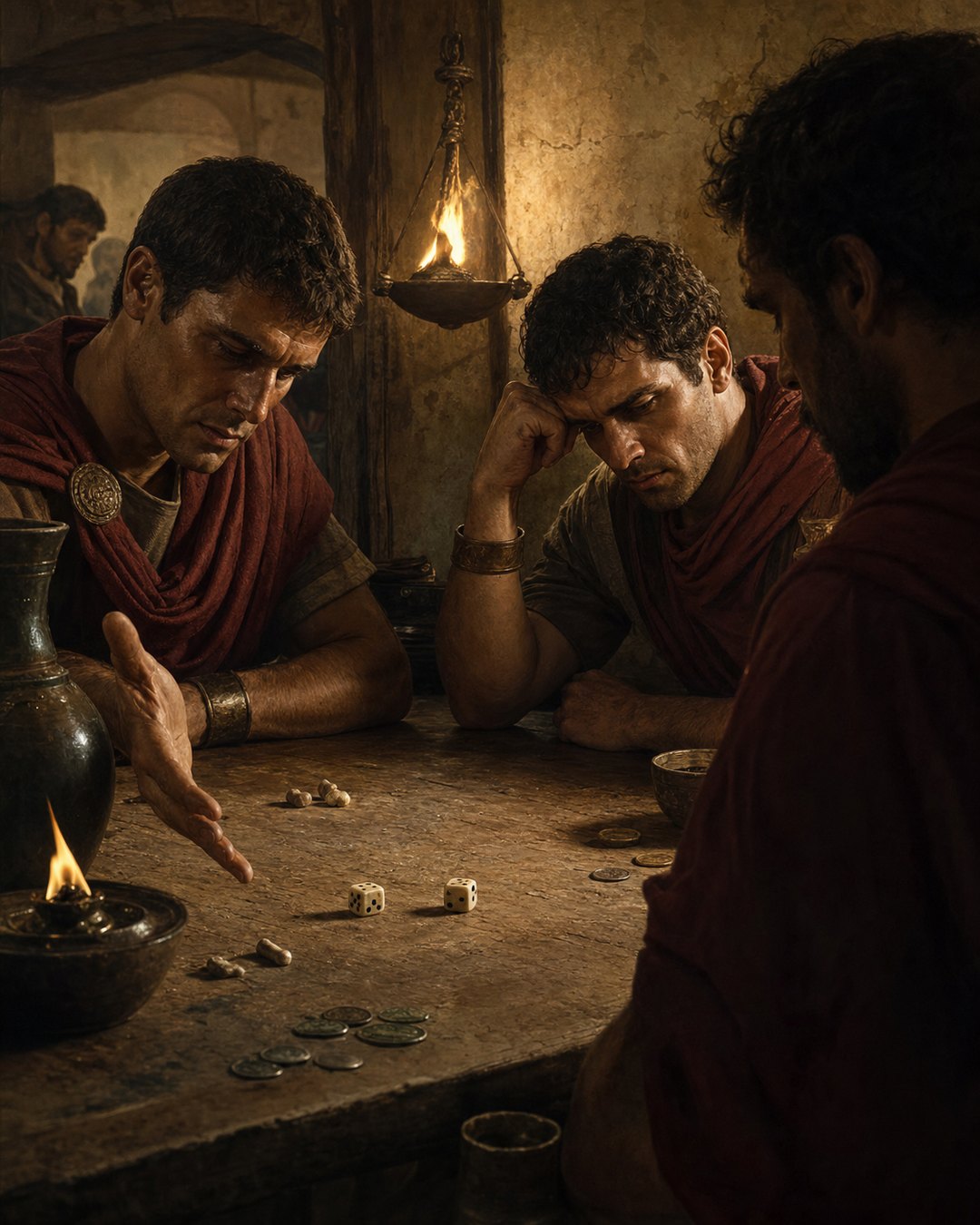
Roman Dice Made Luck Impossible to Hide

A Roman die was small enough to disappear inside a closed fist, but the result of its throw belonged to everyone around the table. Bone struck wood. A cube stopped with one face upward, or four knucklebones settled on their narrow sides. For a heartbeat the players leaned toward the same few objects. Hope became … Read more

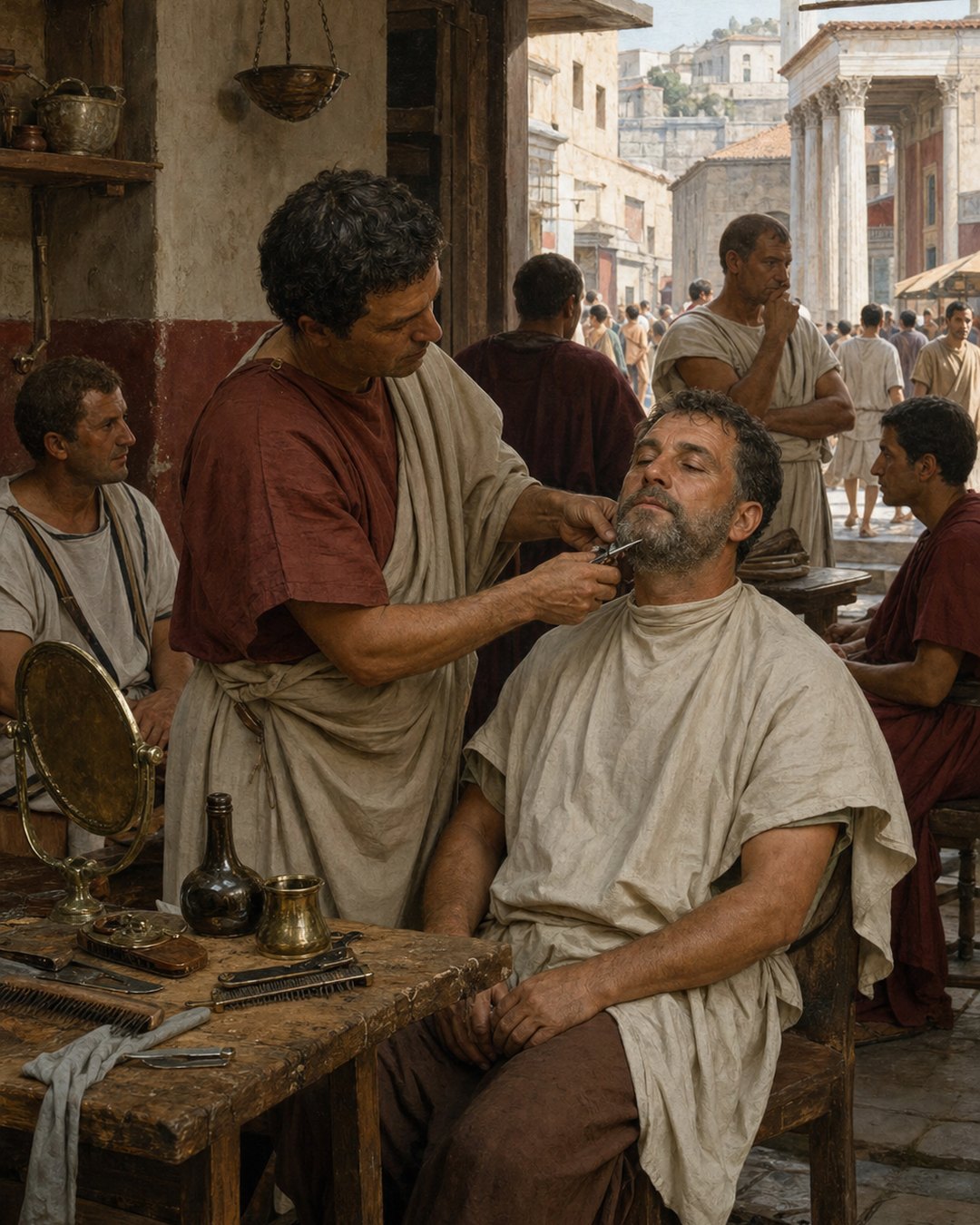
Roman Barbers Turned Grooming into Public Theatre

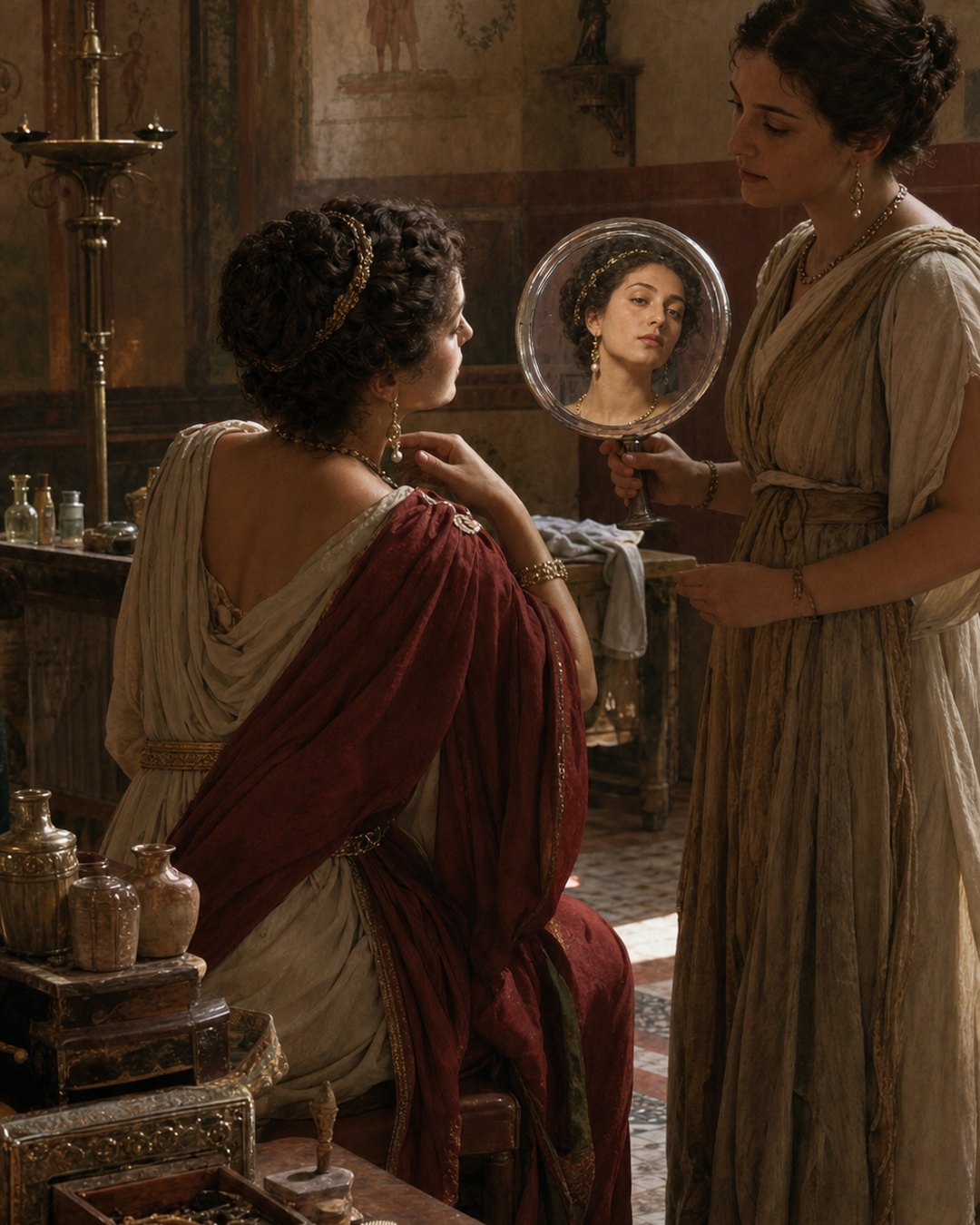
The Roman customer who offered his throat to a barber did not disappear behind a locked door. He sat where other men waited, watched, interrupted, and judged. Small shears tugged through hair. An iron razor crossed skin without a modern safety guard. A mirror returned the finished face while the open shop admitted street noise, … Read more

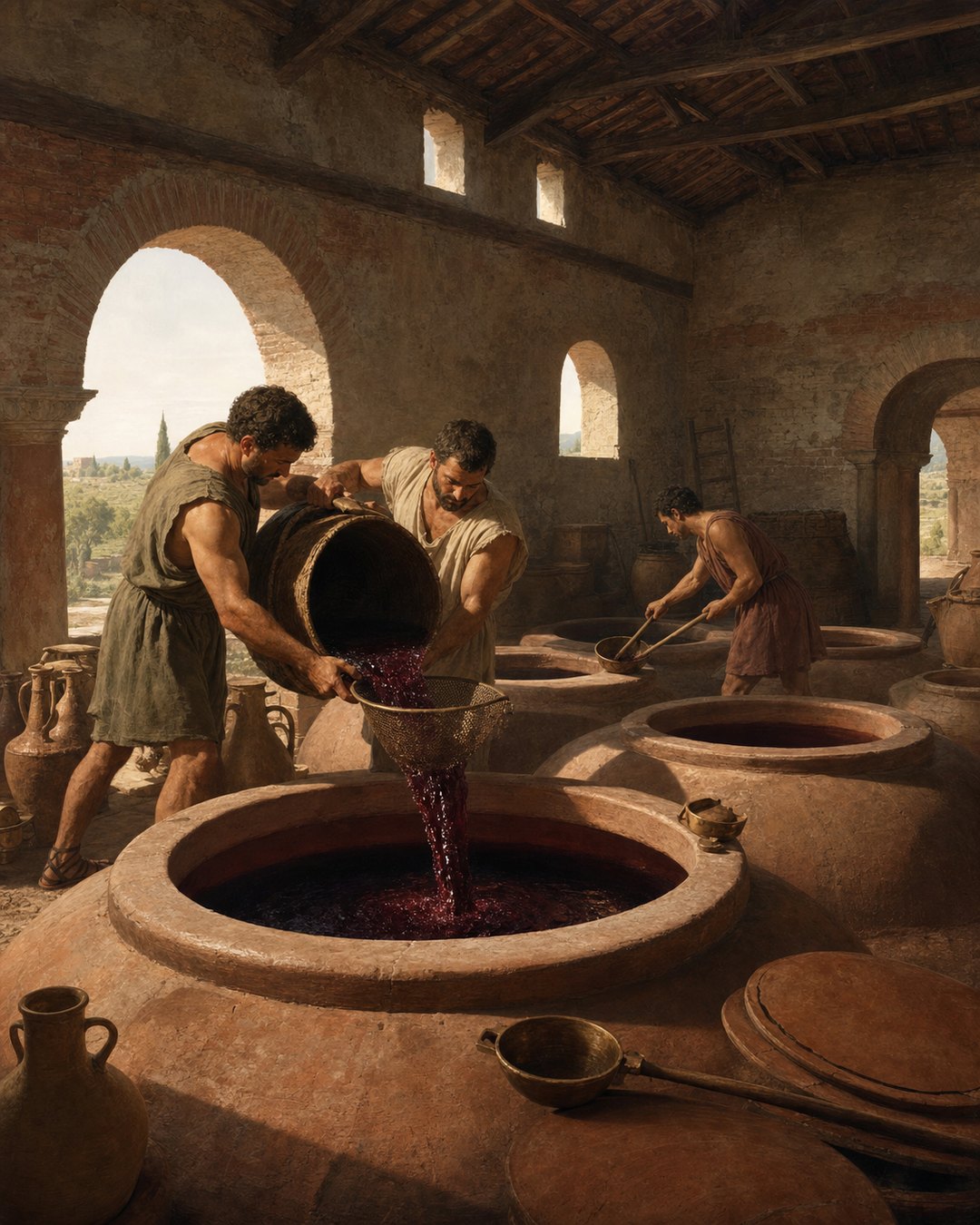
Roman Dolia Turned Wine into Stored Wealth

A full Roman dolium could not be lifted onto a cart when the owner changed his mind. The vessel might hold more than a thousand litres, stand taller than a crouching worker, and sit partly buried in the floor. Wine went into it by bucket, funnel, or jar. Once filled, the clay container became less … Read more

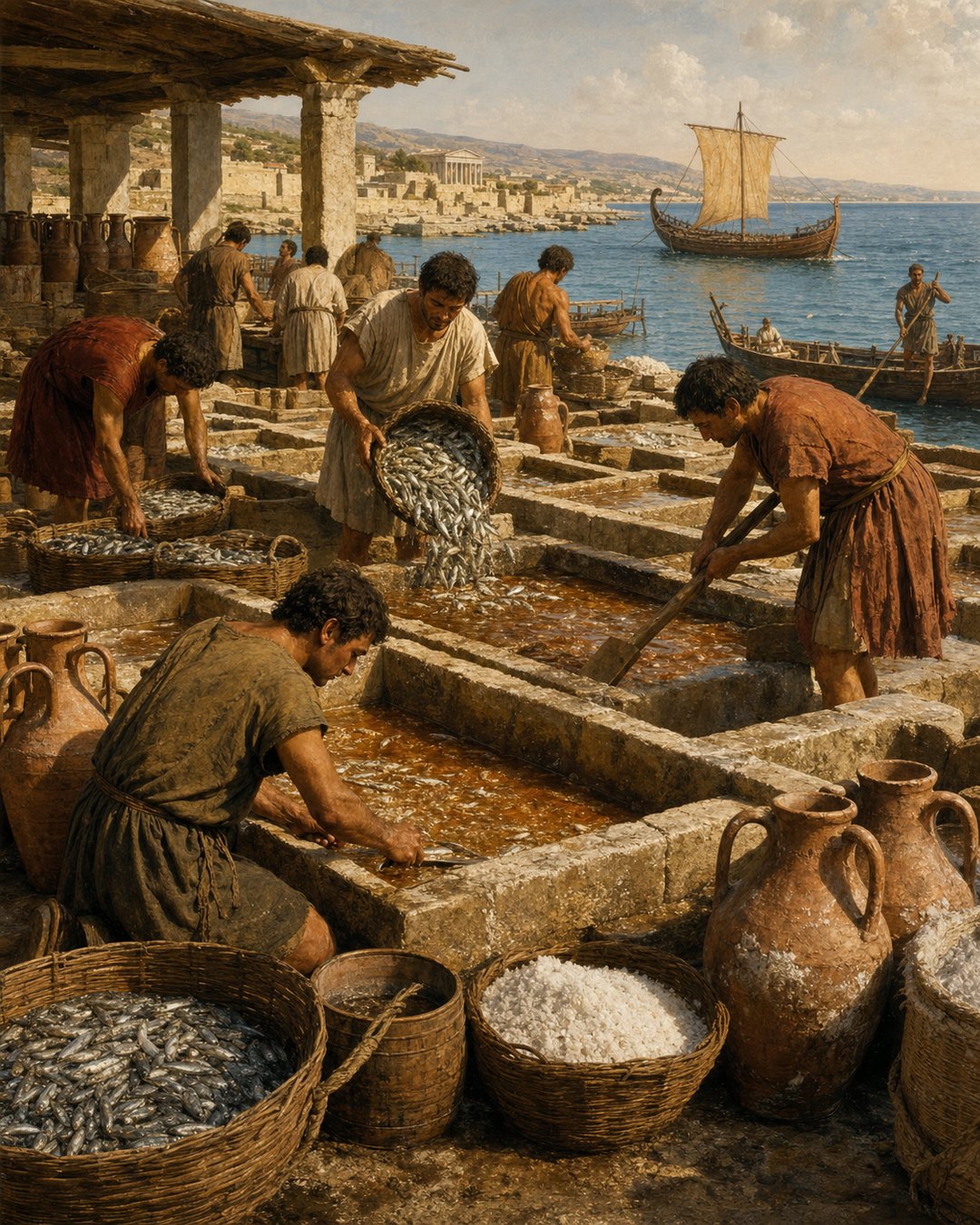
Garum Made the Roman Mediterranean Taste Connected

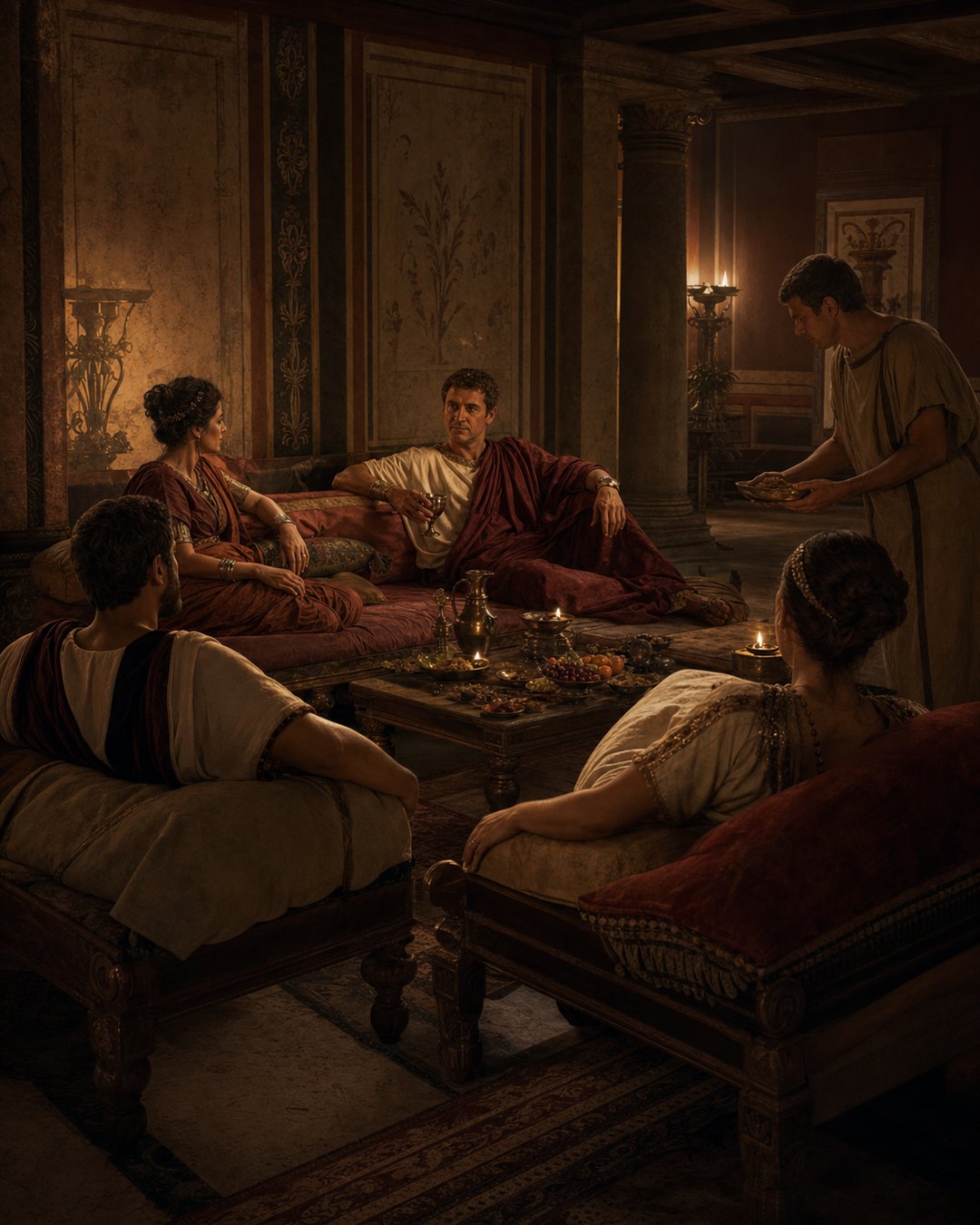
Before garum reached a Roman dining room, it had already passed through a landscape of nets, knives, salt, vats, sun, strainers, amphorae, and ships. The finished liquid might be clear and amber, but its origin was deliberately messy: small fish and selected fish parts were packed with enough salt to control decomposition while time transformed … Read more

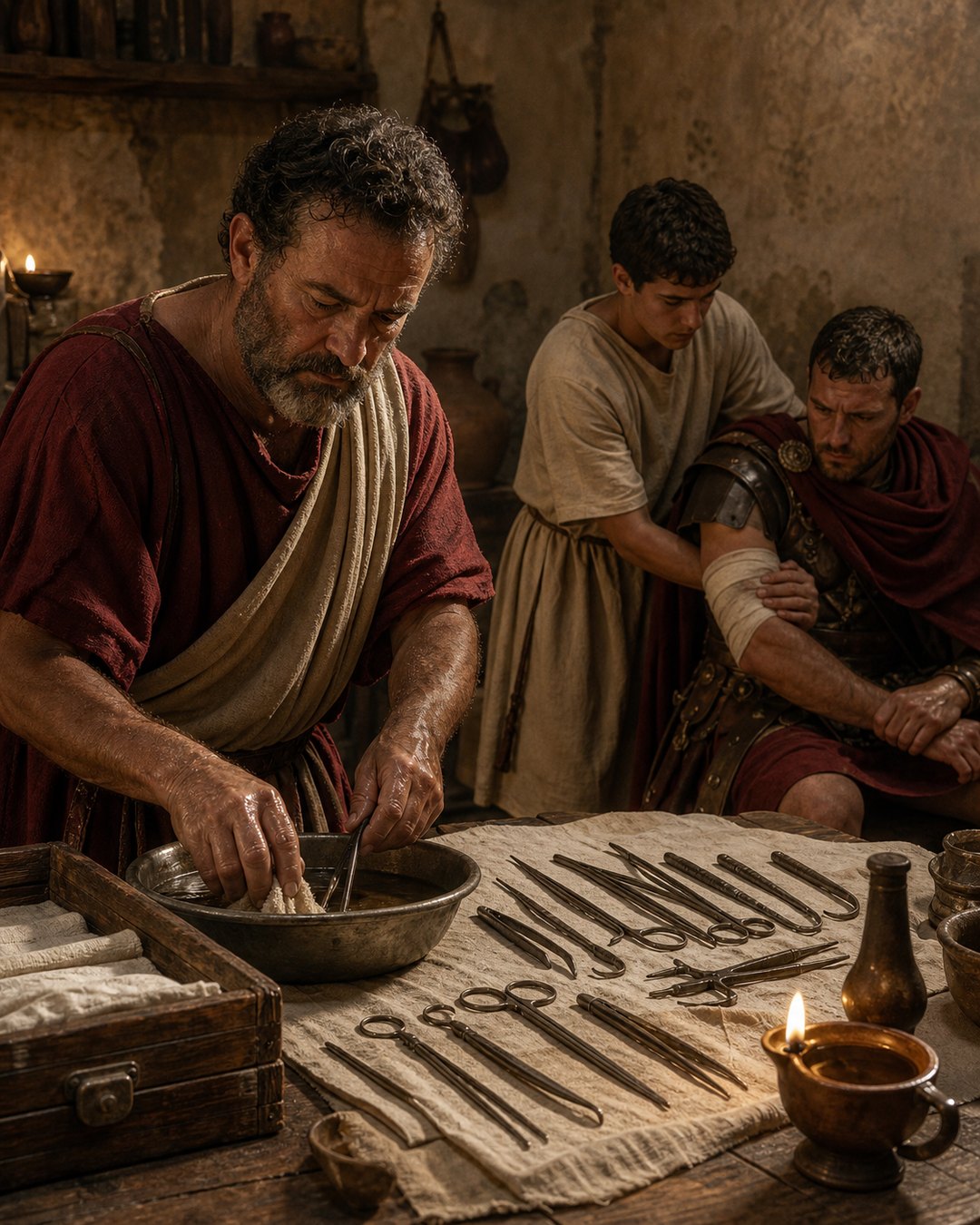
Roman Surgery Began with the Hand

The Latinized word chirurgia carries its own correction to the way ancient surgery is often imagined. It joins hand and work. Bronze probes, forceps, hooks, knives, and cauteries mattered, but an instrument lying on a table did nothing. Treatment began when a trained hand examined a wound, aligned a limb, chose restraint, or decided not … Read more

Inside a Roman Lock, Security Began with a Bolt in the Floor

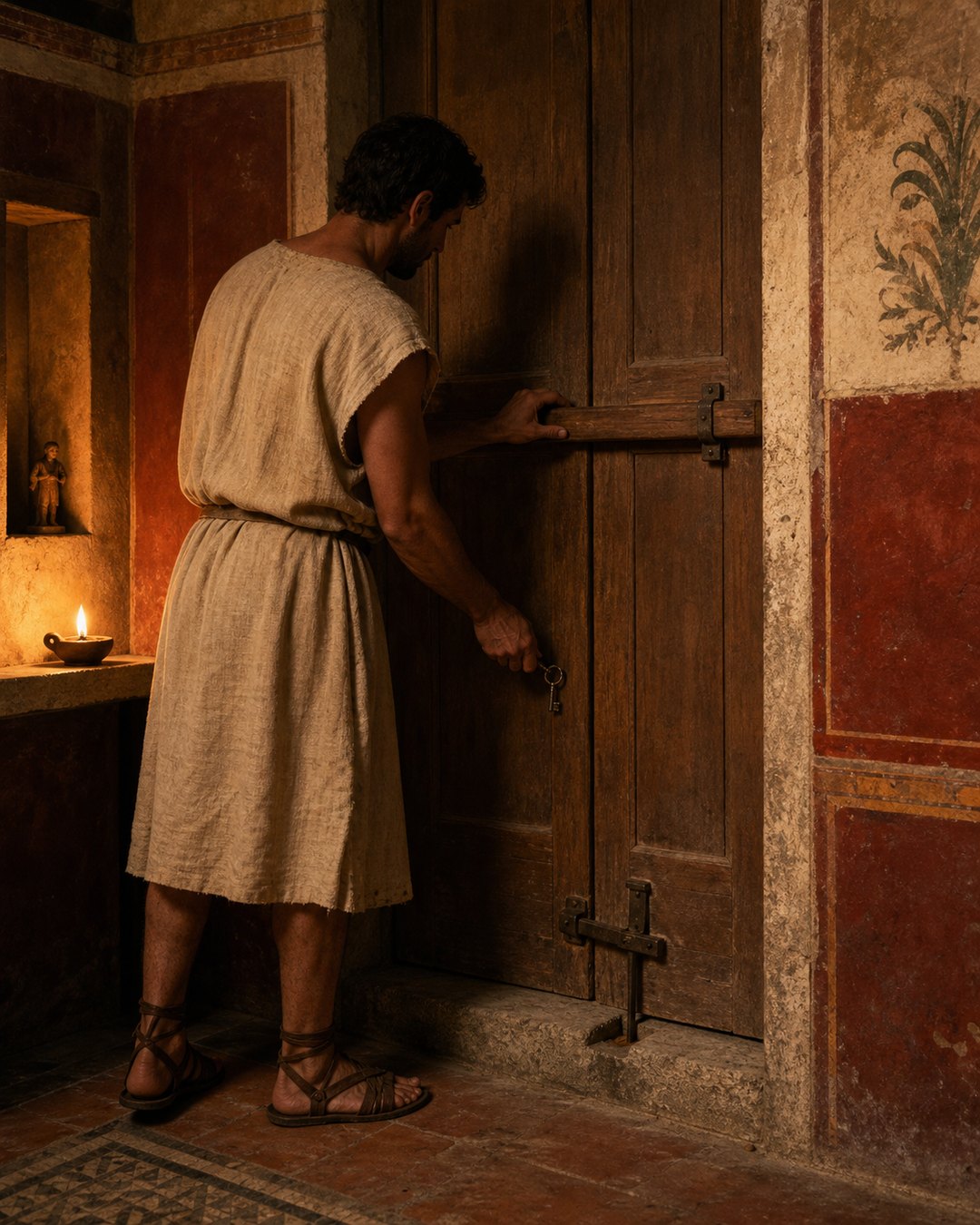
A Roman lock began below eye level. On surviving Pompeian thresholds, two holes mark where the fastenings of a double door entered the stone. Each leaf had its own bolt. Before a key became the object carried on a ring, security was a matter of wood, iron, leverage, and a socket worn into the sill. … Read more

Before a Roman Mirror Showed a Face, Someone Had to Polish It

A Roman mirror did not begin with a face. It began with ore, alloy, heat, hammering, abrasion, and the patient removal of every dull patch that broke the reflection. Before anyone could inspect an earring or arrange a fold of cloth, a craftsperson had to persuade metal to behave like an image. That material fact … Read more