Oil Kept Small Iron Tools from Breaking in the Quench
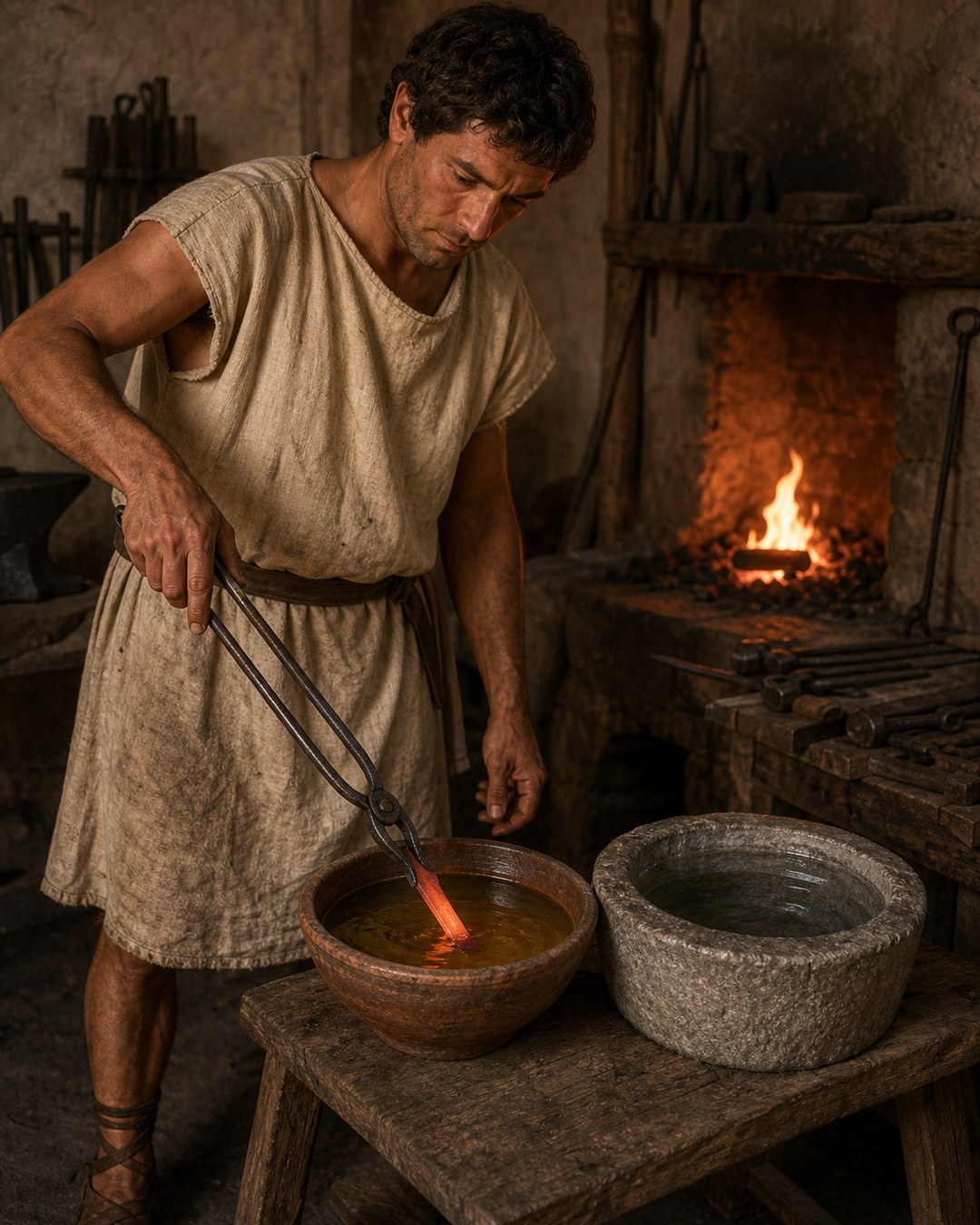
The small iron object left the fire glowing, held at a distance by tongs. A basin of water could cool it fast and leave it hard. That was not always the finish a smith wanted. Pliny the Elder says workers quenched smaller iron articles in oil because hardening them in water might make them brittle. … Read more
Alder Piles Held Ravenna Above the Marsh

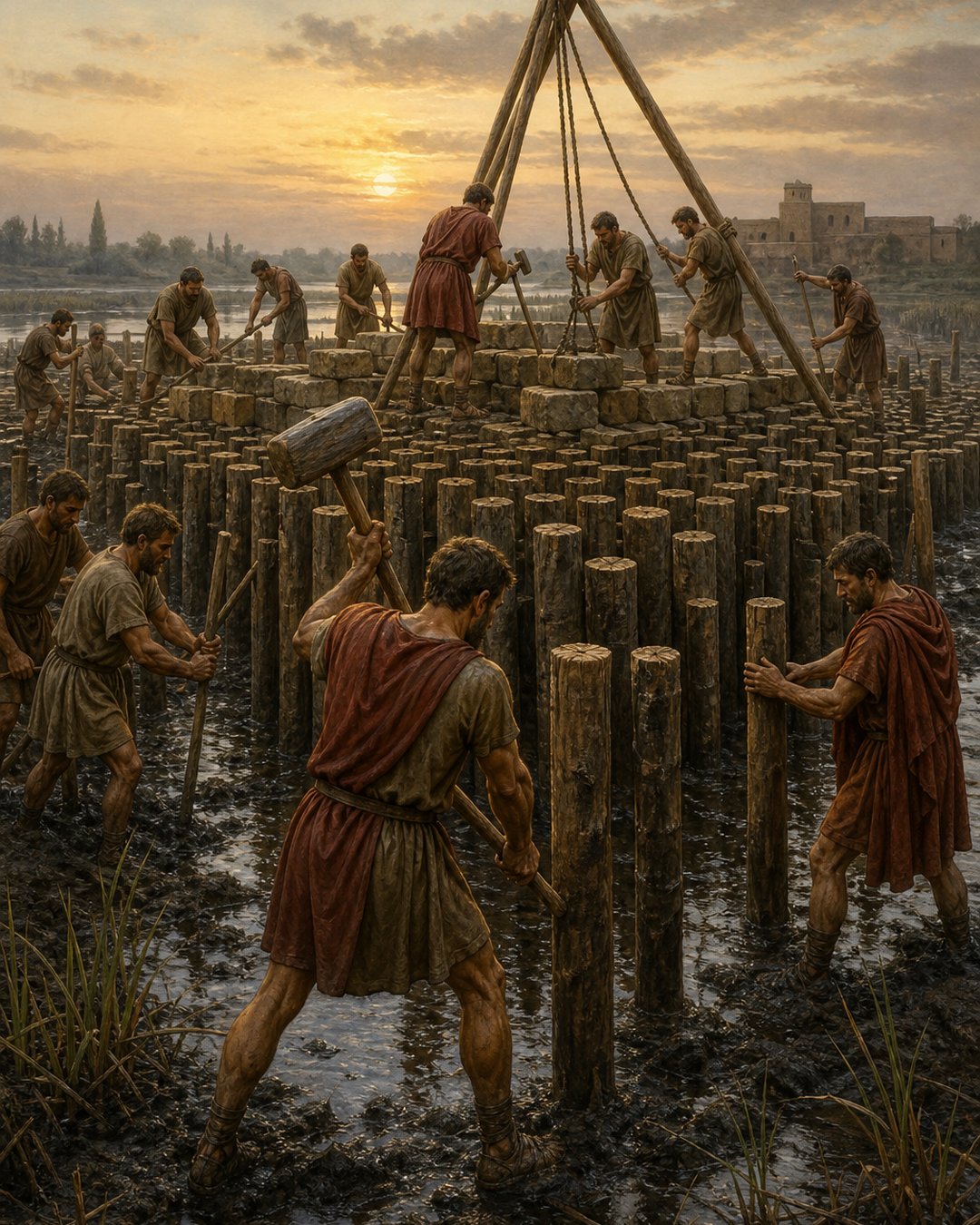
Ravenna’s buildings began below the waterline. Before walls could rise from its marshy ground, crews drove alder trunks into the wet earth and packed them close together. Masonry foundations rested above that buried grid. The timber disappeared from sight, but the city’s weight depended on it. Vitruvius chose the example because alder seemed badly suited … Read more

One Clod Brought a Distant Field into Court

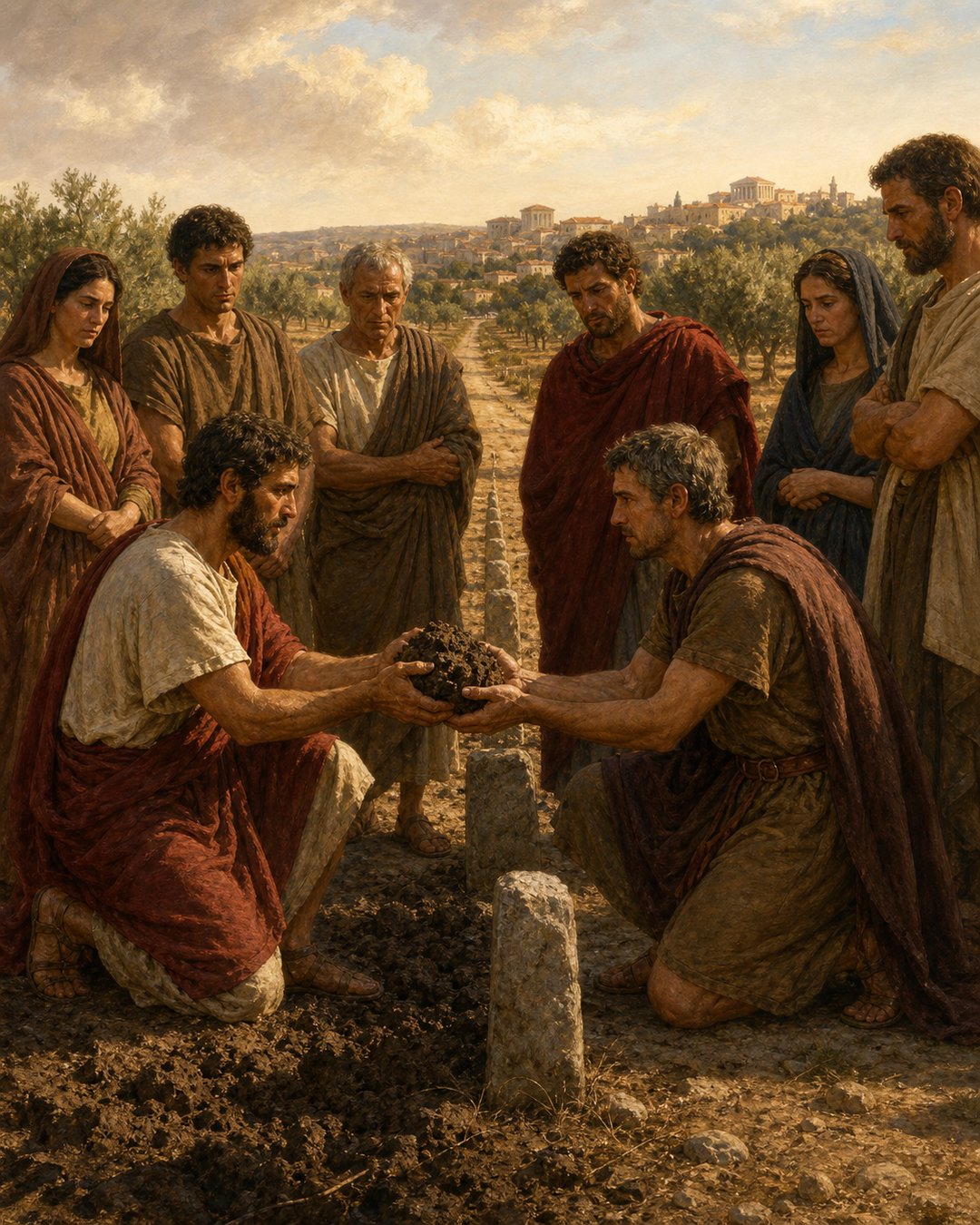
A Roman field could enter a city courtroom in one hand. Not as a map, a deed, or a written survey, but as earth: one clod lifted from the land that two people claimed. Before the praetor, that rough sample could stand for the whole disputed property. Aulus Gellius explains the practice while investigating the … Read more

Fire, Water and Wool Waited Beyond the Wedding Door

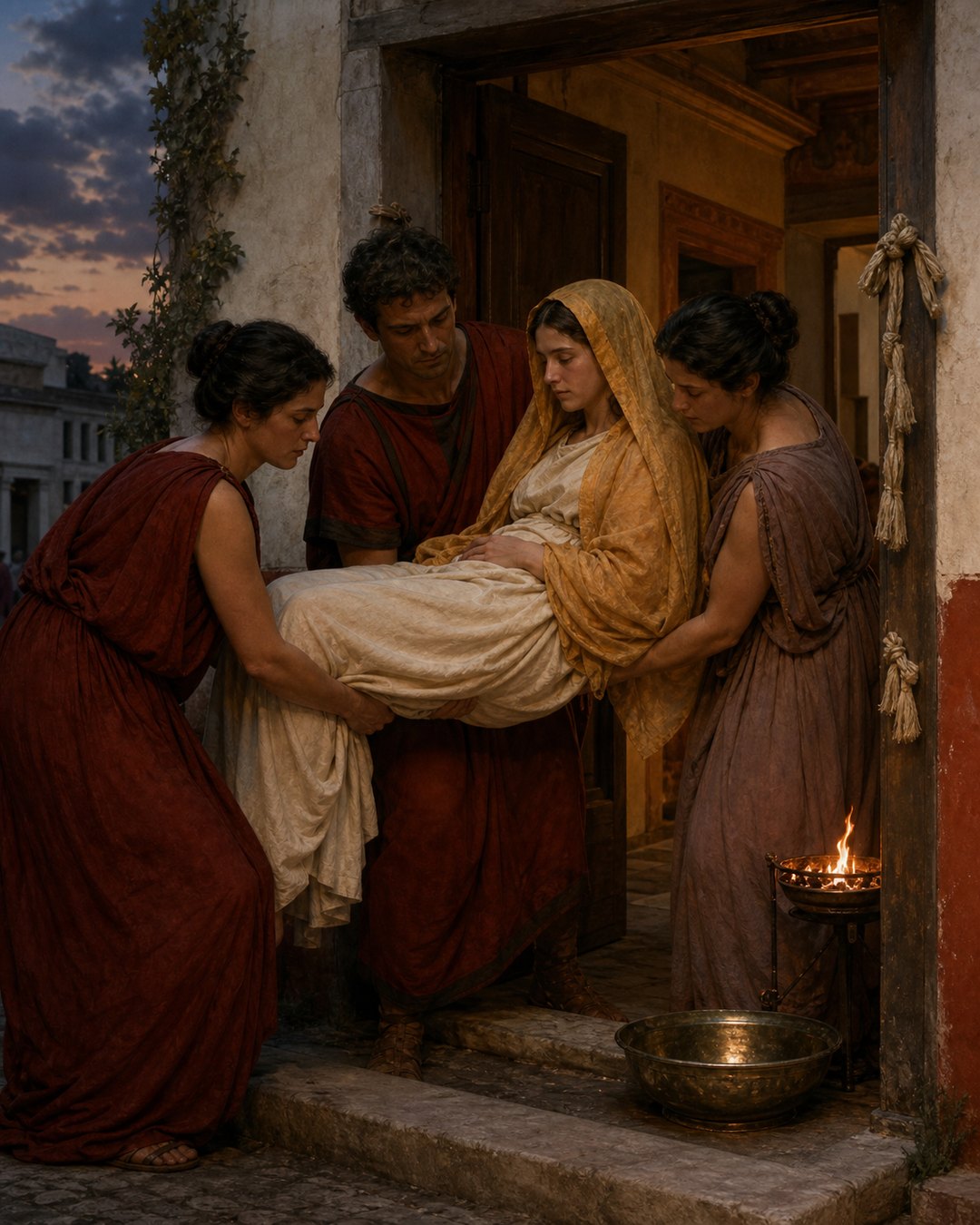
A Roman bride arrived at a door already crowded with meaning. Fire and water waited to be touched. Five torches had lit the procession. Escorts lifted her so that she did not cross the threshold under her own power. A formula joined the names Gaius and Gaia. Fleece lay beneath her; distaff and spindle travelled … Read more

Segobriga Stone Split into Leaves Thin Enough for Light

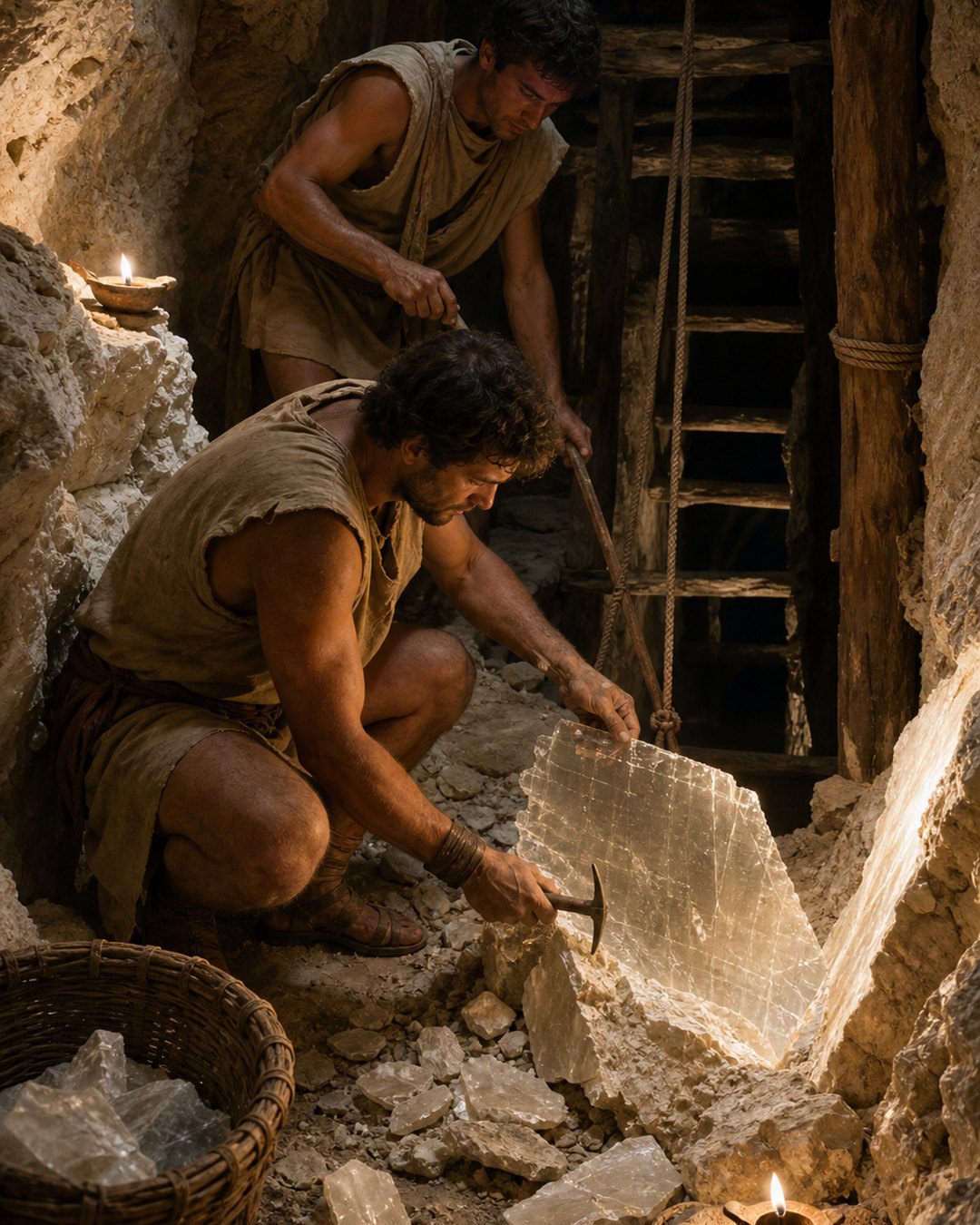
A plate of stone came out of the Spanish ground and became thin enough to carry daylight. Pliny the Elder calls it specular stone. Around Segobriga, miners recovered it from shafts, sometimes at considerable depth. Above ground, its natural structure allowed workers to split a plate into leaf after leaf. The result was not glass. … Read more

Vinegar Steam Turned Lead Sheets into White Pigment

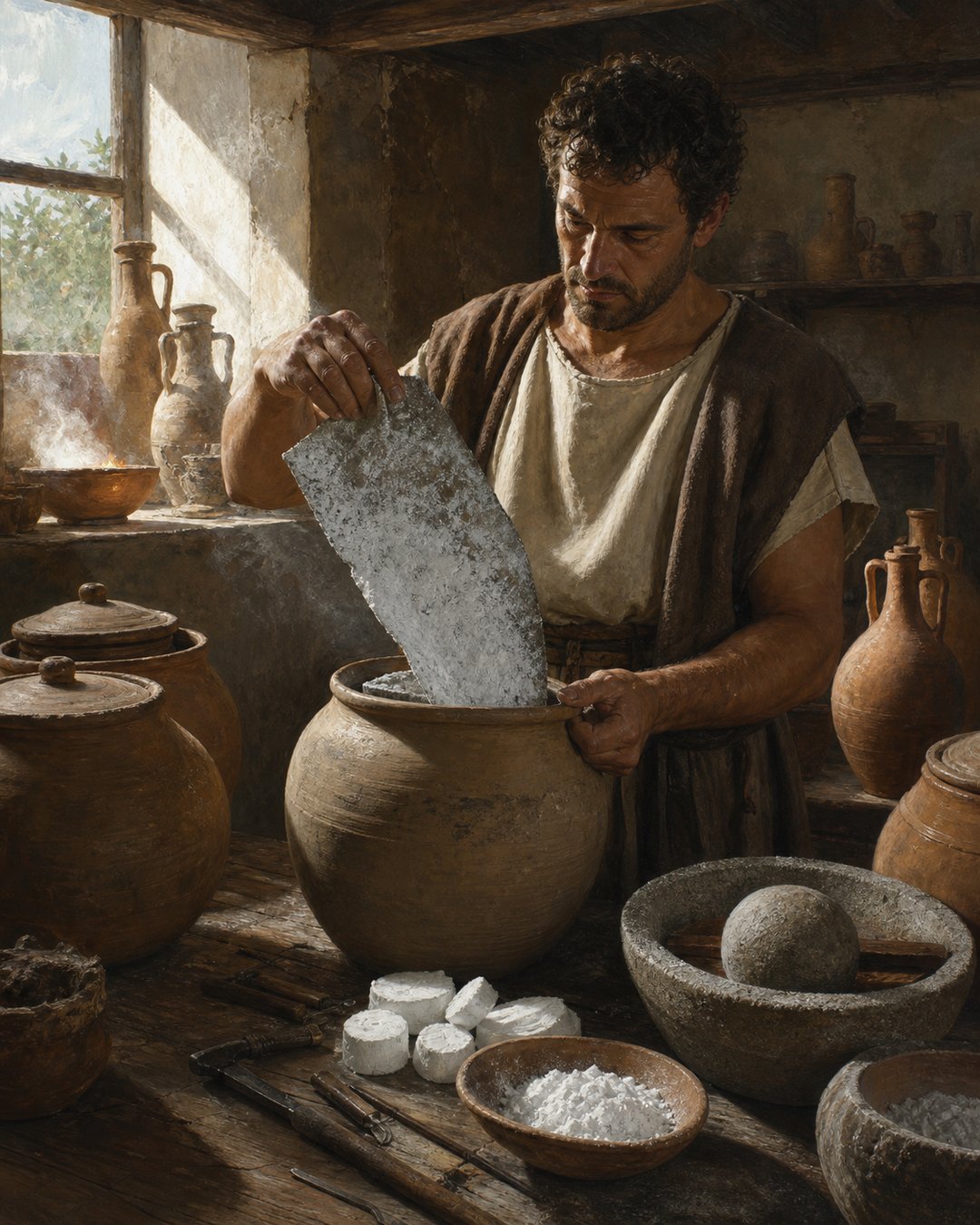
The lead did not need to touch the vinegar. Ancient instructions put the metal above it, closed the jar, and waited. When the vessel reopened, the dull surface carried a pale material that could be scraped away, washed, ground, formed into small cakes, and dried. Vitruvius and Pliny describe versions of this craft while discussing … Read more

Coral Left the Sea Soft and Reached India as Red Stone

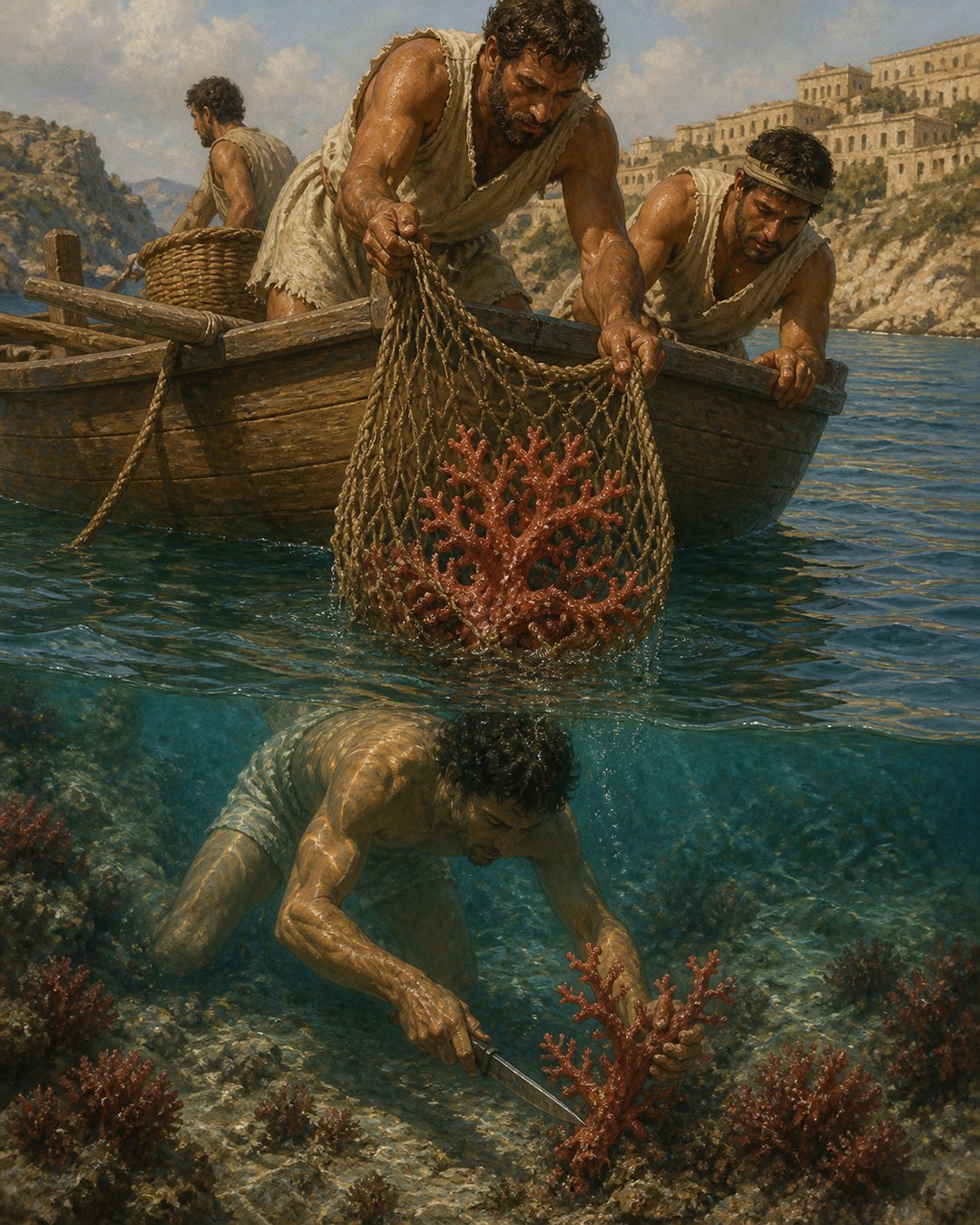
Pliny the Elder begins his account of coral with a reversal. People in his part of the world prized pearls from India; people in India prized Mediterranean coral. Value did not travel automatically with rarity or beauty. Taste on opposite sides of long trade routes made one sea’s familiar material another region’s treasure. Before coral … Read more

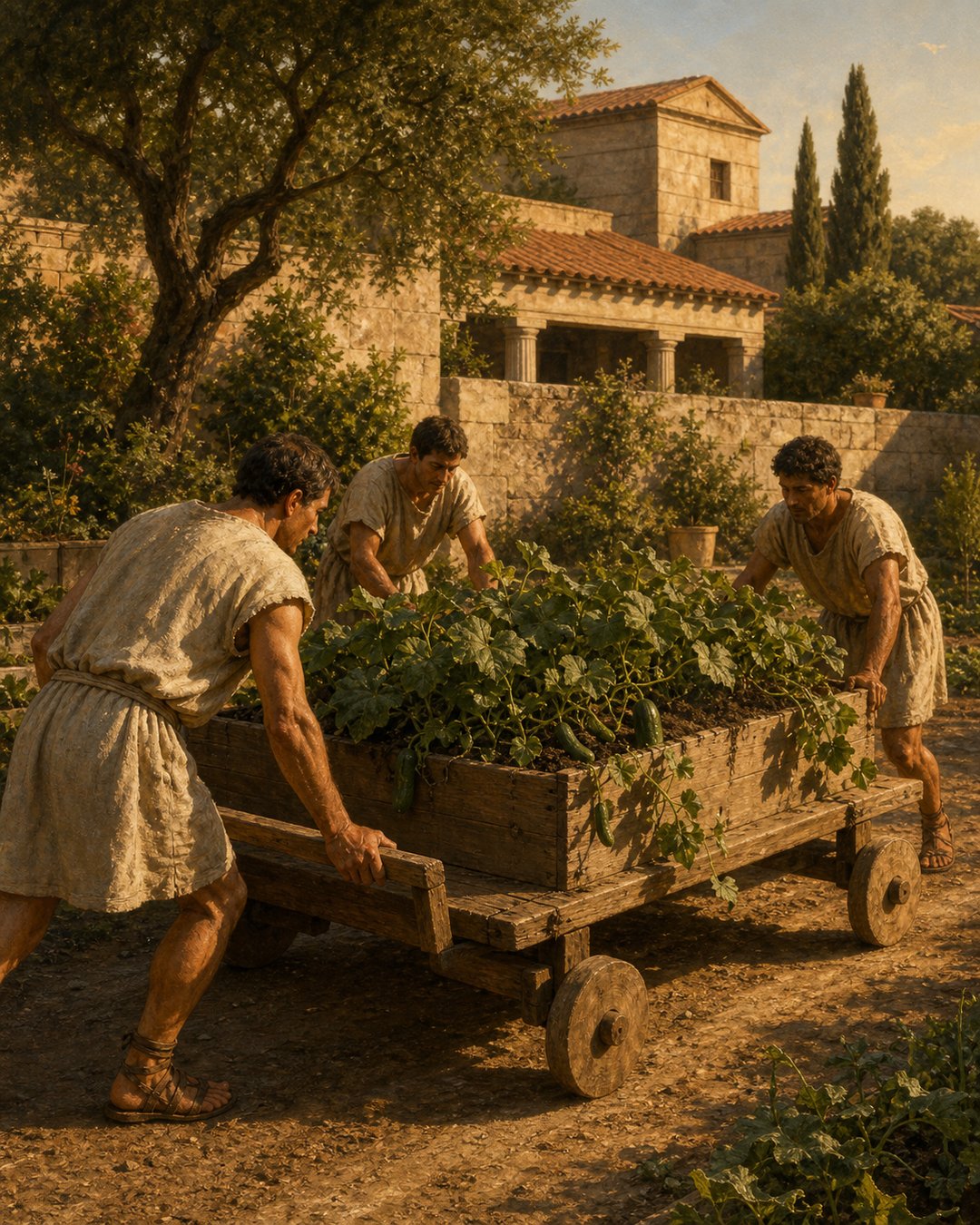
Wheeled Cucumber Beds Followed the Sun for Tiberius

Tiberius wanted a cucumber every day. Pliny the Elder gives that preference only a few lines, yet those lines open an entire working garden. Soil-filled beds stood in frames. Wheels carried them toward the sun. When winter threatened, gardeners drew them back behind pale sheets of mirror-stone. No single object solved the problem. The crop … Read more

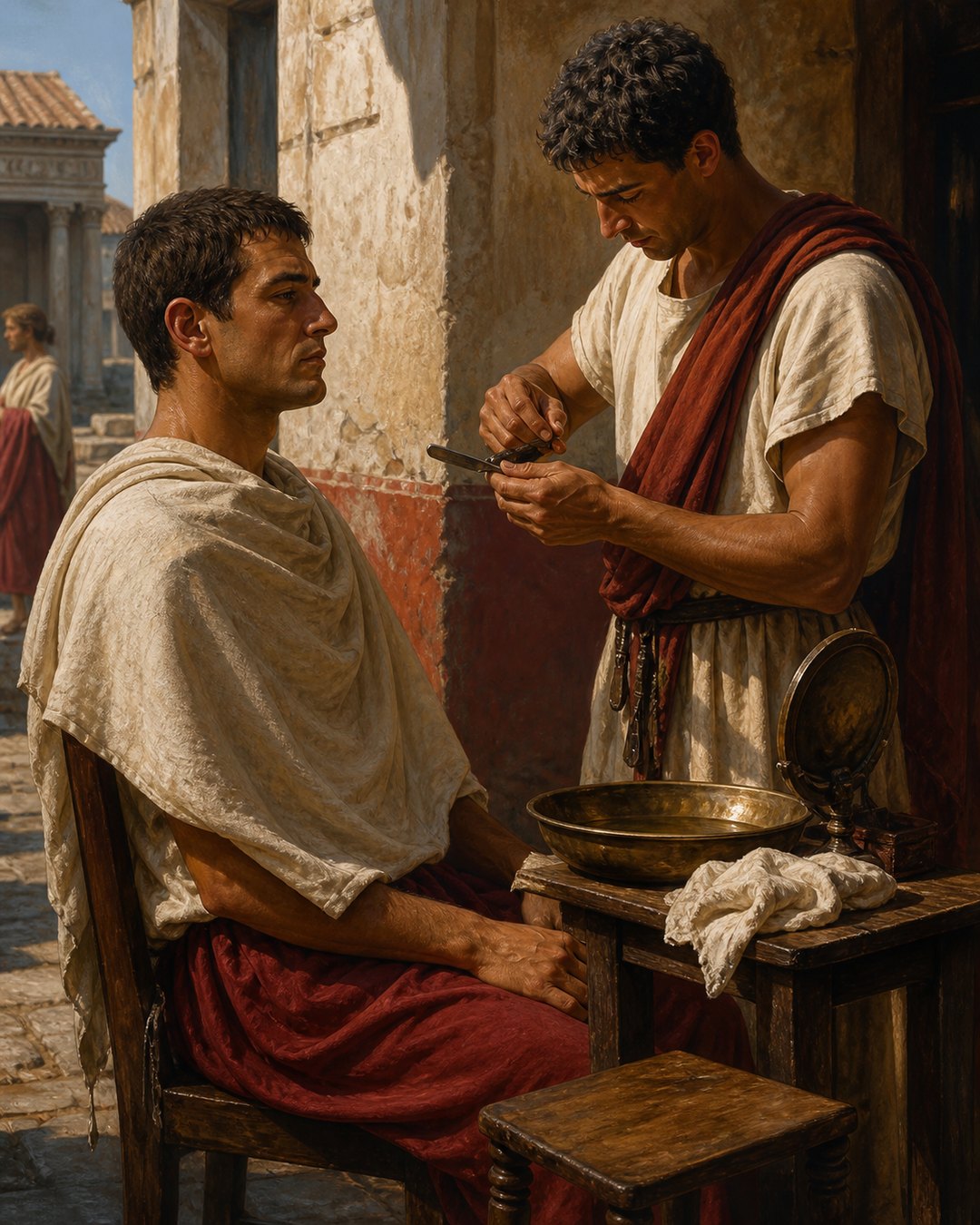
Sicilian Barbers Brought Razors to Republican Rome

Pliny did not imagine the clean-shaven Roman face as something the city had always possessed. He gave it a transfer route, a date, and a name. Barbers, he says, came from Sicily in Rome’s 454th year. Publius Ticinius Mena brought them. Only later did Scipio Aemilianus turn shaving into a daily practice. That sequence matters … Read more

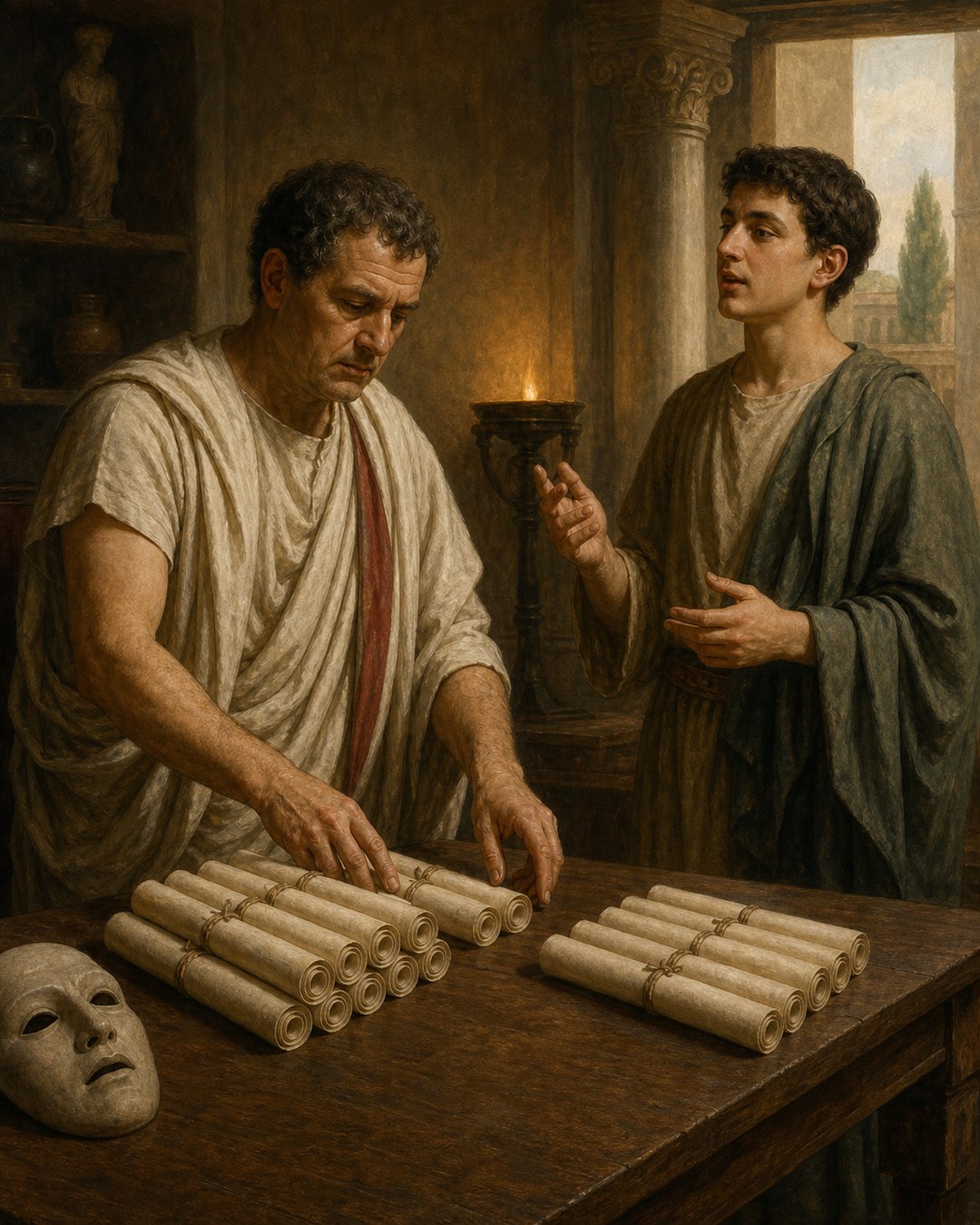
One Hundred Thirty Comedies Claimed Plautus’s Name

Around one hundred thirty comedies circulated under the name of Plautus. That number did not impress every Roman reader. Lucius Aelius accepted only twenty-five. Varro placed twenty-one in a group whose authorship was not disputed, then admitted further plays when their language persuaded him. The famous name written on a roll was evidence, but it … Read more