Why the Roman Census Was More Than a Headcount
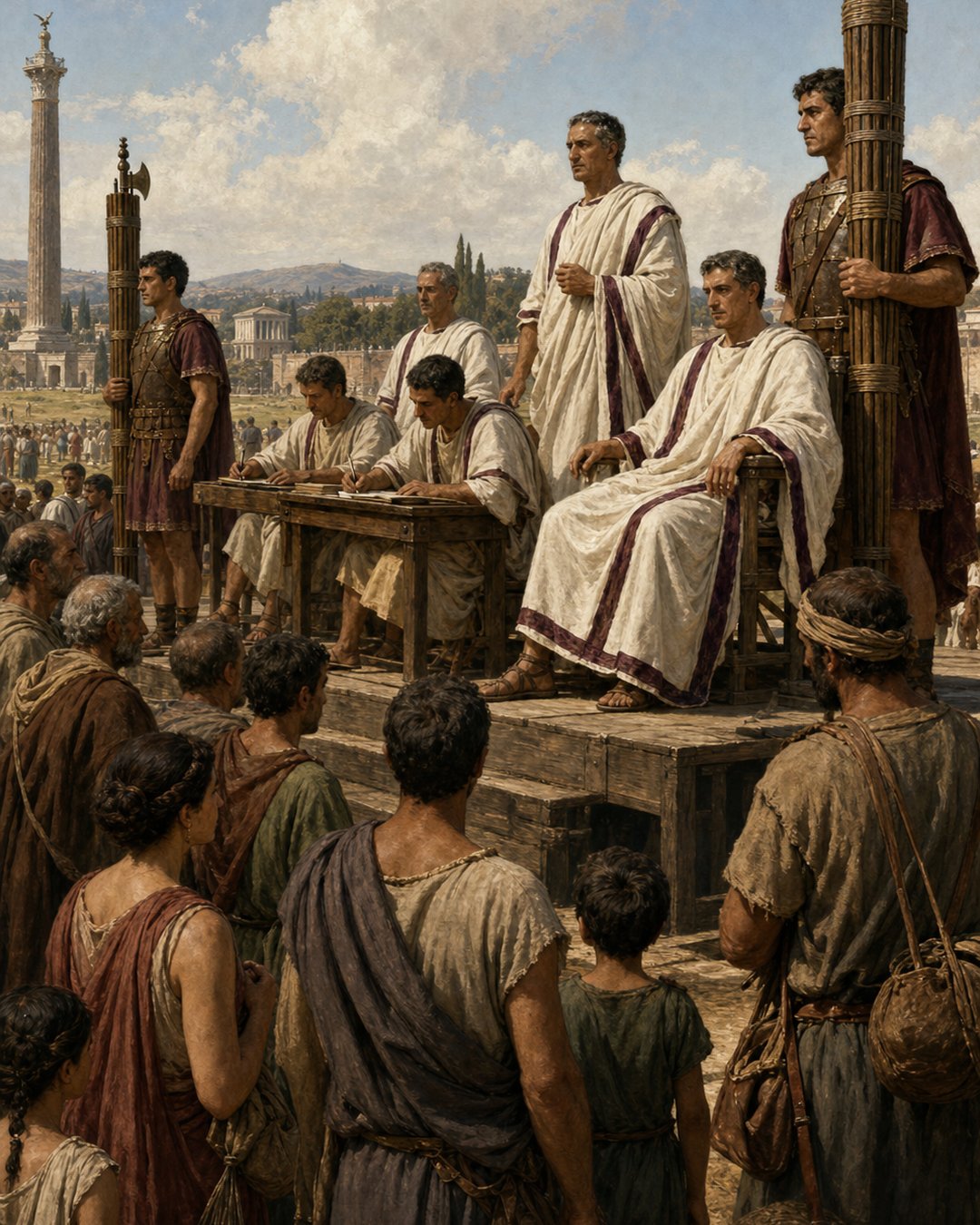
A census sounds harmless until you imagine it in Roman terms. It was not only a clerk asking how many people lived in a house. The Roman census made citizens stand before authority with names, property, family position, and public status exposed. It counted men, but it also sorted them. It translated private wealth into … Read more
What Vindolanda Tablets Reveal About Rome at the Edge

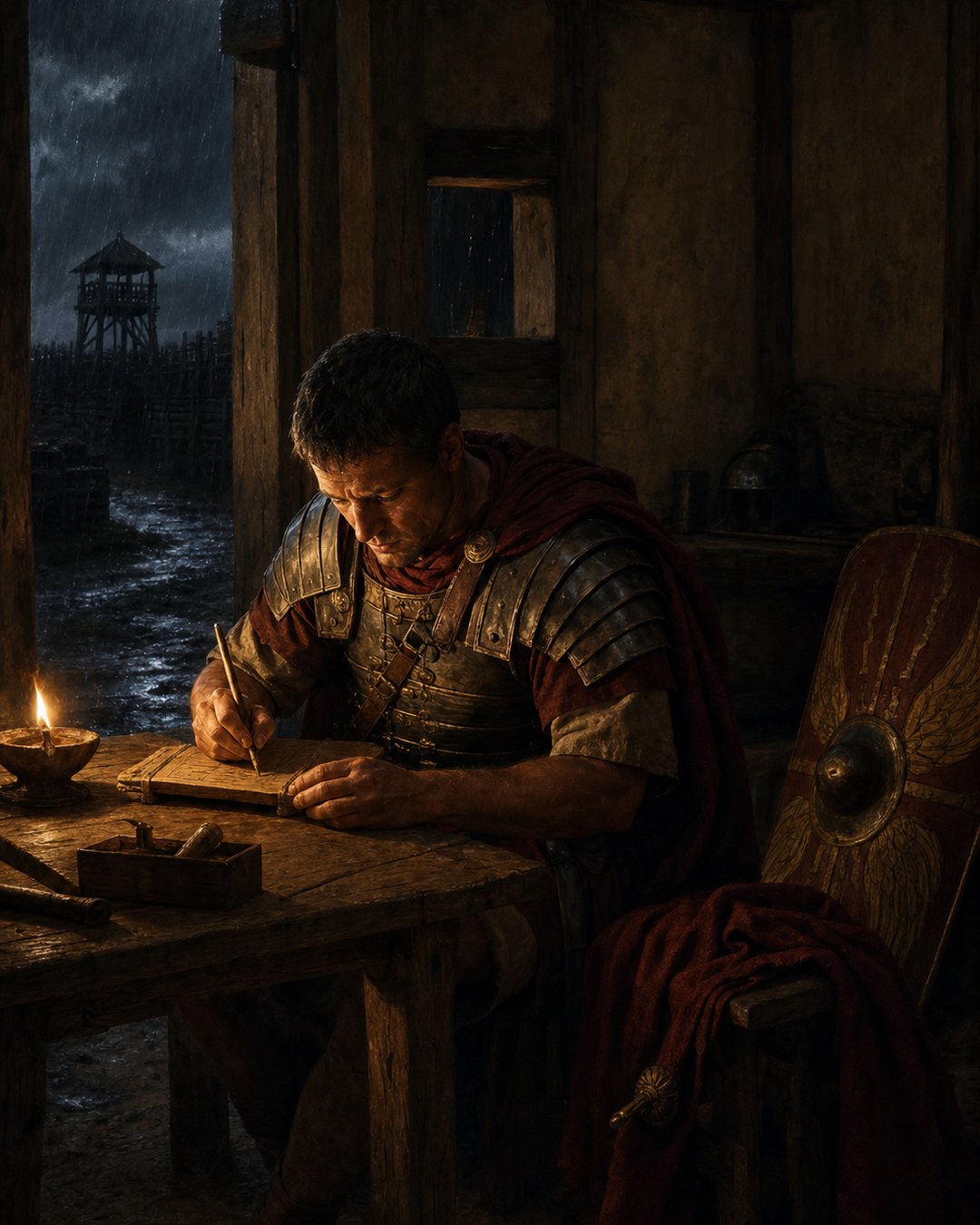
Vindolanda changes the scale of Roman history. From far away, the northern frontier looks like walls, forts, roads, and imperial policy. Up close, it becomes ink on thin wood: a birthday invitation, a supply request, a name, a greeting, a complaint, a list. The tablets from Vindolanda reveal Rome at the edge not as an … Read more

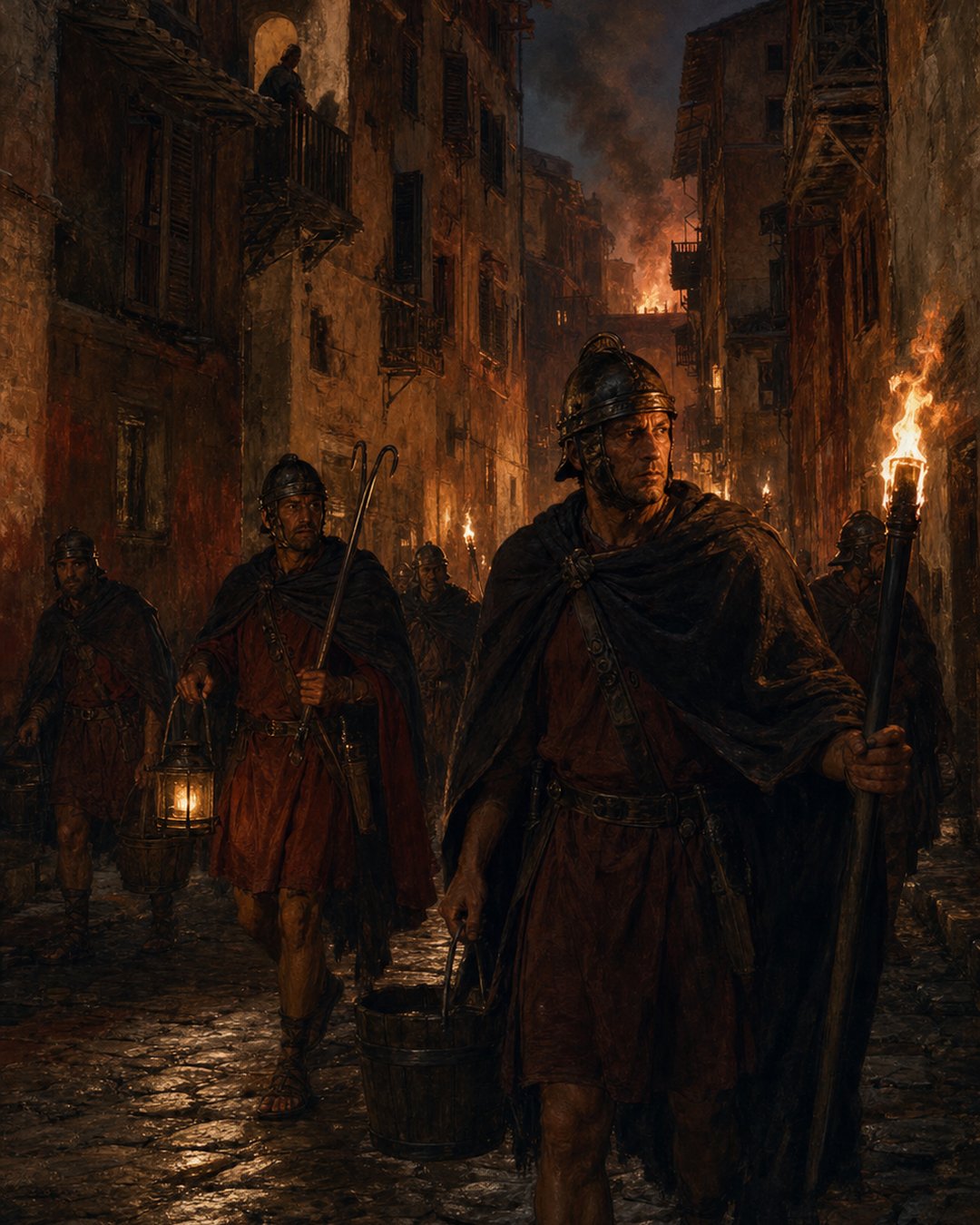
The Night Watchmen Who Kept Rome from Burning

Rome’s danger did not vanish at sunset. It changed shape. Lamps burned in upper rooms, cooking fires smoldered, shops closed with embers still warm, and crowded apartment blocks held families, goods, animals, wood, cloth, and oil in tight vertical space. The night watchmen known as vigiles existed because the capital was powerful enough to rule … Read more

Why Roman Concrete Outlived the Empire

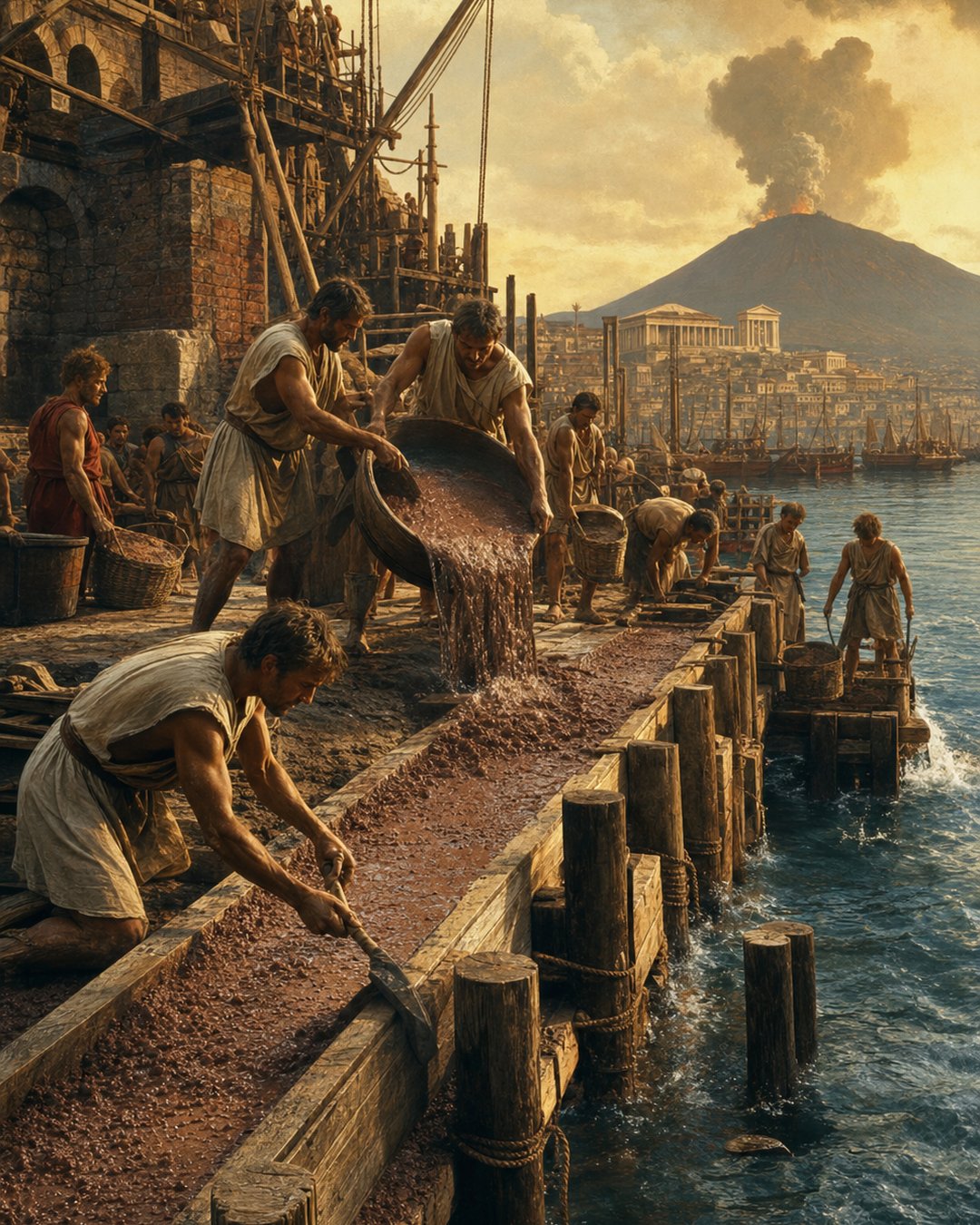
Roman concrete did not outlive the empire because Romans had a single secret recipe whispered from mason to mason. The better answer is less magical and more interesting. They used local materials, especially volcanic ash, in ways that matched the demands of harbors, vaults, walls, baths, and monuments. Some structures survived because chemistry, craft, environment, … Read more