Why Roman Water Clocks Made Time Public
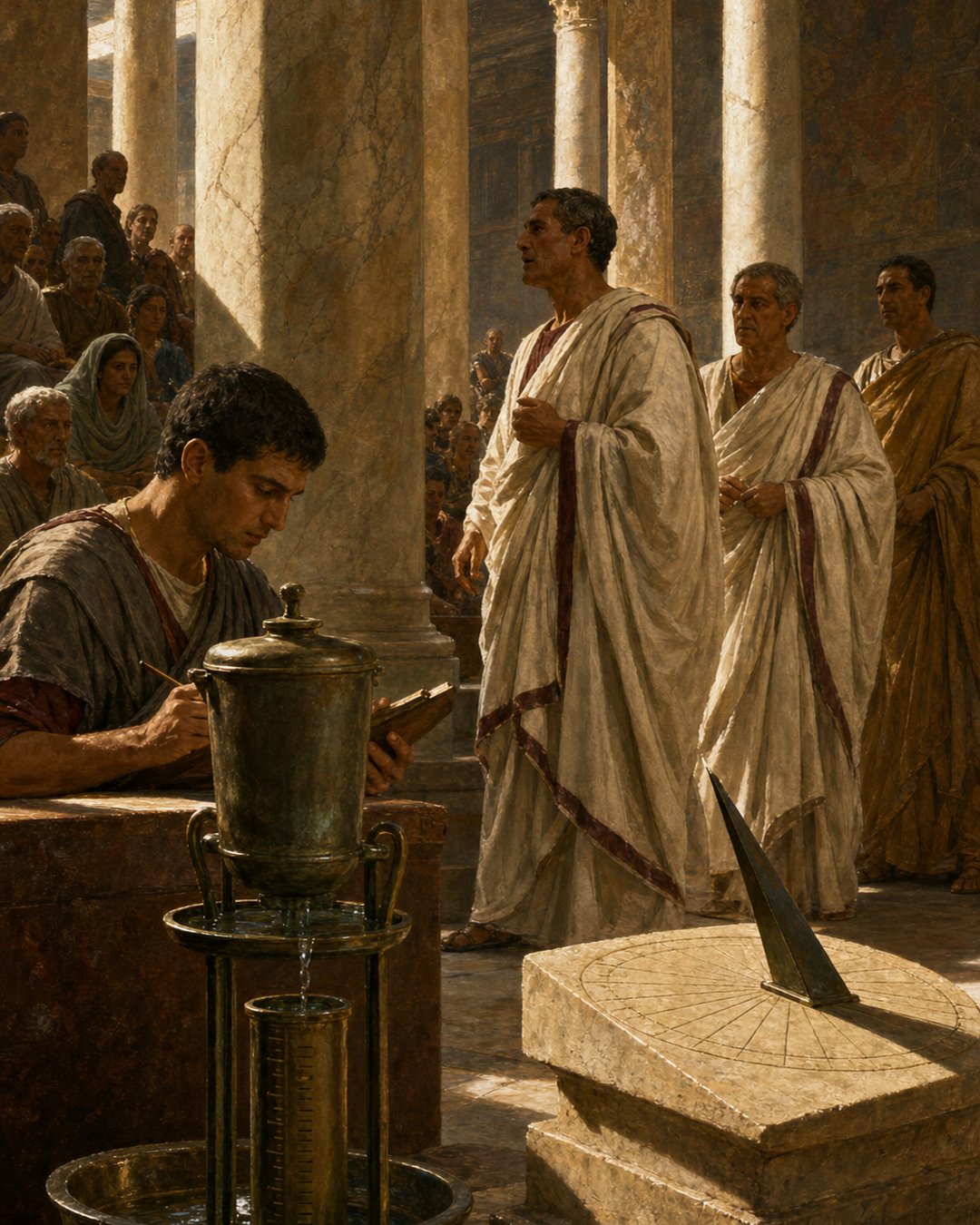
A Roman speech could run out of water. That image feels strange only because modern time is usually invisible: numbers on a screen, a clock on a wall, a vibration in a pocket. In Rome, time could be watched as water dropped, drained, and marked the limit of a voice. Water clocks mattered because they … Read more
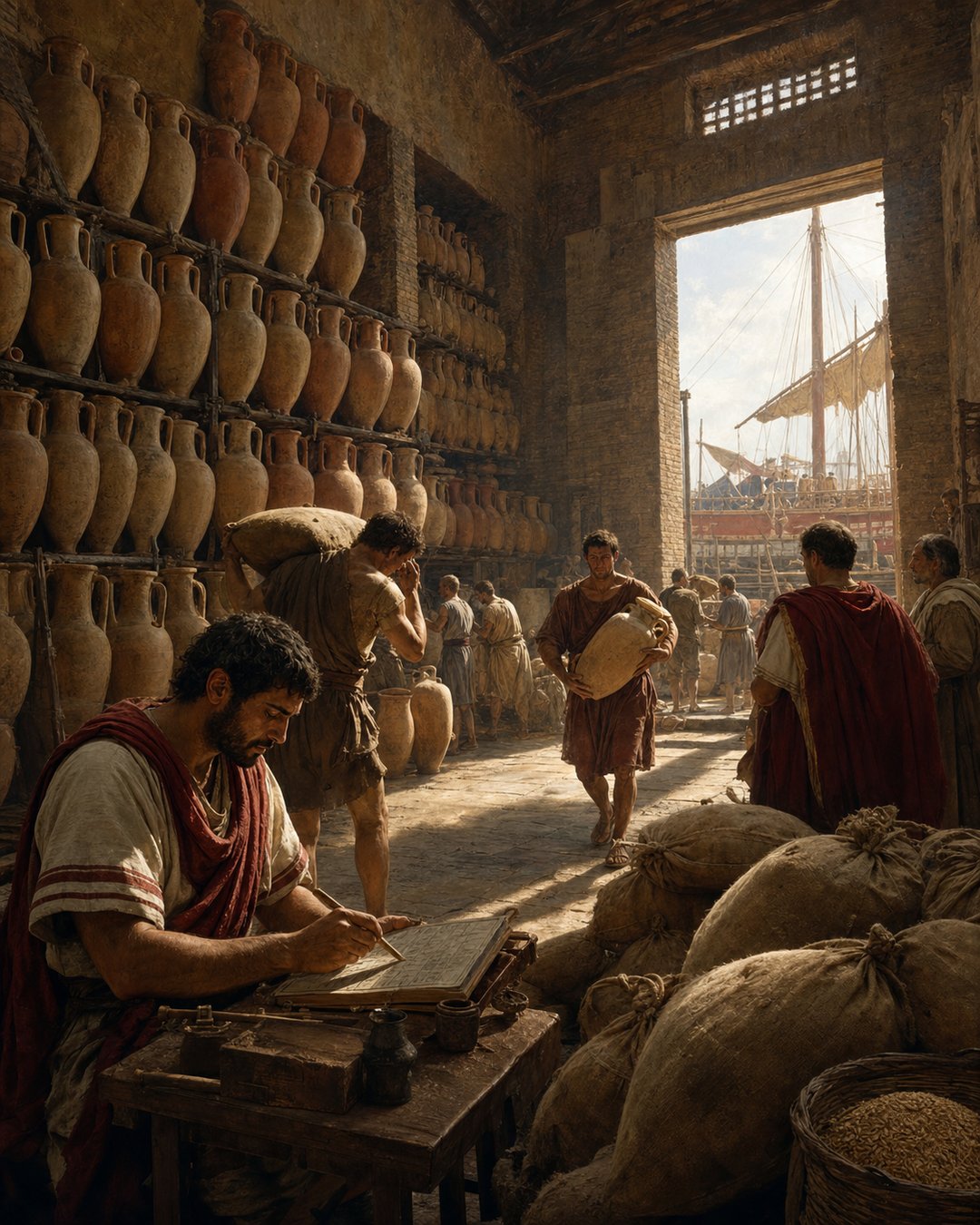
Why Ostia’s Warehouses Made Rome’s Hunger Manageable

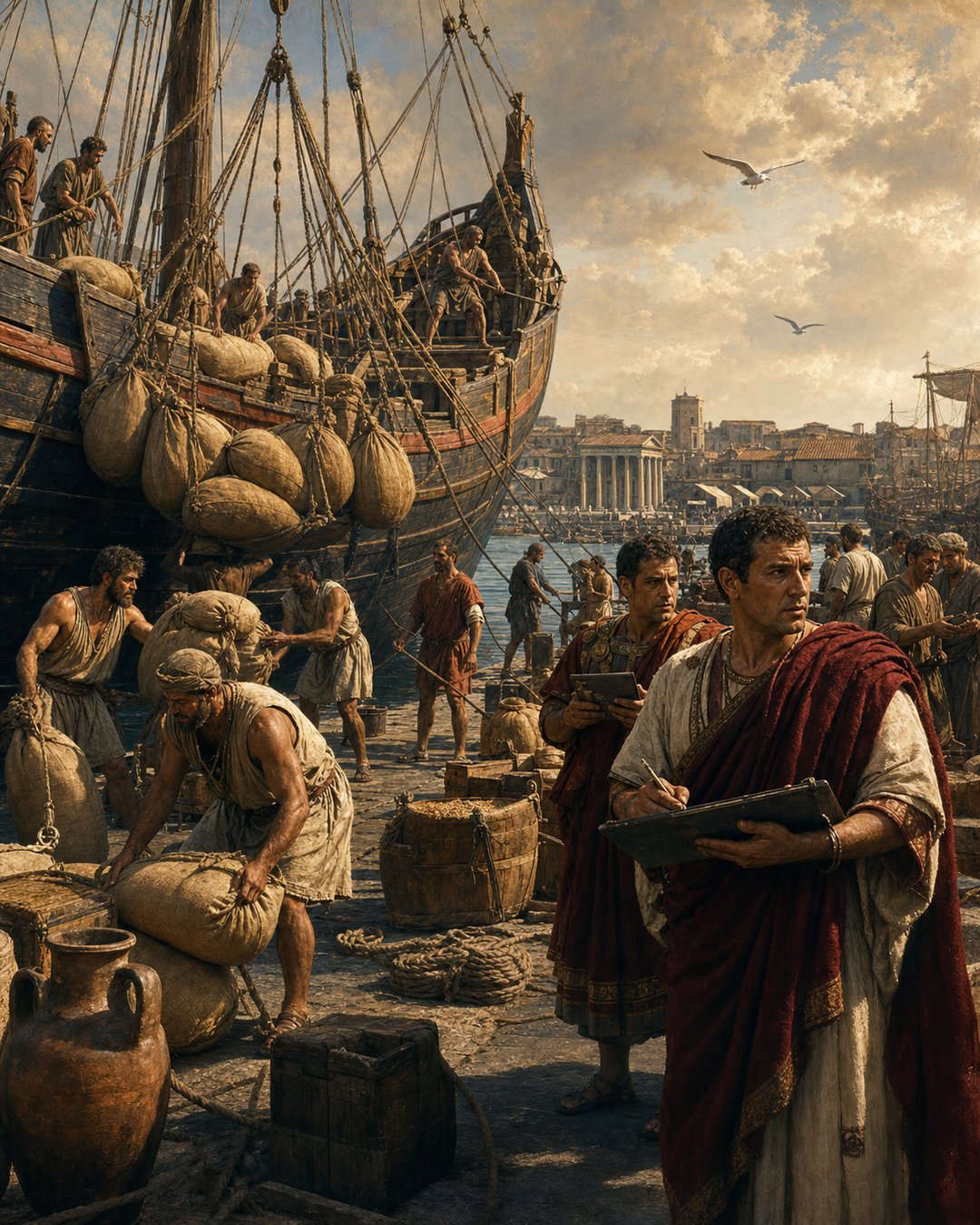
A grain ship reaching the coast did not automatically feed Rome. The cargo still had to be unloaded, measured, stored, guarded, recorded, moved upriver, and released into a city whose appetite never paused. Ostia’s warehouses mattered because they turned arrival into supply. Rome’s hunger was not only a problem of ships. It was a problem … Read more

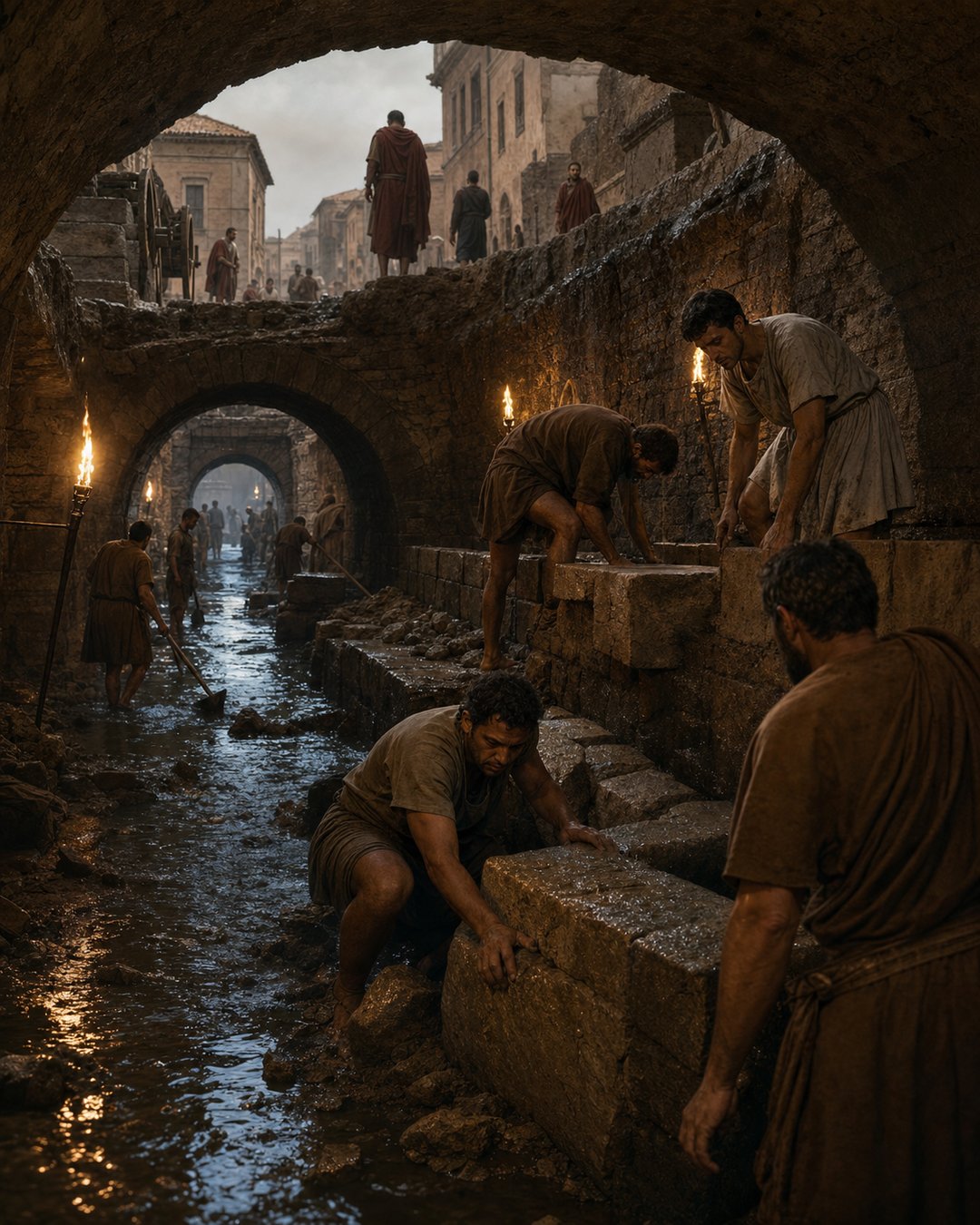
Why the Cloaca Maxima Made Rome Less Fragile

Rome’s grand center depended on a dirty solution. Before marble monuments, law courts, temples, speeches, and processions could feel permanent, water and waste had to go somewhere. The Cloaca Maxima mattered because it made urban life less fragile. Drainage is easy to underestimate because it works best when it disappears. A crowd notices a triumphal … Read more

What Roman Curse Tablets Reveal About Private Fear

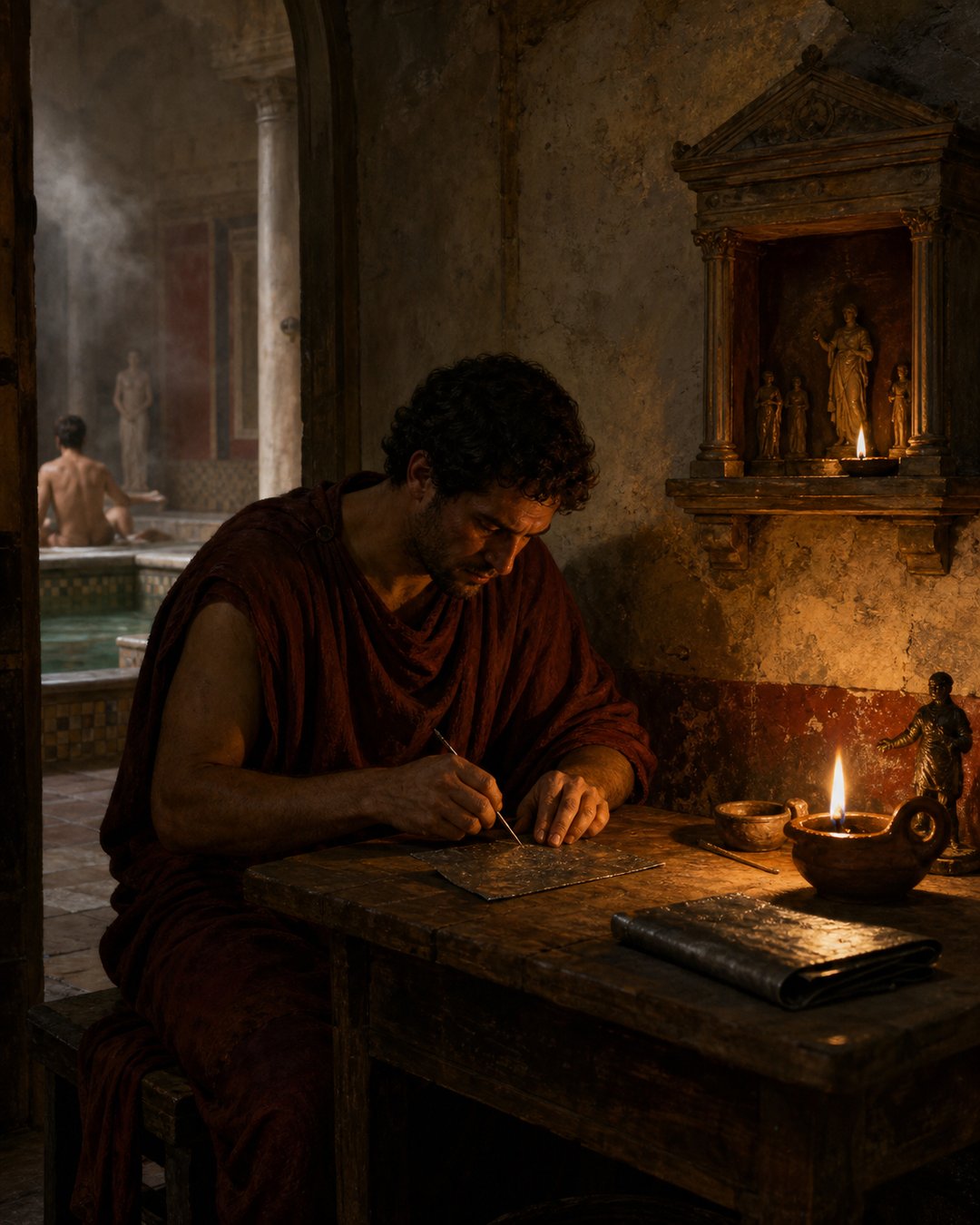
A Roman curse tablet could be small enough to hide in one hand. A name was scratched into lead, the sheet was folded or pierced, and the object was placed where ordinary sight would not follow: a spring, a grave, a sanctuary, a drain, or some other charged edge between human anger and divine attention. … Read more

What Pompeii’s Election Notices Reveal About Roman Politics

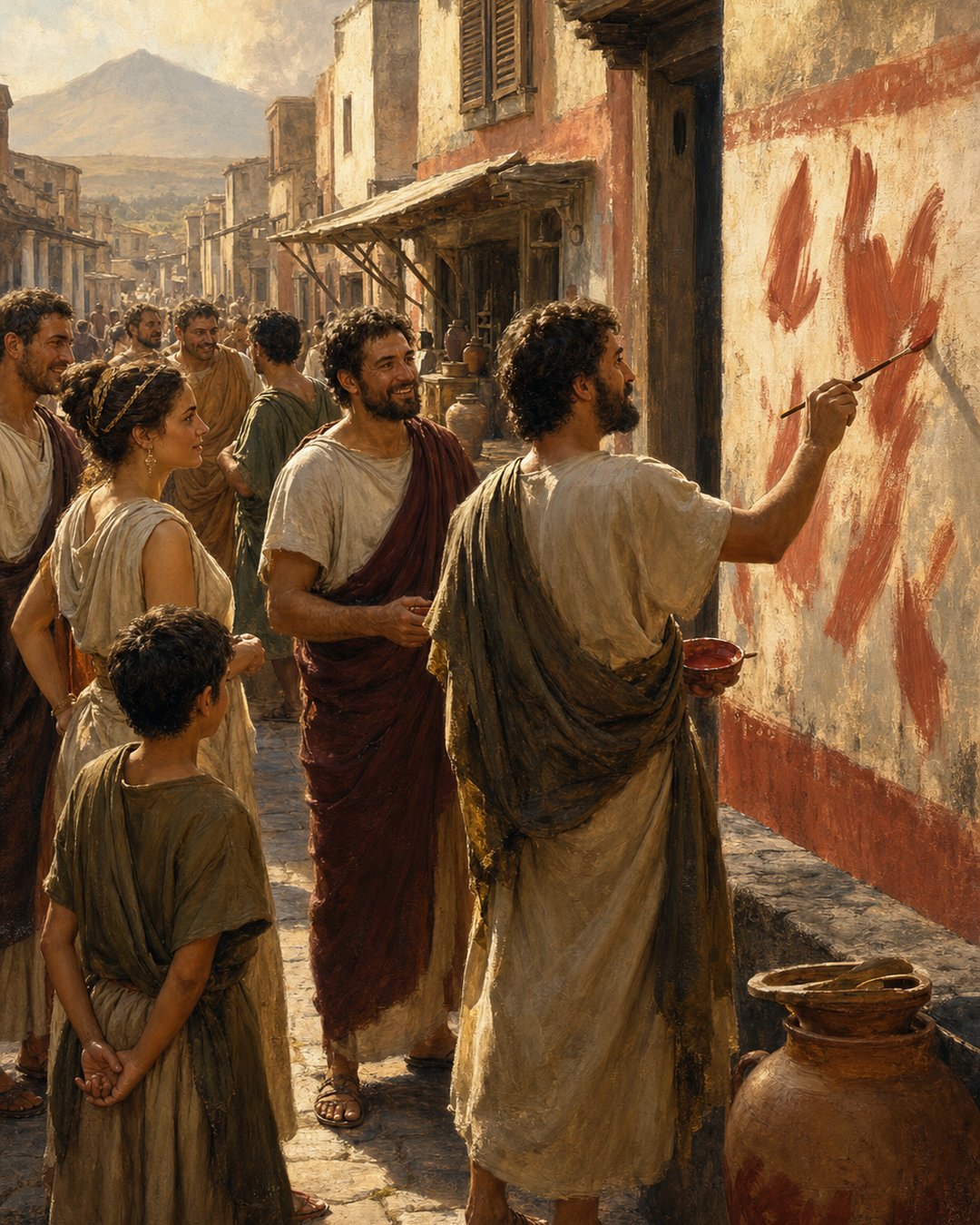
Pompeii’s election notices are easy to miss because they are not grand monuments. They were paint on walls: public recommendations written across streets, shopfronts, house fronts, and busy corners. Yet those painted lines reveal a political world that was not confined to marble forums or senatorial speeches. The eruption of 79 CE froze a town … Read more

Why Roman Lighthouses Made the Sea Feel Governed

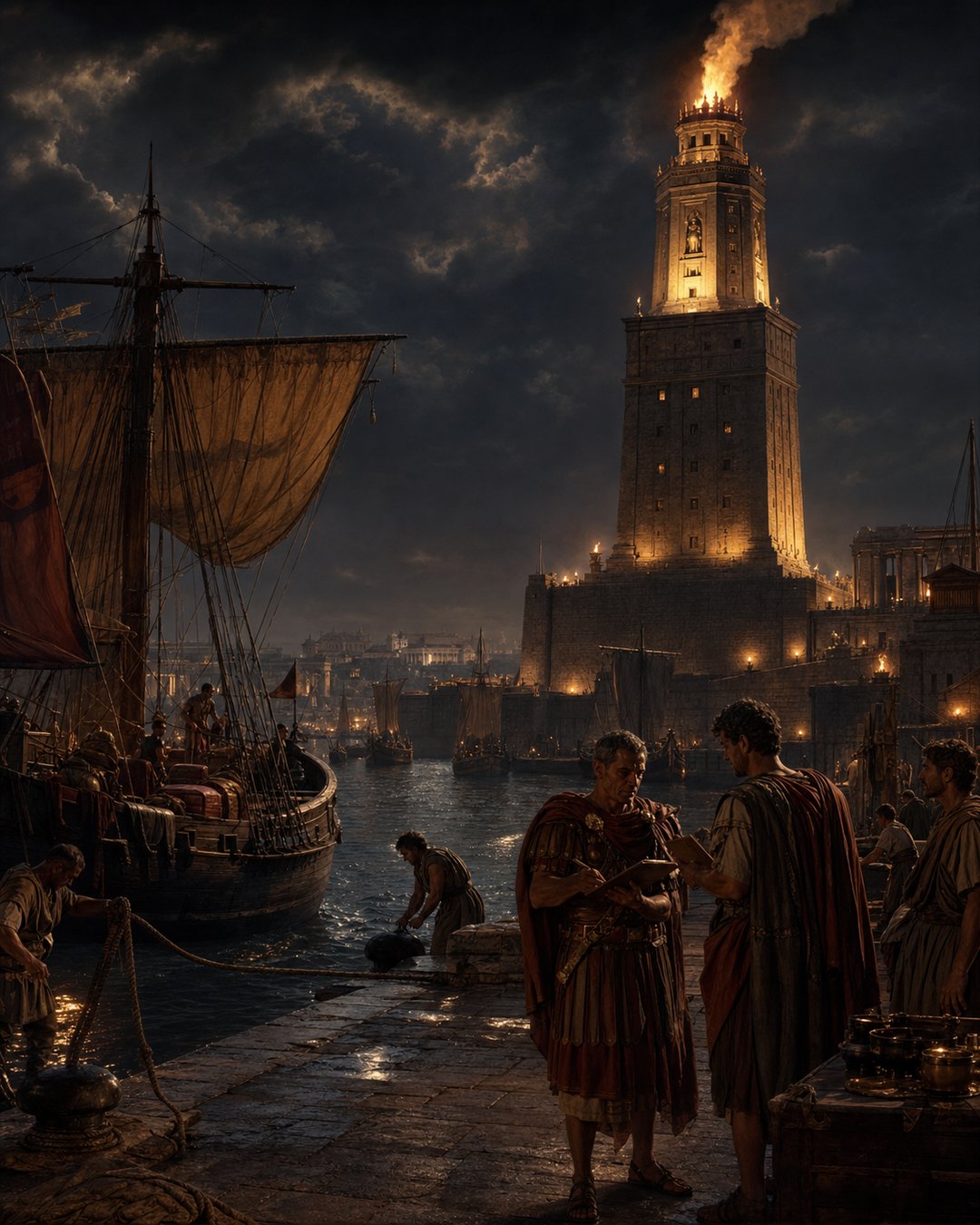
A lighthouse is a simple idea only from a safe distance. Raise a fire where sailors can see it, and the coast becomes less mysterious. But in the Roman world, that raised light did more than help ships find harbor. It made the sea feel watched, expected, and partly governed. Roman power did not end … Read more

Why Roman Amphorae Made Trade Visible

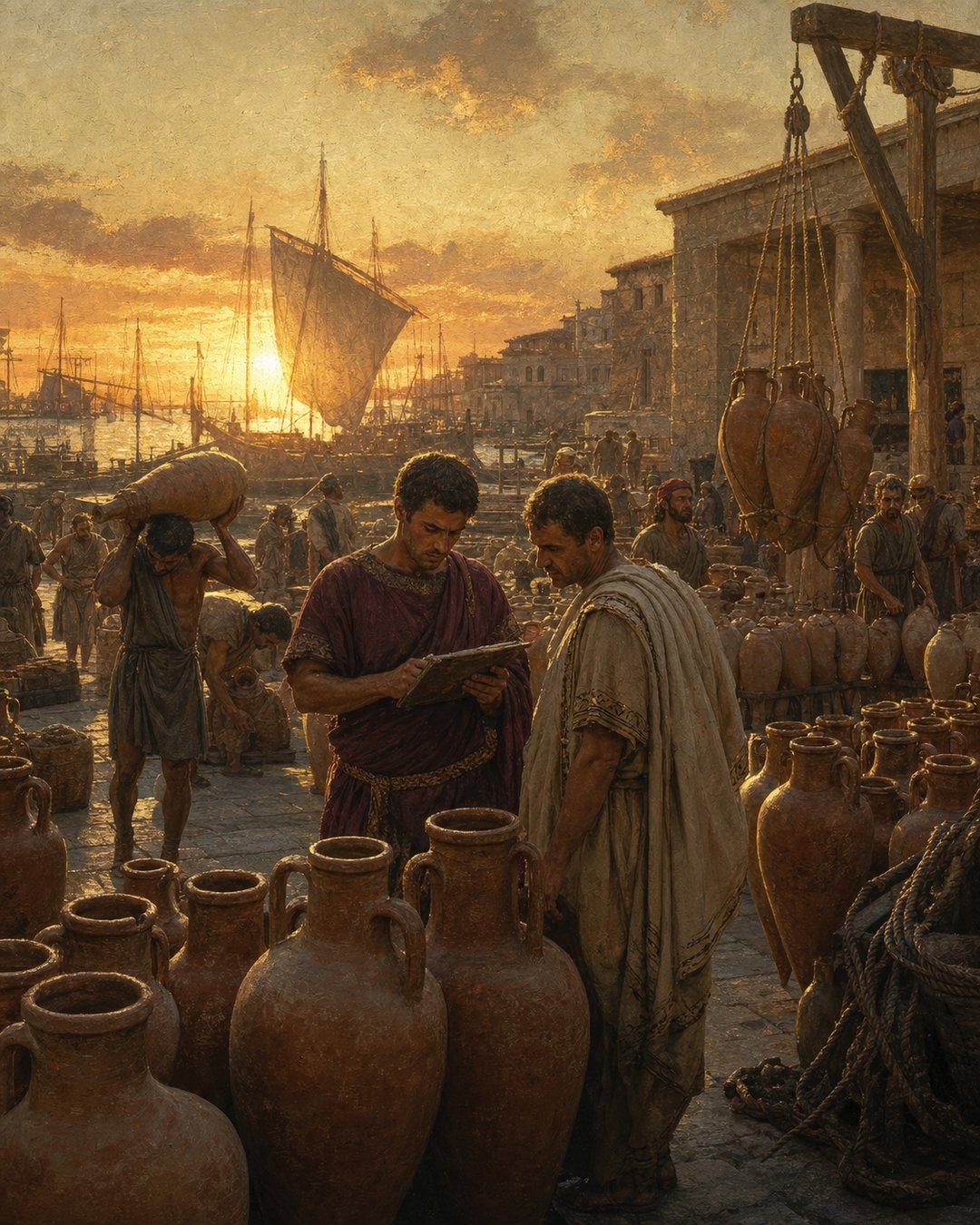
A Roman amphora looks humble until you notice how much information it carried. It was a jar, but also a transport tool, a label, a standardized shape, and eventually an archaeological witness. Wine, olive oil, fish sauce, and other cargoes moved in these two-handled ceramic containers because they could be stacked, counted, sealed, handled, and … Read more

Why Rome’s Grain Ships Made Politics Nervous

Rome’s bread began before the baker touched the dough. It began on farms in Sicily, North Africa, and Egypt; in warehouses near harbors; in ships facing bad weather; and in the records of officials who knew that a hungry capital was never only a household problem. A grain ship was cargo, but it was also … Read more

The Aqueduct That Made Water Look Like Power

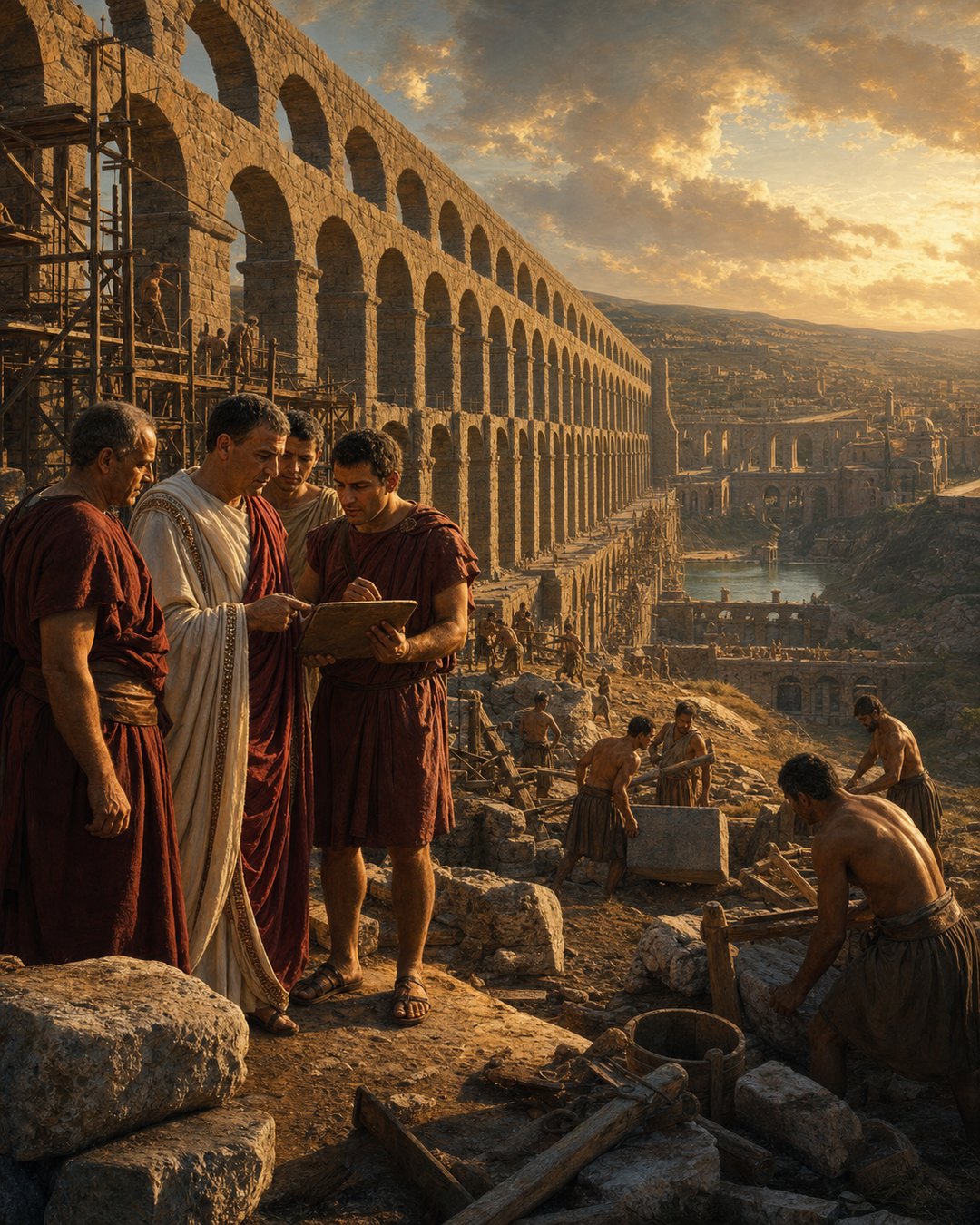
The most persuasive monument in Rome was not always a temple or a triumphal arch. Sometimes it was water arriving where nature had not put it. A Roman aqueduct made a political promise visible in stone: the city could command distant springs, measure gradients across miles, repair channels, punish theft, and make public benefit flow … Read more

Why Roman Milestones Were More Than Road Signs

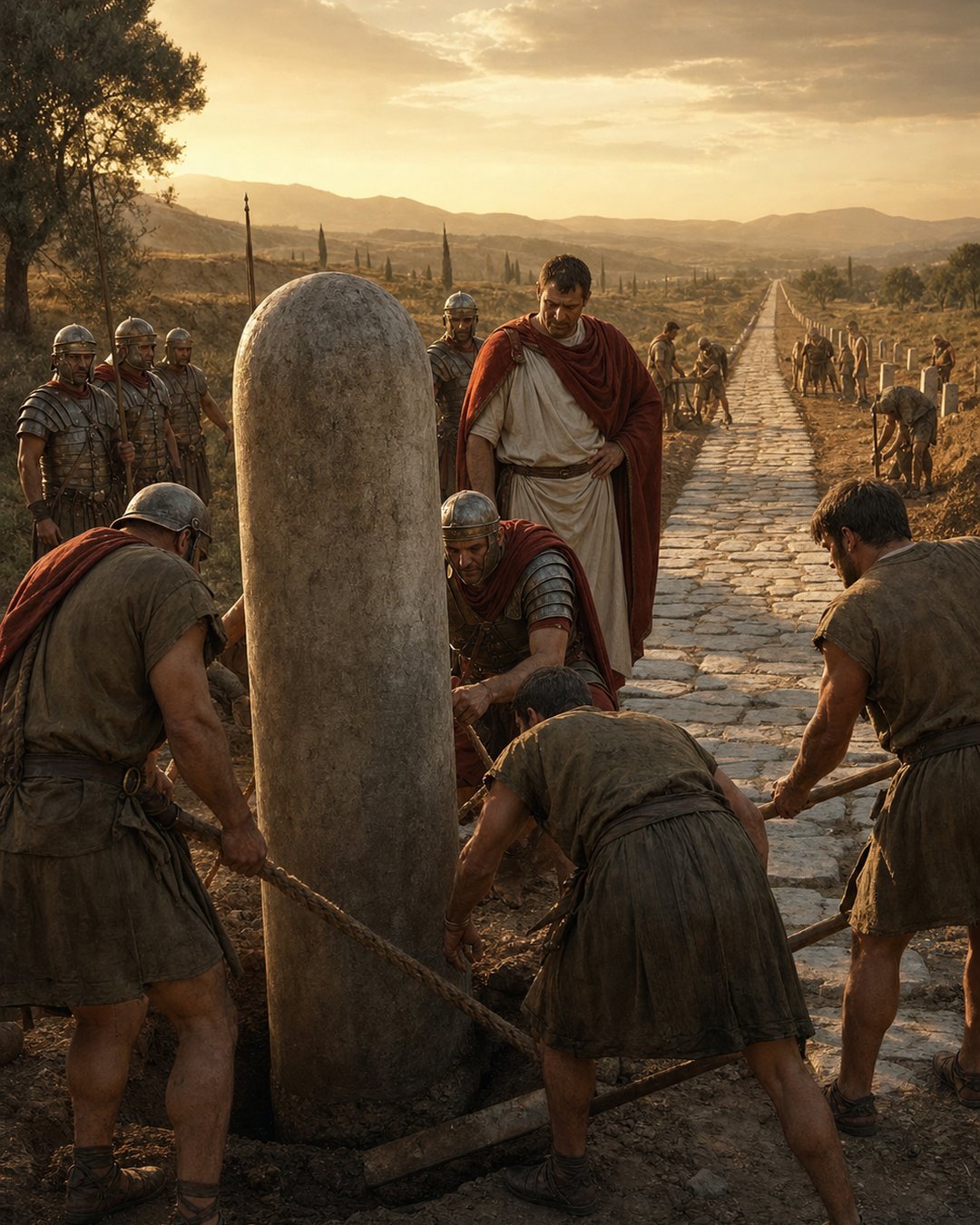
A Roman milestone seems like the least mysterious object in the empire. It stands beside a road and tells travelers about distance. But Roman milestones did more than help people count miles. They made movement political. A stone on the roadside could connect a traveler’s feet to an emperor’s name, a magistrate’s office, a repaired … Read more