Why Roman Porticoes Made Public Life Walkable
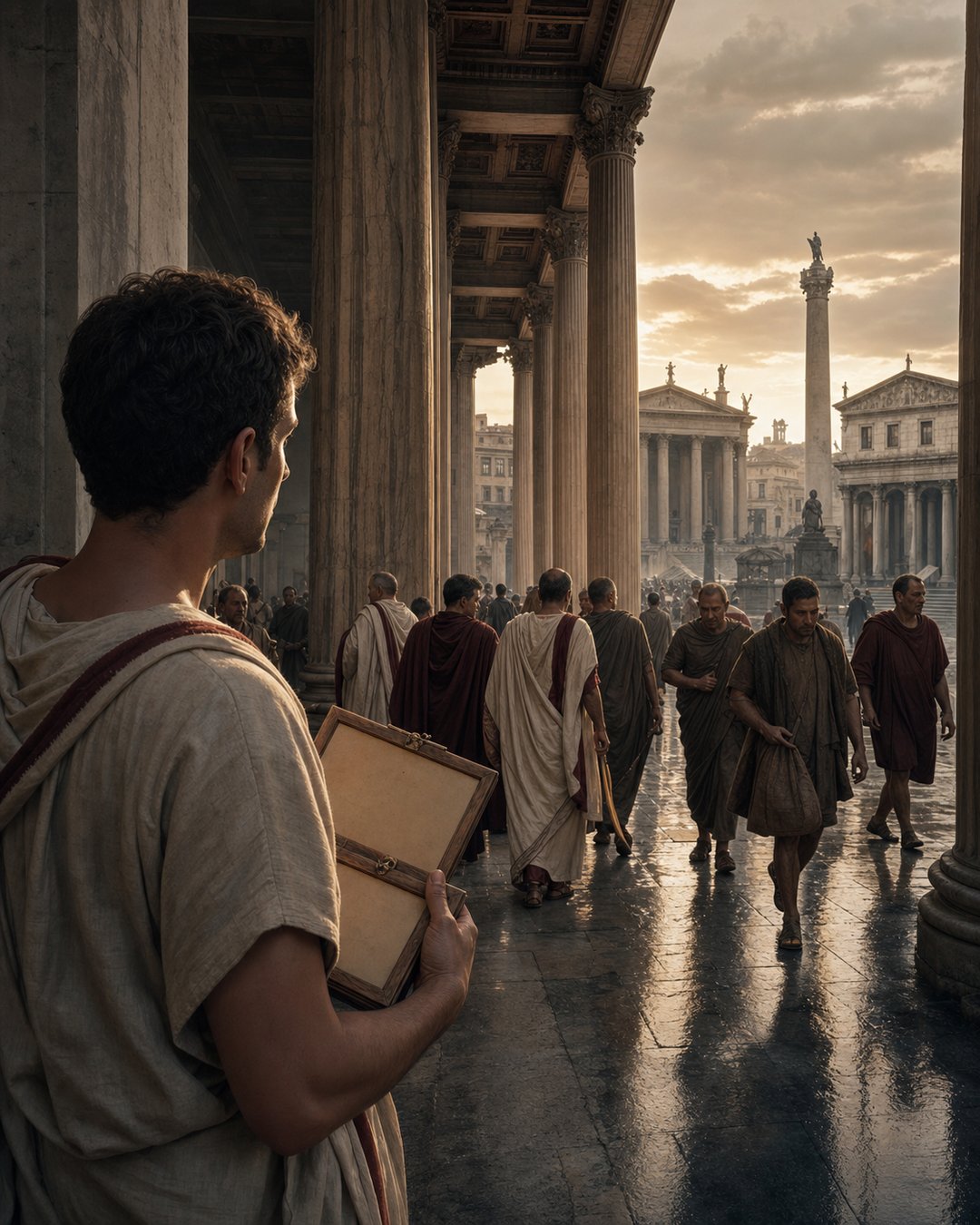
A Roman portico looks quiet beside a triumph, an aqueduct, or a battlefield. It is only a line of columns and a roof. Yet that modest architecture solved one of the city’s hardest problems: how to keep public life moving when weather, crowds, status, and business all pressed into the same streets. Roman porticoes made … Read more
Why Roman Basilicas Made Private Business Public

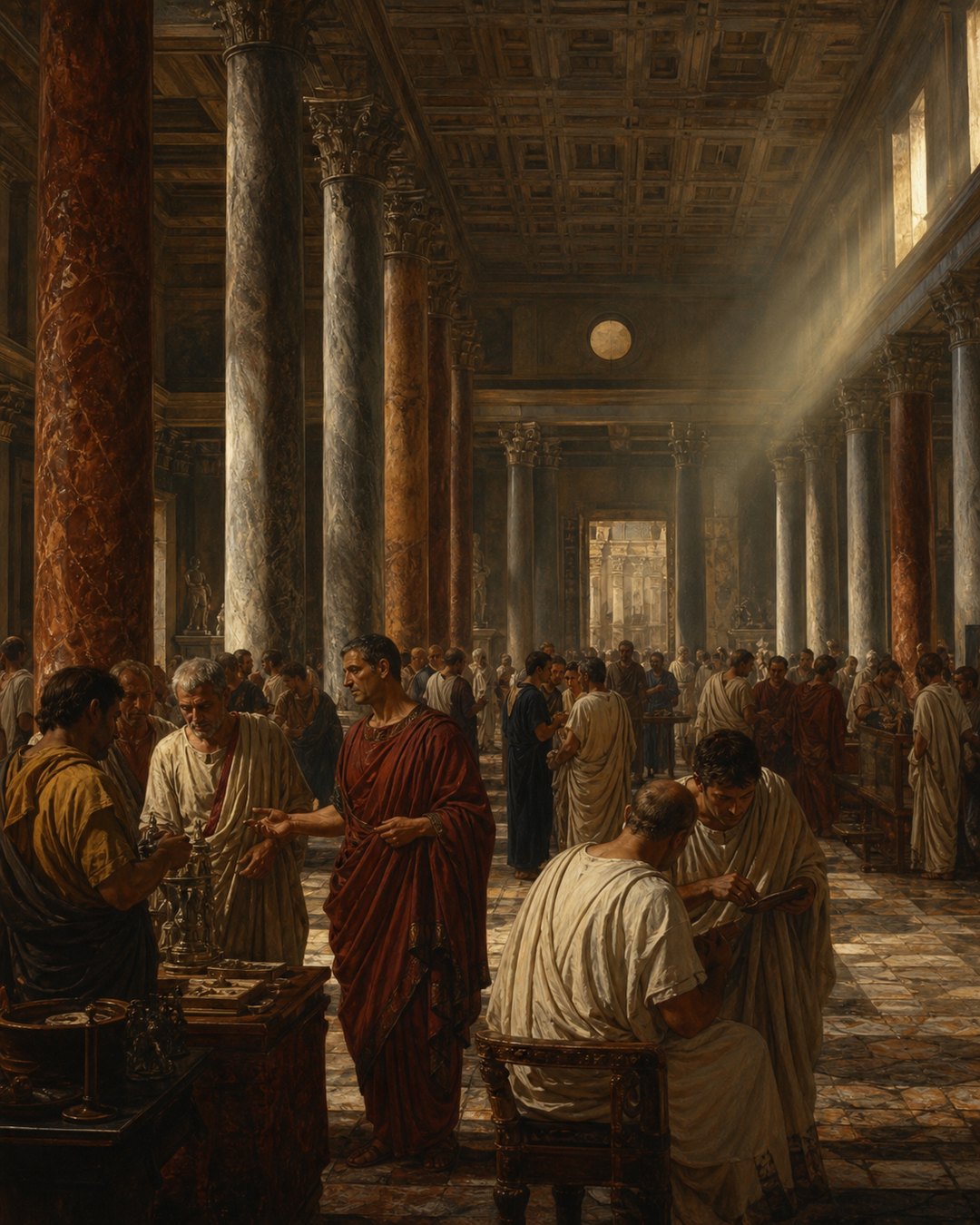
A private dispute changes when it happens under columns. A debt, a bargain, a legal argument, or a promise sounds different when other people can see the waiting, hear the murmur, and remember the faces. Roman basilicas made private business public because they gave ordinary pressure a civic setting. Commerce and law did not vanish … Read more

Why Roman Amphitheater Seating Made Status Visible

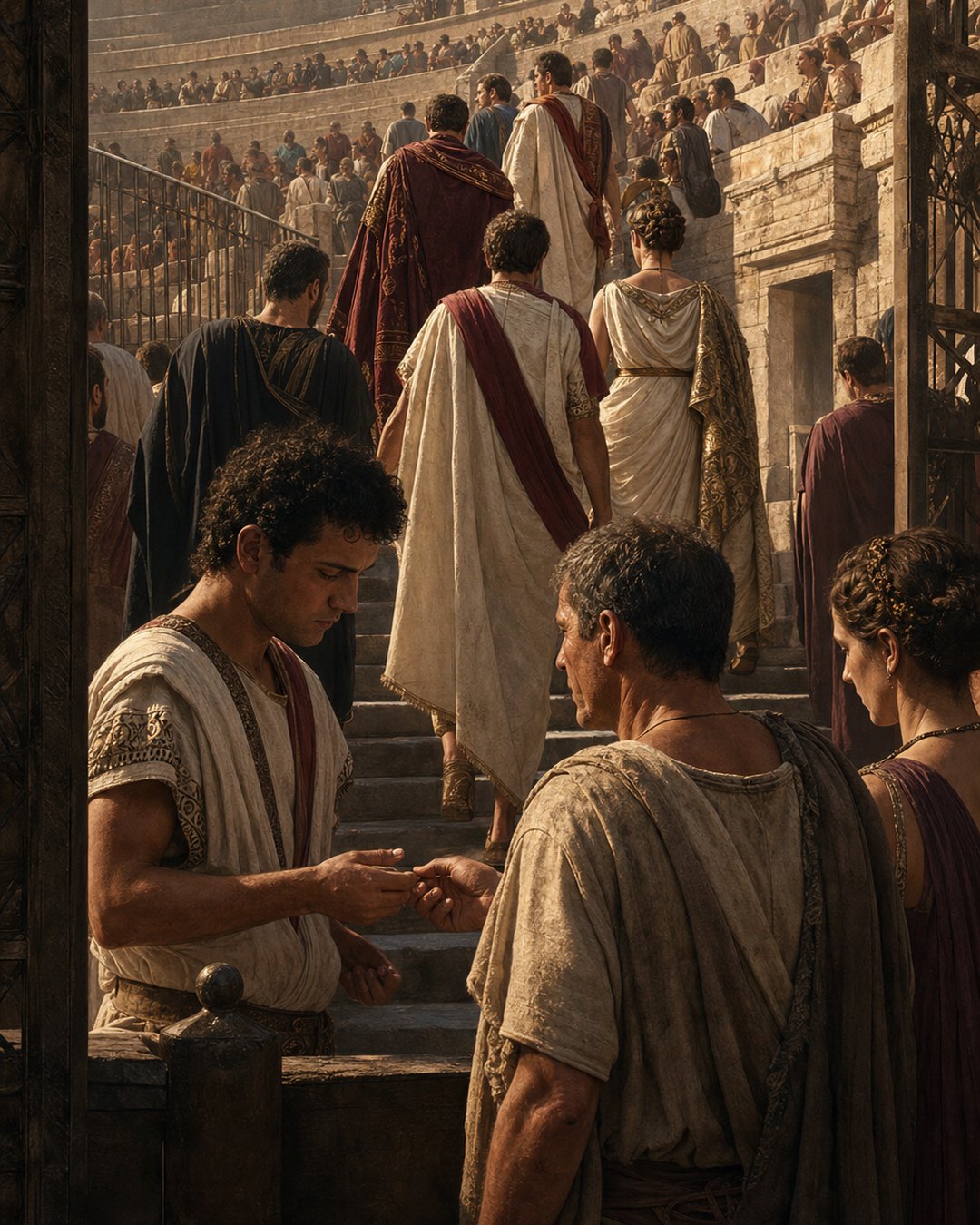
A Roman amphitheater could make thousands cheer at once, but it did not make them equal. The building gathered people together while quietly reminding them that public unity had an order. Roman amphitheater seating made status visible because entry, passage, and position turned the crowd into a map. Entertainment happened in the arena; hierarchy happened … Read more

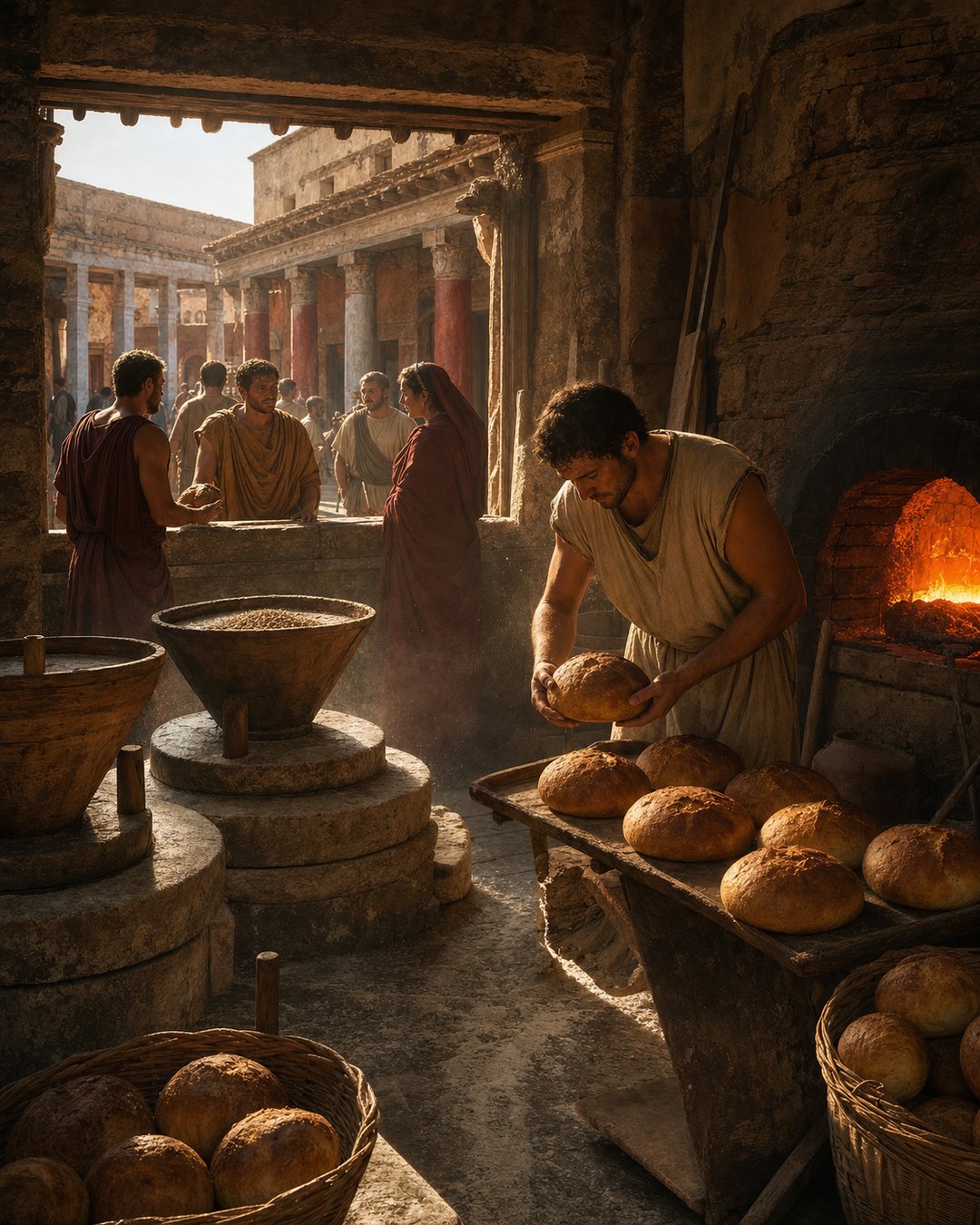
Why Roman Bakeries Made Bread a Public Routine

A Roman loaf was never only a quiet household object. Before it reached the hand, it had passed through grain, stone, sweat, oven heat, street trade, and the gaze of people who knew where bread came from. Roman bakeries made bread a public routine because the city could not eat on private intention alone. The … Read more

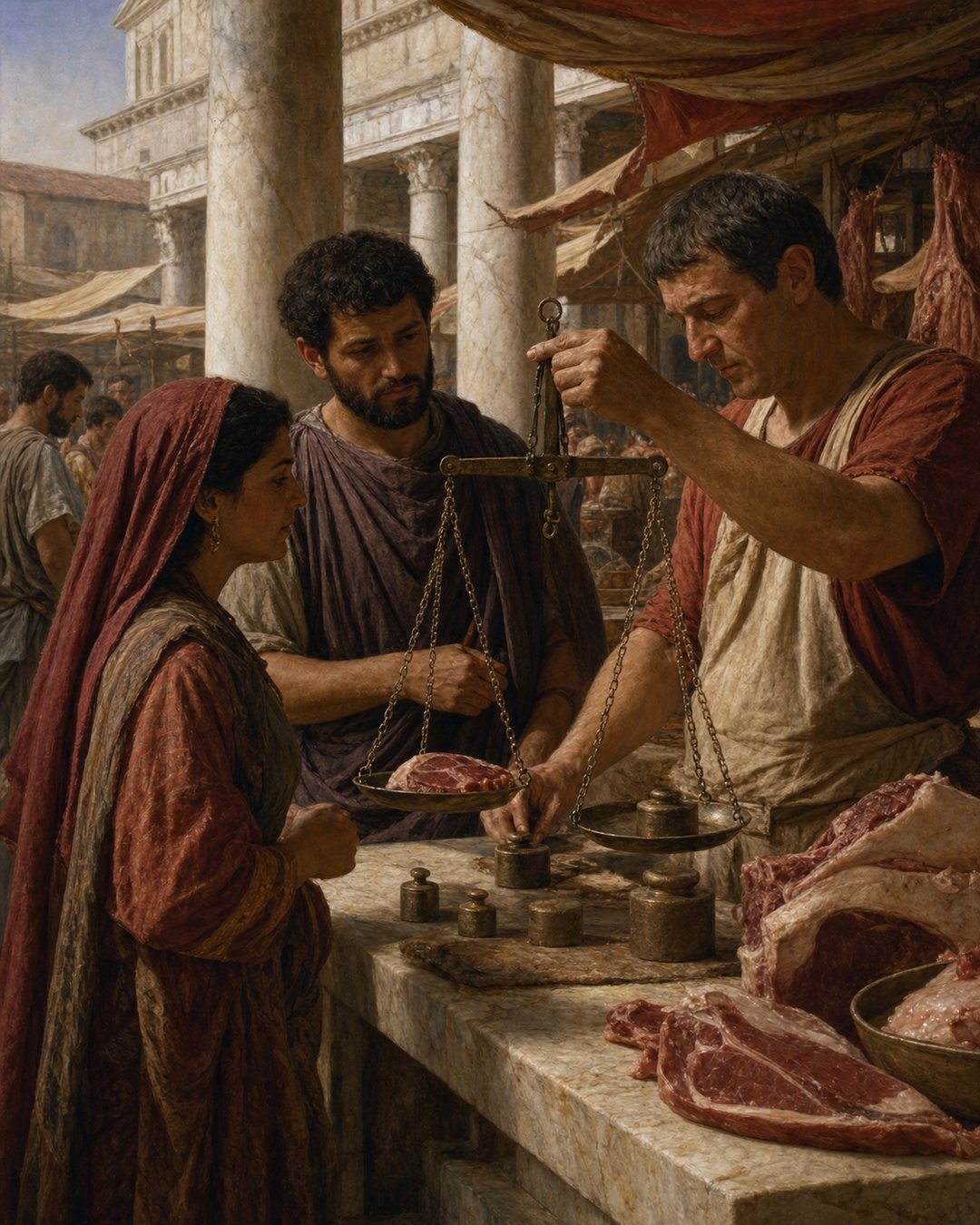
Why Roman Market Weights Made Trust Public

A Roman market did not need silence to create trust. It needed a counter, a balance, a set of weights, and enough witnesses to make a bad measure risky. The buyer could look, the seller could answer, and the object between them could speak louder than either. Roman market weights made trust public because exchange … Read more

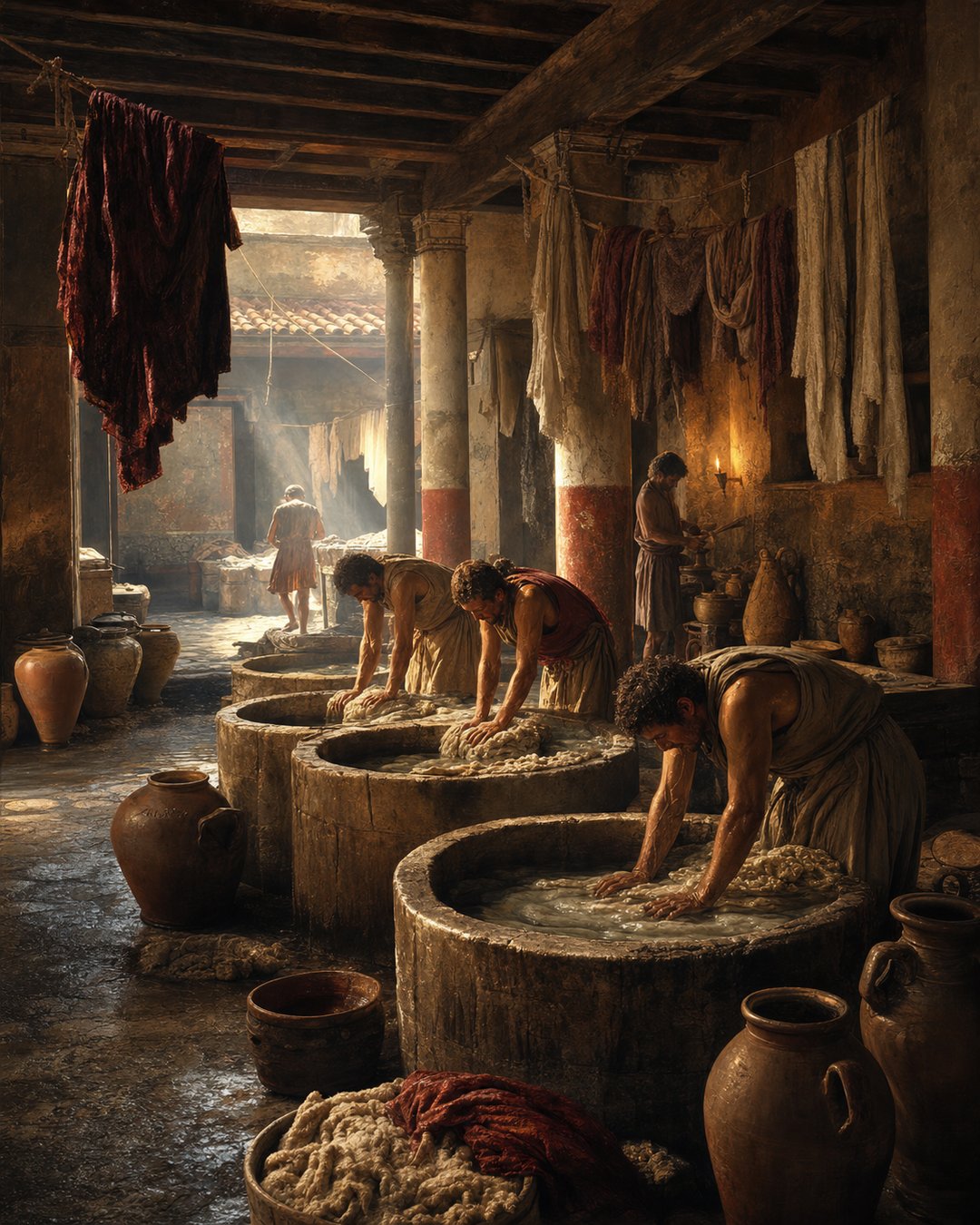
Why Roman Fullonicae Made Clean Clothes a Public Business

A Roman garment could look calm in public: folded cloth, a clean edge, a citizen dressed for the street, a tunic or toga made to seem natural. The work behind that surface was not calm at all. The fullonica made clean clothes a public business because Roman respectability depended on labor performed in wet, noisy, … Read more

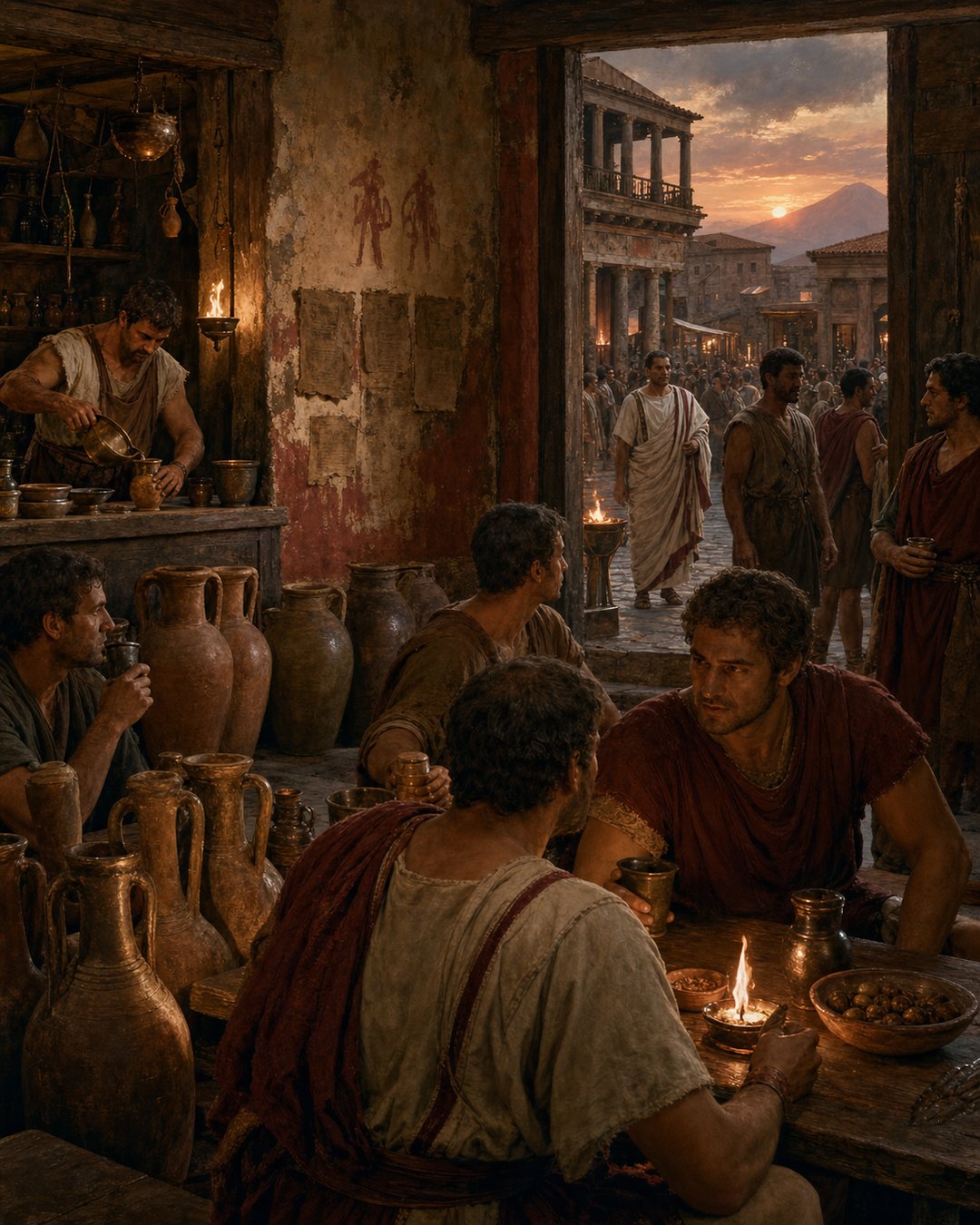
Why Roman Taverns Made Politics Hard to Keep Private

A Roman tavern did not need a speaker’s platform to matter politically. It only needed a counter open to the street, a few cups, the smell of cooked food, and people who kept coming back because daily life gave them reasons to pause there. The taberna made politics hard to keep private because it joined … Read more

Why Roman Street Fountains Made Water Public

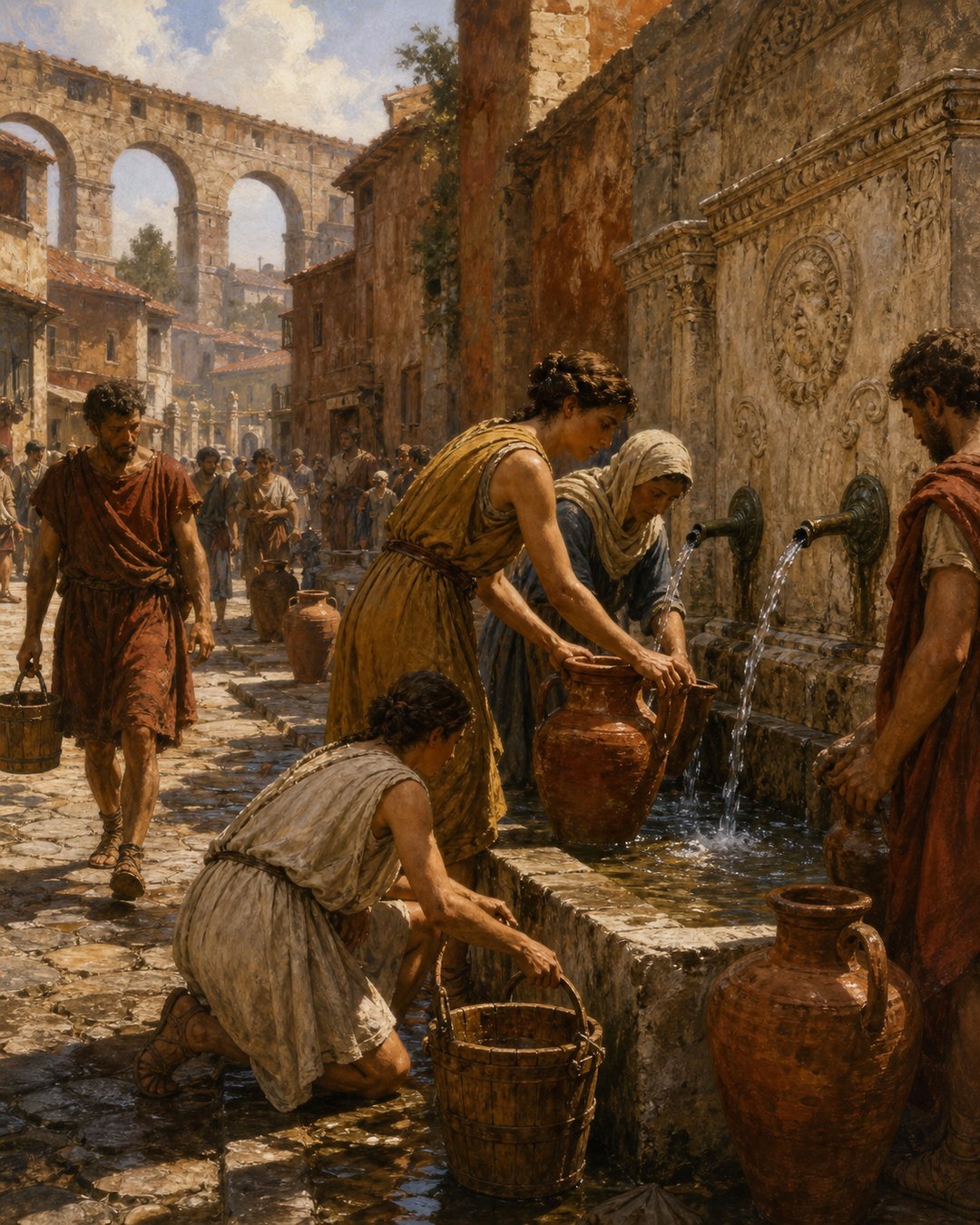
A Roman aqueduct could look like a monument from a distance, but its real test came at street level. Water had to arrive where people could use it: at basins, fountains, baths, workshops, and neighborhoods whose daily routines depended on a reliable flow. Street fountains mattered because they made water public. They turned distant engineering … Read more

Why Roman Baths Made Private Ambition Public

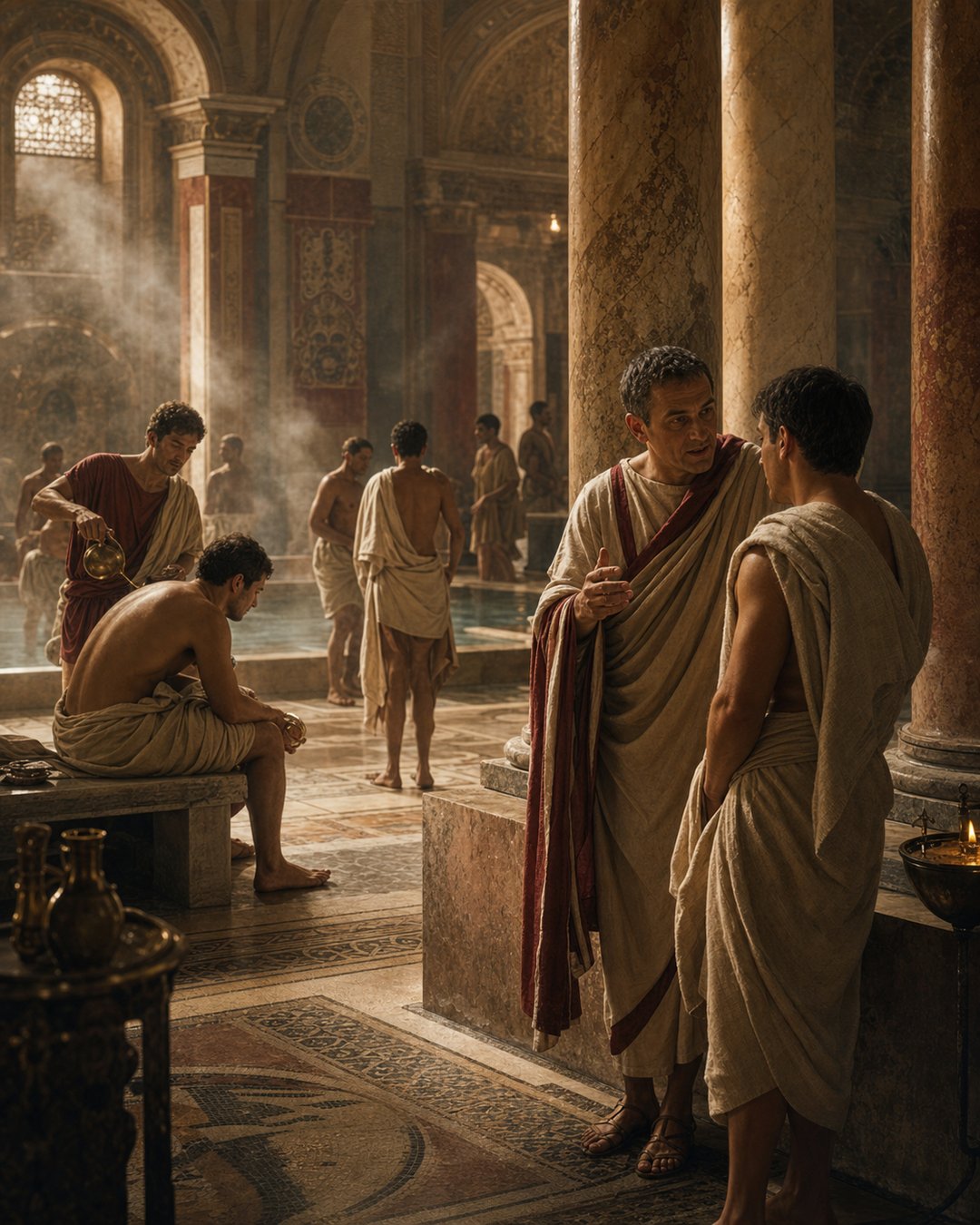
A Roman bath was not just where the day softened. It was a place where bodies, greetings, favors, rumors, clients, attendants, and ambitions moved through steam together. Privacy entered the bath and came out social. Baths mattered because they made private ambition public. A man could wash, exercise, gossip, look generous, pursue a patron, display … Read more

Why Roman Insulae Made Fire a Public Problem

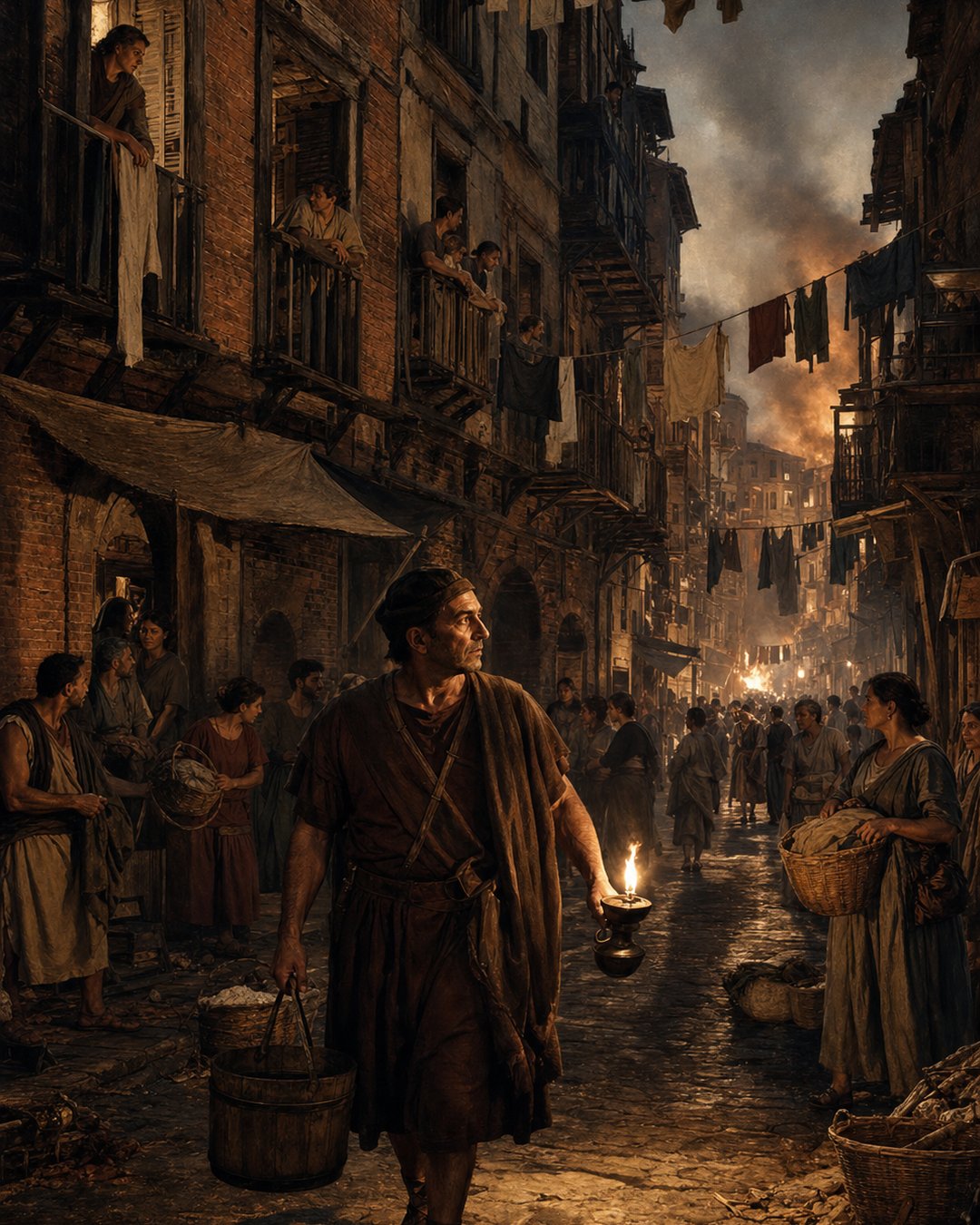
A Roman apartment fire was never only a private misfortune. In a crowded block of insulae, one lamp, brazier, stairwell, or careless flame could become the problem of every neighbor above, below, and across the street. Density changed the meaning of accident. The insula matters because it made danger public. Rome’s poor and middling residents … Read more