How Roman Tablets Made State Memory Portable
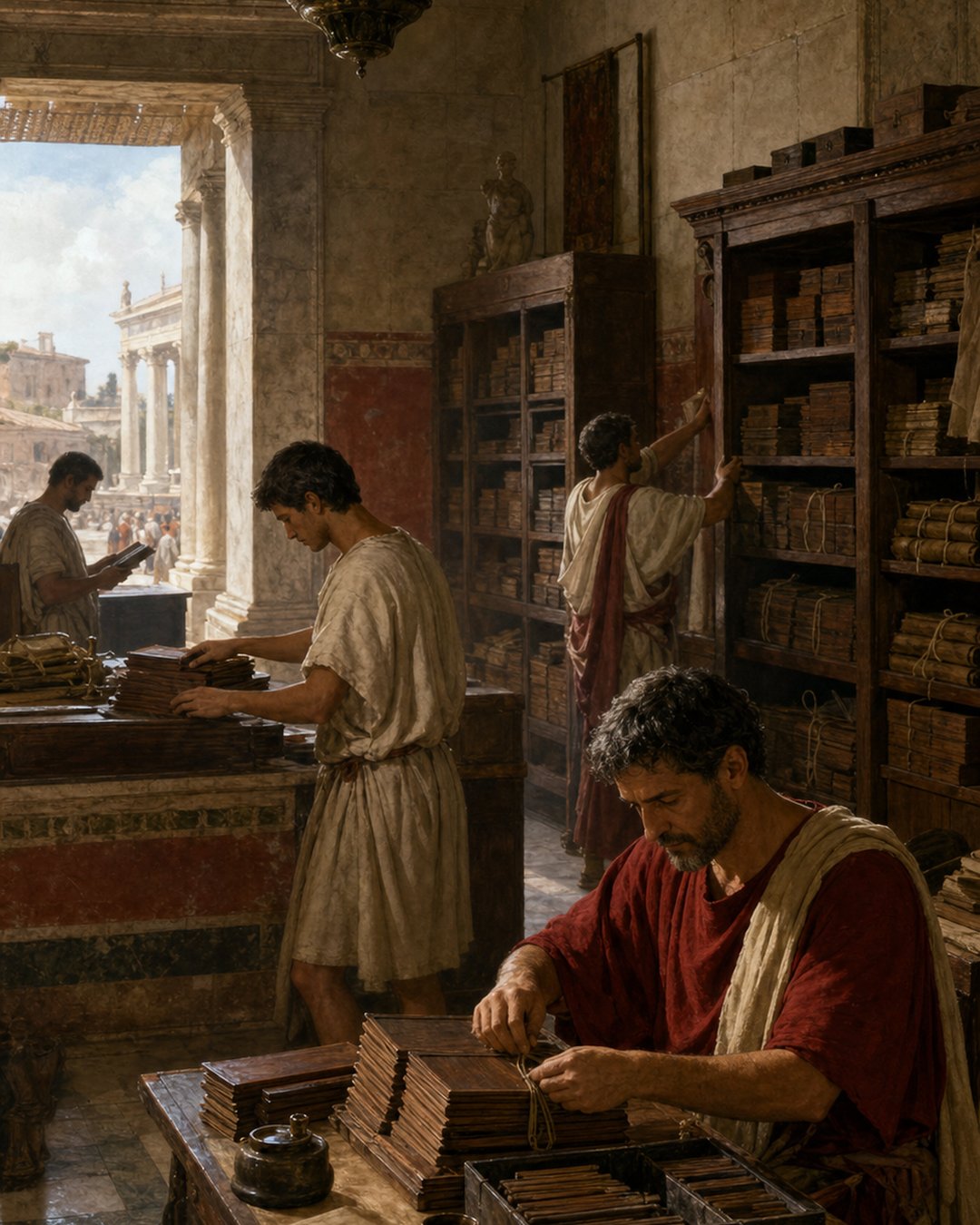
A Record You Could Hold In One Hand The Roman state did not remember only through marble, bronze, and famous laws carved in public places. A great deal of its everyday memory was smaller, darker, and easier to carry: a wooden tablet with wax inside it, a stylus mark pressed into the surface, a cord … Read more
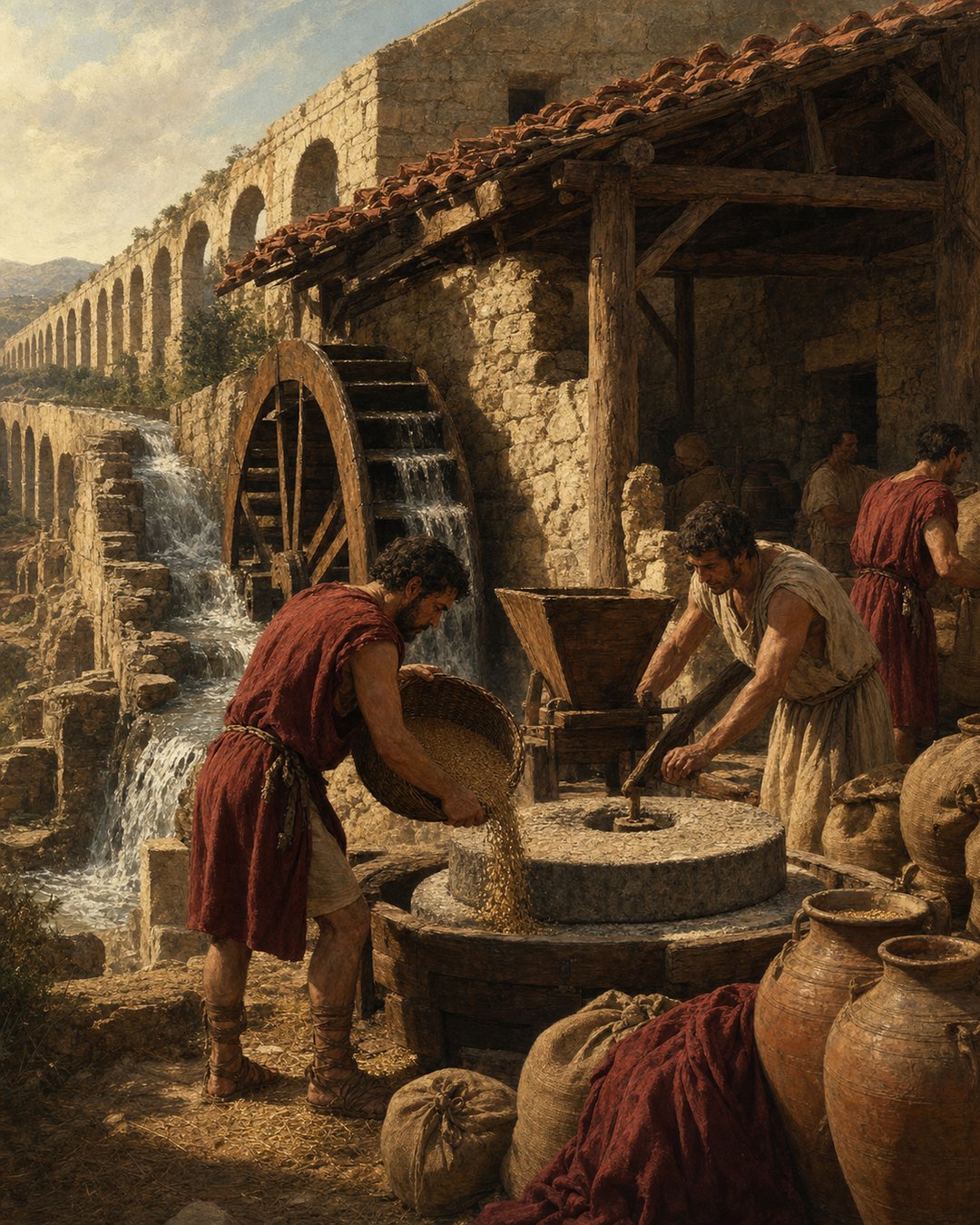
Why Roman Watermills Made Grain Less Dependent on Muscle

A Roman loaf began long before anyone smelled bread. It began with grain that had to be crushed, measured, moved, and trusted. That work could be done by hands, animals, or a machine that turned flowing water into pressure. Roman watermills made grain less dependent on muscle because they joined natural force to a visible … Read more

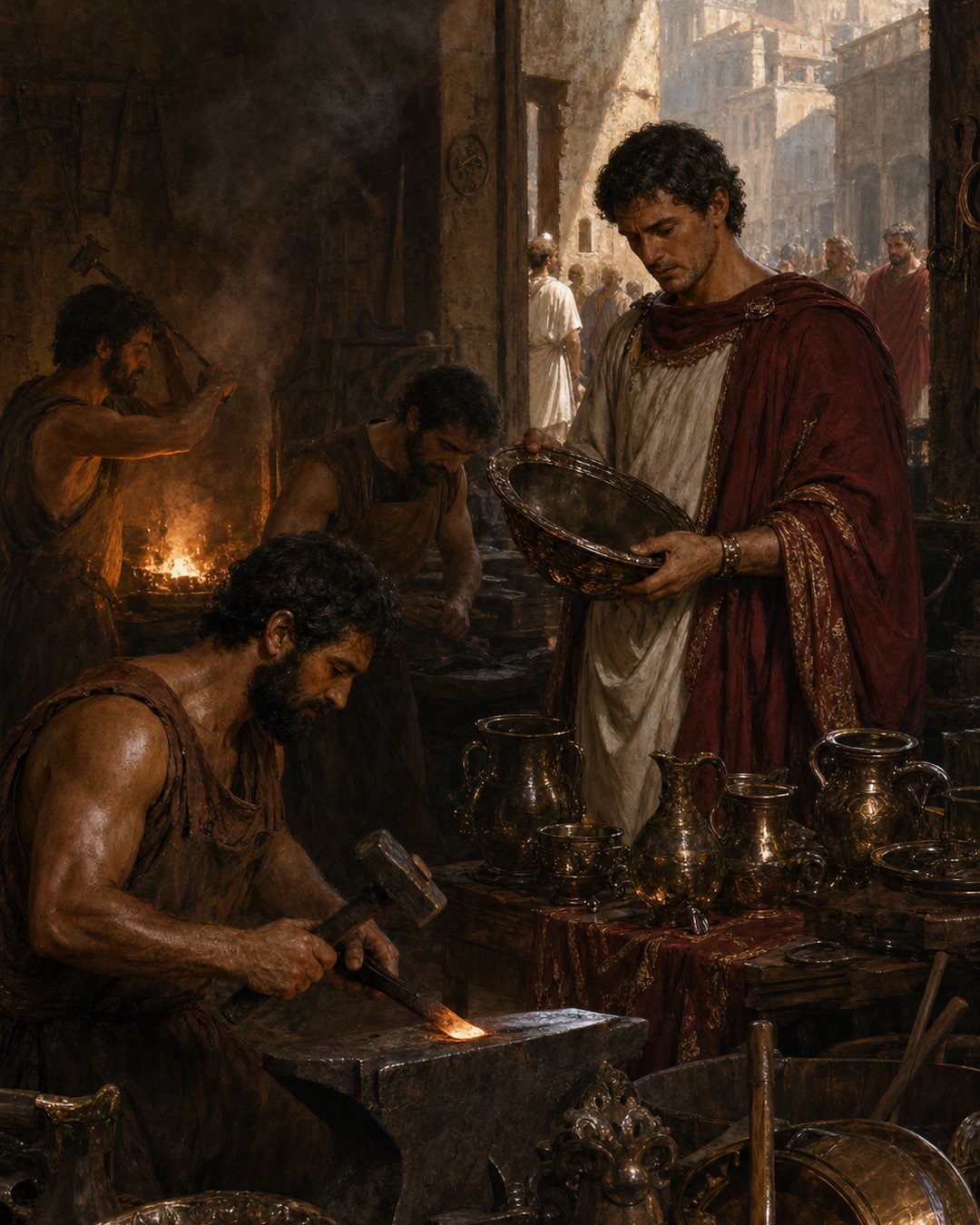
How Roman Workshops Made Craft Public

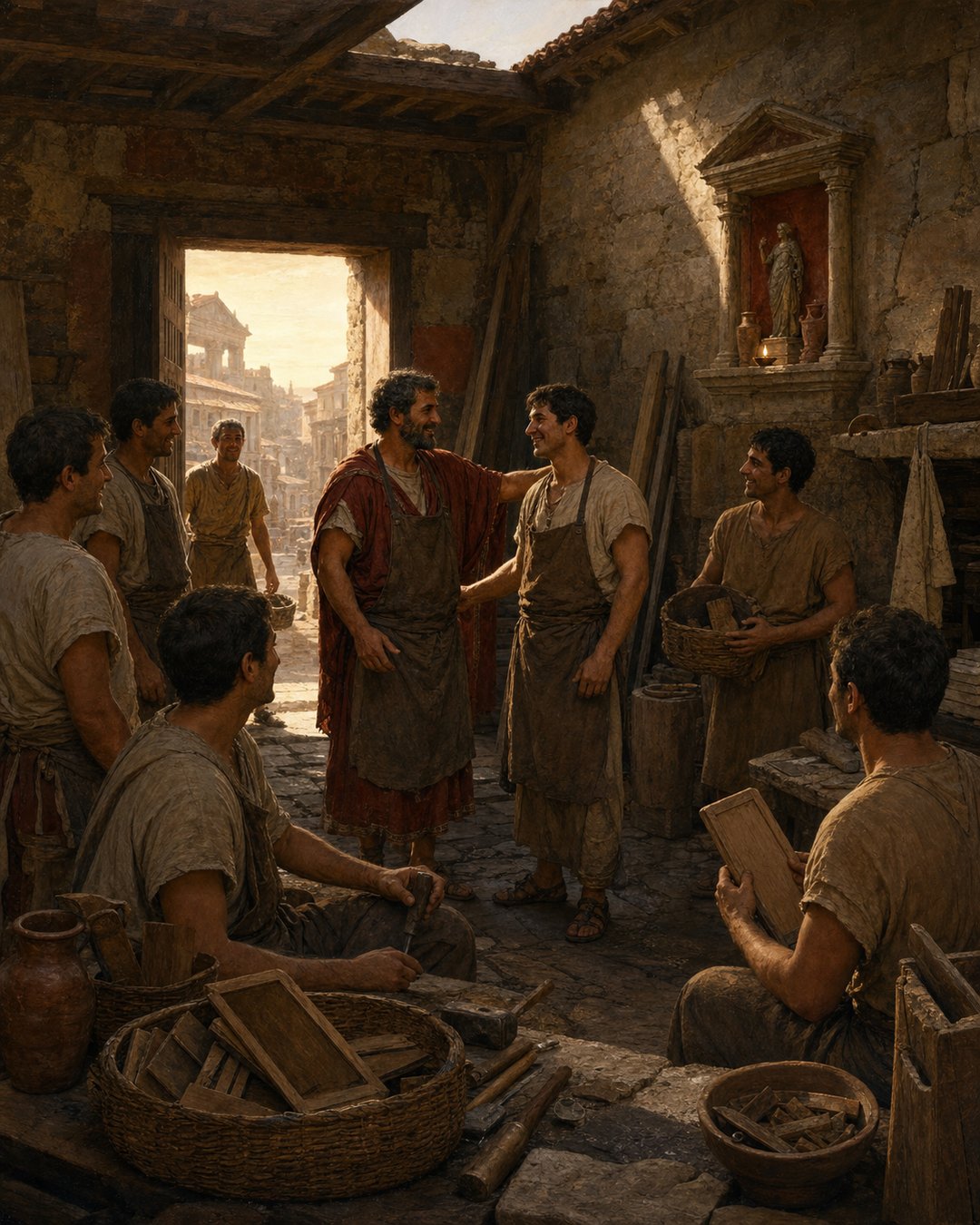
A Roman workshop was not simply a room where things were made. When it opened toward the street, it became a public argument about skill, reliability, noise, and reputation. Roman workshops made craft public because labor could be watched, heard, smelled, and judged. The doorway turned work into evidence before the finished object ever changed … Read more

Why Roman Tabernae Made Streets Into Marketplaces

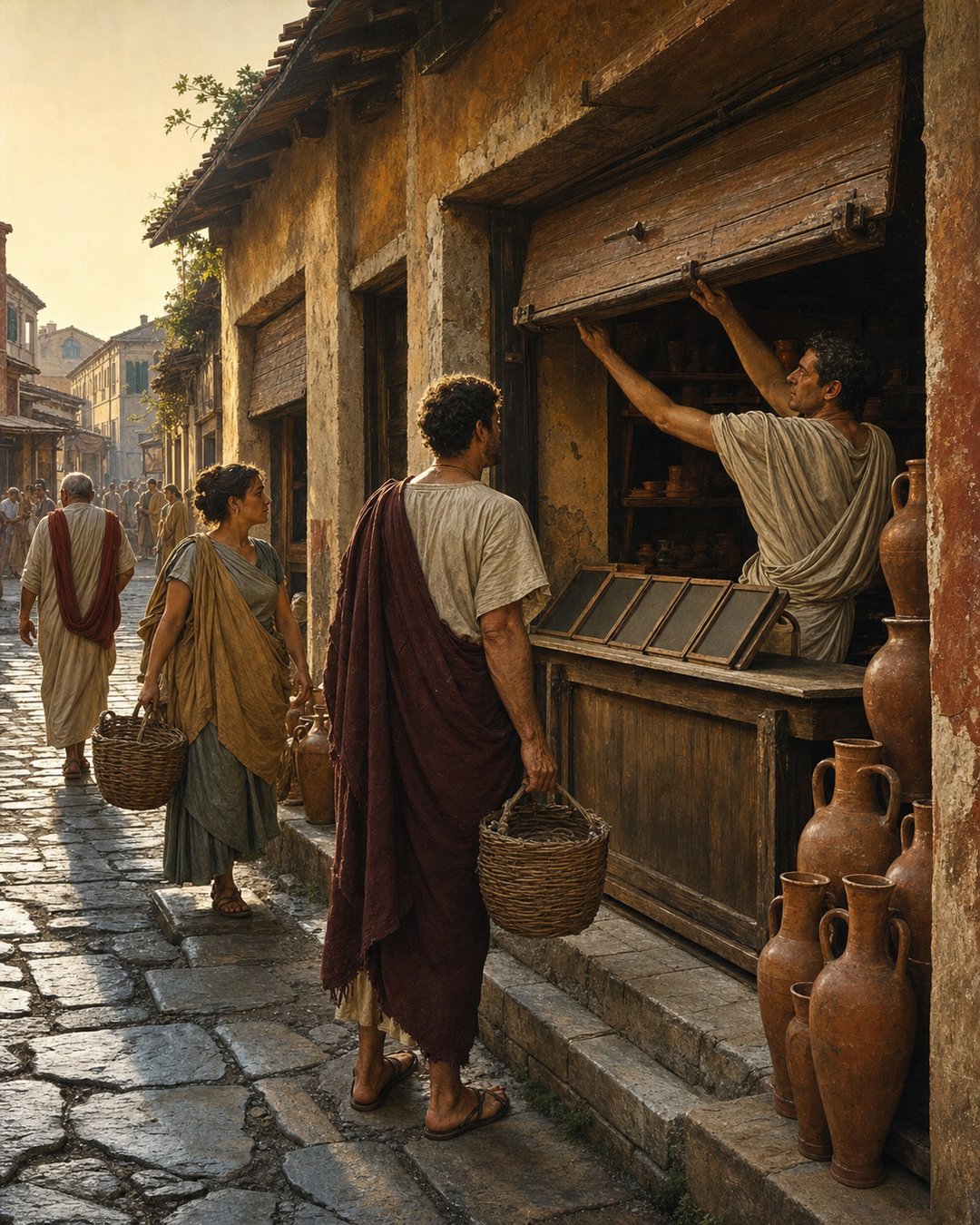
A Roman market was not confined to one grand space. It could appear in smaller bursts along a street whenever shutters opened, counters filled, and passersby slowed down. Roman tabernae made streets into marketplaces because they pushed exchange to the edge of public movement. A doorway became a stage where goods, prices, trust, suspicion, and … Read more

How Roman Collegia Made Work Public

A worker alone can disappear into the background of a Roman street. A group with a name, a meeting place, records, patrons, and rituals is harder to ignore. It begins to look like a body. Roman collegia made work public because they gave shared labor and shared identity recognizable forms. A craft, cult, neighborhood, or … Read more

How Roman Market Days Made Rural News Public

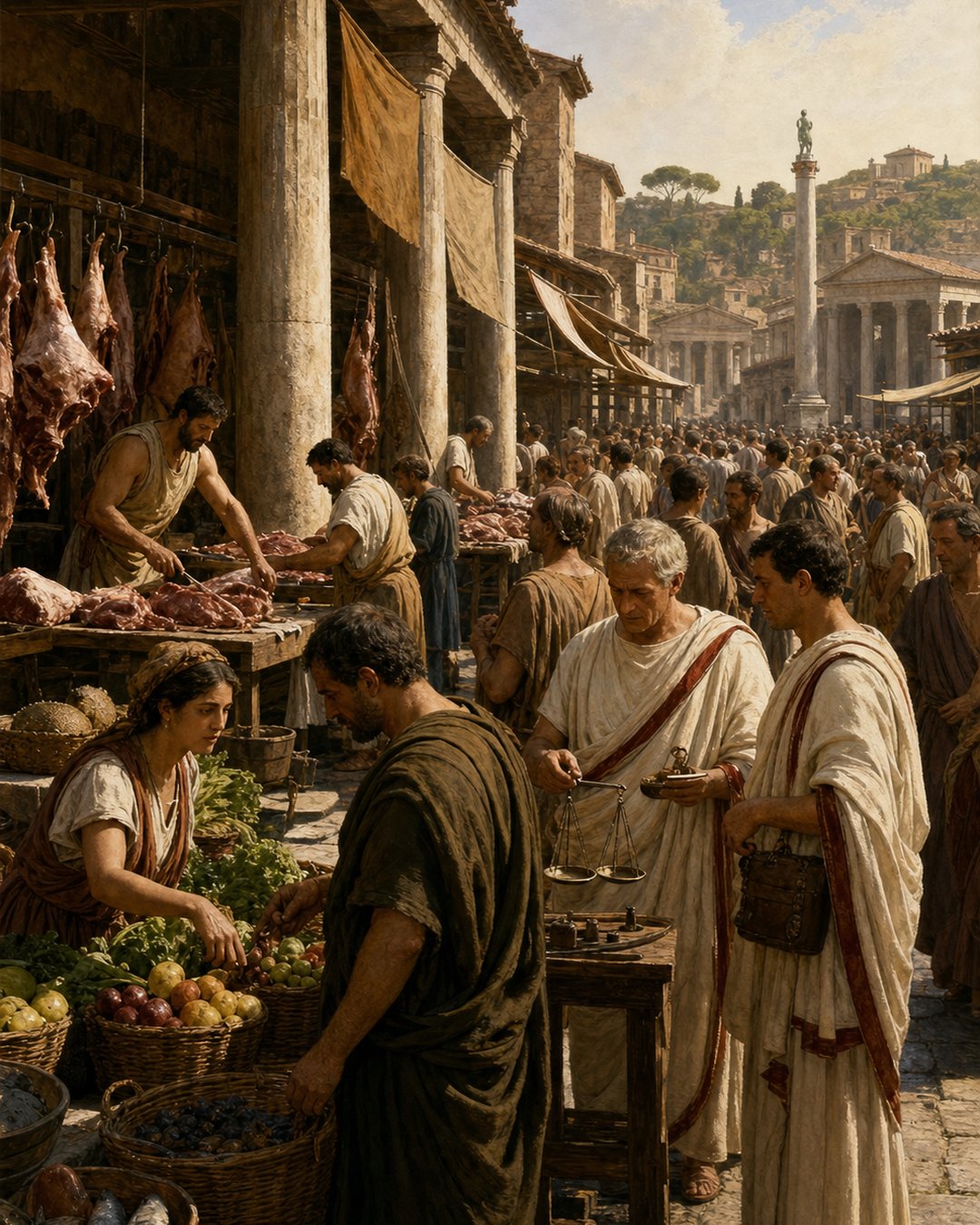
A market day begins with practical things: baskets, animals, meat, vegetables, coins, measures, and the awkward work of getting goods into town. But practical gathering has a way of becoming public life. Roman market days made rural news public because they turned repeated trade into repeated contact. The nundinae brought sellers, buyers, officials, prices, rumors, … Read more

How Roman Aqueduct Inspectors Made Water Trustworthy

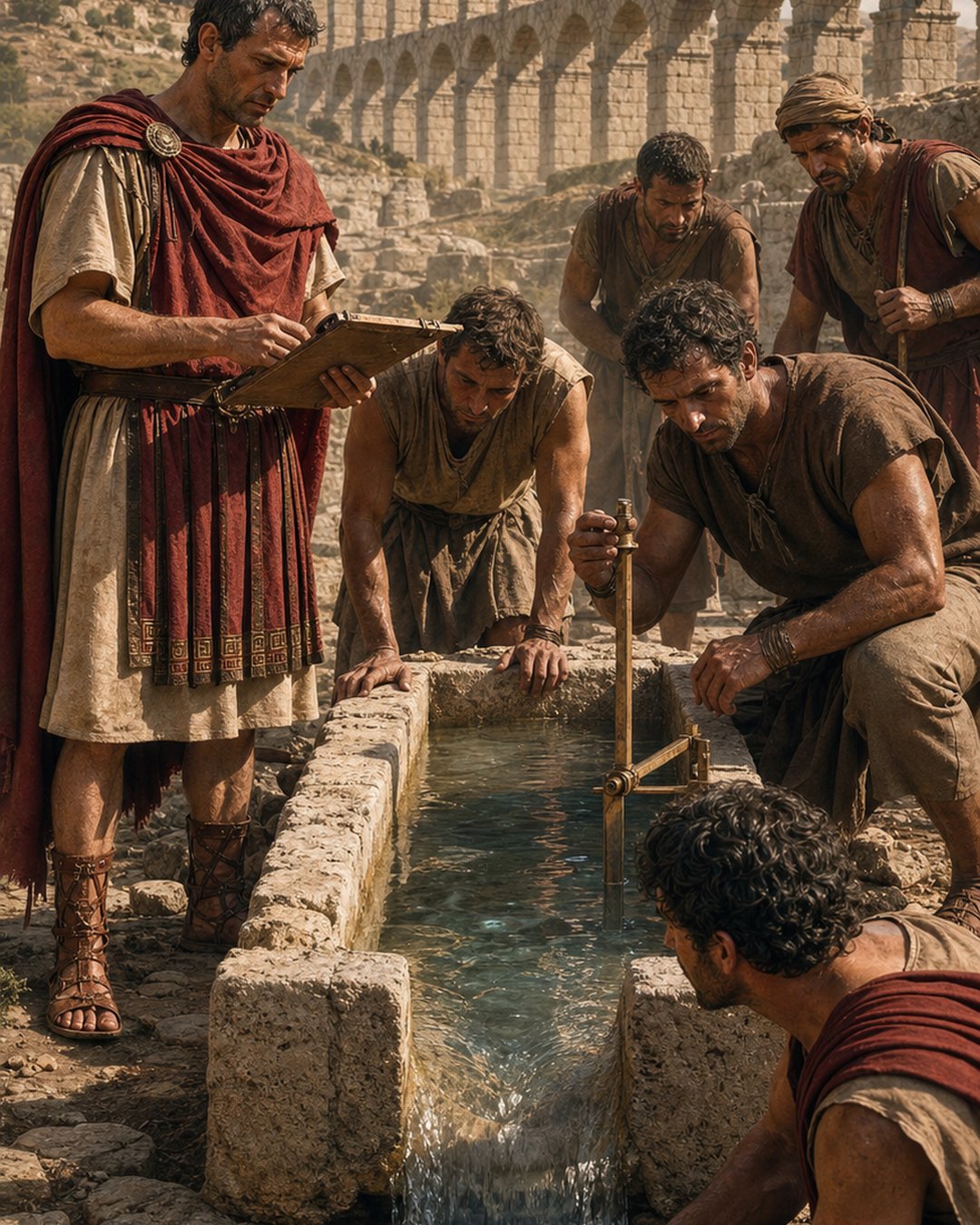
An aqueduct is easy to admire from far away. Arches stride across valleys, water arrives where gravity seems to have been persuaded into civic service, and a city appears to drink from stone. But Roman water did not become trustworthy because arches were beautiful. Roman aqueduct inspectors made water trustworthy because supply depended on oversight … Read more

Why Roman Libraries Made Memory Public

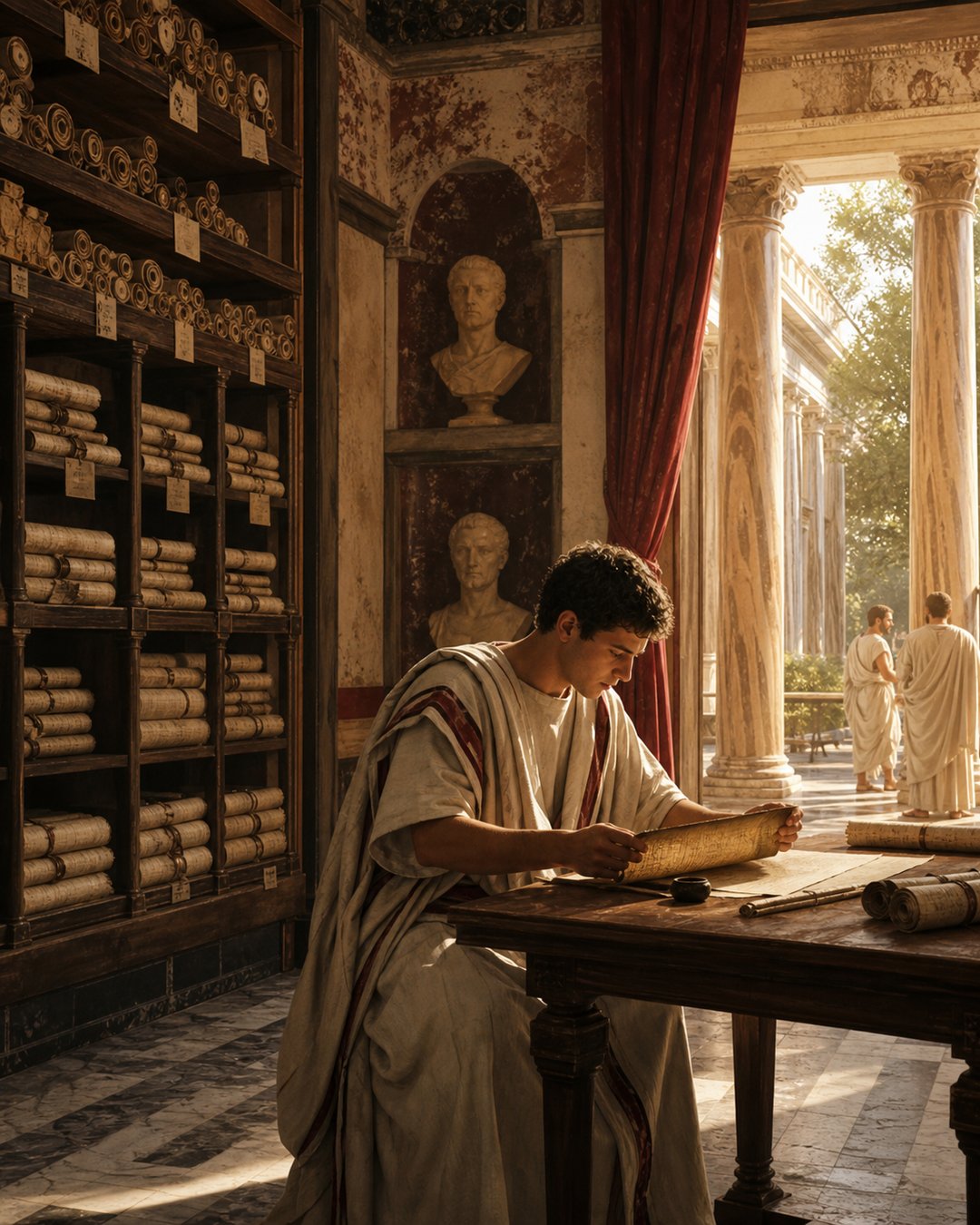
A Roman library was not only a quiet room for people who liked books. It was a place where memory took architectural form: shelves, scroll boxes, busts, tables, porticoes, and controlled access turned learning into something the city could see. Roman libraries made memory public because they changed written culture from scattered possession into a … Read more

Why Roman Oil Lamps Made Night a Public Routine

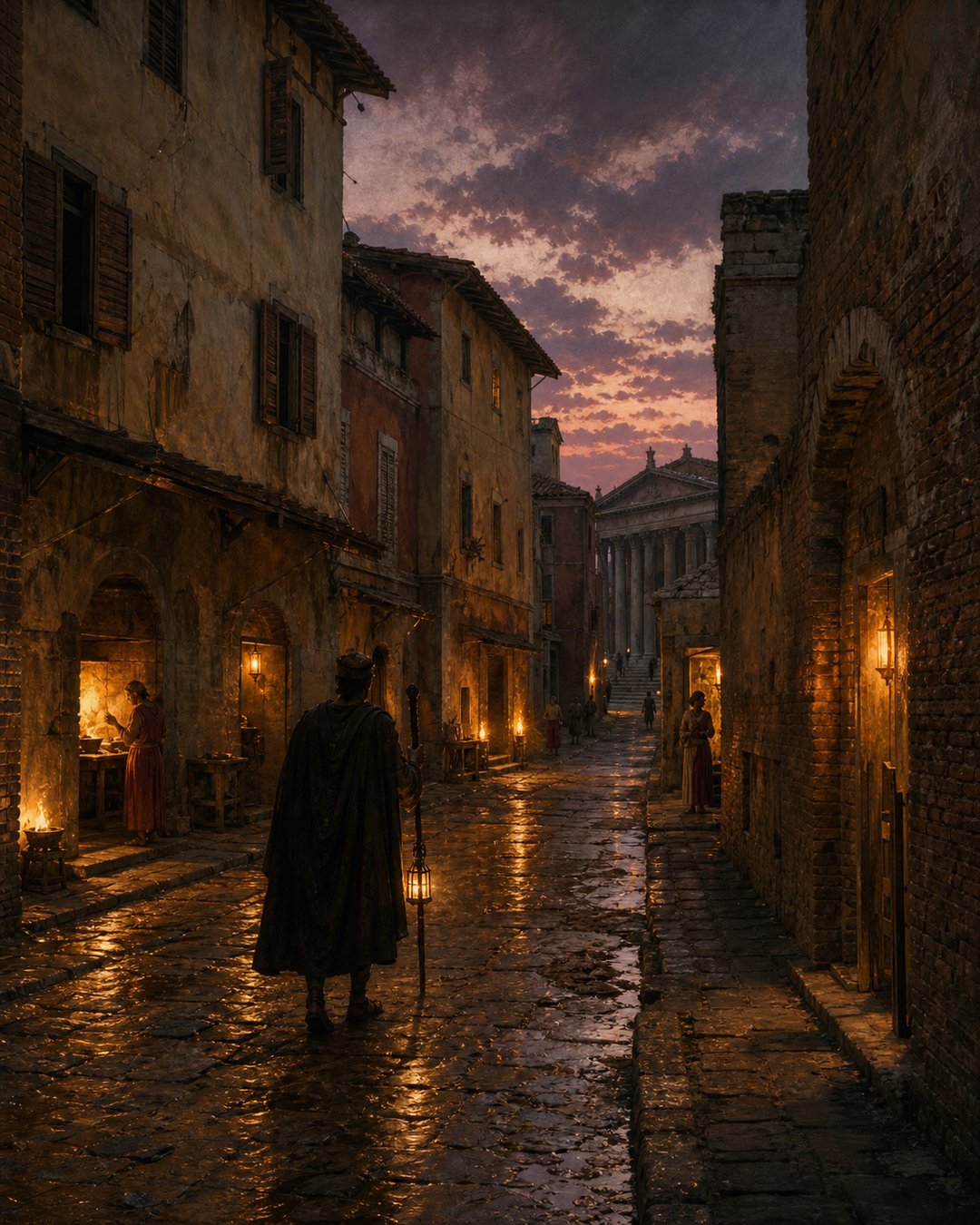
A Roman oil lamp was small enough to fit in a hand, but it changed the social meaning of night. Once flame could be carried, set on a table, hung near a doorway, or placed on a counter, darkness became less like a wall and more like a condition people managed together. Roman oil lamps … Read more

Why Roman Auctions Made Authority Stand Beside a Spear

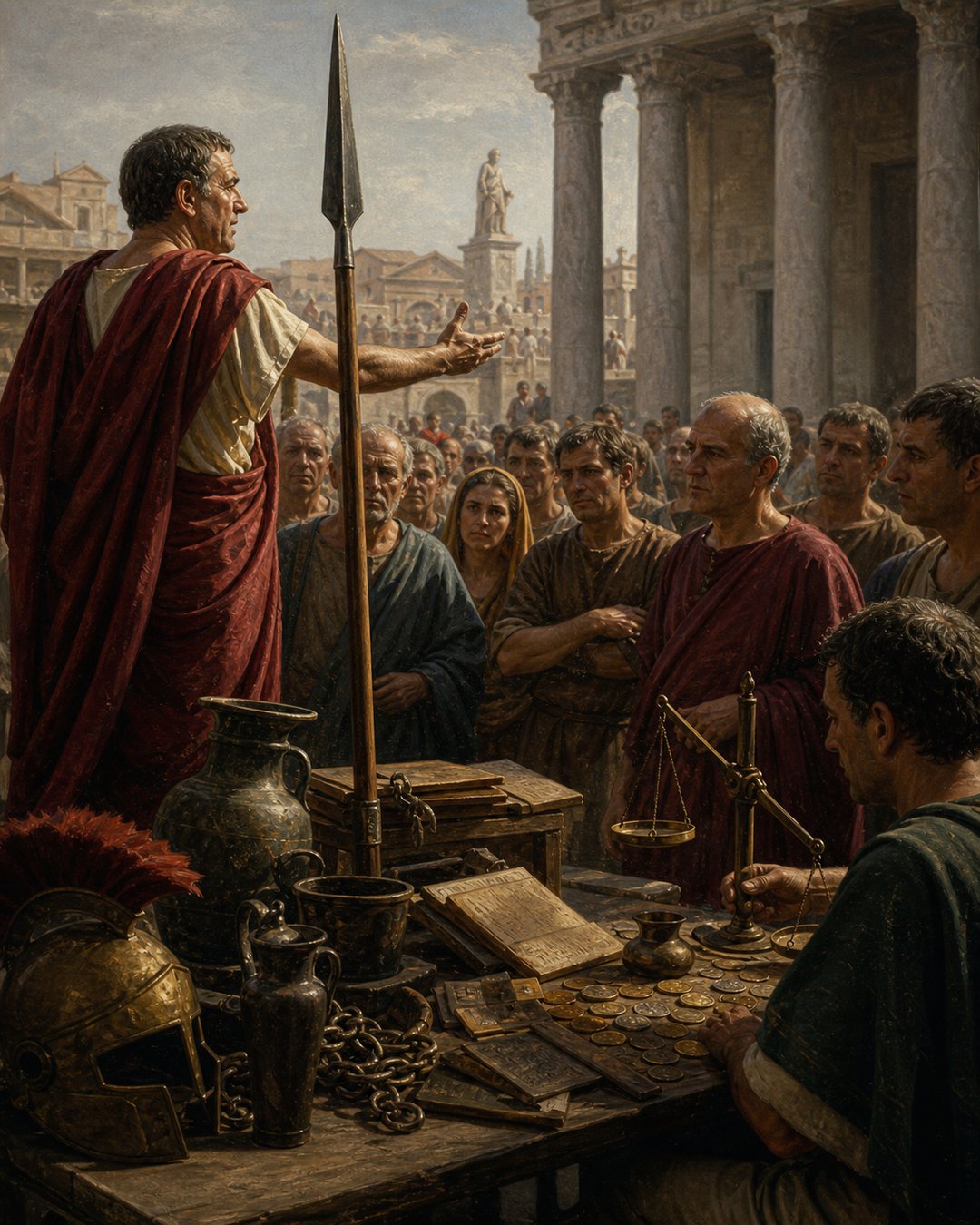
A Roman auction was not only a way to sell something. It was a way to make value happen in public, under eyes that could remember the object, the bidders, the price, and the authority of the procedure. The detail that makes the scene strange to modern eyes is the spear. The hasta could stand … Read more