Roman Surgery Began with the Hand

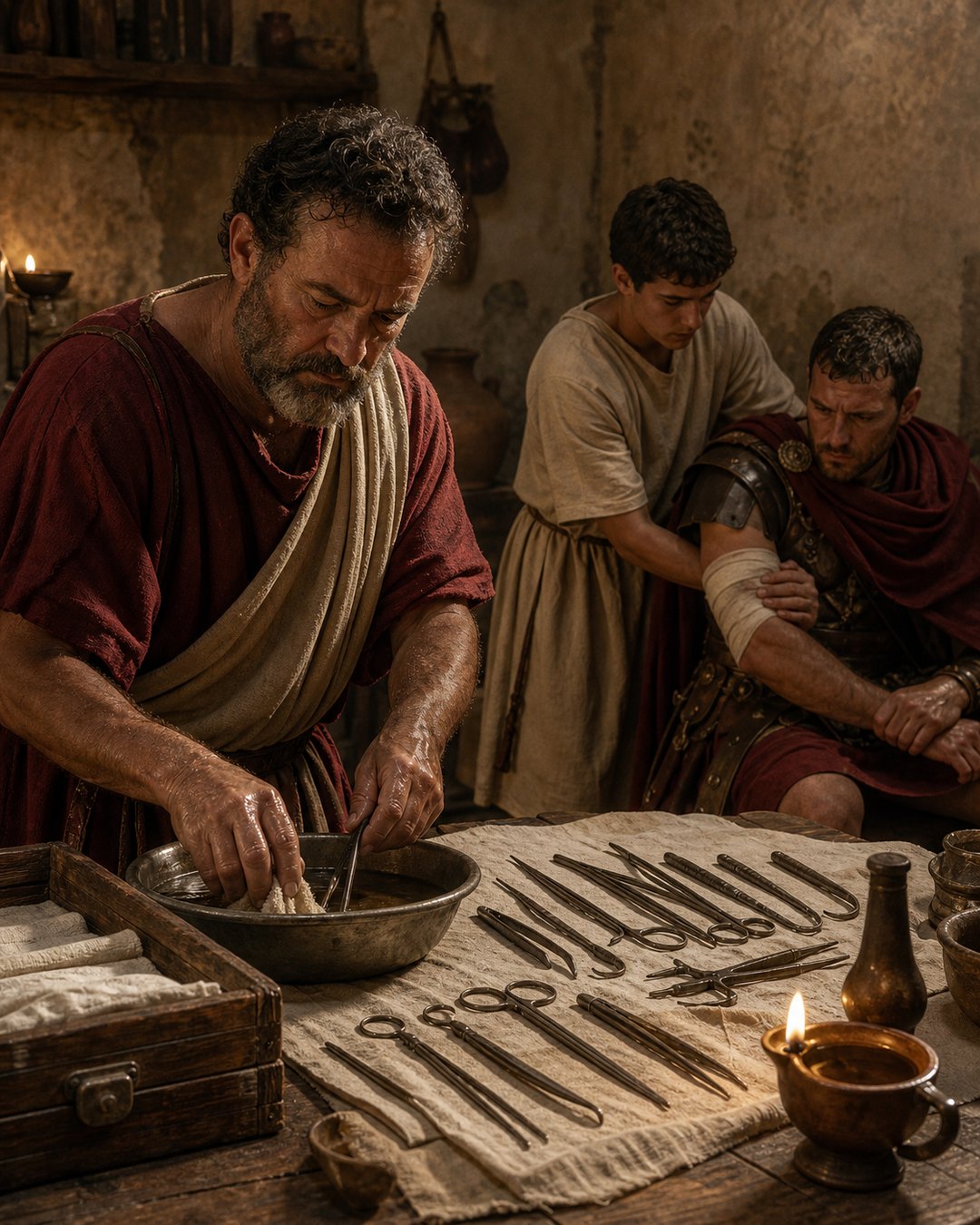
The Latinized word chirurgia carries its own correction to the way ancient surgery is often imagined. It joins hand and work. Bronze probes, forceps, hooks, knives, and cauteries mattered, but an instrument lying on a table did nothing. Treatment began when a trained hand examined a wound, aligned a limb, chose restraint, or decided not … Read more
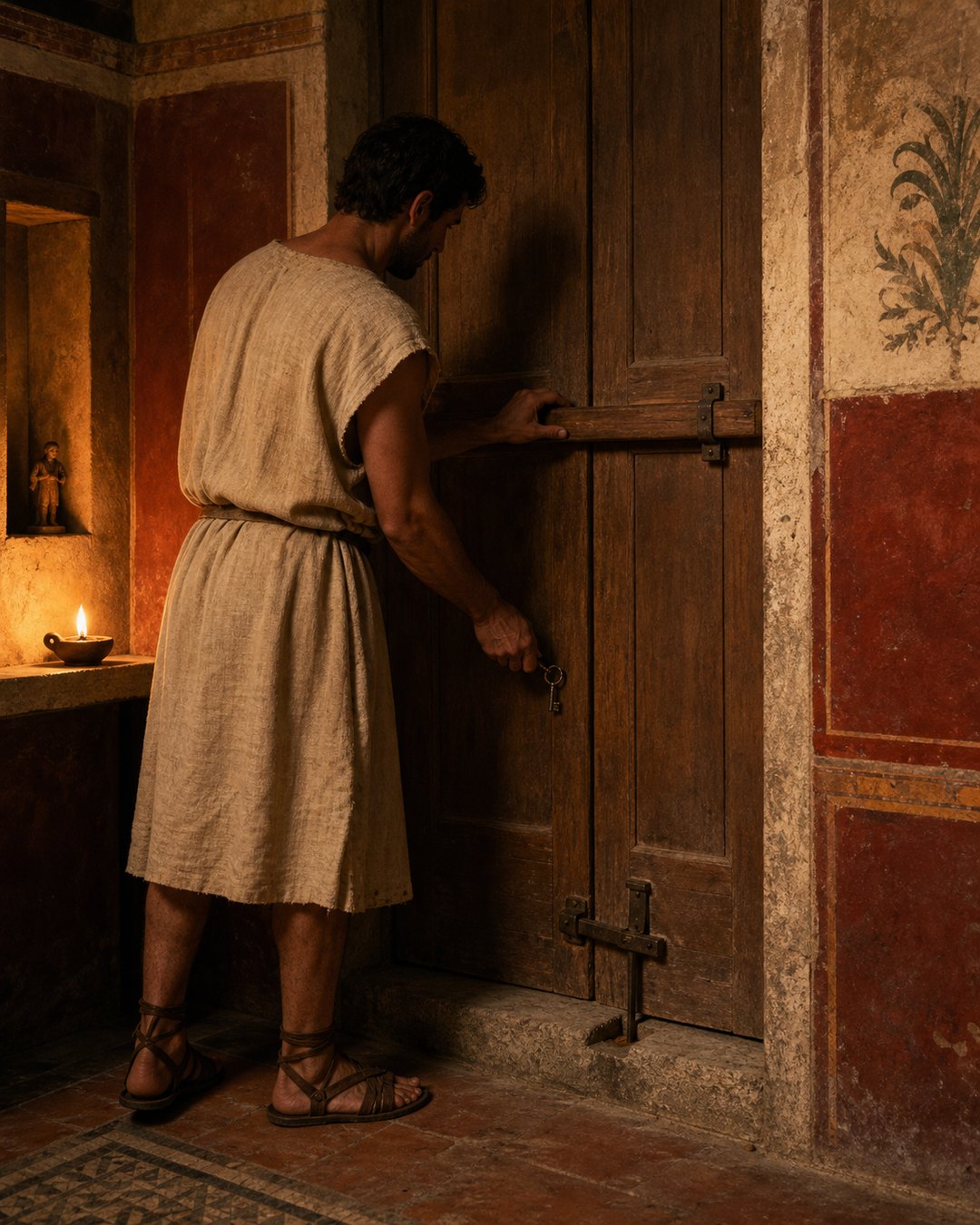
Inside a Roman Lock, Security Began with a Bolt in the Floor

A Roman lock began below eye level. On surviving Pompeian thresholds, two holes mark where the fastenings of a double door entered the stone. Each leaf had its own bolt. Before a key became the object carried on a ring, security was a matter of wood, iron, leverage, and a socket worn into the sill. … Read more

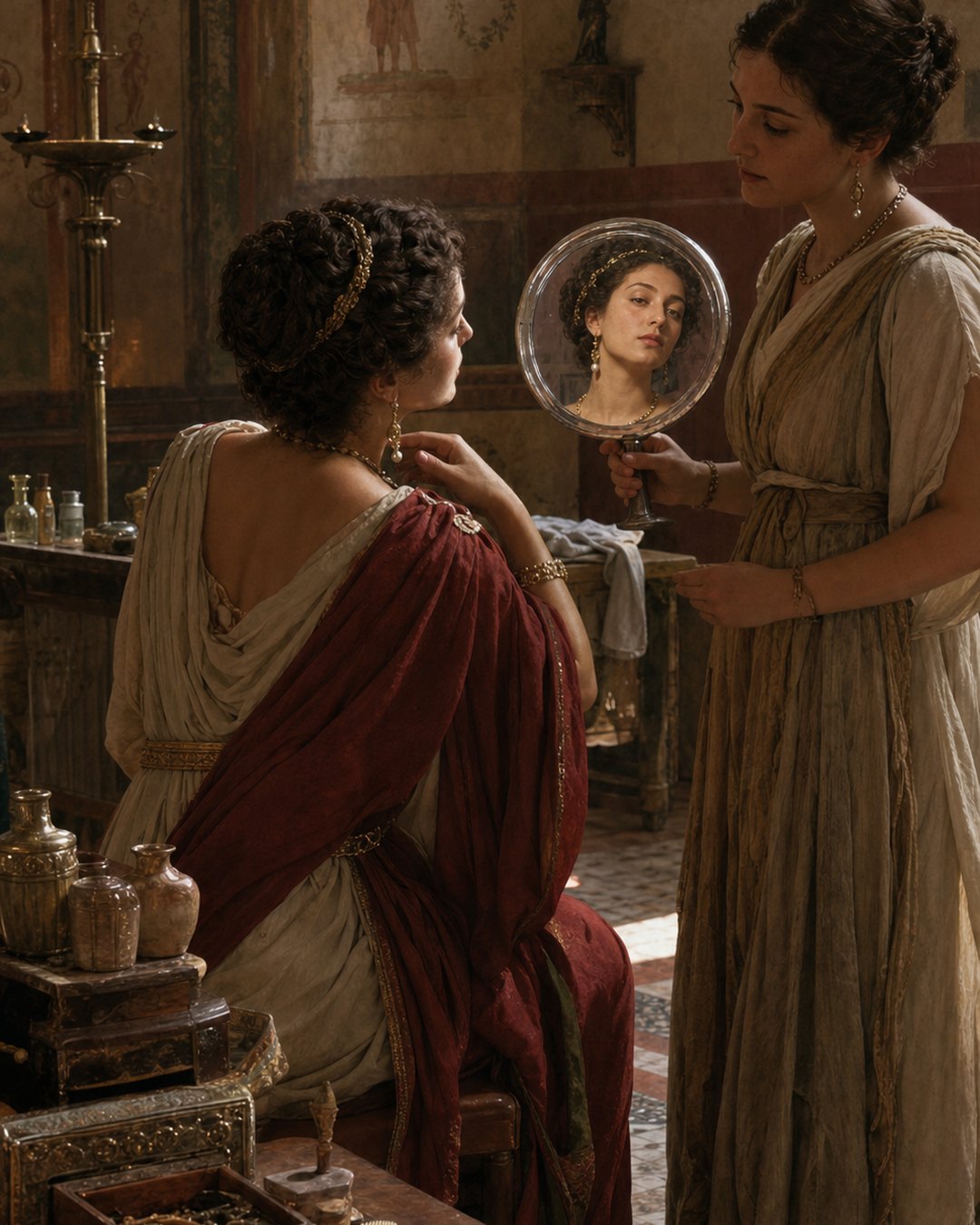
Before a Roman Mirror Showed a Face, Someone Had to Polish It

A Roman mirror did not begin with a face. It began with ore, alloy, heat, hammering, abrasion, and the patient removal of every dull patch that broke the reflection. Before anyone could inspect an earring or arrange a fold of cloth, a craftsperson had to persuade metal to behave like an image. That material fact … Read more

Why Roman Oil Lamps Made Night Work Visible

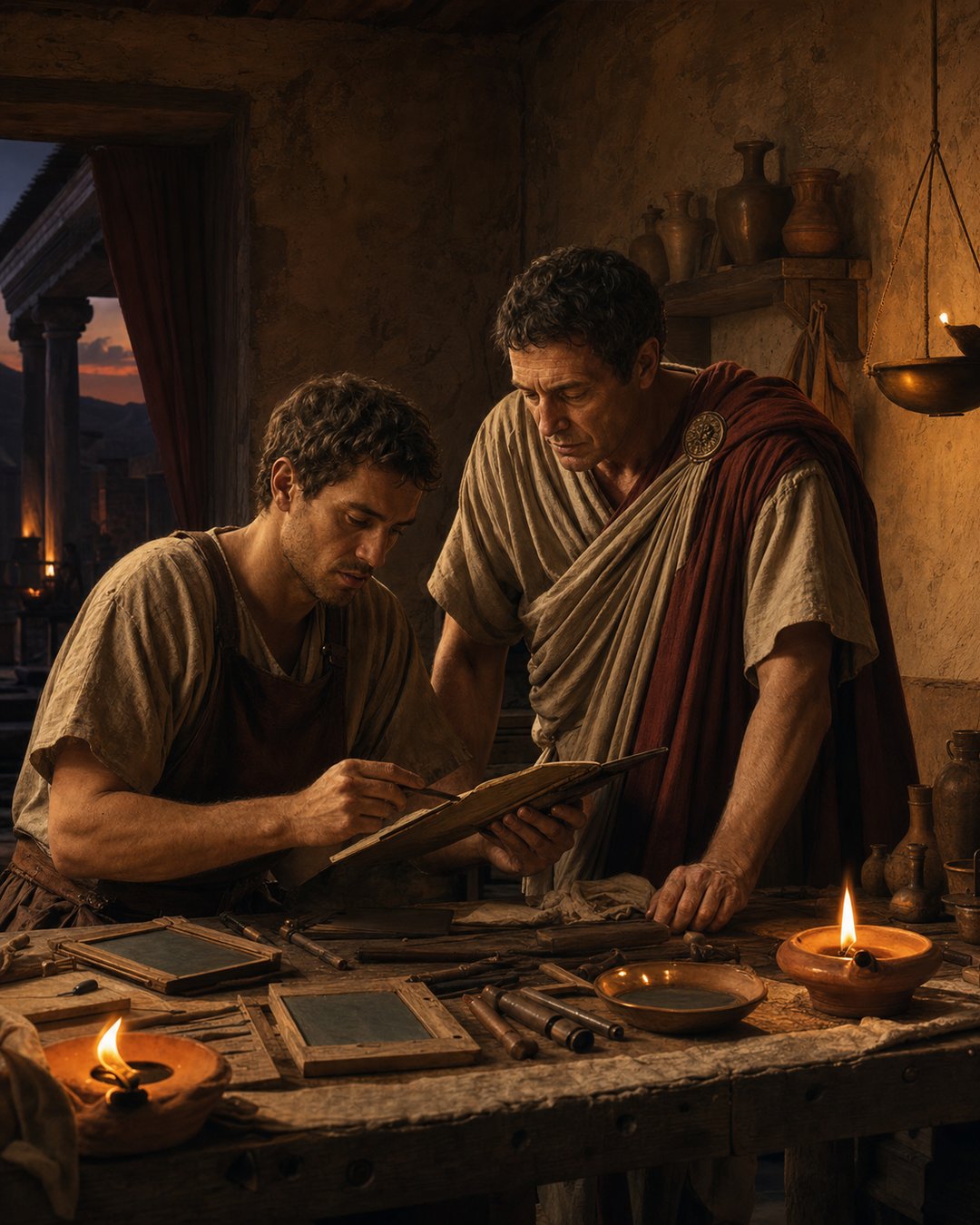
A Roman night was not empty just because the sun had gone down. Work could continue, accounts could be checked, goods could be sorted, and a household could keep moving, but only inside the limits of a small flame. The oil lamp made those limits visible. A lucerna was not dramatic infrastructure like an aqueduct … Read more

Why Roman Signet Rings Made Authority Portable

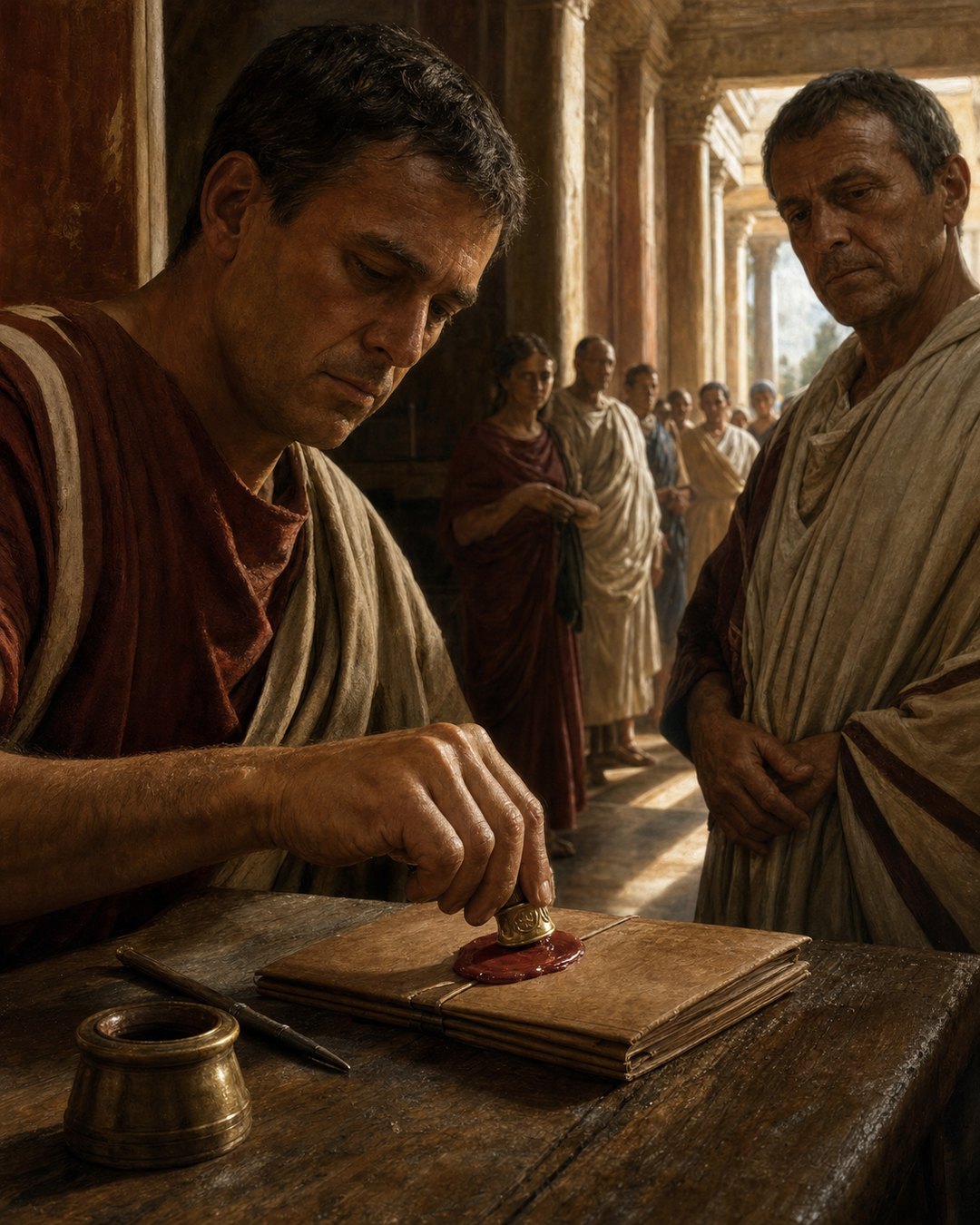
A Roman order did not always arrive with soldiers. Sometimes it arrived as a folded tablet, a sealed packet, or a message whose authority depended on one small impression in wax. The signet ring made that possible. The ring mattered because it let authority travel. A mark pressed by one hand could be checked by … Read more

How Roman Baths Made Public Cleanliness Social

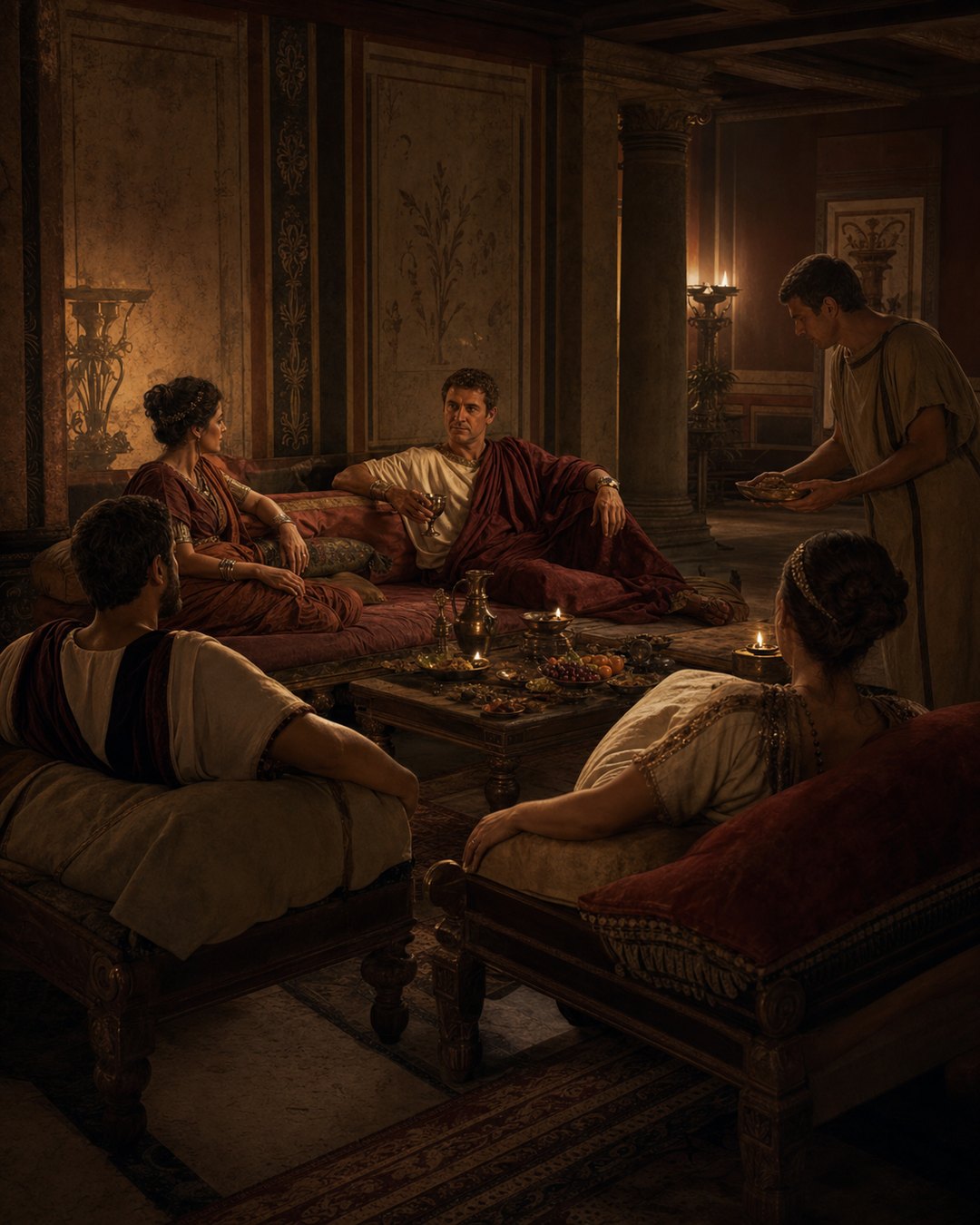
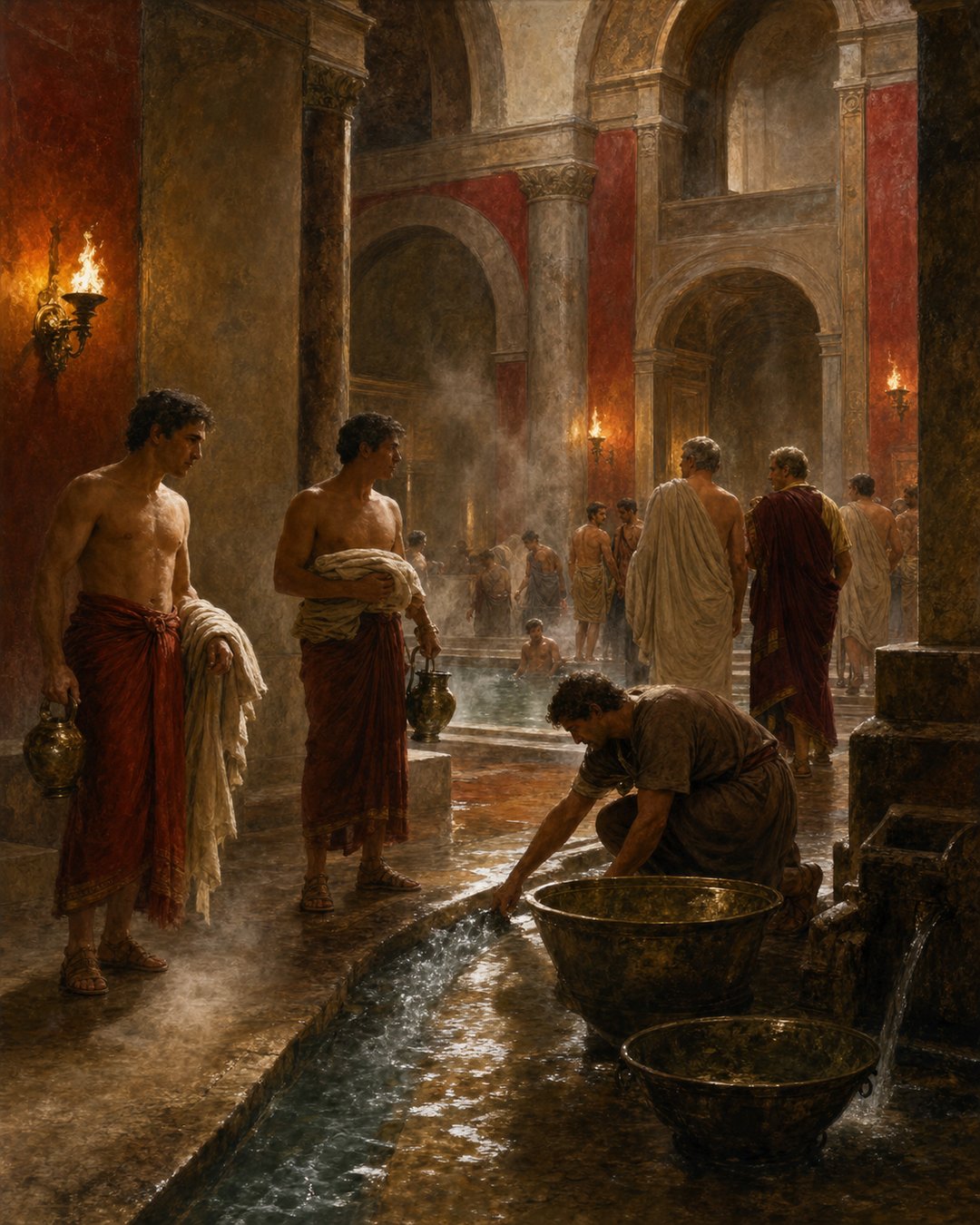
Roman bathing can look luxurious from the outside, all marble, steam, and leisure. But the deeper story is more practical. A bath made cleanliness social by gathering water, heat, attendants, bodies, and conversation into a shared routine. The balneae were not simply rooms where people washed. They were places where infrastructure became a daily experience. … Read more

Why Roman Horrea Made Grain Trust Visible

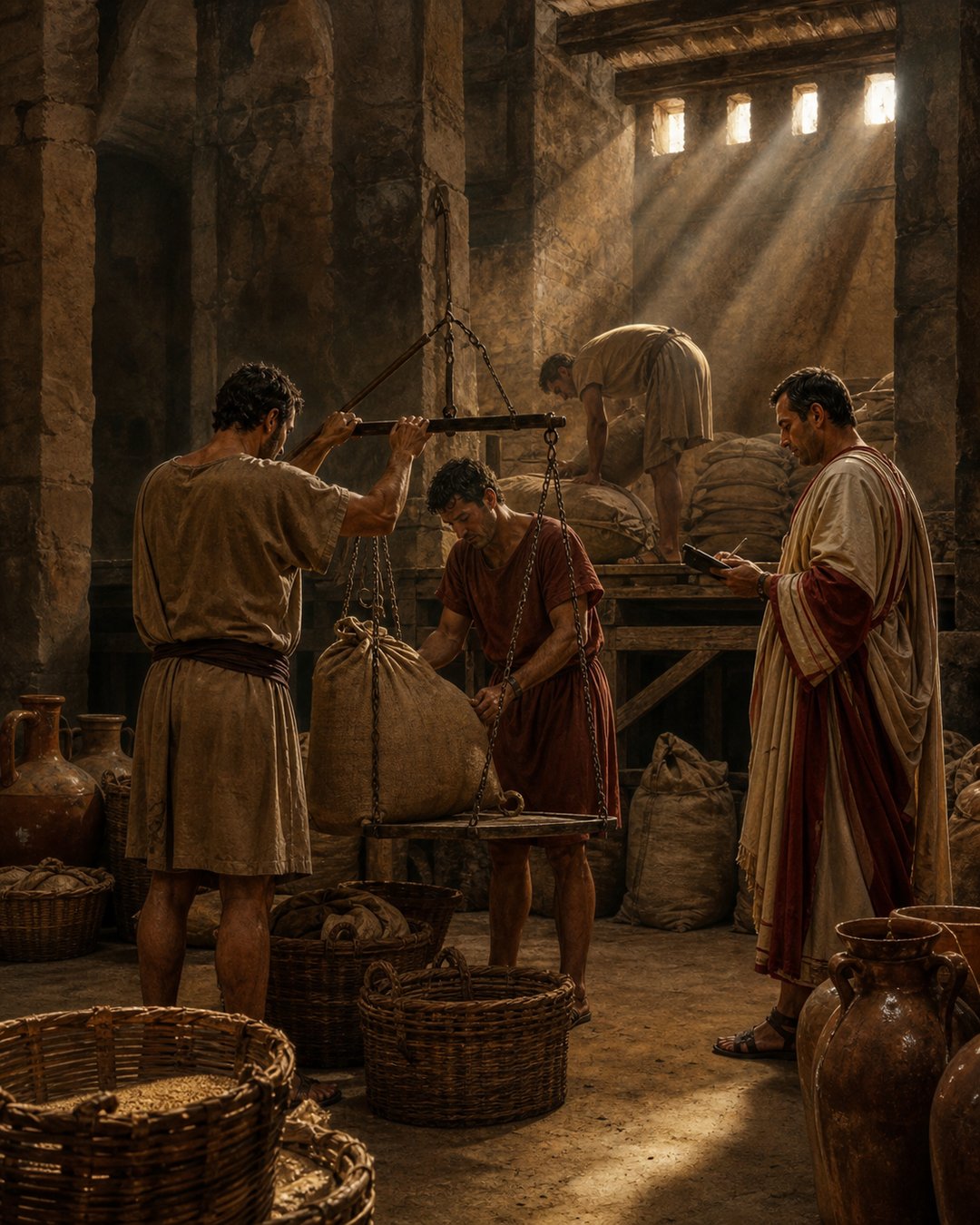
A pile of grain is not the same thing as food security. Grain has to be received, protected, counted, moved, and remembered before it can calm a city or feed a household. The Roman horreum made that fragile process visible. A horreum was a storehouse, granary, or warehouse, and its importance was practical before it … Read more

How Roman Lead Pipes Made Water Rights Visible

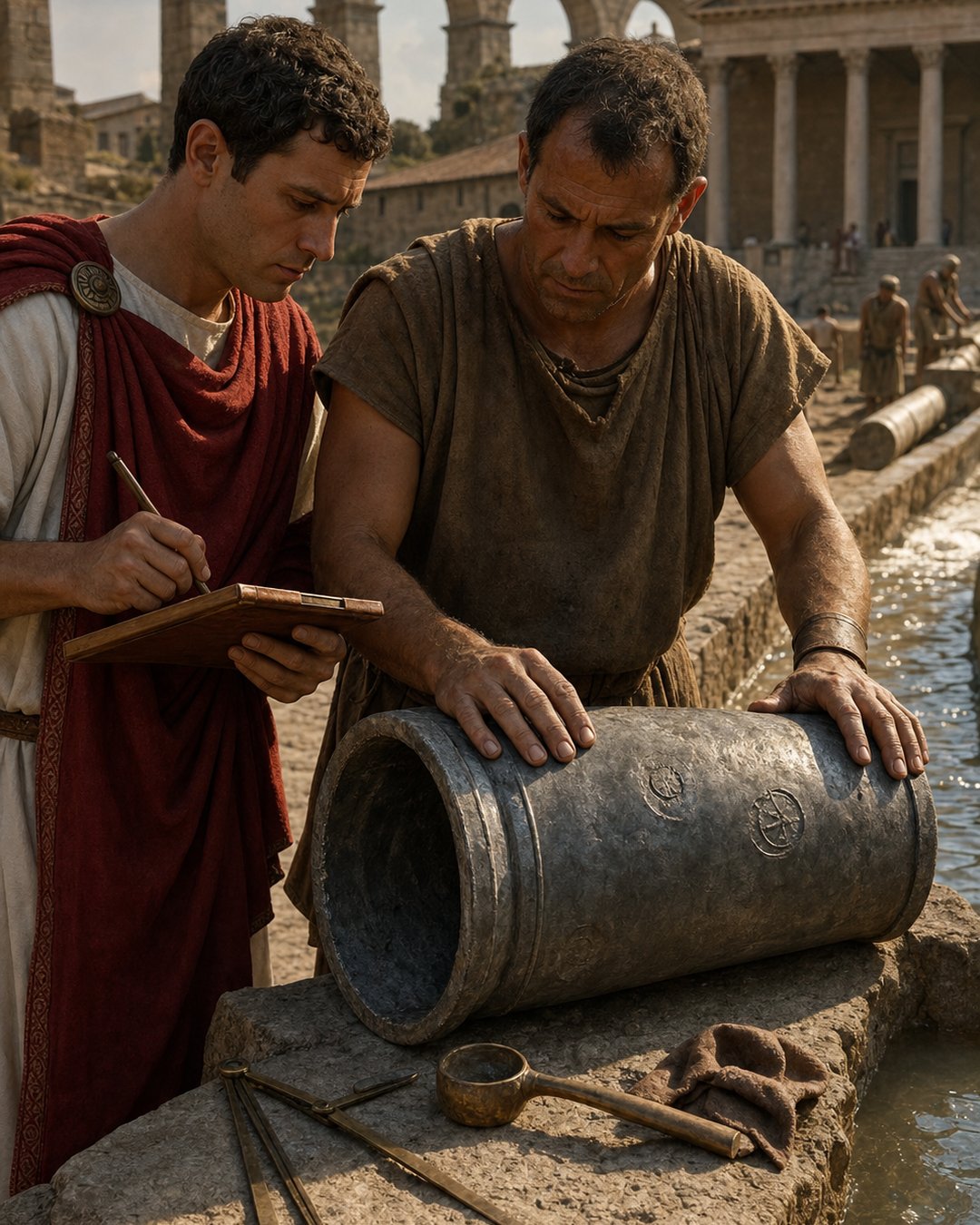
A Water Right Needed A Visible Edge Roman water could look like a gift of engineering: arches on the horizon, channels entering the city, fountains running in public space. But the political question began at the edge where water left the shared system and entered a pipe. A right to use water had to become … Read more

How Roman Tesserae Made Identity Small Enough to Carry

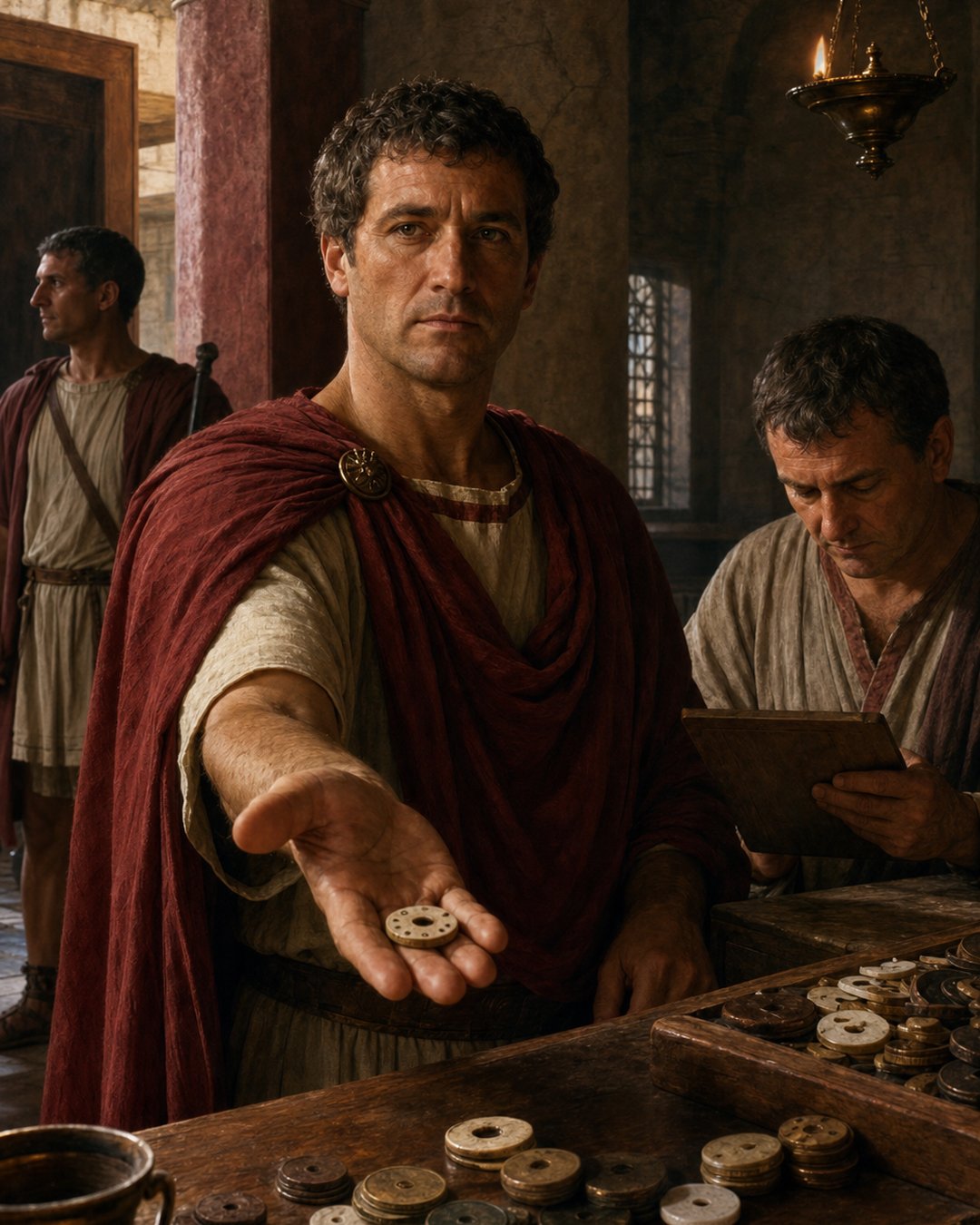
The Roman Proof That Fit In A Palm Not every Roman claim needed a speech, a witness list, or an inscription cut deep into stone. Sometimes the proof was small enough to rest in a dirty palm. A tessera could be a token, ticket, counter, or little tablet-like object; the important point is that it … Read more