Roman Strigils Turned Oil into Clean Skin
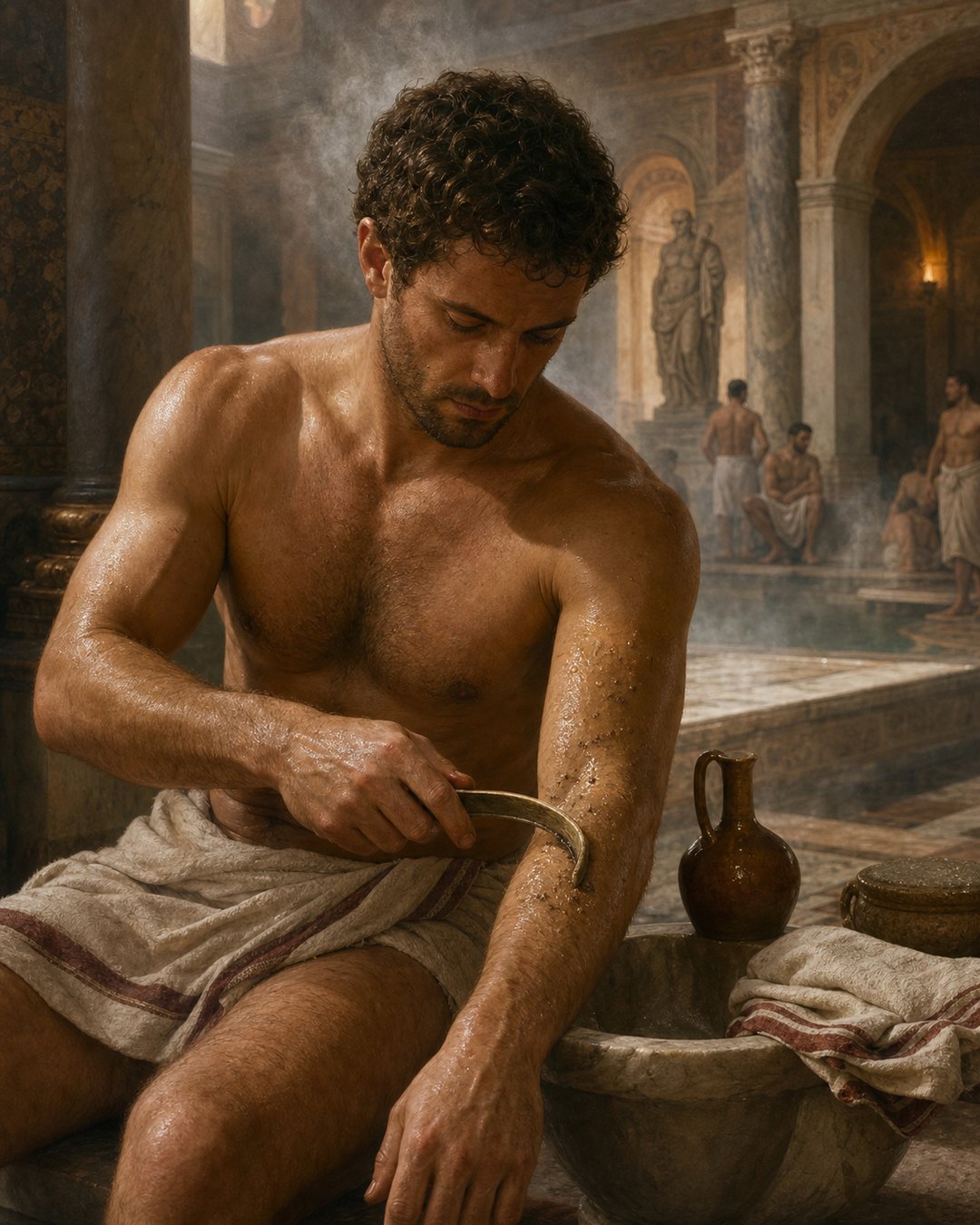
In Greek and Roman bathing and athletic contexts, oil could be applied before a curved strigil scraped the skin. Sources describe the tool removing dirt, perspiration and the applied oil. That basic sequence is secure; an exact recipe, quantity of oil, stroke pattern or universal order for every bather is not. The tool makes ancient … Read more
Roman Household Lares Made Daily Life Sacred

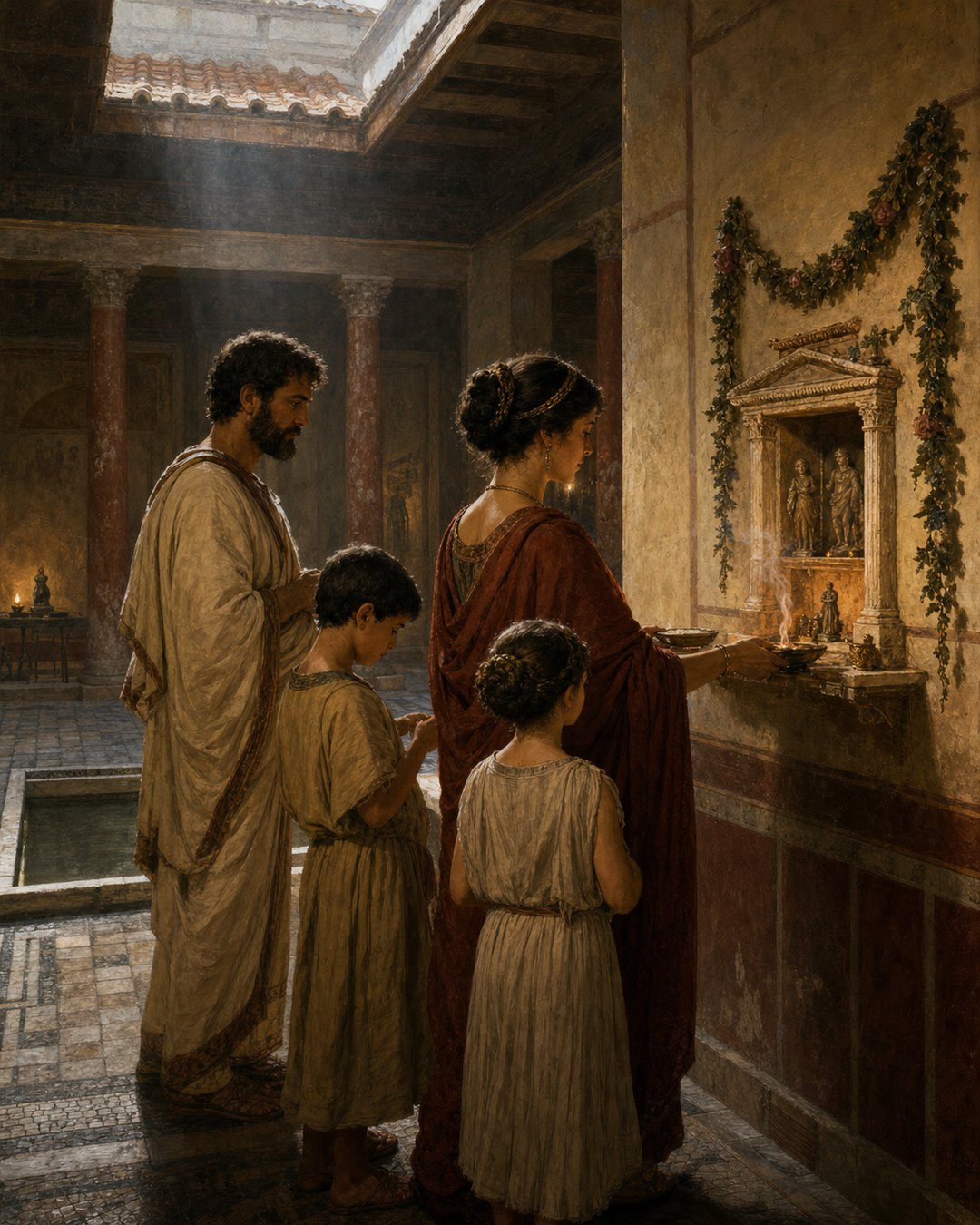
A Roman house could contain its own focus of worship. A niche, painted panel or small shrine could hold images of the Lares alongside other divine figures. Food, wine, incense or garlands are among the offerings associated with domestic practice, placing acts of worship within the same broad setting as household life. The household Lares … Read more

Roman Reed Pens Turned Ink into Voices

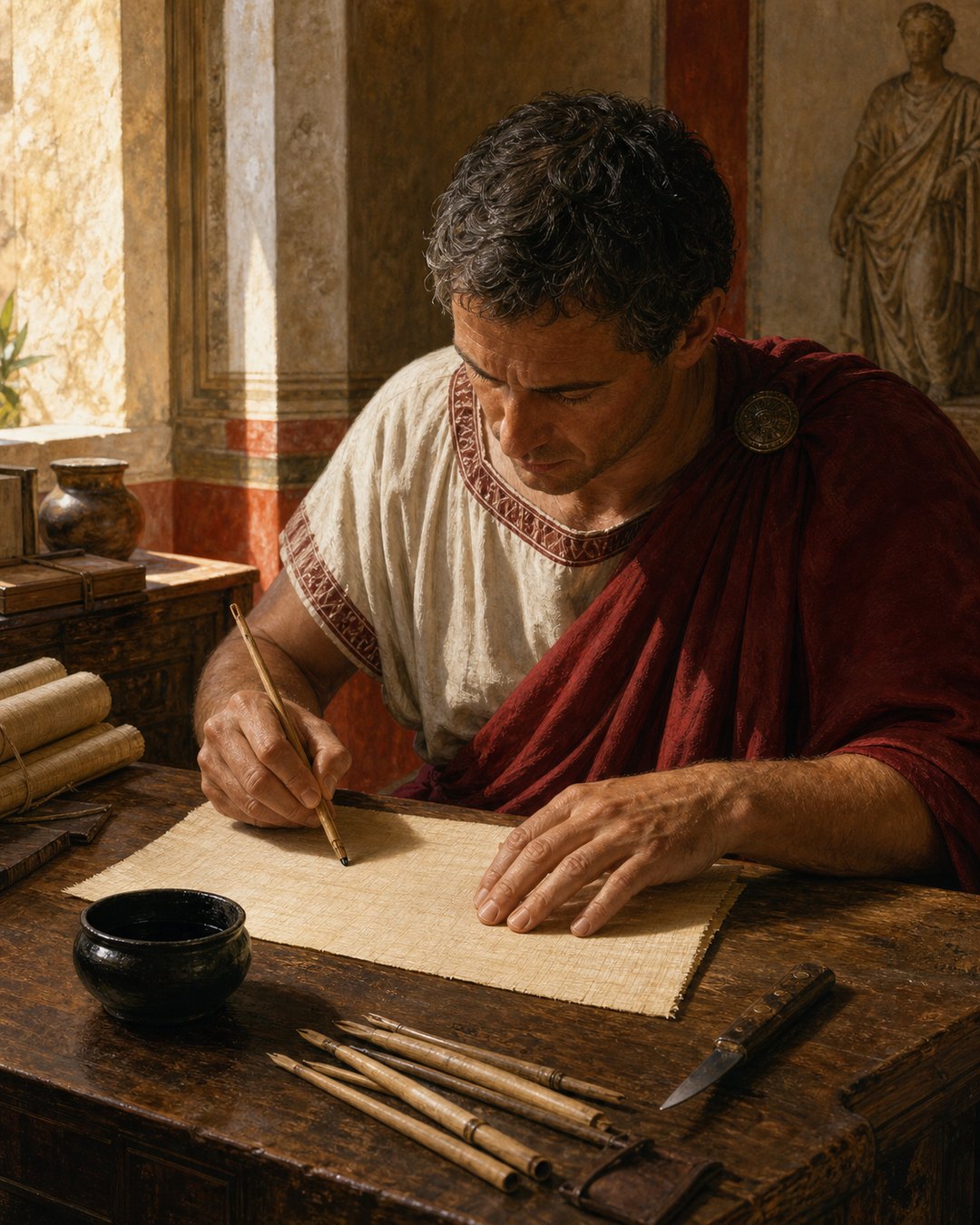
A Roman sentence began before the first letter. Someone selected a reed, cut its end on a slant, opened a narrow slit and sharpened the writing edge. Ink waited nearby as black liquid rather than an idea. When the nib touched papyrus, the hand had only a short distance before the reed ran dry and … Read more

Roman Fibulae Made Fastening Clothes Visible

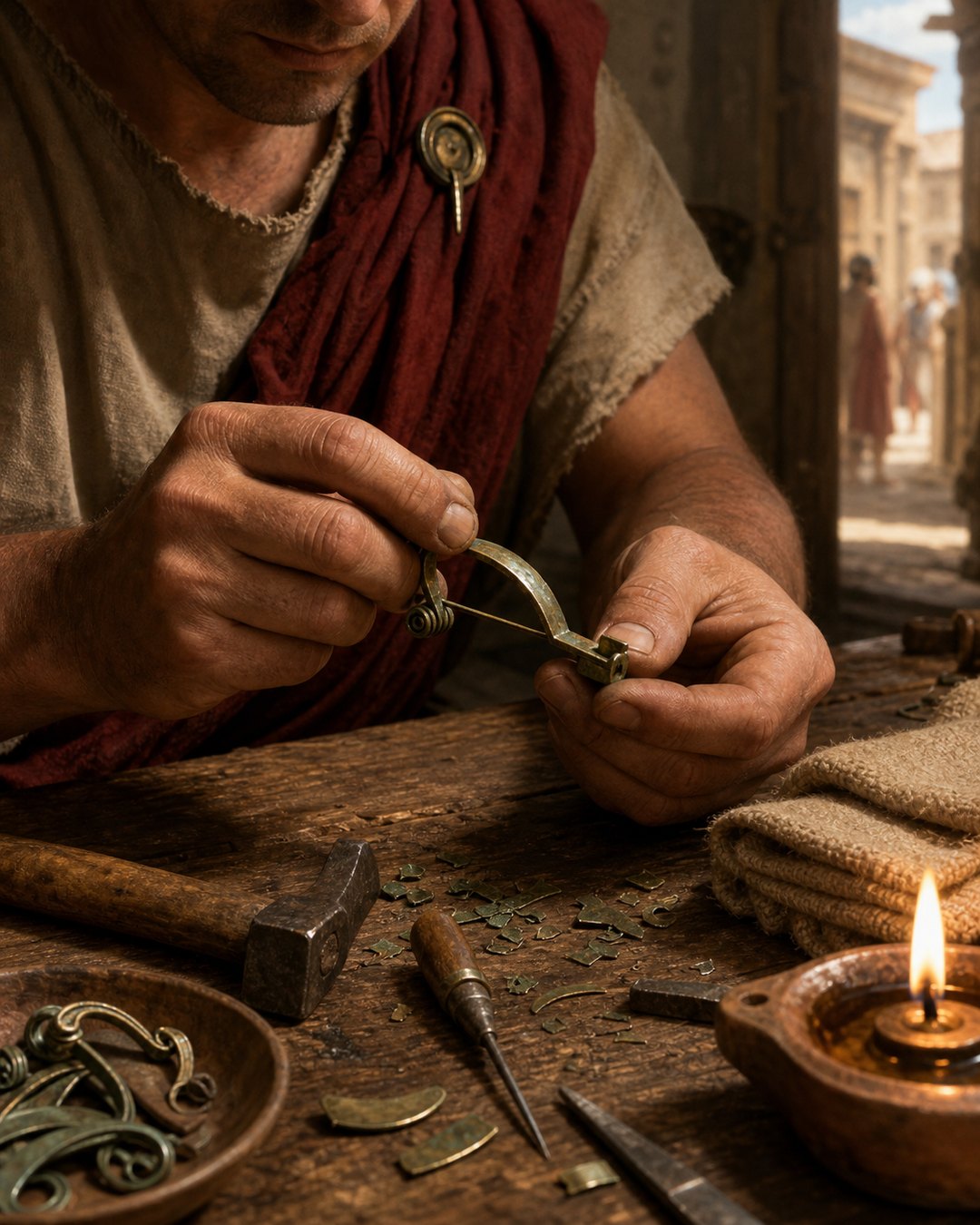
A cloak could look effortless after one sharp point had done dangerous work. A Roman fibula pushed through folded cloth, bent the fabric around a metal bow and trapped its pin beneath a catch. The fastening sat on the shoulder or chest where every step tugged at it—and where other people could see it. This … Read more

Roman Gardens Made Nature Follow the House

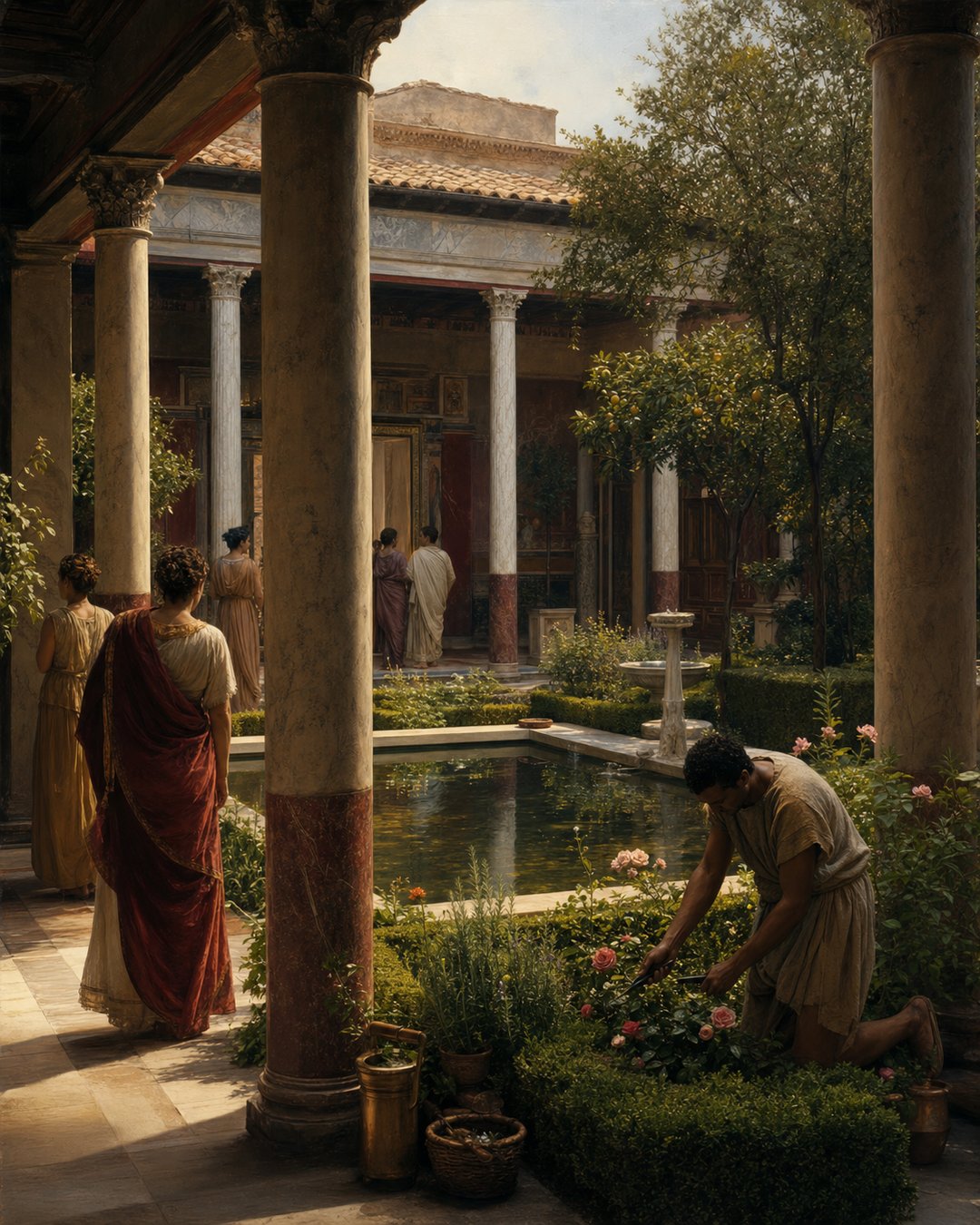
A visitor crossing a Roman atrium could meet an unexpected patch of sky. Beyond another doorway, columns framed wet stone, clipped shrubs, fruit leaves, roses, herbs and a narrow pool. The garden seemed to open the house to nature, yet almost everything visible had been positioned: where the guest stood, where water flashed and where … Read more

Roman Sundials Made an Hour Change with the Season

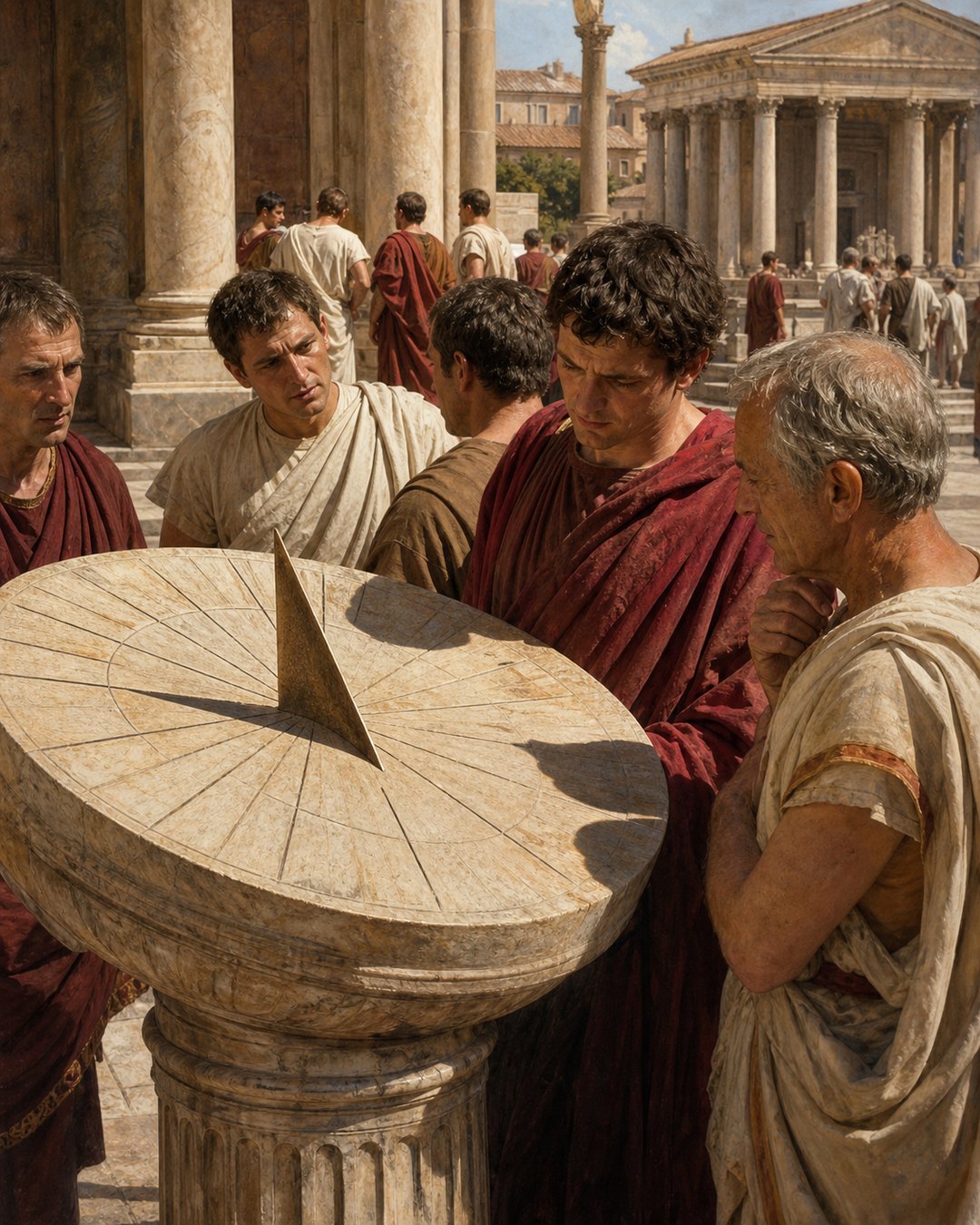
A Roman waiting in a forum did not glance at a row of identical digits. He watched a shadow. A bronze point or stone edge cut across lines carved into a dial, and the sun slowly moved that mark while business, meals, hearings, and appointments gathered around it. Time appeared as light touching prepared stone. … Read more

Roman Dice Made Luck Impossible to Hide

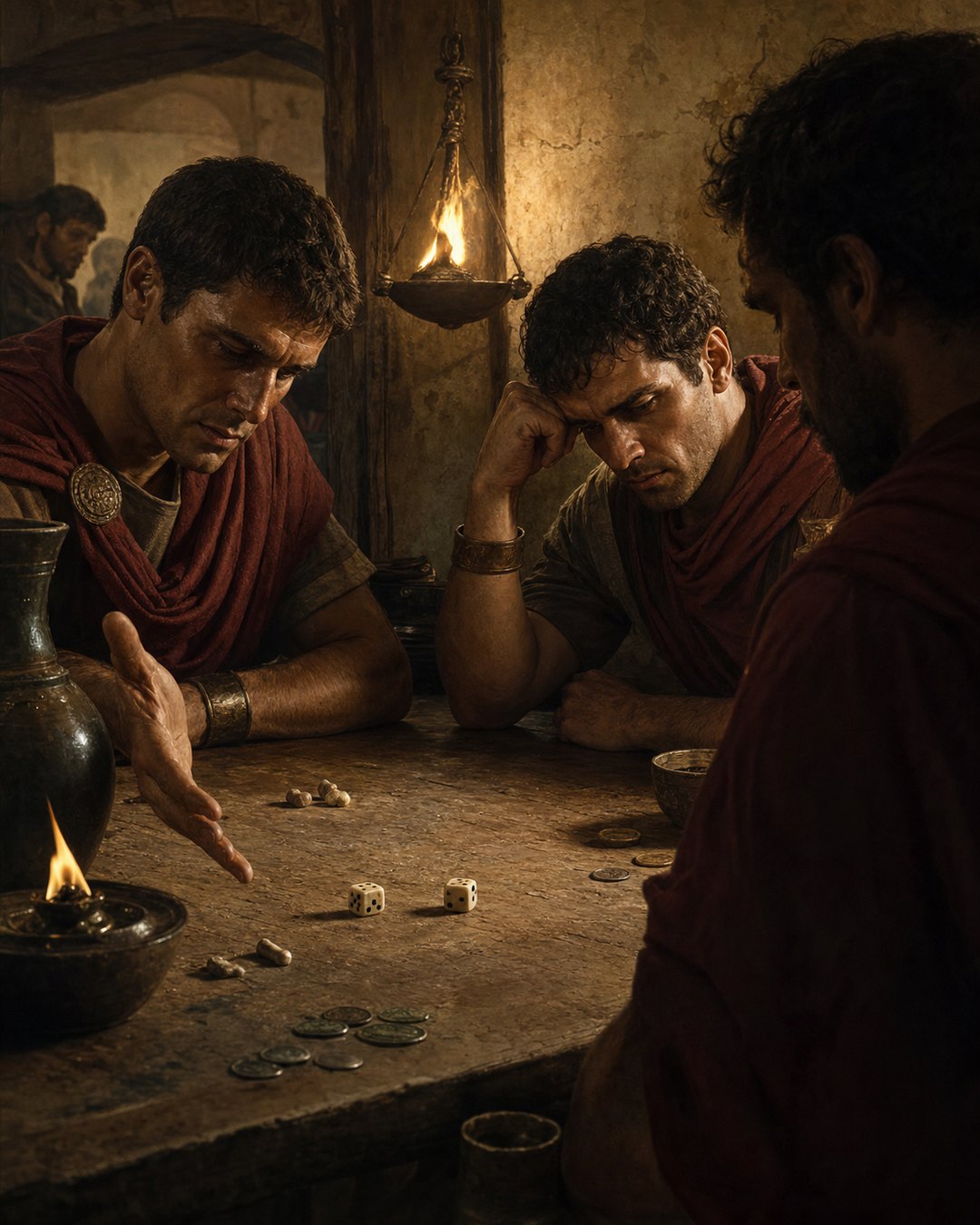
A Roman die was small enough to disappear inside a closed fist, but the result of its throw belonged to everyone around the table. Bone struck wood. A cube stopped with one face upward, or four knucklebones settled on their narrow sides. For a heartbeat the players leaned toward the same few objects. Hope became … Read more

Roman Barbers Turned Grooming into Public Theatre

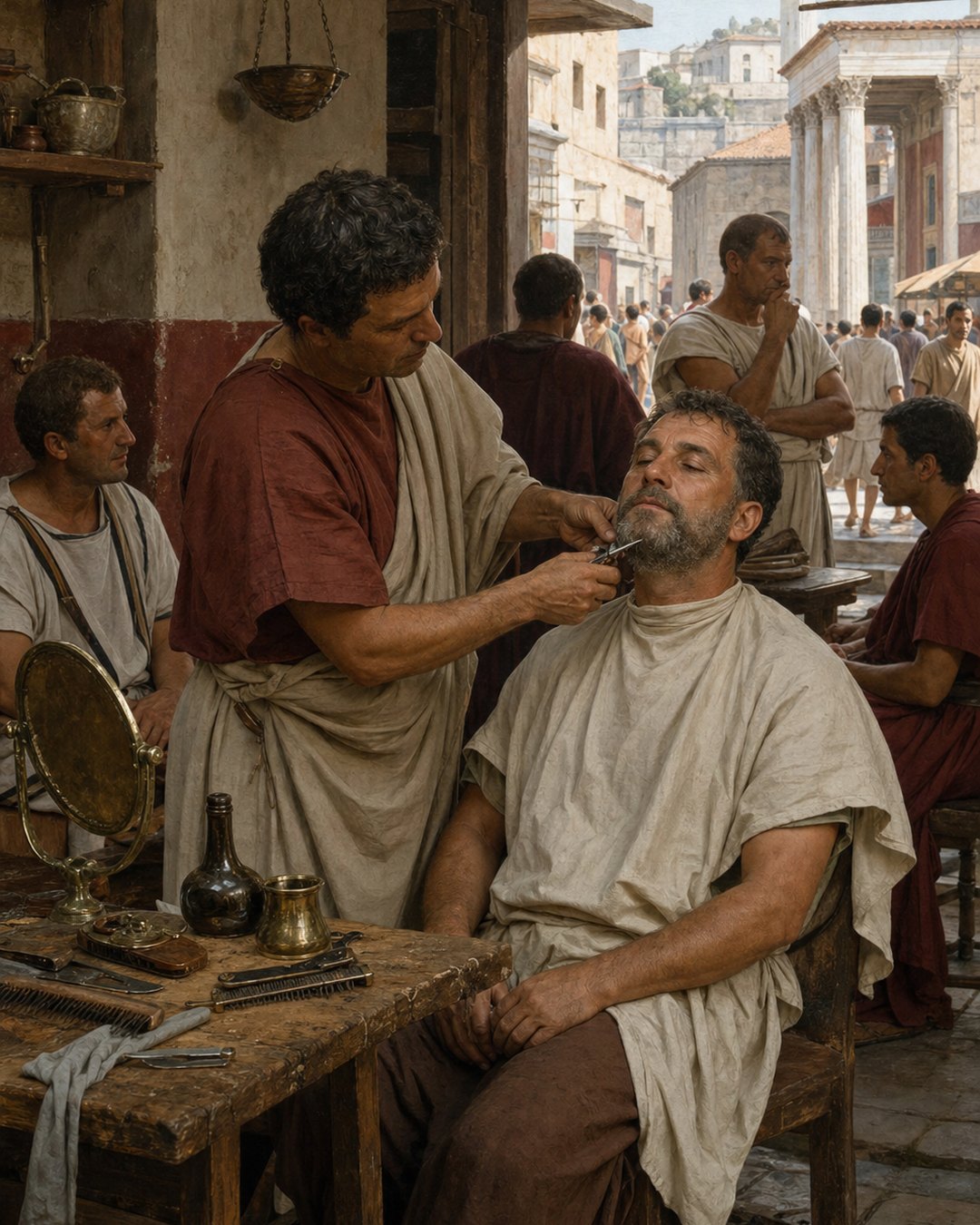
The Roman customer who offered his throat to a barber did not disappear behind a locked door. He sat where other men waited, watched, interrupted, and judged. Small shears tugged through hair. An iron razor crossed skin without a modern safety guard. A mirror returned the finished face while the open shop admitted street noise, … Read more

Roman Dolia Turned Wine into Stored Wealth

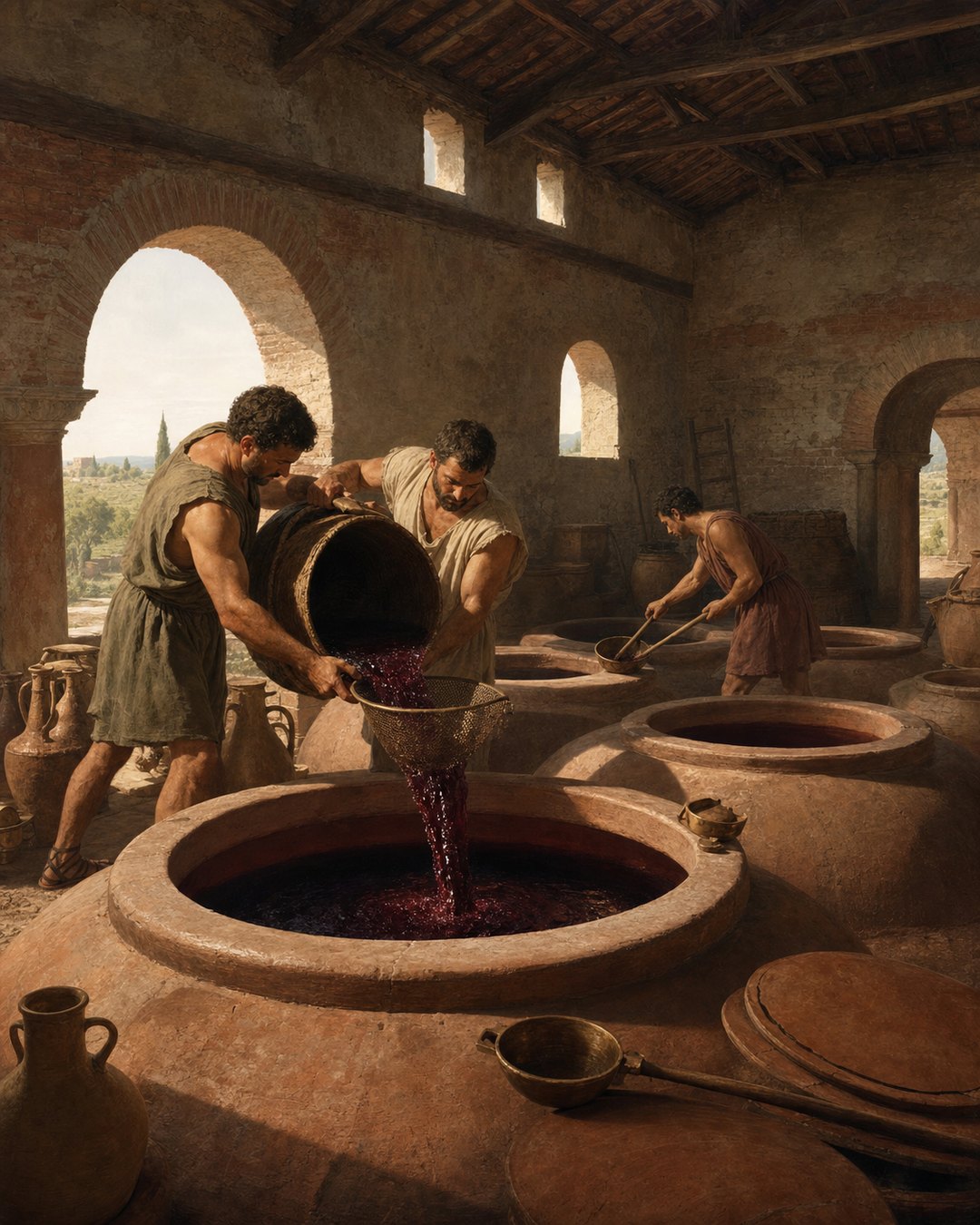
A full Roman dolium could not be lifted onto a cart when the owner changed his mind. The vessel might hold more than a thousand litres, stand taller than a crouching worker, and sit partly buried in the floor. Wine went into it by bucket, funnel, or jar. Once filled, the clay container became less … Read more

Garum Made the Roman Mediterranean Taste Connected

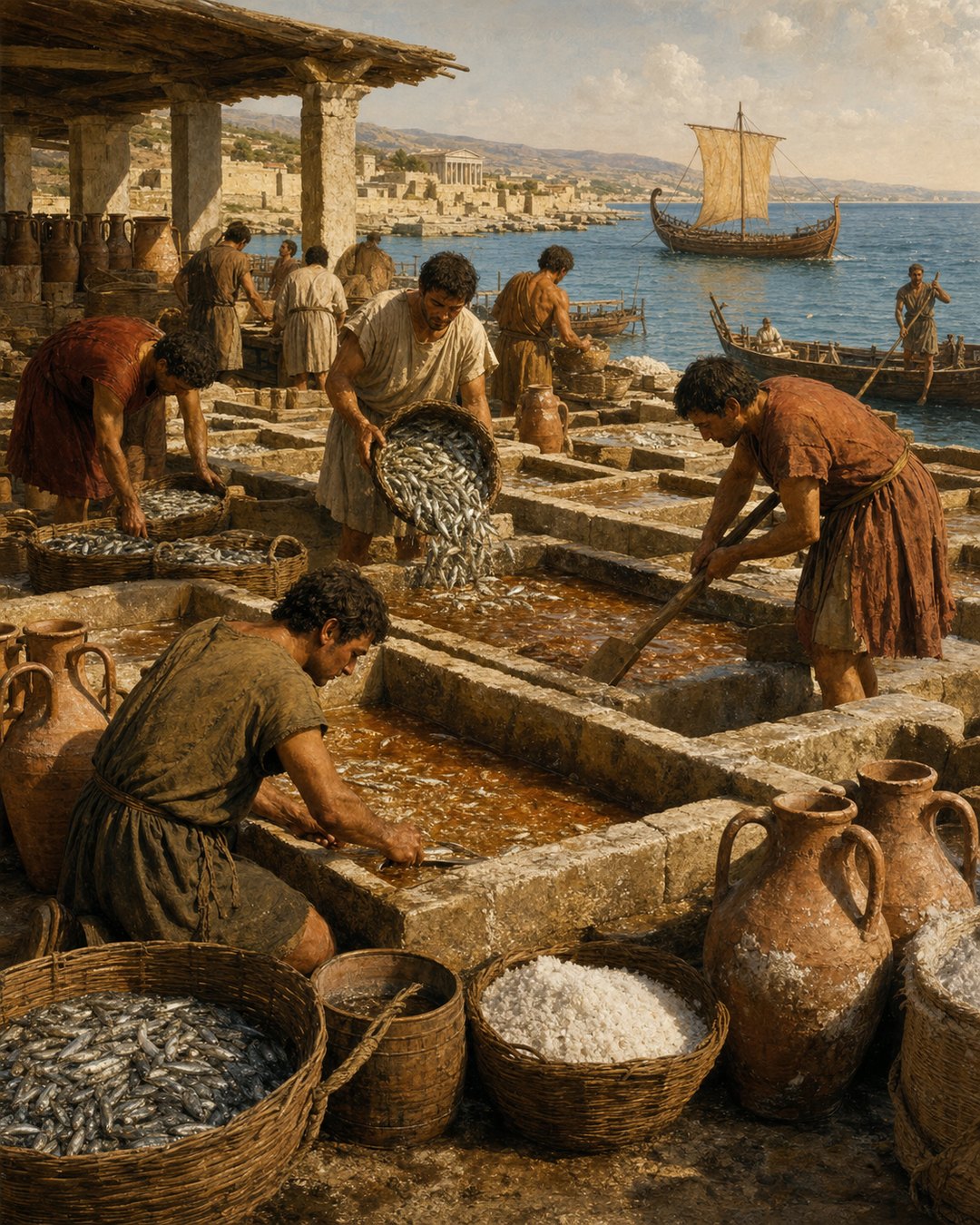
Before garum reached a Roman dining room, it had already passed through a landscape of nets, knives, salt, vats, sun, strainers, amphorae, and ships. The finished liquid might be clear and amber, but its origin was deliberately messy: small fish and selected fish parts were packed with enough salt to control decomposition while time transformed … Read more