How Roman Beekeepers Took Honey Without Ruining the Hive
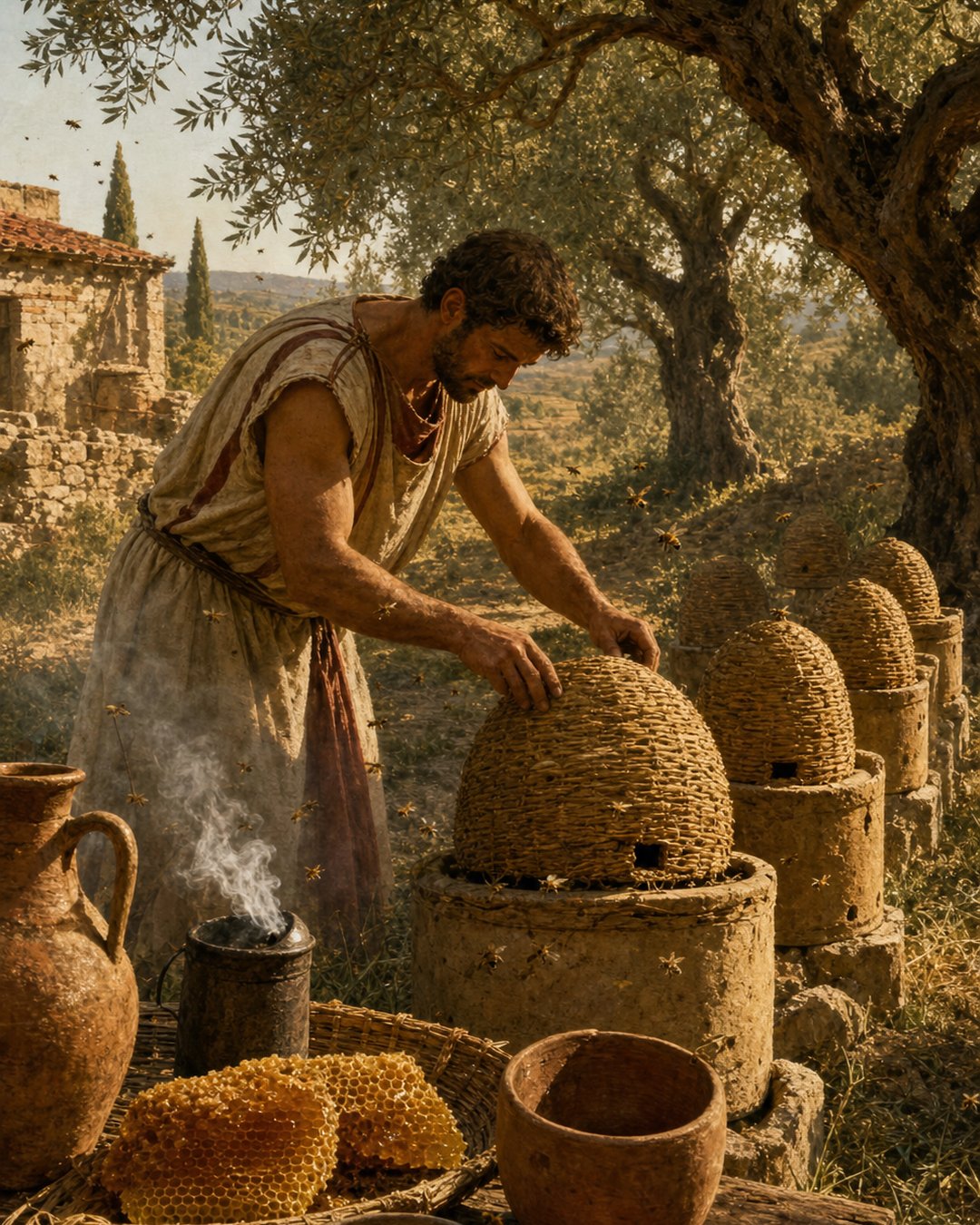
A Roman beekeeper approaching a hive faced a problem that brute force could only ruin. The comb held sweetness and wax, but it also held brood and the colony’s future. Tear out everything, and one harvest could destroy the living machinery that made the next. Leave everything untouched, and a valuable farm product remained beyond … Read more
Before the Forum: How Roman Schools Trained Public Voices

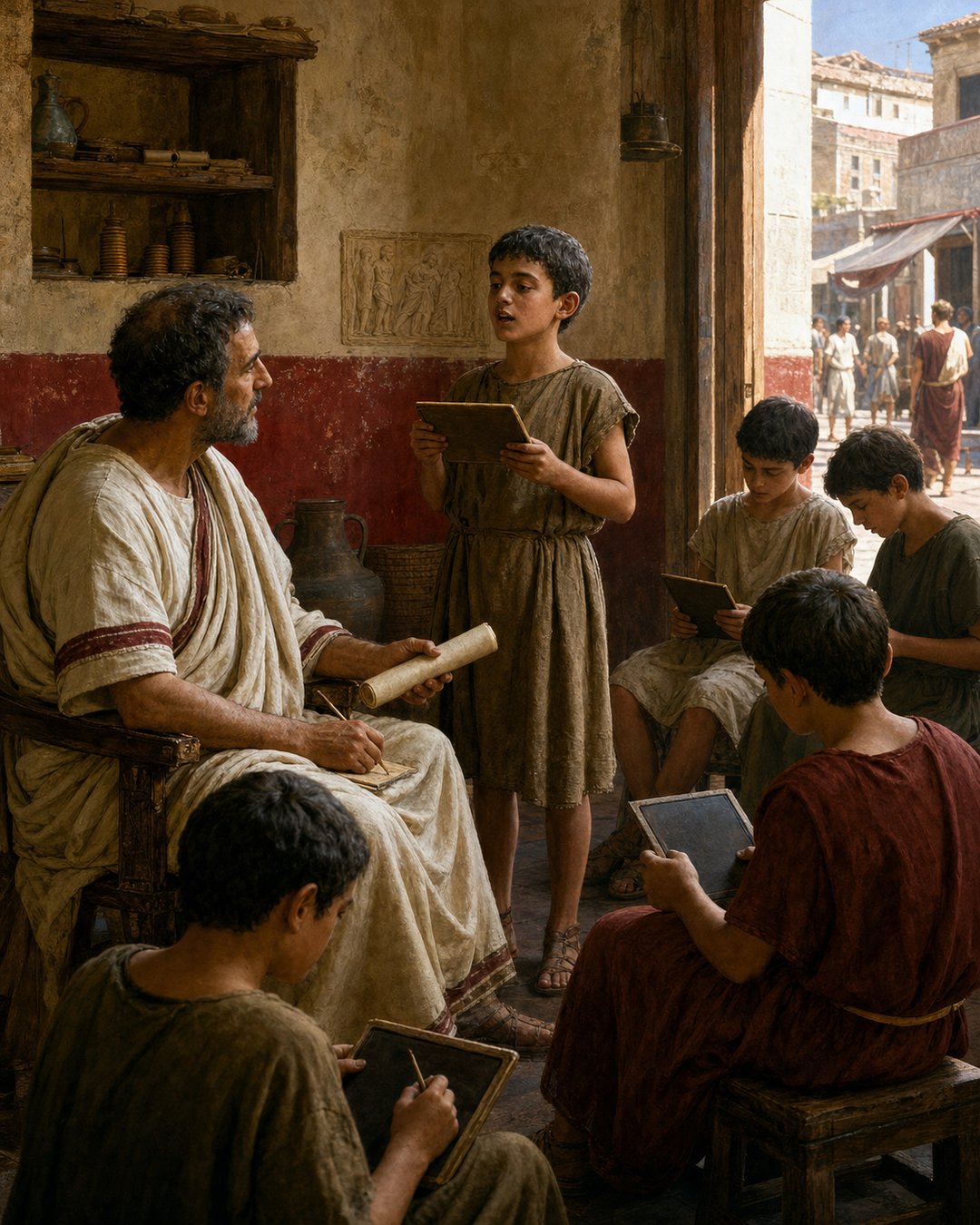
A Roman schoolroom could be easy to miss. It did not need a purpose-built campus, a bell tower, or rows of identical desks. A teacher might work in a rented room or a space open to street noise, while pupils carried small writing surfaces and sat close enough to hear every correction. The essential machinery … Read more

A Roman Plane Made Flatness Repeatable One Shaving at a Time

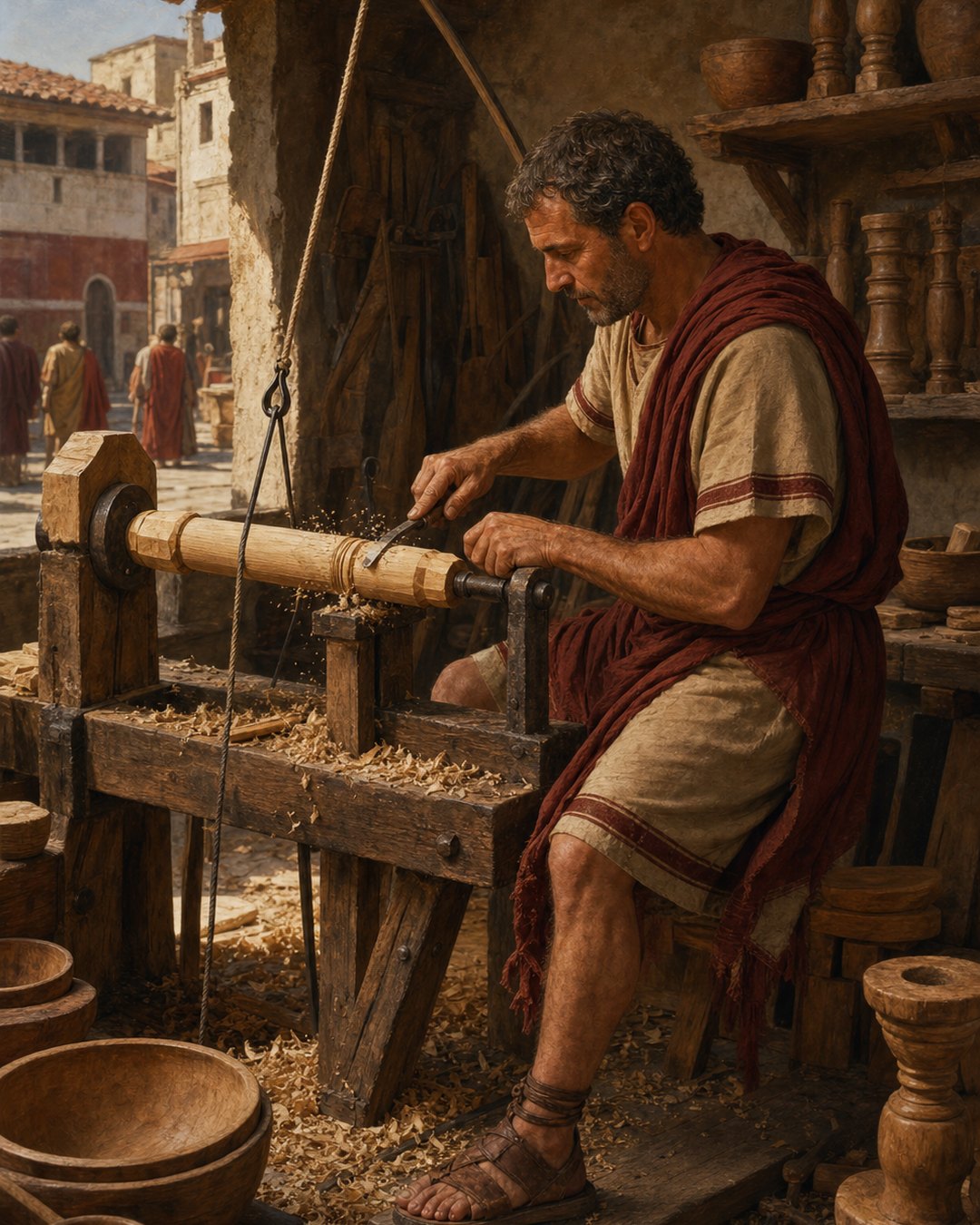
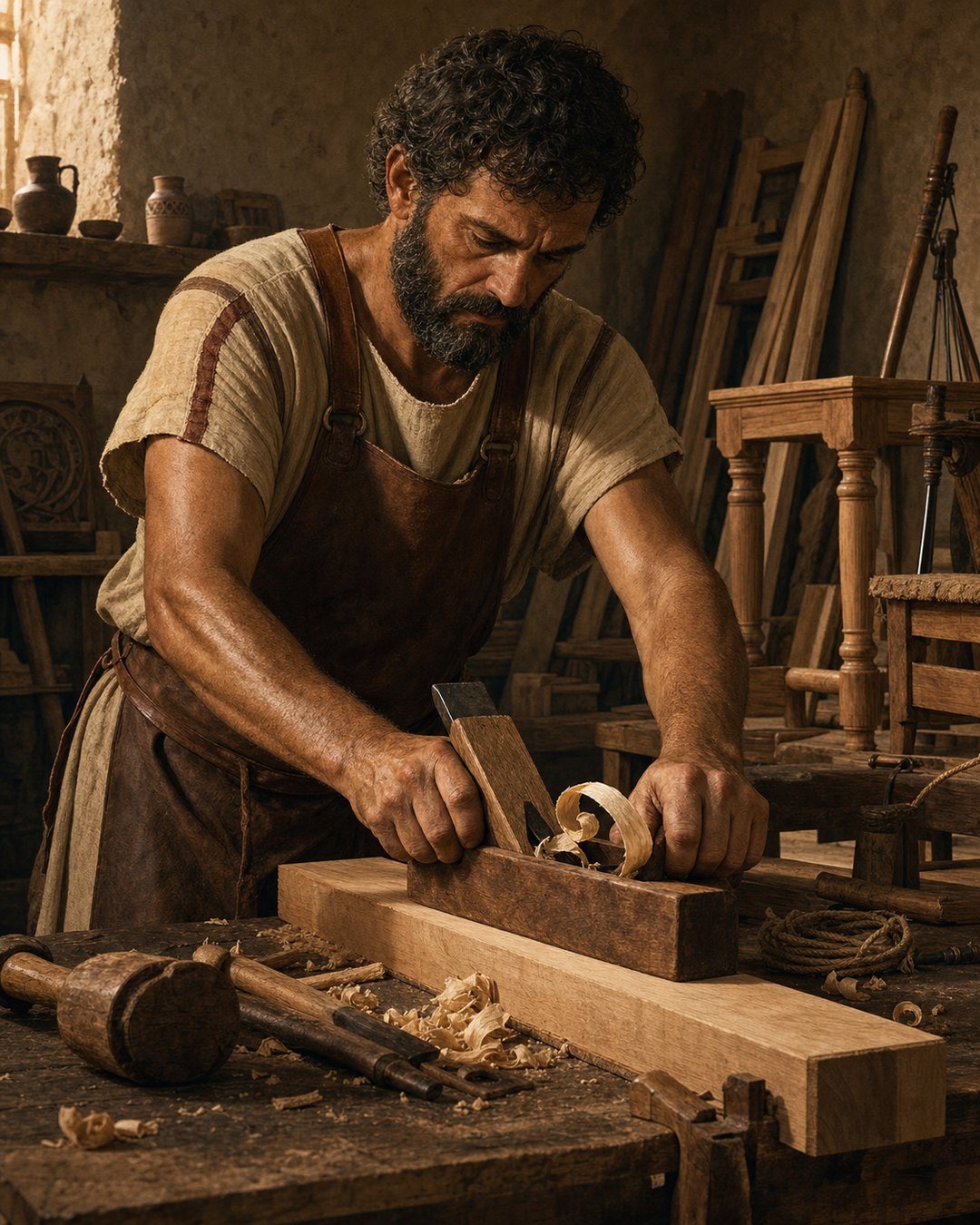
A plank can look level while still rocking beneath a joint or admitting light under a straightedge. Axes, adzes and saws reduced a tree but did not automatically leave a controlled finishing surface. The plane answered that problem. Its iron edge projected through a body whose sole slid over the timber. High fibres left as … Read more

The Slow Turn That Squeezed a Roman Harvest

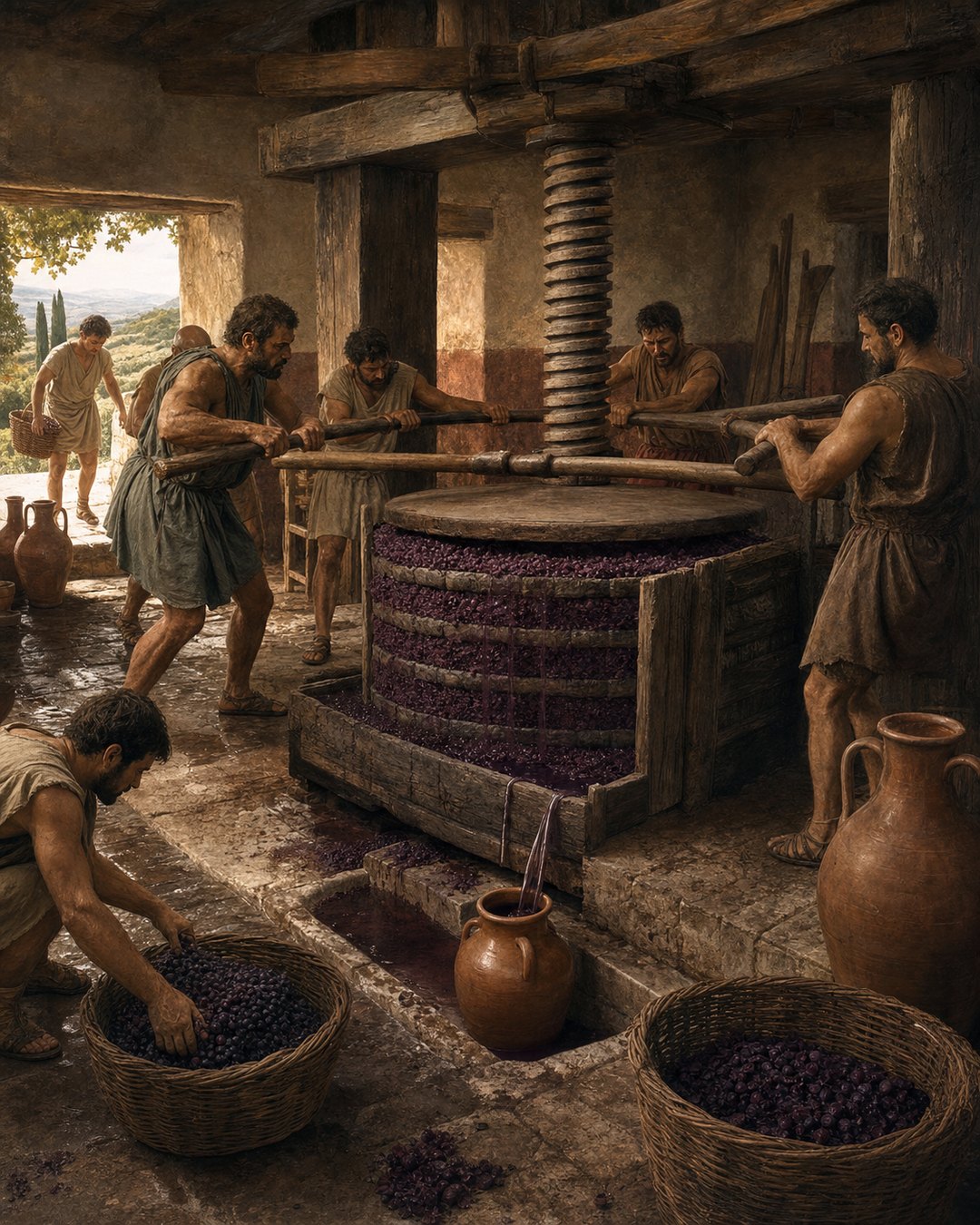
Workers walked a bar around a wooden screw or hauled hand-spakes through part of a circle. The screw turned many times but advanced only a little. Below it, a beam descended or a plate tightened onto grape marc or prepared olive material. Rotation became a short, forceful linear movement, and liquid found its way out … Read more

One Sliding Weight Could Measure a Roman Market Load

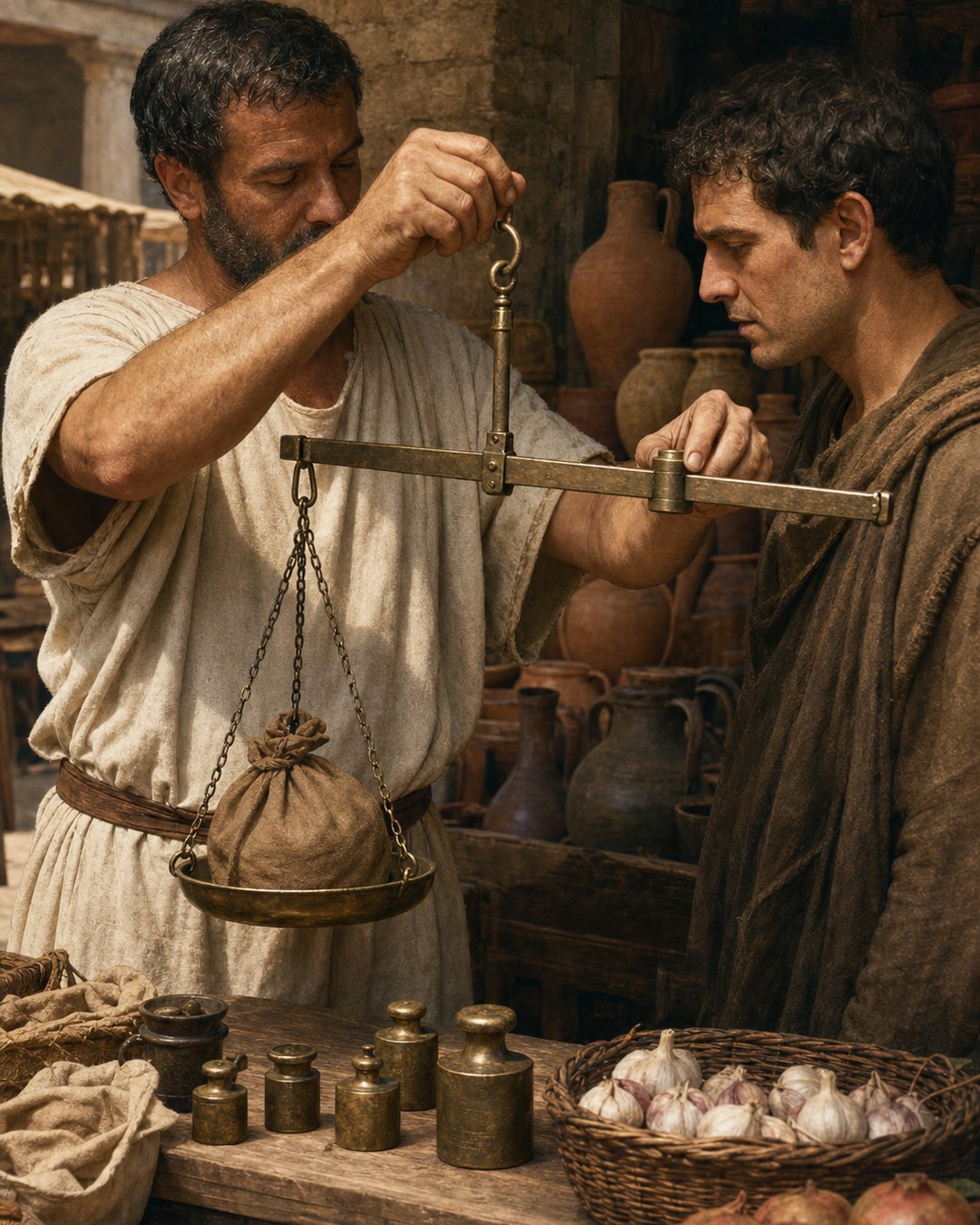
A merchant did not need a row of counterweights equal to every possible load. An unequal beam offered a more compact bargain. Hang the goods close to the fulcrum, place one known counterpoise on the longer arm, and slide it outward until the beam settles. The weight is then read from position. A small piece … Read more

How Roman Glassblowers Turned Breath into Hollow Vessels

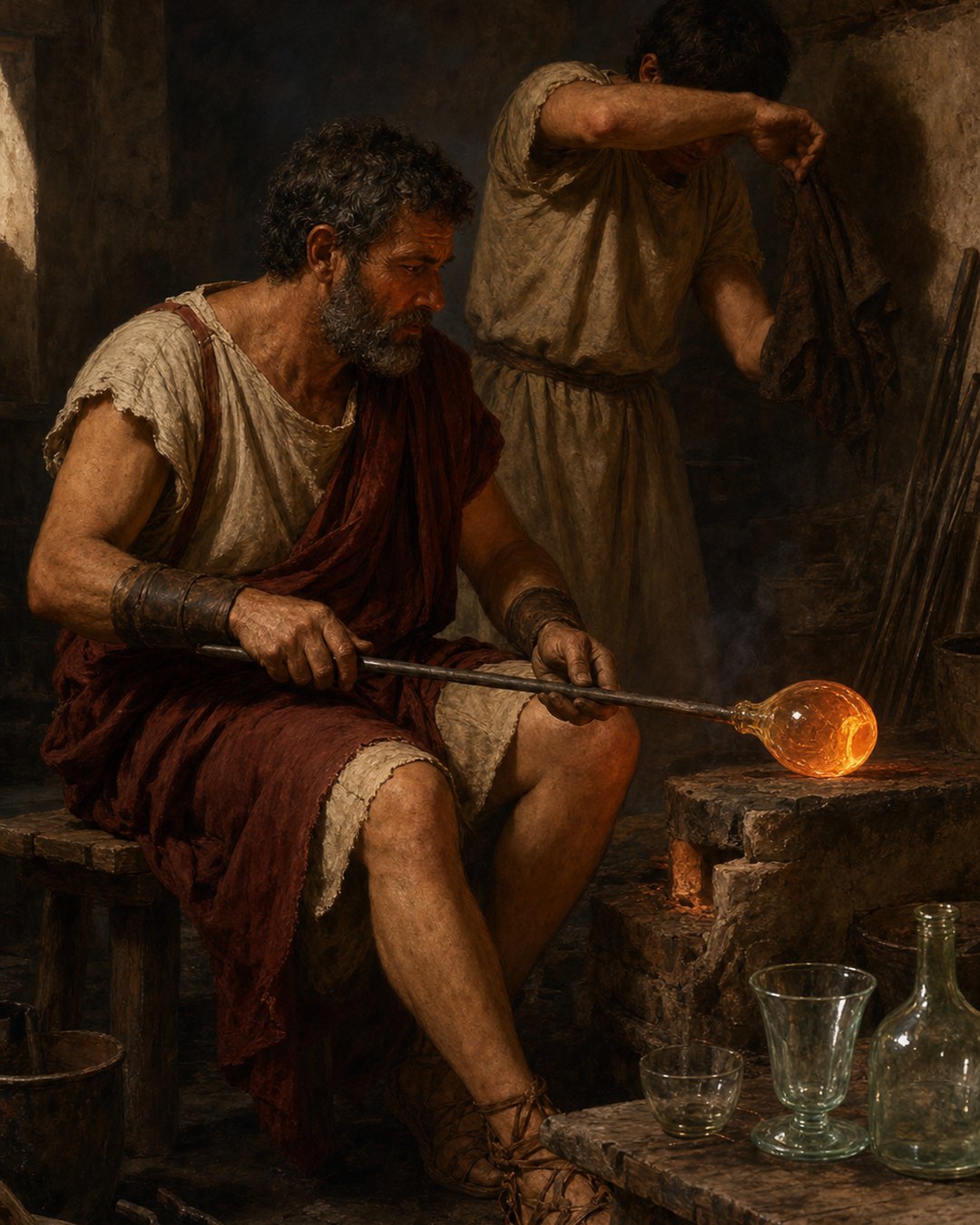
A glass vessel begins with a problem that seems almost unfair to the material. The worker must persuade a glowing, heavy liquid to become a thin hollow wall before heat escapes and rigidity returns. In Roman workshops, the decisive tool was not a press or a wheel but a hollow iron tube. One end entered … Read more

Grooves, Counters, and the Roman Art of Keeping Numbers Visible

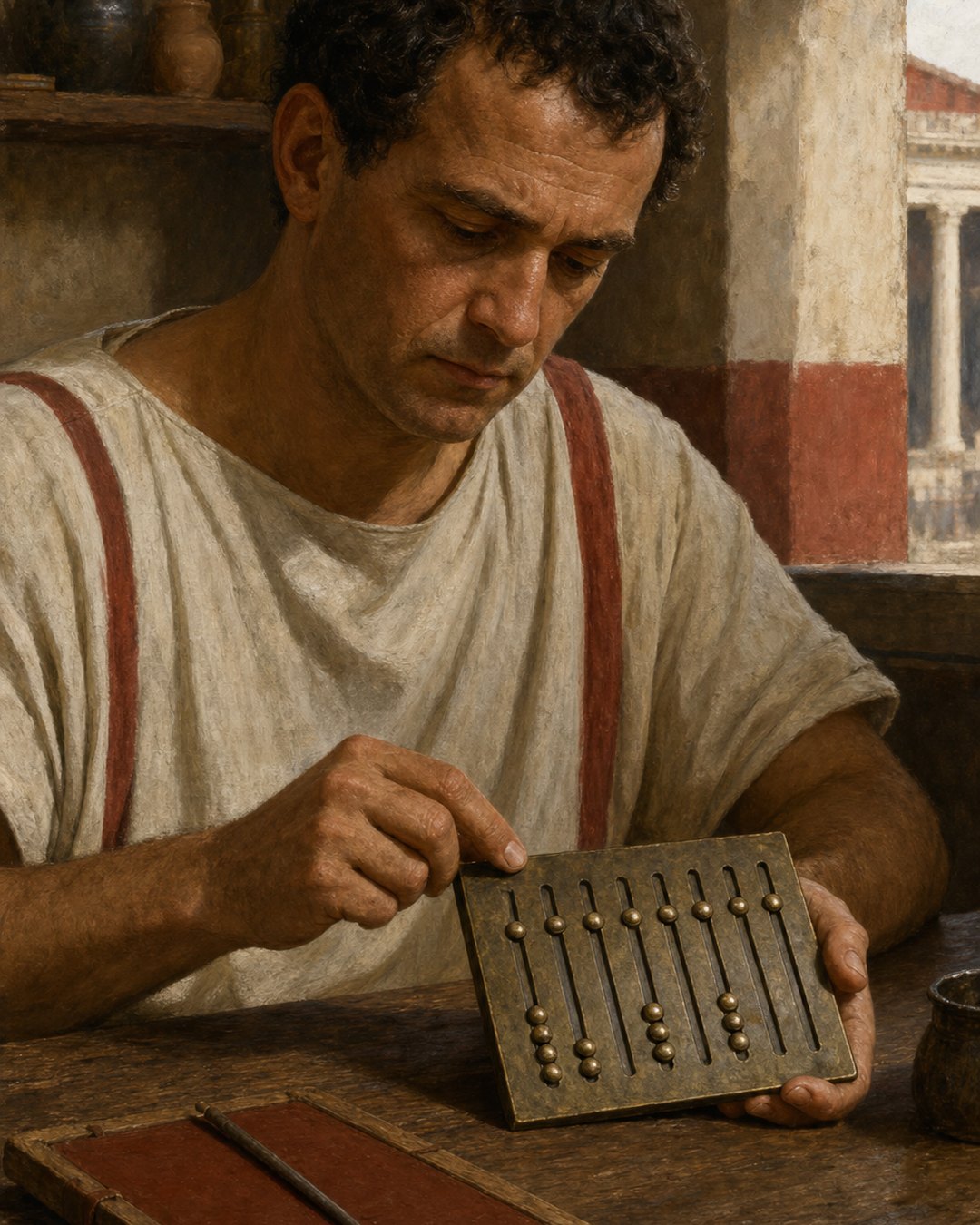
A Roman account could end as ink, but it did not have to begin there. Before a sum settled into a ledger, counters could slide through grooves beneath a clerk’s fingers. One groove represented units, another tens, then hundreds and thousands. A small piece of metal or stone had no permanent value by itself. Its … Read more

A Roman Loom Held Cloth Together Before It Existed

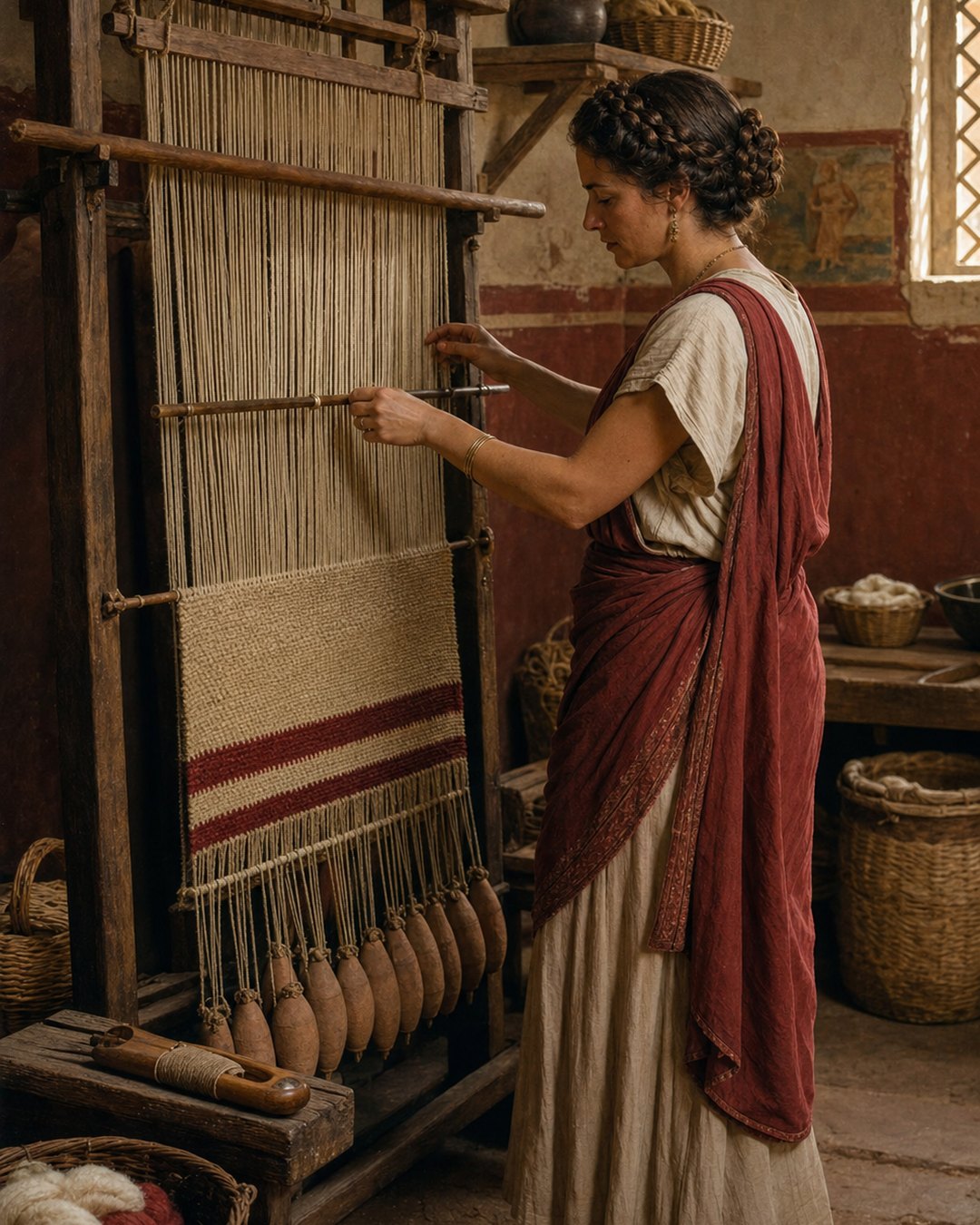
A finished Roman tunic concealed a forest of decisions. Before purple could mark rank, before a fibula could fasten a shoulder and before a fuller could clean worn wool, parallel threads had to be persuaded to remain parallel. A vertical loom did this by turning loose yarn into a field of controlled tension. An upper … Read more

Roman Mortaria Made Grinding Part of Cooking

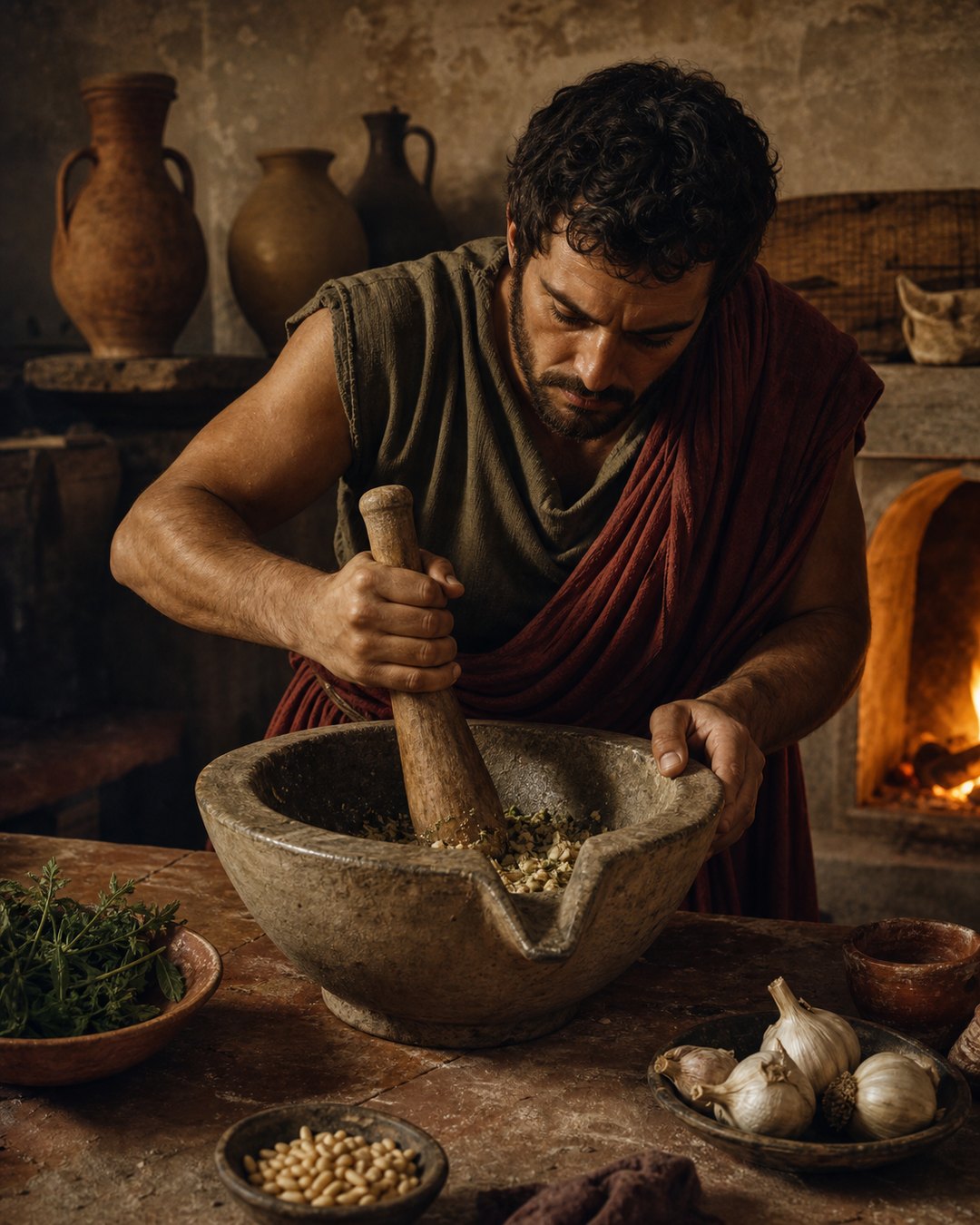
A Roman cook did not need a separate machine to turn hard seeds, herbs and garlic into a paste. A heavy ceramic bowl supplied the resistance. Its broad interior was roughened with embedded grit, its thick rim tolerated force and its small spout guided liquid away when grinding became mixing or pouring. This vessel was … Read more