How Two Points Preserved a Measurement Across the Workshop
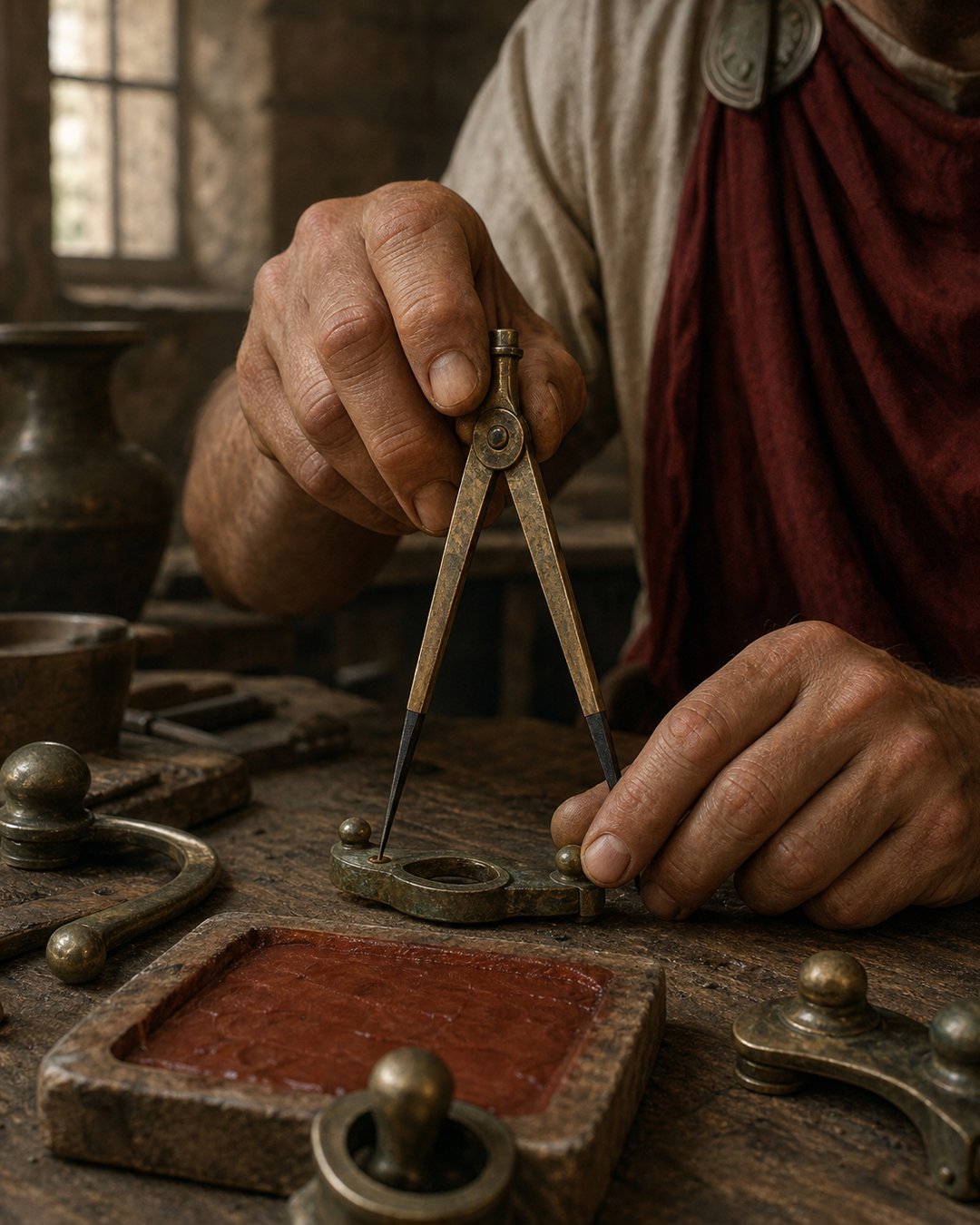
A number is not the only way to remember a distance. A Roman craftsperson could open two pointed arms across the width of a fitting, lift the instrument away and carry that exact span to another piece. Nothing had to be called six fingers or copied from a ruler. The distance survived physically between the … Read more
How Straight Wooden Staves Learned to Hold Roman Wine

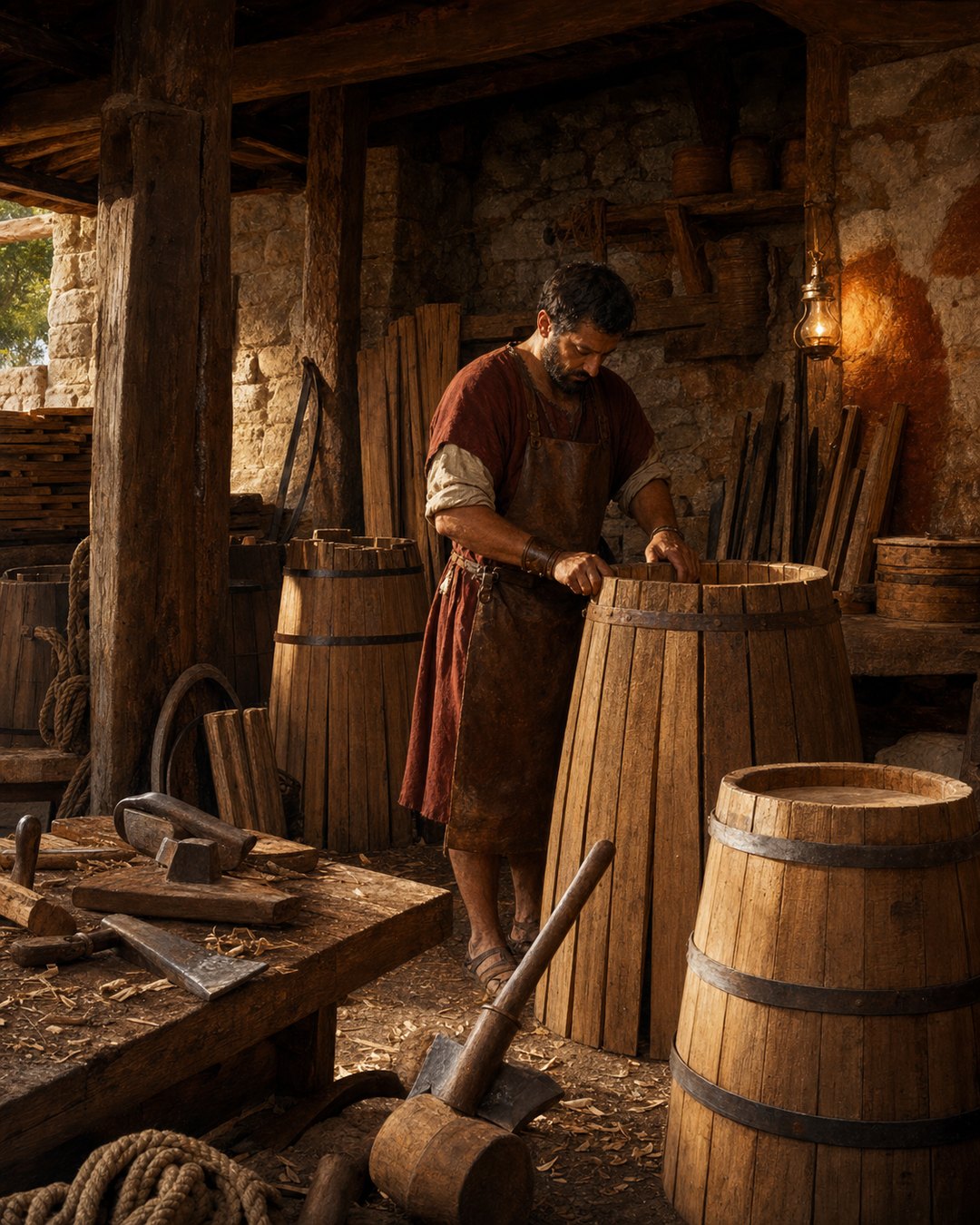
A barrel begins with a contradiction. Its wall is made from boards that are mostly straight, yet the finished vessel is curved in two directions and must resist liquid pressing outward at every seam. The cooper cannot hide a broad patch behind plaster or glue. Each narrow stave has to meet its neighbors continuously from … Read more

Why the Fire Never Touched the Pots in a Roman Kiln

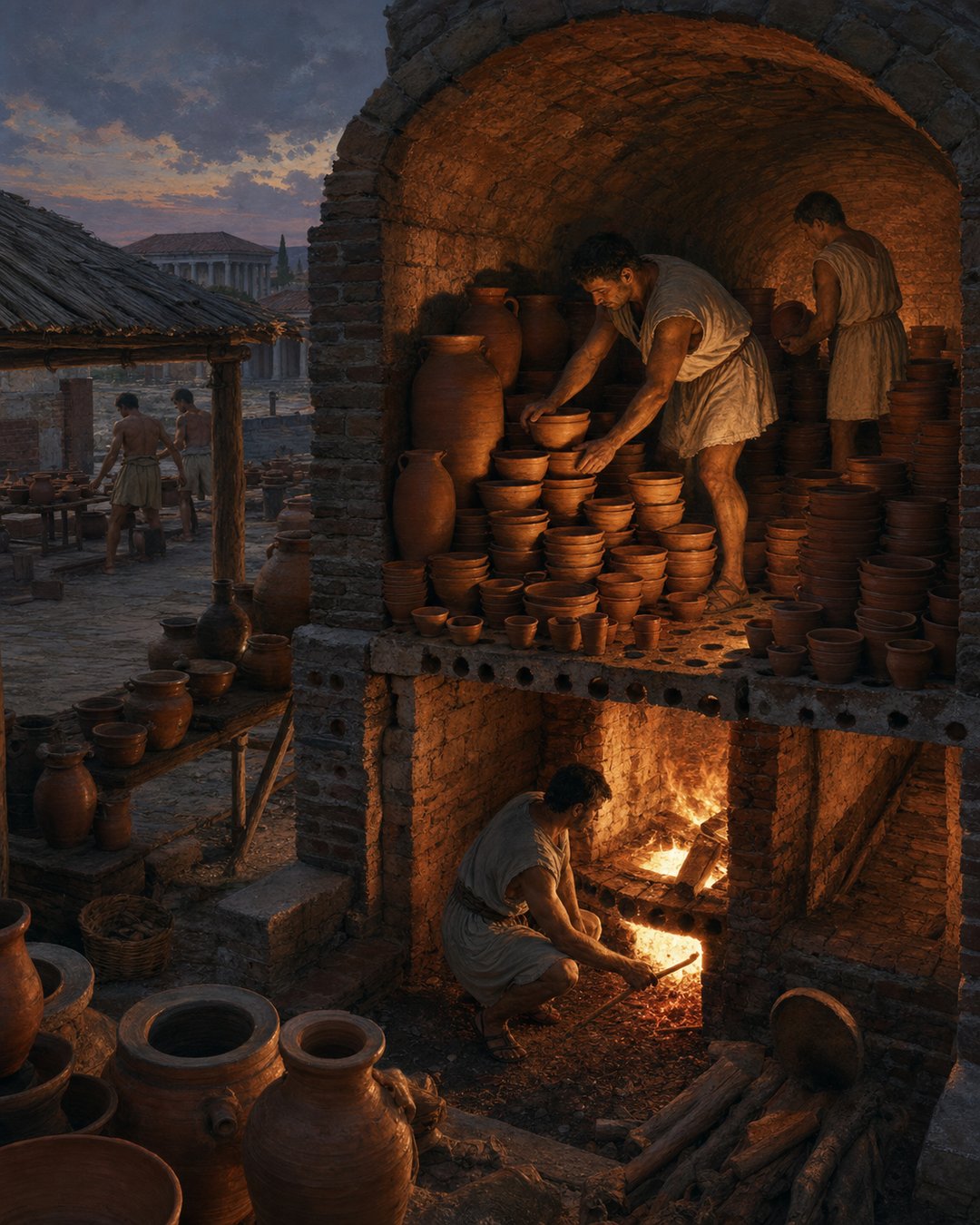
A Roman pot could survive shaping, trimming and days of drying, then fail in the last few hours. Trapped moisture burst walls. A vessel placed too near a hot channel warped. Smoke altered a surface. One rushed opening cracked a load that had endured the full fire. The kiln made this risk manageable by separating … Read more

The Long Fight Against Rot in a Roman Tannery

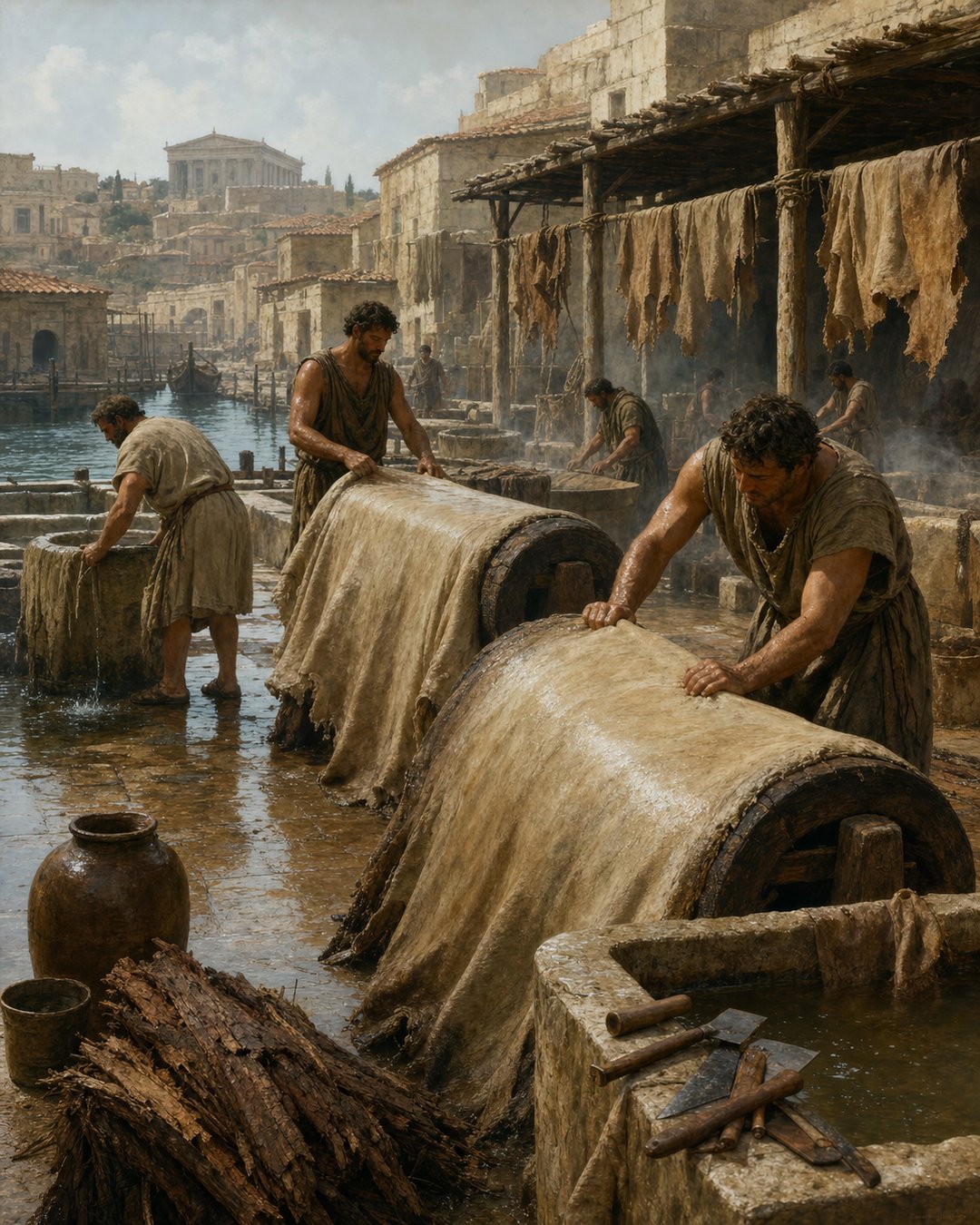
A fresh hide carried the shape of an animal and the certainty of decay. Left wet, it putrefied. Dried too quickly, it hardened into a board. Roman tanners had to keep the useful collagen layer while removing hair, flesh, fat and the conditions that allowed rot to begin. The solution was not one bath. Hides … Read more

Inside the Salt Pans That Fed the Roman Economy

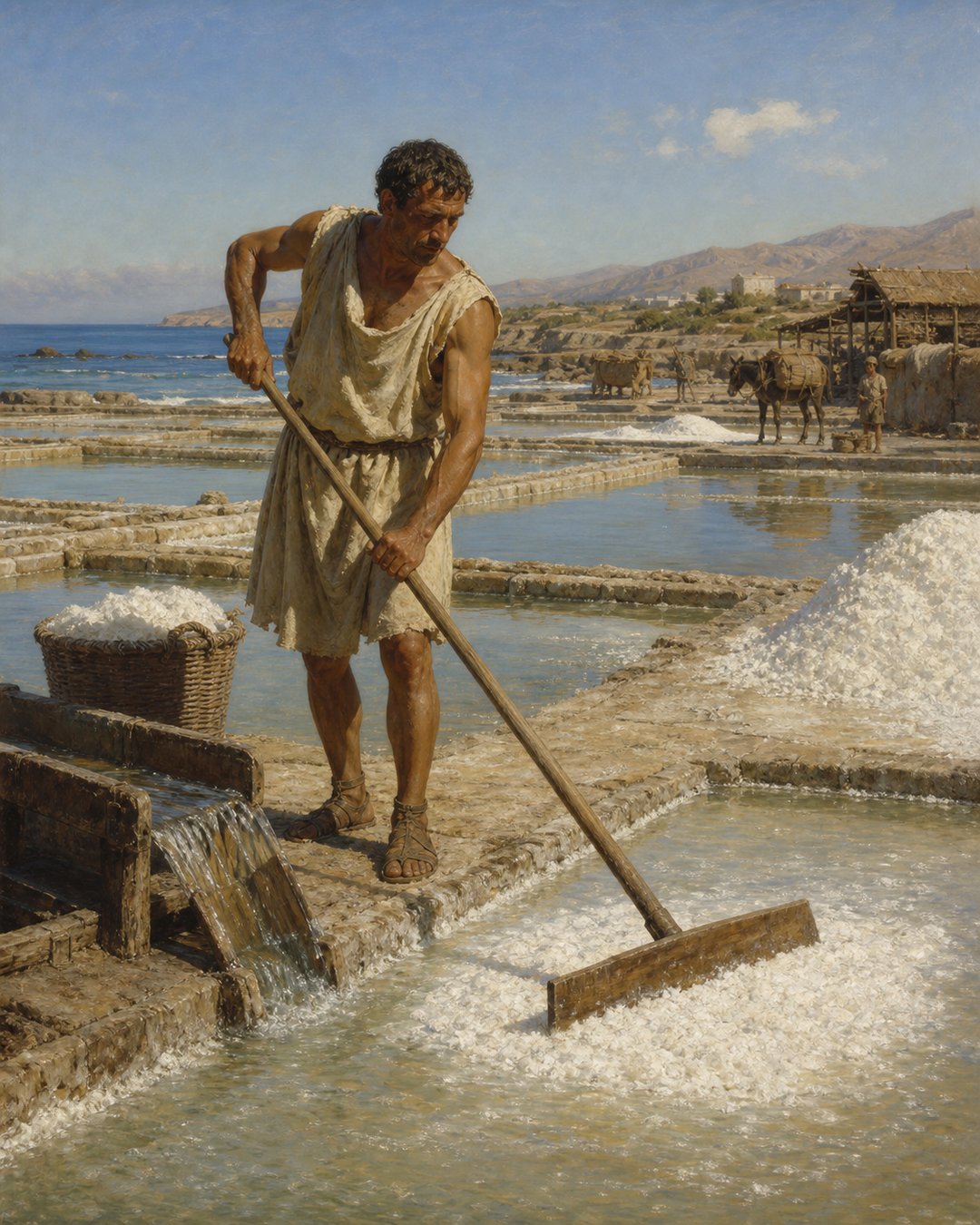
The sea could cover a Roman salt pan in the morning and leave a white mineral crust weeks later. Nothing had been added. Workers had moved water, controlled depth and waited while sun and wind carried most of the liquid away. The harvest looked simple only after an entire coastal landscape had been organized to … Read more

The Low, Smokeless Fires Behind Roman Charcoal

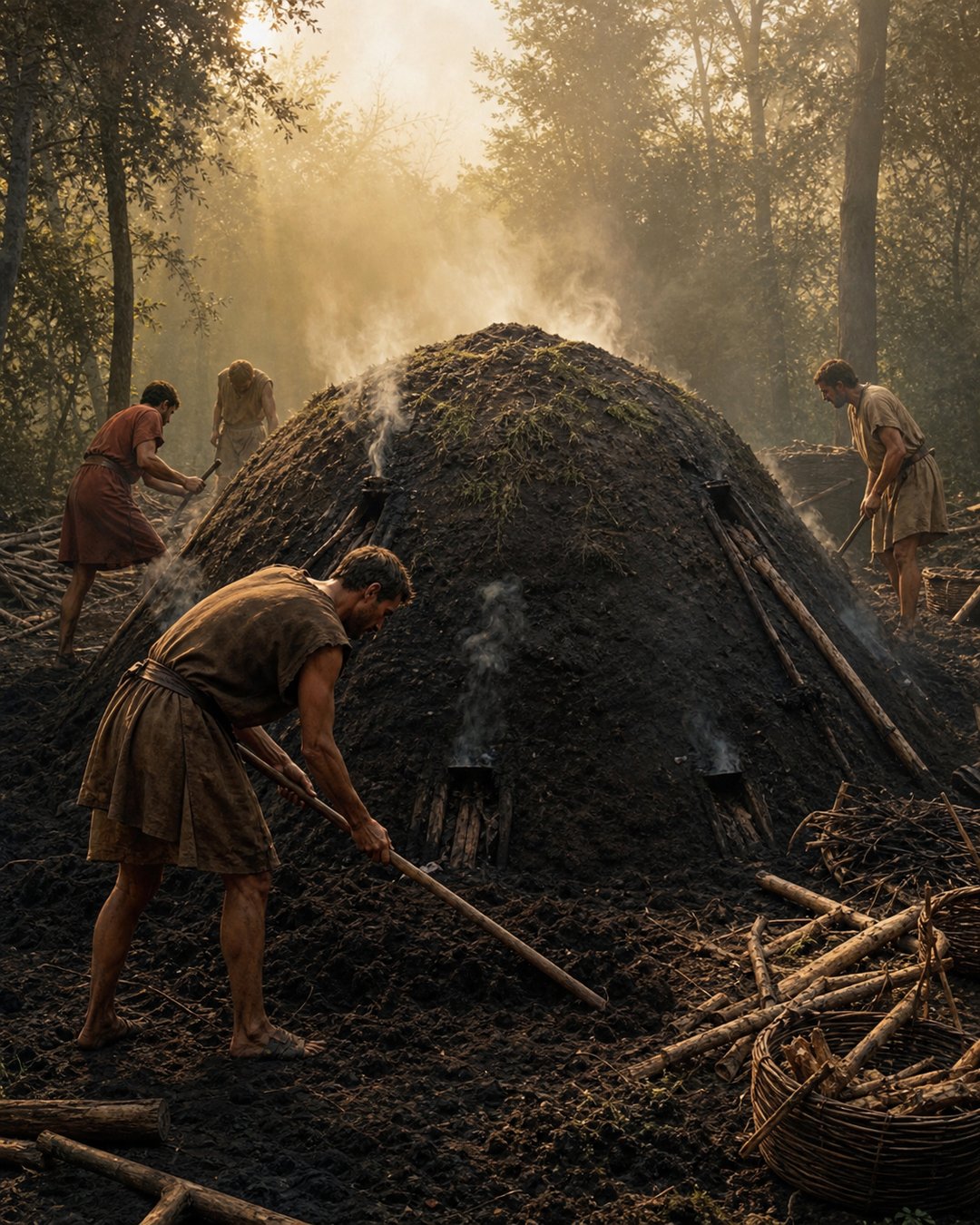
A Roman charcoal burner could spend days guarding a mound that looked almost asleep. Smoke leaked through a skin of leaves and earth. Beneath it, stacked wood heated in restricted air. If the mound went cold, the batch remained wood. If a hole admitted too much oxygen, months of gathered fuel could become ash before … Read more

Basketmaking at Rome: A Craft Built Around the First Rod

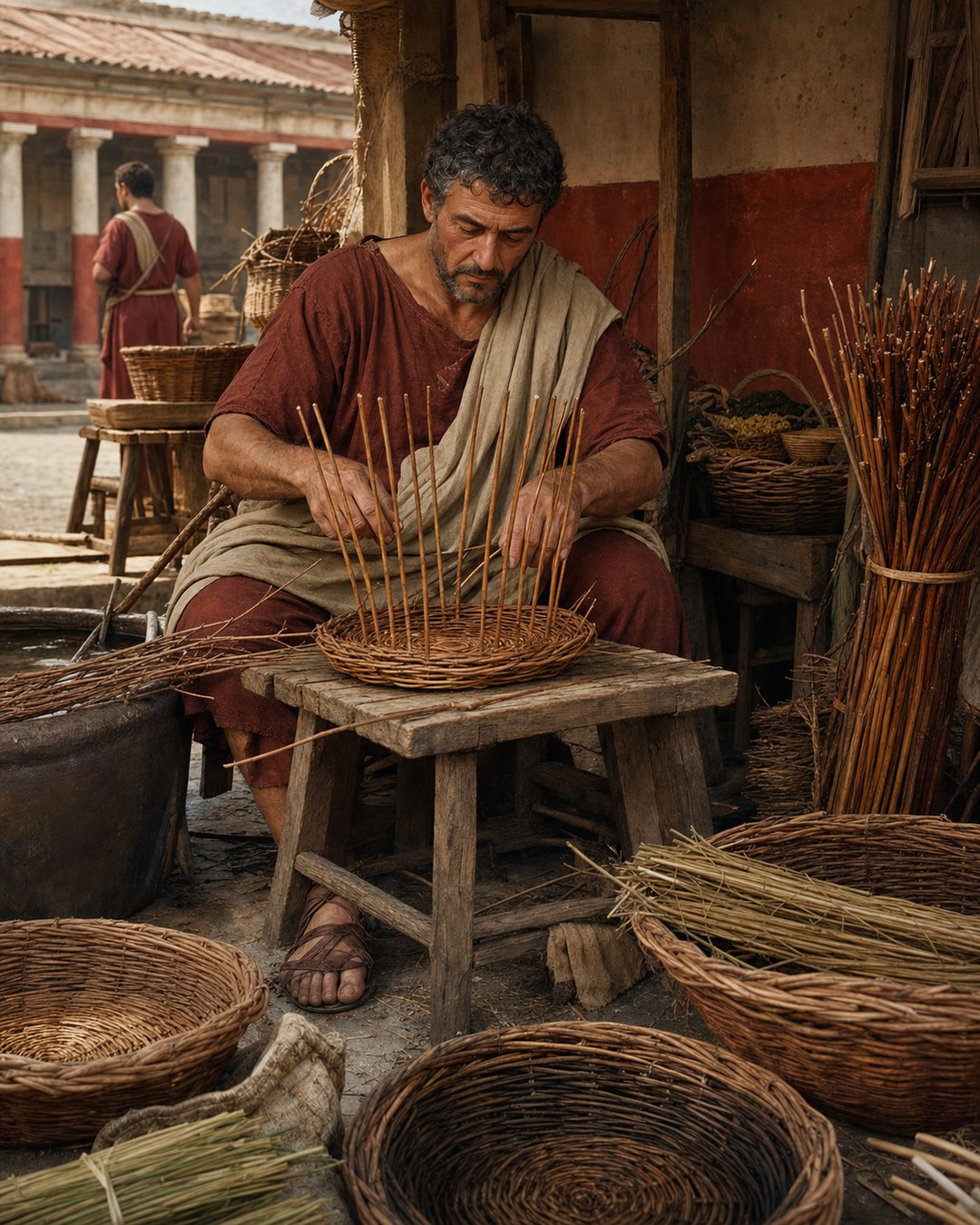
A Roman market could not run on amphorae and wooden chests alone. Fish arrived wet, fruit bruised, bread needed air, wool had to be carried, and tools followed workers into fields and workshops. A basket answered many of those jobs while weighing little more than the plants from which it was made. The craft looks … Read more

What It Took to Knot a Fishing Net for the Roman Sea

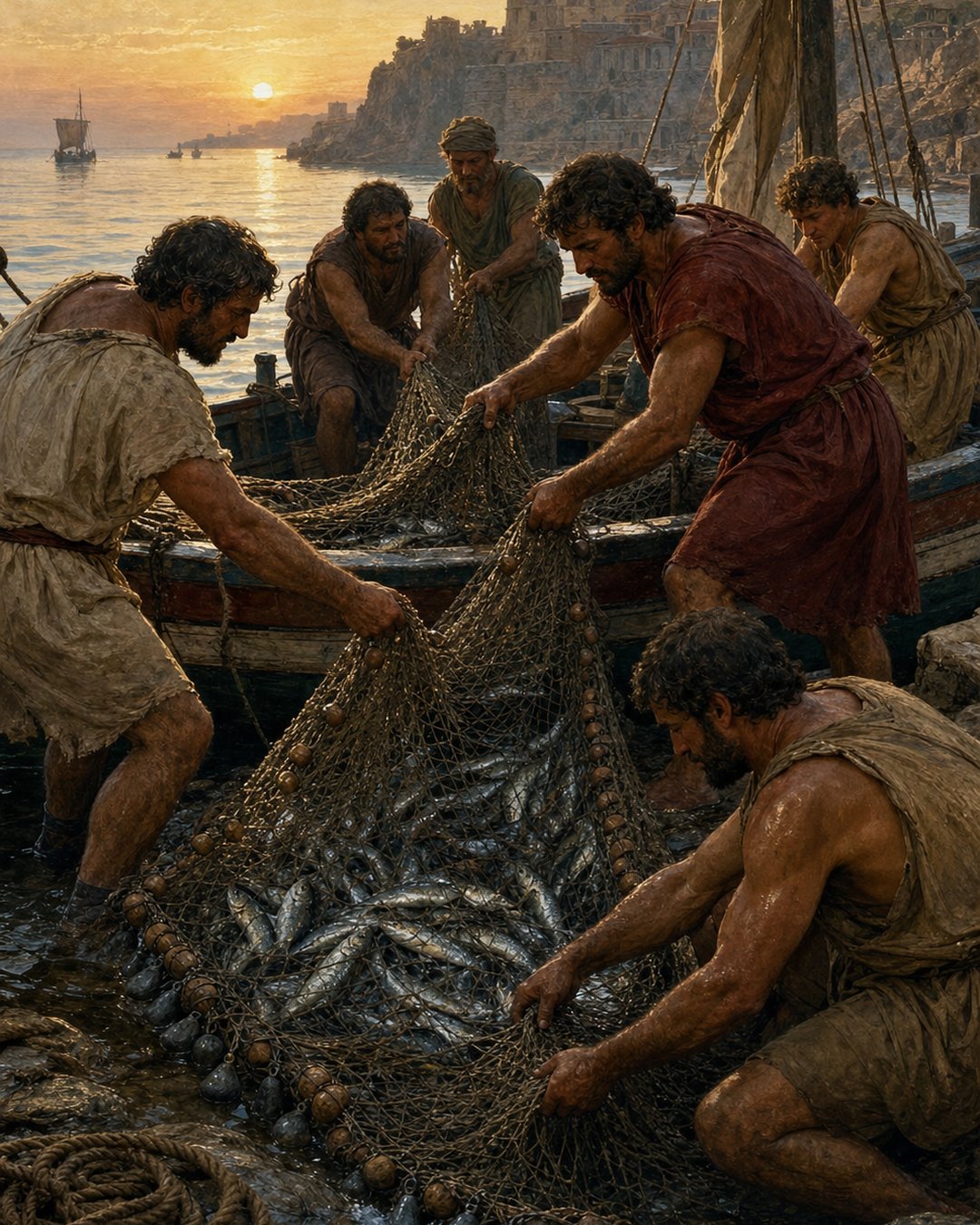
Before sunrise, a Roman fishing crew could already be handling hundreds of decisions hidden inside one dark shape in the water. The net had to open rather than tangle, its upper edge had to float, its lower edge had to sink, and the boat had to move so current and wind helped the mesh instead … Read more

Latrunculi: The Roman Board Game of Encirclement

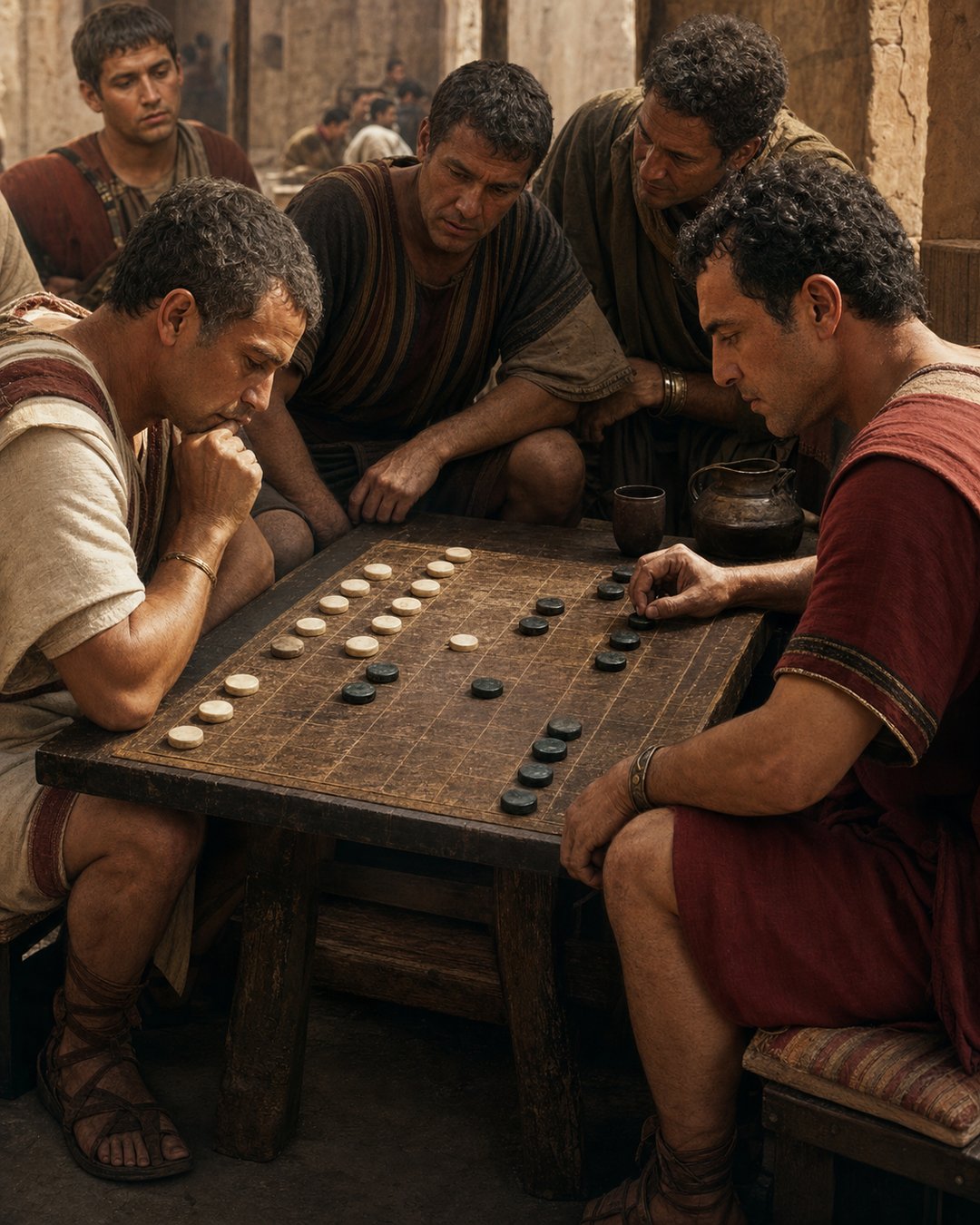
Two Romans could sit over a grid with equal armies and no dice to blame. Each moved a counter into a new square, watched the reply, and tried to make the opponent’s line become a trap. The game later writers called ludus latrunculorum, the game of little soldiers or mercenaries, survives as scattered boards, pieces, … Read more

The Skill and Status of a Roman Midwife

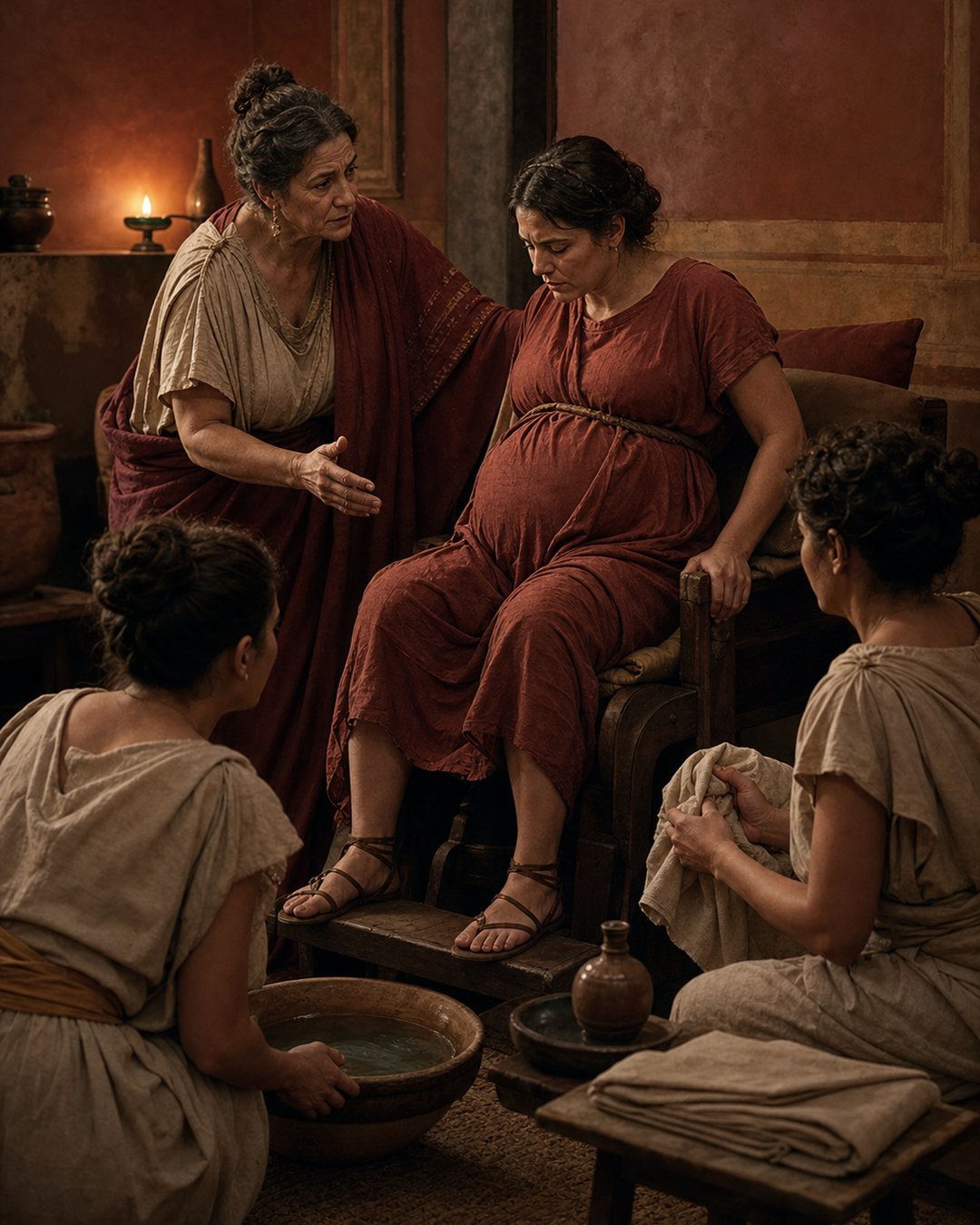
A Roman woman in labour did not need a philosopher beside her. She needed someone who could read a changing body, keep frightened people useful, prepare the room, and know when an ordinary birth had become dangerous. The person expected to hold that responsibility was the midwife. Her work happened inside households, but it was … Read more