Ten Wood Fragments Preserved a Frontier Clothing Parcel
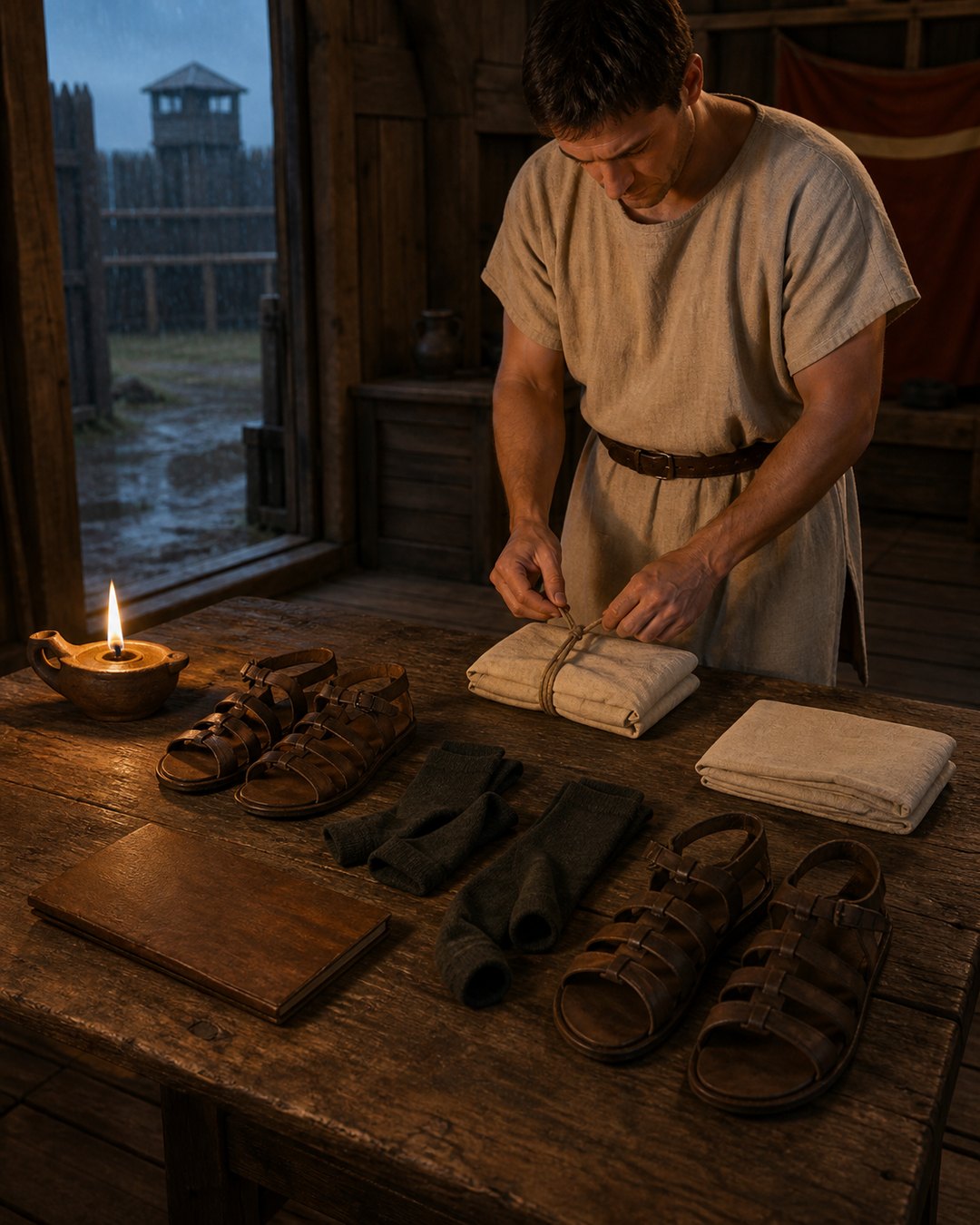
The most quoted words on Vindolanda Tablet 346 are the easiest ones to smile at: socks, sandals and underpants. They survive in an ink letter from the Roman frontier, broken across ten pieces of thin wood. The familiar objects seem to pull an ancient parcel straight into the present. Yet the tablet is valuable precisely … Read more
Polus Carried His Son’s Ashes onto the Athenian Stage

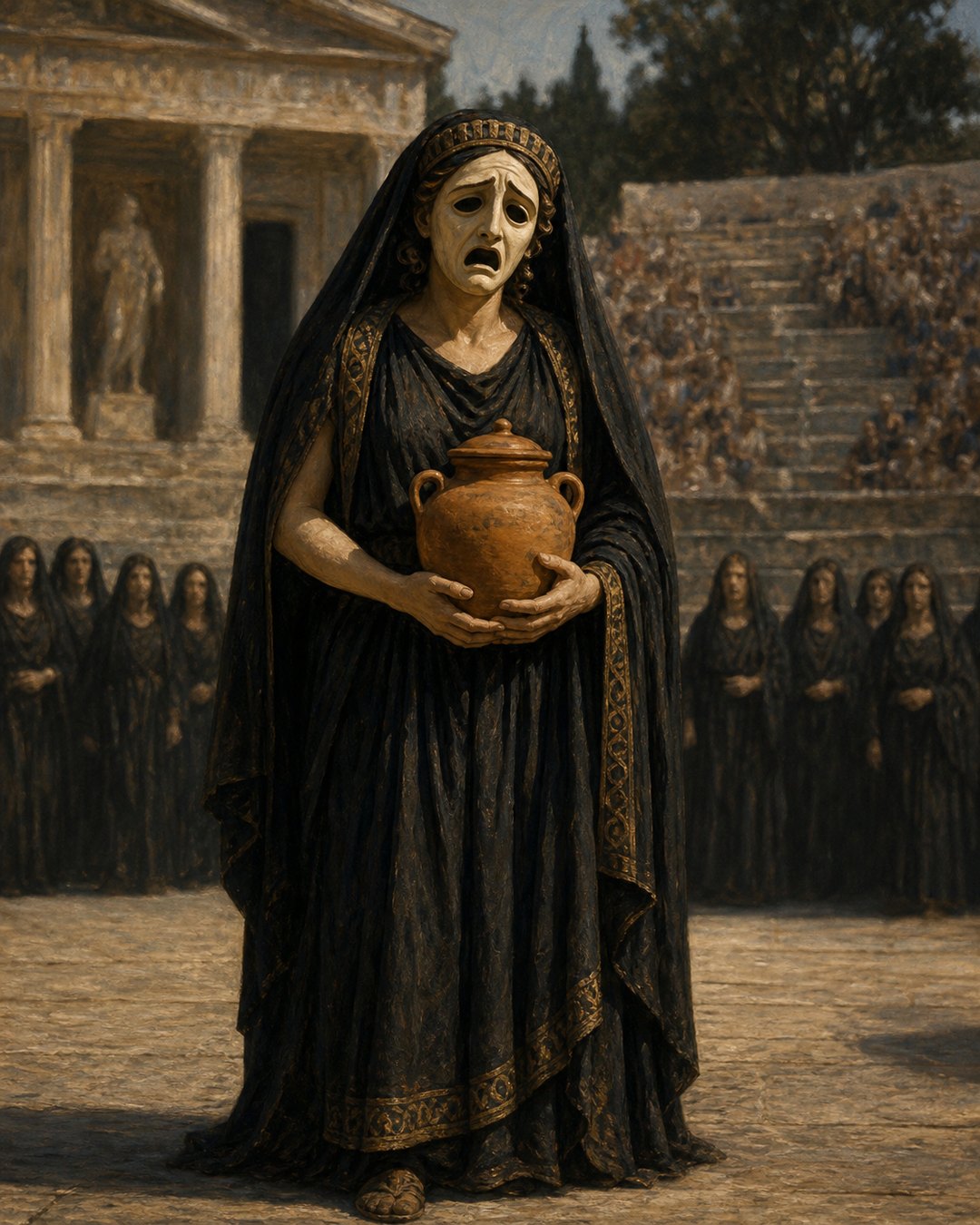
An Athenian audience knew what the urn was supposed to mean. In Sophocles’ Electra, the heroine receives what she believes are the ashes of her dead brother Orestes. Her lament belongs to the plot: the vessel is a prop, the death a deception, and the grief a test the actor must make convincing. Aulus Gellius … Read more

Favorinus Debated a New Mother’s Milk While She Slept

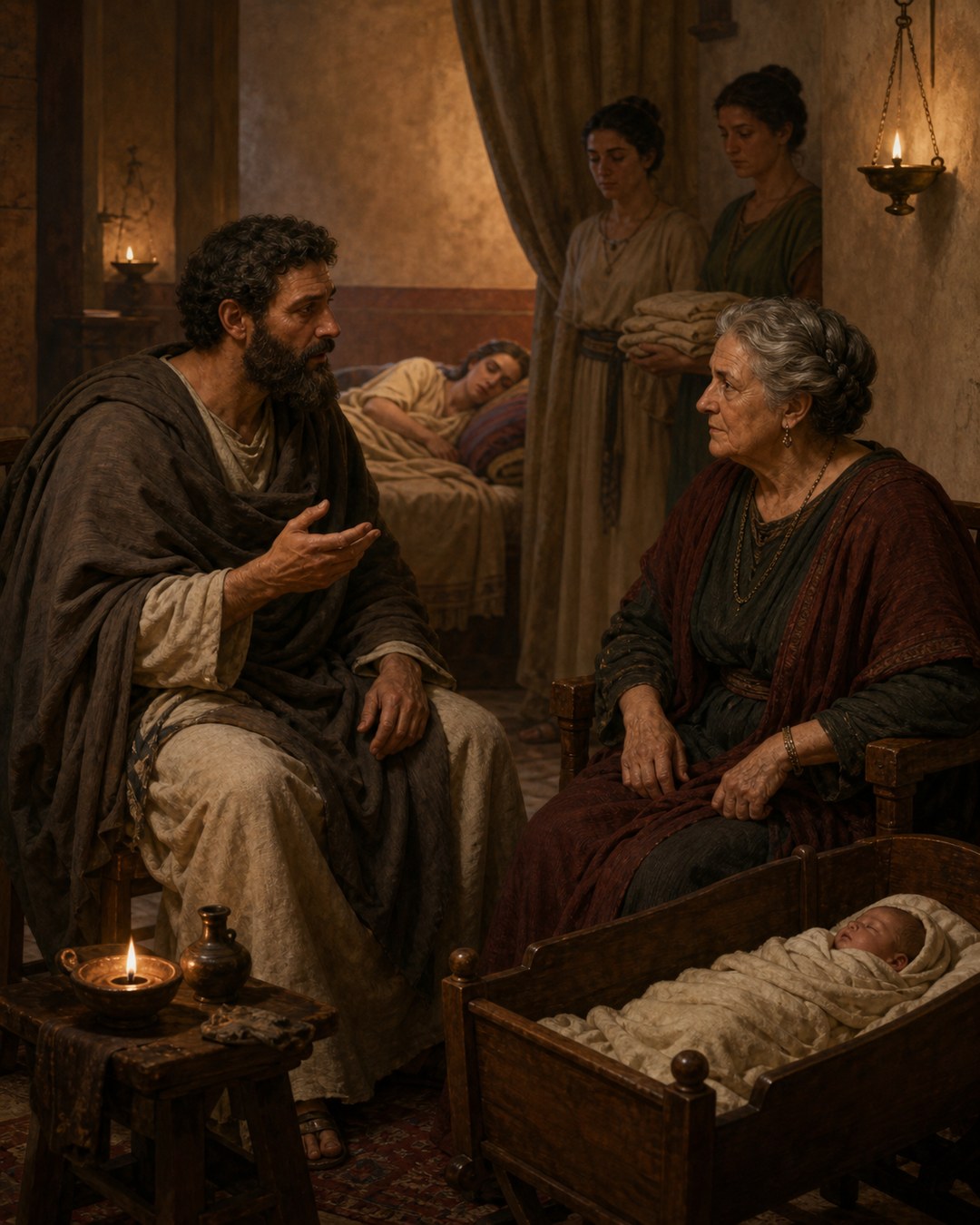
A young mother slept after a long, difficult labor. In another part of the house, the philosopher Favorinus asked whether she would nurse her newborn son herself. Her own mother answered for her: the daughter had suffered enough, and wet nurses should take over the additional work. Aulus Gellius says he stood among the visitors. … Read more

Sponge Divers Pulled One Cord When Dogfish Closed In

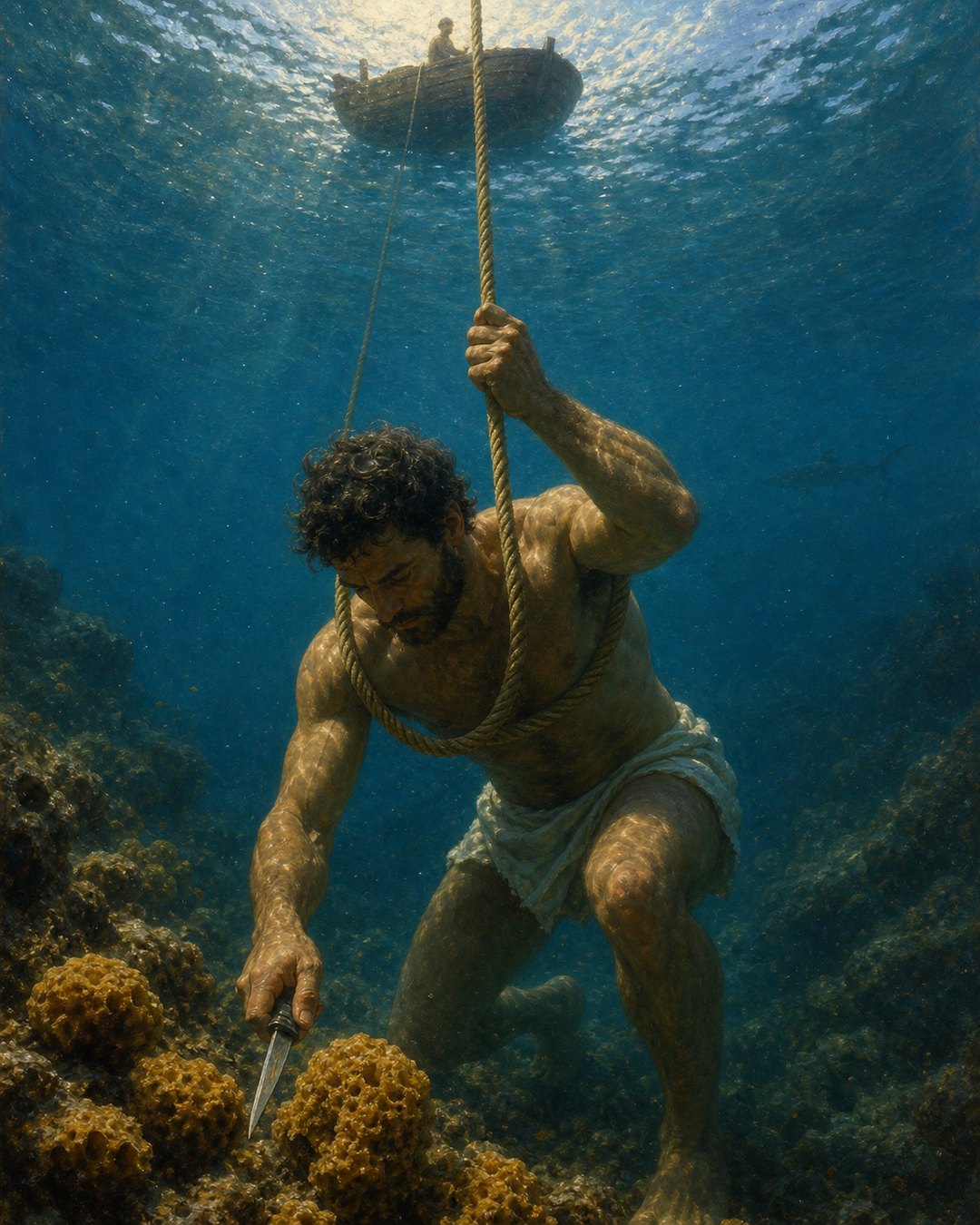
The sponge diver disappeared with a cord fixed beneath his shoulders. On the boat, companions held the other end. Below, one hand managed a short pointed blade while the other pulled the line to signal danger. Pliny the Elder describes this arrangement in a passage where harvesting turns suddenly into a fight for extraction. The … Read more

Sergius Orata Made Lake Lucrinus an Oyster Brand

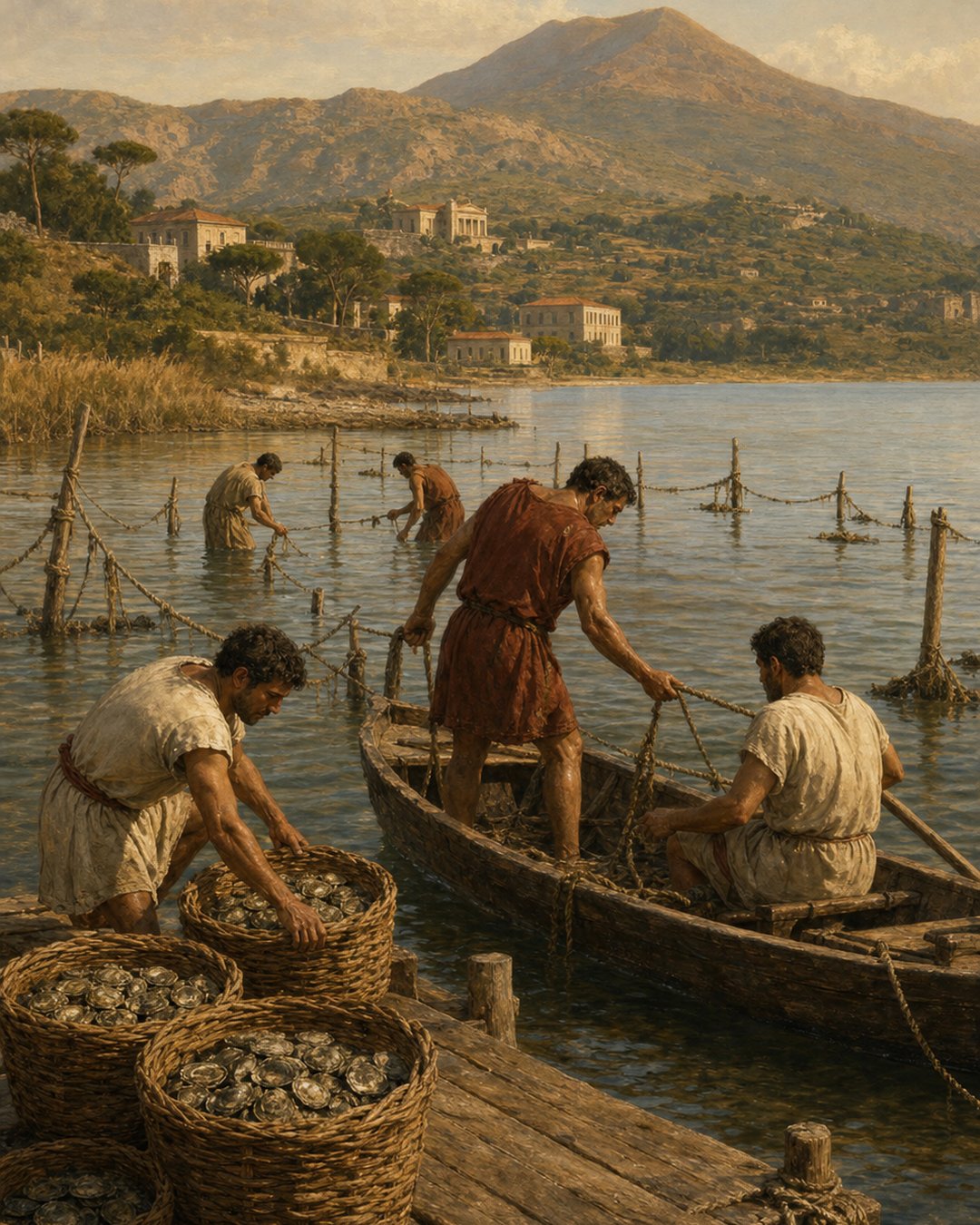
Sergius Orata’s oyster beds began with a stretch of water at Baiae and ended with a claim about taste. Pliny the Elder calls him the first person to form artificial beds, then immediately explains how the invention made money. Orata established them shortly before the Social War, promoted oysters from nearby Lake Lucrinus as the … Read more

Fifty Pounds of Flax Left Fifteen After the Iron Combs

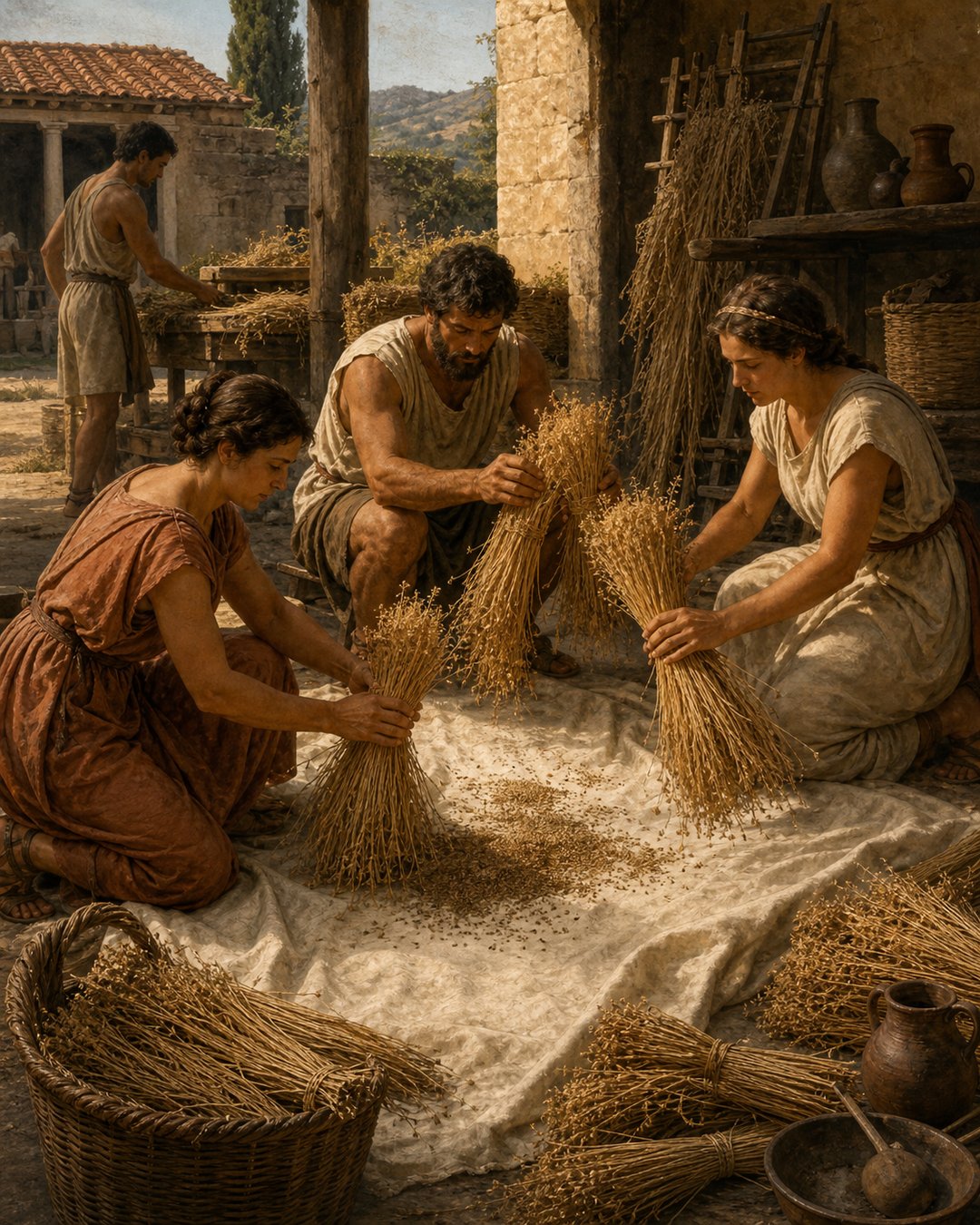
Fifty pounds of flax in the sheaf did not become fifty pounds of dressed fibre. Pliny the Elder gives fifteen pounds as a fair return after combing. The missing thirty-five pounds make the craft easier to understand than a finished fold of pale linen does. Manufacture was a controlled loss of seed, moisture, skin, broken … Read more

Young Trees Travelled with Their Native Earth in Baskets

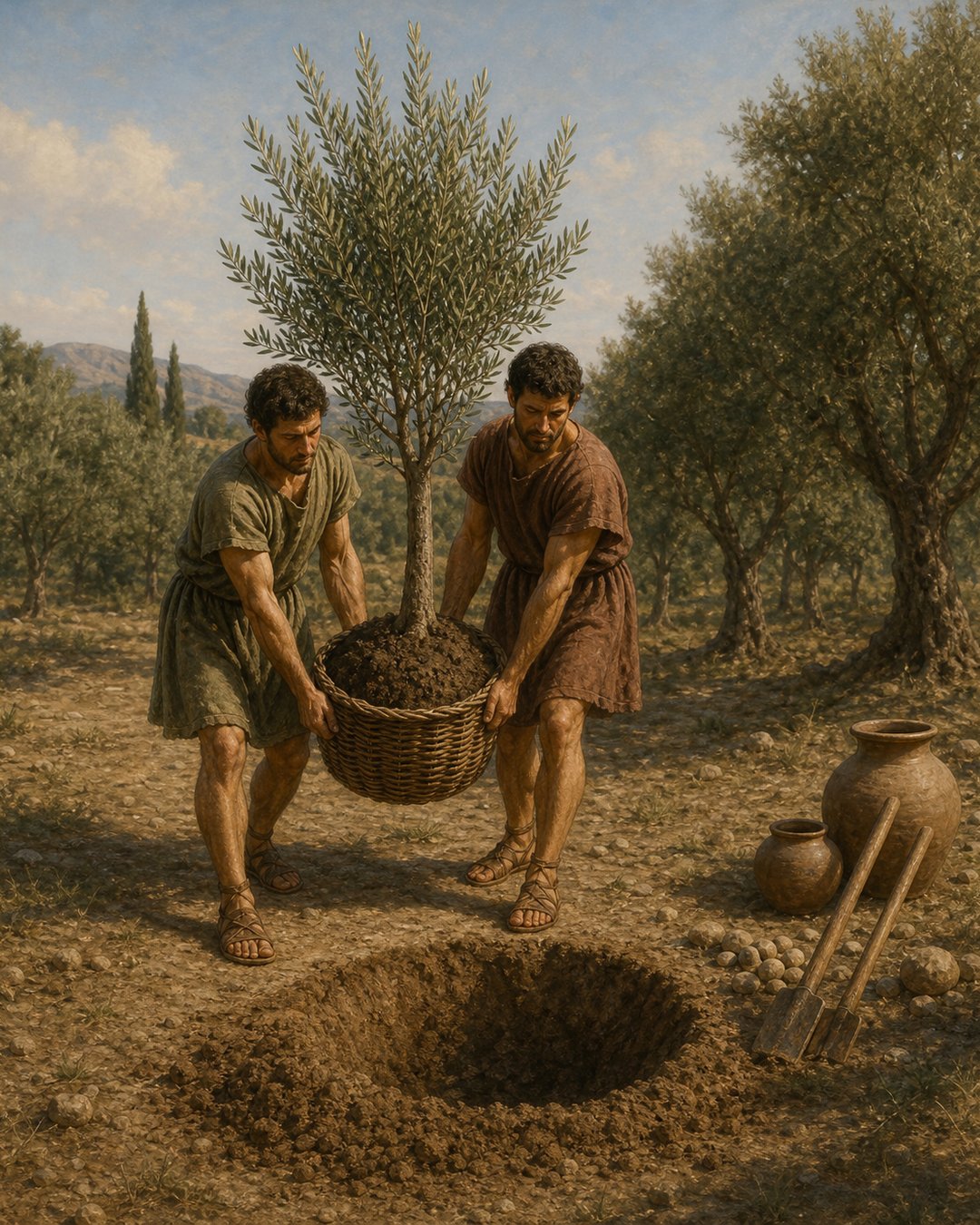
A young tree at the edge of a Roman nursery carried two landscapes at once. Its crown stood in the air of the road ahead, but its roots still needed the ground it was leaving. Pliny the Elder preserves Cato’s practical answer to that problem: move the tree in a basket, keeping as much of … Read more

A Kiss Tested Whether Roman Women Had Drunk Wine

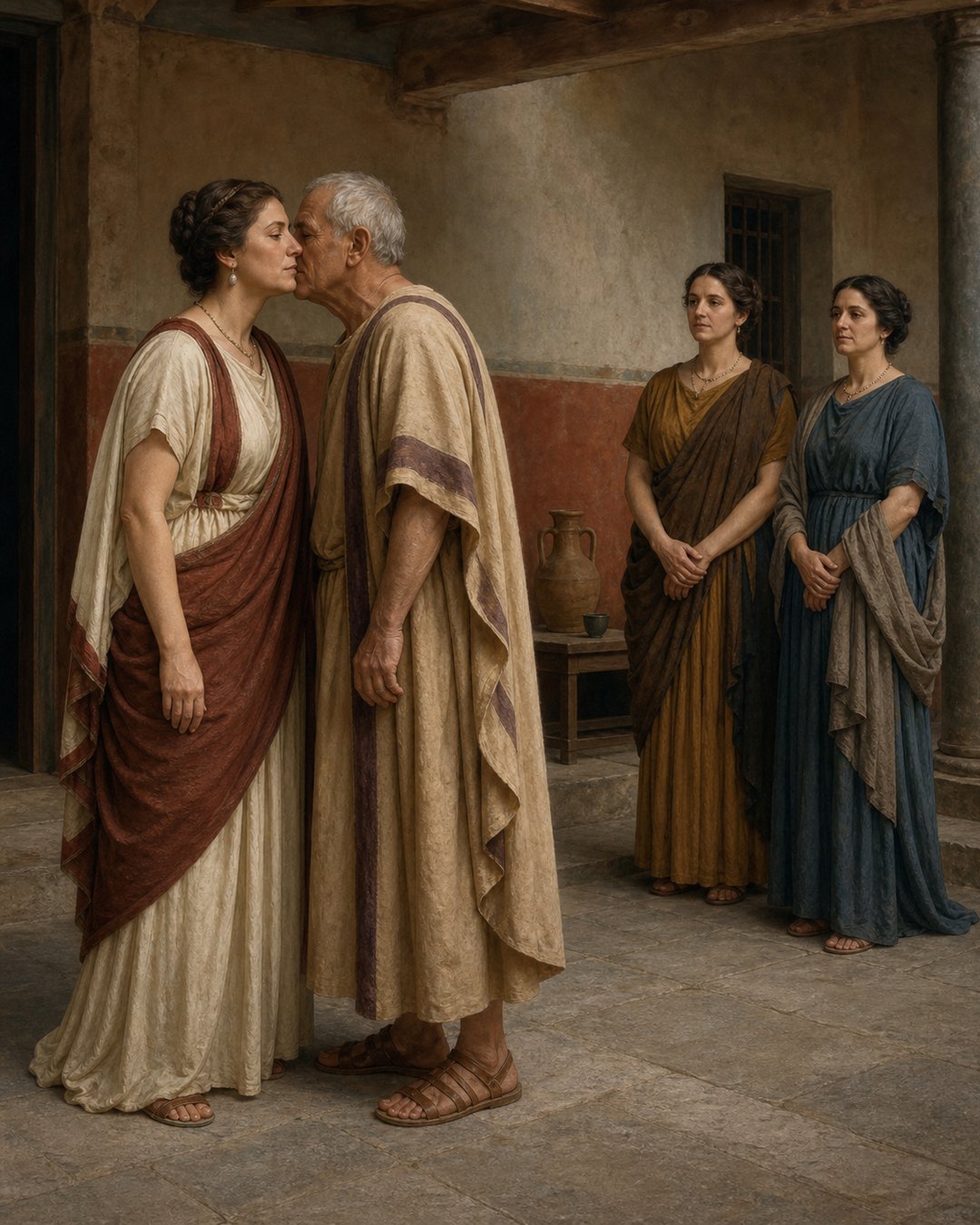
A greeting kiss usually looks like the least political gesture in a household. In one Roman account, however, it could become an inspection. Aulus Gellius says that women of Rome and Latium were expected to kiss their kinsfolk so that the smell of wine might expose anyone who had been drinking it. The face came … Read more