Cyrene Sent Its Last Recorded Silphium Stalk to Nero

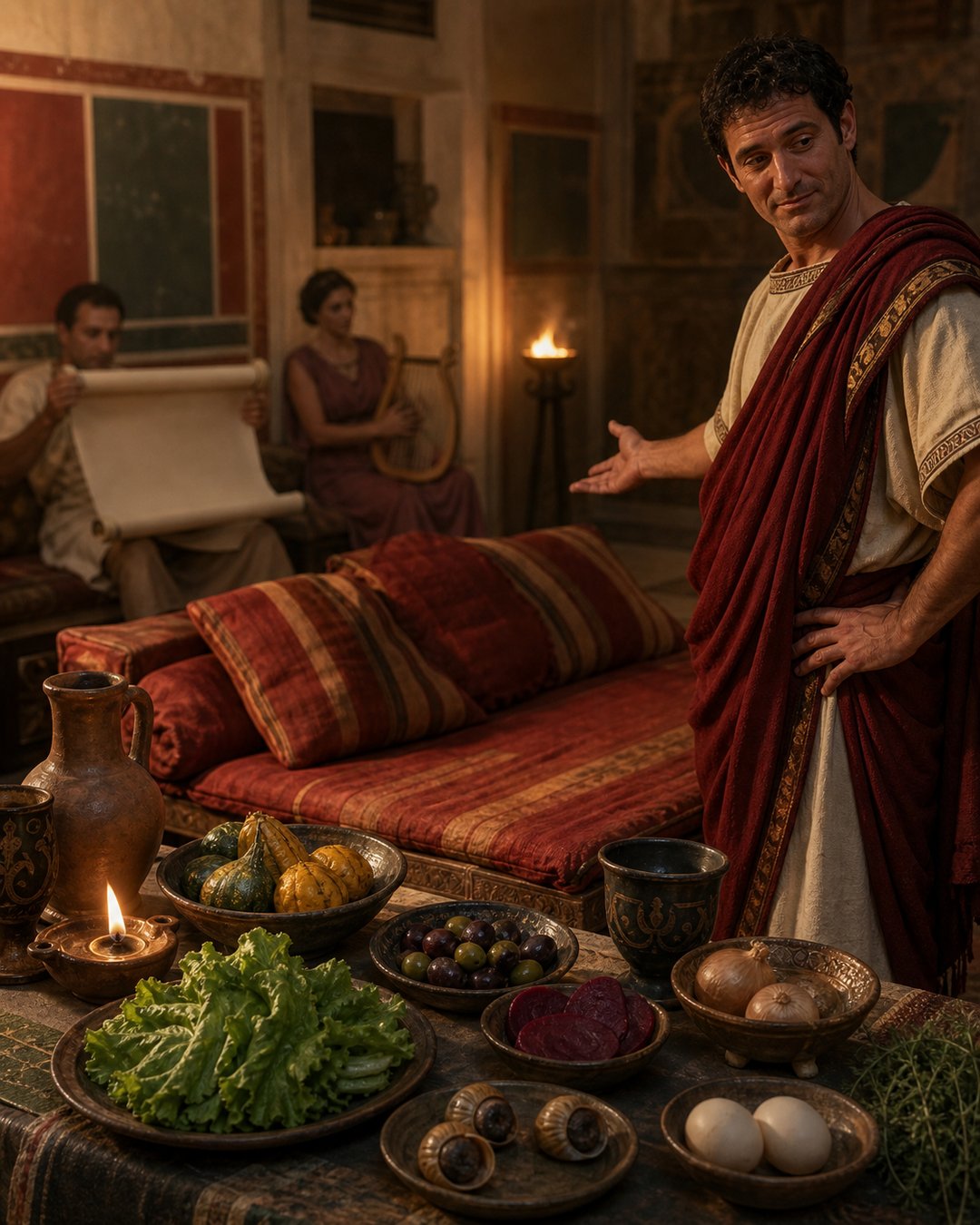
A single green stalk travelled from Cyrenaica toward Nero’s court. Pliny the Elder does not describe a ceremonial garden or a scientific expedition around it. He presents the plant as the last one found there within living memory, an object exceptional enough to be sent to the emperor. The stalk was silphium, the North African … Read more

One Missing Sandal Loop Put Apelles Behind His Own Picture

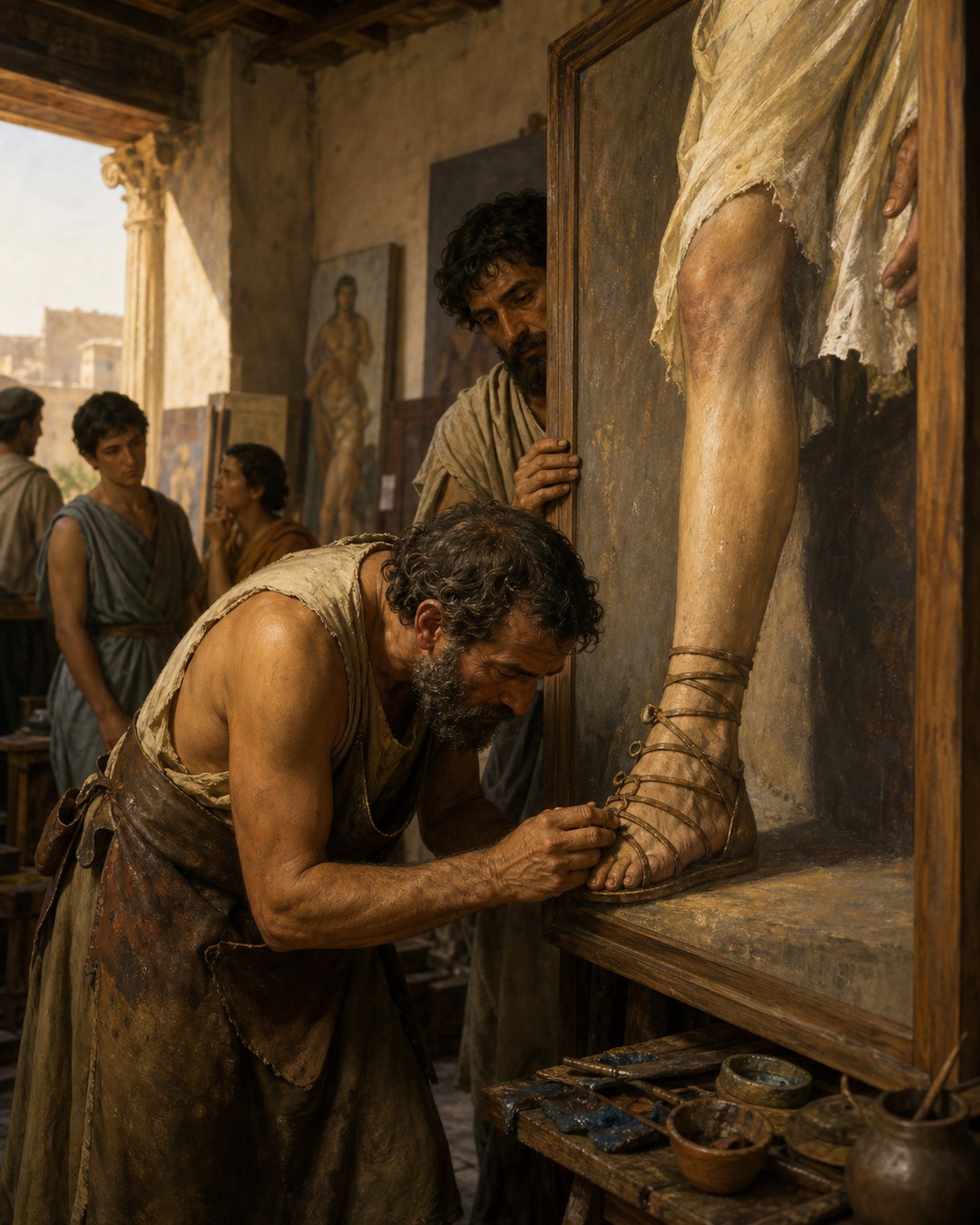
Apelles did not stand beside his finished picture waiting for praise. He placed it in a gallery where ordinary passersby could inspect it, then moved out of sight behind the panel. From there, the most celebrated painter associated with Alexander the Great listened for faults. One observer had exact knowledge. A shoemaker counted the painted … Read more

Four Days Without Food Sent Pliny Racing to Corellius

Pliny was already running when the second message found him. Corellius Rufus had refused food through a second, third and fourth day. His wife Hispulla had sent a mutual friend to say that family pleas had failed and that Pliny might be the one person still able to call him back to life. Pliny set … Read more

Thirty Sesterces Bought a Peach That Lasted Two Days

A ripe peach arrived at a Roman stall with a clock already running. Pliny the Elder gave it no more than about two days after picking. It could not wait through a long warehouse delay, improve during storage or be held until a seller liked the price. Once the branch released it, the fruit had … Read more

Sand and Copper Became Blue in Vestorius’s Furnace

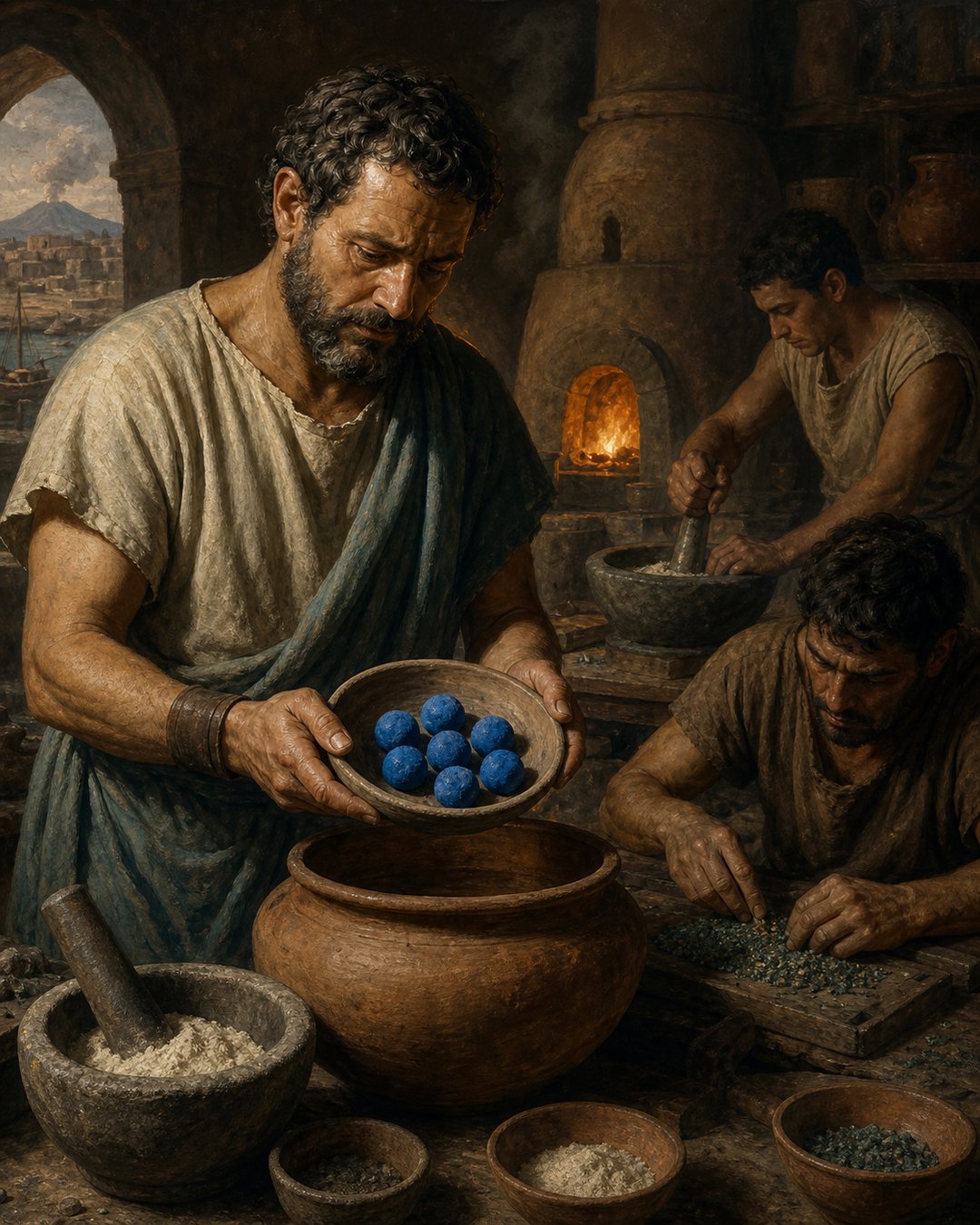
A worker at Puteoli could begin with a bench that hardly promised brilliance: pale sand, flower of natron, coarse copper filings and water. The blue appeared only later, after those materials had been ground, mixed, rolled into balls, dried, enclosed in pottery and fired. In Vitruvius’s account, color was not gathered ready-made. It was constructed … Read more

Curio Put Rome’s Audience on Two Revolving Pivots

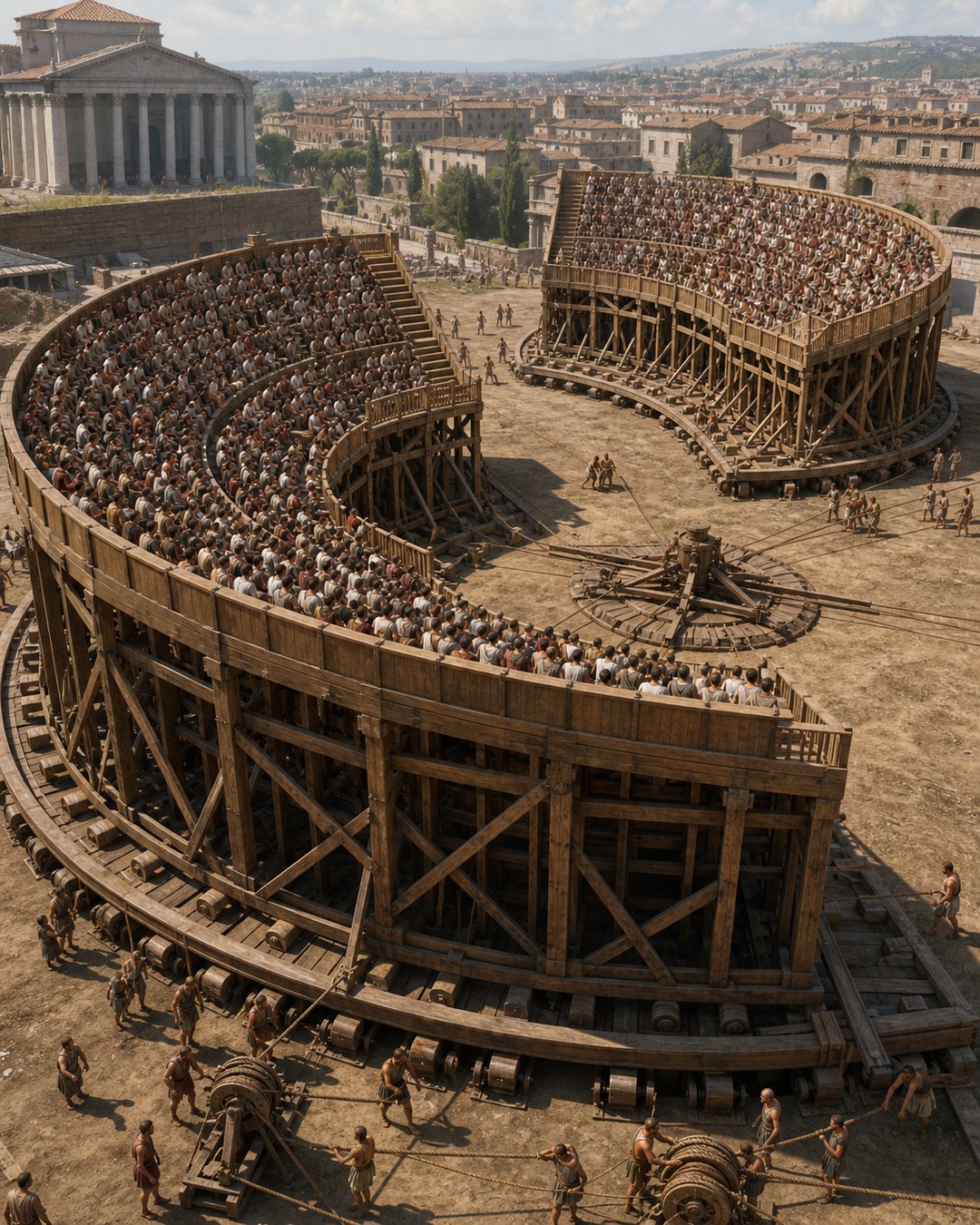
Two enormous wooden theatres stood close together in Rome, but their audiences initially faced away from one another. Morning plays ran at the same time, the opposite orientation keeping one cast from drowning out the words of the other. Then the buildings moved. Each semicircular theatre balanced on a pivot. The structures revolved until their … Read more

Protogenes Threw a Sponge and Found the Foam He Could Not Paint

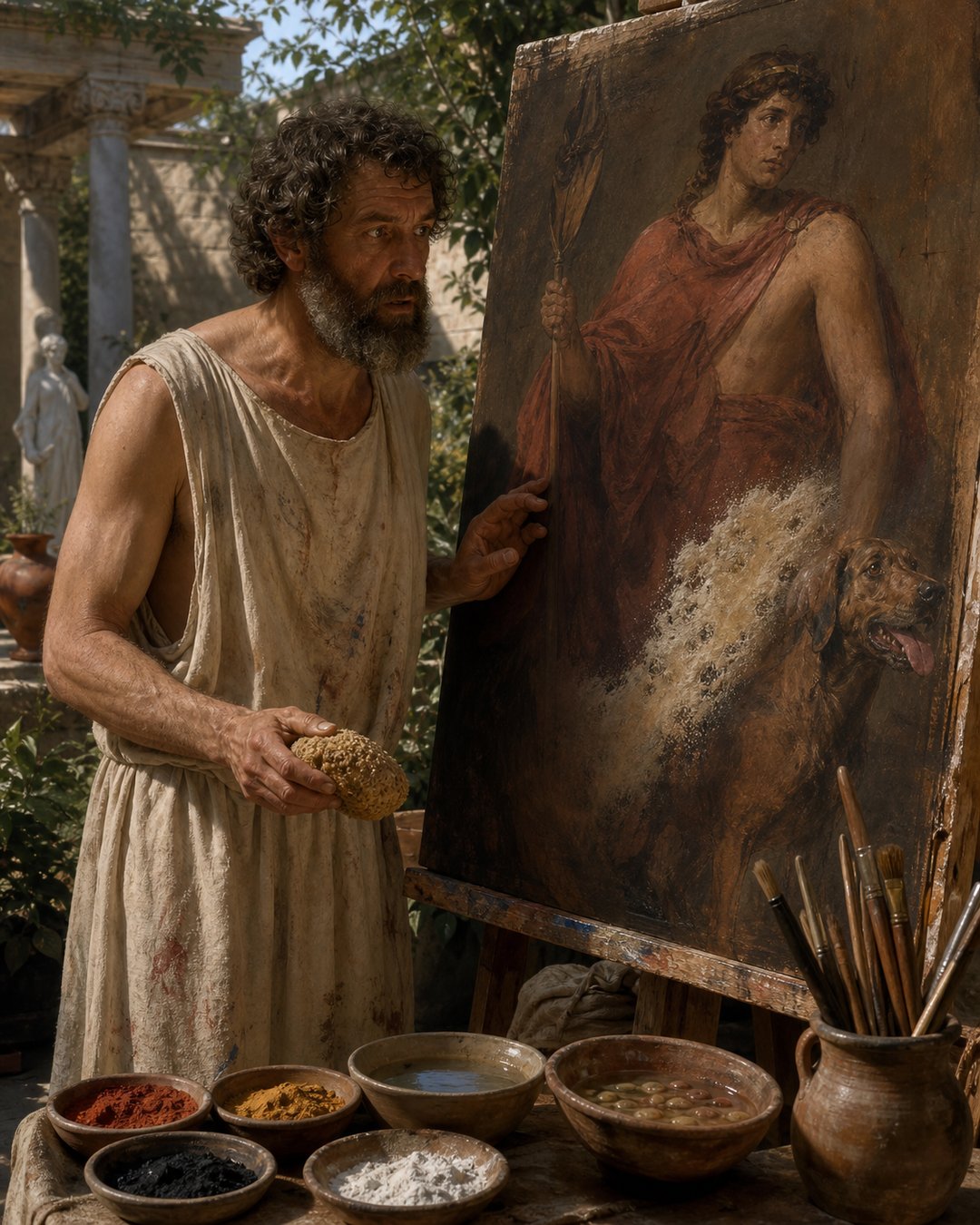
Protogenes approached the painting called the Ialysus as if endurance could be designed. Pliny the Elder says he laid down four coats of paint, leaving three beneath the surface so that age or injury could remove one and reveal another. The painter also disciplined his own appetite, living on soaked lupins while he worked because … Read more

A Salted Pontic Fish Exposed Antony’s Borrowed Catch

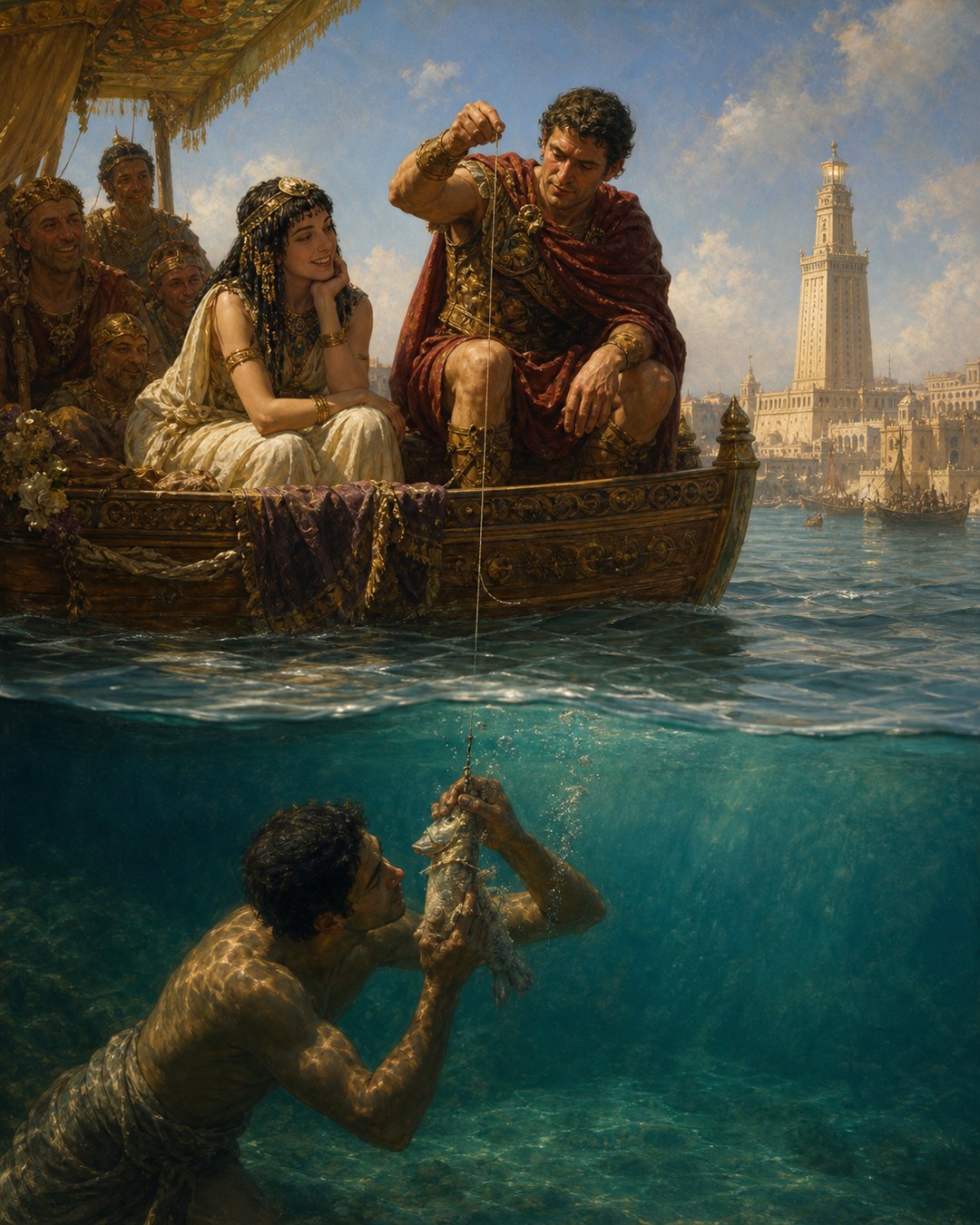
Mark Antony was having no luck with a fishing line, and Cleopatra was there to see it. Irritated by failure in front of her, he ordered fishermen to swim below the boat and fasten fish already caught to his hook. Two or three convenient successes came out of the water. Cleopatra recognized the trick, admired … Read more

A Lowered Lamp Warned Roman Well-Diggers About Bad Air

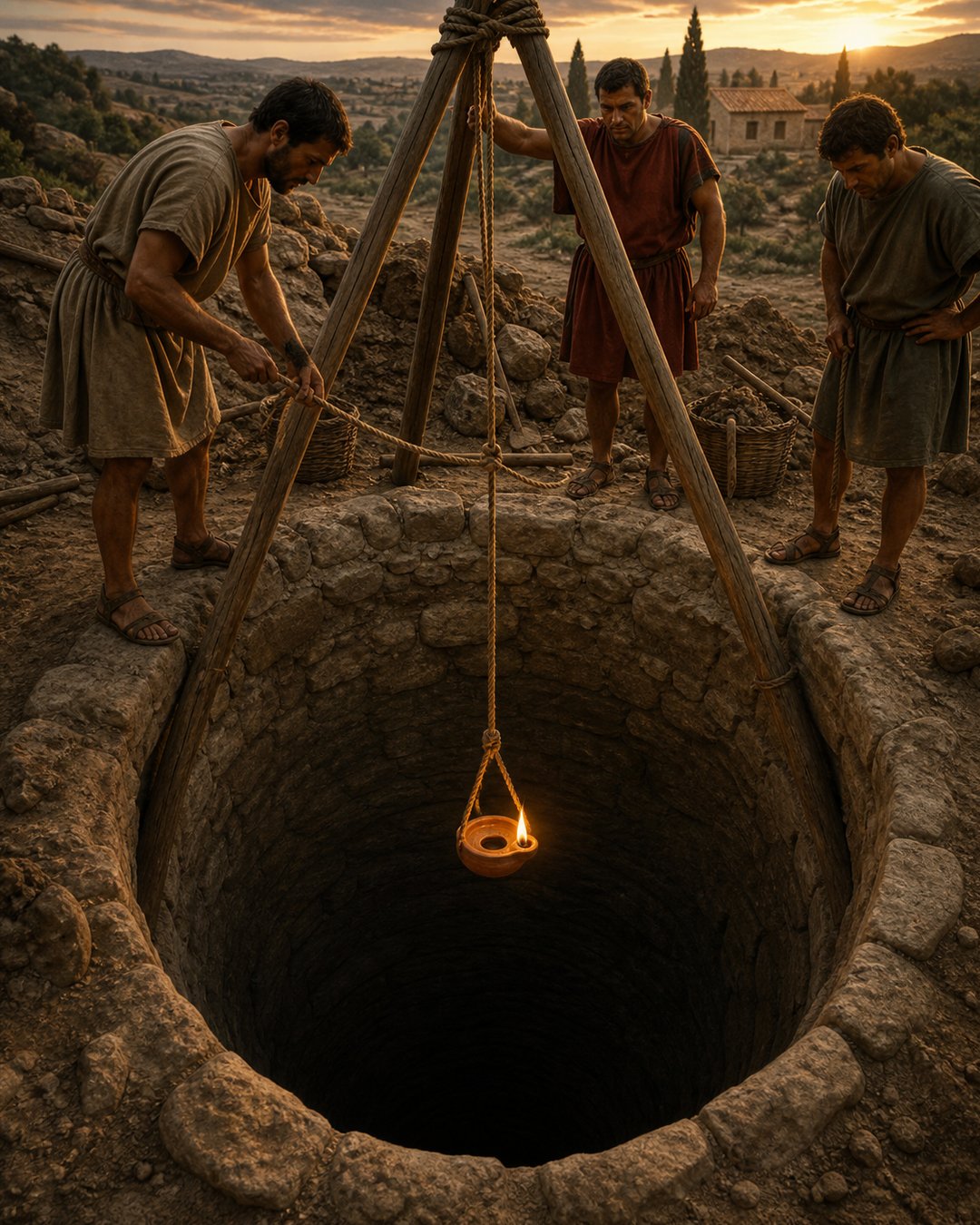
Vitruvius begins his well-safety instruction with the moment a worker should not descend. Air can rise through fissures into a deep excavation, he writes, and the resulting exhalation can stop a digger’s breath. Anyone who fails to escape quickly may die below. His precaution is small enough to fit in one hand. Before sending a … Read more