Five Thousand Pigeons Filled One Marble-Smooth Roman Tower
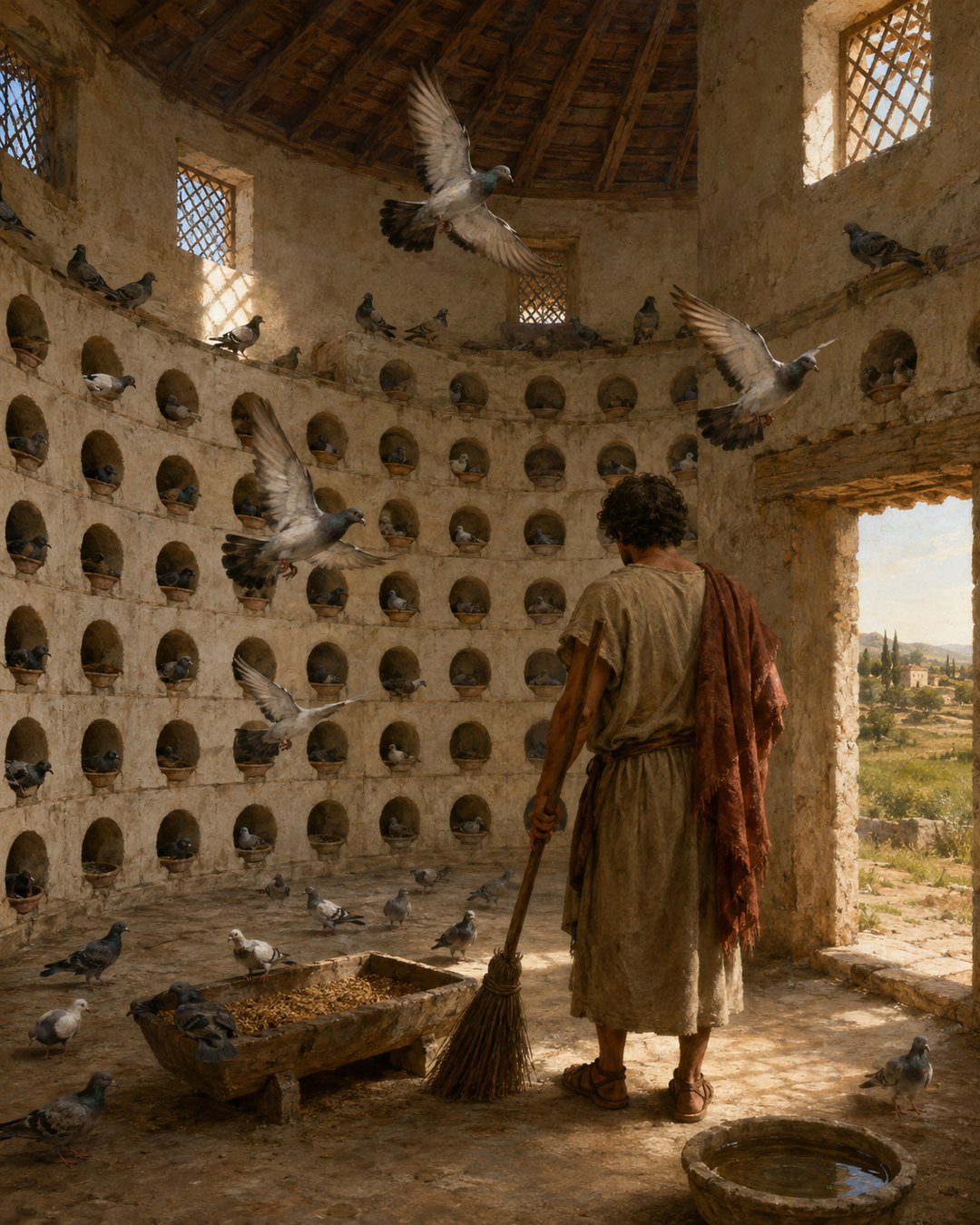
Pigeons swept toward a tall farm building and vanished through protected openings. Inside, the walls rose under a vault in rows of round nests. Every pair had a chamber. Boards ran beneath the entrances. Water waited below, while grain entered troughs through pipes filled from outside. Varro says a single peristeron, or pigeon house, could … Read more
Fifty Workers Entered Cato’s Olive Harvest Under Oath

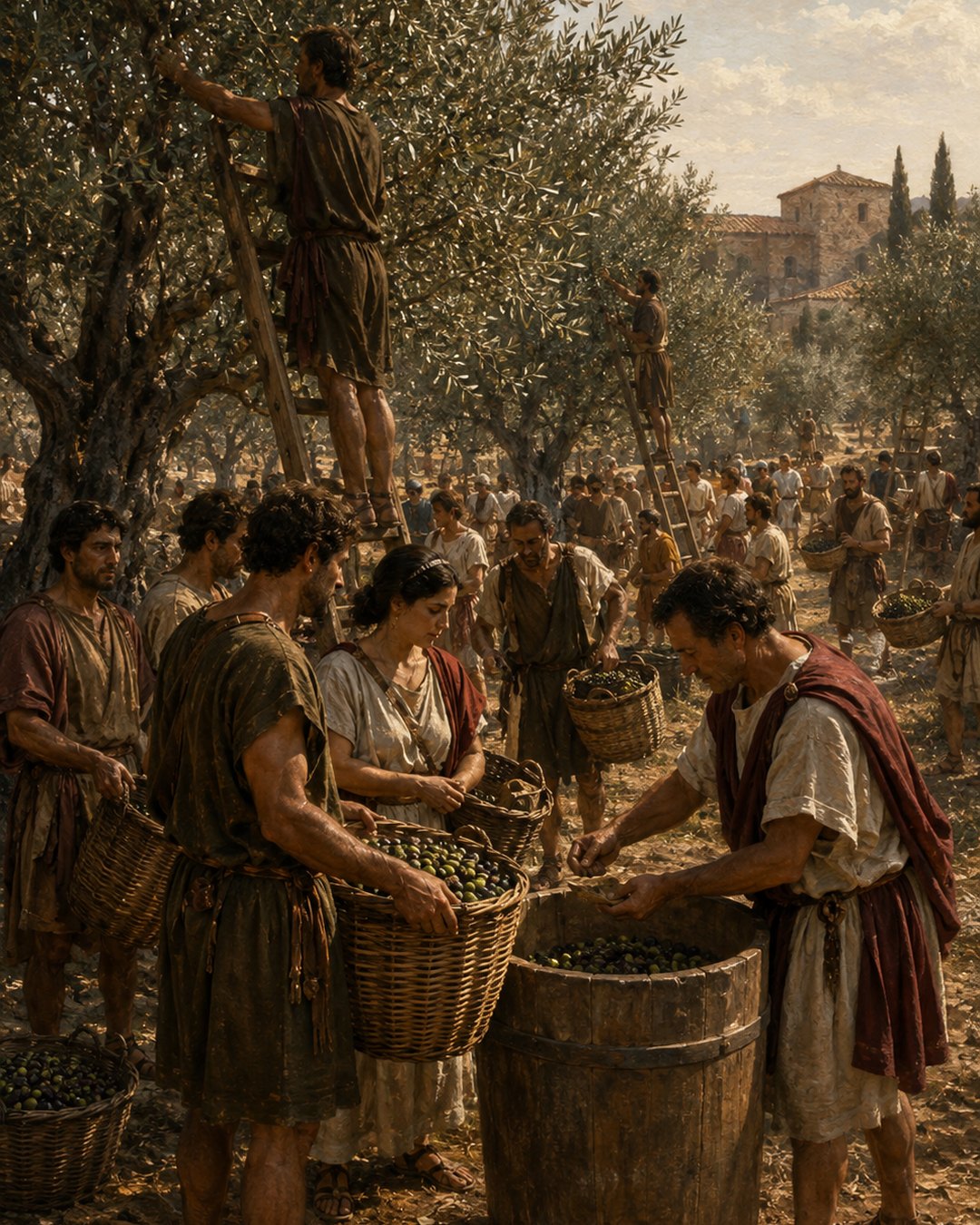
The olive trees were ready, but the first act in Cato’s harvest was not picking. It was control. Nobody was to pluck or beat down fruit without an order from the owner, his representative or the purchaser of the crop. Work done against that instruction would not be paid for the day. Then came an … Read more

One Third of Comum’s School Fund Kept Parents Choosing

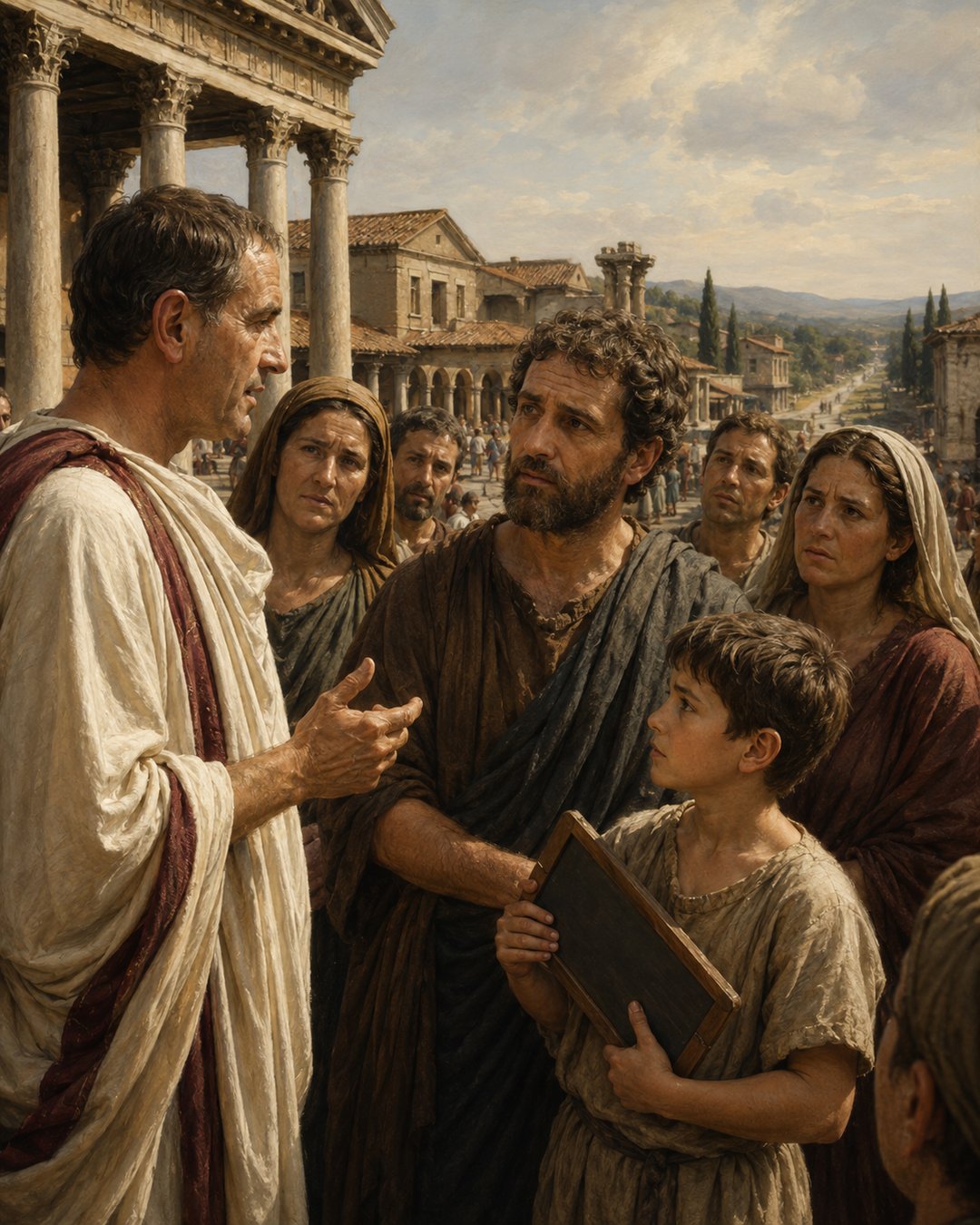
A boy came to greet Pliny the Younger in his native district and left behind a funding problem. Asked whether he continued his studies, the boy said yes. Asked where, he answered Mediolanum. His father supplied the reason: their own town had no teachers. Other fathers happened to be listening. Pliny turned the small exchange … Read more

Quadratilla’s Dancers Stopped at Her Grandson’s Study Door

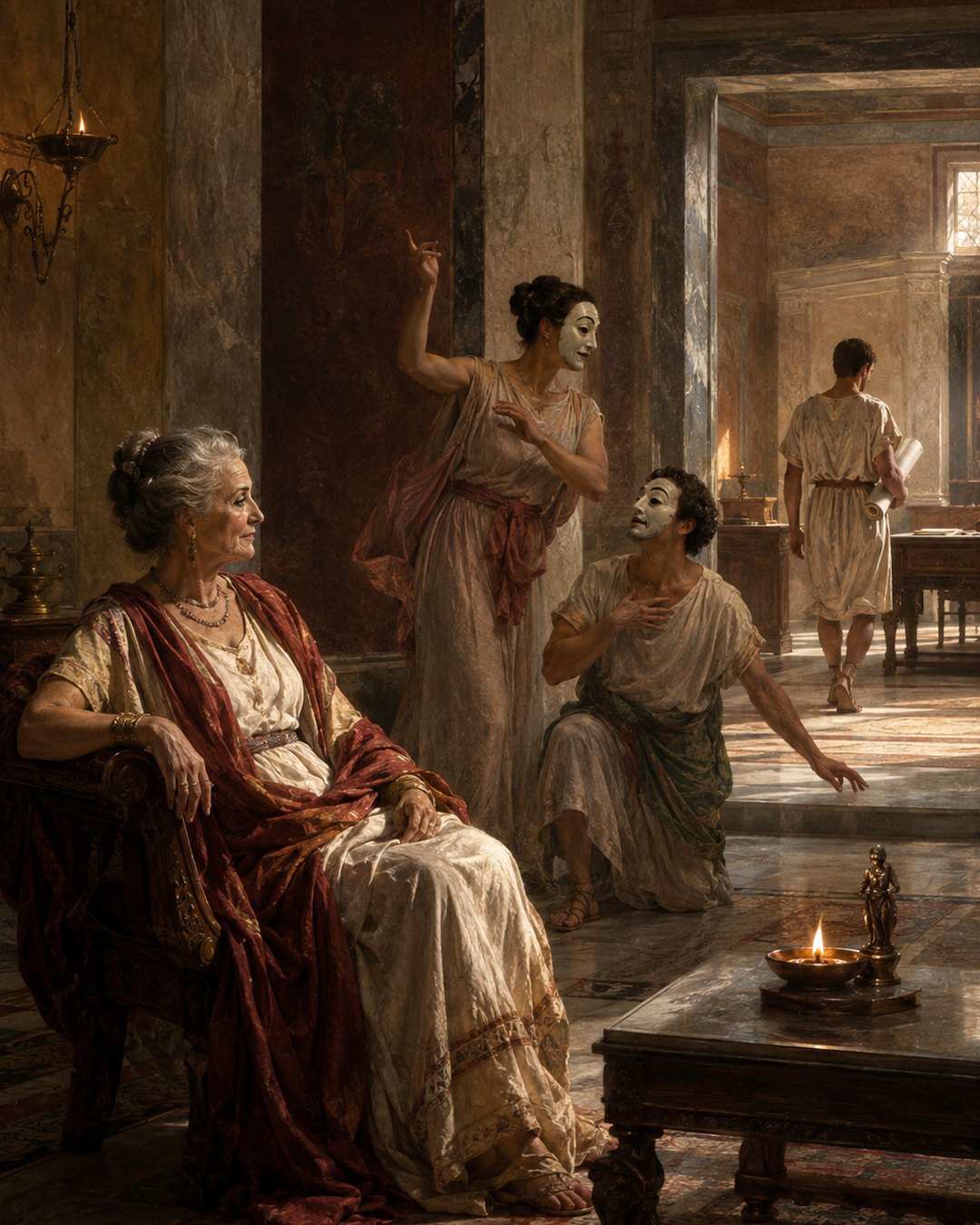
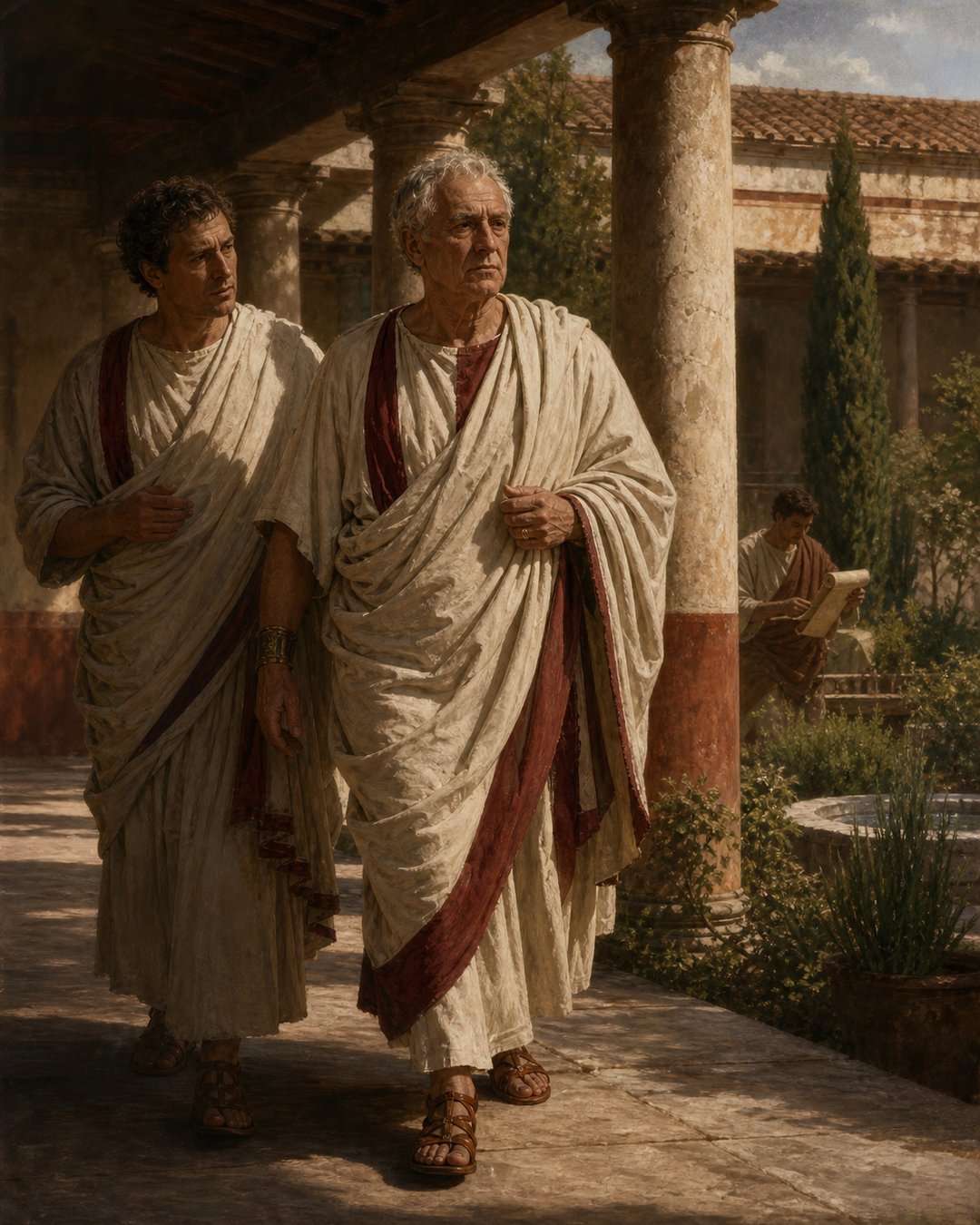
Ummidia Quadratilla’s house could hold a troupe of pantomime performers and a young man who never watched them. She favored the dancers extravagantly. Her grandson Quadratus lived under the same roof through boyhood and youth, yet Pliny the Younger says he avoided their performances both at home and in the theatre. The separation was not … Read more

Two Oiled Pistons Forced Water Uphill Through Ctesibius’s Pump

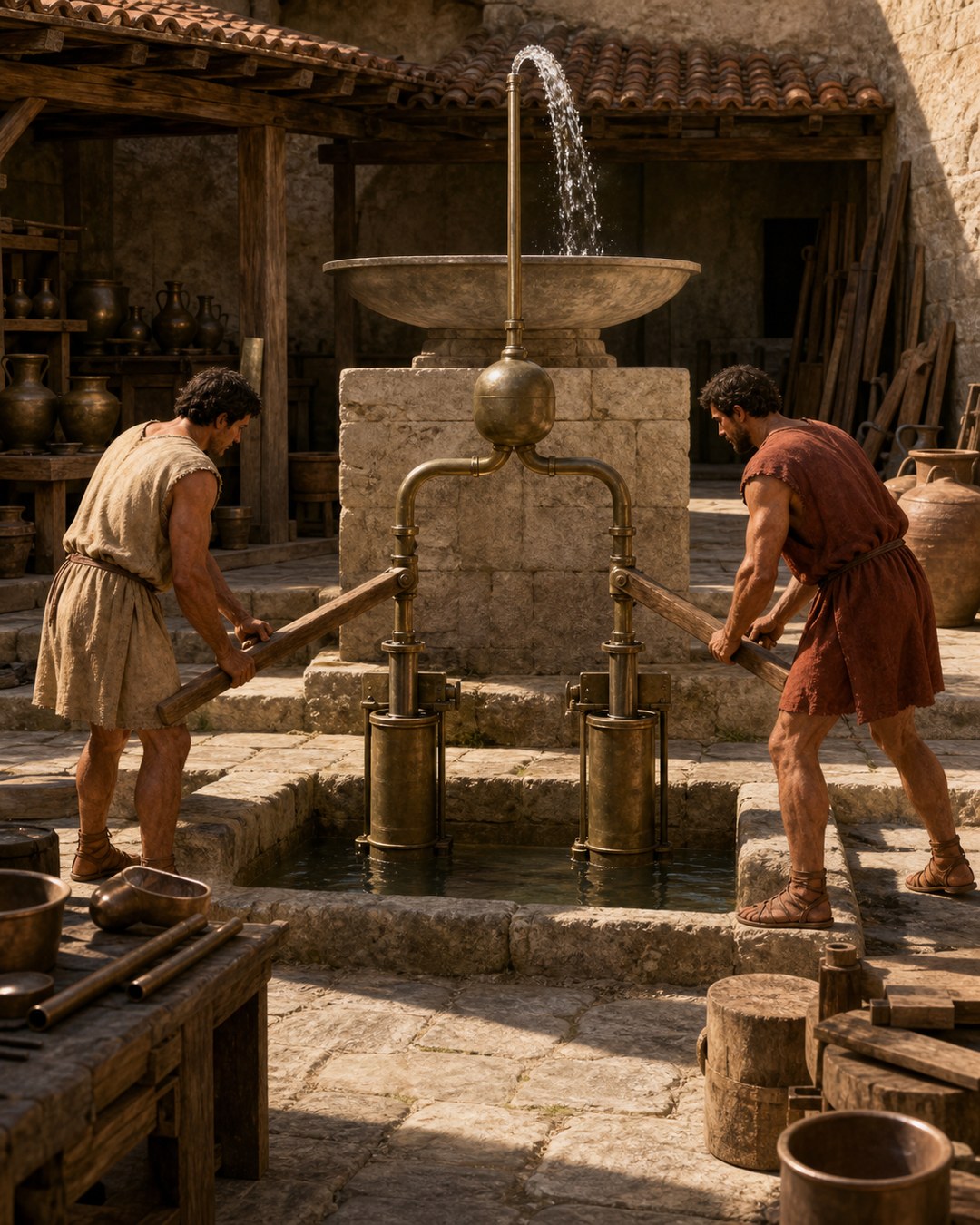
The fountain stood higher than its reservoir. Between them, two bronze cylinders sat a little apart, each with a piston entering from above. Rods and levers moved those pistons. Forked pipes carried their output toward a vessel in the middle, and a vertical pipe rose from its top. Nothing in this arrangement depended on water … Read more

A Pebble Dropped Each Mile Inside Vitruvius’s Road Cart

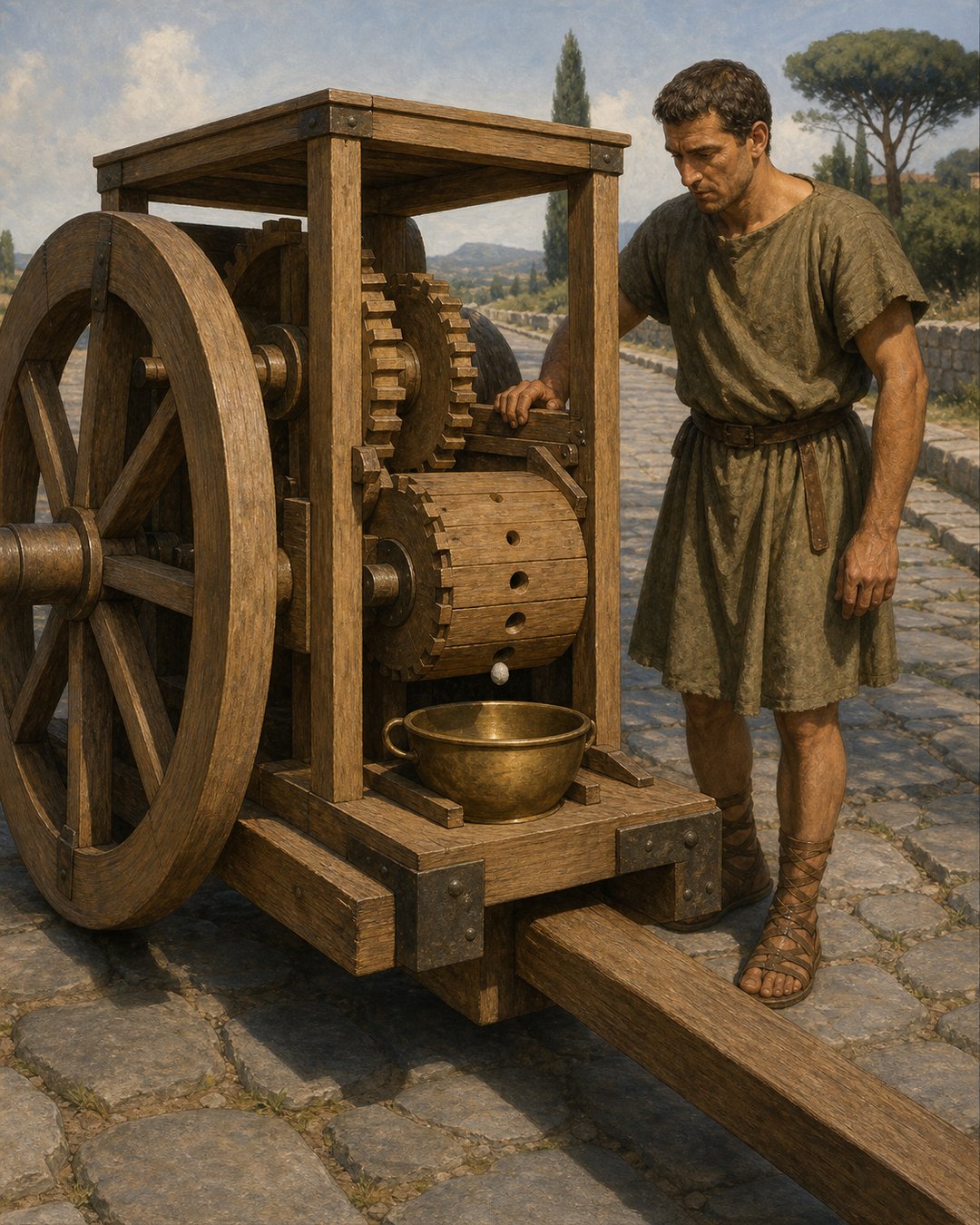
A traveler in Vitruvius’s road cart did not watch a dial. He listened for a small stone. Hidden inside the carriage, a wheel-driven train of drums delayed each movement until one pebble dropped through a pipe into a bronze vessel. At day’s end, the stones could be counted as miles. The result sounds simple because … Read more

At Seventy-Seven, Spurinna Scheduled Every Mile of His Day

At the second hour, Vestricius Spurinna called for his shoes. He walked three miles, then moved through conversation, reading, a seven-mile carriage ride and one more mile on foot. Writing followed. Later came sun, ball, bath, another book and dinner. Pliny the Younger watched this sequence while staying at Spurinna’s house. His host had passed … Read more

News of the Next Grain Fleet Put a Price on Honesty

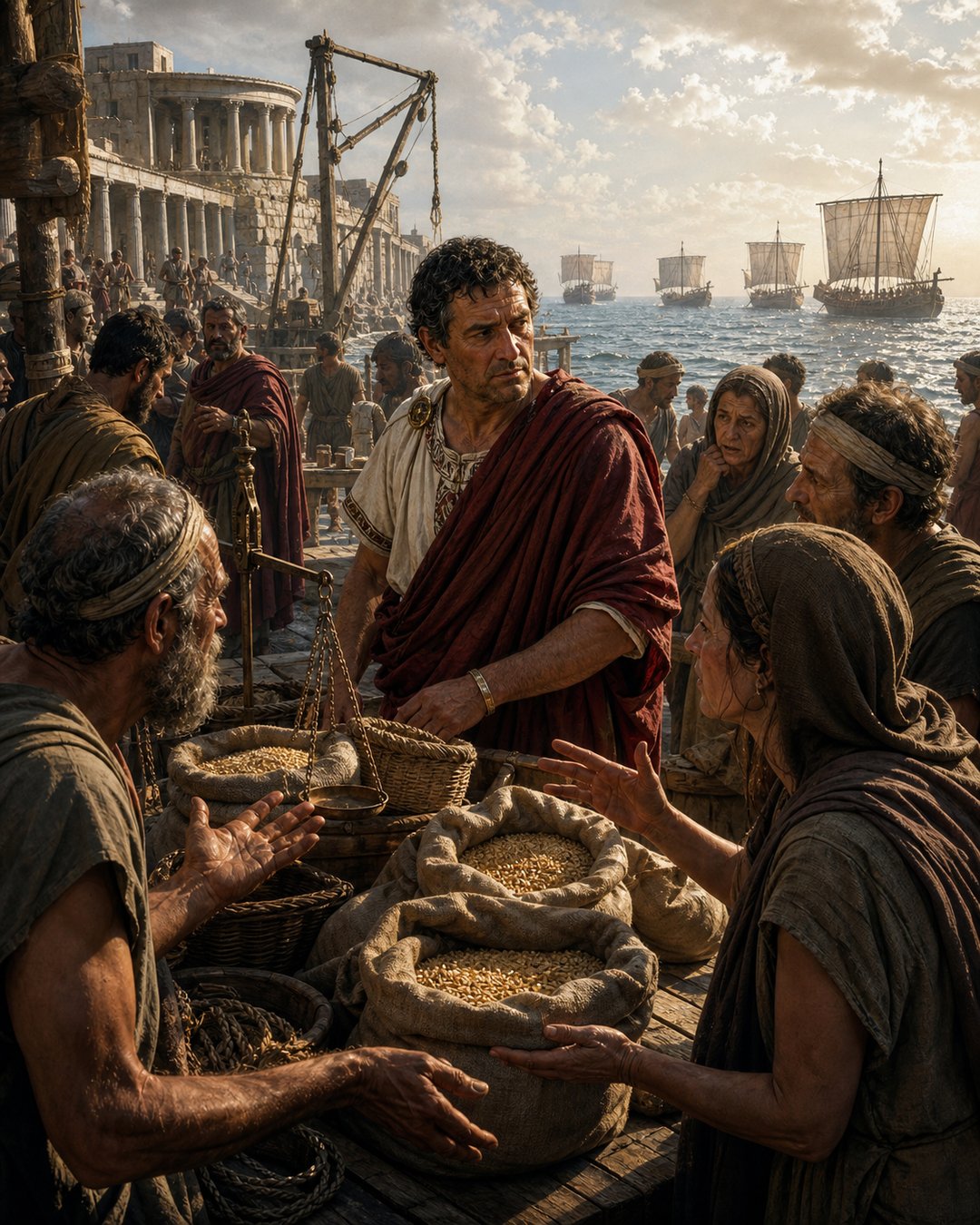
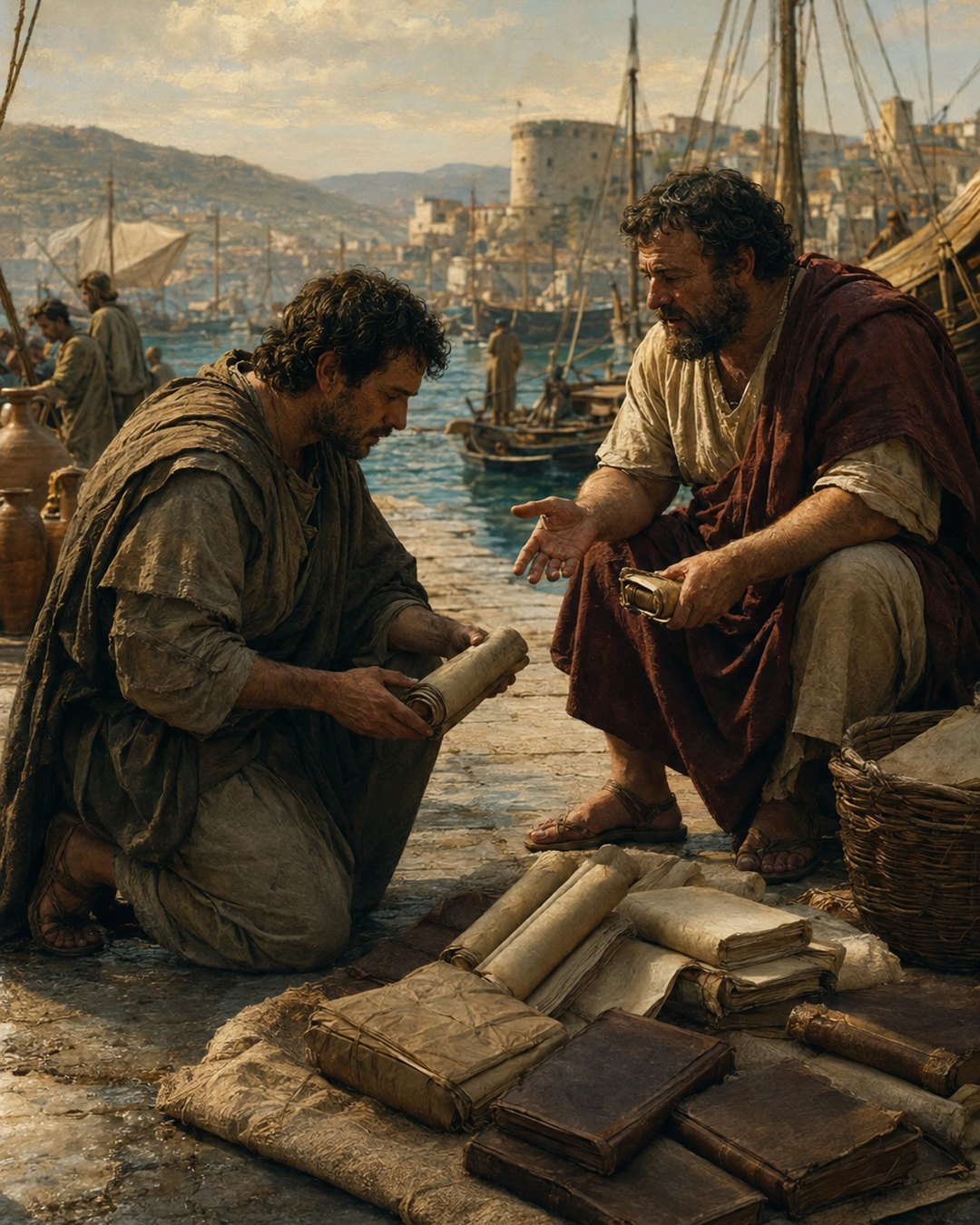
A cargo of grain reaches Rhodes while food is scarce and prices are extreme. Its merchant has come from Alexandria, but his advantage is not merely that he arrived first. During the crossing he saw several other grain ships following the same route. The buyers on the quay do not yet know that relief is … Read more

Two Summers Chose Which Roman Stones Could Face the Rain

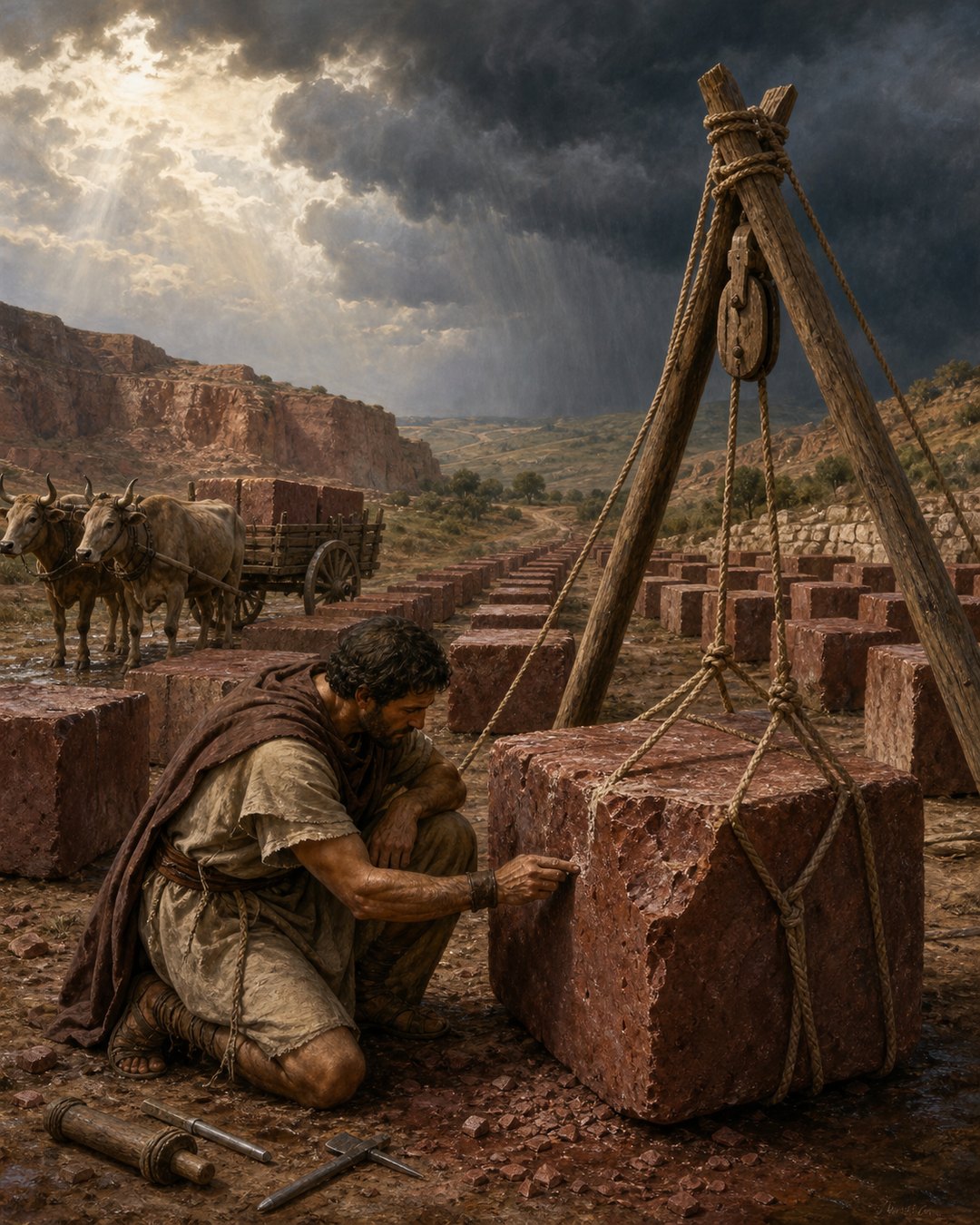
A Roman builder choosing stone near the capital faced an awkward bargain. Fresh red stone from nearby quarries was easy to cut. Under cover, it could serve well. Put the same material where frost, rain or salt reached it, however, and Vitruvius warned that it could become friable and crumble. His answer was neither blind … Read more