Two Leather Knuckles Survived Beneath a Cavalry Barrack
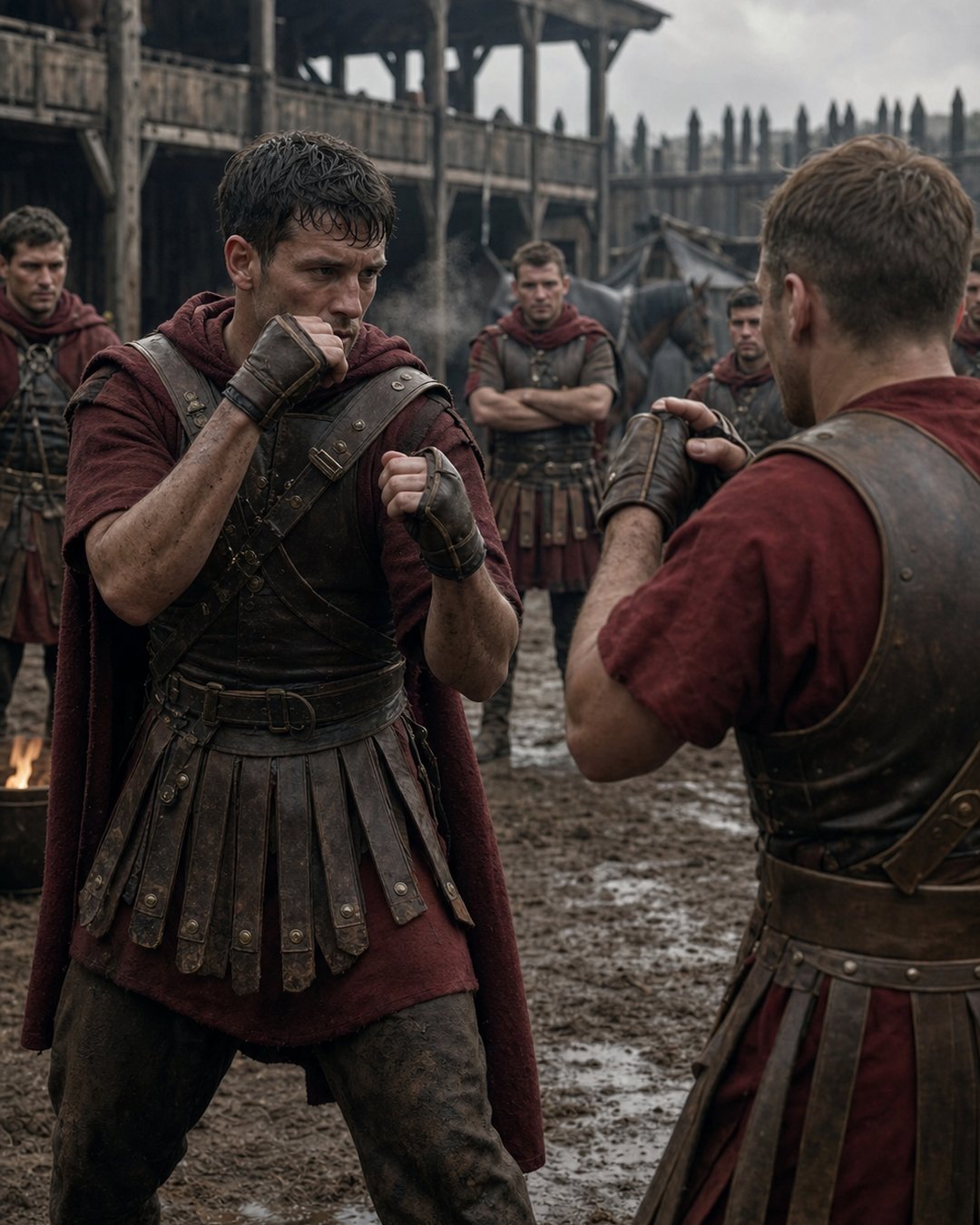
The smaller leather guard still carries the pressure of a vanished fist. Its surface bends where knuckles once pressed from inside, while a coil of twisted hide remains packed beneath the striking face. The larger object is broader, more heavily worn and repaired. They are not a matching pair, and neither resembles the padded glove … Read more
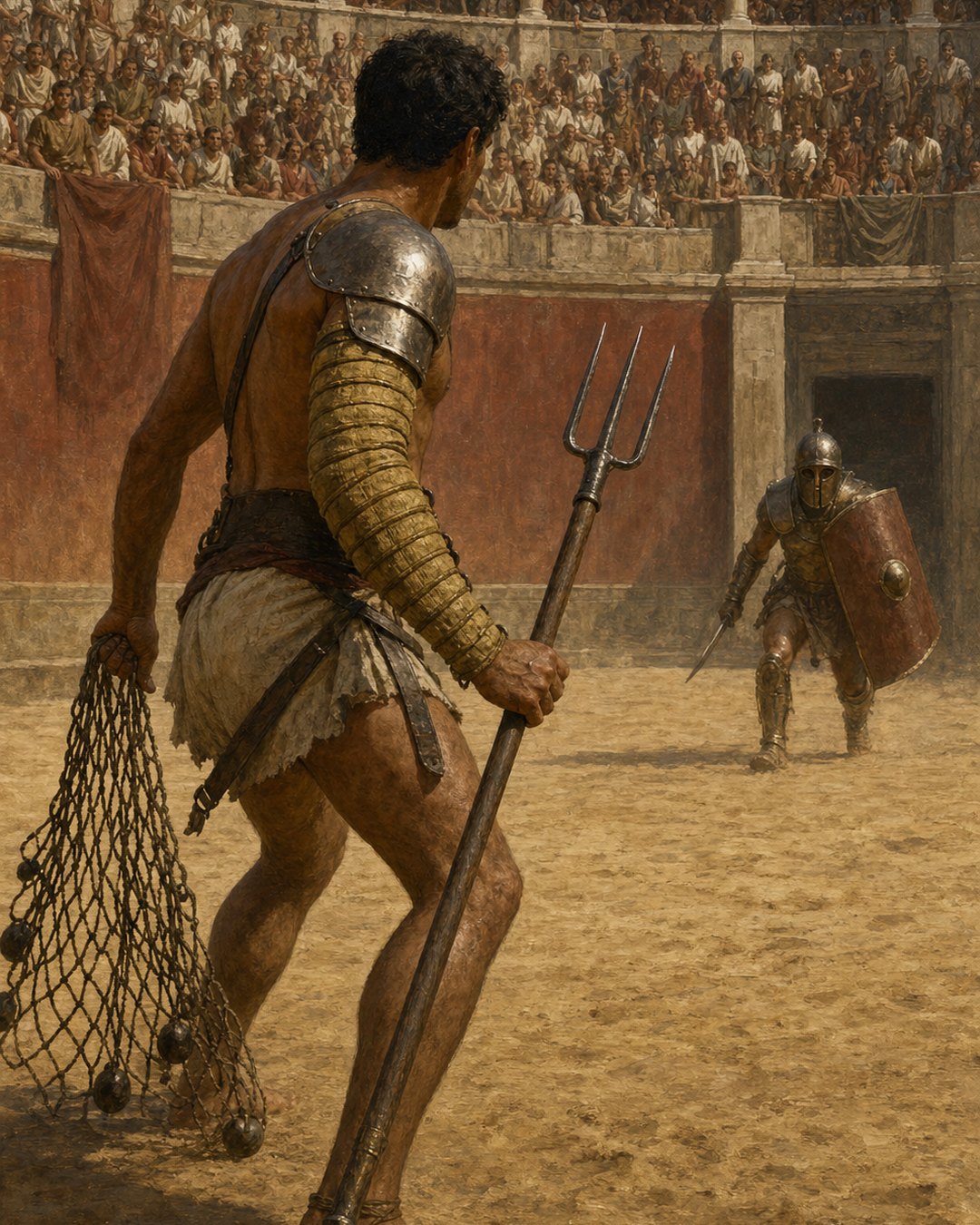
The Net Fighter Entered the Arena Without a Shield

The first surprise was everything he did not carry. No helmet hid the retiarius’s face. No broad shield covered his chest. Heavy greaves did not close around both legs. In an arena where other fighters entered as moving surfaces of bronze, leather and painted wood, the net fighter looked exposed before anyone struck a blow. … Read more

Large Red Letters Put Pompeii’s Baths Up for Rent

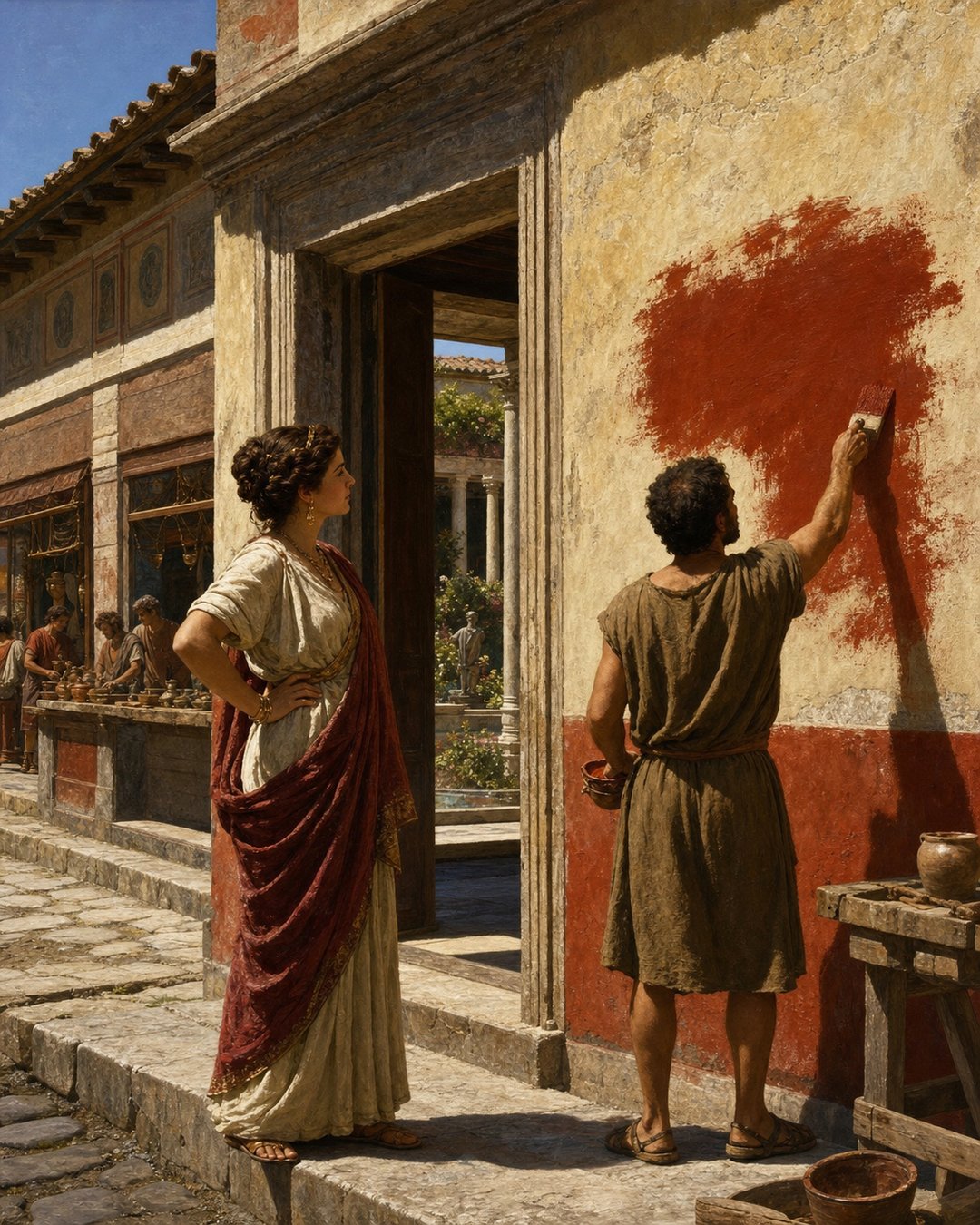
The advertisement did not wait inside an office. It occupied a wall beside an entrance in Pompeii, painted in red letters large enough to catch people moving along the street. Behind it stood a property that could offer much more than one room: baths, commercial spaces and accommodation above ground level. The name attached to … Read more

Four Pepper Pots Waited Beneath a Suffolk Field

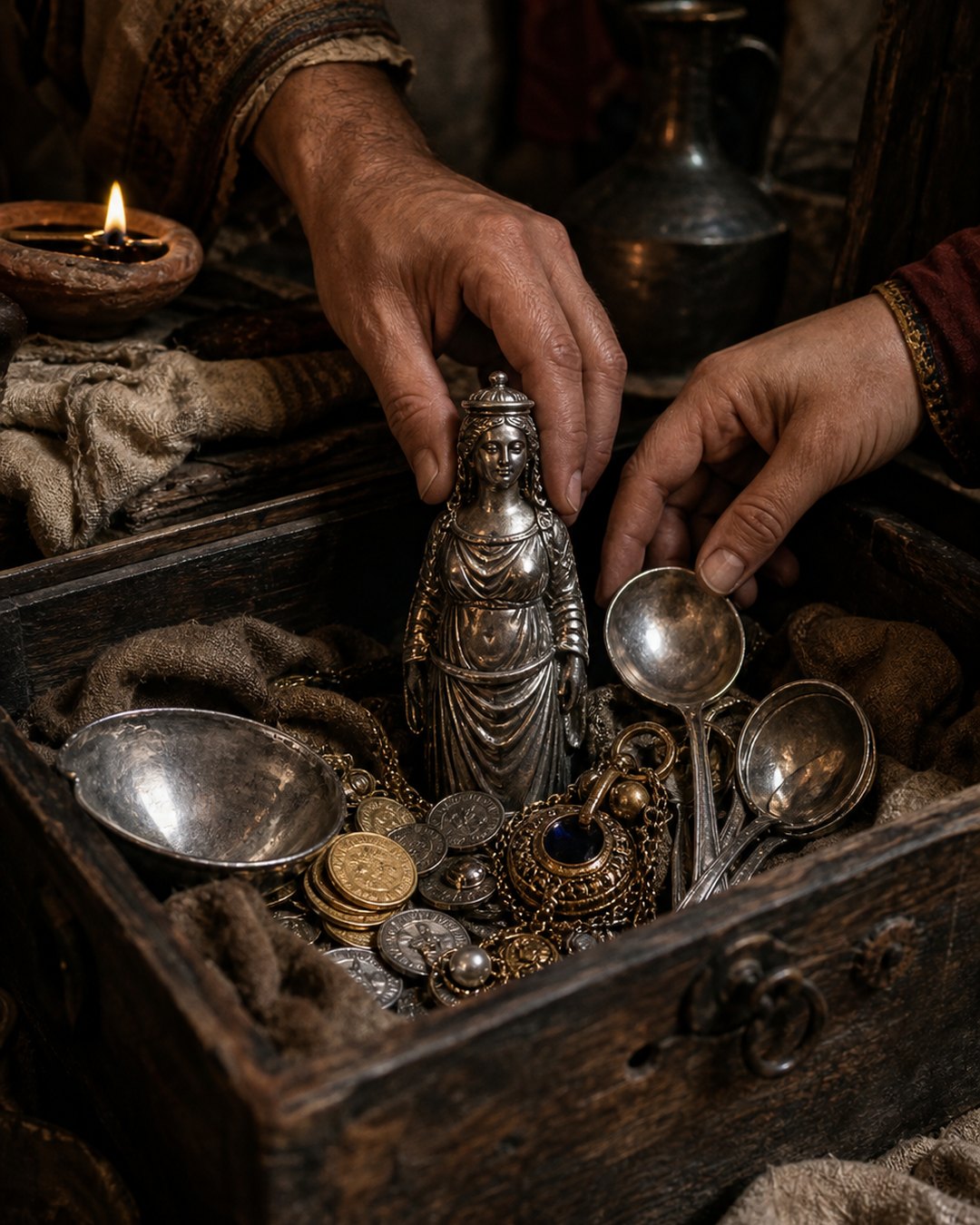
Peter Whatling had lost a hammer in a Suffolk field. On 16 November 1992, his friend Eric Lawes brought a metal detector to help find it. The signal that changed the search did not lead first to the tool. Lawes lifted silver spoons, gold jewellery and Roman coins from the soil—and then did the most … Read more

Clay, Bark and a Knife Joined Roman Fruit Trees

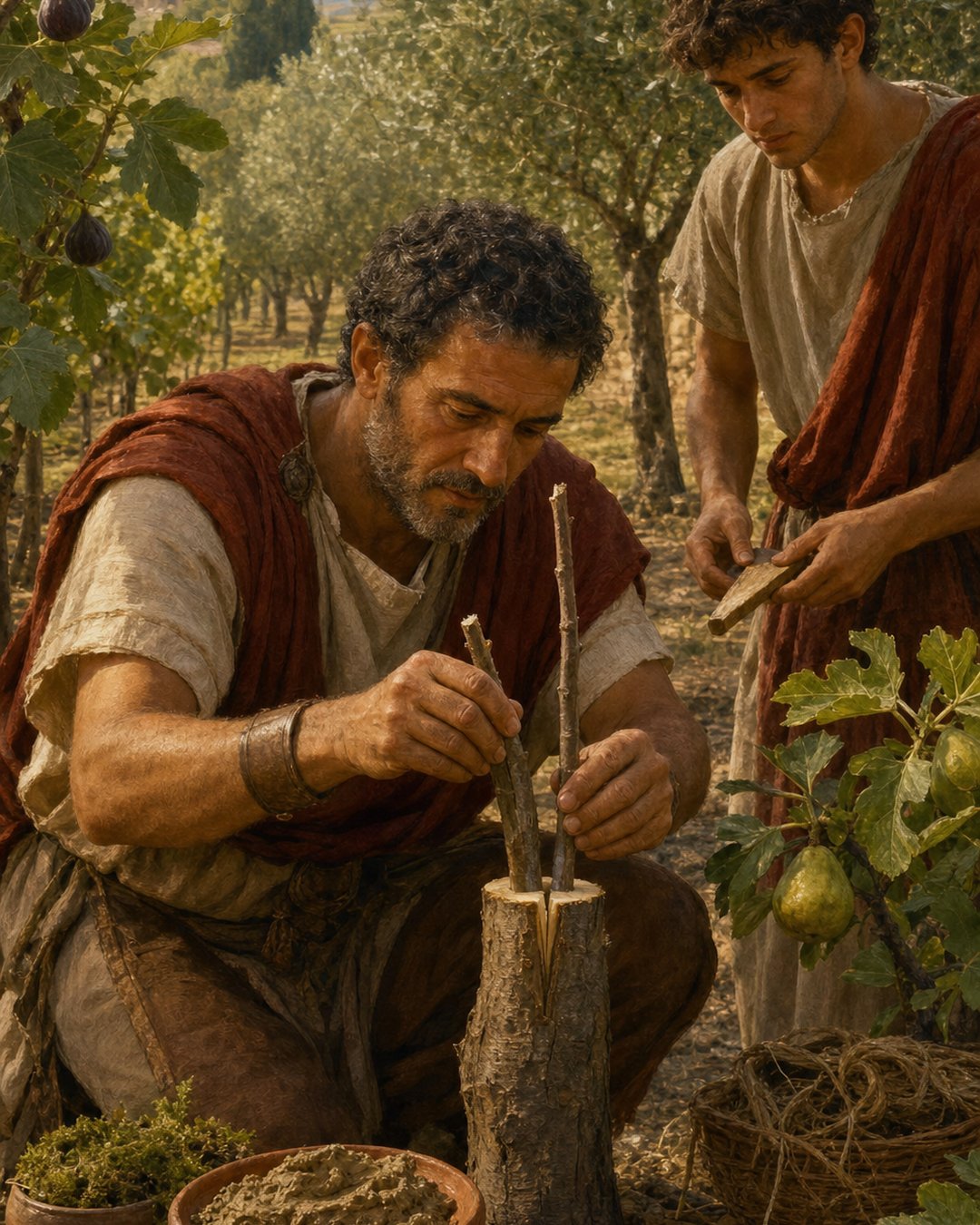
A Roman orchard keeper could change a tree without uprooting it. The operation began with removal: a saw took off the stock, a knife smoothed the wound, and a wedge opened living wood. Then came the more delicate act. A young shoot from another tree had to be pared, fitted and bound so closely that … Read more

A Wicker Basket Preserved Rome’s Riskiest Loans

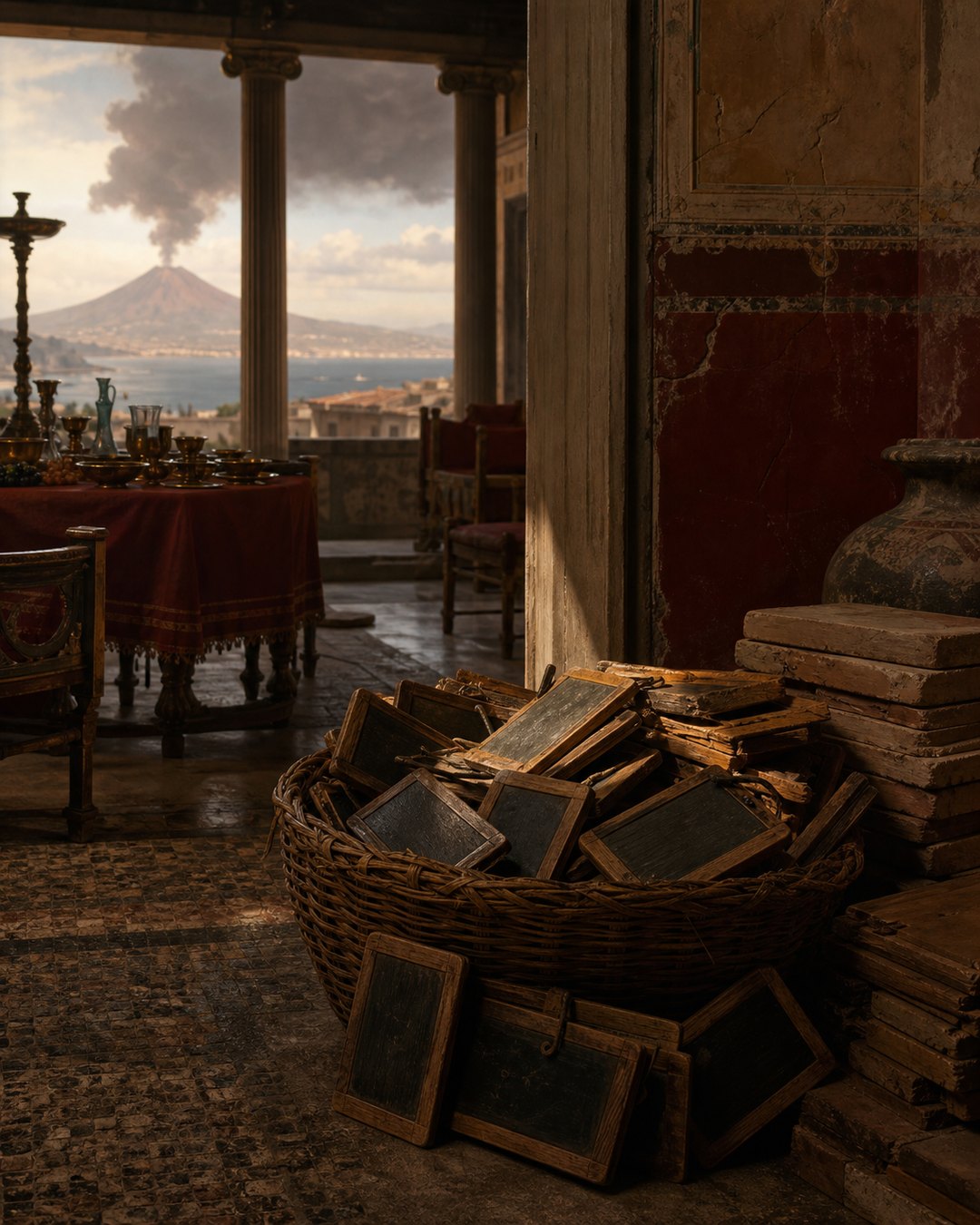
The most revealing Roman bank archive did not survive in a marble office or a state treasury. It survived in a wicker basket. Road workers found it in 1959, in a building south of Pompeii where decorated dining rooms opened onto a small garden. Inside were wooden writing tablets whose wax once carried loans, guarantees, … Read more

Taunts, Stones, Steel: Pompeii’s Arena Riot

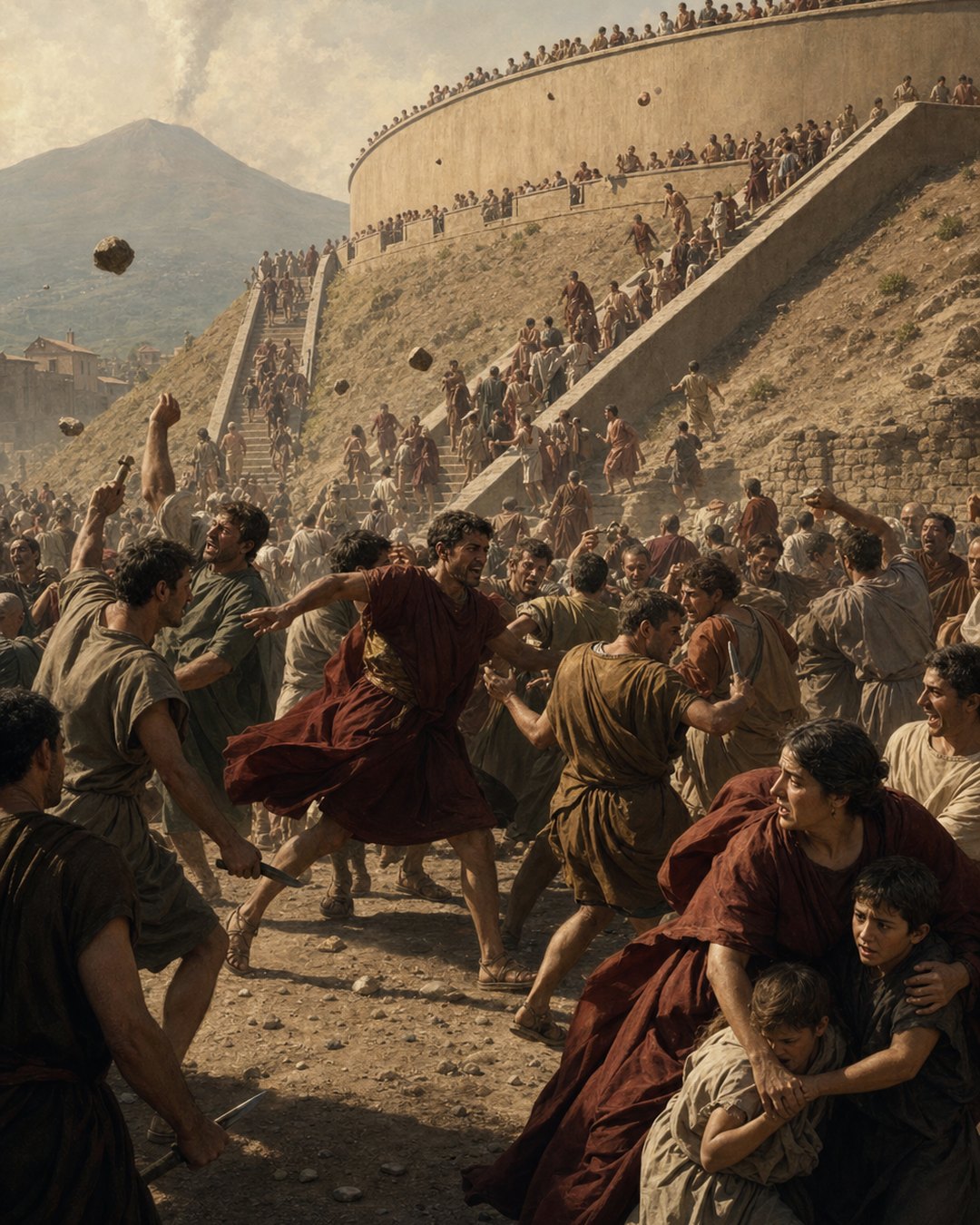
The gladiators were not the only armed men at Pompeii’s amphitheatre in AD 59. Visitors from neighboring Nuceria traded taunts with the home crowd. Insults followed. Then stones crossed the seating. By the time blades appeared, a show designed to stage controlled violence had produced uncontrolled violence among its spectators. Tacitus compresses the escalation into … Read more

Regina’s Tombstone Joined Britain to Palmyra in Four Lines

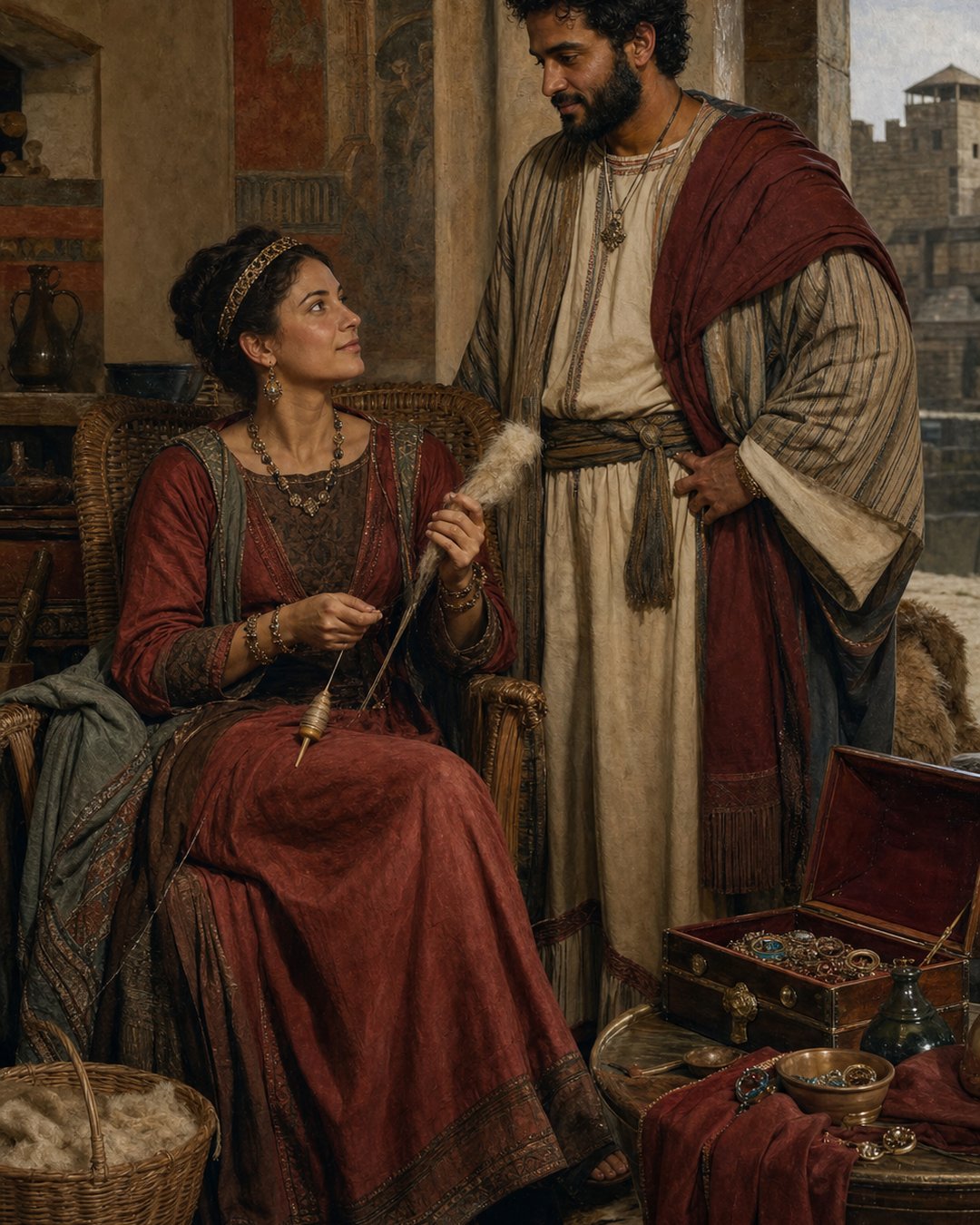
Four lines at the bottom of a sandstone monument carried a longer journey than most Roman roads. Three were cut in Latin. The fourth used Palmyrene Aramaic. Above them sat Regina, not as an emperor, priestess or mythic heroine, but as a richly dressed woman with wool-working tools and an open jewellery casket. The stone … Read more

When Rome Burned, Galen Lost Books No Copy Could Replace

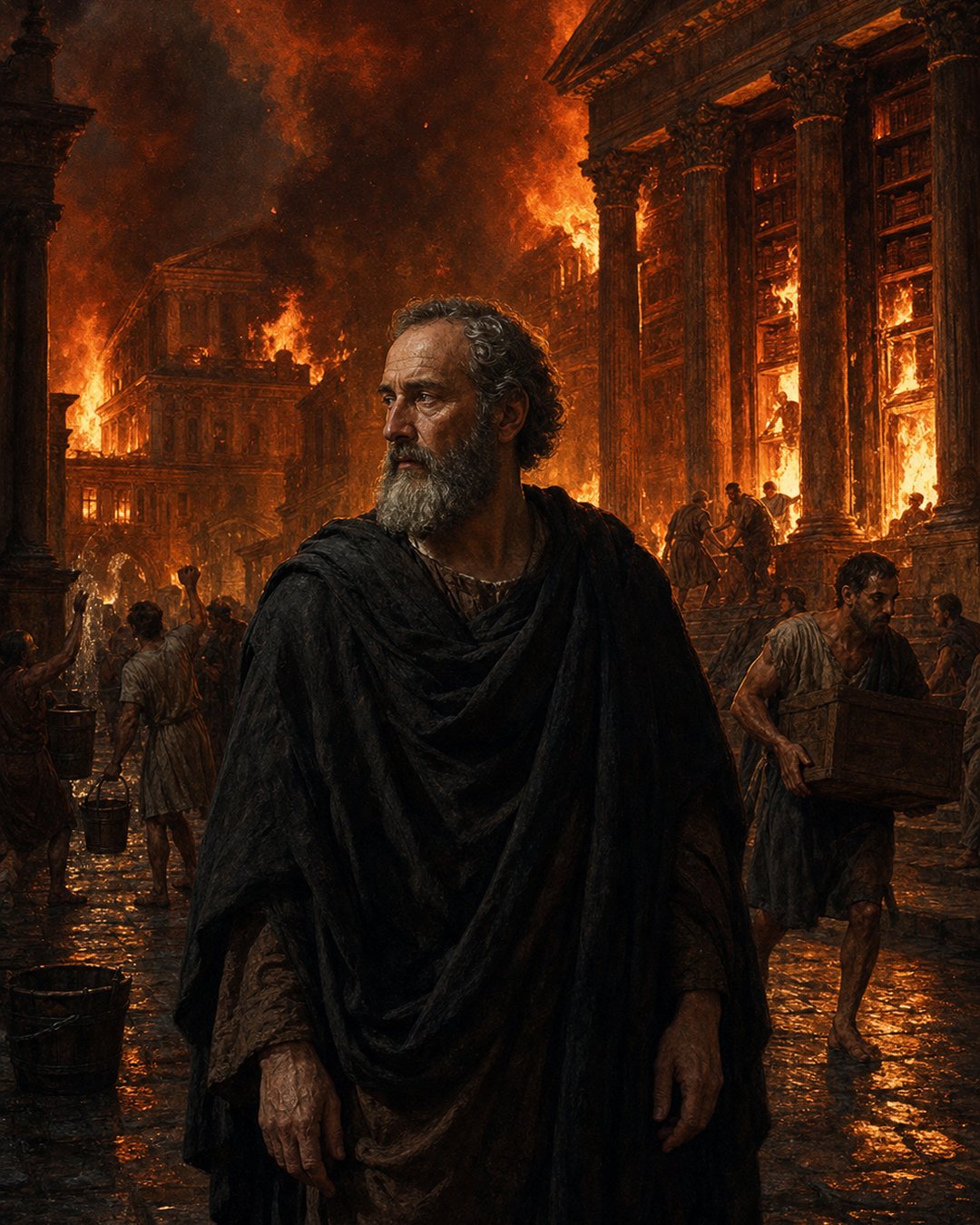
Galen did not need someone to explain what a burned library meant. In 192 CE, fire tore through central Rome and destroyed three imperial libraries near one another on the Palatine. It also reached the rented storerooms where scholars kept personal books, copies and work in progress. Galen lost both the sources he trusted and … Read more