Eight Trades Broke Rome’s Old Sabine Divide
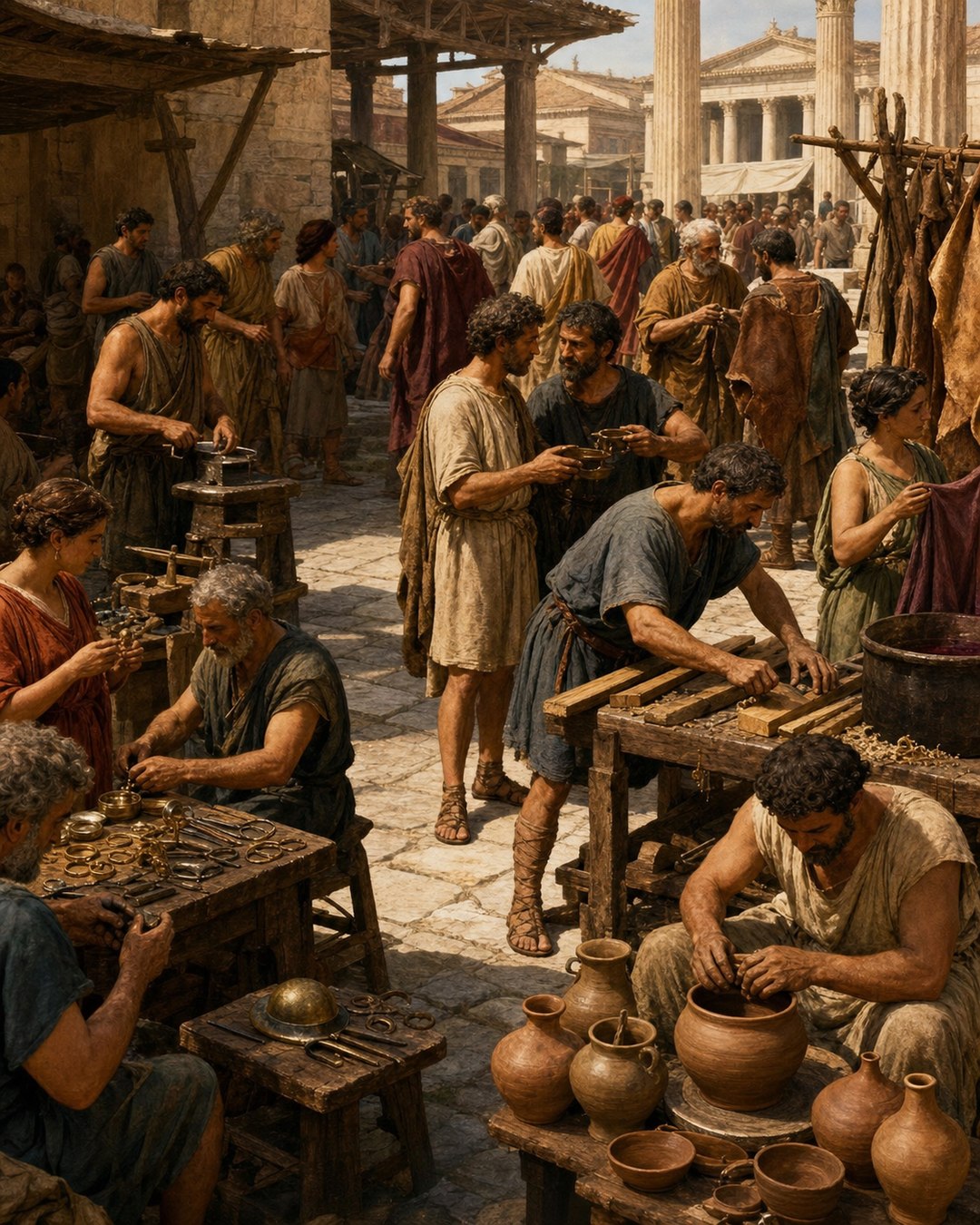
A potter did not stop remembering whether his family belonged to Rome’s original settlers or to the Sabines. Plutarch’s Numa tried something subtler. He gave the potter another group in which to act. Musicians, goldsmiths, carpenters, dyers, leather-workers, curriers, braziers and potters became named bodies. Other occupations entered a ninth collective group. Each body received … Read more
Two Hundred Talents Bought Cato Allies Only If He Won

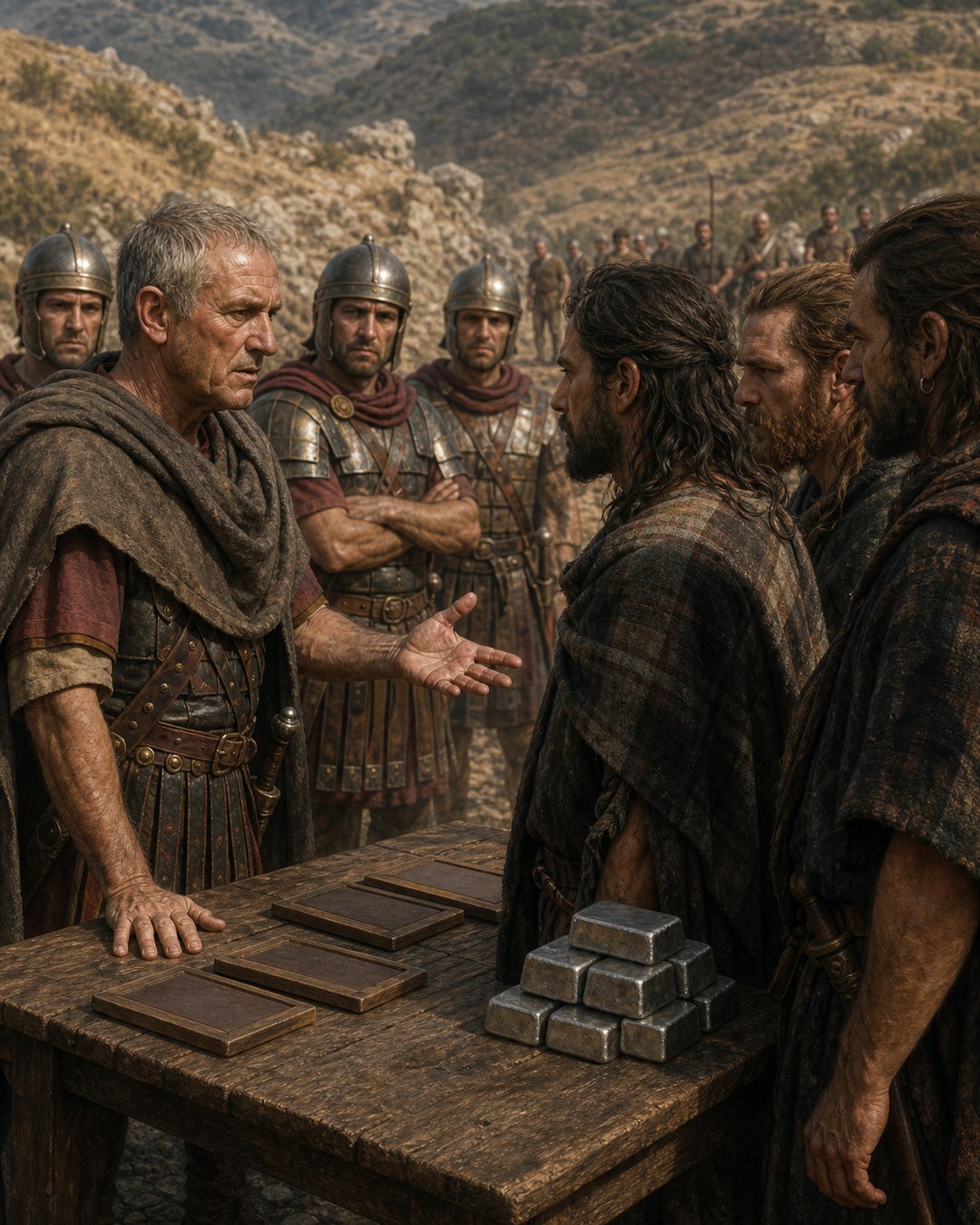
Two hundred talents stood between Cato and the allies he needed. His officers heard humiliation in the price. Cato heard a bargain whose risk could be postponed until after battle. A large force threatened to drive him from his Spanish province. He asked neighbouring Celtiberians for help. They did not answer with sentimental loyalty to … Read more

Cato Left His Warhorse in Spain to Save the Fare

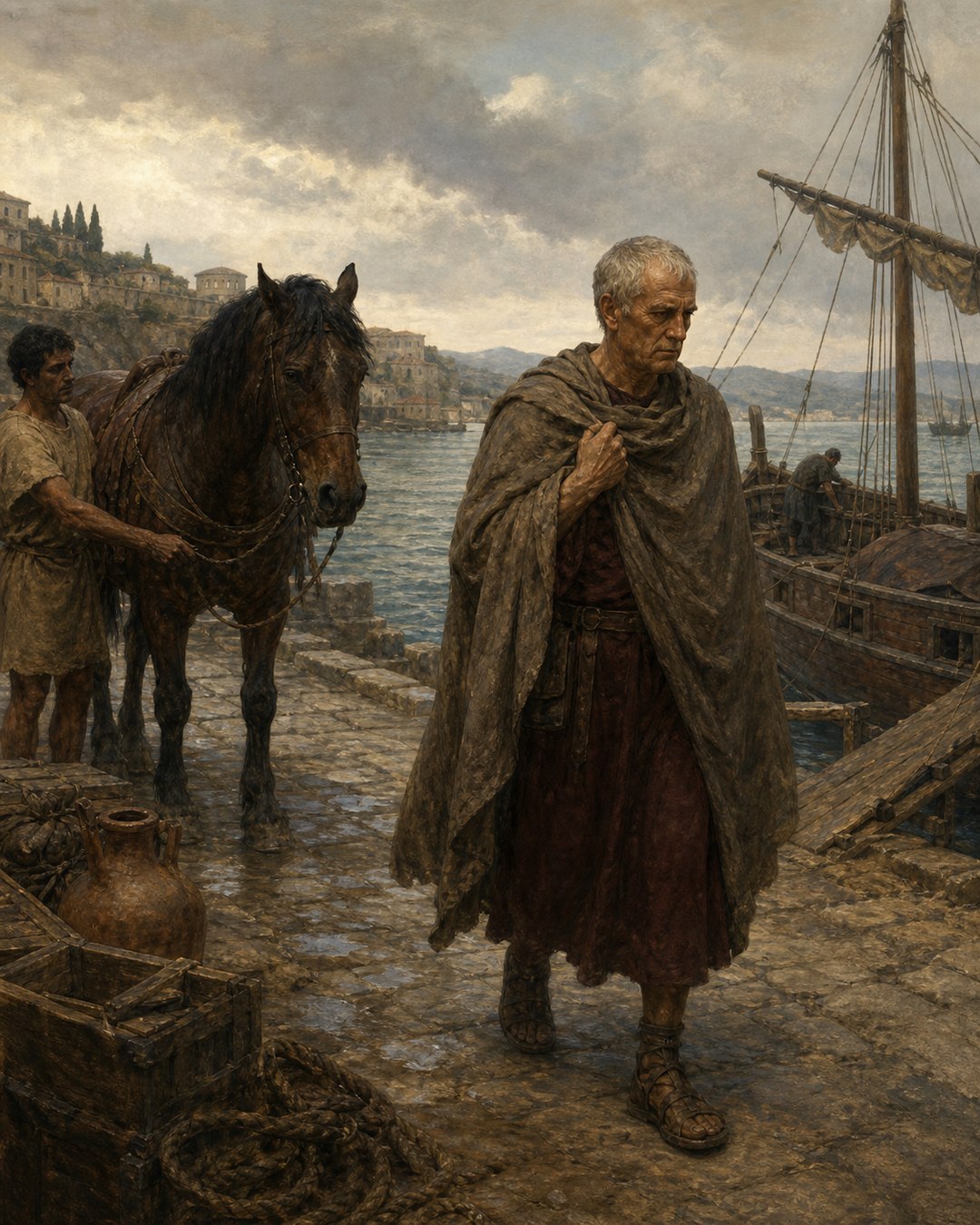
The horse had carried a Roman consul through his Spanish campaign. When Cato the Elder sailed home, he left the animal behind. Cato supplied an austere reason. Transporting the horse would cost the city money, and he would not place that burden on the public account. In the language of republican virtue, the decision looked … Read more

Numa Read a Farmer’s Character from His Fields

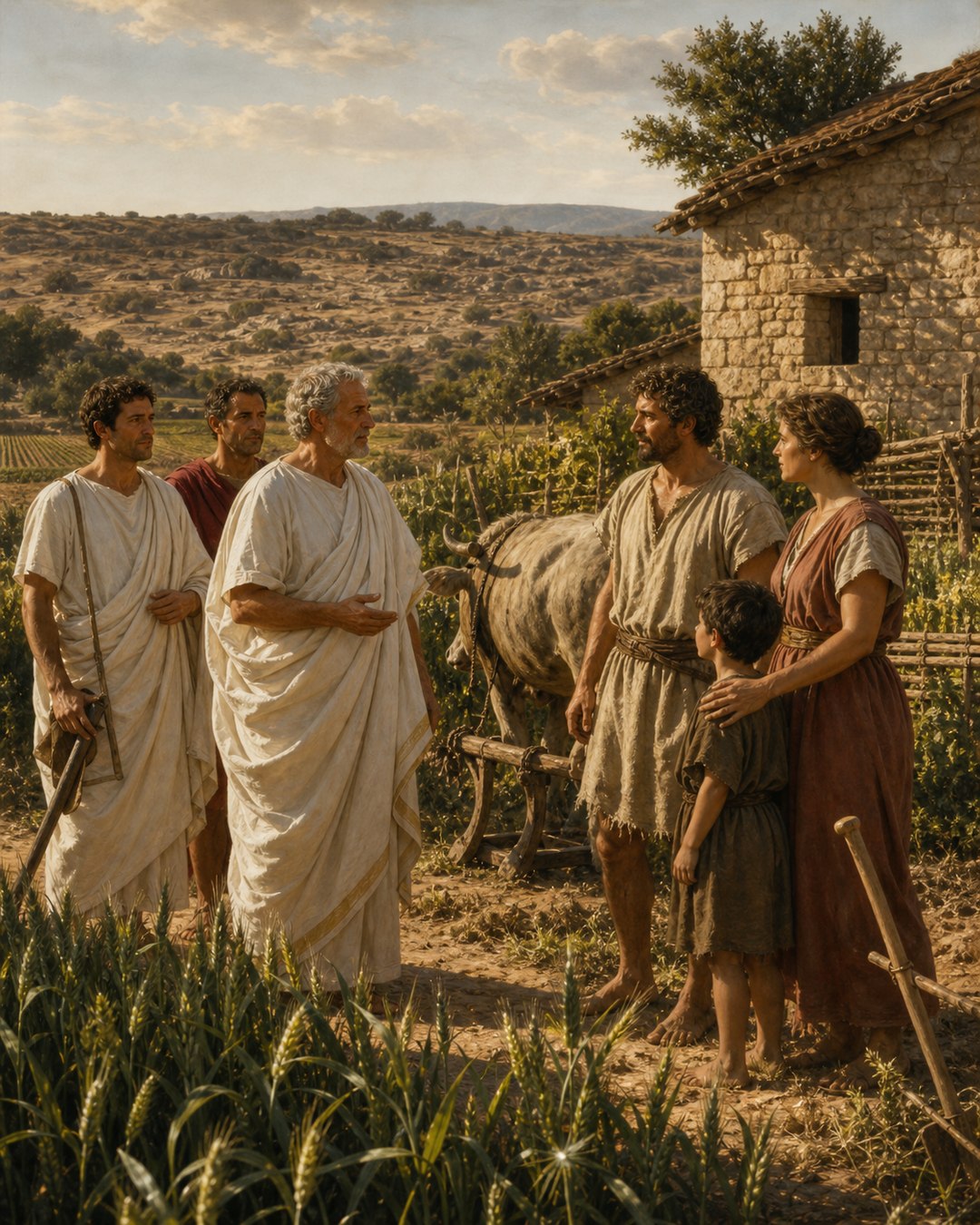
A field became a character reference. Plutarch imagines Numa walking beyond Rome, looking at furrows, boundaries and neglected ground, then deciding which citizens deserved trust. The judgement began with a material transfer. Land acquired under Romulus was distributed among people in need. Numa divided the territory into districts, appointed overseers and patrols, and sometimes inspected … Read more

Plutarch’s Mirrors Turned Sunlight into Sacred Fire

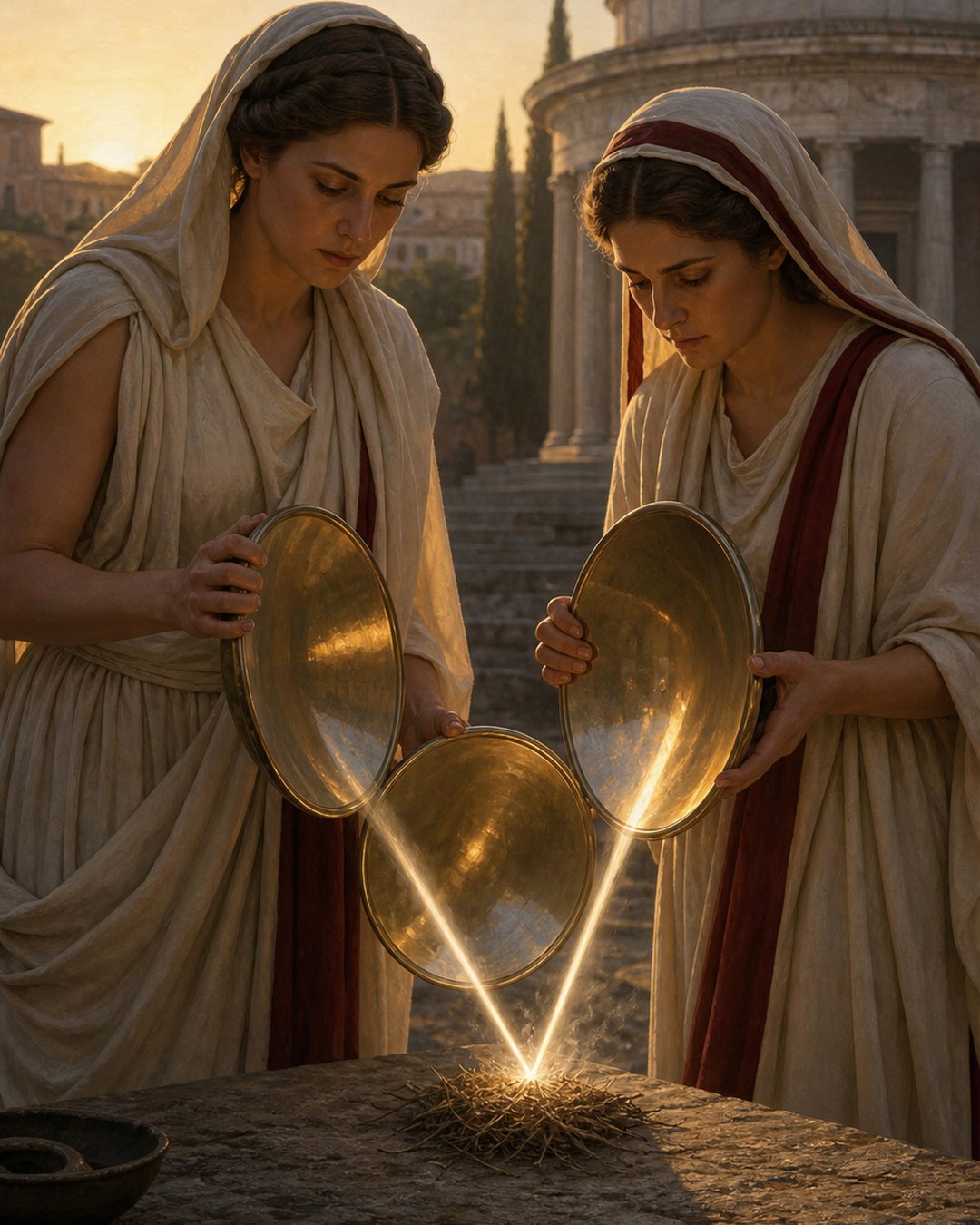
First came the failure: a flame intended to endure had gone dark. The practical answer was close at hand. Every kitchen, lamp and brazier could offer fire. Plutarch says that answer was unacceptable. The extinguished sacred fire was not to be relit from another flame. Its replacement had to be “fresh and new,” drawn from … Read more

A Bronze Ball Counted Each Roman Mile

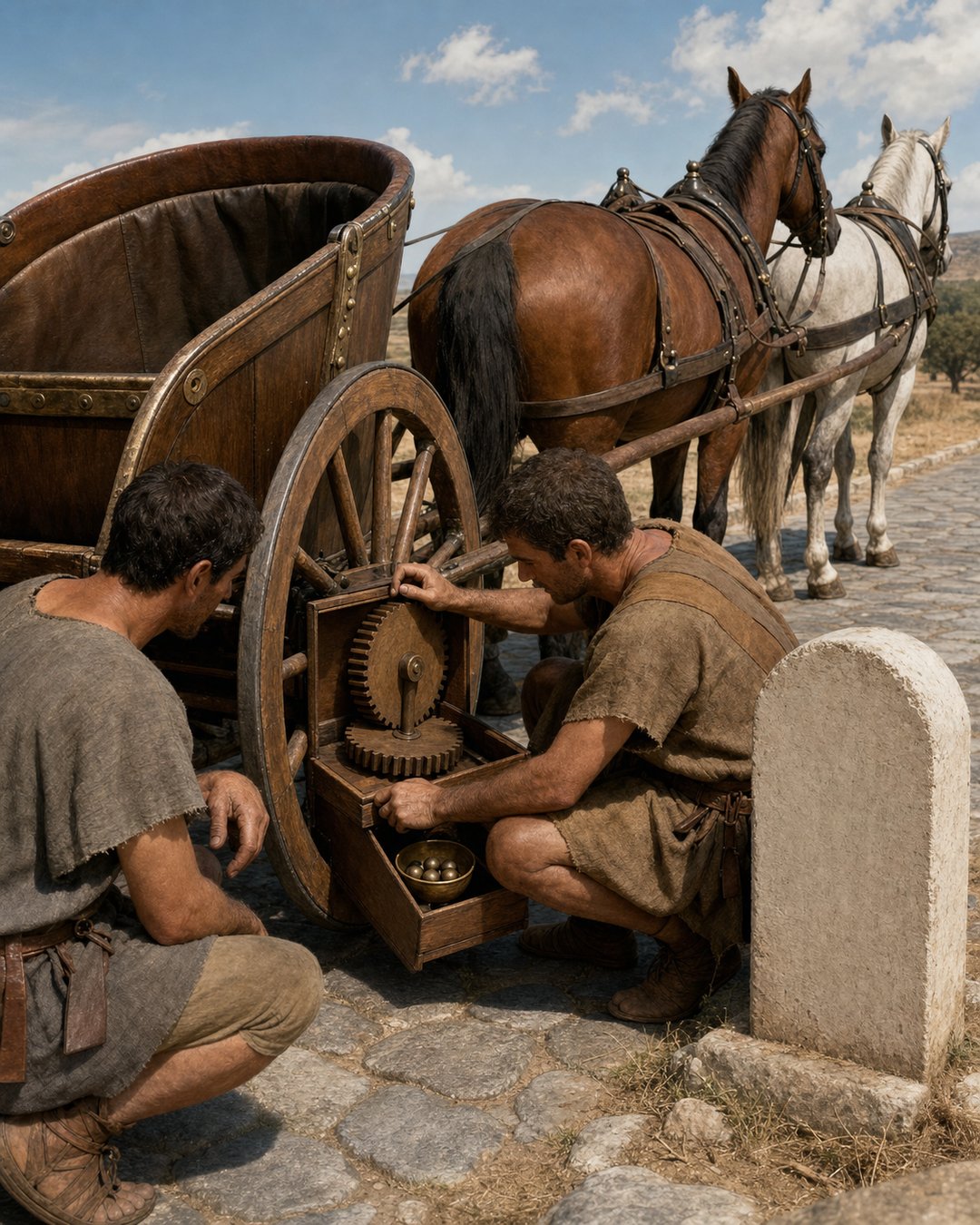
A traveller did not have to stop, look back or ask how far the chariot had gone. In Vitruvius’s design, the vehicle answered with a sound from inside its own body. One small ball fell through a channel and struck a bronze vessel. The noise marked a mile. At day’s end, the balls collected below … Read more

Hooves, Flint and Wind Separated a Roman Harvest

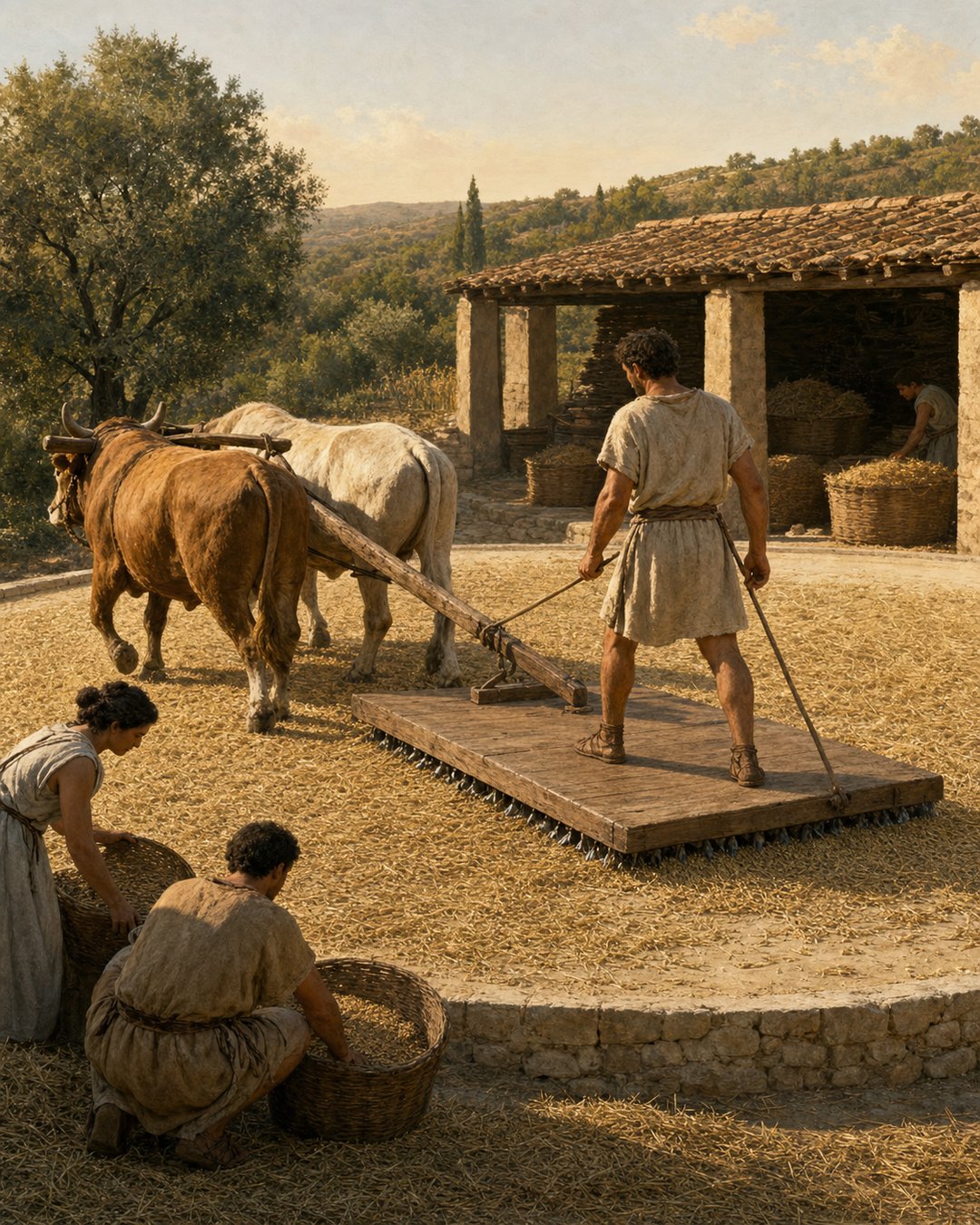
The grain reached the farmyard still fastened to ears, mixed with straw and vulnerable to a change in the sky. It left as heavy kernels gathered in baskets. Between those states stood a round patch of engineered ground. Varro treats threshing as a chain of decisions. The crop had to arrive in the right form. … Read more

Four Letters Let Cicero Escape Pompey’s Grammar Trap

Pompey had conquered armies, crossed seas and accumulated honours. Four letters on a theatre still presented a problem he did not want to decide alone. The inscription was meant to record his third consulship. The grammatical dispute turned on the ending of one Latin word: should the monument say tertium or tertio? Learned Romans defended … Read more

An Opened Vein Marked a Roman Soldier with Disgrace

The order did not send a Roman soldier to the whipping post or the execution ground. It sent him to have a vein opened. Aulus Gellius preserves the punishment in a chapter only a few sentences long. He calls it an old military penalty and says its purpose was disgrace. Blood was deliberately let from … Read more

One Short Rope Revealed Protagoras Before Philosophy

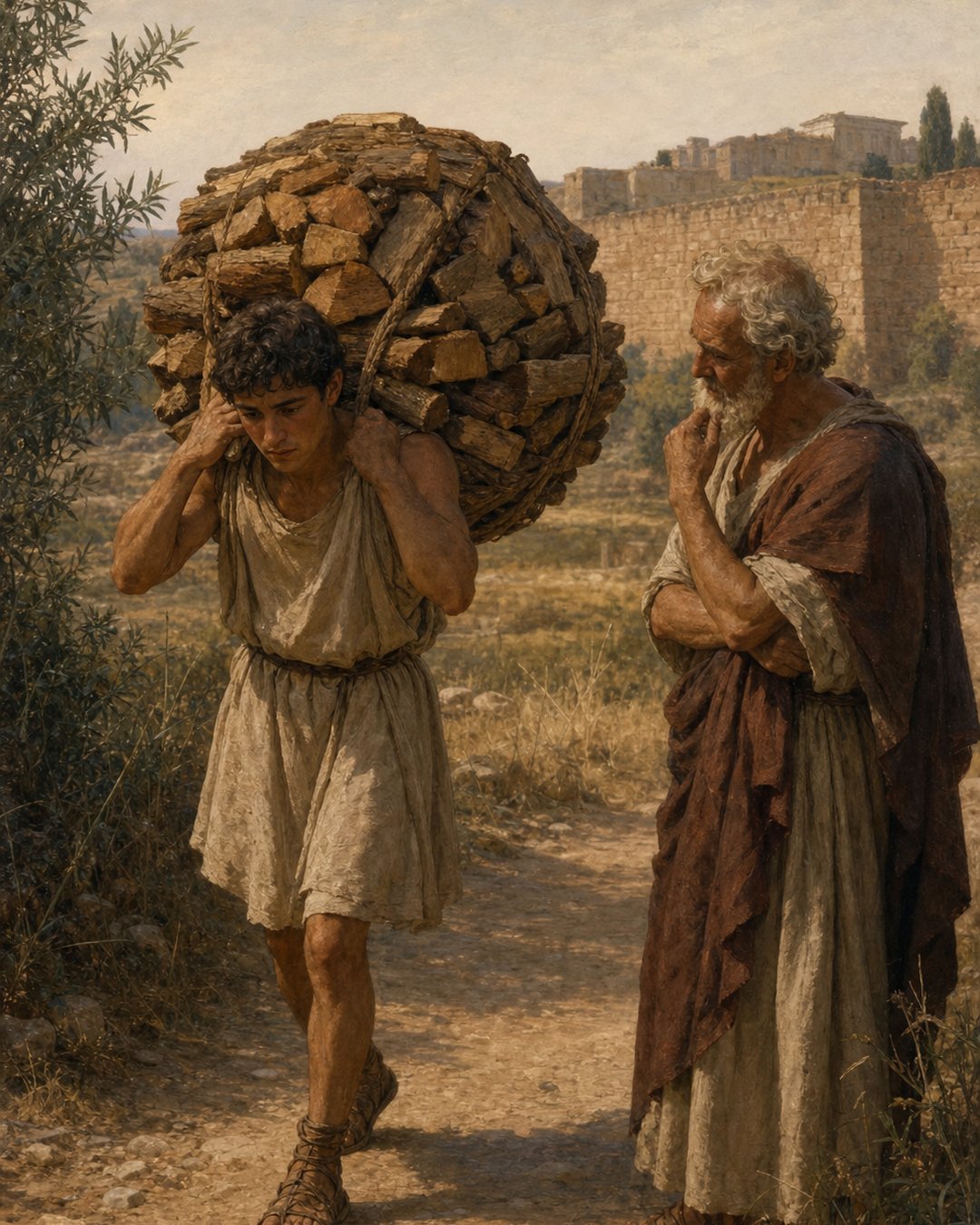
Before Protagoras entered philosophy, a bundle of firewood made someone stop him on the road. Aulus Gellius says the young man earned his living as a hired porter. He was carrying many blocks of wood from the countryside into Abdera, bound with a short rope. The load was awkward, yet he walked easily and quickly. … Read more