Weights and Hidden Air Made Archytas’s Wooden Dove Fly
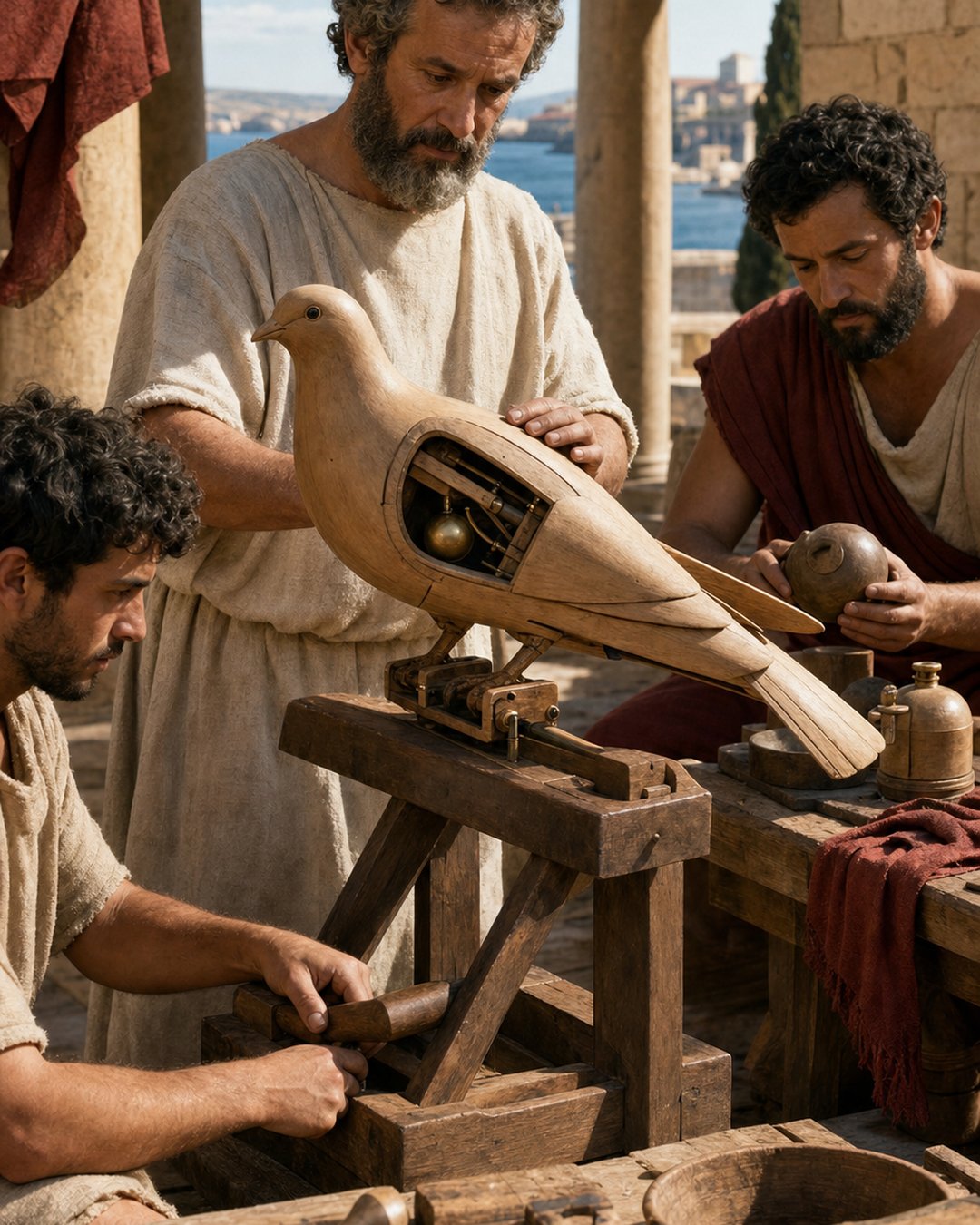
The most useful detail in the story of Archytas’s flying dove is not that it flew. It is that it could not take off again. Aulus Gellius reports a wooden model made by Archytas of Tarentum. Balanced by weights and moved by a hidden current of enclosed air, the dove crossed the boundary between crafted … Read more
One Year of Supplies Drew the Roman Pantry’s Boundary

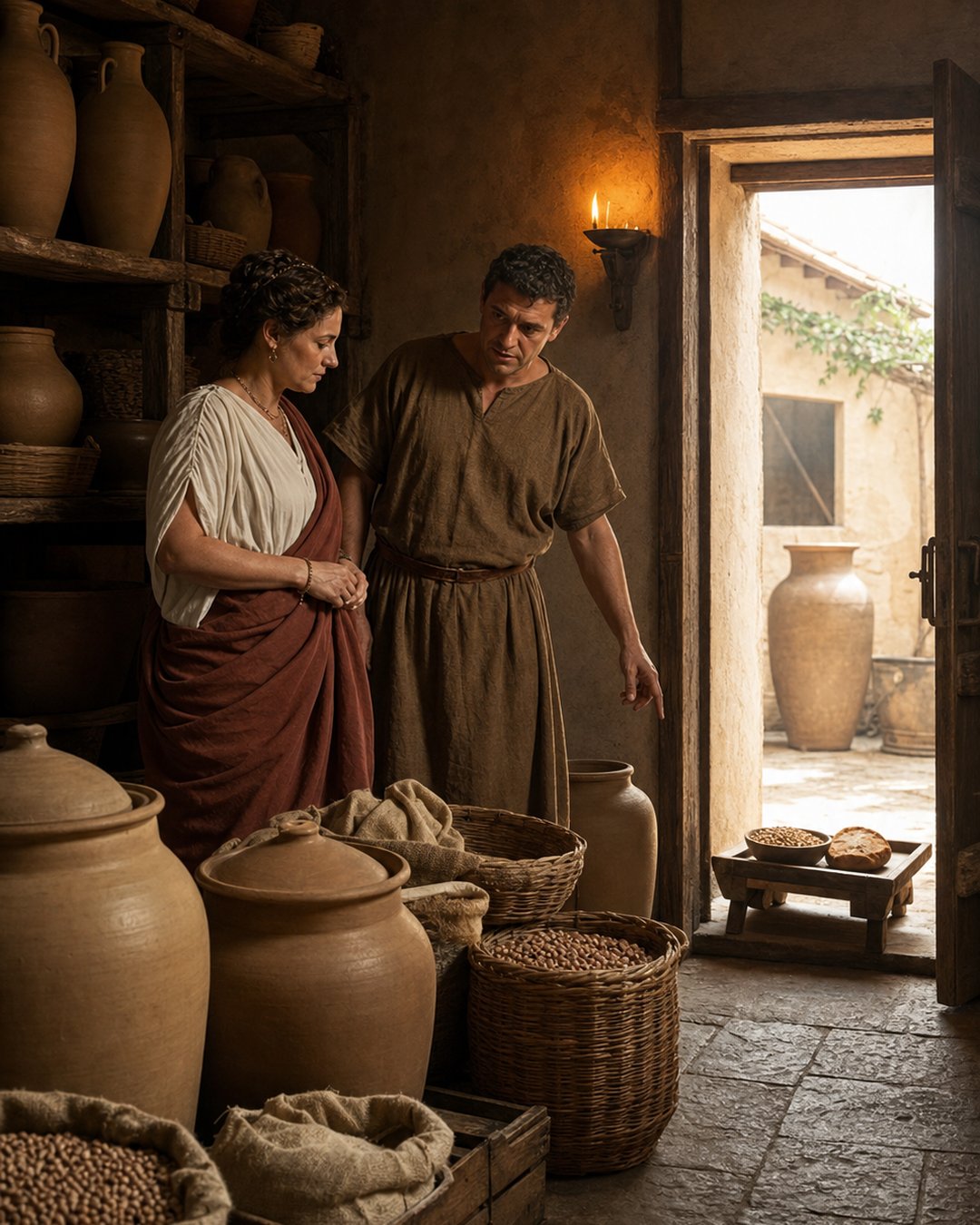
A Roman pantry could not be defined simply by opening a door and naming what stood inside. Aulus Gellius records a conversation in the entrance hall of the imperial palace on the Palatine. An overconfident grammarian was discussing the gender and declension of penus, a Latin word for household stores. The philosopher Favorinus interrupted with … Read more

A Rhetoric Teacher Stopped Senators in Holiday Slippers

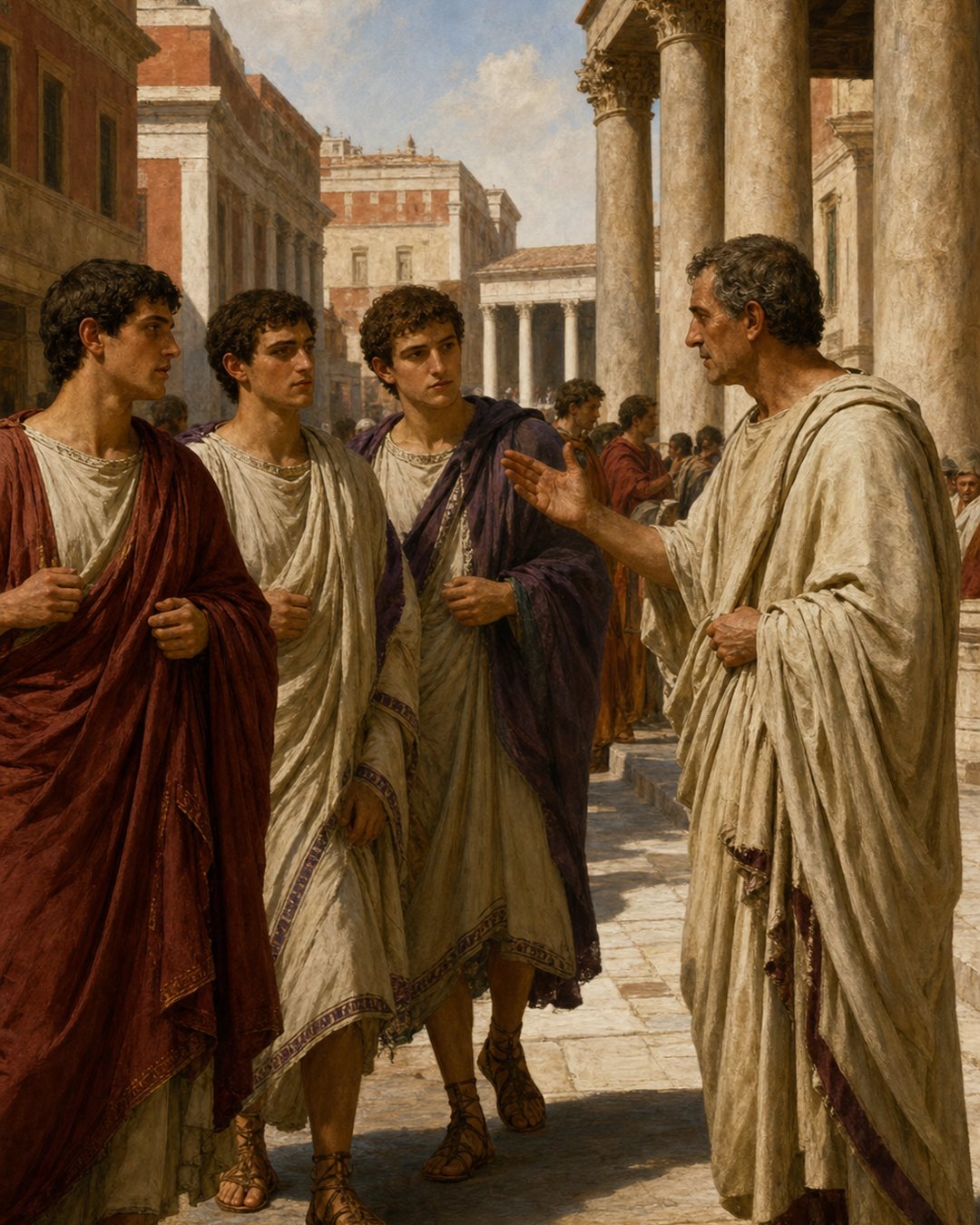
The rhetoric lesson began after the students had left their formal clothes behind. Aulus Gellius says his teacher Titus Castricius encountered several pupils who had become senators. It was a holiday, and they crossed Rome in tunics, cloaks and open Gallic slippers. Castricius stopped them. Long custom might excuse the relaxed garments, he conceded. Yet … Read more

Sold Loot Paid for the Gilded Horses Above Trajan’s Forum

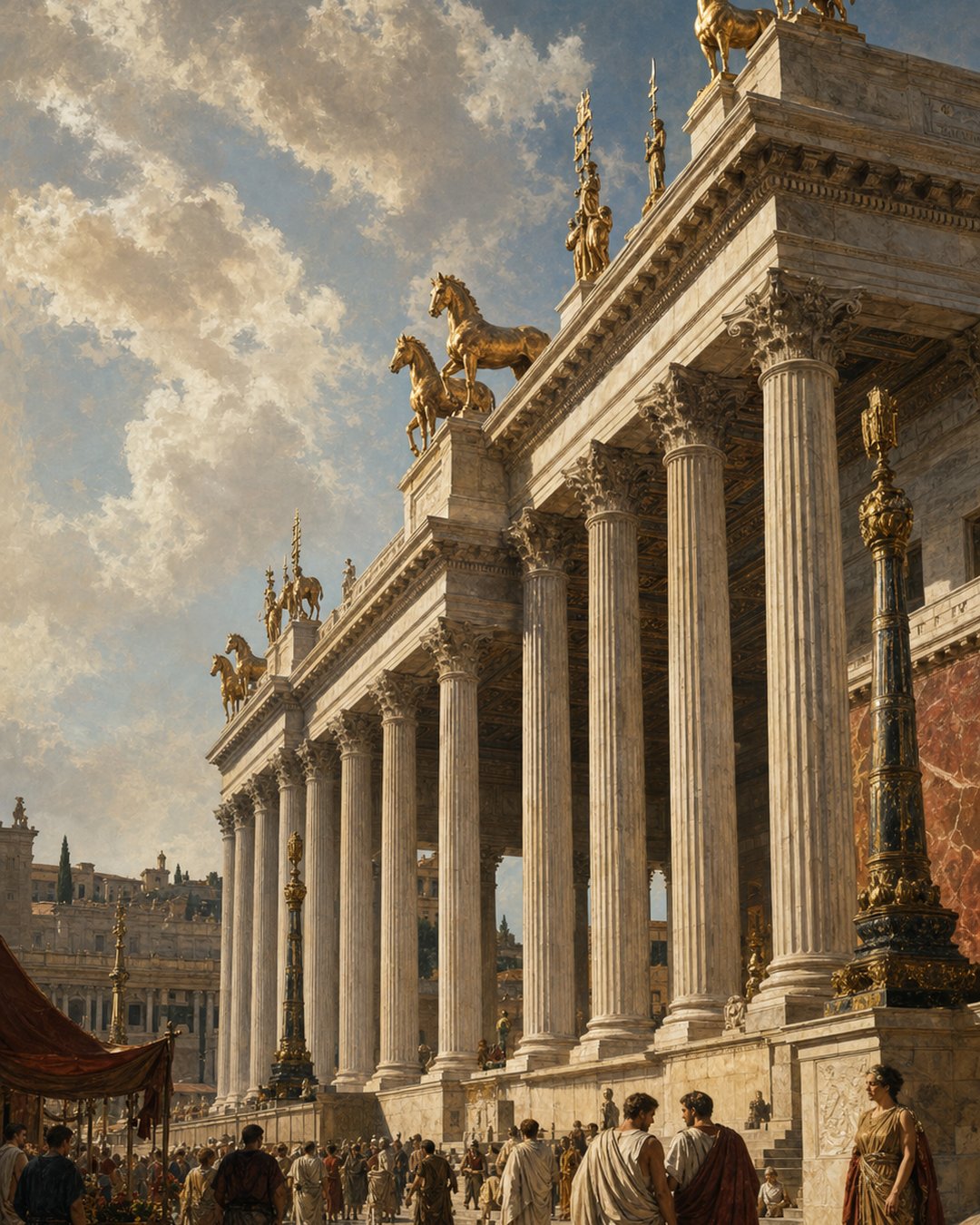
The gilded horses above Trajan’s Forum were not trophies lifted whole from an enemy city. Their inscription pointed to a less visible route. Aulus Gellius remembered walking through the Forum with the philosopher Favorinus while a consul heard cases nearby. Along the roofs of the colonnades stood gilded horses and representations of military standards. Beneath … Read more

Eleven Copies Hid the Shield That Fell from the Sky

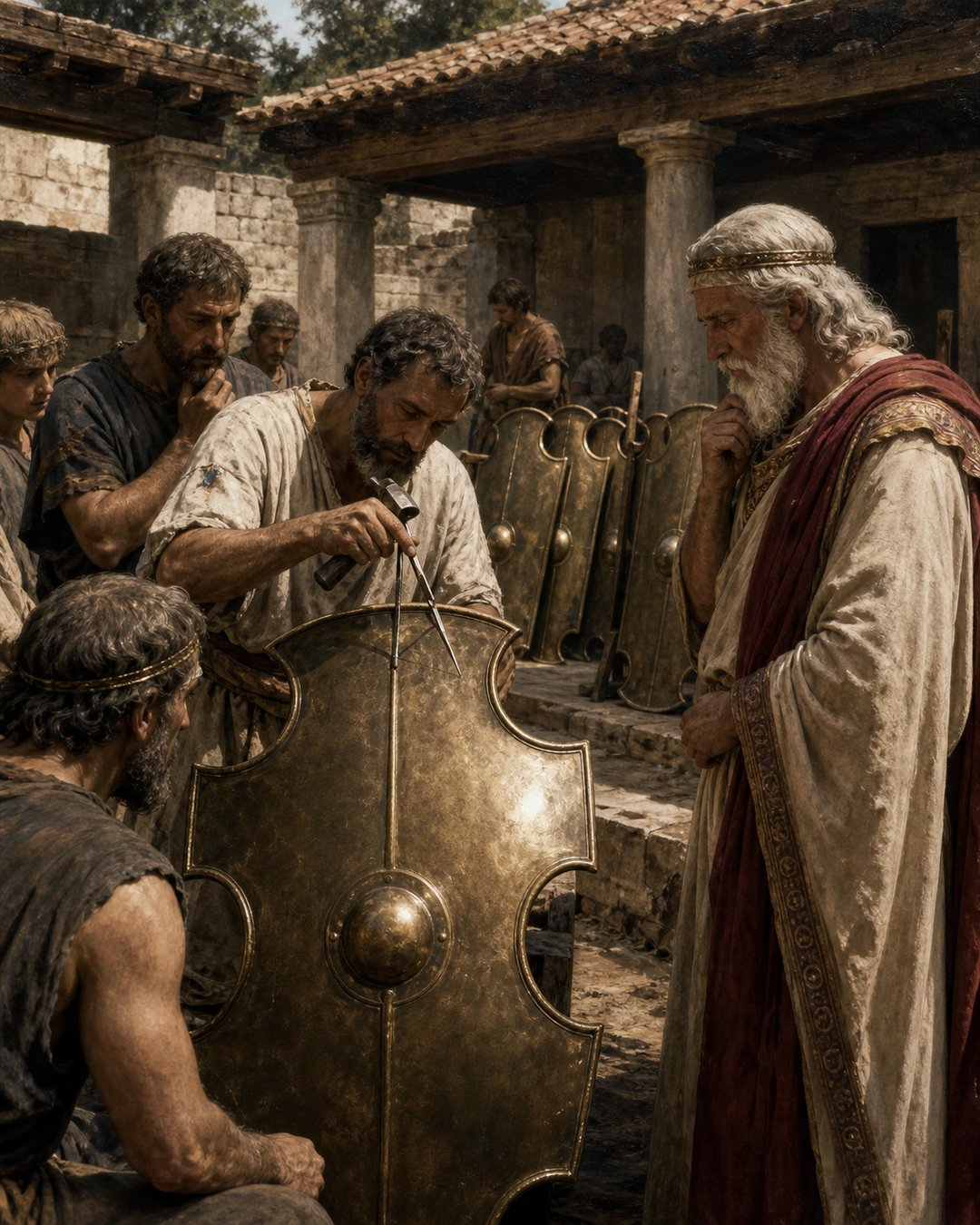
Rome protected one sacred shield by making it impossible to tell which shield was sacred. Plutarch says a bronze buckler fell from the sky during a pestilence in Numa’s reign. The king treated it as a pledge of the city’s preservation. A unique object, however, invited a simple danger: a thief needed to steal only … Read more

Red Ore Sweated Quicksilver Before Becoming Wall Paint

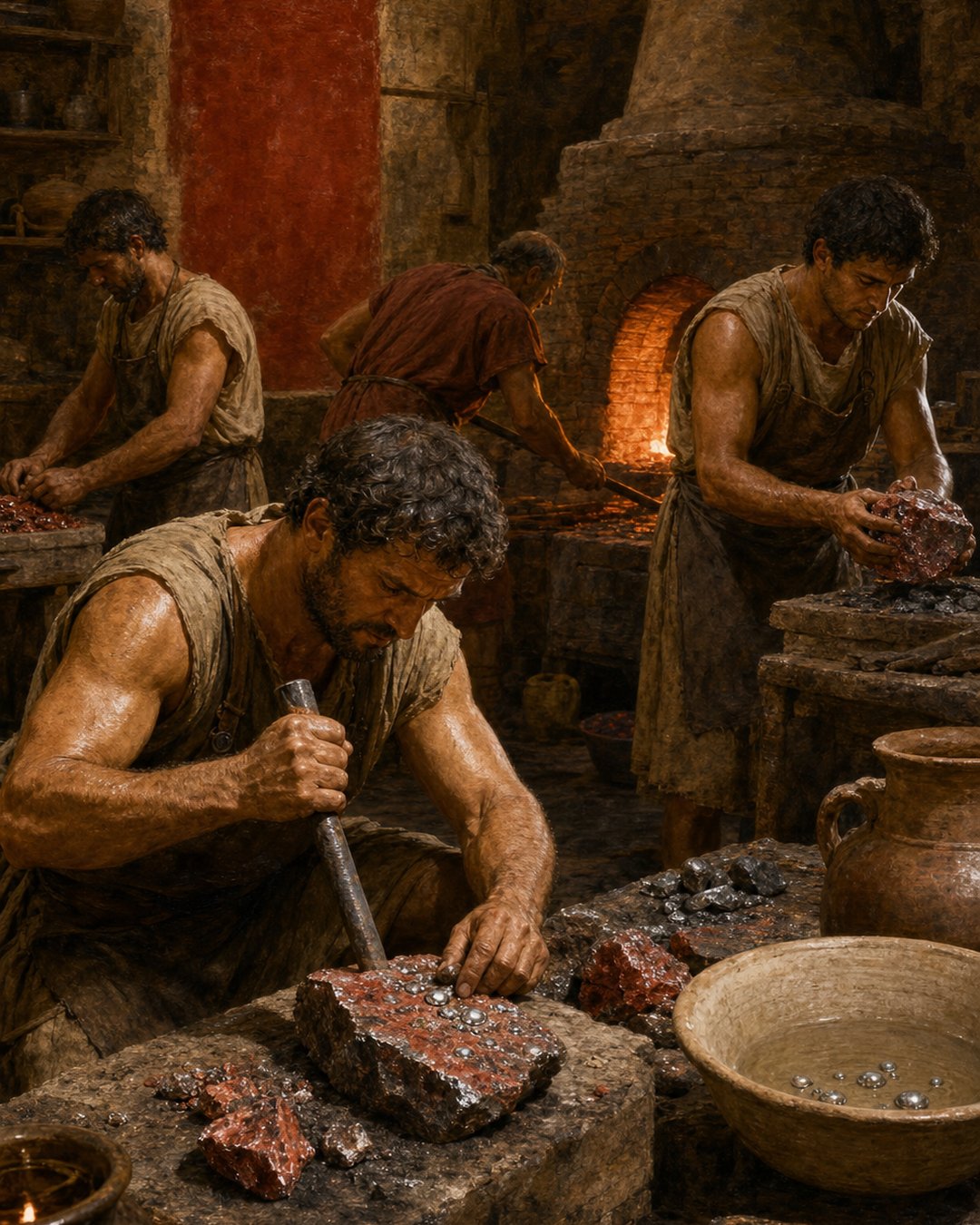
The red clod did not enter the house as paint. First it sweated silver liquid under blows from iron bars. Vitruvius describes mineral material from the Ephesian region with red veins and dust. Workers struck it until drops of quicksilver appeared. More metal condensed from furnace fumes, too fine to gather individually, so it was … Read more

Bodies, Brass and Boiling Pots Judged a Roman Spring

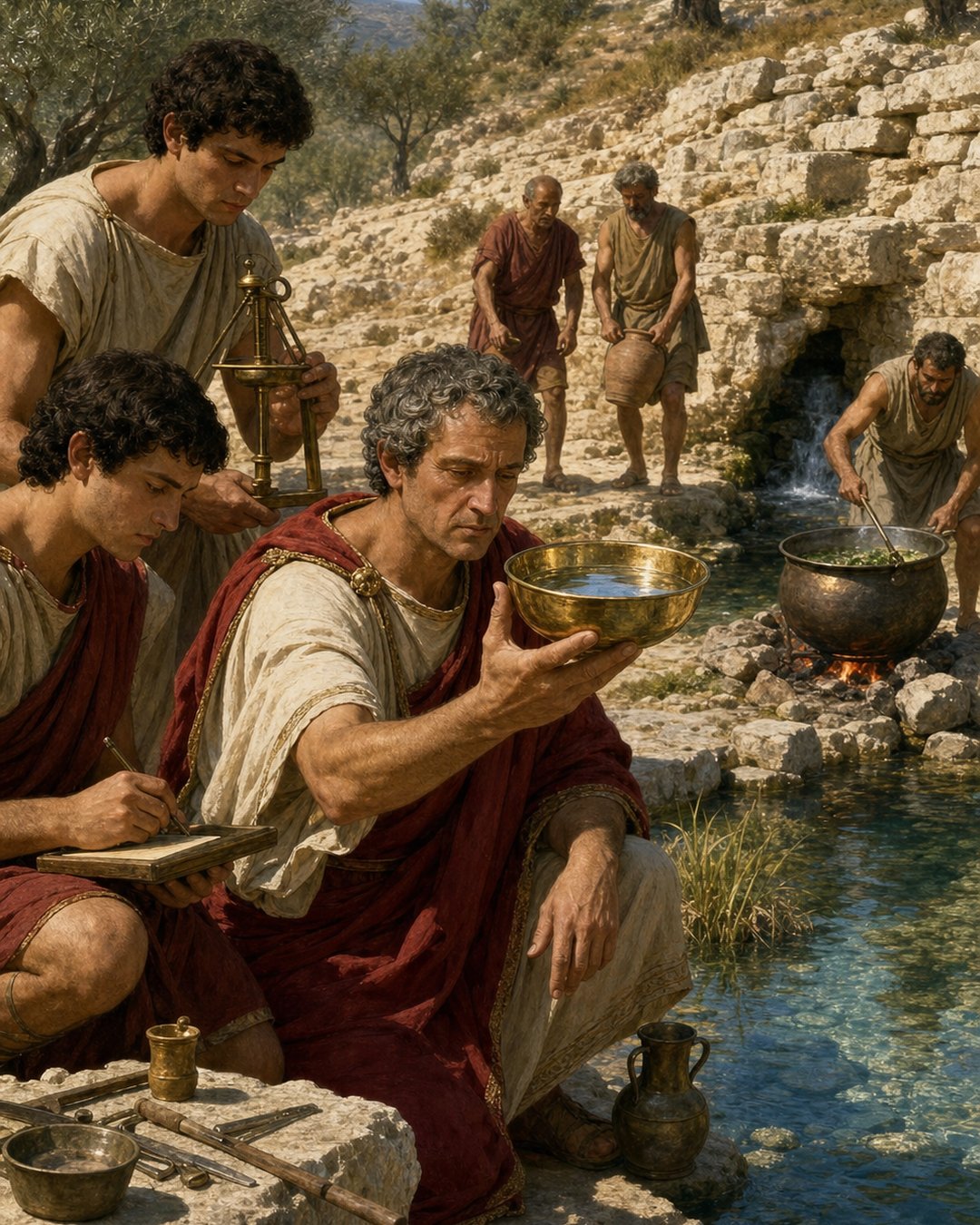
Before water entered a conduit, Vitruvius wanted the architect to look at the people already drinking it. Were their limbs strongly formed? Did they have fresh colour, sound legs and clear rather than blear eyes? Then came tests on the water itself. A drop from a new spring should leave no stain on good brass. … Read more

Childlessness Drove Rome’s Earliest Recorded Divorce

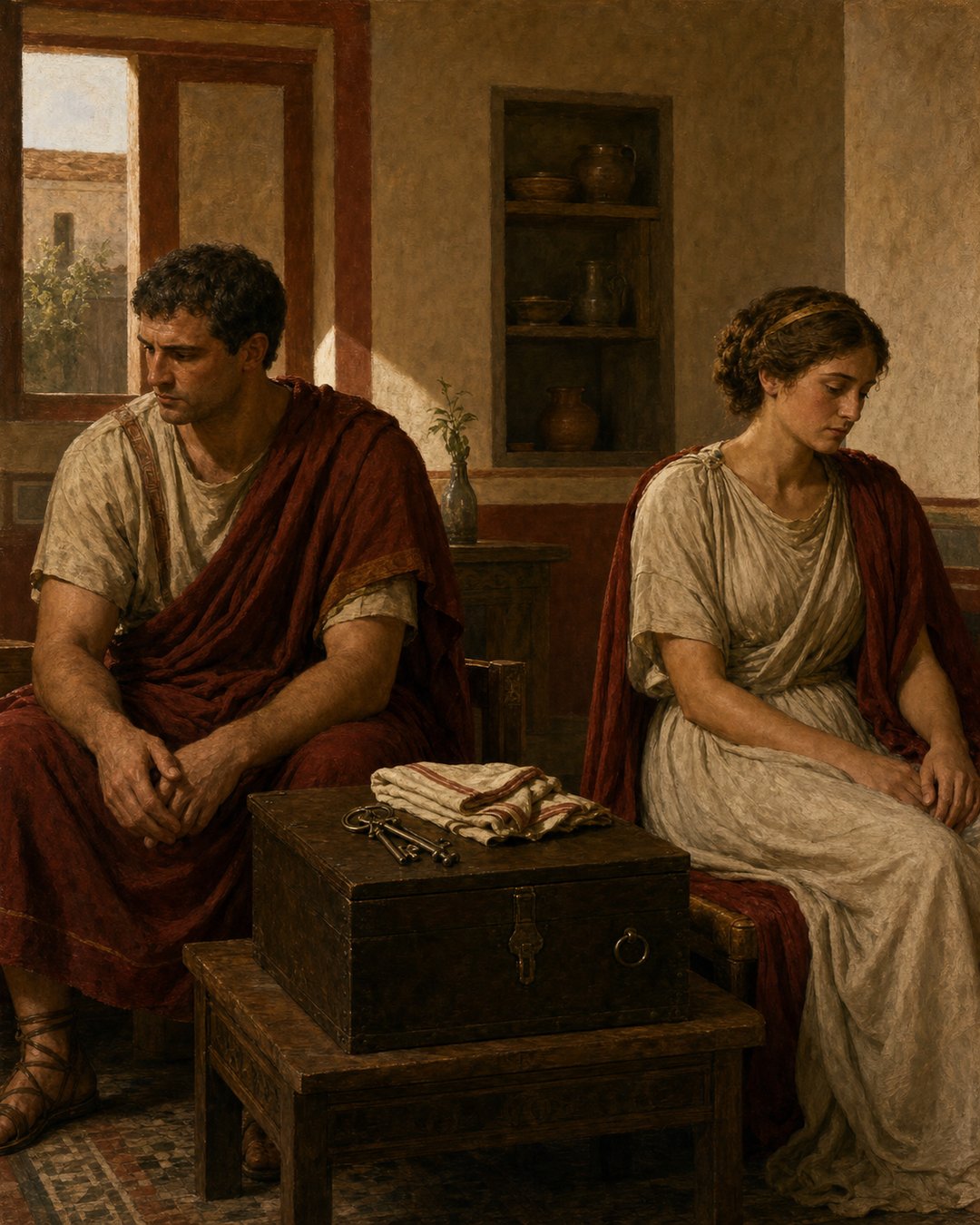
Spurius Carvilius reportedly loved his wife. The marriage ended anyway. Aulus Gellius says a physical condition prevented children from being born from her. Carvilius, a man of rank, had sworn before the censors that he married for the purpose of begetting children. He placed that oath above affection and sent his wife away. Gellius presents … Read more

A Plump Rider Lost His Rank After Blaming Statius

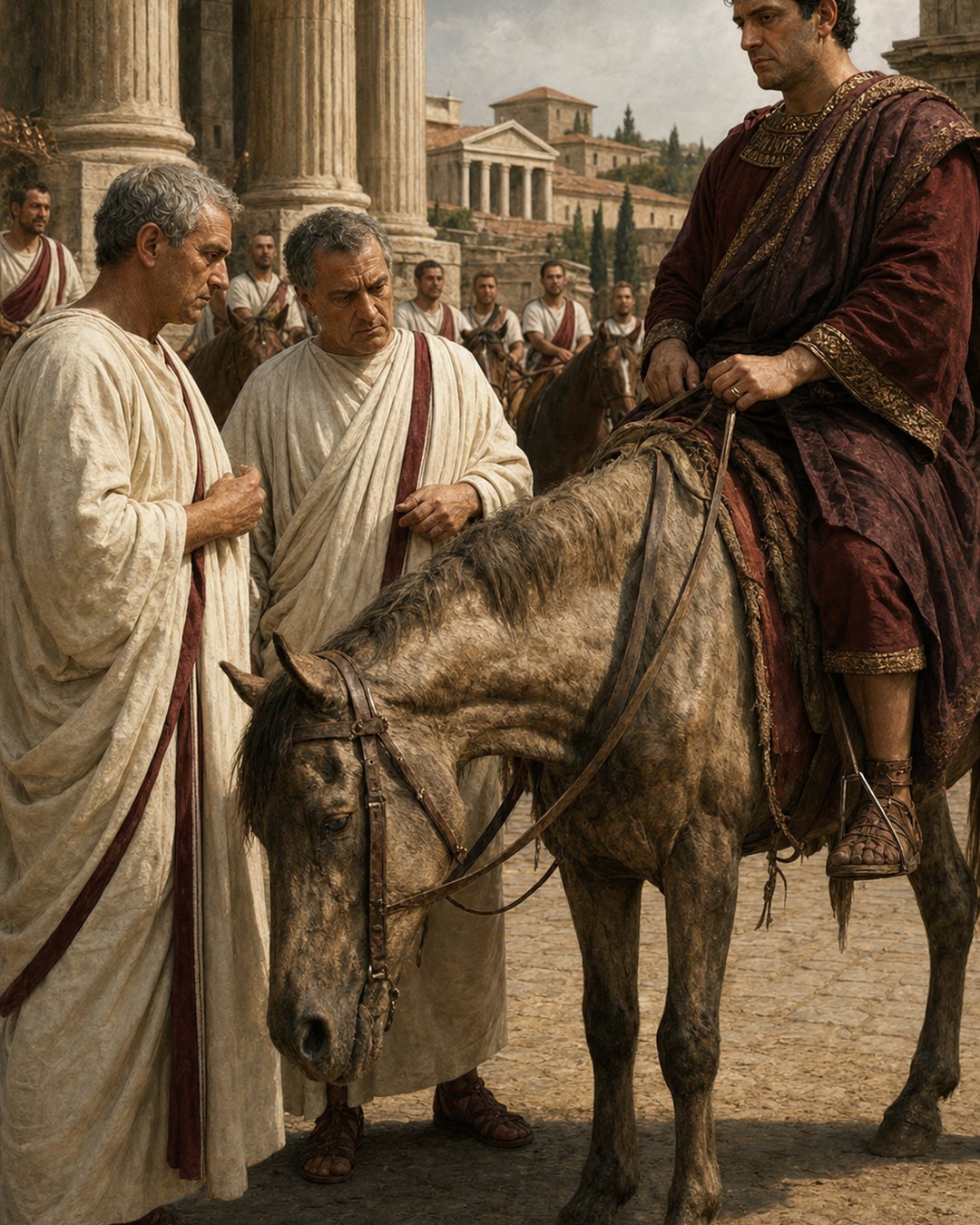
The censors did not need an account book. They had the horse and the rider standing beside each other. Aulus Gellius preserves a story from Masurius Sabinus about an equestrian review conducted by Publius Scipio Nasica and Marcus Popilius. One mount was thin and poorly kept. Its rider was plump and thriving. The contrast made … Read more

Pacuvius Heard Accius’s Atreus and Asked Time to Ripen It

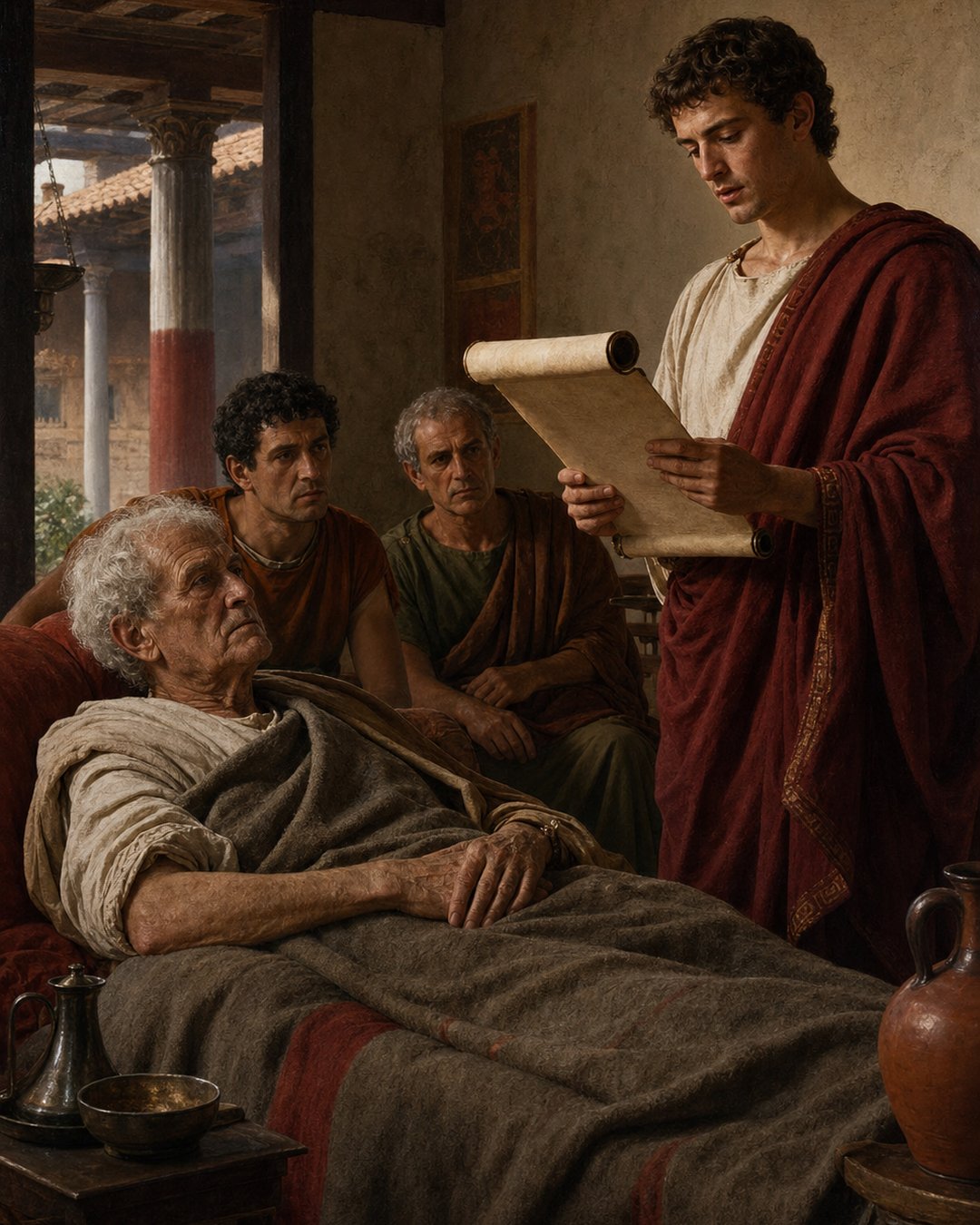
The younger poet did not send a finished scroll and wait for applause. He stood in an old man’s house and read. Aulus Gellius places Lucius Accius in Tarentum on his way to Asia. Marcus Pacuvius, already weakened by age and illness, had withdrawn there from Rome. He welcomed the visitor, kept him for several … Read more