Why the Curia Made Roman Politics Visible

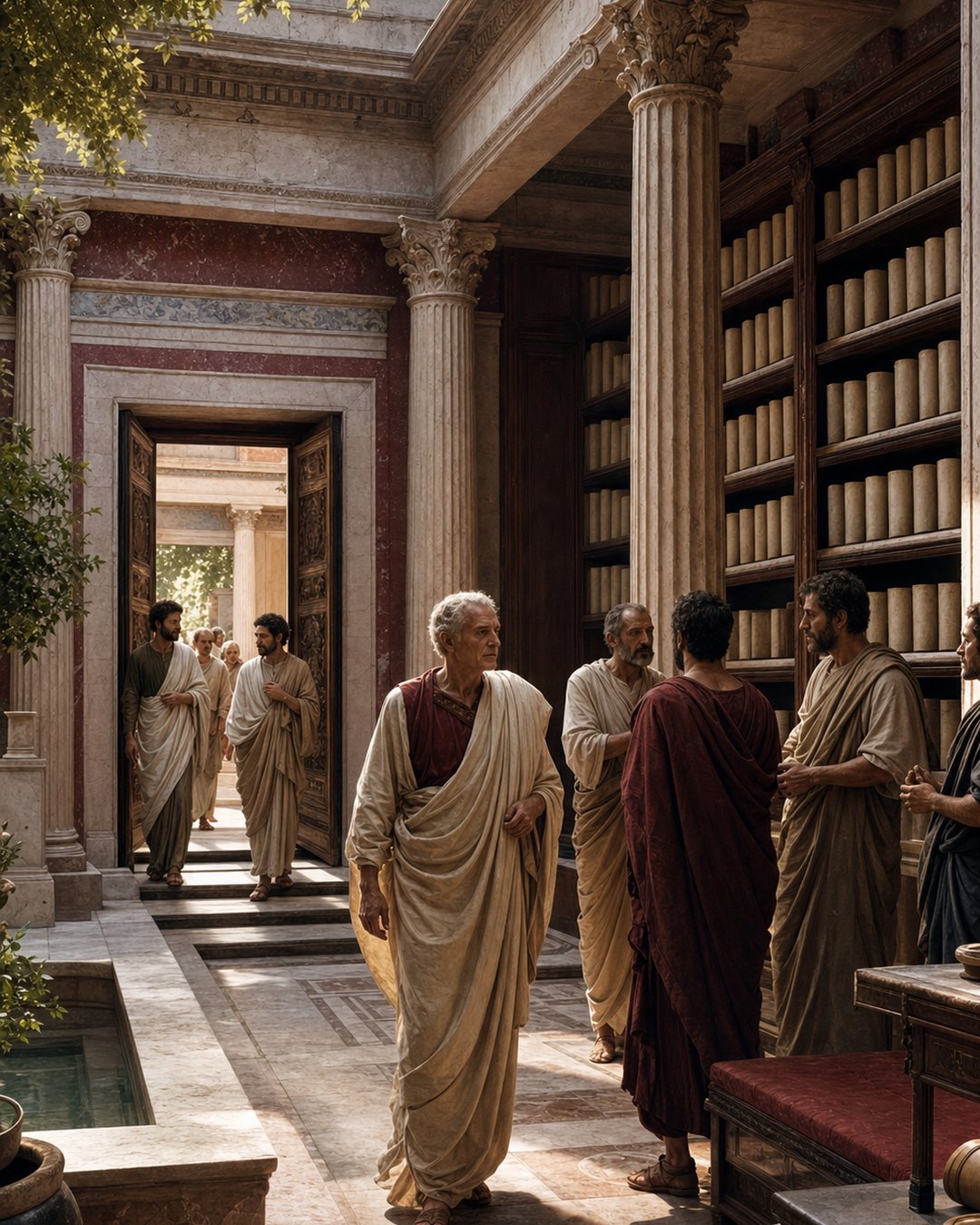
The Roman Senate was not only a constitutional idea. It was also a place people could point to. The Curia gave Roman politics doors, benches, walls, a threshold, and a public setting in the Forum. Before anyone voted, the building had already communicated something important: some men entered, others waited outside, and the city could … Read more

Why Rome’s Grain Ships Made Politics Nervous

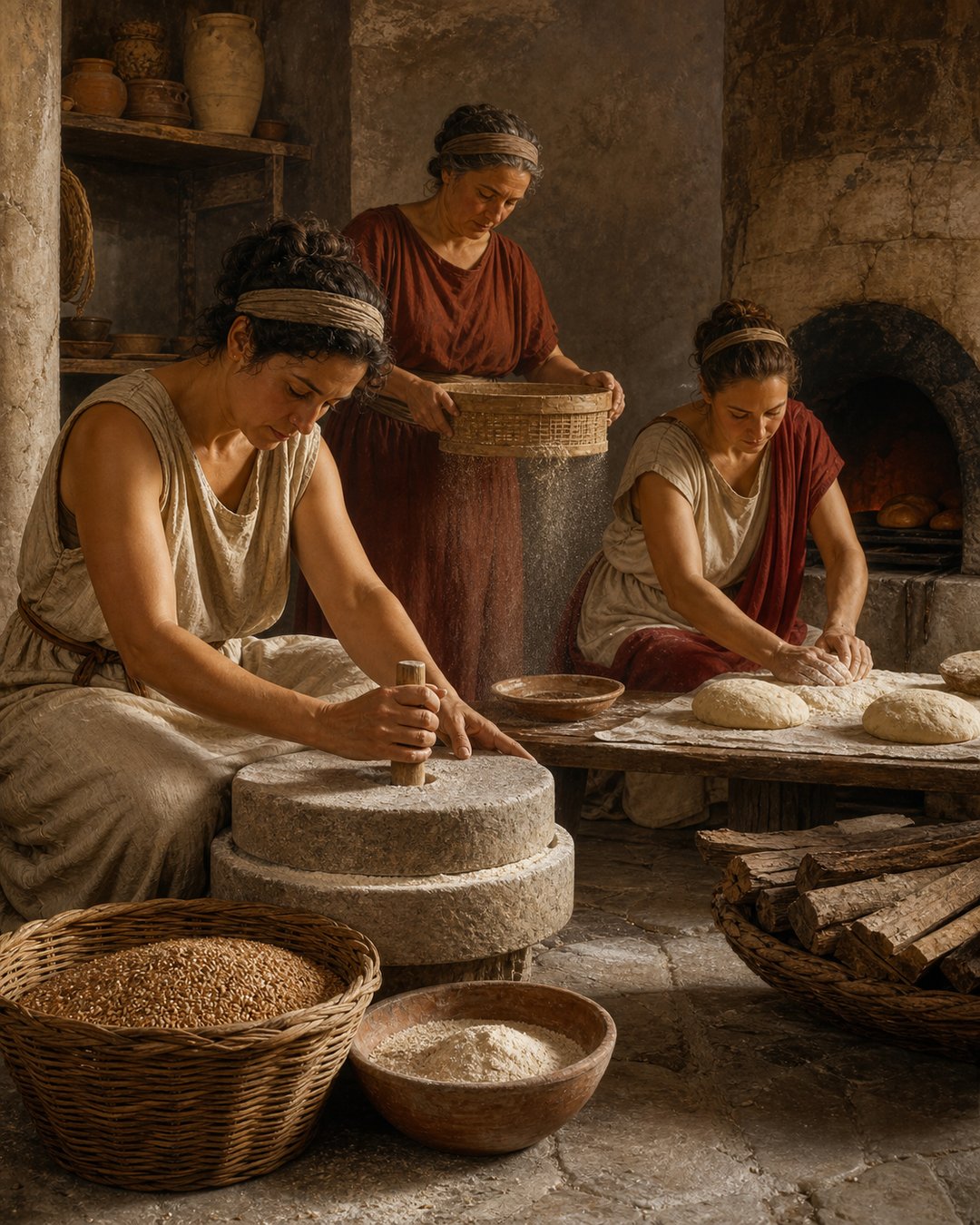
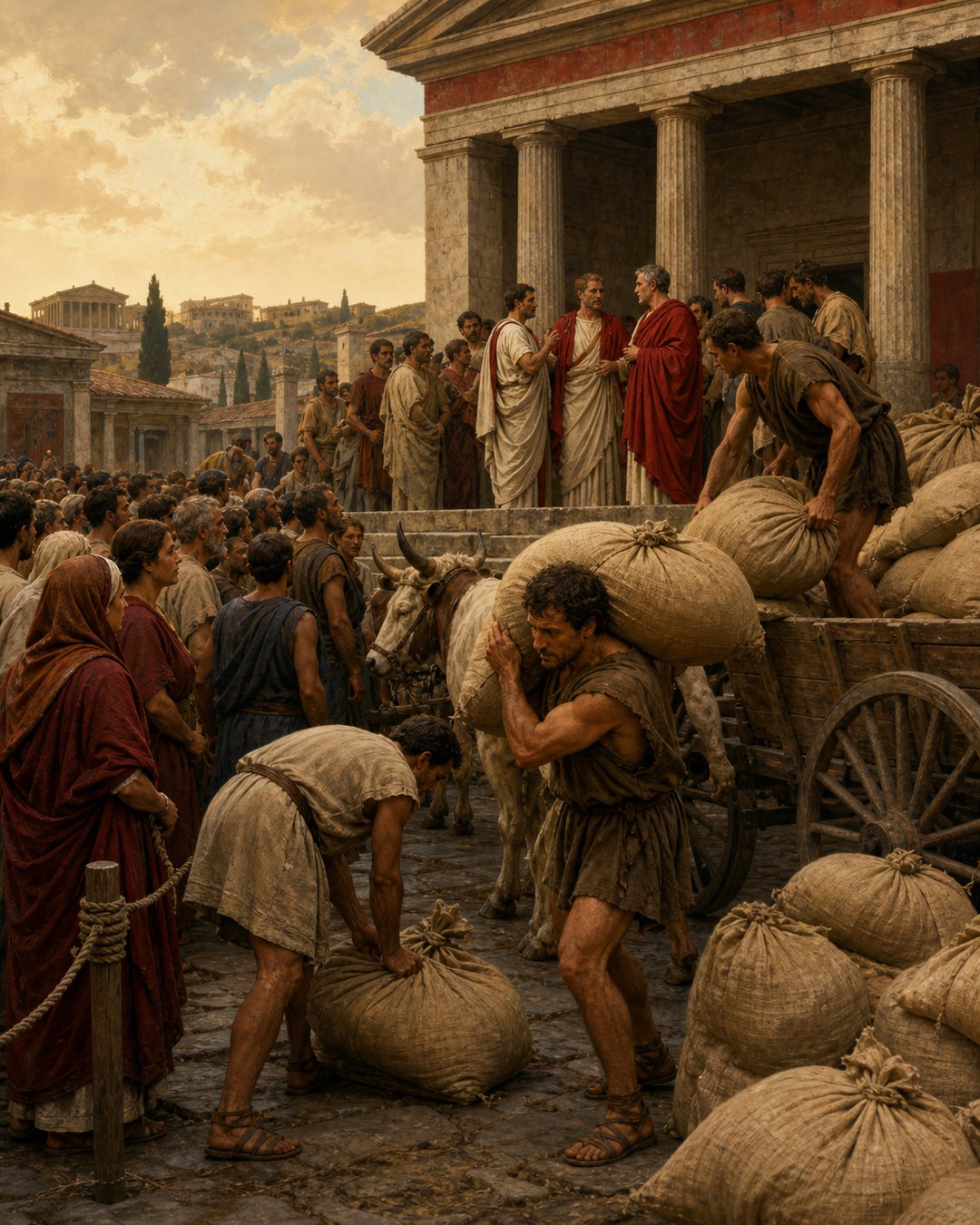
Rome’s bread began before the baker touched the dough. It began on farms in Sicily, North Africa, and Egypt; in warehouses near harbors; in ships facing bad weather; and in the records of officials who knew that a hungry capital was never only a household problem. A grain ship was cargo, but it was also … Read more

Roman Coins Turned Emperors into Pocket-Sized News

A Roman coin was easy to underestimate. It could disappear inside a purse, lie under a market table, or pass from a soldier to a wine seller without ceremony. Yet that small object carried one of the empire’s most persistent political messages. A face, a title, a victory, a deity, or a promise could travel … Read more

Sulla’s March Showed Rome a New Kind of Army

The most dangerous road in the late Republic was not outside Italy. It led back to Rome. In 88 BC, Lucius Cornelius Sulla did something Roman political culture had struggled to imagine: he marched his own army toward the city to settle a domestic command crisis. The shock was not simply violence. Rome knew violence. … Read more

The Aqueduct That Made Water Look Like Power

The most persuasive monument in Rome was not always a temple or a triumphal arch. Sometimes it was water arriving where nature had not put it. A Roman aqueduct made a political promise visible in stone: the city could command distant springs, measure gradients across miles, repair channels, punish theft, and make public benefit flow … Read more

Why Roman Milestones Were More Than Road Signs

A Roman milestone seems like the least mysterious object in the empire. It stands beside a road and tells travelers about distance. But Roman milestones did more than help people count miles. They made movement political. A stone on the roadside could connect a traveler’s feet to an emperor’s name, a magistrate’s office, a repaired … Read more

Why the Roman Census Was More Than a Headcount

A census sounds harmless until you imagine it in Roman terms. It was not only a clerk asking how many people lived in a house. The Roman census made citizens stand before authority with names, property, family position, and public status exposed. It counted men, but it also sorted them. It translated private wealth into … Read more

Why the Antonine Plague Changed Rome’s Confidence

The Antonine Plague did not arrive in a weak empire waiting to fall over. That is what makes it unsettling. It struck during the reign of Marcus Aurelius, when Roman power still stretched from Britain to the Euphrates and armies still fought on enormous frontiers. The shock was not simply that people died. The shock … Read more

What Vindolanda Tablets Reveal About Rome at the Edge

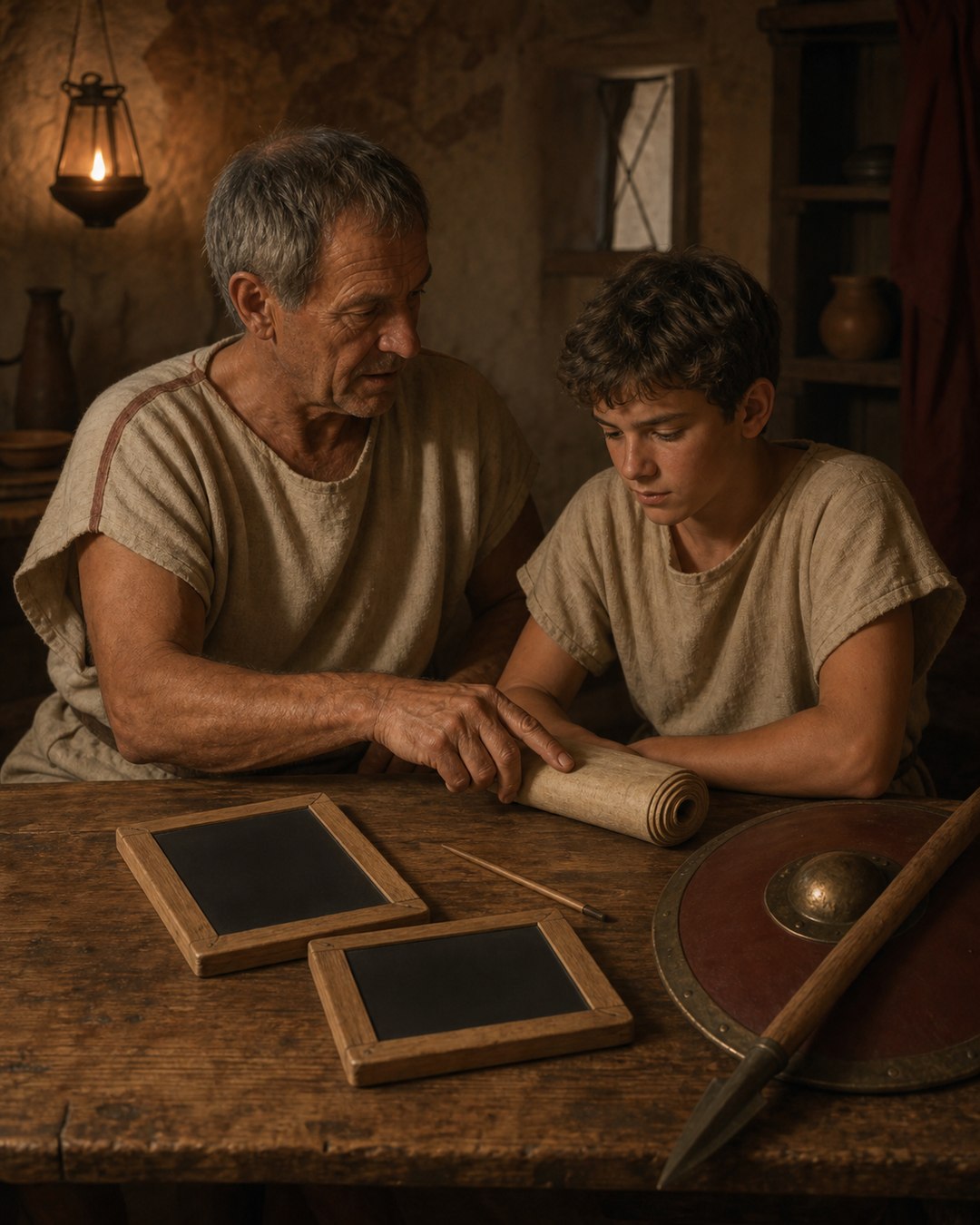
Vindolanda changes the scale of Roman history. From far away, the northern frontier looks like walls, forts, roads, and imperial policy. Up close, it becomes ink on thin wood: a birthday invitation, a supply request, a name, a greeting, a complaint, a list. The tablets from Vindolanda reveal Rome at the edge not as an … Read more

The Night Watchmen Who Kept Rome from Burning

Rome’s danger did not vanish at sunset. It changed shape. Lamps burned in upper rooms, cooking fires smoldered, shops closed with embers still warm, and crowded apartment blocks held families, goods, animals, wood, cloth, and oil in tight vertical space. The night watchmen known as vigiles existed because the capital was powerful enough to rule … Read more