Why Roman Ancestor Masks Made Memory Political
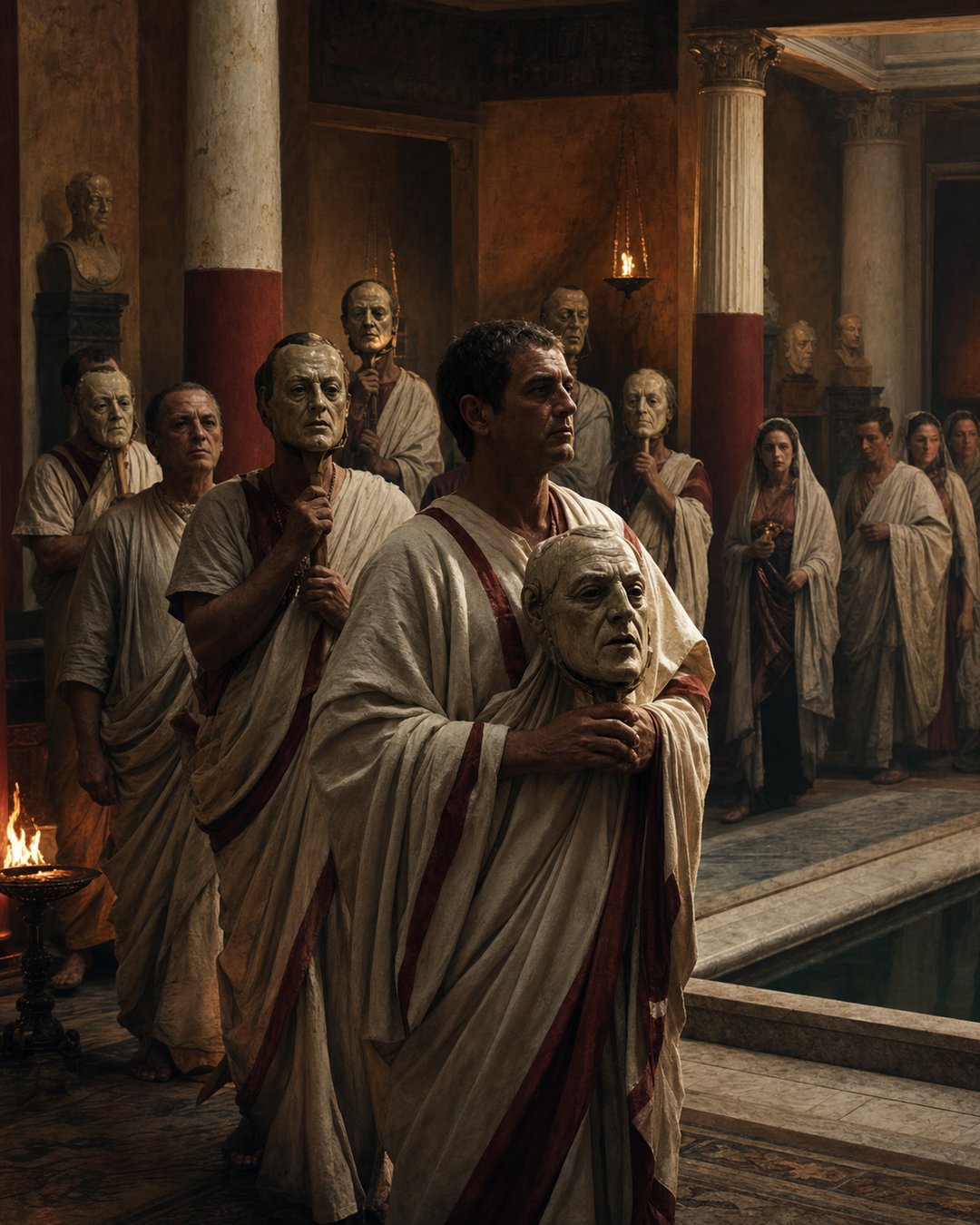
A Roman noble funeral could make the dead appear to walk again. Masks came out of storage, actors put on the faces and clothing of ancestors, and a family’s past moved through the city as if it still had business with the living. Memory did not stay private. It entered the street. This is why … Read more
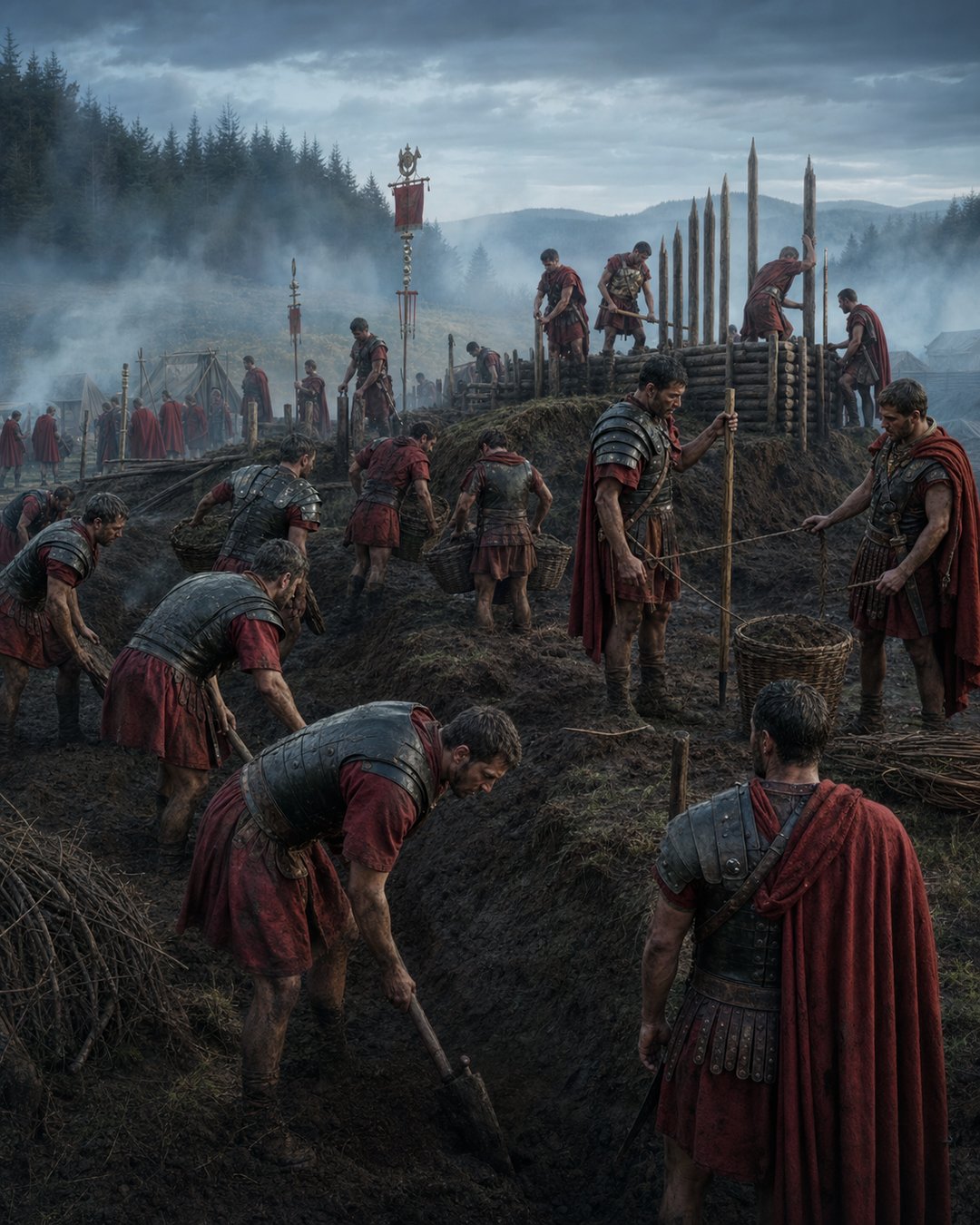
Why Roman Forts Made Frontiers Feel Permanent

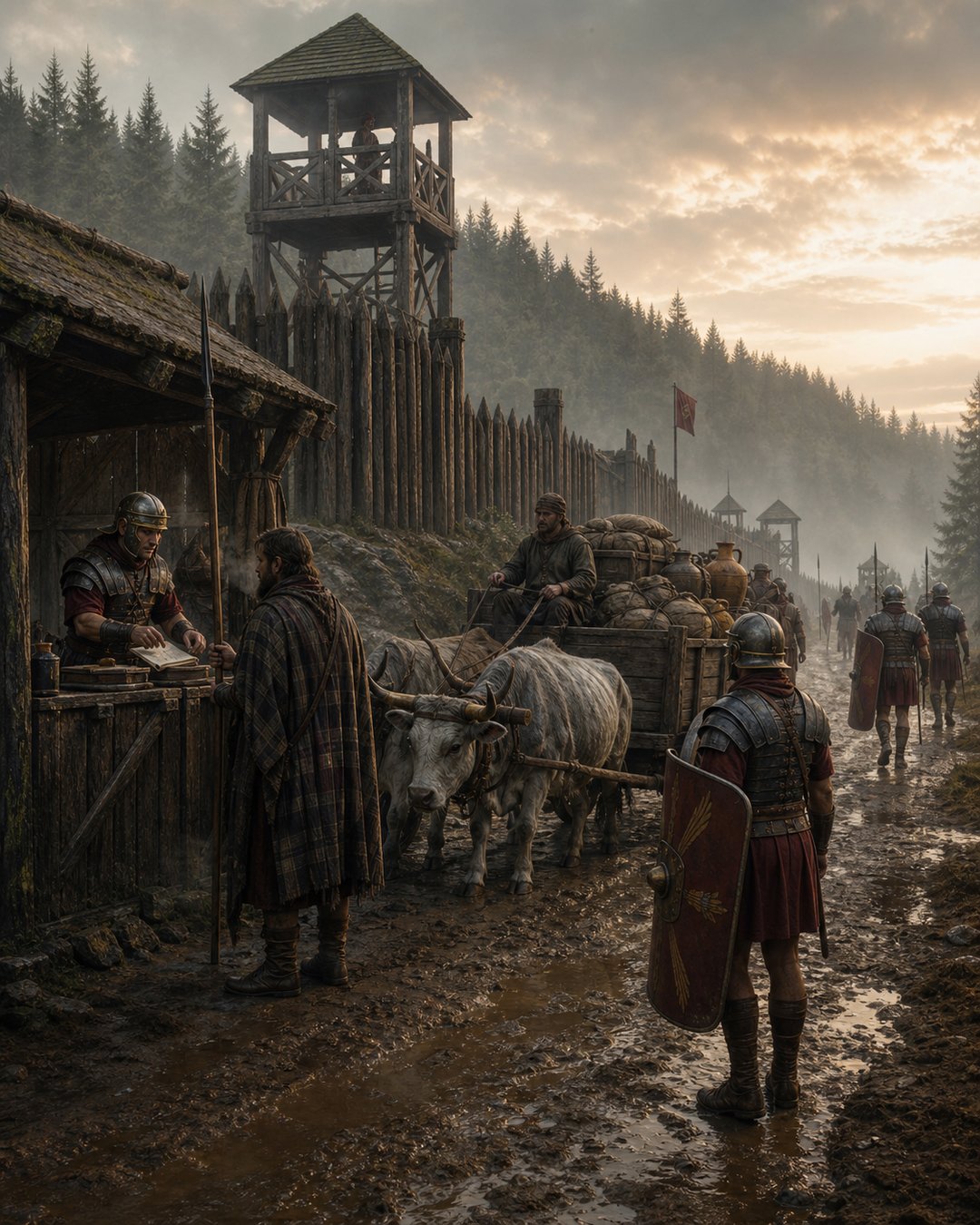
A Roman frontier was not made permanent by drawing a line on a map. It became convincing when soldiers dug ditches, raised gates, stored grain, repaired barracks, wrote rosters, and woke up to the same guarded landscape day after day. The fort was the frontier’s daily proof. That is why Roman forts made frontiers feel … Read more

Why Vestal Virgins Made Rome Feel Protected

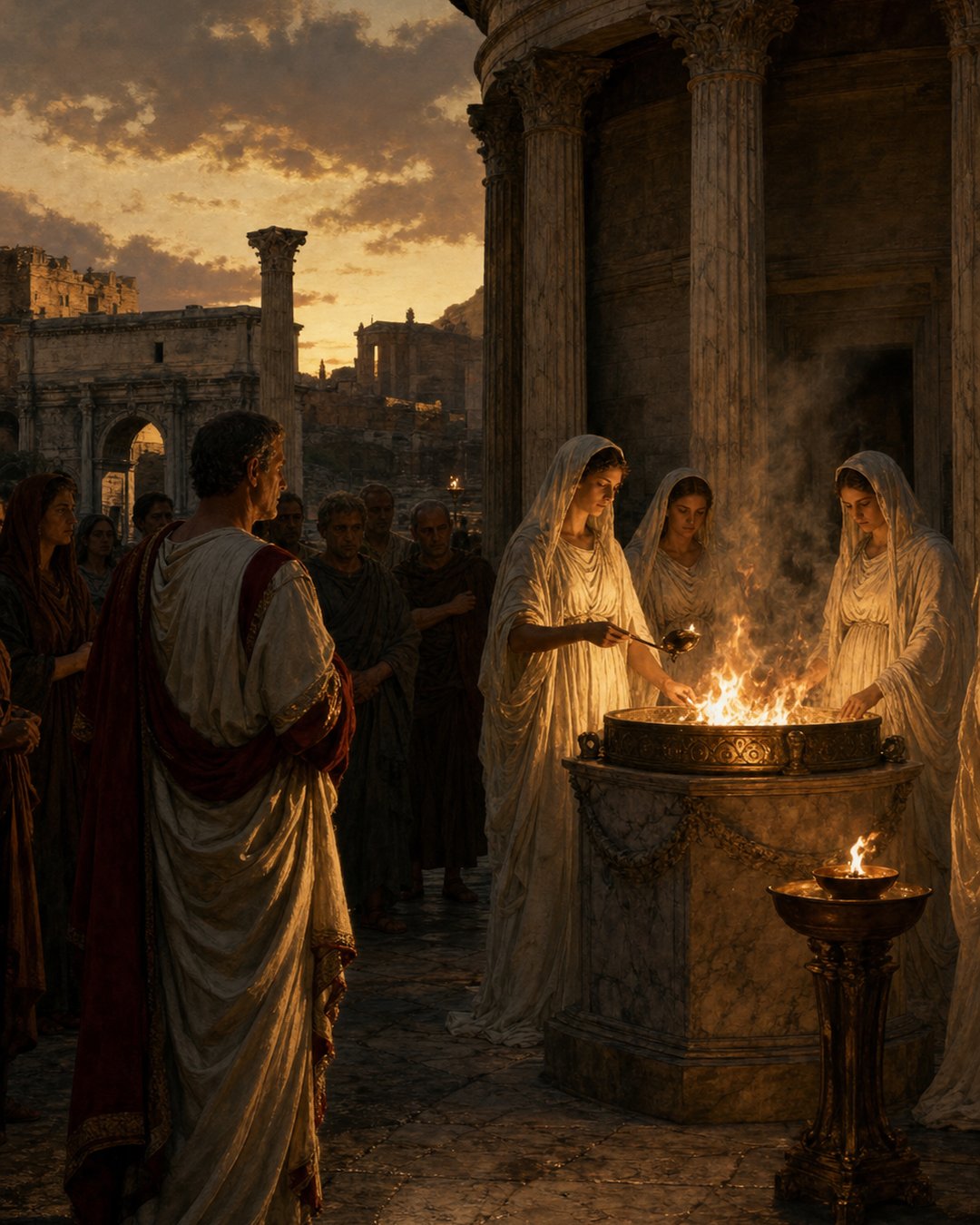
The Vestal Virgins made Roman protection visible through something deliberately small: a fire that had to keep burning. Armies could march, magistrates could speak, and emperors could boast, but the hearth of Vesta suggested a deeper security. If the flame still lived, Rome could imagine itself still ordered. That is why the Vestals mattered far … Read more

Why Roman Boundary Stones Made Land Political

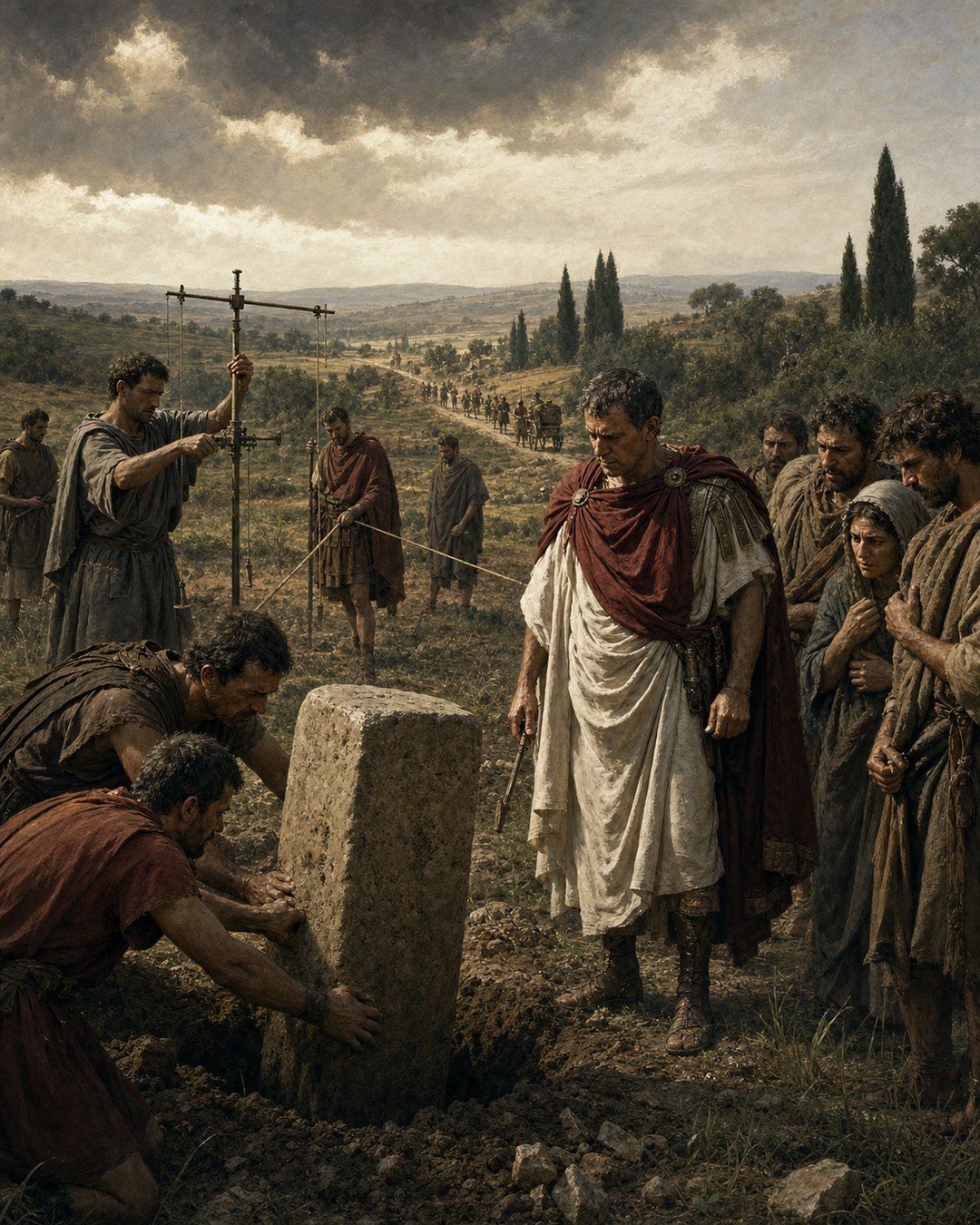
A boundary stone looks quiet until people disagree about it. Then it becomes a witness, a threat, a memory, and a piece of government in the soil. Romans understood that land was not only earth. It was measured earth, inherited earth, taxed earth, sacred earth, and sometimes conquered earth. That is why Roman boundary stones … Read more

What Pompeii’s Election Notices Reveal About Roman Politics

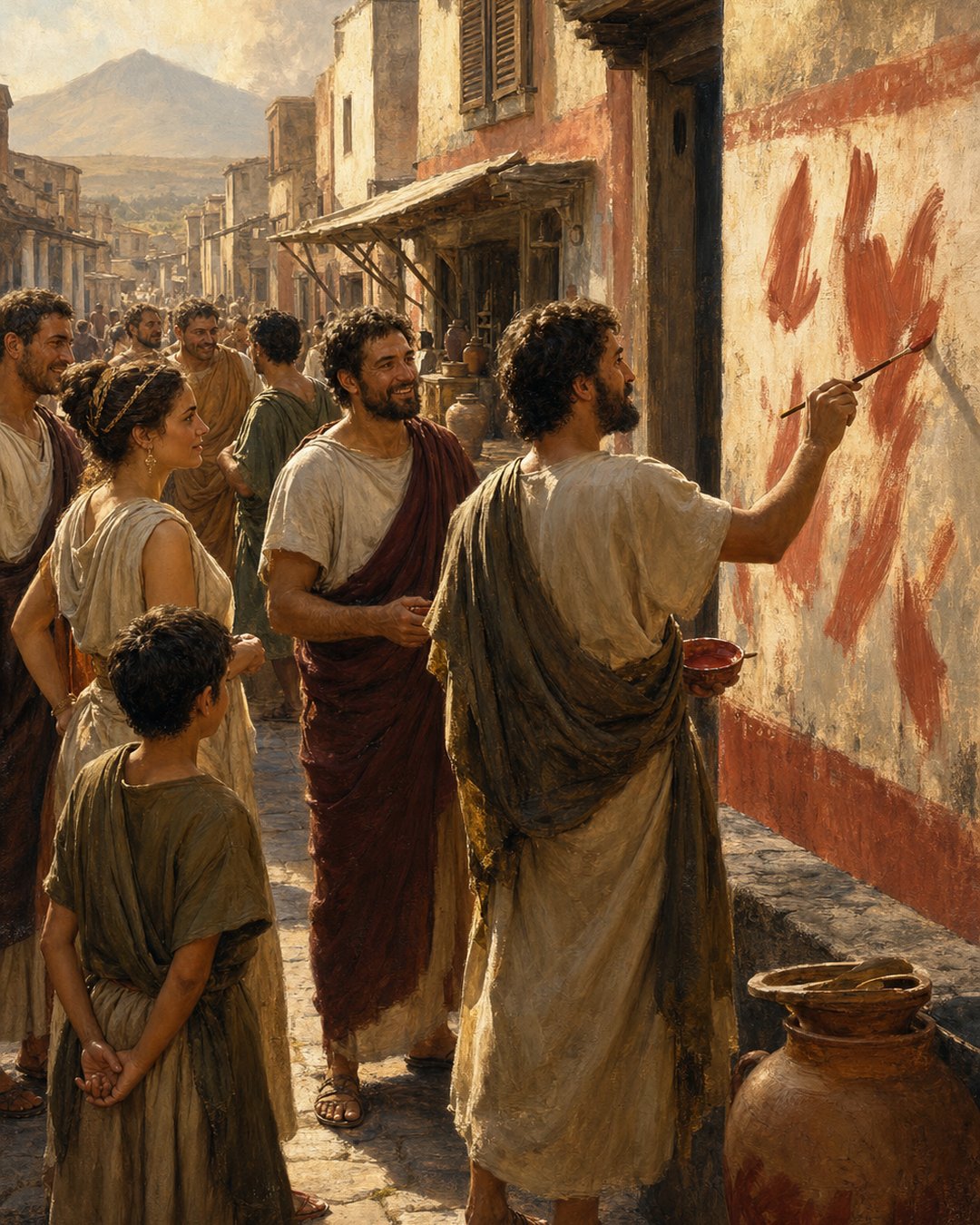
Pompeii’s election notices are easy to miss because they are not grand monuments. They were paint on walls: public recommendations written across streets, shopfronts, house fronts, and busy corners. Yet those painted lines reveal a political world that was not confined to marble forums or senatorial speeches. The eruption of 79 CE froze a town … Read more

Why Trajan’s Column Made War Readable

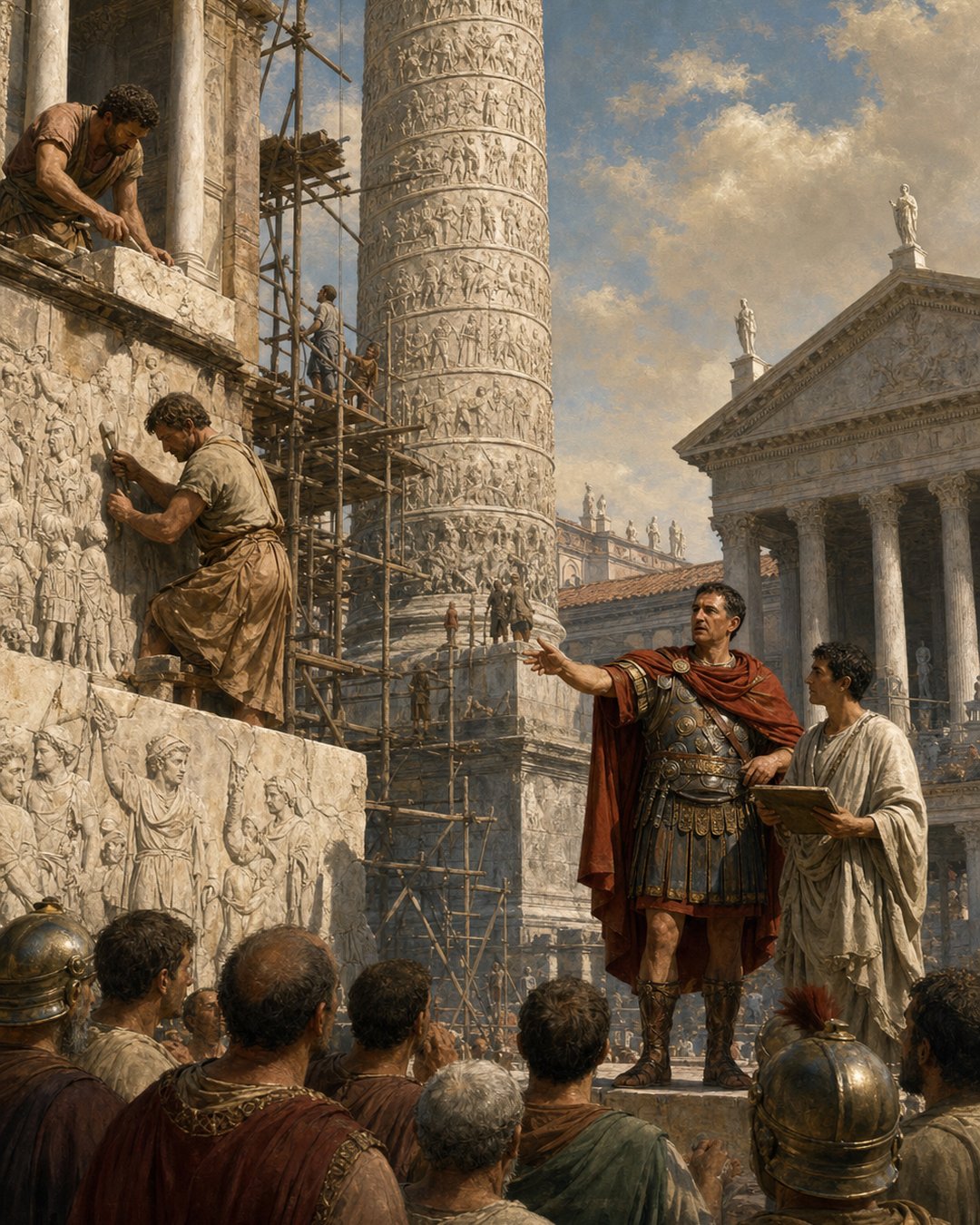
Trajan’s Column did something a battlefield could not do. It brought a distant war back to Rome and made it stand in public, carved in stone, visible to people who had never crossed the Danube or heard a Dacian horn. The monument did not simply announce that Trajan had won. It offered a way to … Read more

Why the Roman Limes Made the Frontier Routine

A frontier sounds dramatic when seen on a map. It becomes stranger when imagined as a work schedule. Men changed guard. Traders waited. Carts were checked. Letters arrived. Roads needed repair. Gates opened and shut. The Roman limes mattered because it made the empire’s edge routine. The limes was not one identical wall running around … Read more

Why Roman Lighthouses Made the Sea Feel Governed

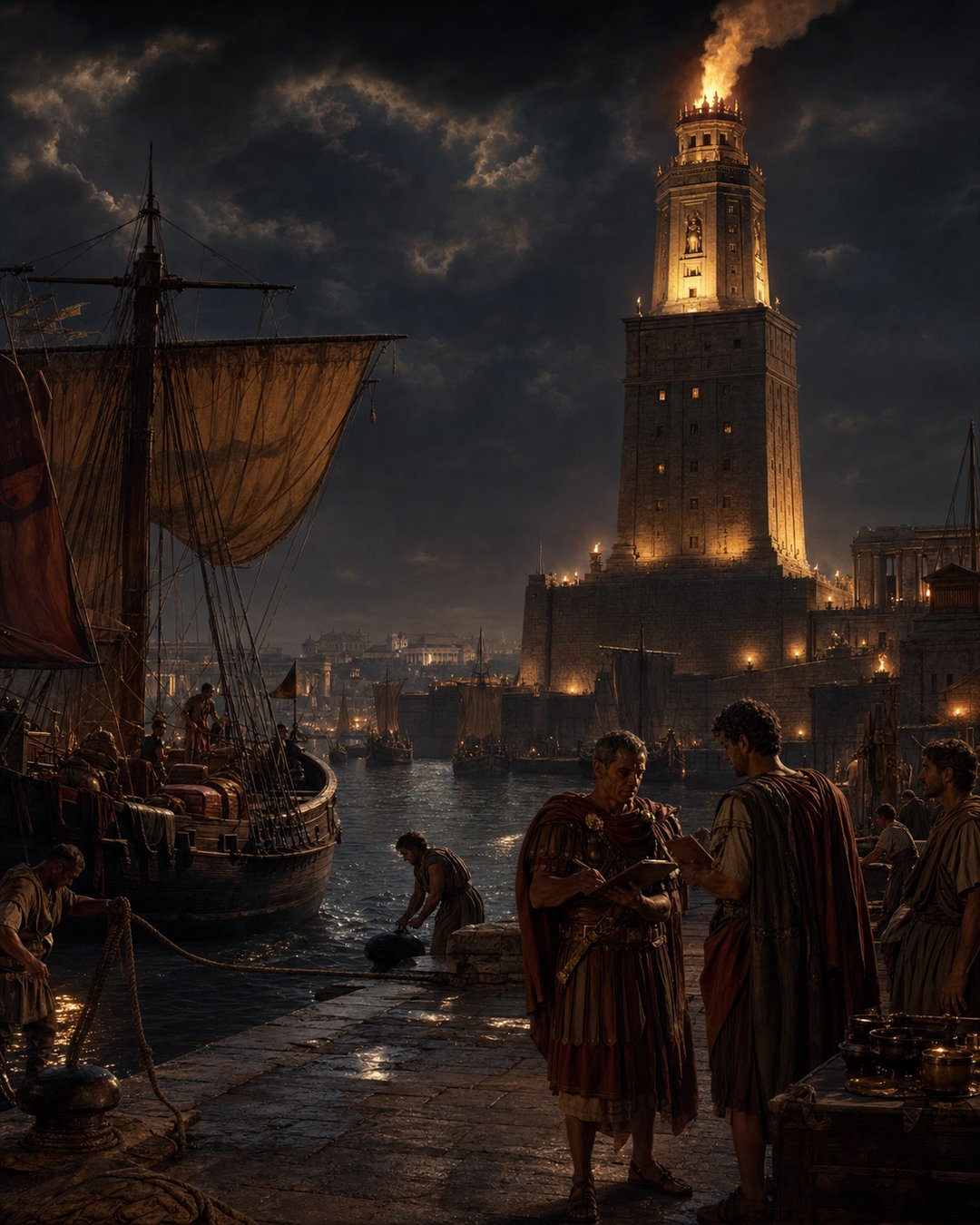
A lighthouse is a simple idea only from a safe distance. Raise a fire where sailors can see it, and the coast becomes less mysterious. But in the Roman world, that raised light did more than help ships find harbor. It made the sea feel watched, expected, and partly governed. Roman power did not end … Read more

Why the Appian Way Made Conquest Durable

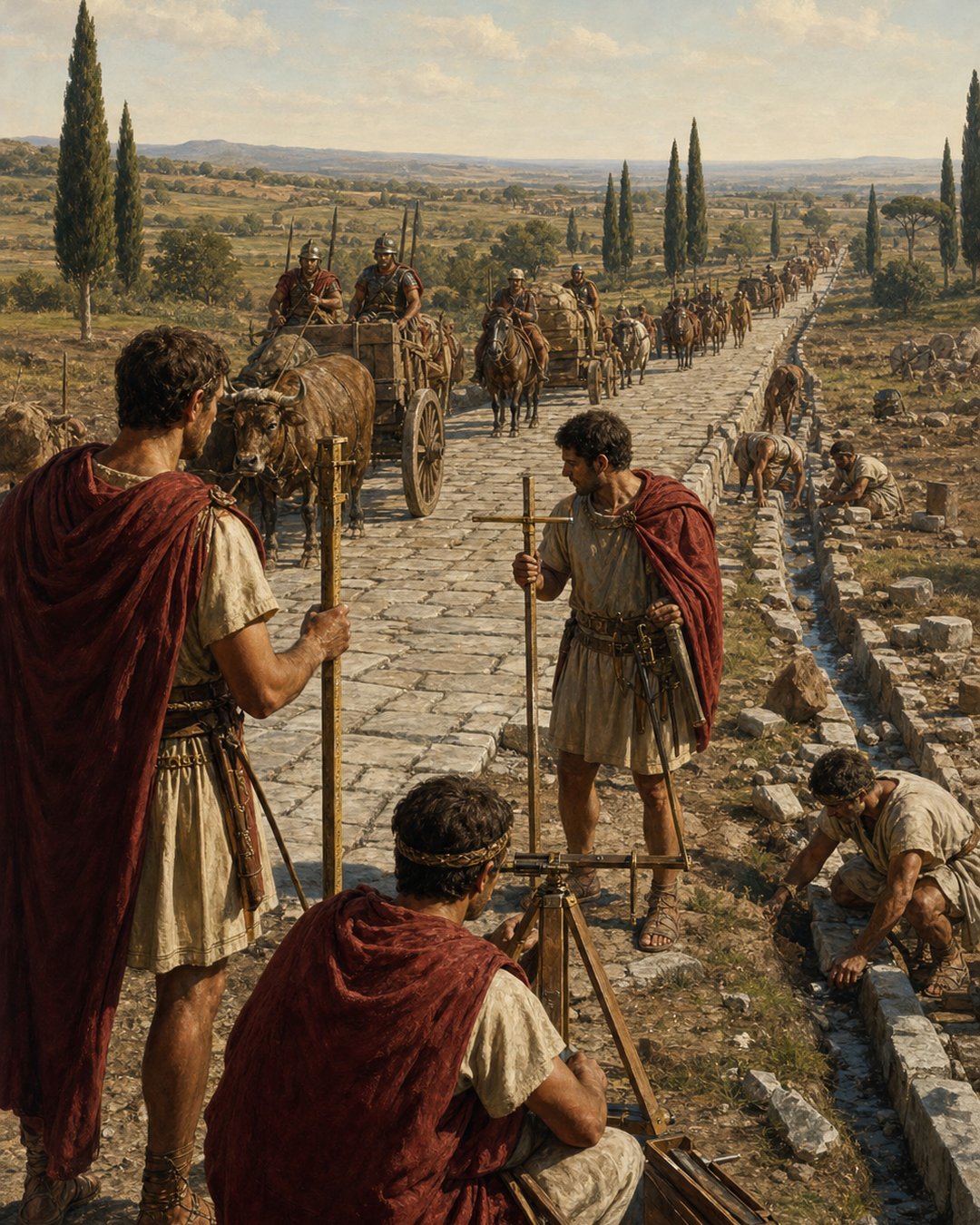
A battle can change a map for a season. A road can keep changing it for centuries. The Appian Way mattered because it made Roman power returnable. Soldiers could march, messengers could ride, merchants could follow, officials could inspect, and taxes could move along the same engineered line. Begun in 312 BCE by Appius Claudius … Read more

Why Saturnalia Let Rome Practice Disorder

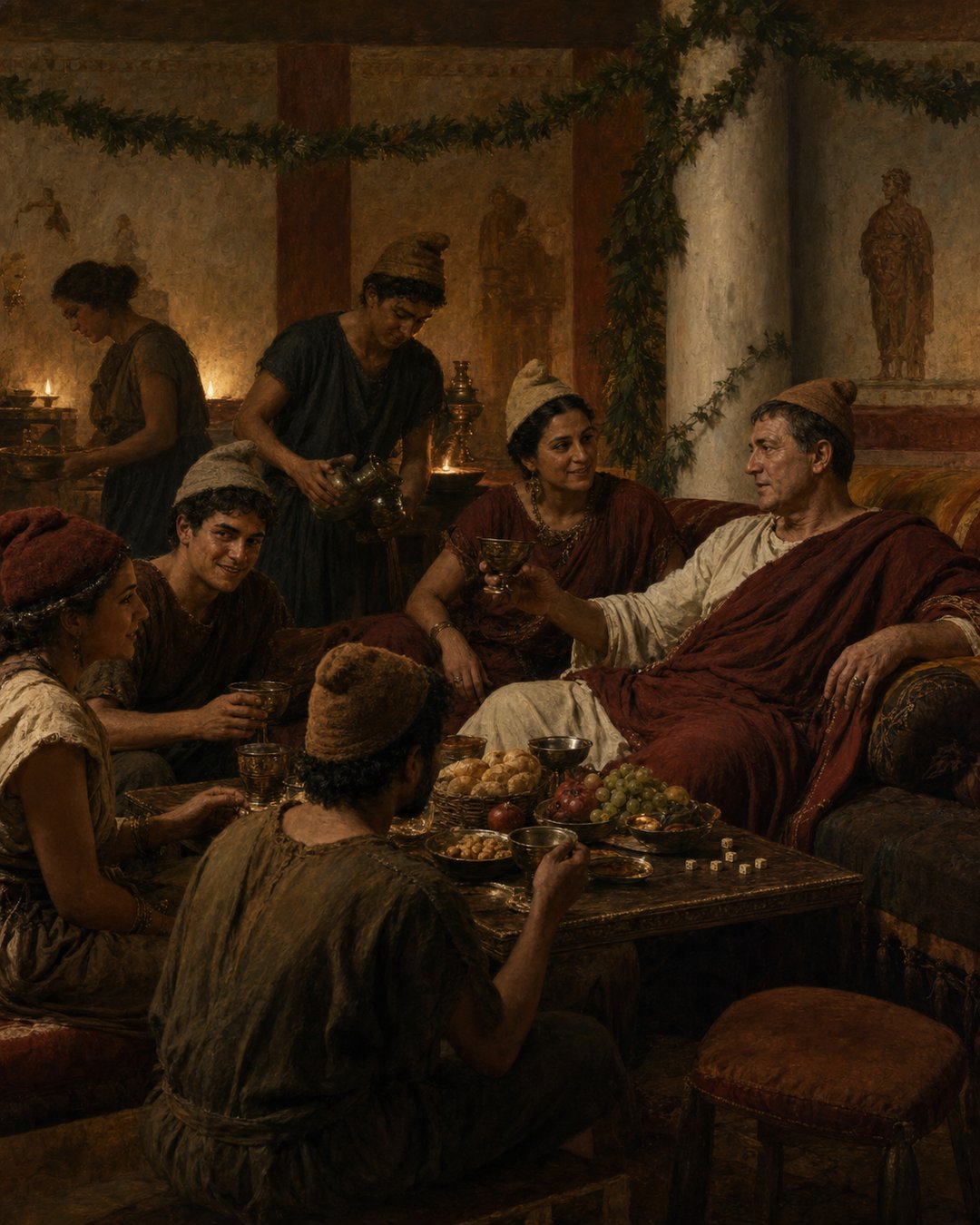
Saturnalia can look, at first glance, like Rome taking a holiday from being Rome. The festival brought feasting, gifts, dice, jokes, loosened behavior, and famous reversals of household order. A society that cared intensely about rank allowed itself to imagine the world turned upside down. That is exactly why the festival mattered. Saturnalia did not … Read more