Why Roman Burial Clubs Made Memory Affordable
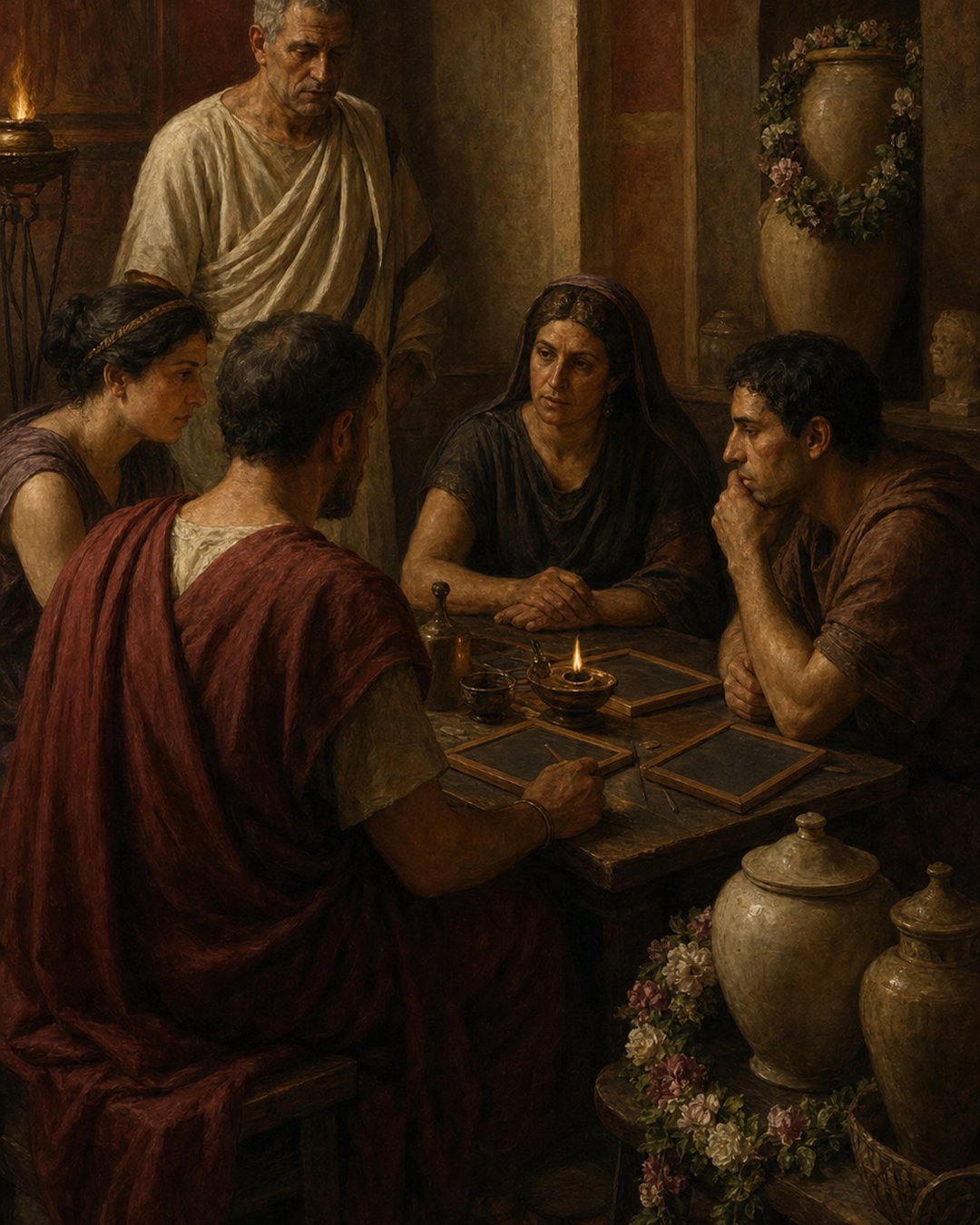
Death exposed Roman inequality with unusual cruelty. Some families could turn grief into monuments; others faced the fear of being forgotten, mishandled, or left without the rituals that made a life socially complete. Roman burial clubs made memory affordable because they turned funerary care into a collective obligation. A modest association could give ordinary people … Read more
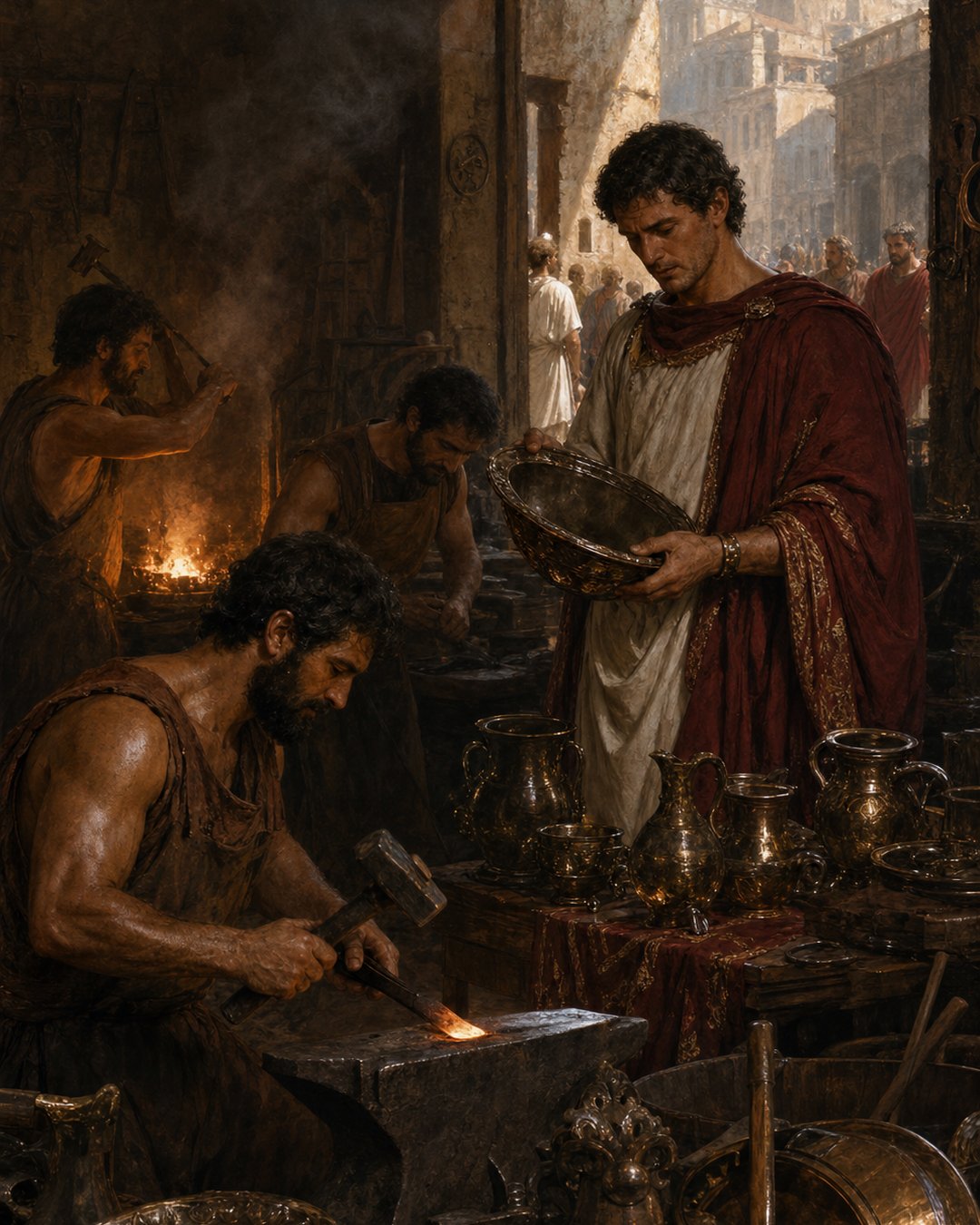
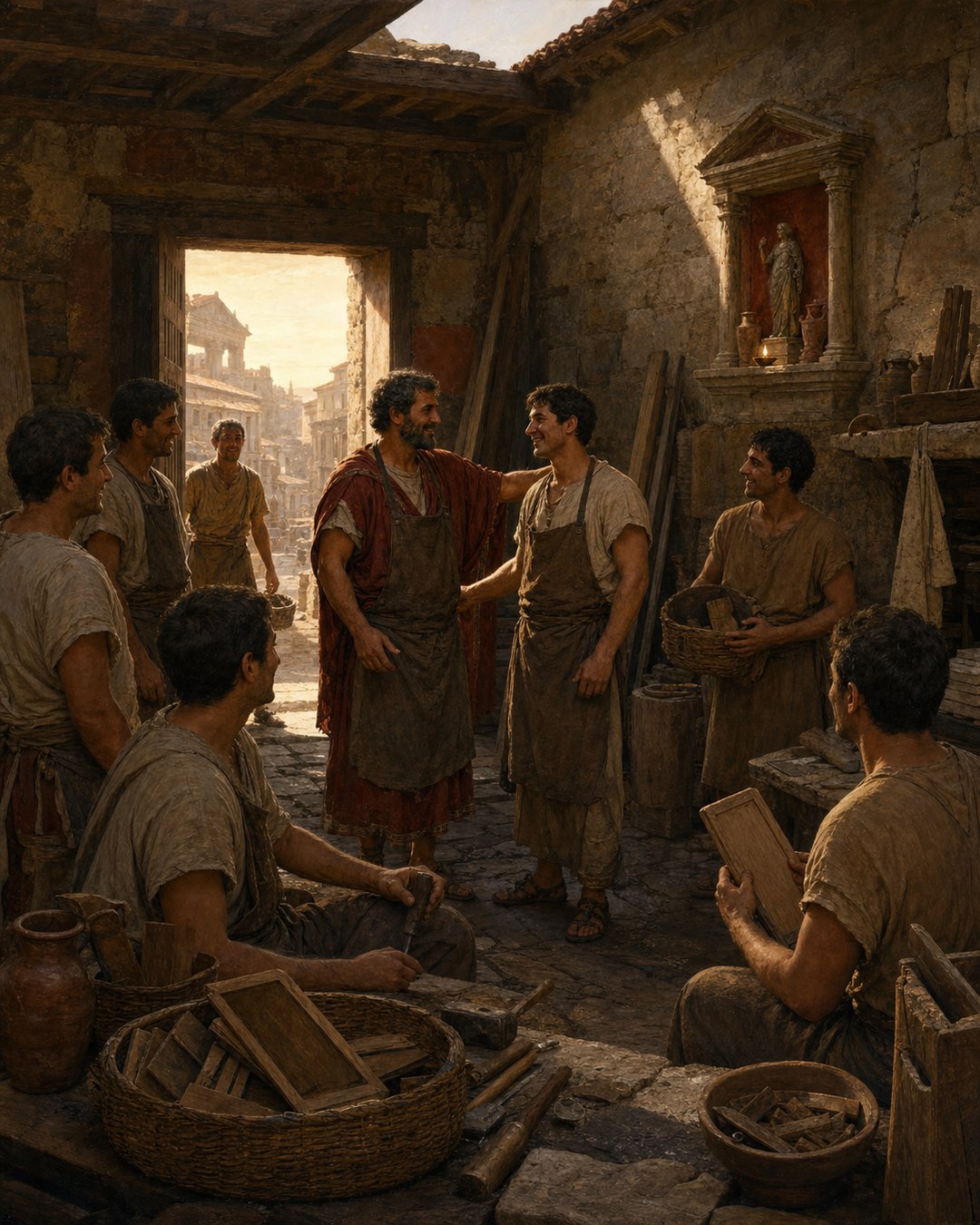
How Roman Workshops Made Craft Public

A Roman workshop was not simply a room where things were made. When it opened toward the street, it became a public argument about skill, reliability, noise, and reputation. Roman workshops made craft public because labor could be watched, heard, smelled, and judged. The doorway turned work into evidence before the finished object ever changed … Read more

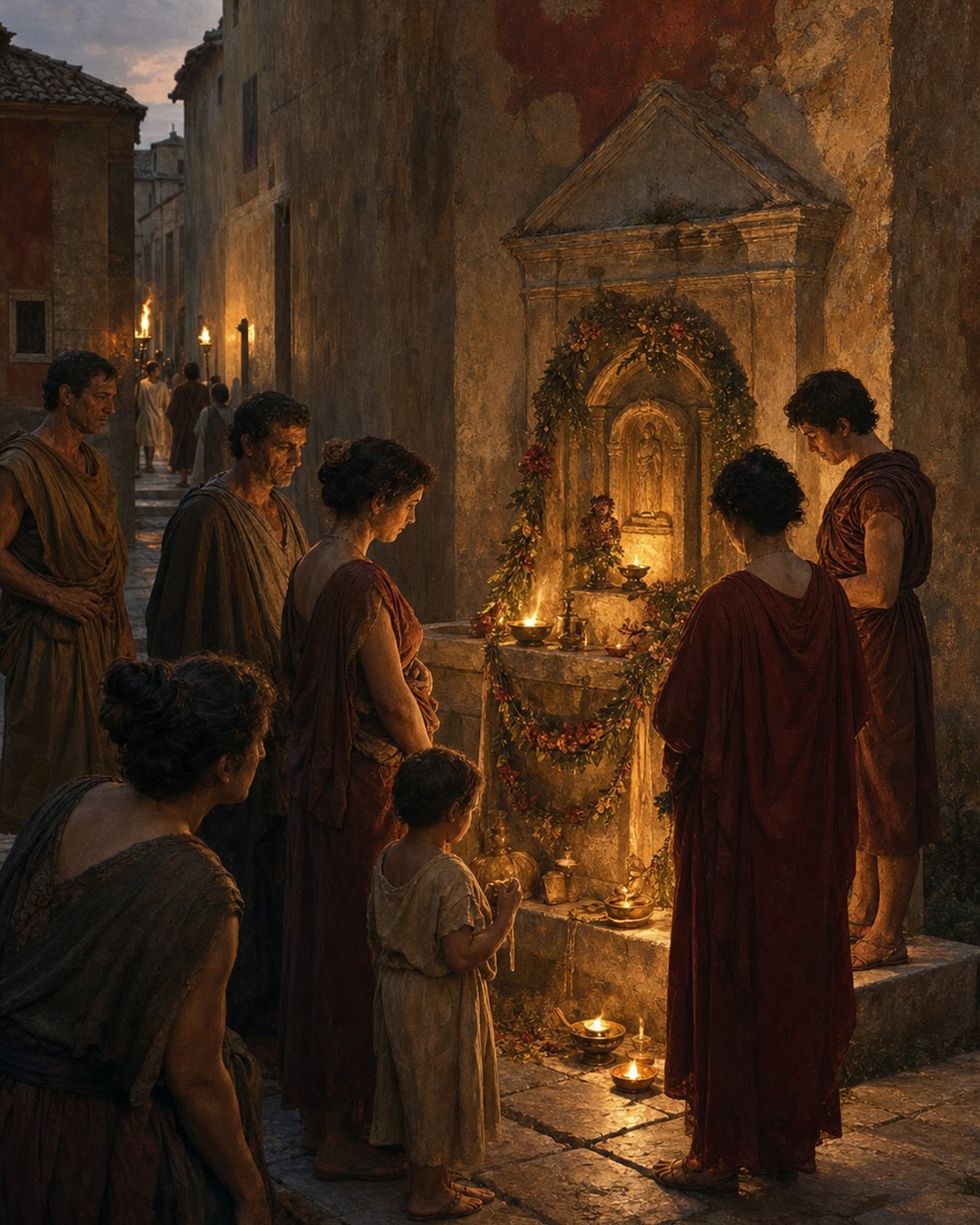
Why Roman Crossroads Shrines Made Neighborhoods Visible

A Roman crossroads was never only a place to turn left or right. It was where carts slowed, neighbors recognized one another, shopfronts opened, gossip moved, and local gods could be noticed by people who might not share a household. Roman crossroads shrines made neighborhoods visible because they gave a vicus a sacred marker in … Read more

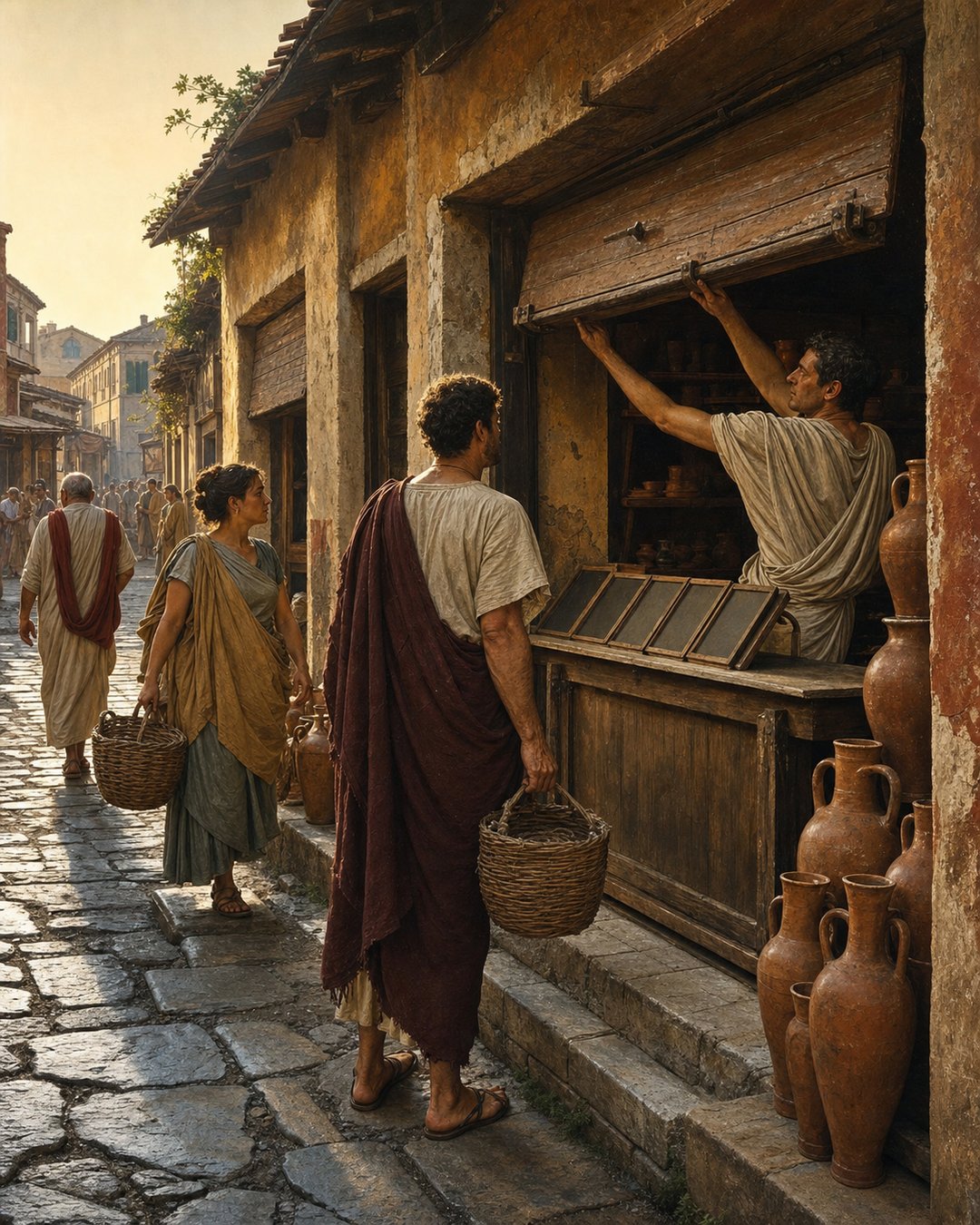
Why Roman Tabernae Made Streets Into Marketplaces

A Roman market was not confined to one grand space. It could appear in smaller bursts along a street whenever shutters opened, counters filled, and passersby slowed down. Roman tabernae made streets into marketplaces because they pushed exchange to the edge of public movement. A doorway became a stage where goods, prices, trust, suspicion, and … Read more

How Roman Collegia Made Work Public

A worker alone can disappear into the background of a Roman street. A group with a name, a meeting place, records, patrons, and rituals is harder to ignore. It begins to look like a body. Roman collegia made work public because they gave shared labor and shared identity recognizable forms. A craft, cult, neighborhood, or … Read more

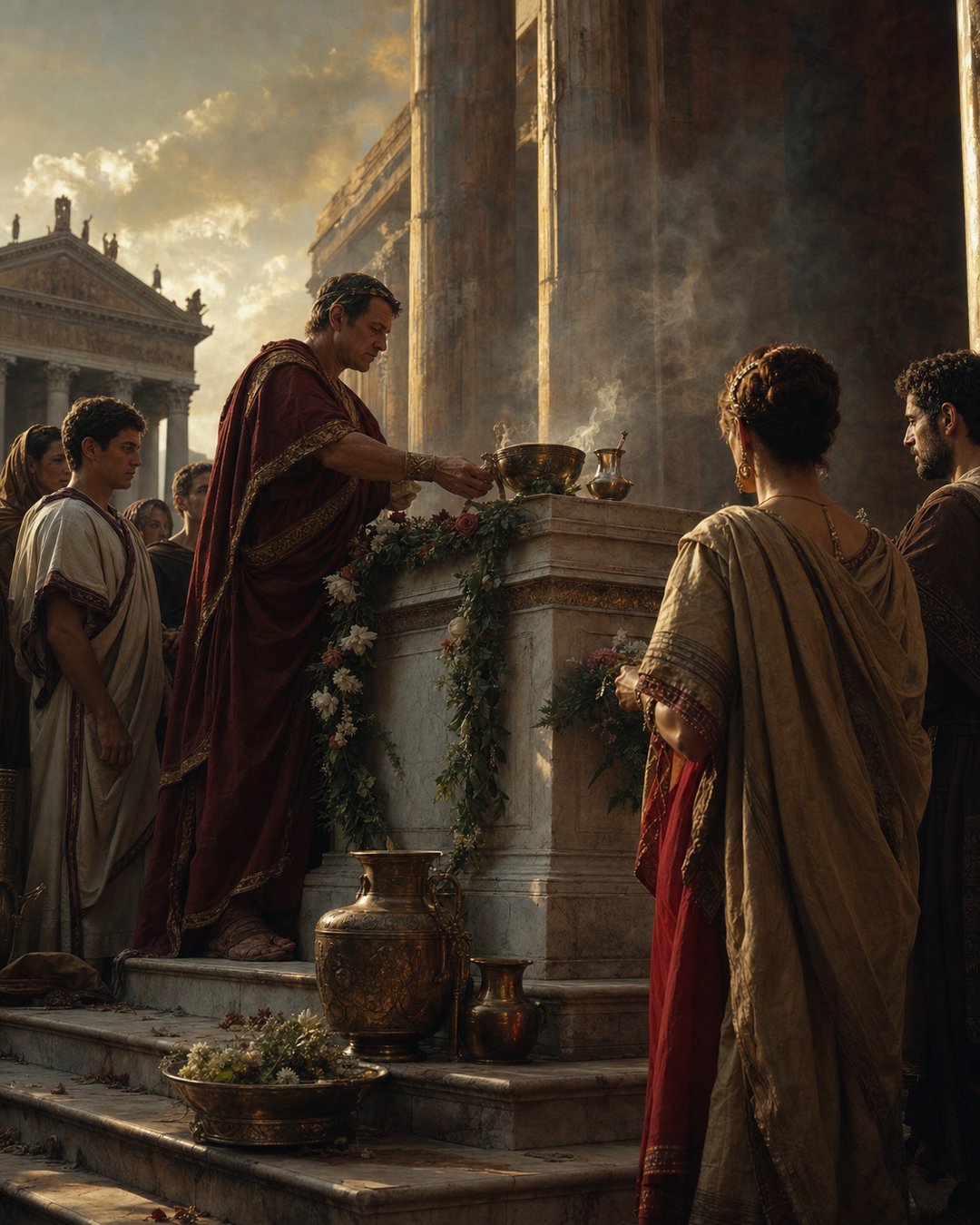
Why Roman Altars Made Vows Visible

A vow can sound private when we imagine it as a thought whispered in fear or gratitude. Rome often made that promise harder to hide. It gave the promise stone, smoke, a route, witnesses, and a place where memory could return. Roman altars made vows visible because they turned religious obligation into public action. The … Read more

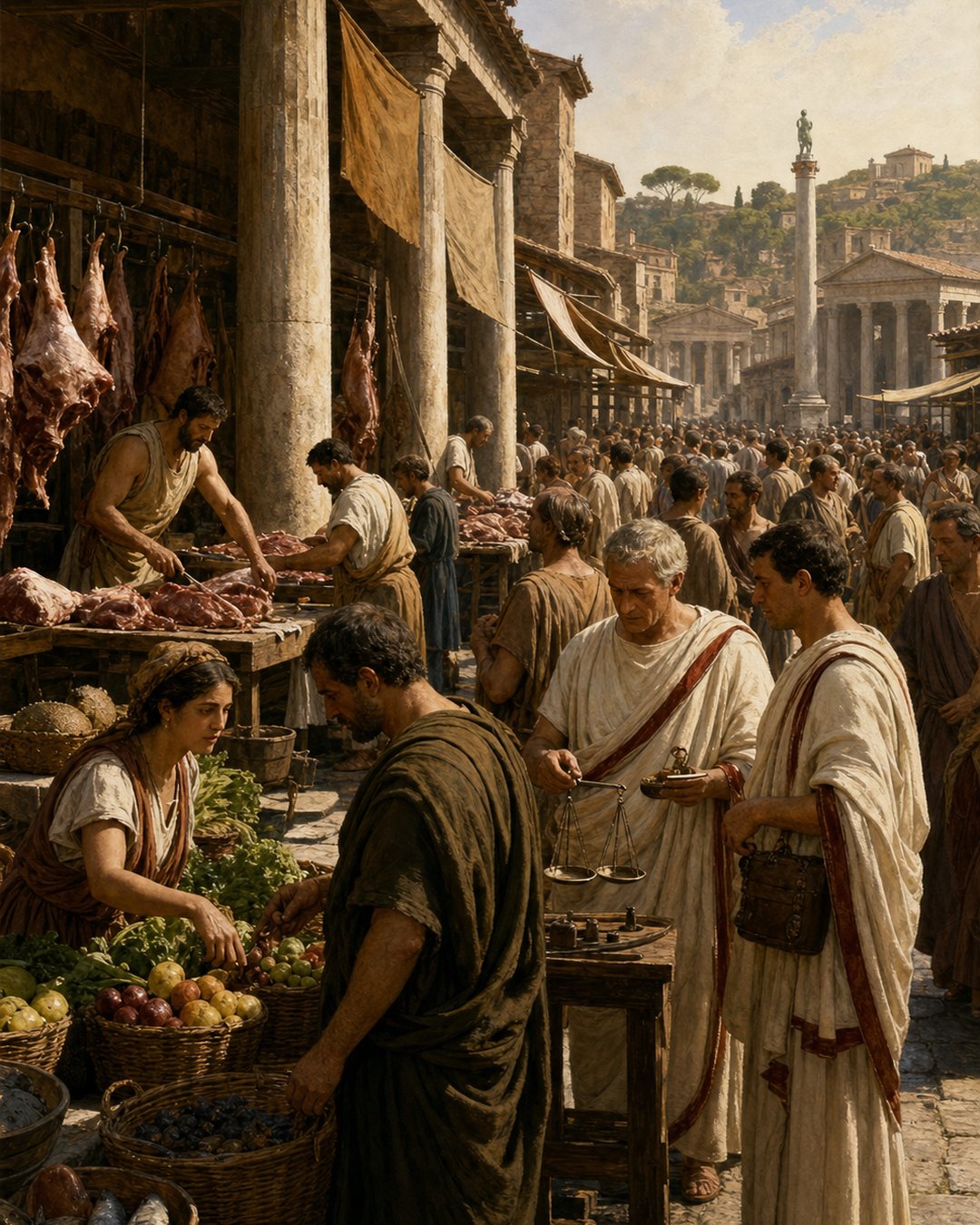
How Roman Market Days Made Rural News Public

A market day begins with practical things: baskets, animals, meat, vegetables, coins, measures, and the awkward work of getting goods into town. But practical gathering has a way of becoming public life. Roman market days made rural news public because they turned repeated trade into repeated contact. The nundinae brought sellers, buyers, officials, prices, rumors, … Read more

Why Roman Bridges Made Rivers Feel Governable

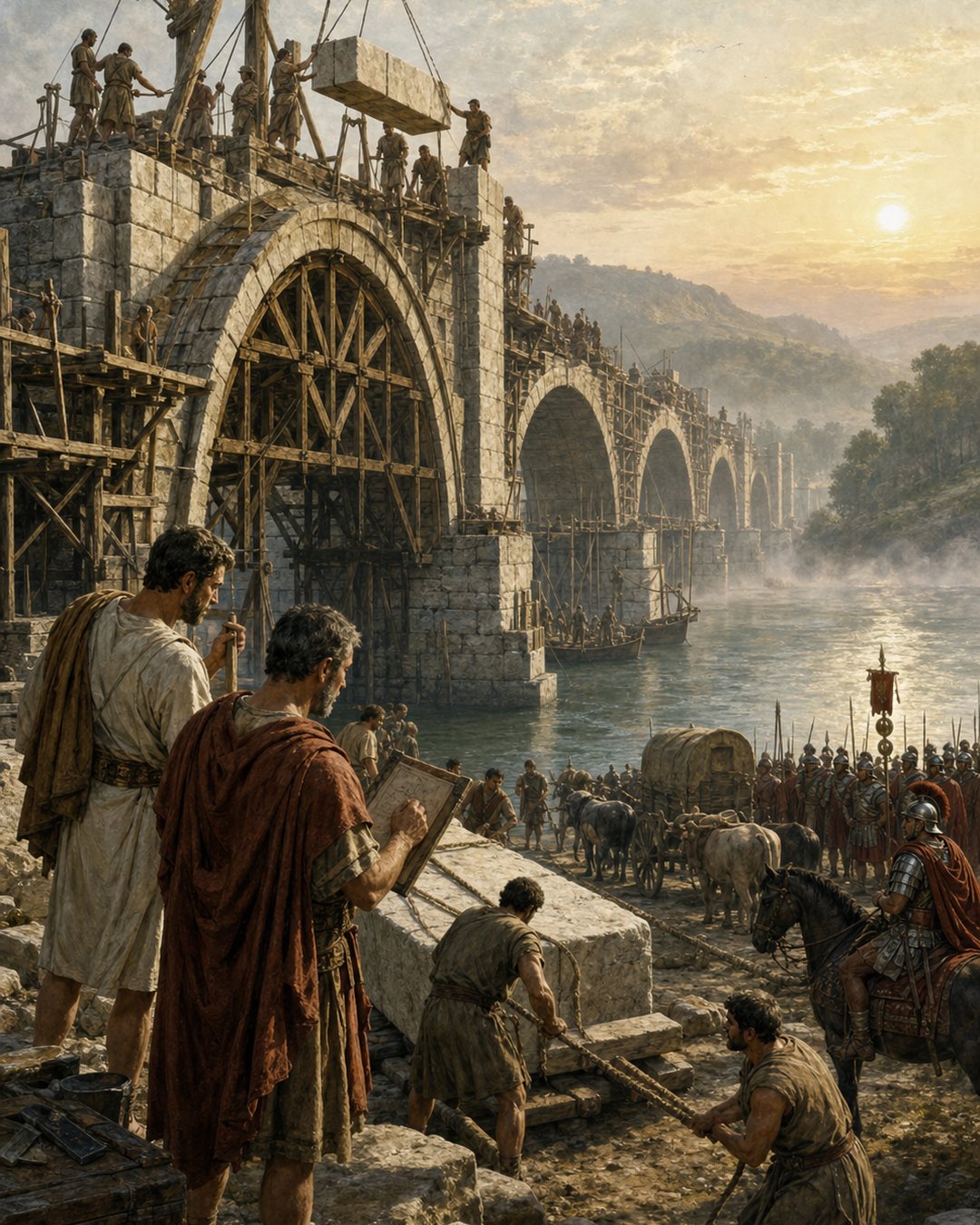
A river is not only water. It is delay, risk, negotiation, weather, memory, and the chance that movement will fail at exactly the wrong place. Rome understood that a crossing could be political before anyone called it that. Roman bridges made rivers feel governable because they turned an uncertain edge into a repeated route. Stone, … Read more

How Roman Archives Made State Memory Public

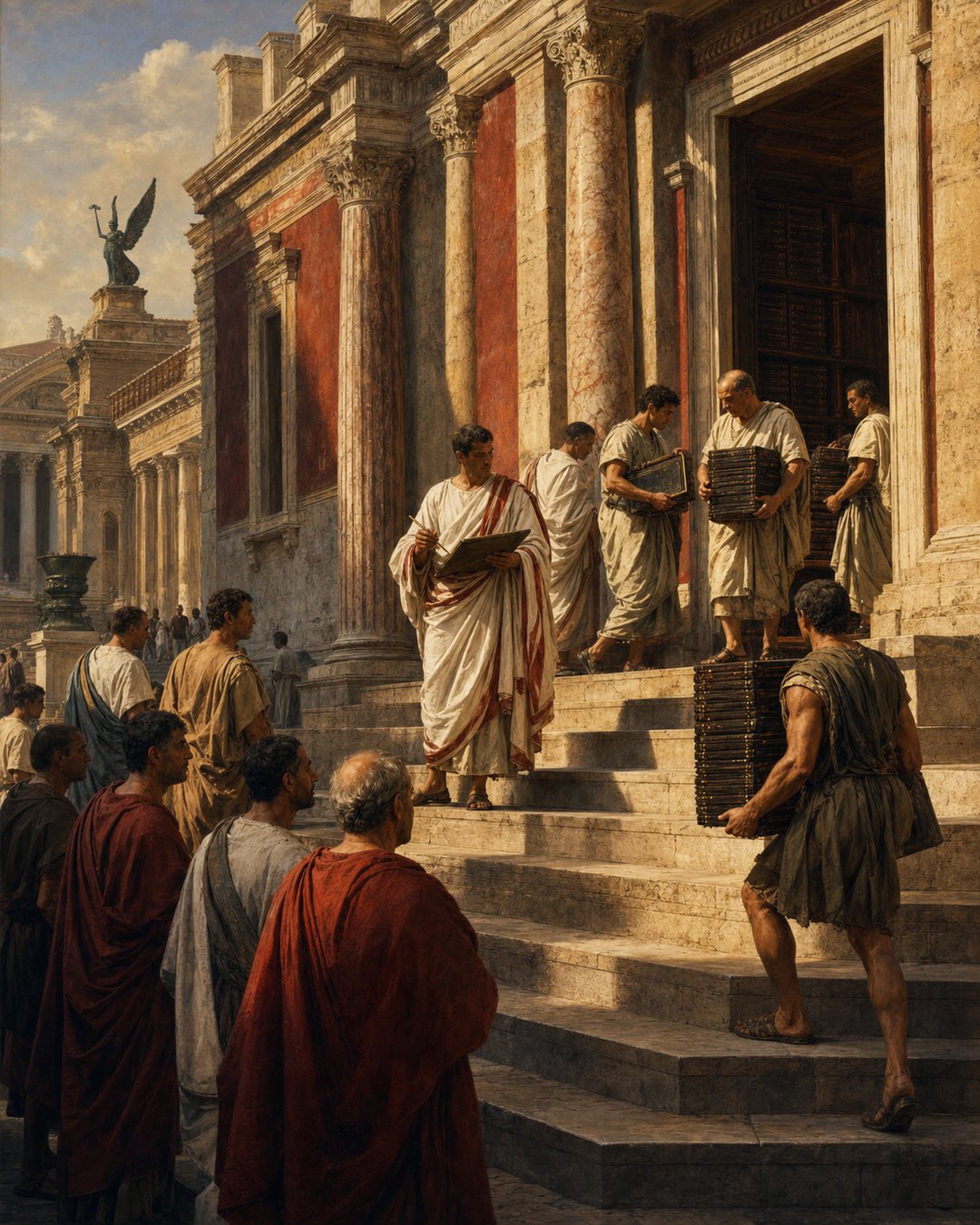
A spoken order can sound powerful in the forum and still fade before the dust settles. Rome’s solution was not only louder speech. It was record, storage, display, and the repeated habit of making authority leave a material trace. Roman archives made state memory public because they turned political acts into objects that could be … Read more

How Roman Aqueduct Inspectors Made Water Trustworthy

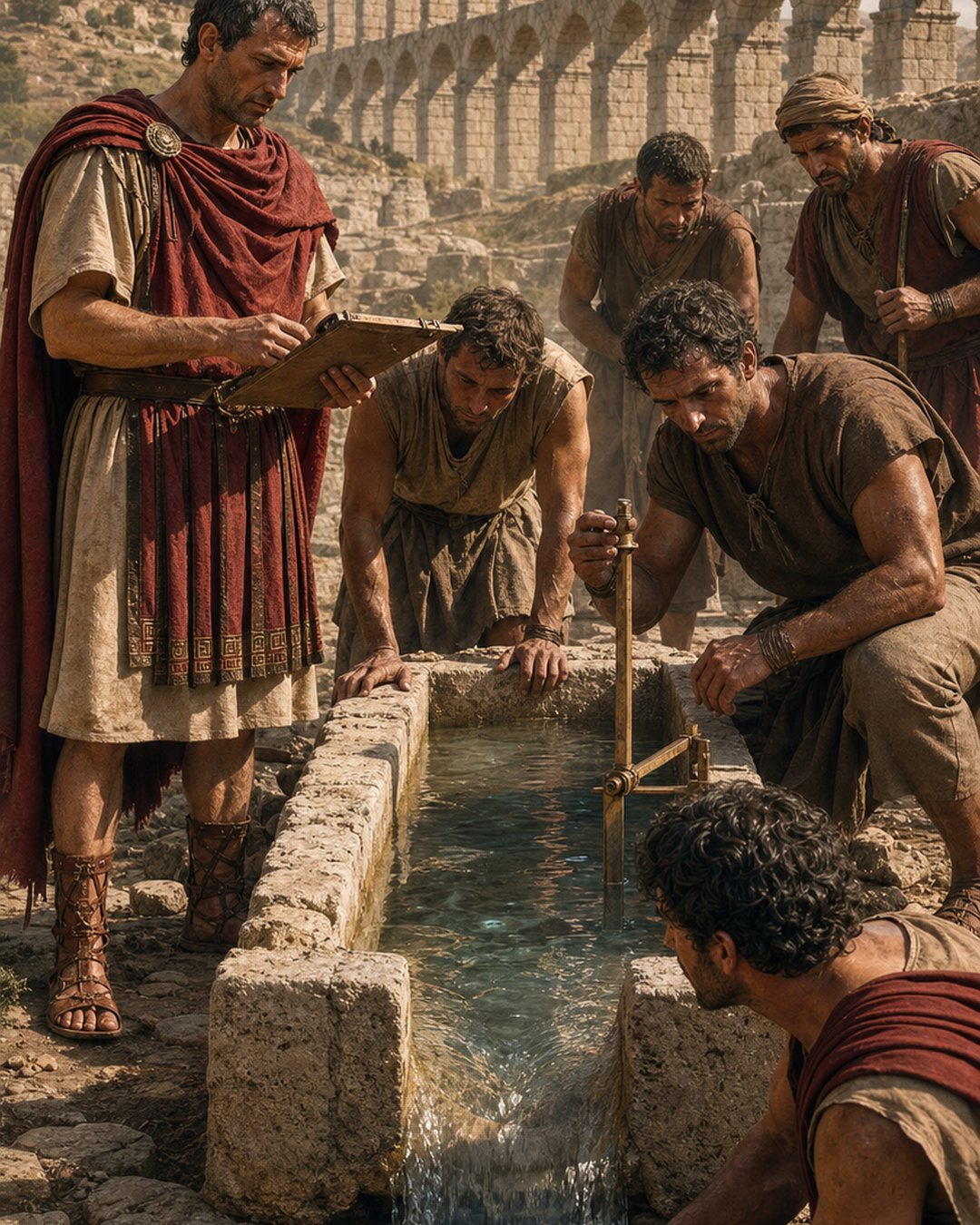
An aqueduct is easy to admire from far away. Arches stride across valleys, water arrives where gravity seems to have been persuaded into civic service, and a city appears to drink from stone. But Roman water did not become trustworthy because arches were beautiful. Roman aqueduct inspectors made water trustworthy because supply depended on oversight … Read more