Why Roman Signet Rings Made Authority Portable

A Roman order did not always arrive with soldiers. Sometimes it arrived as a folded tablet, a sealed packet, or a message whose authority depended on one small impression in wax. The signet ring made that possible. The ring mattered because it let authority travel. A mark pressed by one hand could be checked by … Read more

How Roman Baths Made Public Cleanliness Social

Roman bathing can look luxurious from the outside, all marble, steam, and leisure. But the deeper story is more practical. A bath made cleanliness social by gathering water, heat, attendants, bodies, and conversation into a shared routine. The balneae were not simply rooms where people washed. They were places where infrastructure became a daily experience. … Read more

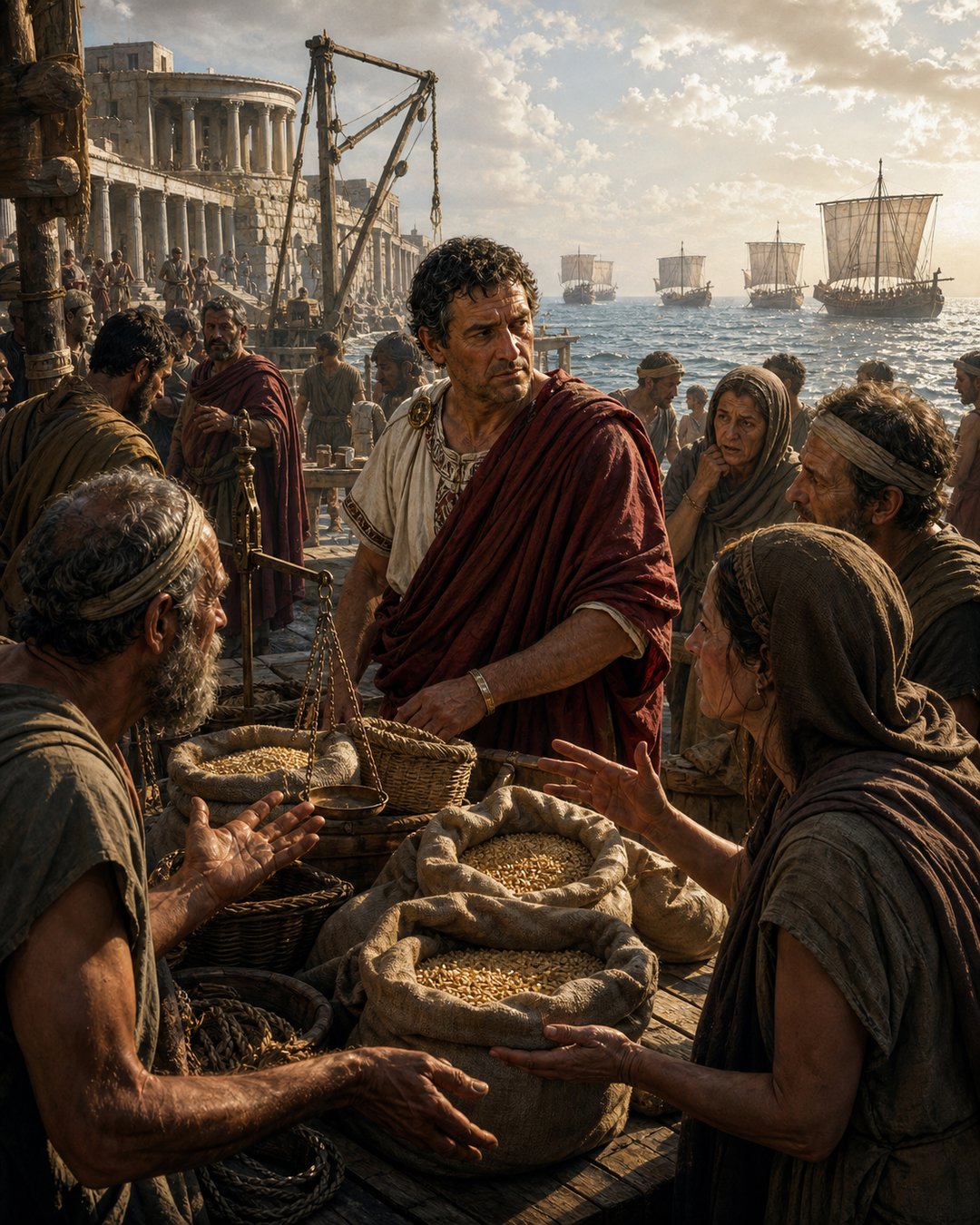
Why Roman Horrea Made Grain Trust Visible

A pile of grain is not the same thing as food security. Grain has to be received, protected, counted, moved, and remembered before it can calm a city or feed a household. The Roman horreum made that fragile process visible. A horreum was a storehouse, granary, or warehouse, and its importance was practical before it … Read more

How Roman Lead Pipes Made Water Rights Visible

A Water Right Needed A Visible Edge Roman water could look like a gift of engineering: arches on the horizon, channels entering the city, fountains running in public space. But the political question began at the edge where water left the shared system and entered a pipe. A right to use water had to become … Read more

How Roman Tesserae Made Identity Small Enough to Carry

The Roman Proof That Fit In A Palm Not every Roman claim needed a speech, a witness list, or an inscription cut deep into stone. Sometimes the proof was small enough to rest in a dirty palm. A tessera could be a token, ticket, counter, or little tablet-like object; the important point is that it … Read more

How Roman Tablets Made State Memory Portable

A Record You Could Hold In One Hand The Roman state did not remember only through marble, bronze, and famous laws carved in public places. A great deal of its everyday memory was smaller, darker, and easier to carry: a wooden tablet with wax inside it, a stylus mark pressed into the surface, a cord … Read more

Why Roman Watermills Made Grain Less Dependent on Muscle

A Roman loaf began long before anyone smelled bread. It began with grain that had to be crushed, measured, moved, and trusted. That work could be done by hands, animals, or a machine that turned flowing water into pressure. Roman watermills made grain less dependent on muscle because they joined natural force to a visible … Read more

How Roman Workshops Made Craft Public

A Roman workshop was not simply a room where things were made. When it opened toward the street, it became a public argument about skill, reliability, noise, and reputation. Roman workshops made craft public because labor could be watched, heard, smelled, and judged. The doorway turned work into evidence before the finished object ever changed … Read more

Why Roman Tabernae Made Streets Into Marketplaces

A Roman market was not confined to one grand space. It could appear in smaller bursts along a street whenever shutters opened, counters filled, and passersby slowed down. Roman tabernae made streets into marketplaces because they pushed exchange to the edge of public movement. A doorway became a stage where goods, prices, trust, suspicion, and … Read more

How Roman Collegia Made Work Public

A worker alone can disappear into the background of a Roman street. A group with a name, a meeting place, records, patrons, and rituals is harder to ignore. It begins to look like a body. Roman collegia made work public because they gave shared labor and shared identity recognizable forms. A craft, cult, neighborhood, or … Read more