How Roman Market Days Made Rural News Public

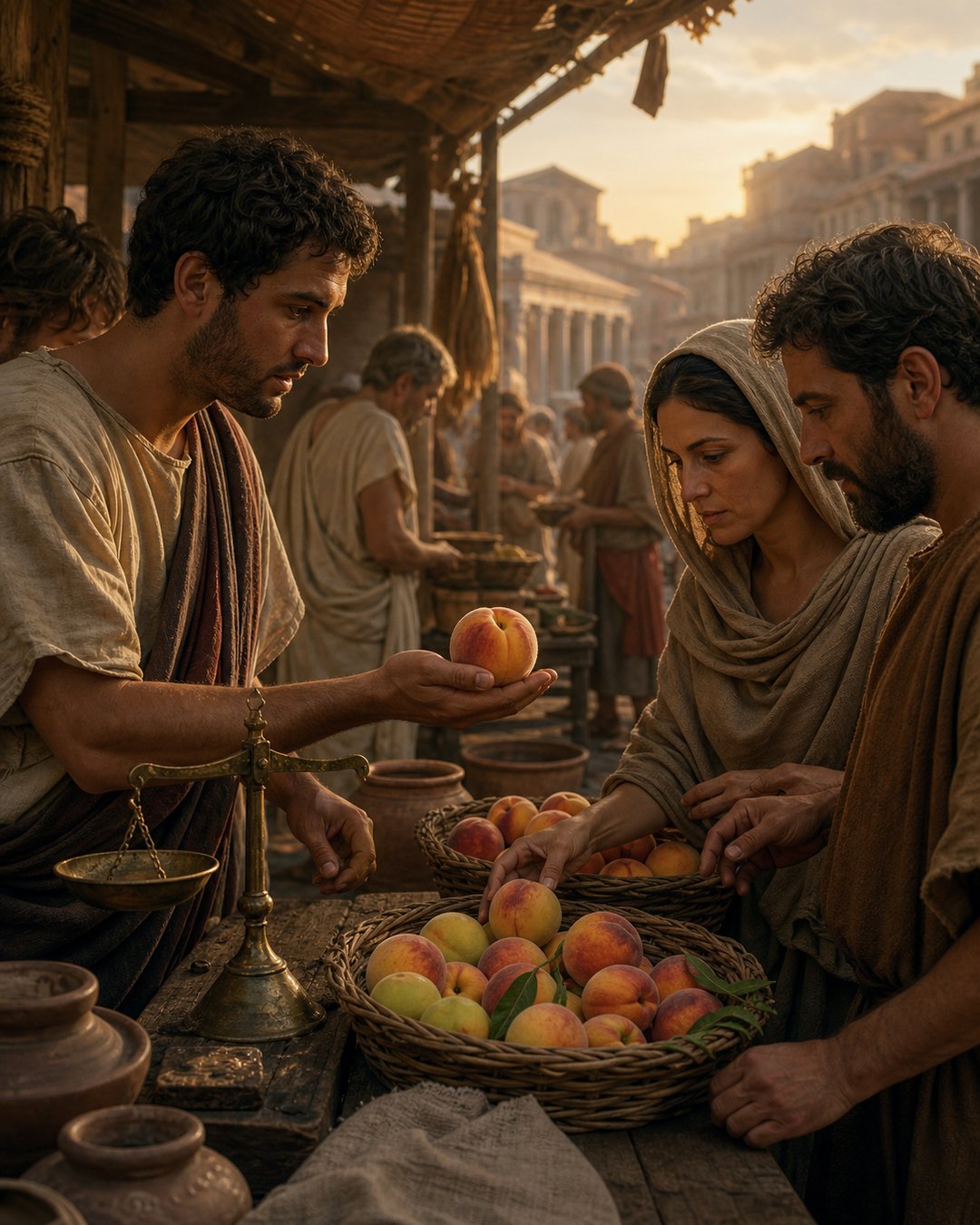
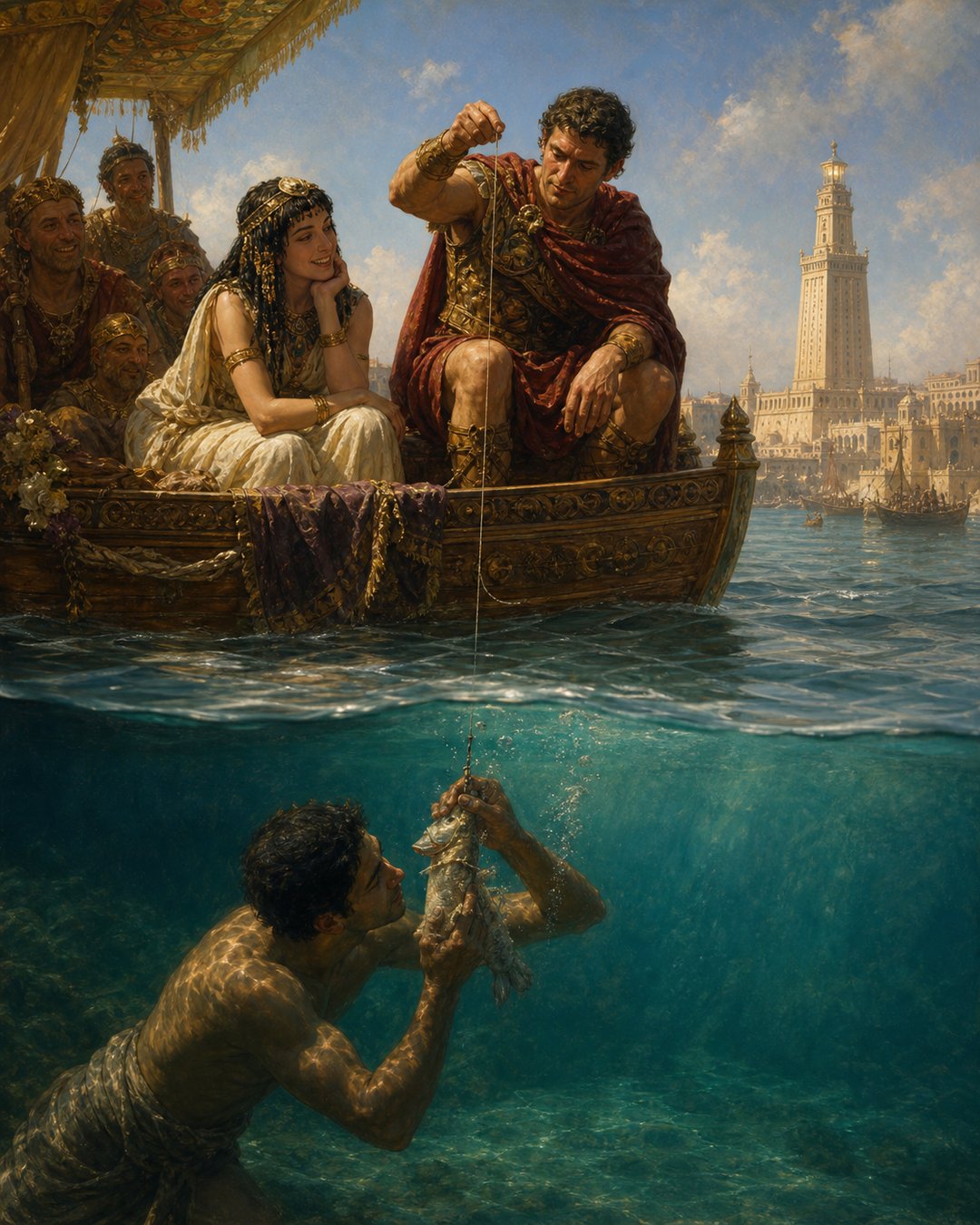
A market day begins with practical things: baskets, animals, meat, vegetables, coins, measures, and the awkward work of getting goods into town. But practical gathering has a way of becoming public life. Roman market days made rural news public because they turned repeated trade into repeated contact. The nundinae brought sellers, buyers, officials, prices, rumors, … Read more

How Roman Aqueduct Inspectors Made Water Trustworthy

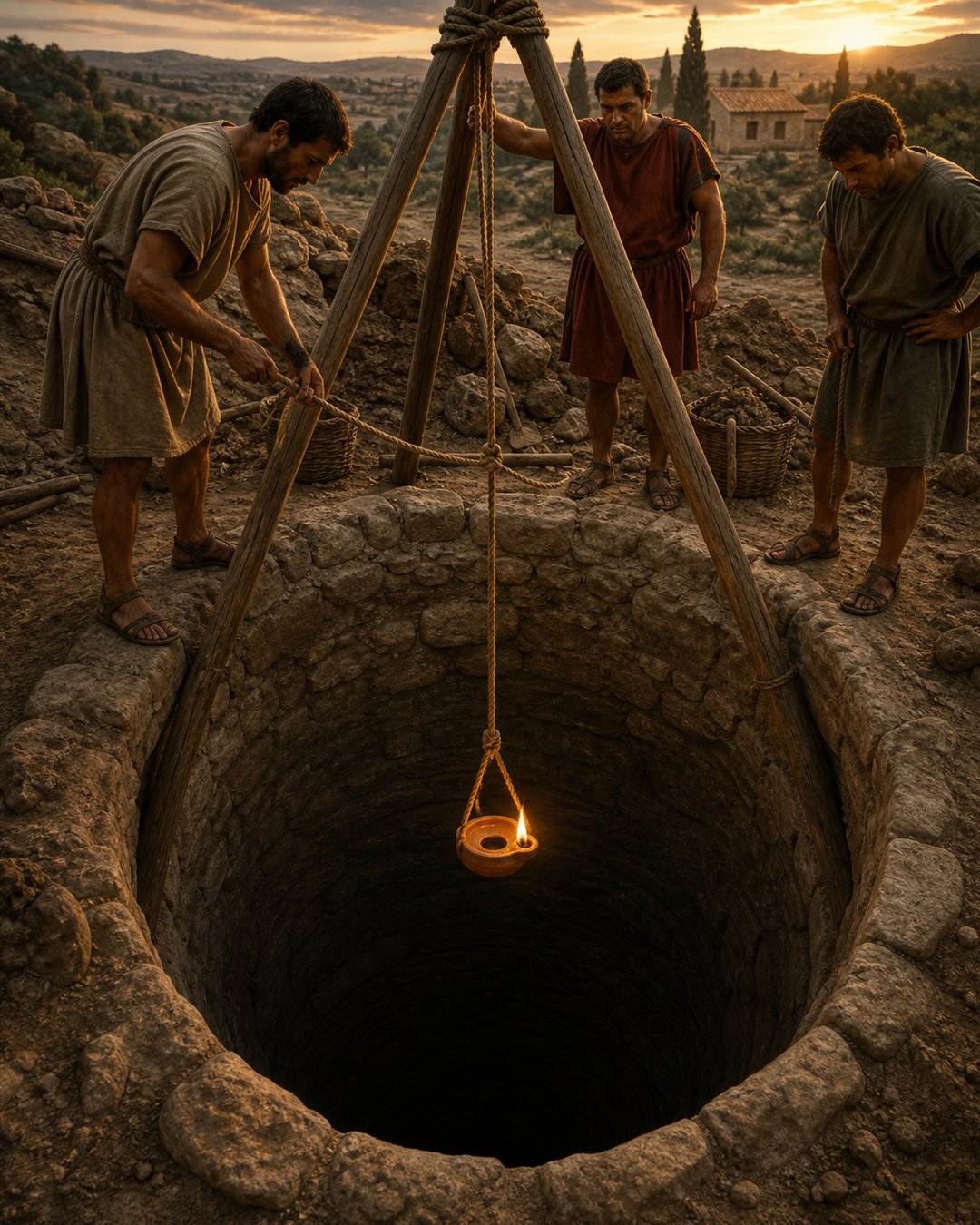
An aqueduct is easy to admire from far away. Arches stride across valleys, water arrives where gravity seems to have been persuaded into civic service, and a city appears to drink from stone. But Roman water did not become trustworthy because arches were beautiful. Roman aqueduct inspectors made water trustworthy because supply depended on oversight … Read more

Why Roman Libraries Made Memory Public

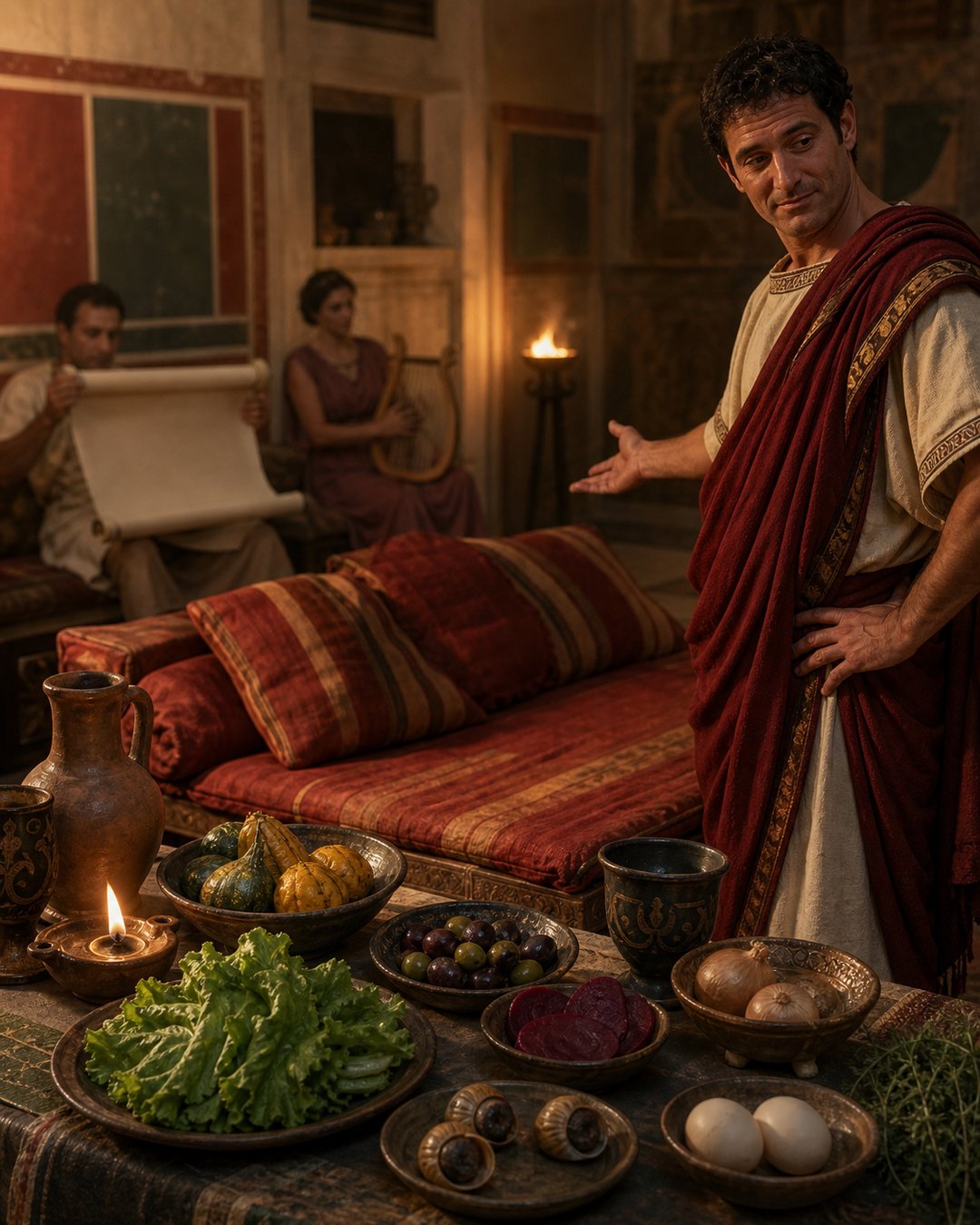
A Roman library was not only a quiet room for people who liked books. It was a place where memory took architectural form: shelves, scroll boxes, busts, tables, porticoes, and controlled access turned learning into something the city could see. Roman libraries made memory public because they changed written culture from scattered possession into a … Read more

Why Roman Oil Lamps Made Night a Public Routine

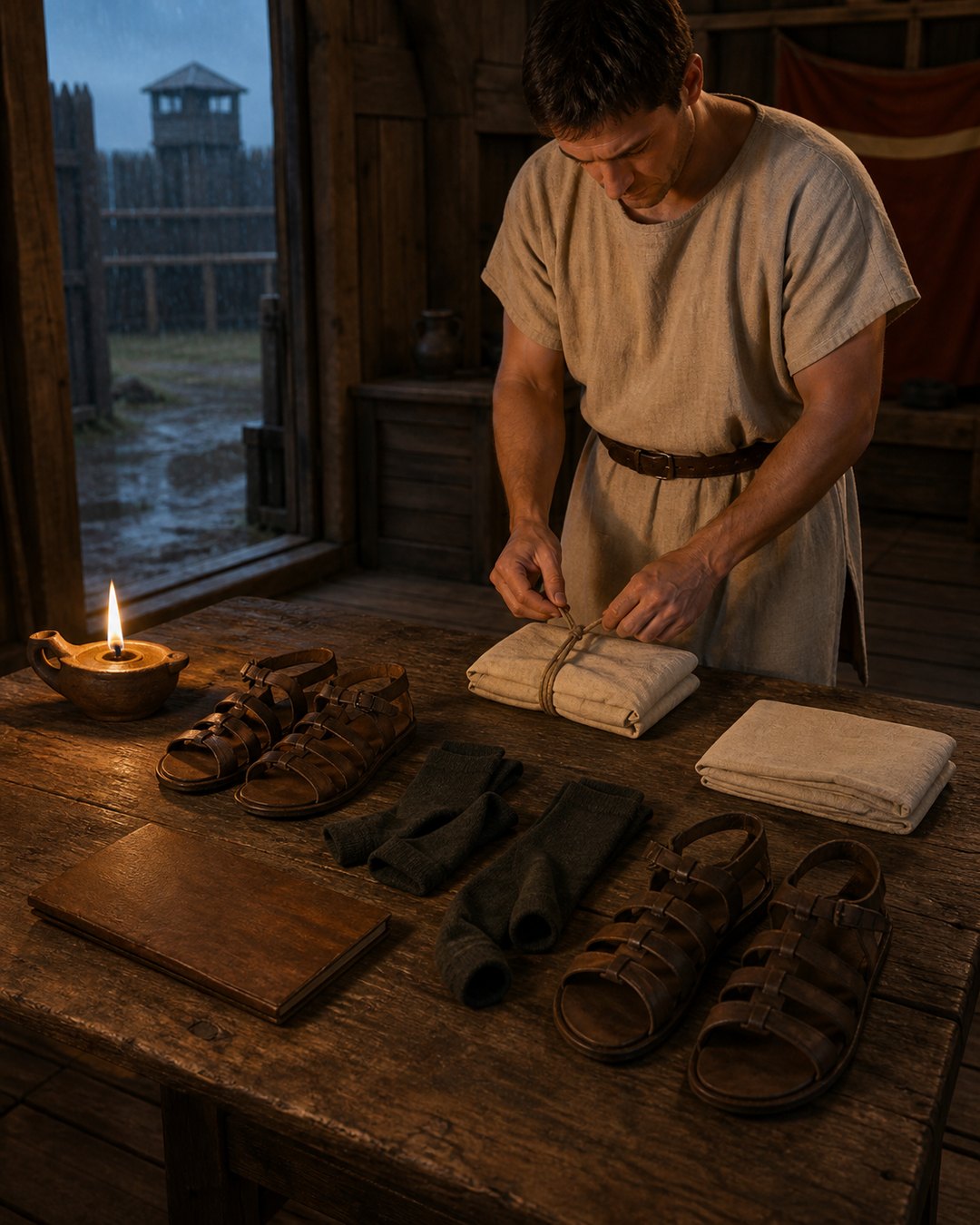
A Roman oil lamp was small enough to fit in a hand, but it changed the social meaning of night. Once flame could be carried, set on a table, hung near a doorway, or placed on a counter, darkness became less like a wall and more like a condition people managed together. Roman oil lamps … Read more

Why Roman Auctions Made Authority Stand Beside a Spear

A Roman auction was not only a way to sell something. It was a way to make value happen in public, under eyes that could remember the object, the bidders, the price, and the authority of the procedure. The detail that makes the scene strange to modern eyes is the spear. The hasta could stand … Read more

Why Roman Porticoes Made Public Life Walkable

A Roman portico looks quiet beside a triumph, an aqueduct, or a battlefield. It is only a line of columns and a roof. Yet that modest architecture solved one of the city’s hardest problems: how to keep public life moving when weather, crowds, status, and business all pressed into the same streets. Roman porticoes made … Read more

Why Roman Basilicas Made Private Business Public

A private dispute changes when it happens under columns. A debt, a bargain, a legal argument, or a promise sounds different when other people can see the waiting, hear the murmur, and remember the faces. Roman basilicas made private business public because they gave ordinary pressure a civic setting. Commerce and law did not vanish … Read more

Why Roman Amphitheater Seating Made Status Visible

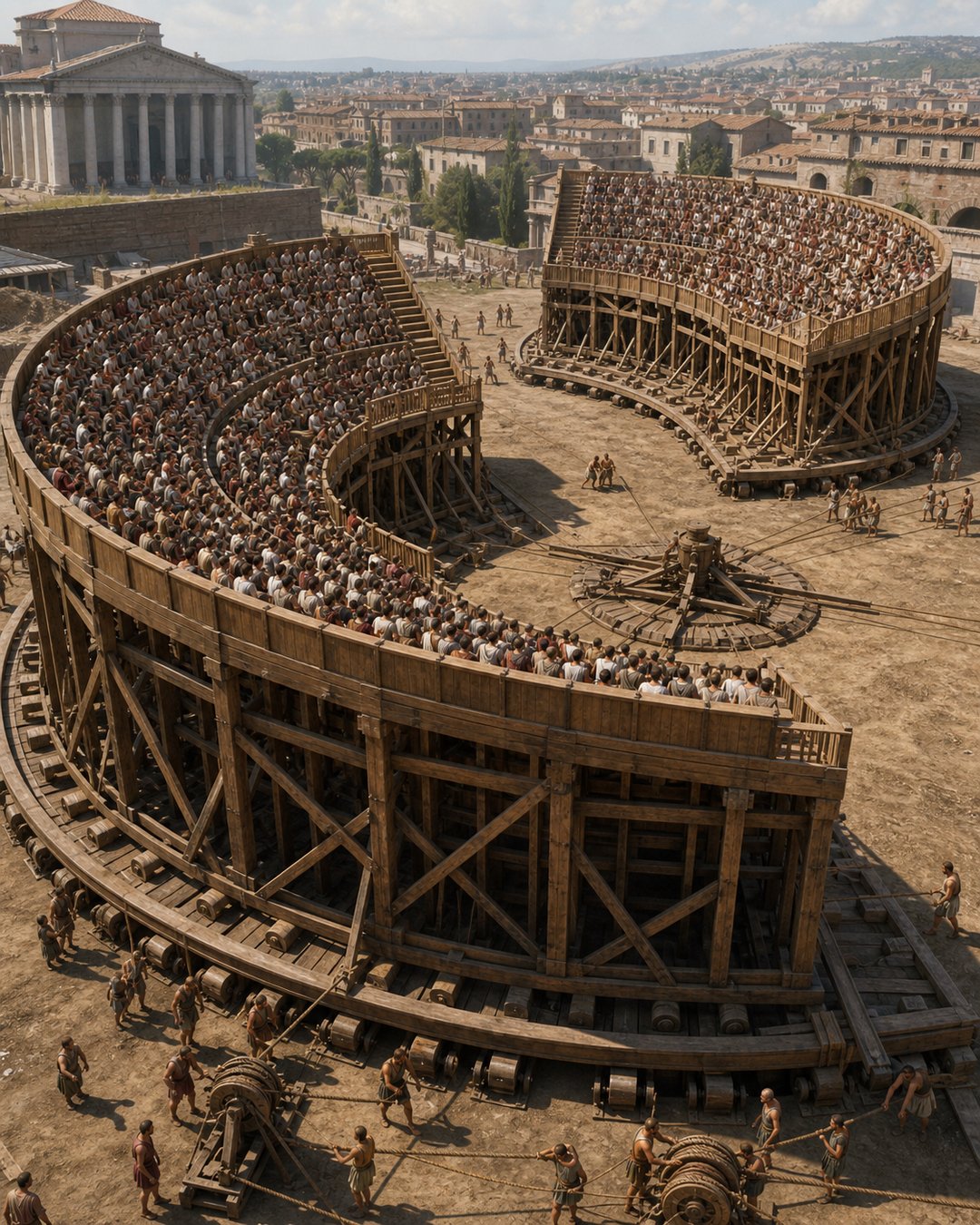
A Roman amphitheater could make thousands cheer at once, but it did not make them equal. The building gathered people together while quietly reminding them that public unity had an order. Roman amphitheater seating made status visible because entry, passage, and position turned the crowd into a map. Entertainment happened in the arena; hierarchy happened … Read more

Why Roman Bakeries Made Bread a Public Routine

A Roman loaf was never only a quiet household object. Before it reached the hand, it had passed through grain, stone, sweat, oven heat, street trade, and the gaze of people who knew where bread came from. Roman bakeries made bread a public routine because the city could not eat on private intention alone. The … Read more

Why Roman Market Weights Made Trust Public

A Roman market did not need silence to create trust. It needed a counter, a balance, a set of weights, and enough witnesses to make a bad measure risky. The buyer could look, the seller could answer, and the object between them could speak louder than either. Roman market weights made trust public because exchange … Read more