One Sliding Weight Could Measure a Roman Market Load

A merchant did not need a row of counterweights equal to every possible load. An unequal beam offered a more compact bargain. Hang the goods close to the fulcrum, place one known counterpoise on the longer arm, and slide it outward until the beam settles. The weight is then read from position. A small piece … Read more

How Roman Glassblowers Turned Breath into Hollow Vessels

A glass vessel begins with a problem that seems almost unfair to the material. The worker must persuade a glowing, heavy liquid to become a thin hollow wall before heat escapes and rigidity returns. In Roman workshops, the decisive tool was not a press or a wheel but a hollow iron tube. One end entered … Read more

Grooves, Counters, and the Roman Art of Keeping Numbers Visible

A Roman account could end as ink, but it did not have to begin there. Before a sum settled into a ledger, counters could slide through grooves beneath a clerk’s fingers. One groove represented units, another tens, then hundreds and thousands. A small piece of metal or stone had no permanent value by itself. Its … Read more

A Roman Loom Held Cloth Together Before It Existed

A finished Roman tunic concealed a forest of decisions. Before purple could mark rank, before a fibula could fasten a shoulder and before a fuller could clean worn wool, parallel threads had to be persuaded to remain parallel. A vertical loom did this by turning loose yarn into a field of controlled tension. An upper … Read more

Roman Mortaria Made Grinding Part of Cooking

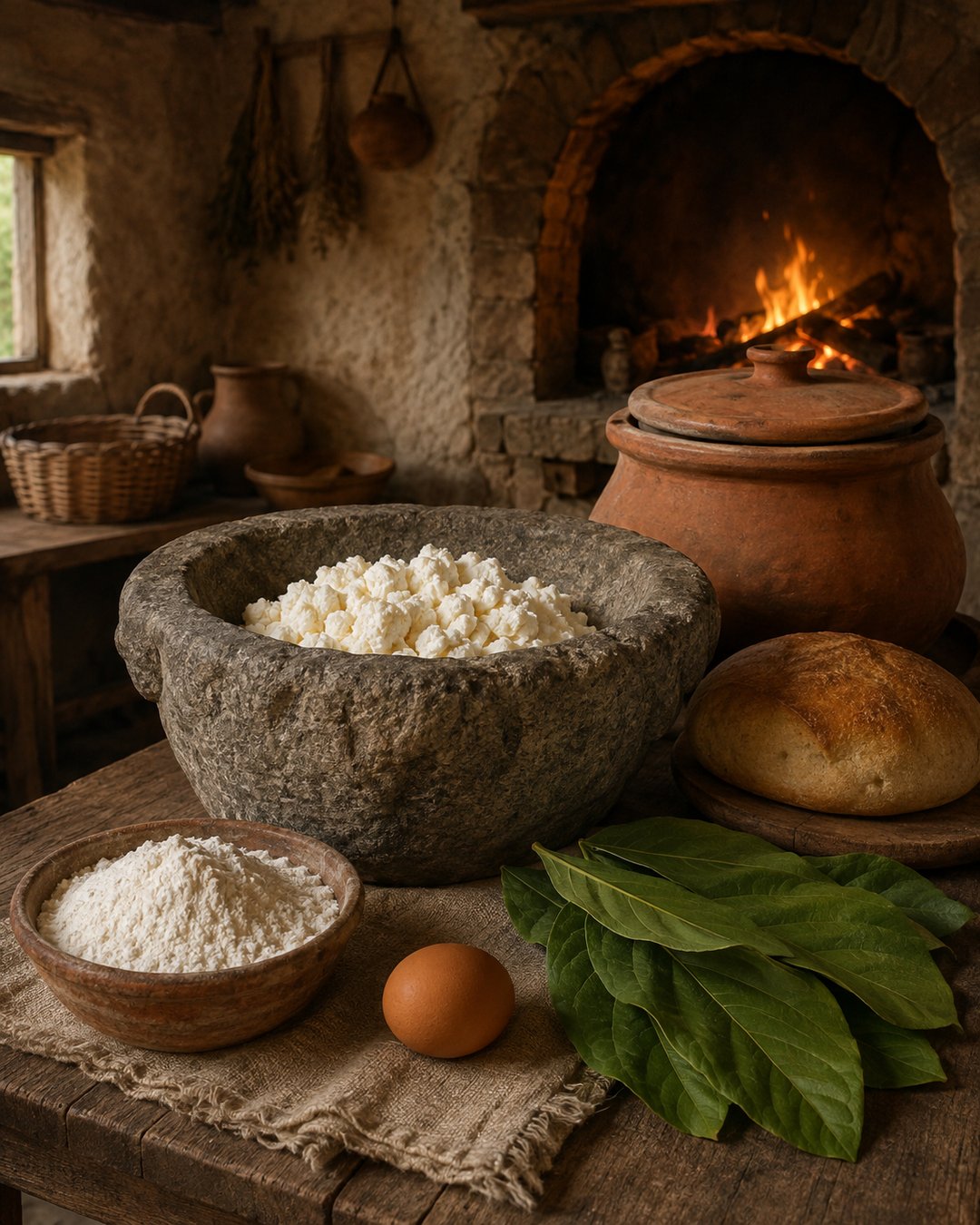
A Roman cook did not need a separate machine to turn hard seeds, herbs and garlic into a paste. A heavy ceramic bowl supplied the resistance. Its broad interior was roughened with embedded grit, its thick rim tolerated force and its small spout guided liquid away when grinding became mixing or pouring. This vessel was … Read more

Roman Strigils Turned Oil into Clean Skin

In Greek and Roman bathing and athletic contexts, oil could be applied before a curved strigil scraped the skin. Sources describe the tool removing dirt, perspiration and the applied oil. That basic sequence is secure; an exact recipe, quantity of oil, stroke pattern or universal order for every bather is not. The tool makes ancient … Read more

Roman Household Lares Made Daily Life Sacred

A Roman house could contain its own focus of worship. A niche, painted panel or small shrine could hold images of the Lares alongside other divine figures. Food, wine, incense or garlands are among the offerings associated with domestic practice, placing acts of worship within the same broad setting as household life. The household Lares … Read more

Roman Reed Pens Turned Ink into Voices

A Roman sentence began before the first letter. Someone selected a reed, cut its end on a slant, opened a narrow slit and sharpened the writing edge. Ink waited nearby as black liquid rather than an idea. When the nib touched papyrus, the hand had only a short distance before the reed ran dry and … Read more

Roman Fibulae Made Fastening Clothes Visible

A cloak could look effortless after one sharp point had done dangerous work. A Roman fibula pushed through folded cloth, bent the fabric around a metal bow and trapped its pin beneath a catch. The fastening sat on the shoulder or chest where every step tugged at it—and where other people could see it. This … Read more

Roman Gardens Made Nature Follow the House

A visitor crossing a Roman atrium could meet an unexpected patch of sky. Beyond another doorway, columns framed wet stone, clipped shrubs, fruit leaves, roses, herbs and a narrow pool. The garden seemed to open the house to nature, yet almost everything visible had been positioned: where the guest stood, where water flashed and where … Read more