Eleven Copies Hid the Shield That Fell from the Sky
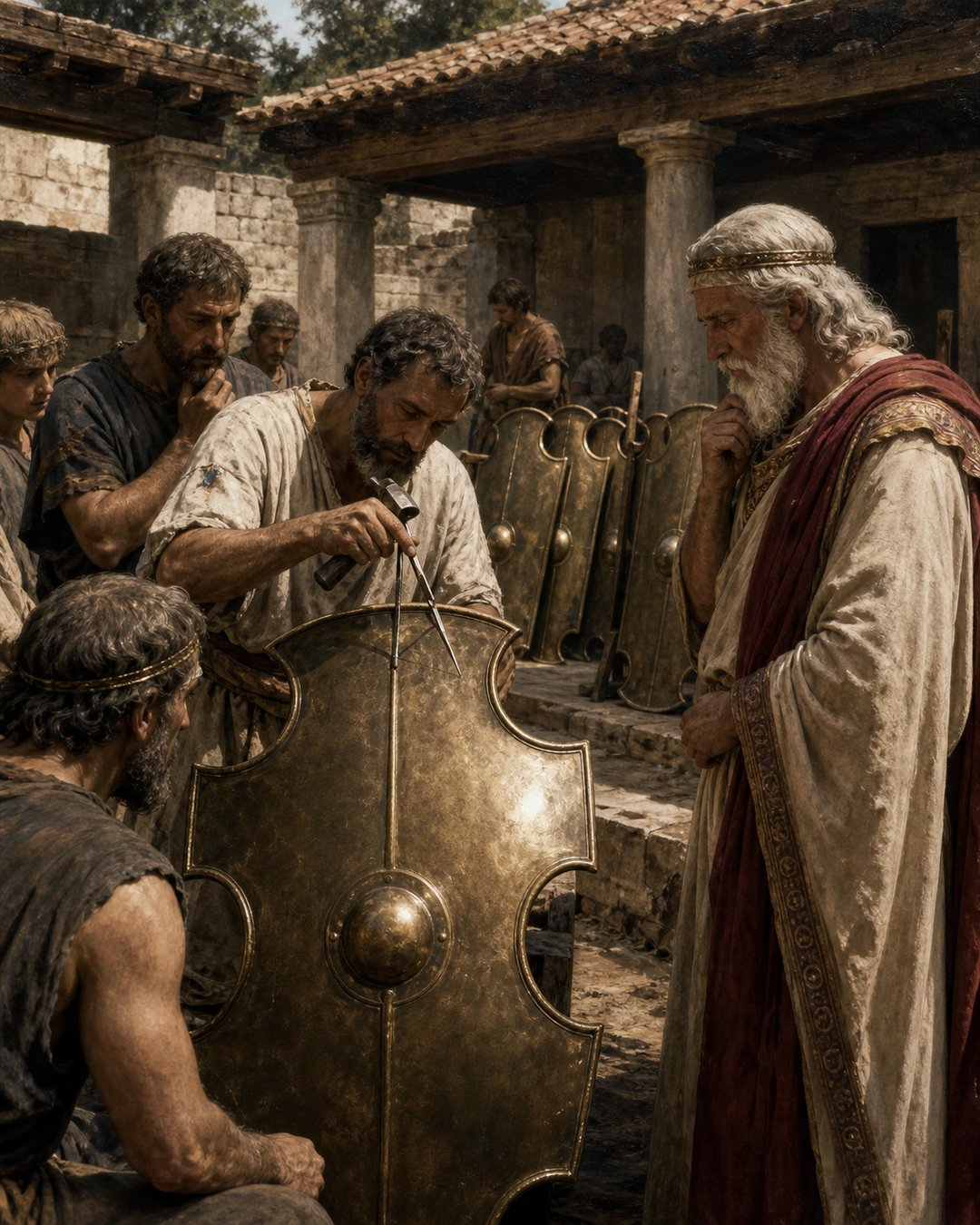
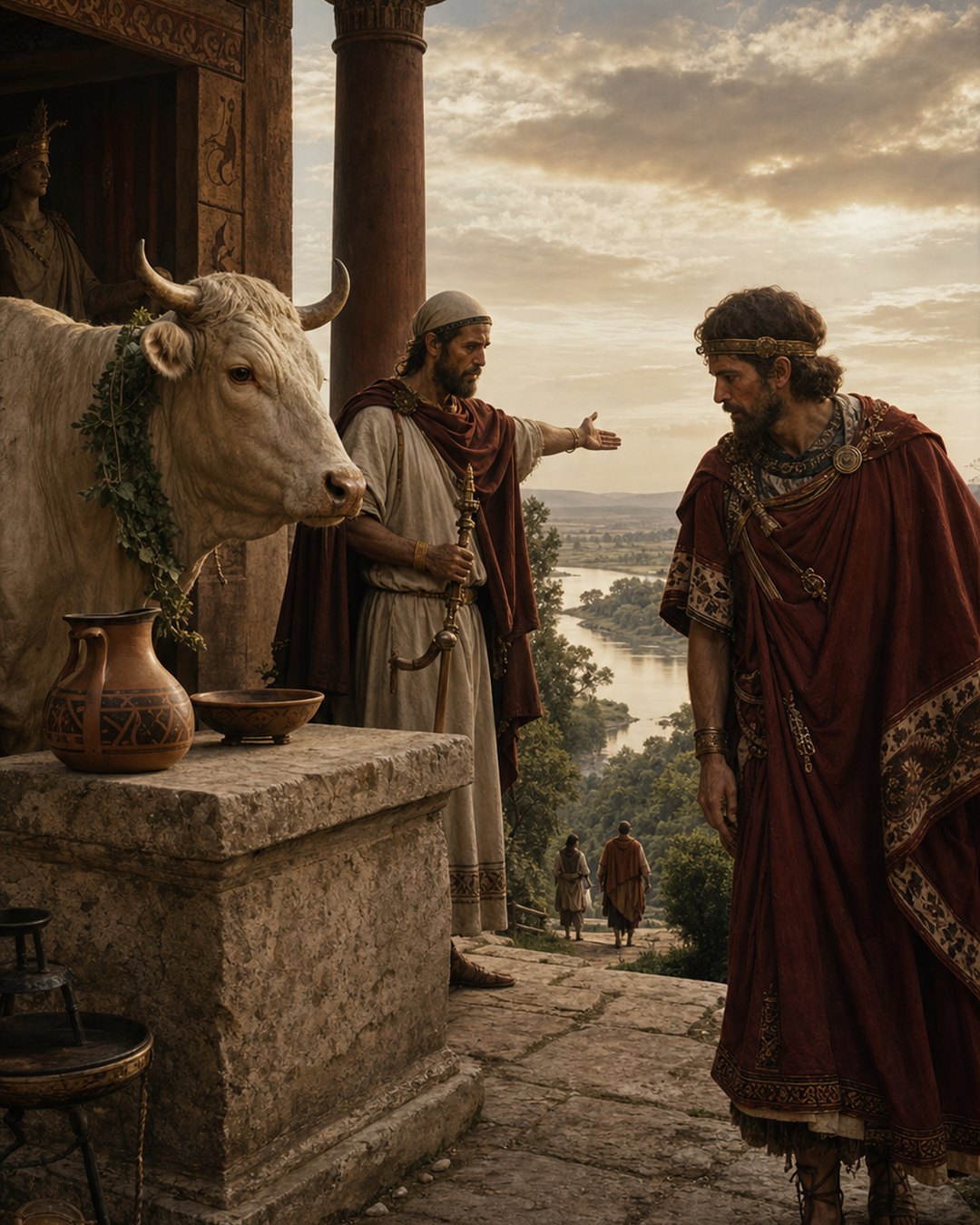
Rome protected one sacred shield by making it impossible to tell which shield was sacred. Plutarch says a bronze buckler fell from the sky during a pestilence in Numa’s reign. The king treated it as a pledge of the city’s preservation. A unique object, however, invited a simple danger: a thief needed to steal only … Read more
An Elephant Traced Greek Letters for Roman Readers

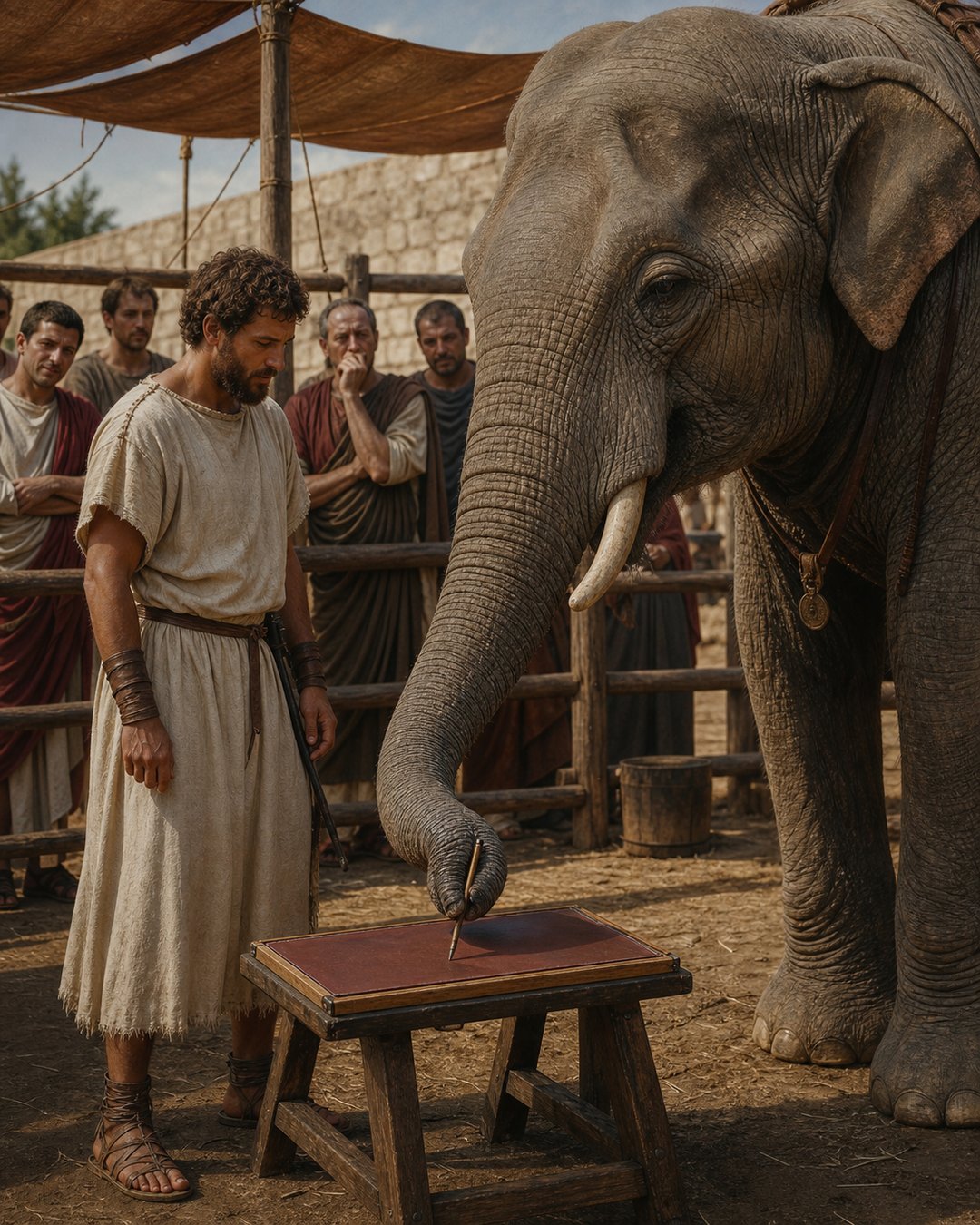
An elephant stood over a writing surface and traced a sentence in Greek. Pliny the Elder attributes the report to Mutianus, a man who had been consul three times. The animal supposedly wrote in the first person that it had made the inscription and dedicated Celtic spoils. In the same chapter another elephant rehearsed a … Read more

Mars’s Courage Became a Wife in Rome’s Old Prayers

An old Roman prayer name could change identity without changing its place beside Mars. For one antiquarian explanation, Nerio meant the war god’s courage, strength and majesty. In comedy and annalistic tradition, Nerio—or Neria or Nerienes—was his wife. Aulus Gellius did not solve the contradiction by choosing one clean definition. He compared priestly prayer books, … Read more

A Flint Stone Sealed Rome’s Treaty Oath

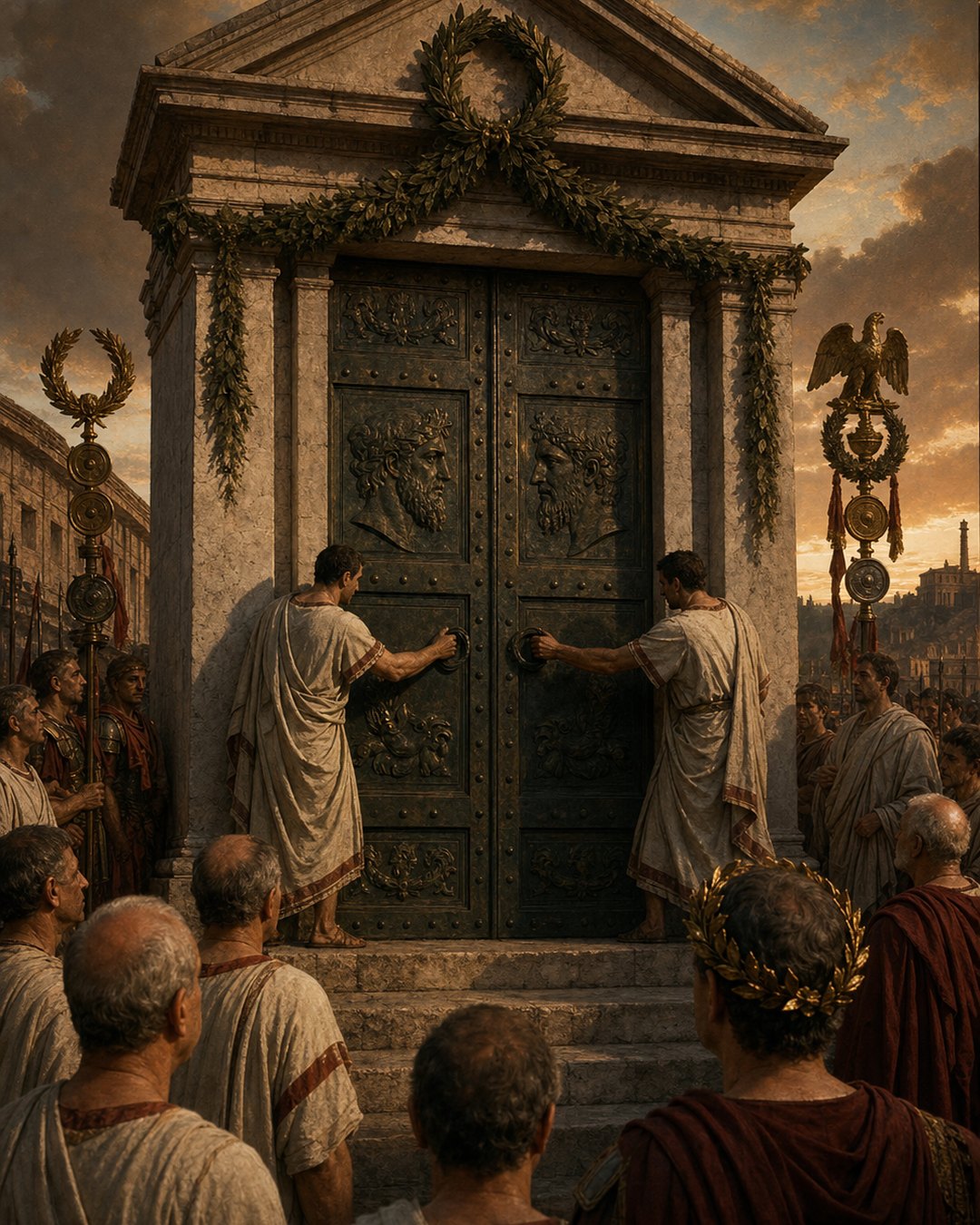
Before six brothers fought for Rome and Alba Longa, a Roman priest asked his own god to punish Rome if it broke its word. Livy places the treaty before the combat of the Horatii and Curiatii. Three champions from each community would decide which people submitted to the other. Yet the duel did not rest … Read more

One Servant’s Cry Unmasked Clodius at the Bona Dea

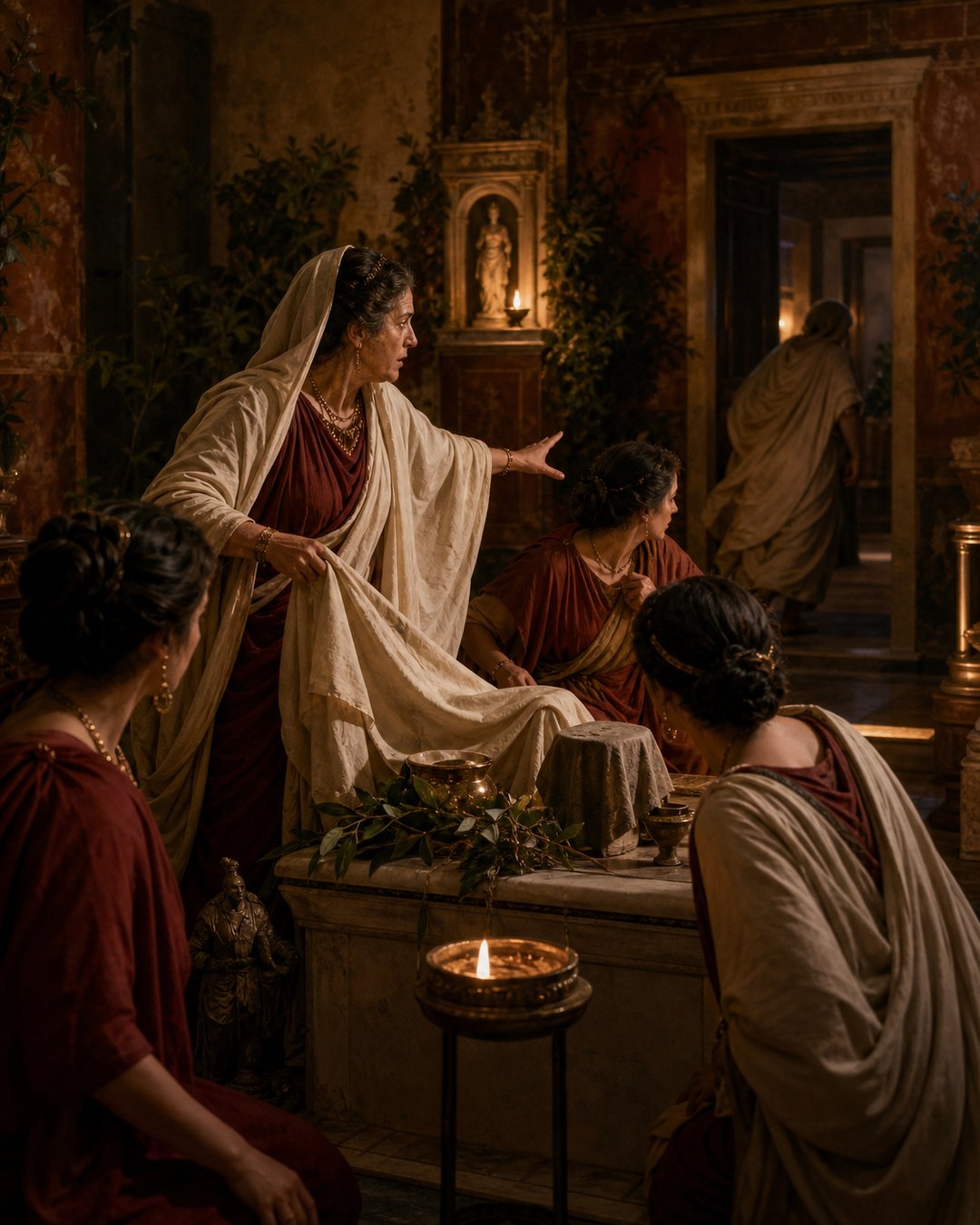
The disguise had carried Publius Clodius Pulcher through the door. Dressed as a woman and still young enough to lack a betraying beard, he entered the house where Rome’s elite women were celebrating the Bona Dea. Men were excluded. Julius Caesar himself had withdrawn from his own home for the night. Inside, Clodius lost his … Read more

Brambles Hid Archimedes’s Tomb Until Cicero Read the Stone

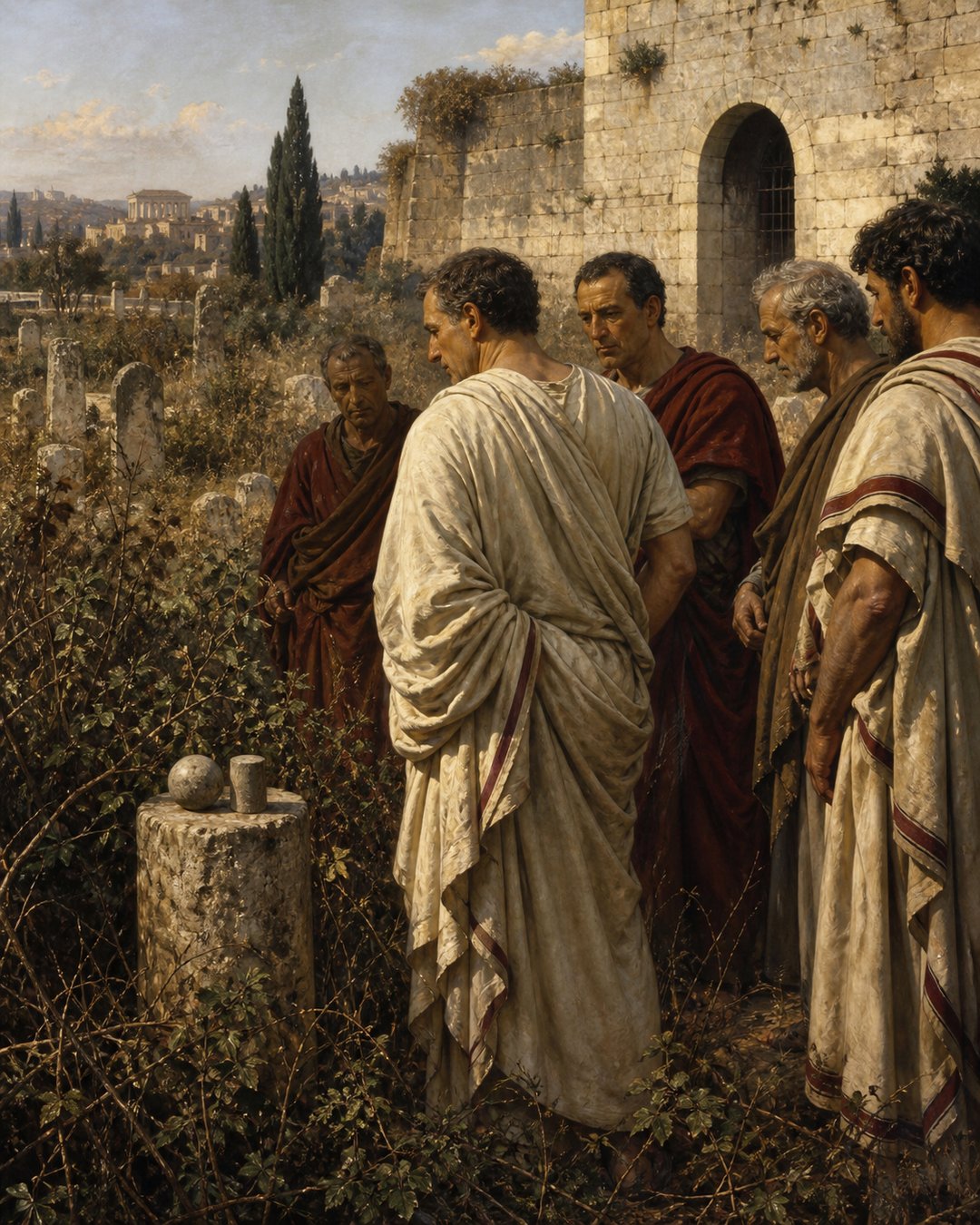
The Syracusans told Cicero that Archimedes’s tomb no longer existed. Cicero disagreed because he remembered verses describing the monument. They said a sphere and a cylinder stood on its top. He searched among the many tombs near Syracuse’s Achradina Gate. Above shrubs and brambles he noticed a small column carrying exactly those two geometric figures. … Read more