Roman Window Glass Changed What a Wall Could Do

A Roman window pane did not have to show a perfect landscape to change a room. Pale blue-green glass, cloudy with bubbles and ripples, could turn hard sunlight into a diffuse glow. The wall remained closed against a gust or shower, yet the interior no longer depended entirely on an open doorway, courtyard, lamp, or … Read more

Pompeii’s Graffiti Made the City Talk Back

Pompeii’s walls did not wait for permission to speak. Someone scratched a name beside a doorway. Another person praised a gladiator, complained about a host, copied a remembered line of poetry, drew a ship, or answered a message already in the plaster. The result was not one civic announcement but thousands of small attempts to … Read more

When Rome Panicked, It Opened the Sibylline Books

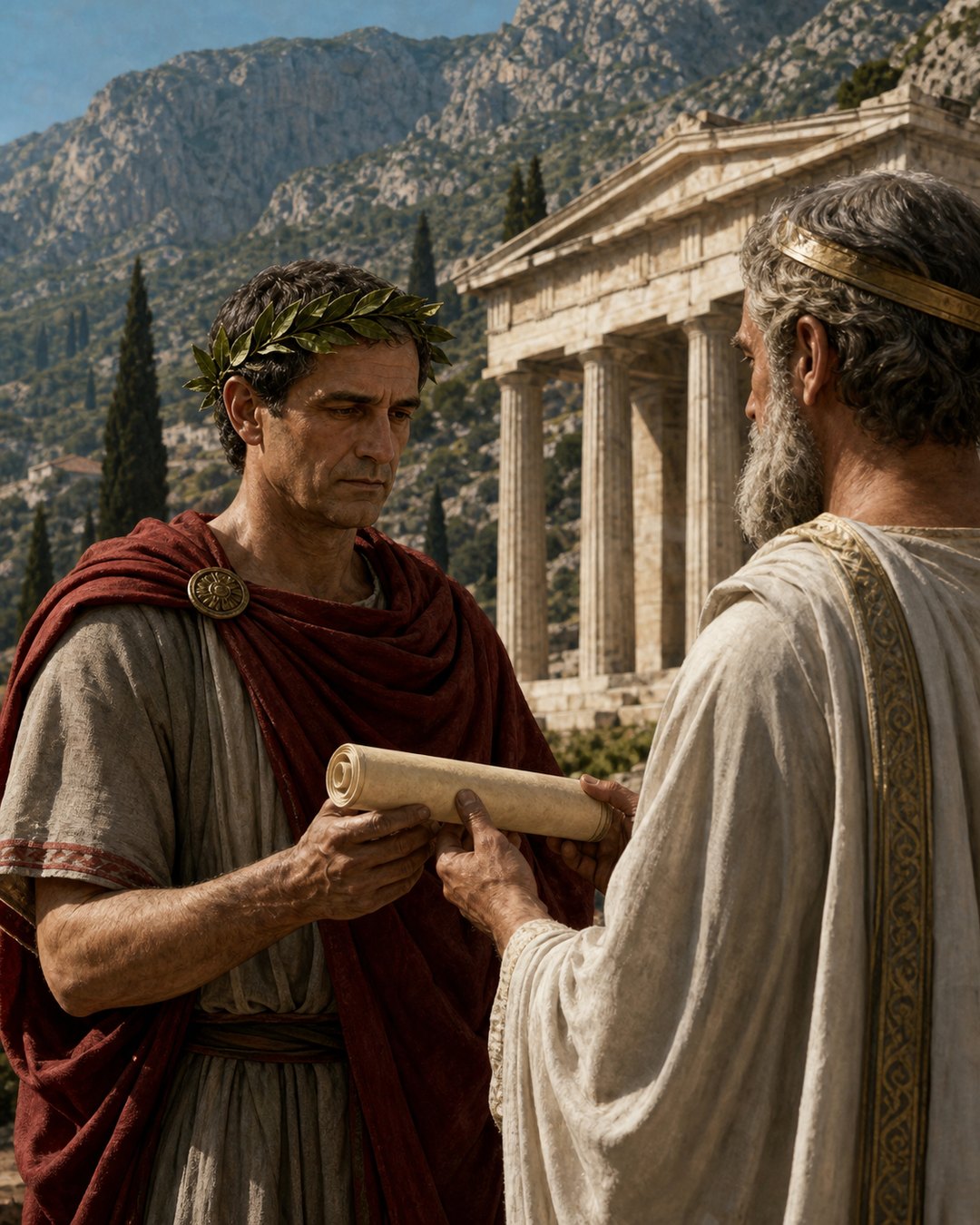
Rome did not open the Sibylline Books to ask who would win a private lawsuit or whom a young aristocrat should marry. The collection belonged to the state, rested under guarded custody, and entered public life when plague, prodigy, defeat, or some other rupture made normal ritual feel insufficient. The senate authorized consultation; appointed priests … Read more

Why Roman Crossroads Shrines Made Neighborhoods Visible

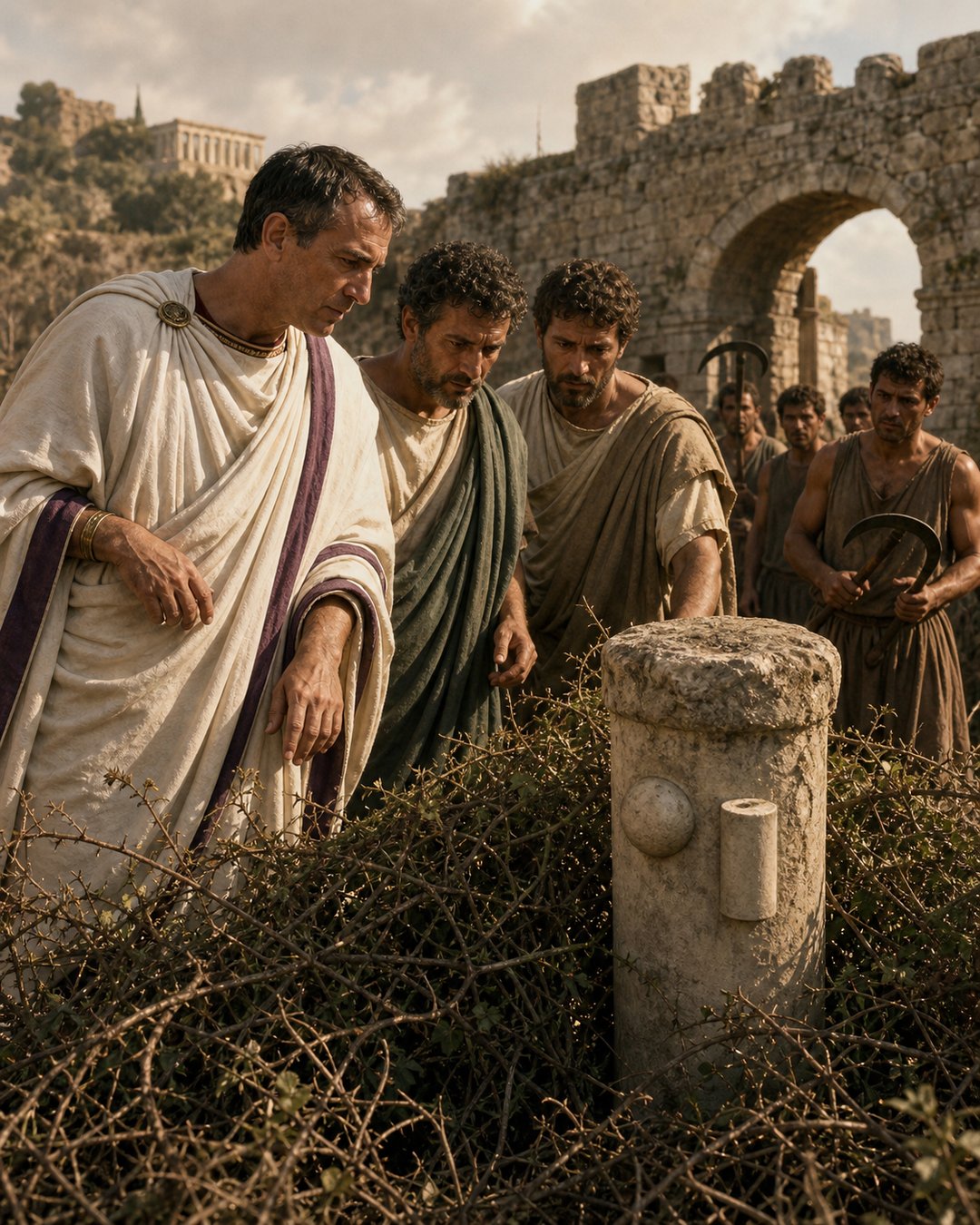
A Roman crossroads was never only a place to turn left or right. It was where carts slowed, neighbors recognized one another, shopfronts opened, gossip moved, and local gods could be noticed by people who might not share a household. Roman crossroads shrines made neighborhoods visible because they gave a vicus a sacred marker in … Read more

Why Roman Altars Made Vows Visible

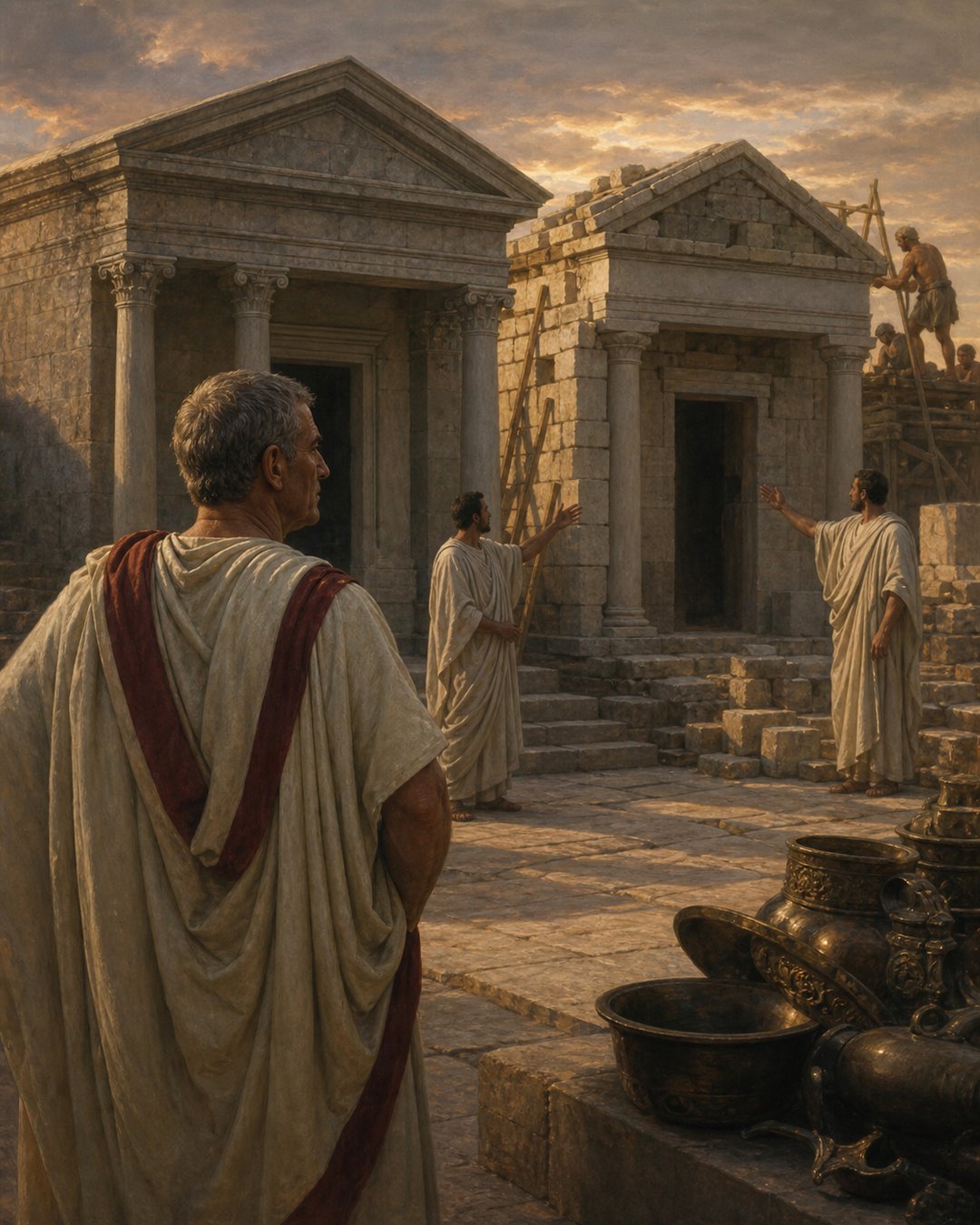
A vow can sound private when we imagine it as a thought whispered in fear or gratitude. Rome often made that promise harder to hide. It gave the promise stone, smoke, a route, witnesses, and a place where memory could return. Roman altars made vows visible because they turned religious obligation into public action. The … Read more

How Roman Processions Made Religion Move Through the Streets

Roman religion was not a private feeling that happened to borrow public buildings. It moved. It formed lines, filled streets, gathered spectators, carried implements, raised smoke, and made the relationship between city and gods visible in bodies. Roman processions made religion move through the streets because ritual needed witnesses as much as words. The pompa … Read more

How Roman Hospitality Tokens Made Trust Travel

Trust is easy to praise and difficult to move. A promise made in one house can become fragile when the guest is far away, the host is dead, or a descendant has to decide whether an old bond still matters. Rome had ways to make that problem material. Roman hospitality tokens made trust travel because … Read more

Why Roman Roadside Tombs Made Memory Public

A Roman road did not simply bring travelers to a city. It could bring them past the dead. Tombs along the roadside turned the approach to an urban gate into a corridor of memory, status, family pride, and repeated attention. Roadside tombs made memory public because they refused to let death disappear into private feeling … Read more

Why Roman Funerals Made Family Ambition Public

A Roman elite funeral was grief with an audience. The dead person mattered, but so did the family standing around the bier, the ancestors invoked, the offices remembered, and the crowd watching memory become performance. Mourning moved through the streets, and ambition moved with it. Roman funerals mattered because they made family ambition public. They … Read more

Why Roman Funerary Inscriptions Made Ordinary Lives Visible

Roman history can sound as if it belongs to emperors, generals, and senators. Funerary inscriptions change the volume. Along roads outside towns and cities, stones named spouses, children, freedpeople, trades, ages, patrons, and grief. They made ordinary lives visible in a world where most ordinary voices disappeared. A tomb inscription was not only a marker … Read more