Oil, Flowers, Patience: The Work of a Roman Perfumer

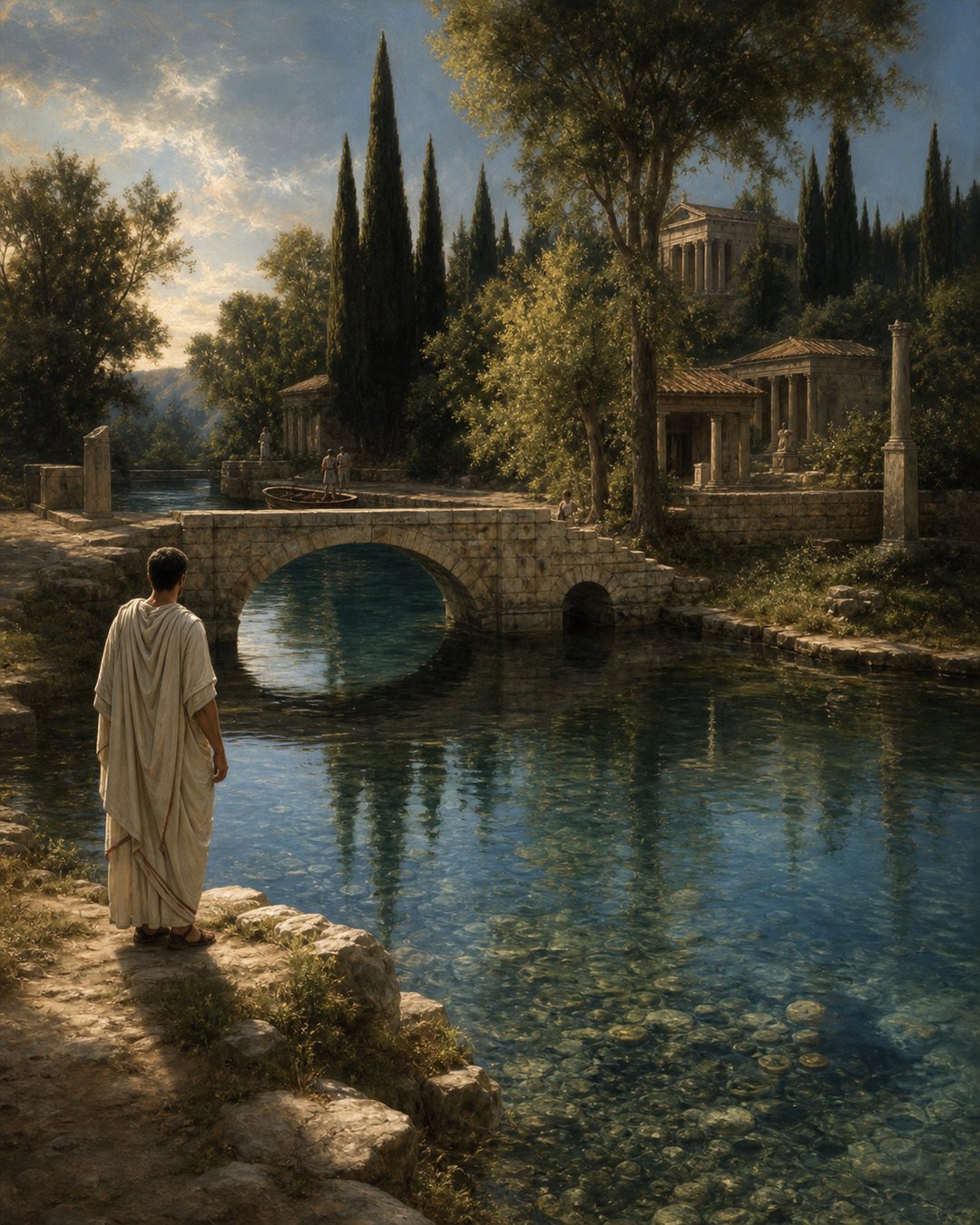
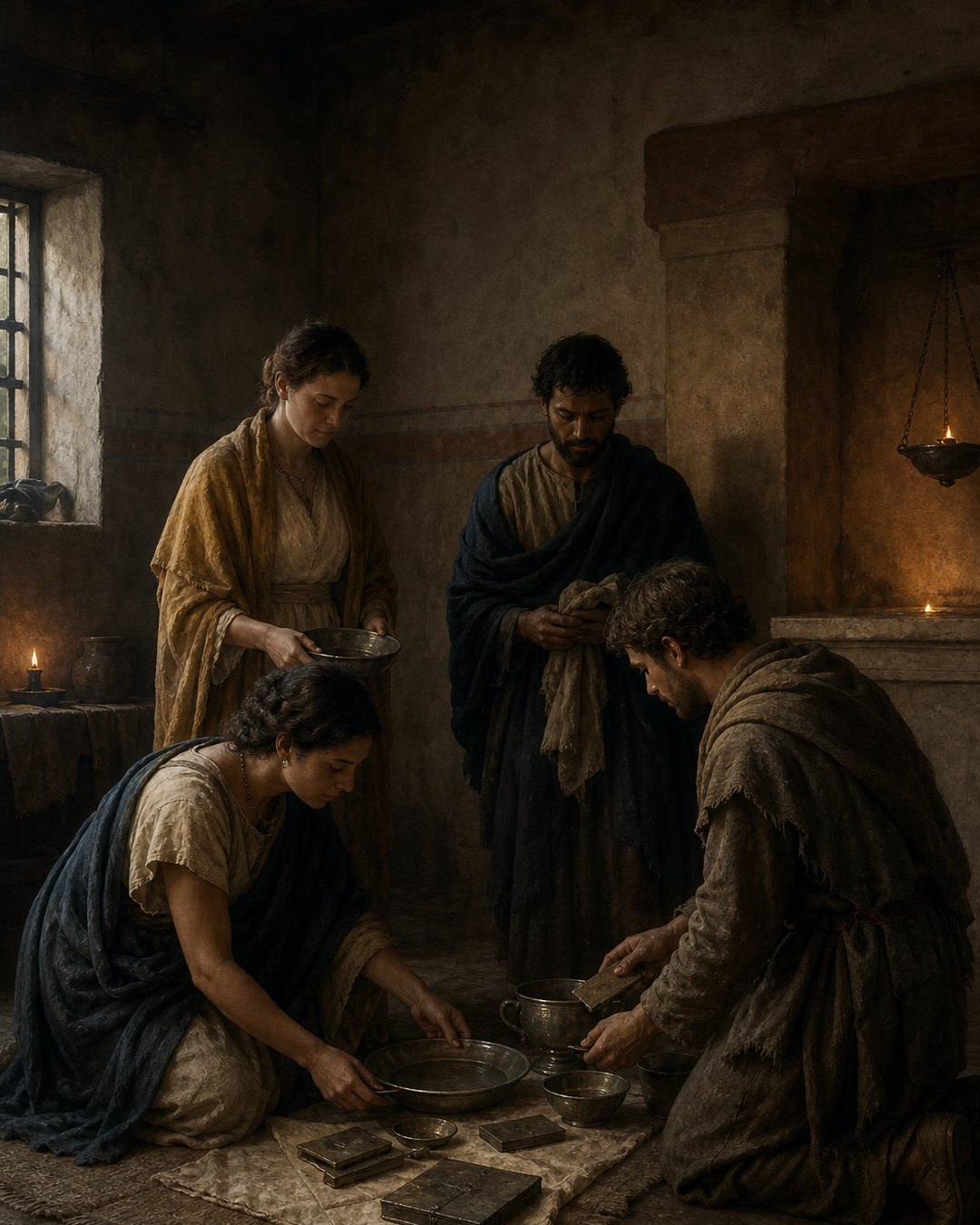
A Roman perfumer could begin with a room that smelled less like luxury than work: bruised leaves, oil, smoke, damp petals, resin, and yesterday’s mixture waiting to be strained. The finished scent might occupy a glass bottle small enough to disappear in a hand. Producing it required more material, more time, and more failed batches … Read more

Inside Roman Dentistry: Forceps, Pain, and a Steady Hand

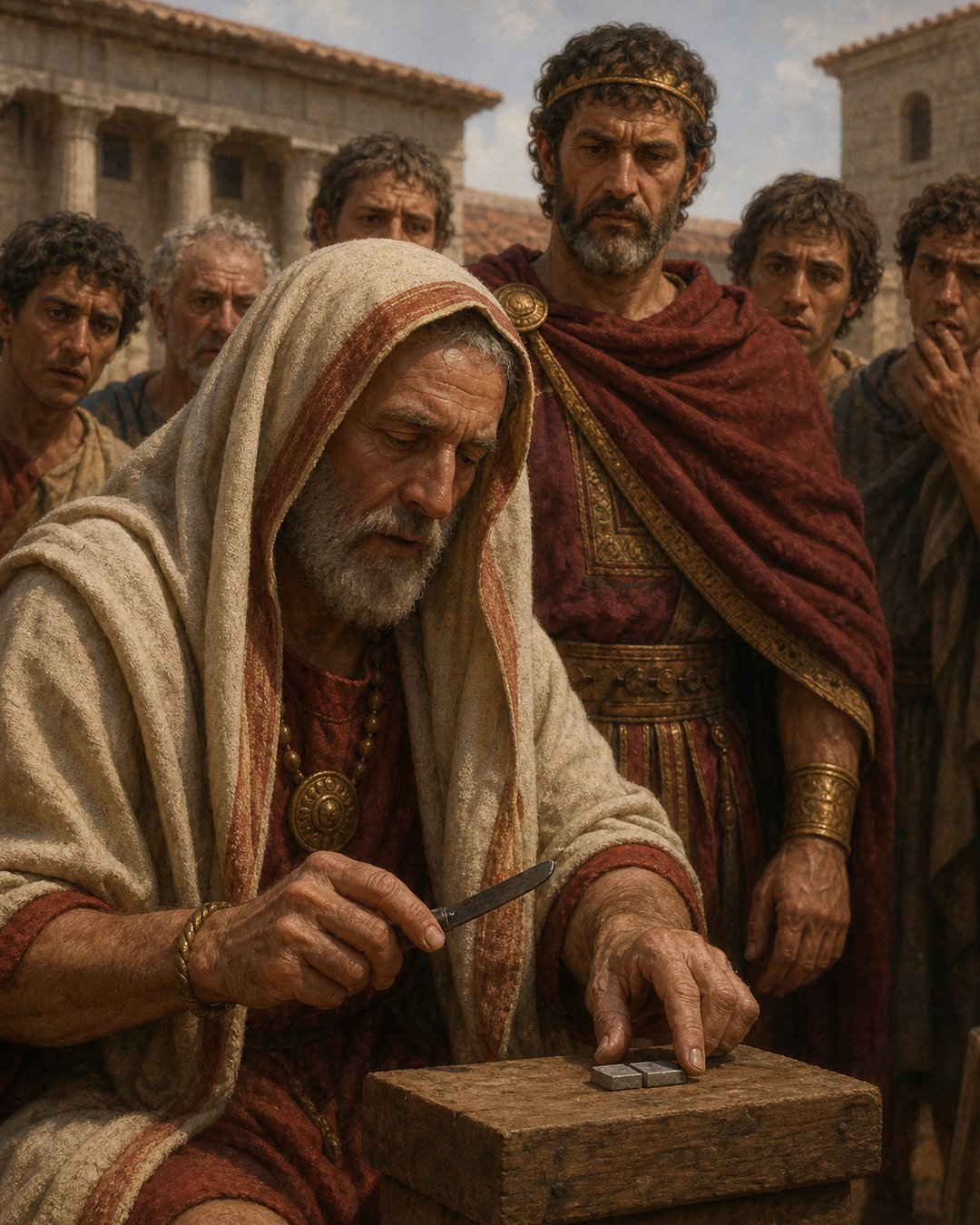
A Roman with a throbbing molar could spend days discovering how completely one small part of the body could command the rest. Sleep shortened, eating became negotiation, and every pulse seemed to strike inside the jaw. When rinses, drugs, and patience failed, treatment narrowed toward an act both simple to describe and frightening to endure: … Read more

Painting Against the Clock in a Roman House

A Roman painter working on fresh plaster could not postpone the sky until tomorrow. The smooth surface was already changing beneath the brush. As lime-rich plaster set, pigment applied with water could bind into it; when the working area dried, the same opportunity closed. A wall-sized scene therefore began as a race managed through preparation. … Read more

Could a Roman Theatre Mask Really Reach the Back Row?

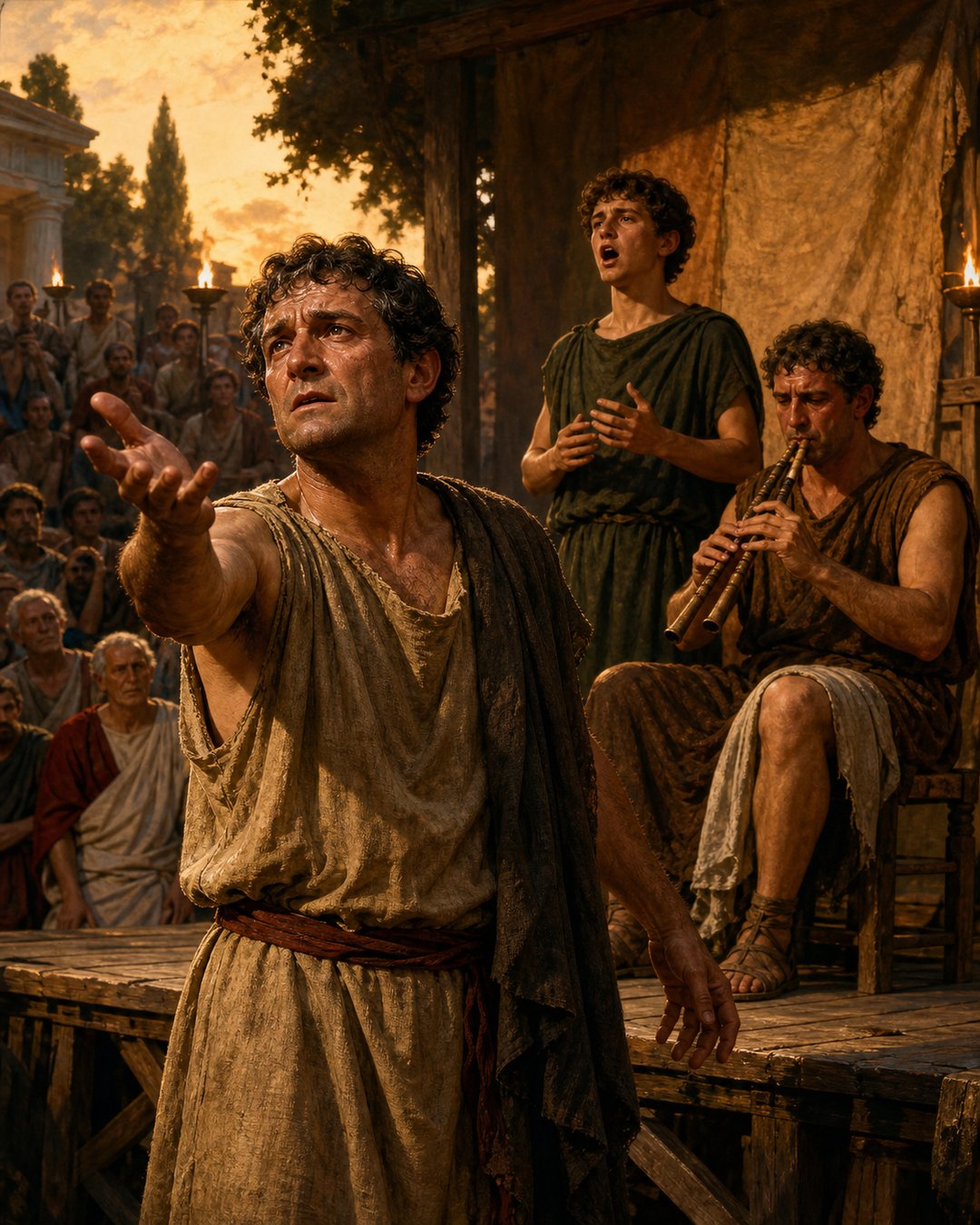
A spectator high in a Roman theatre could not inspect an actor’s eyebrow. Between the back rows and the stage lay a broad orchestra, open air, shifting light, and thousands of other bodies. The performer still had to become an old miser, a boastful soldier, a young lover, a god, or a grieving queen before … Read more

For Nine February Days, Roman Families Made Room for the Dead

On a cold February morning, a Roman family could leave the occupied streets and follow a road lined with the houses of the dead. Their destination was not a grand state altar. It might be a familiar tomb whose stone carried names, portraits and relationships already known within the household. Violets, grain, salt, wine-soaked bread … Read more

Why Romans Hung Tiny Bells at the Door

A Roman doorway could ring before anyone spoke. Small bronze bells hung from a central figure or branching frame, each with enough freedom to strike when touched or disturbed. The object was called a tintinnabulum, a name built around the little bell itself. Some examples from Pompeii are visually startling: protective bodies, exaggerated sexual imagery, … Read more

Roman Mosaics Spoke Before the Host Did

A guest crossing a Roman threshold looked down because the floor demanded it. Tiny pieces of black, white, ochre, red, green, and blue stone formed borders, waves, masks, birds, fish, mythic bodies, or an alert dog. The image waited in the exact place where a visitor decided how confidently to enter. Mosaics were expensive surfaces, … Read more

The Colosseum Velarium Made Shade a Public Performance

Before a Colosseum crowd looked down toward the arena, many spectators looked up. Masts ringed the highest level. Ropes crossed open sky. Vast sections of canvas pulled outward, caught the light, and cast broad moving bands of shade across stone seats packed with tens of thousands of bodies. The velarium was not a lid placed … Read more