Palm Wood Rose Against the Weight Meant to Crush It
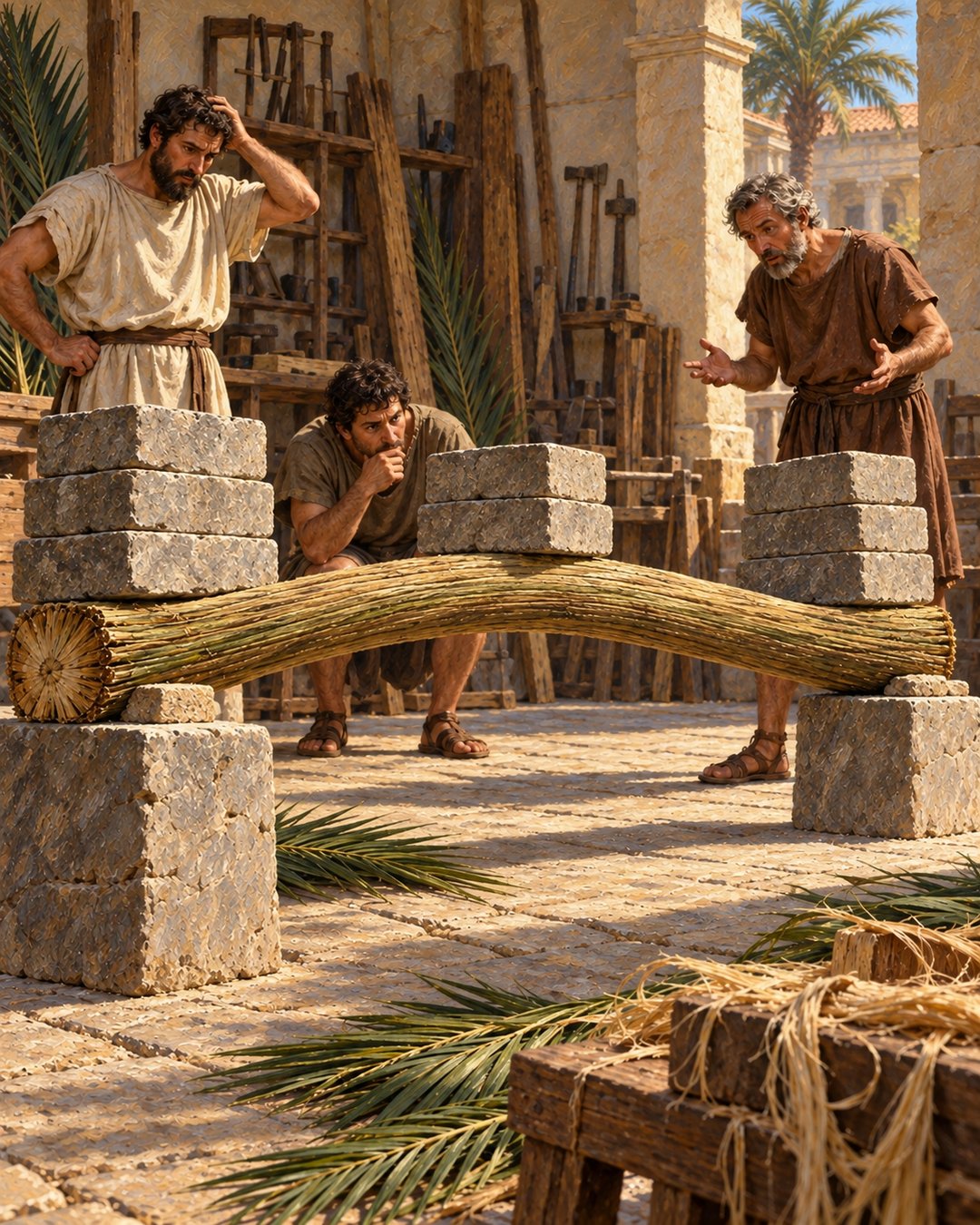
A heavy load presses a wooden beam, and the expected picture is simple: the middle sags. Aulus Gellius gives palm wood a different response. Stack on weights until the burden seems too great, he says, and the timber does not hollow downward. It rises against the pressure and takes a convex form. Gellius calls the … Read more
Fresh Laurel and New Fire Opened Rome’s Old March Year

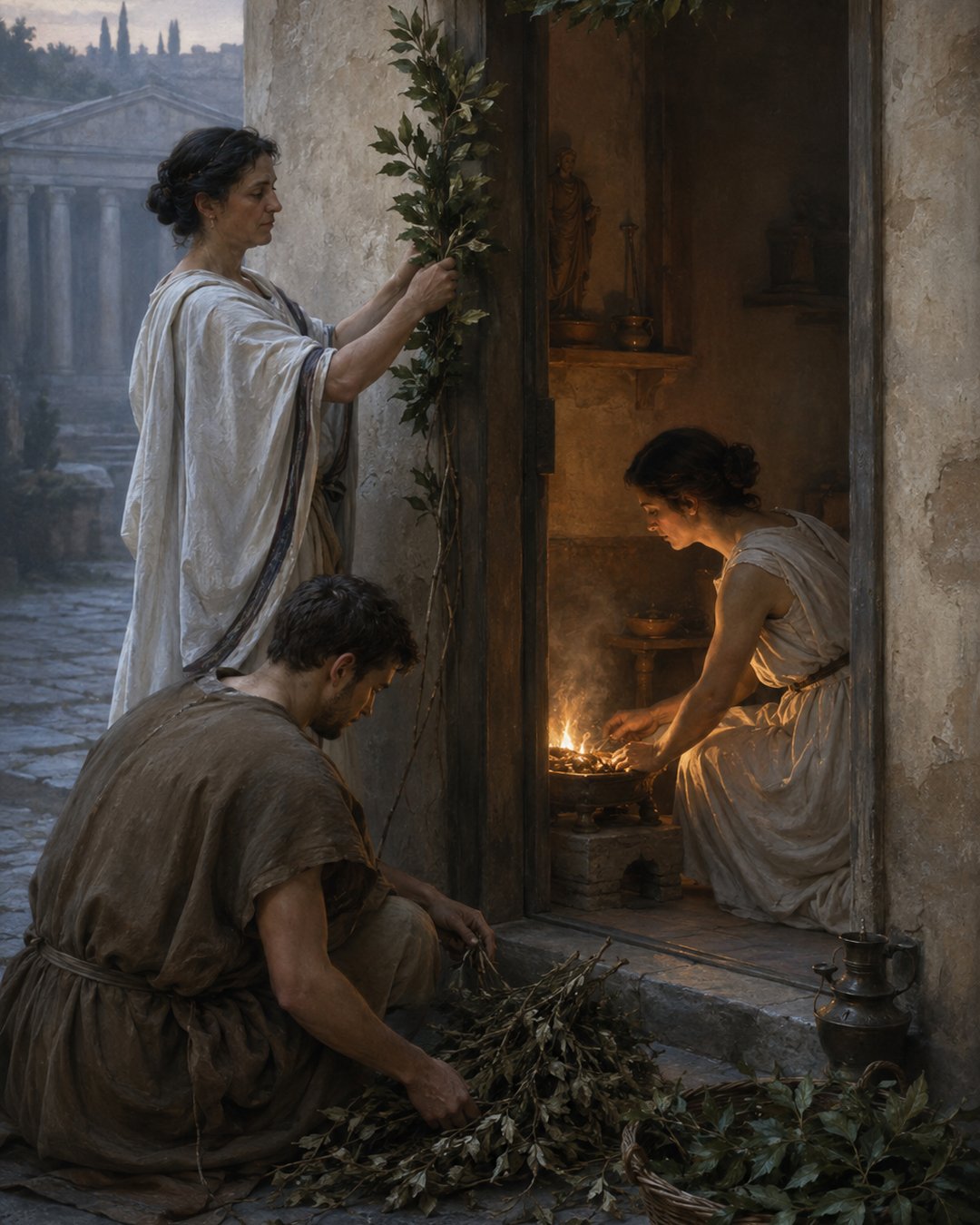
On the Kalends of March, year-old laurel came down from Roman sacred places. Fresh branches replaced it at the flamines, the doorway of the ritual king and an old curia. At Vesta’s hearth, dry leaves were removed and a new fire was kindled inside the shrine. By Ovid’s lifetime, January already opened the civic year. … Read more

From One Hundred Women, Rome’s Matrons Chose Sulpicia

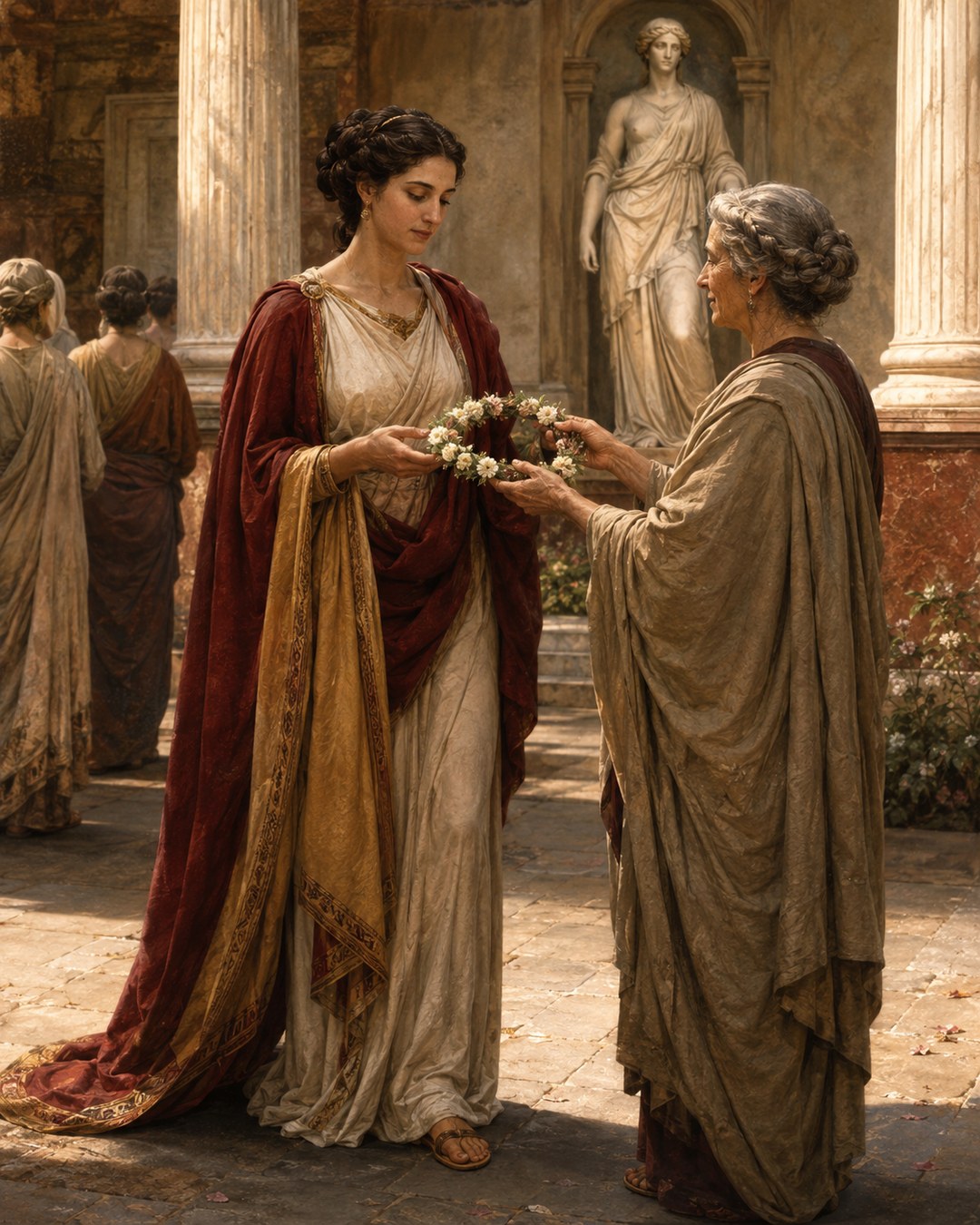
One hundred Roman women stood inside a selection whose surviving record gives only one name. From that group, Pliny the Elder says, the matrons chose Sulpicia, daughter of Paterculus and wife of Fulvius Flaccus. Their judgment named her the most modest woman and assigned her a public sacred task: dedicating an image of Venus. The … Read more

A Hundred Thousand Sesterces Bought the Horse of Seius

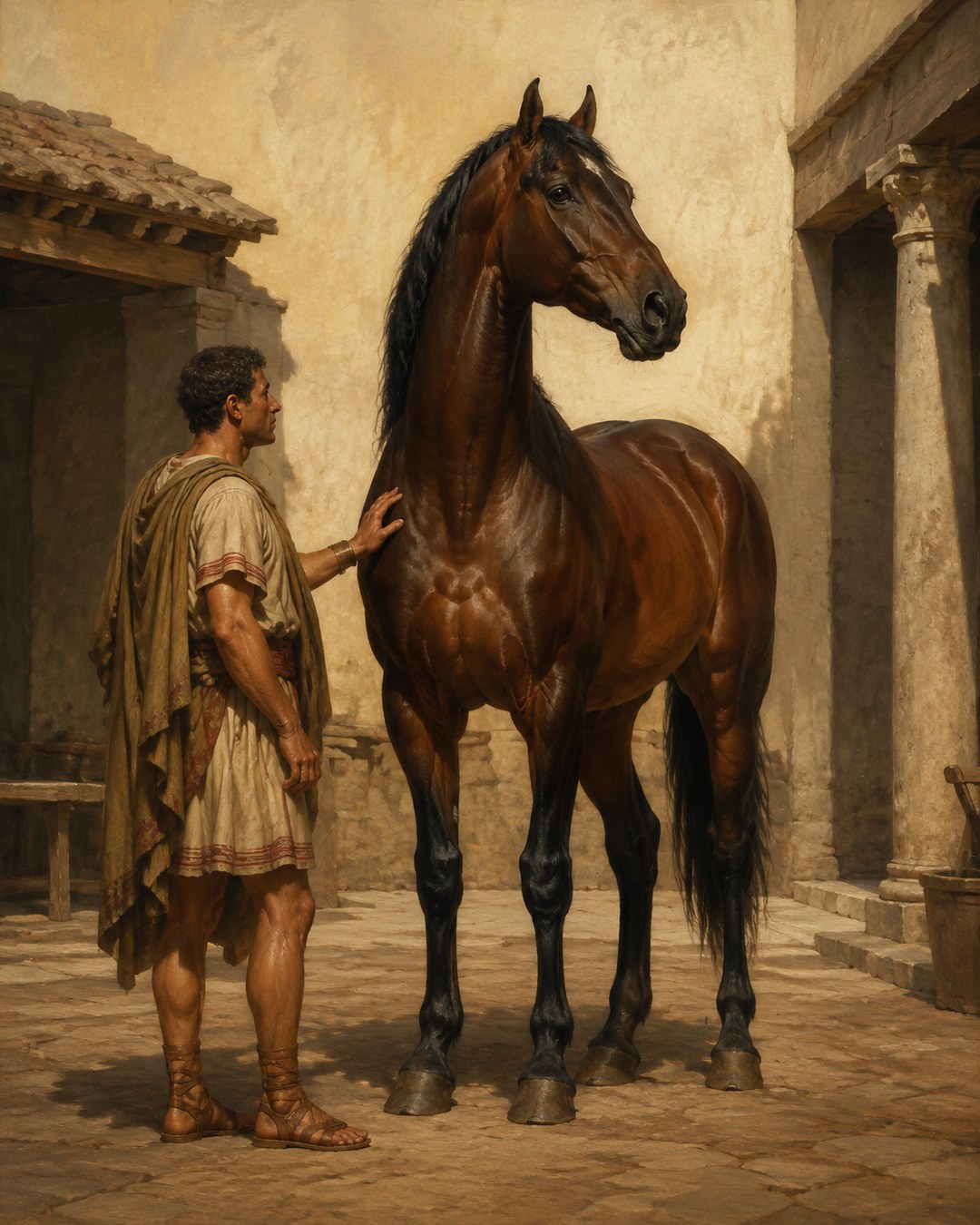
The horse stood at Argos with the qualities buyers wanted to exaggerate and witnesses wanted to remember: extraordinary size, a high neck, a thick shining mane and a rich bay coat. Cornelius Dolabella was travelling toward Syria when its fame pulled him off his route. He paid one hundred thousand sesterces for it. Aulus Gellius … Read more

Four People Guarded Every Word of a Roman Prayer

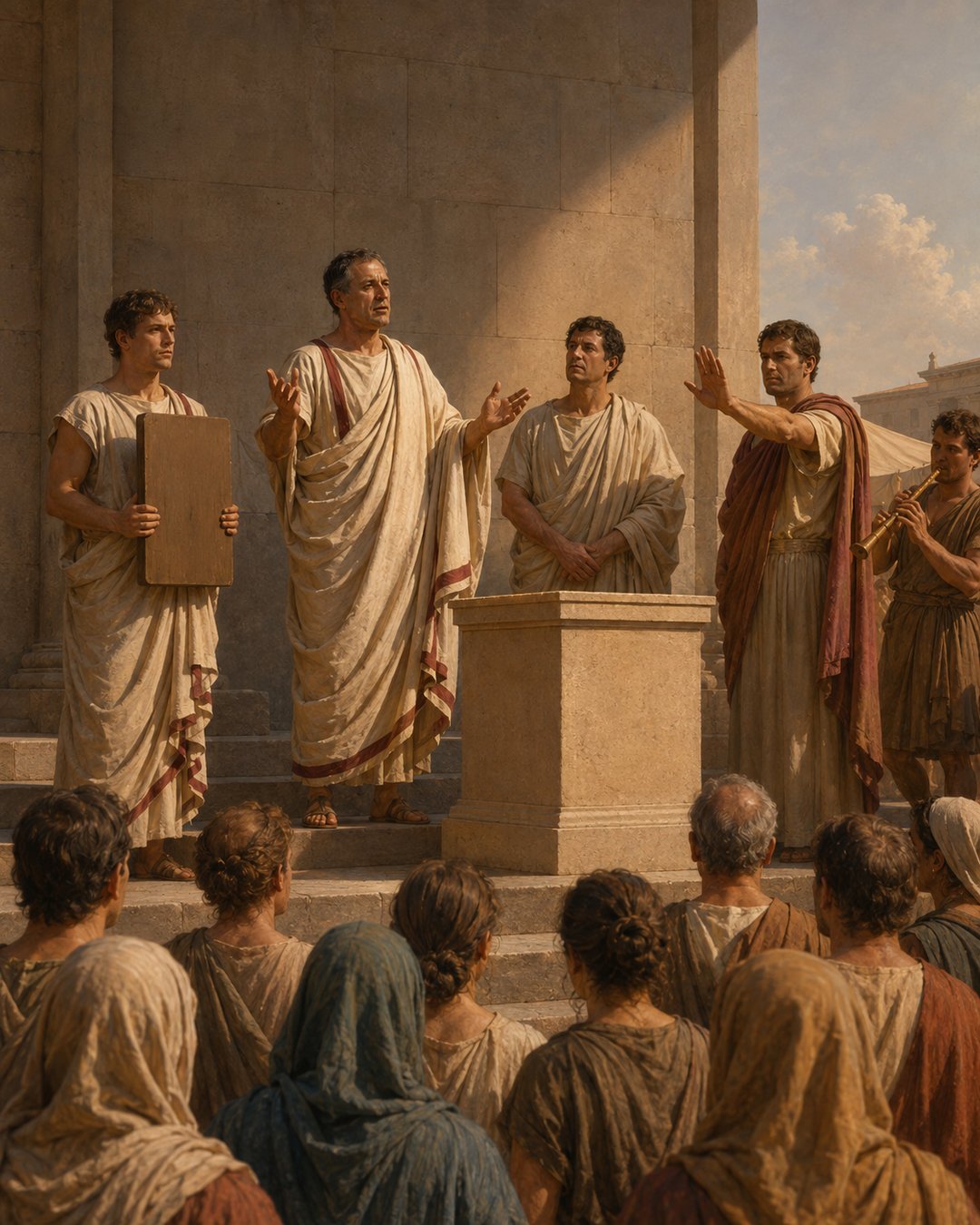
A magistrate began a public prayer, but the voice was not his alone. One attendant read the formula ahead of him from a written ritual. A second listened for every word. A third guarded the silence around them. At the edge of the ceremony, a musician played the flute so that stray speech could not … Read more

Juno’s Statue Answered Before It Left Conquered Veii

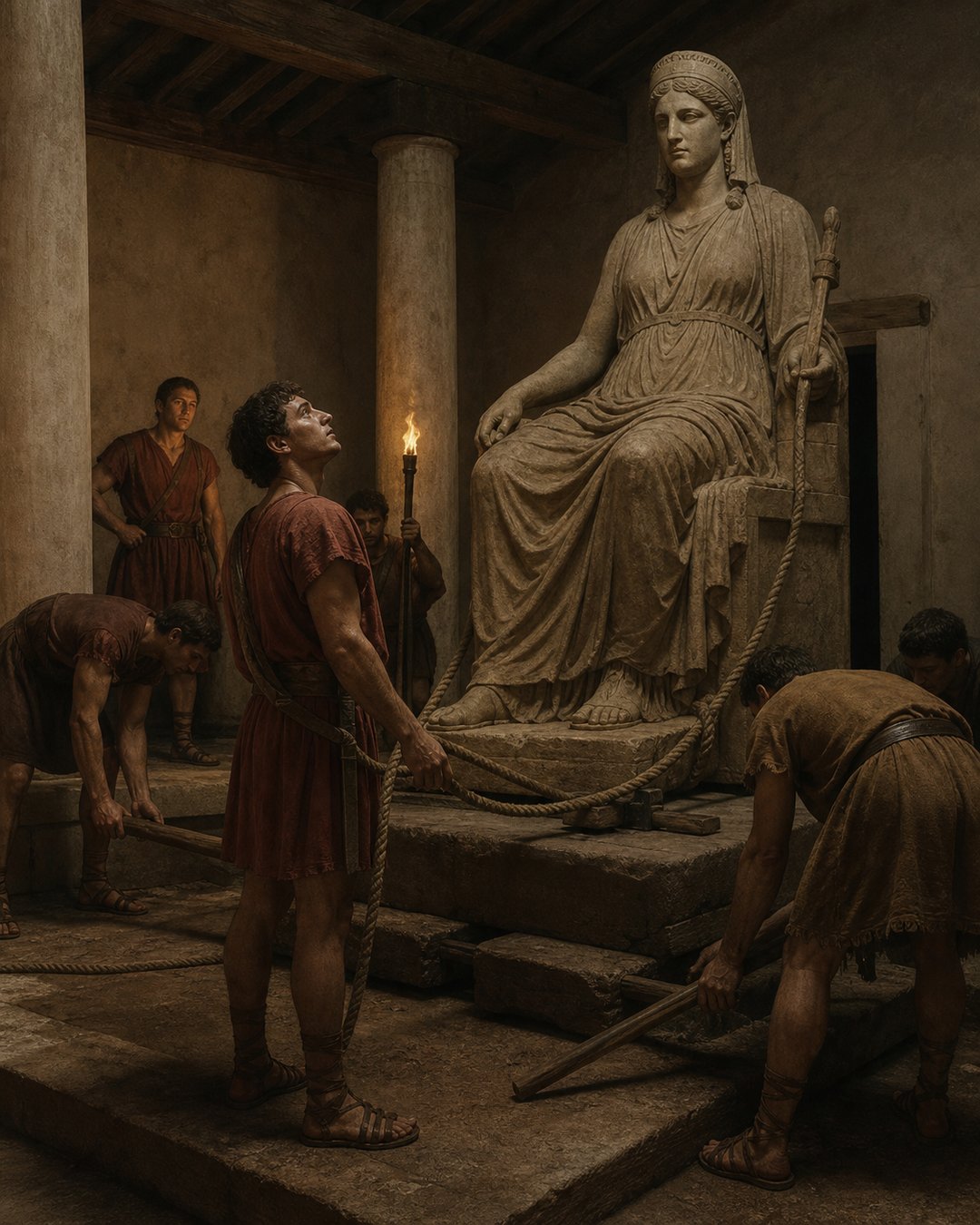
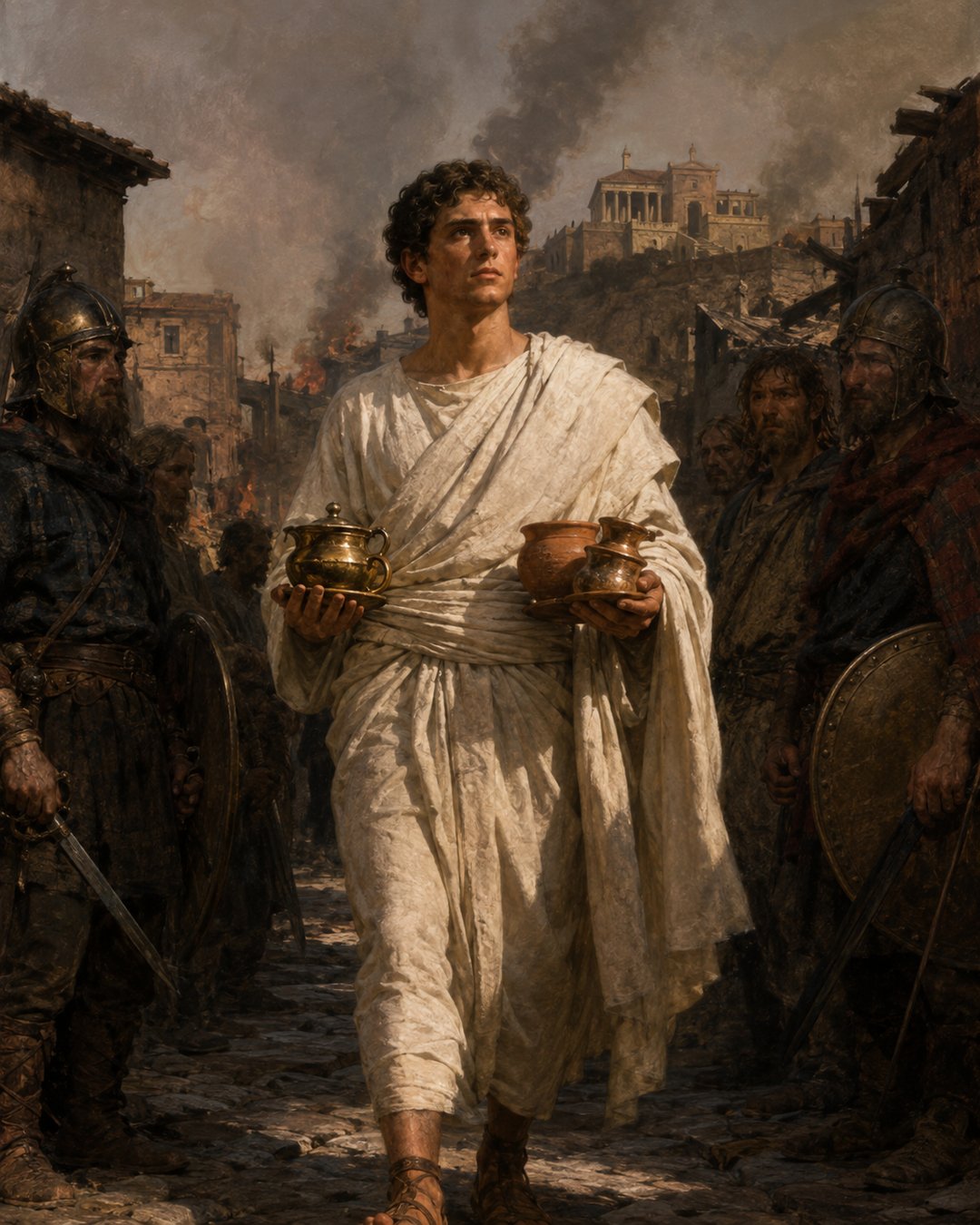
Veii had been conquered, but its great goddess could not be treated like an ordinary prize. Livy says the Romans selected youths, made them wash, dressed them in white and sent them into Juno Regina’s temple with profound reverence. Etruscan custom, as he understood it, had normally allowed only a priest from a particular family … Read more