Why Roman Censors Made Reputation Countable
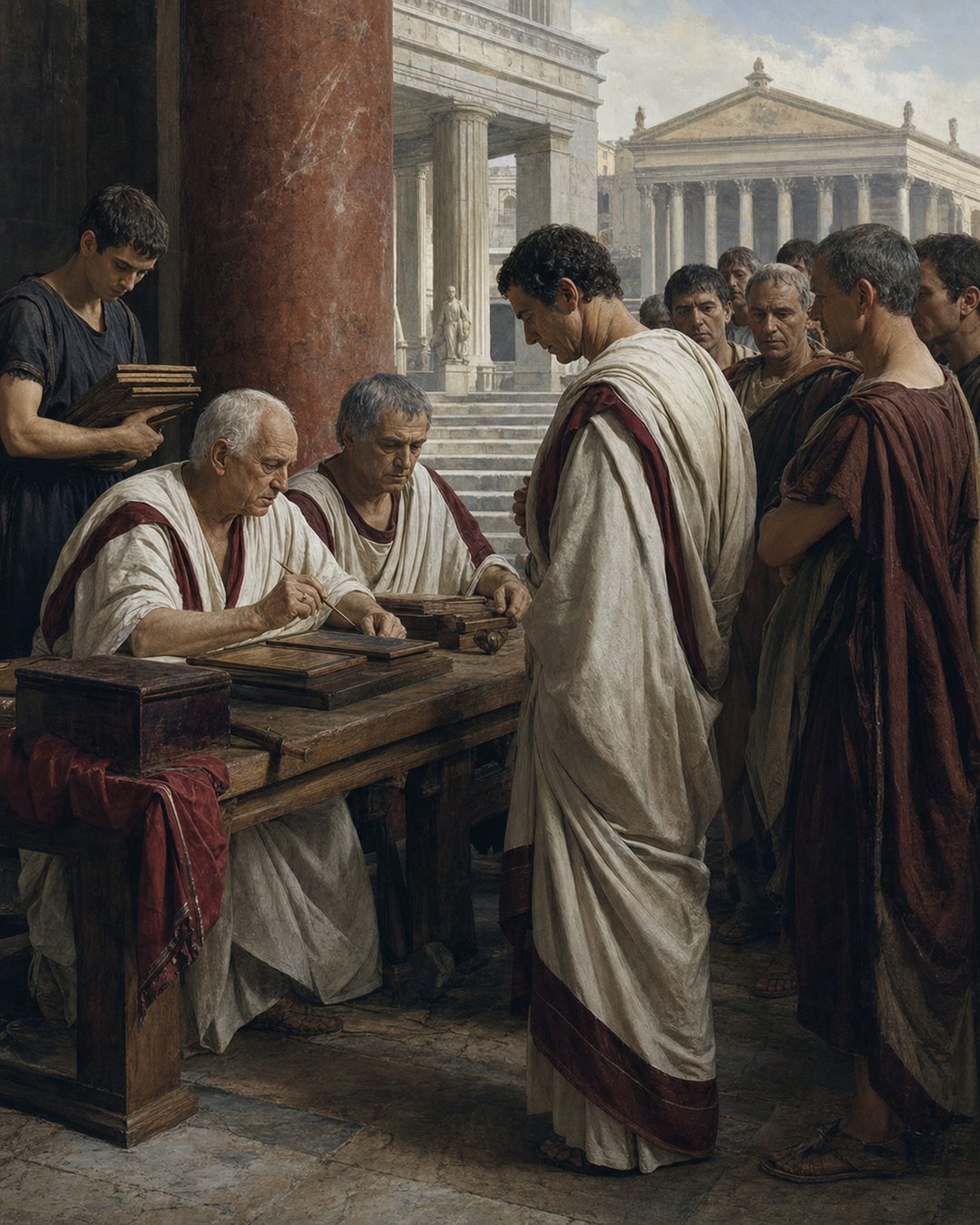
Reputation feels airy until an official writes it down. In Roman civic life, honor, property, household standing, rank, and disgrace could meet at a table where names were reviewed and social position became part of public record. Roman censors made reputation countable because they joined moral judgment to enrollment. A citizen did not only live … Read more
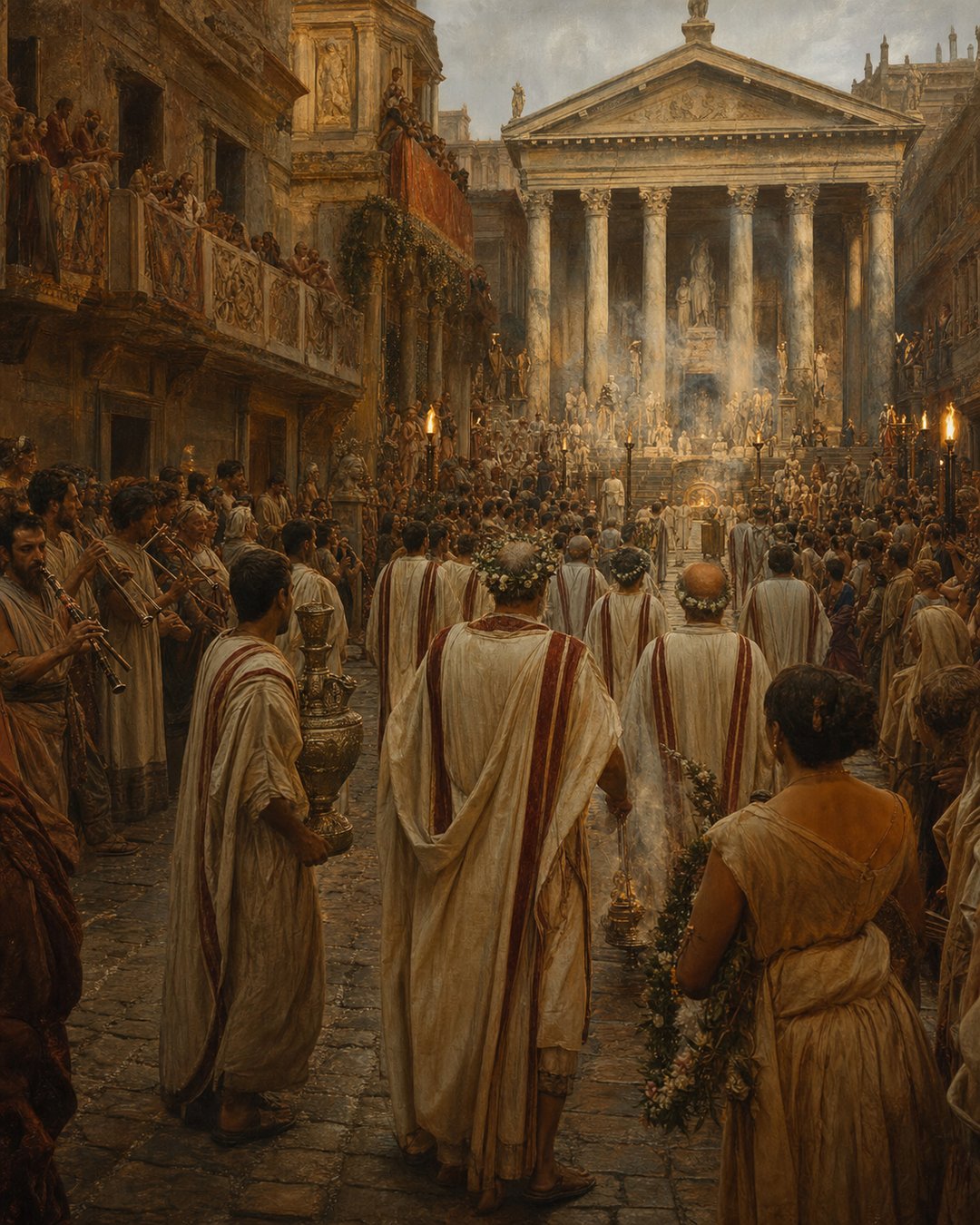
How Roman Processions Made Religion Move Through the Streets

Roman religion was not a private feeling that happened to borrow public buildings. It moved. It formed lines, filled streets, gathered spectators, carried implements, raised smoke, and made the relationship between city and gods visible in bodies. Roman processions made religion move through the streets because ritual needed witnesses as much as words. The pompa … Read more

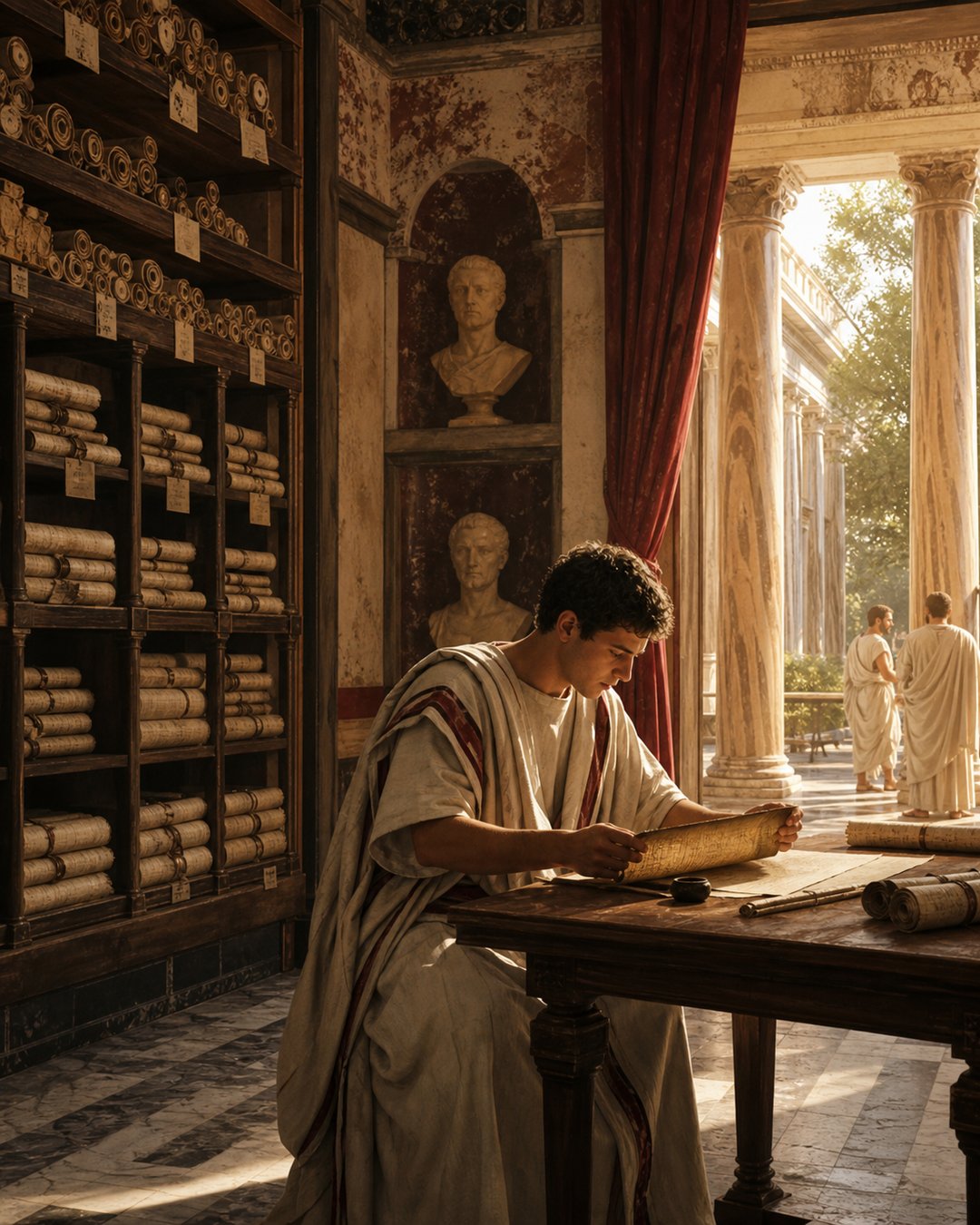
Why Roman Libraries Made Memory Public

A Roman library was not only a quiet room for people who liked books. It was a place where memory took architectural form: shelves, scroll boxes, busts, tables, porticoes, and controlled access turned learning into something the city could see. Roman libraries made memory public because they changed written culture from scattered possession into a … Read more

How Roman Triumphal Paintings Made Conquest Readable

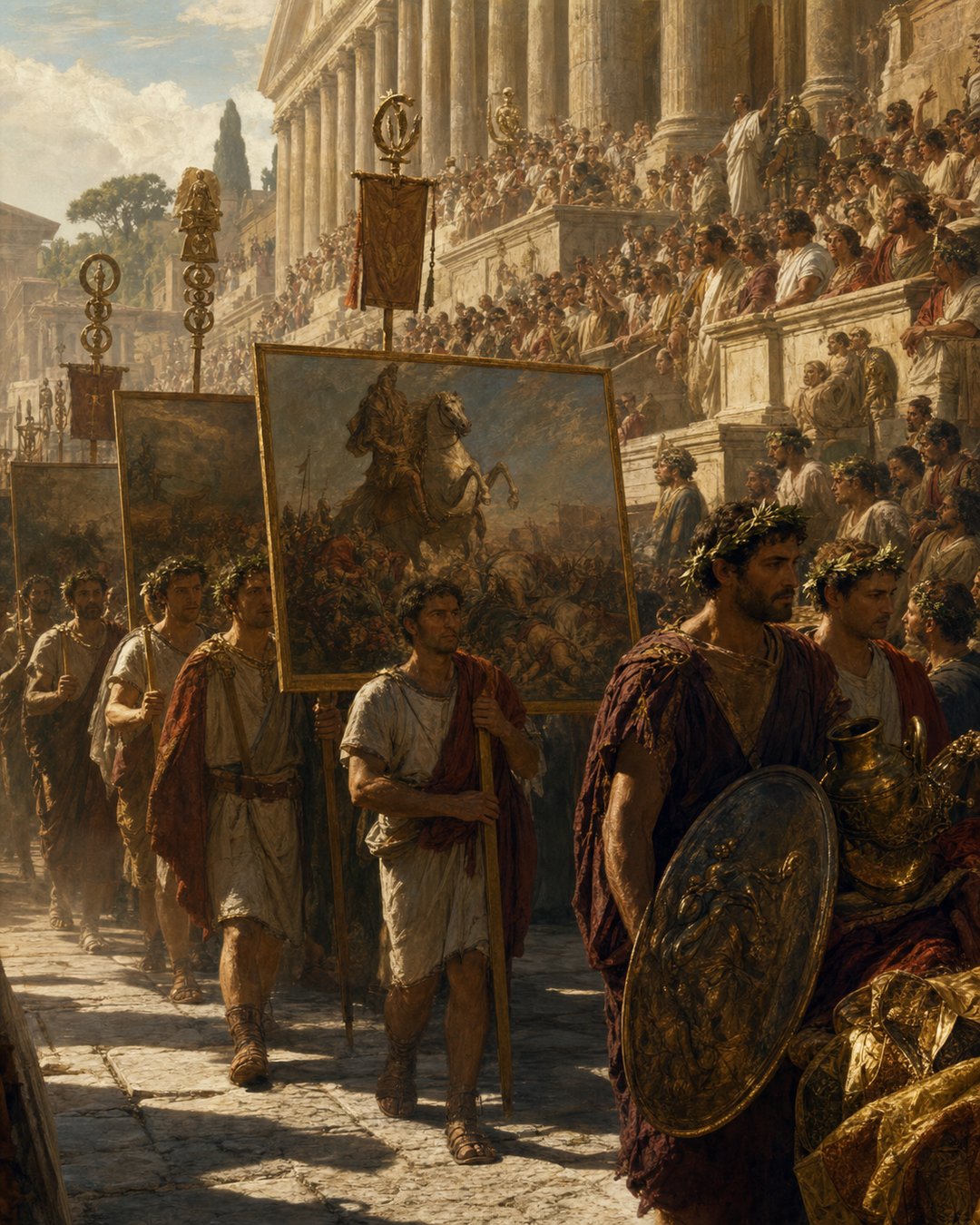
A triumph had to solve a problem of distance. The battle was over, the landscape was far away, and most spectators lining the streets had never seen the rivers, hills, cities, ships, or camps where victory had happened. The crowd needed more than a claim that Rome had won. Roman triumphal paintings made conquest readable … Read more

Why Roman Tax Farmers Made Revenue Public

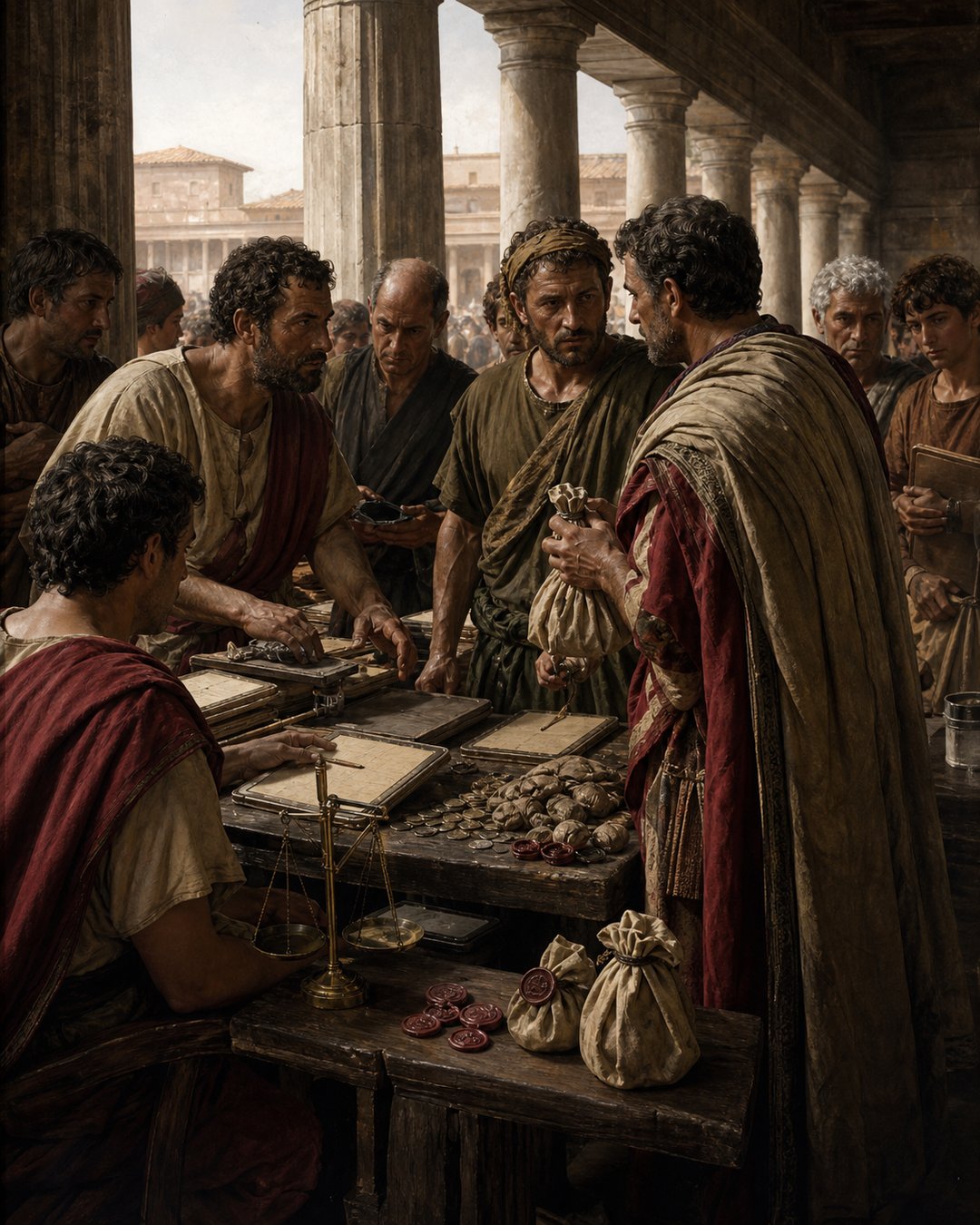
Revenue sounds abstract until someone places a scale on the table. In the Roman world, taxes, rents, tolls, and customs could appear as coins counted under a portico, seals pressed into wax, goods weighed at a station, or a contractor insisting that the state’s claim had become his business. Roman tax farmers made revenue public … Read more

How Roman Voting Bridges Made Elections Visible

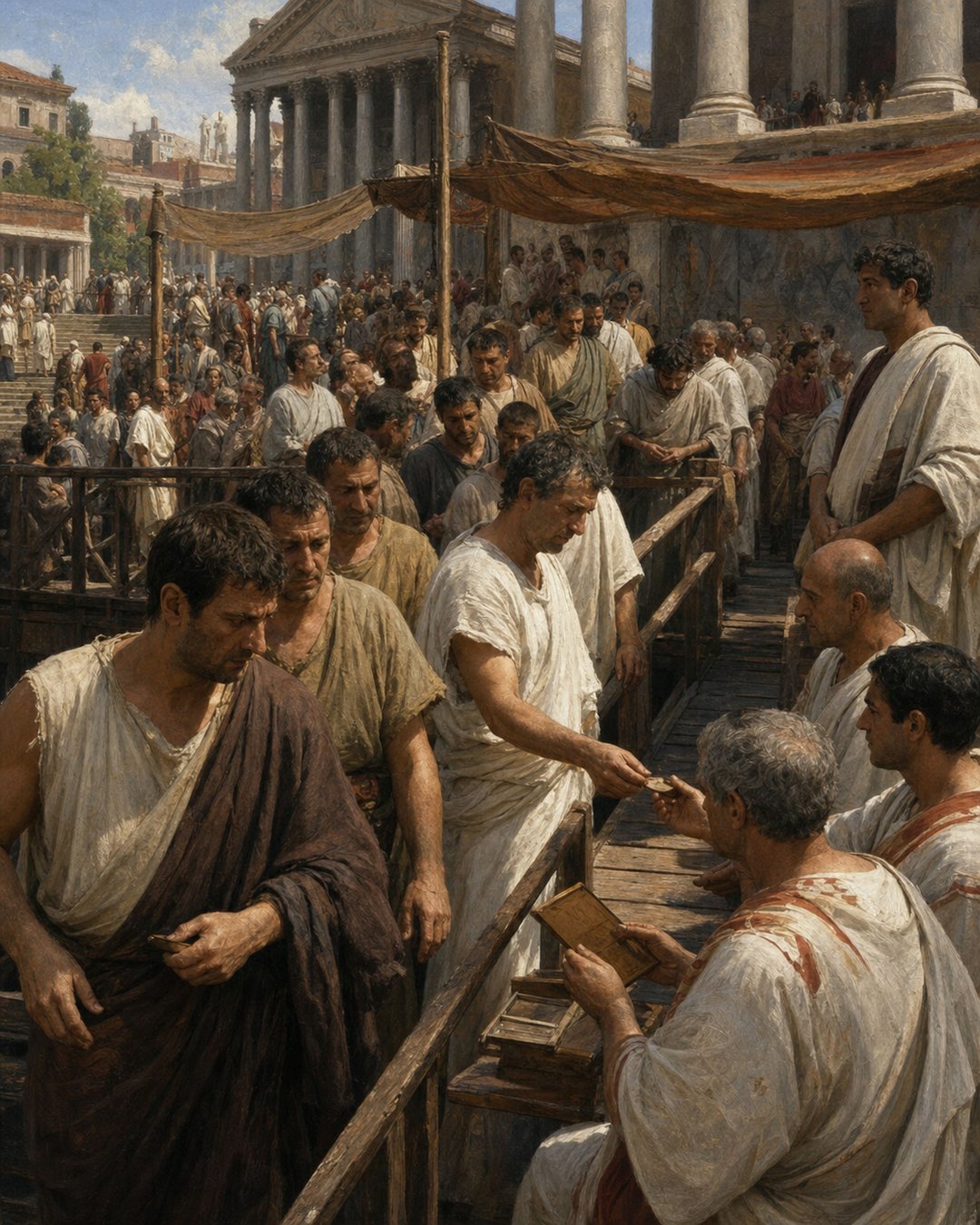
A Roman election could look like a crowd before it looked like a result. Men gathered, waited, pressed forward, argued, recognized neighbors, and watched officials impose order on bodies that did not naturally move in neat units. The vote had to become something more precise than noise. Roman voting bridges made elections visible because they … Read more

Why Roman Ship Prows Made Naval Victory Public

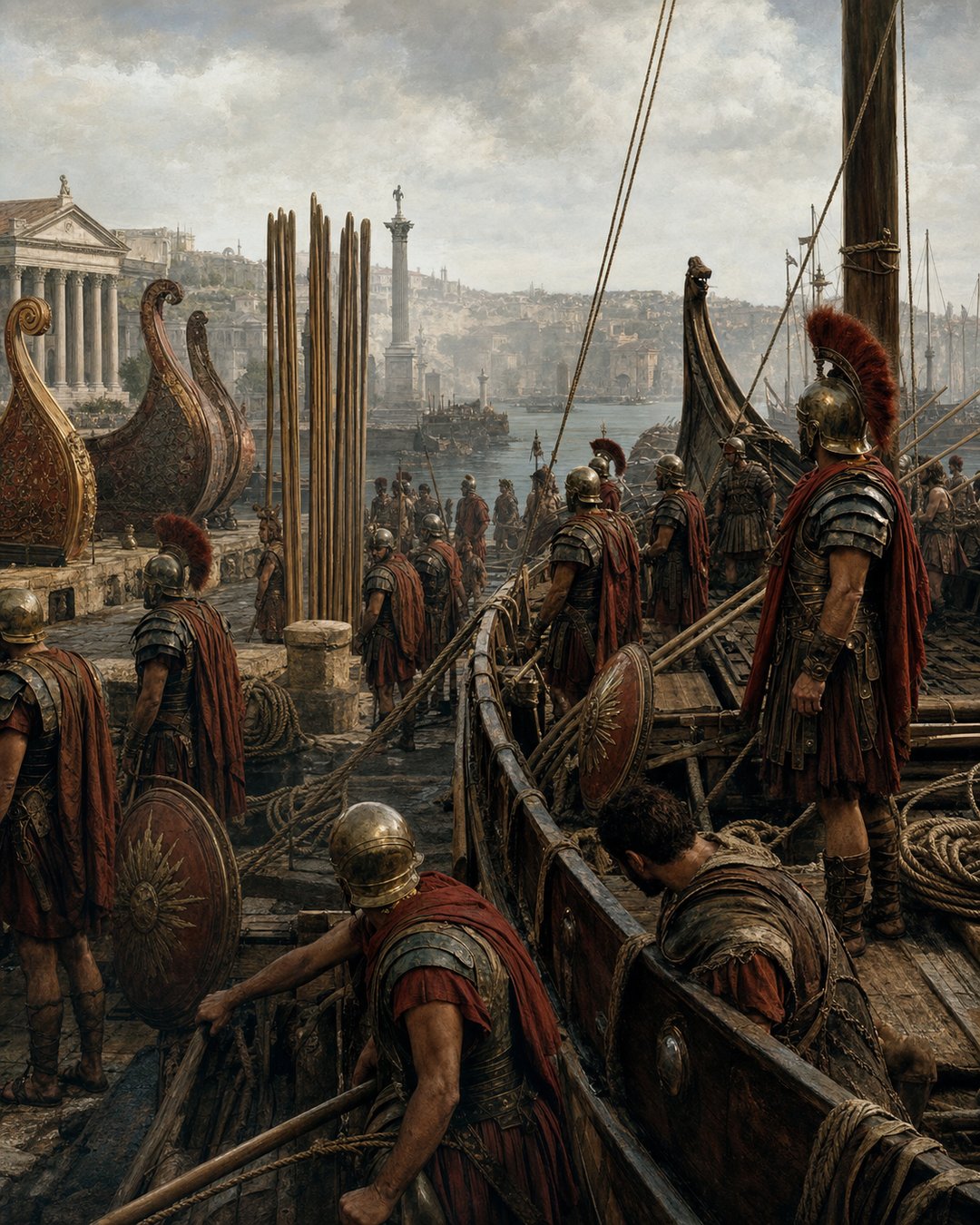
Naval victory is difficult for a land city to remember. The battle happens beyond the Forum, beyond the citizen crowd, beyond the daily routes of most people who will later speak about it. Rome solved that problem in a characteristically physical way. It brought the sea back as an object. Roman ship prows made naval … Read more

How Roman Public Notices Made News Official

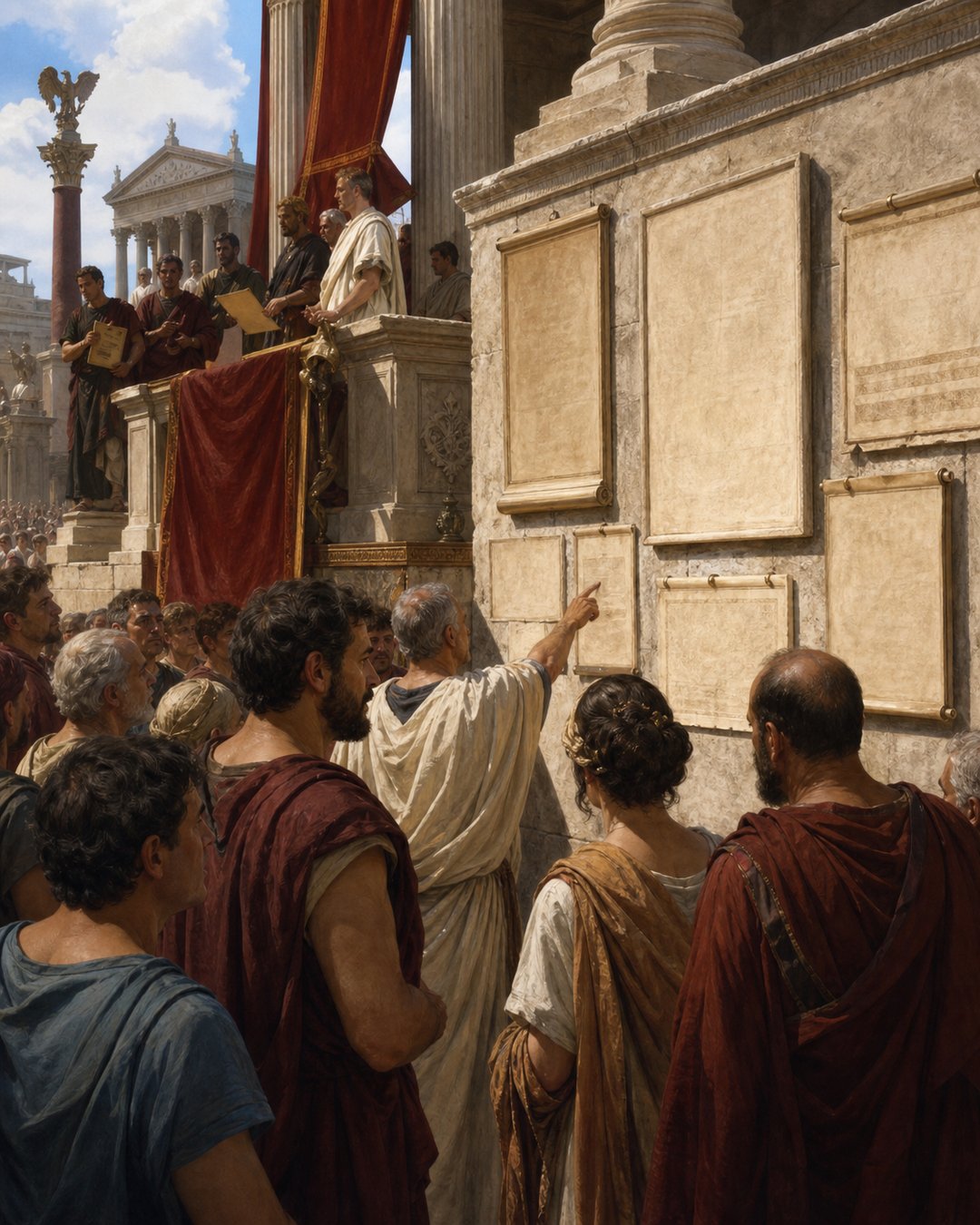
News becomes powerful when people know where to find it and who else has seen it. In Rome, information did not have to wait for a modern newspaper to become public. It could be posted, announced, copied, discussed, and tied to the places where civic life already gathered. Roman public notices made news official because … Read more

Why Roman Siege Ramps Made Conquest Visible

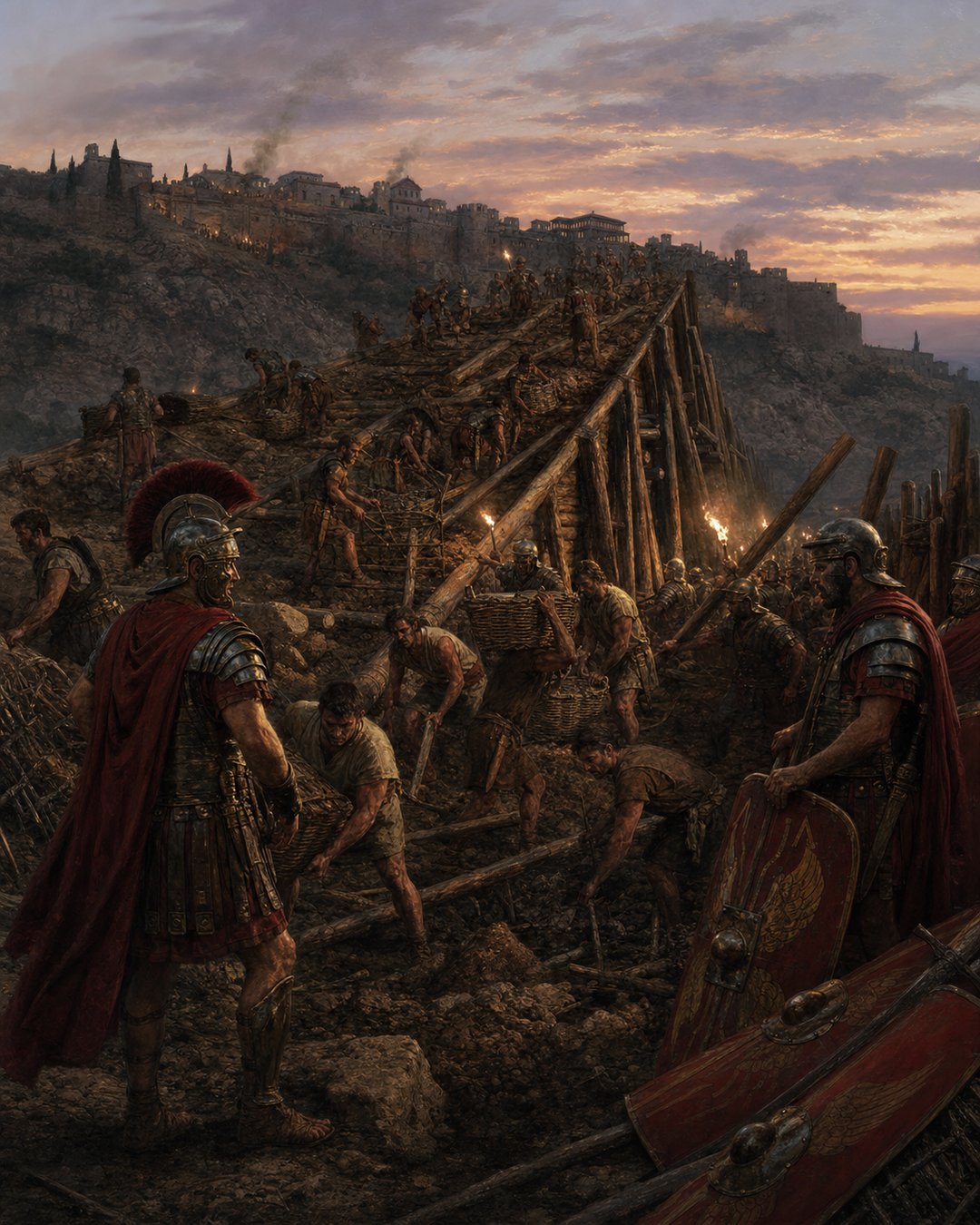
A siege ramp is not the most glamorous part of Roman war. It has no single hero, no clean trumpet note, and no instant decision. It is earth moved by tired hands, timber hauled into place, shields lifted against missiles, and officers measuring how much distance remains. Roman siege ramps made conquest visible because they … Read more

How Roman Hospitality Tokens Made Trust Travel

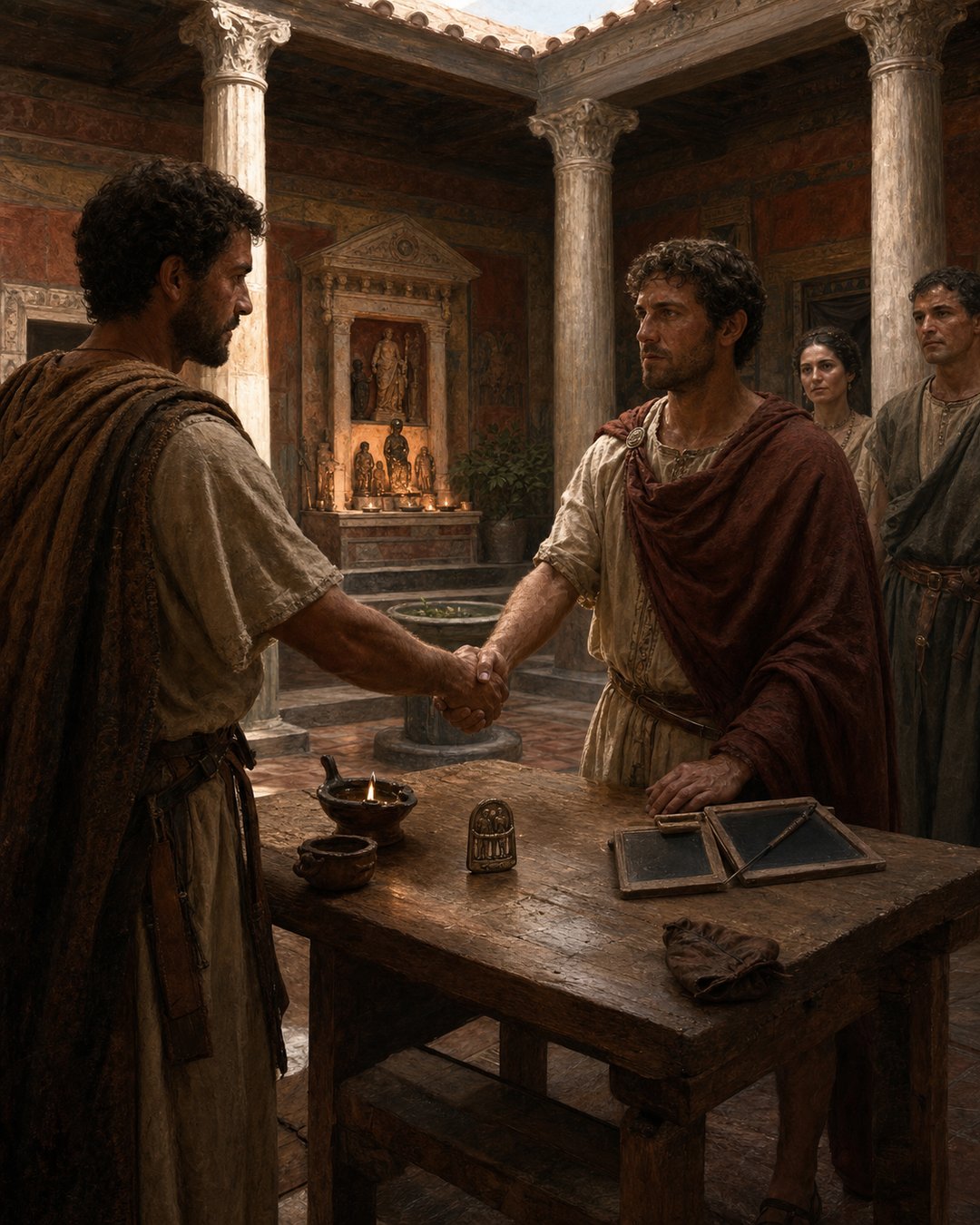
Trust is easy to praise and difficult to move. A promise made in one house can become fragile when the guest is far away, the host is dead, or a descendant has to decide whether an old bond still matters. Rome had ways to make that problem material. Roman hospitality tokens made trust travel because … Read more