Why Roman Oil Lamps Made Night a Public Routine
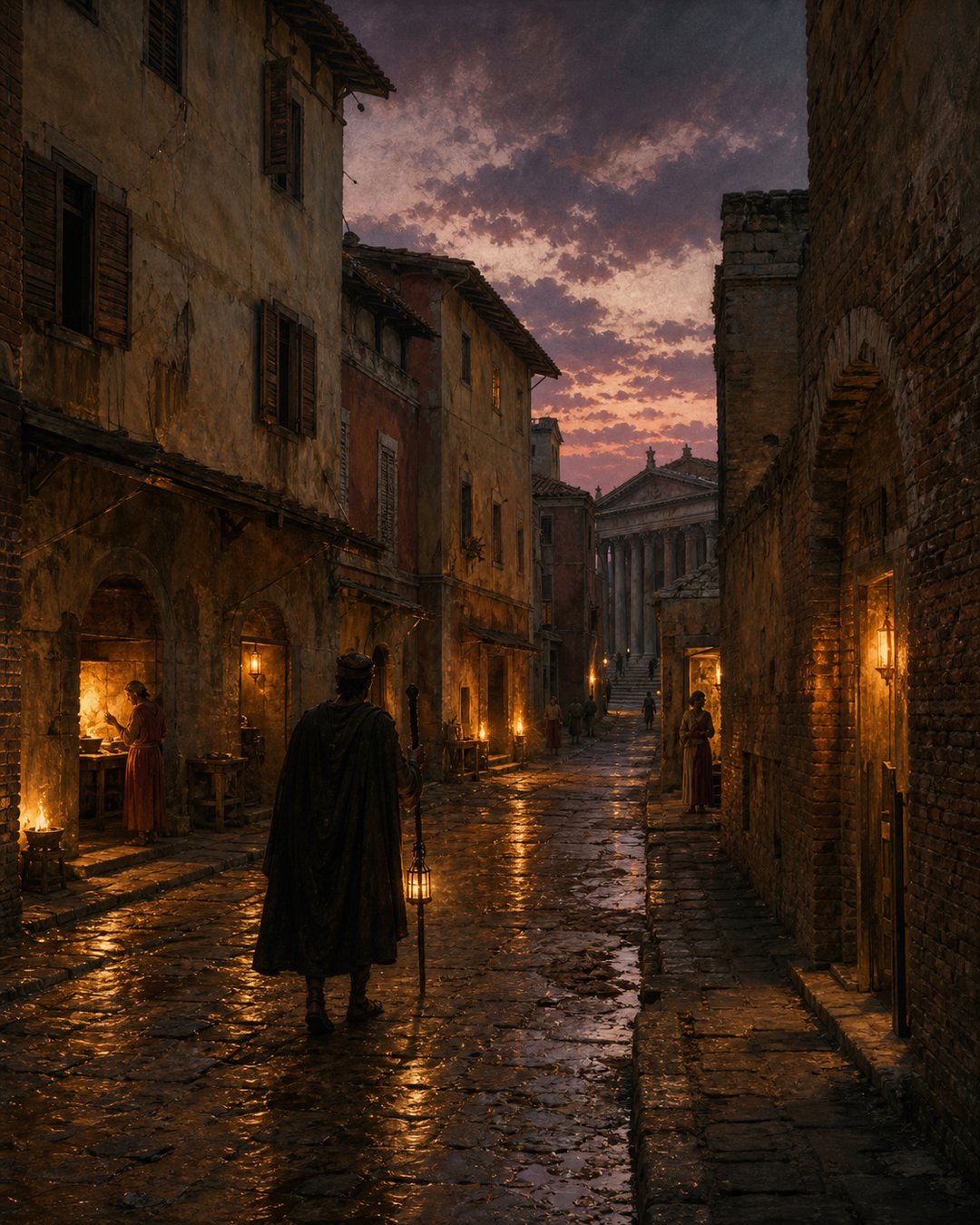
A Roman oil lamp was small enough to fit in a hand, but it changed the social meaning of night. Once flame could be carried, set on a table, hung near a doorway, or placed on a counter, darkness became less like a wall and more like a condition people managed together. Roman oil lamps … Read more
How Roman Ballot Tablets Made Choice Public

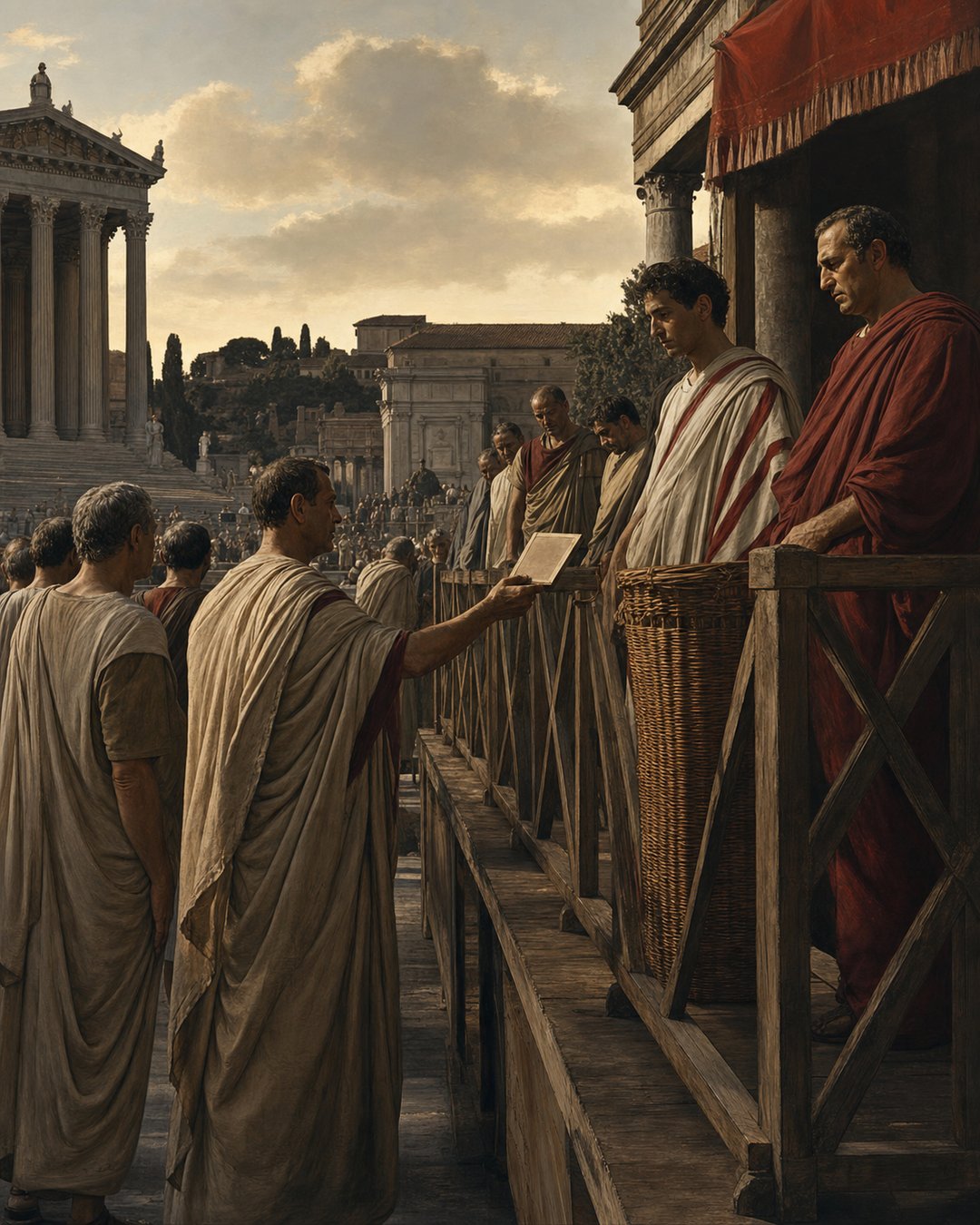
A ballot tablet sounds like a small object, but in Rome it could change the shape of a crowd. It let a citizen carry choice in his own hand while still moving through a public ritual that everyone could see. Roman ballot tablets made choice public in a paradoxical way. They protected a mark from … Read more

Why Roman Auctions Made Authority Stand Beside a Spear

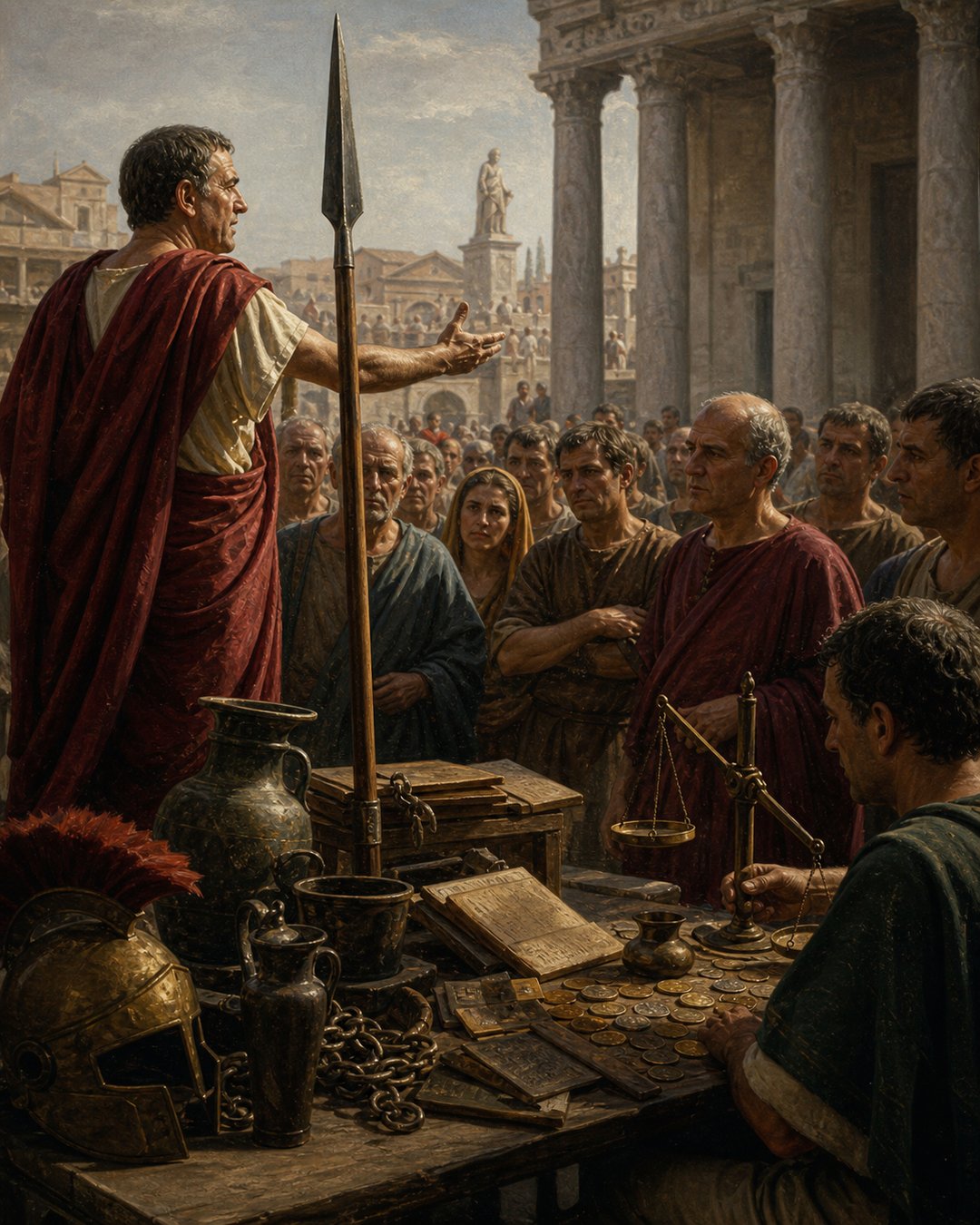
A Roman auction was not only a way to sell something. It was a way to make value happen in public, under eyes that could remember the object, the bidders, the price, and the authority of the procedure. The detail that makes the scene strange to modern eyes is the spear. The hasta could stand … Read more

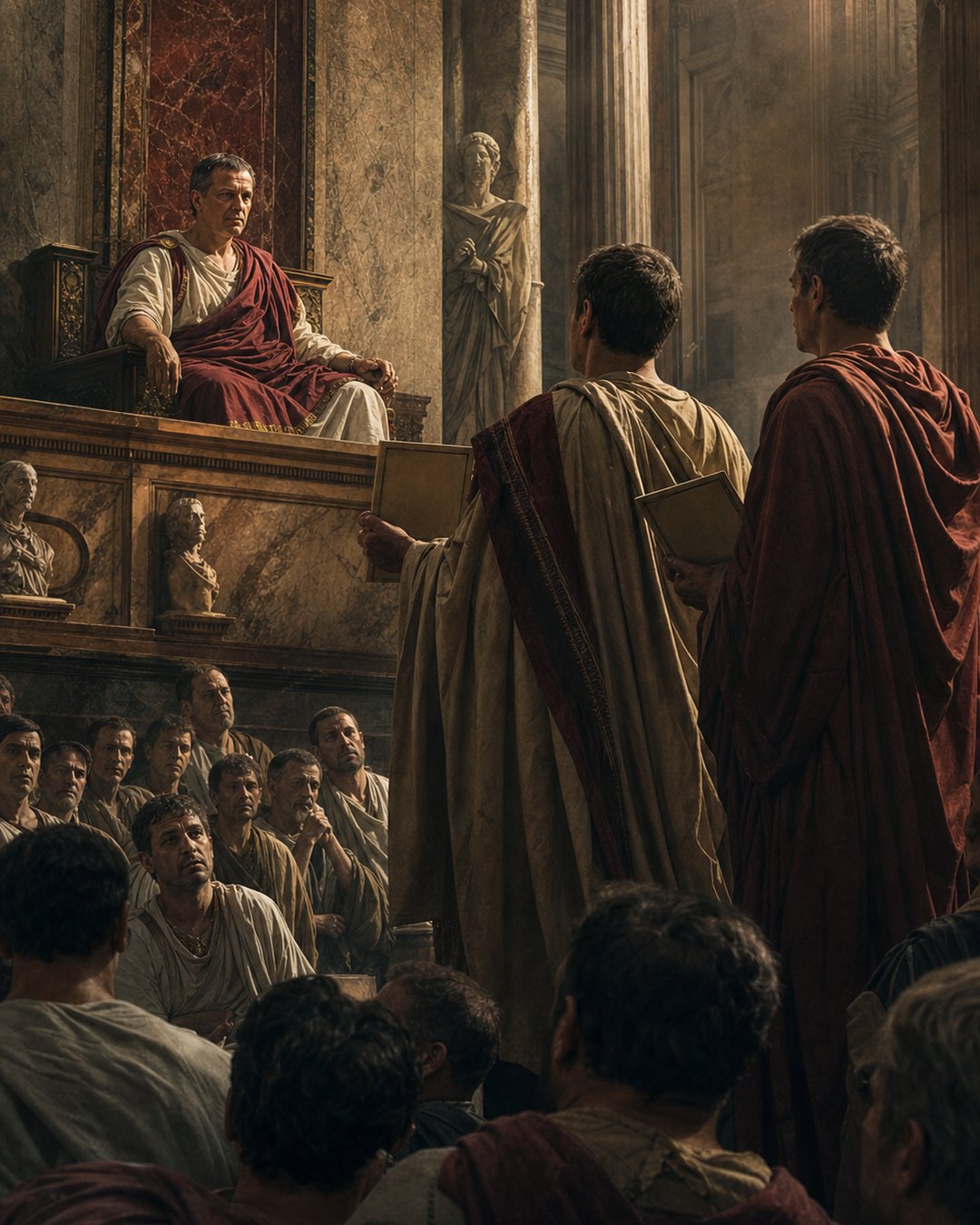
Why Roman Law Courts Made Conflict Public

A Roman lawsuit was not only an argument about right and wrong. It was a scene. Bodies gathered, tablets appeared, officials took their places, and private injury was translated into public procedure. Roman law courts made conflict public because a quarrel became more powerful when it passed through buildings, magistrates, judges, witnesses, and records. The … Read more

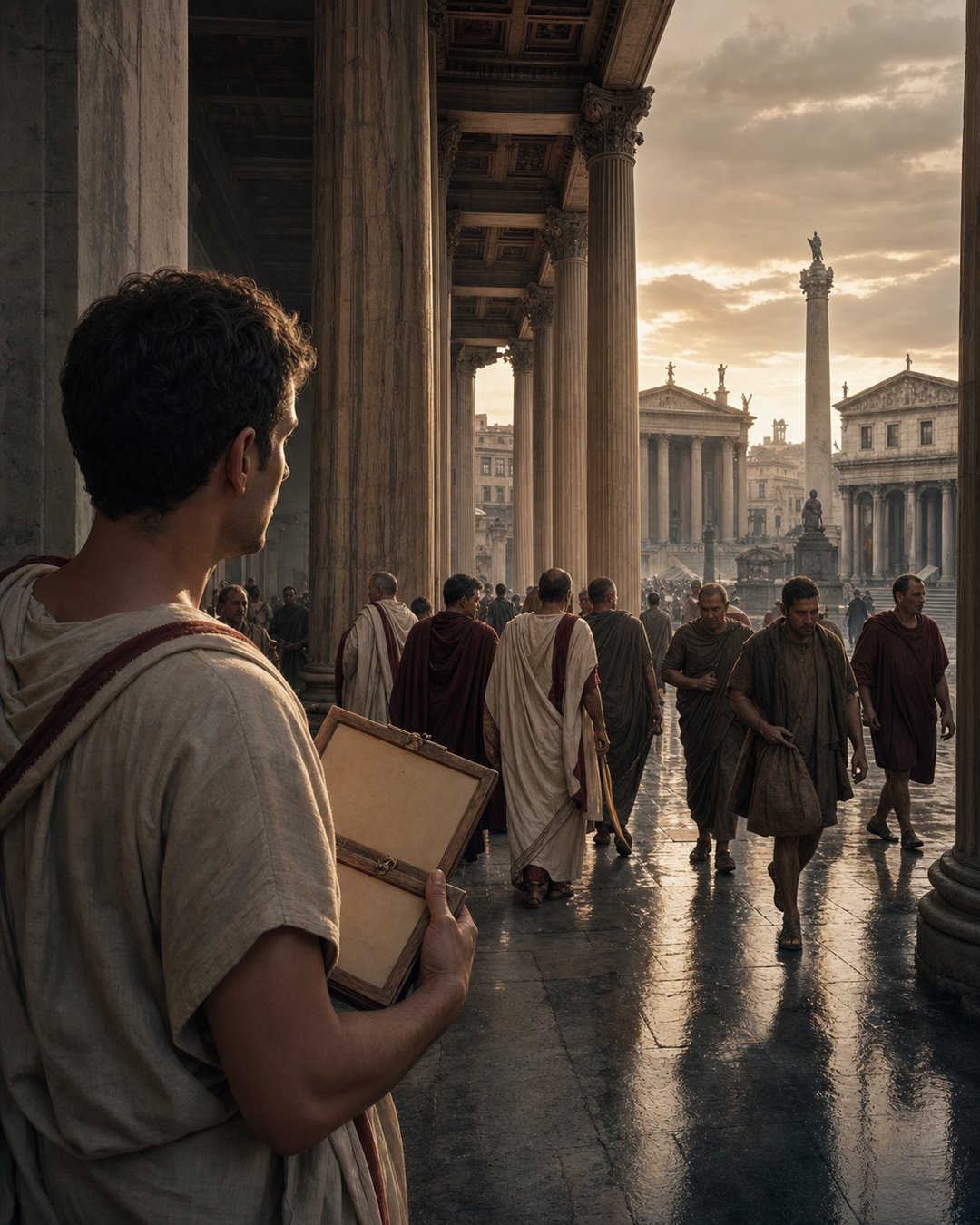
Why Roman Porticoes Made Public Life Walkable

A Roman portico looks quiet beside a triumph, an aqueduct, or a battlefield. It is only a line of columns and a roof. Yet that modest architecture solved one of the city’s hardest problems: how to keep public life moving when weather, crowds, status, and business all pressed into the same streets. Roman porticoes made … Read more

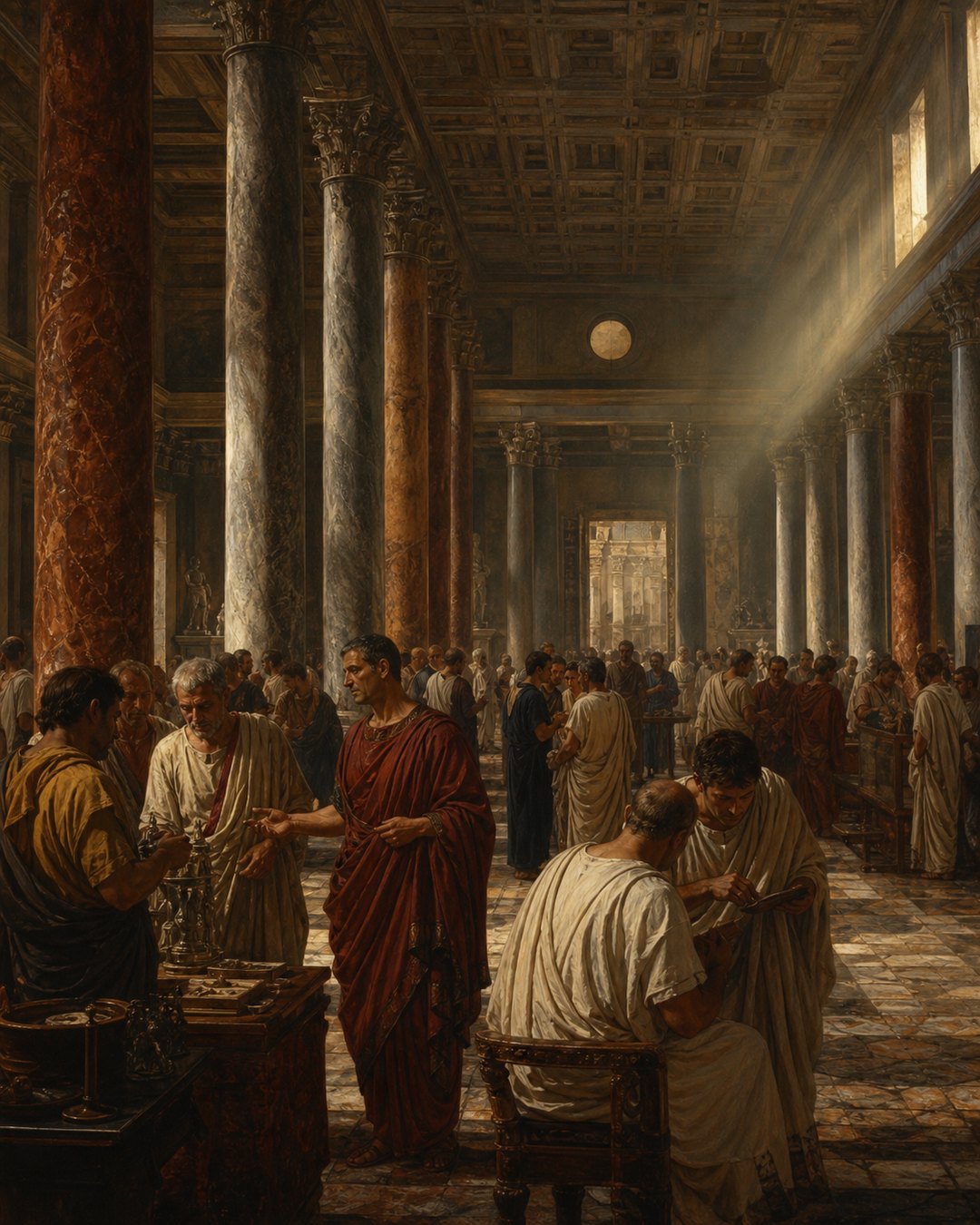
Why Roman Basilicas Made Private Business Public

A private dispute changes when it happens under columns. A debt, a bargain, a legal argument, or a promise sounds different when other people can see the waiting, hear the murmur, and remember the faces. Roman basilicas made private business public because they gave ordinary pressure a civic setting. Commerce and law did not vanish … Read more

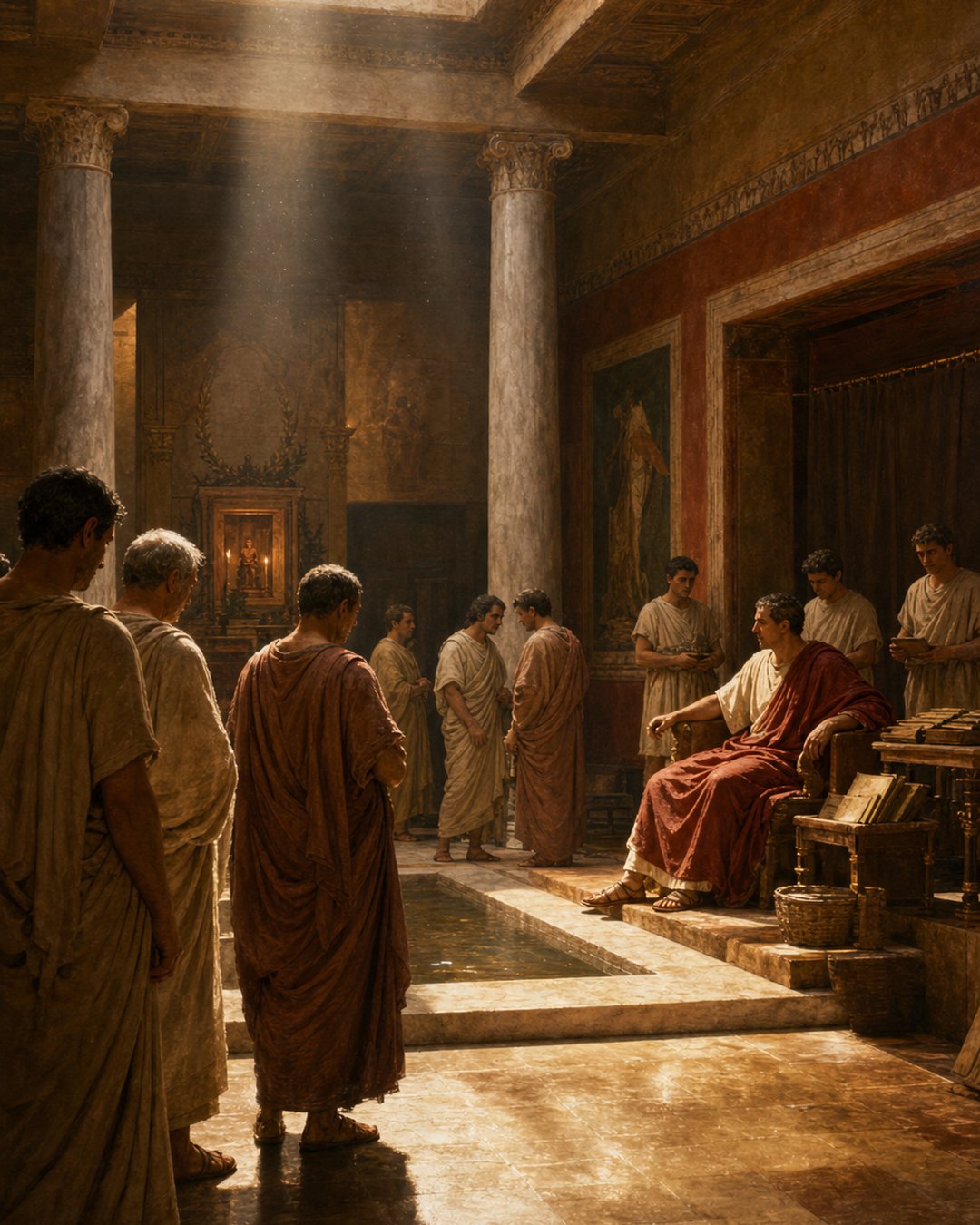
Why Roman Patronage Made Influence a Morning Ritual

Roman influence did not always announce itself with a decree. Sometimes it appeared as people waiting in a house before the day’s business had fully begun. Roman patronage made influence a morning ritual because obligation became visible through attendance. A patron’s importance could be measured, at least in part, by who came, who waited, and … Read more

Why Roman Granaries Made Surplus Visible

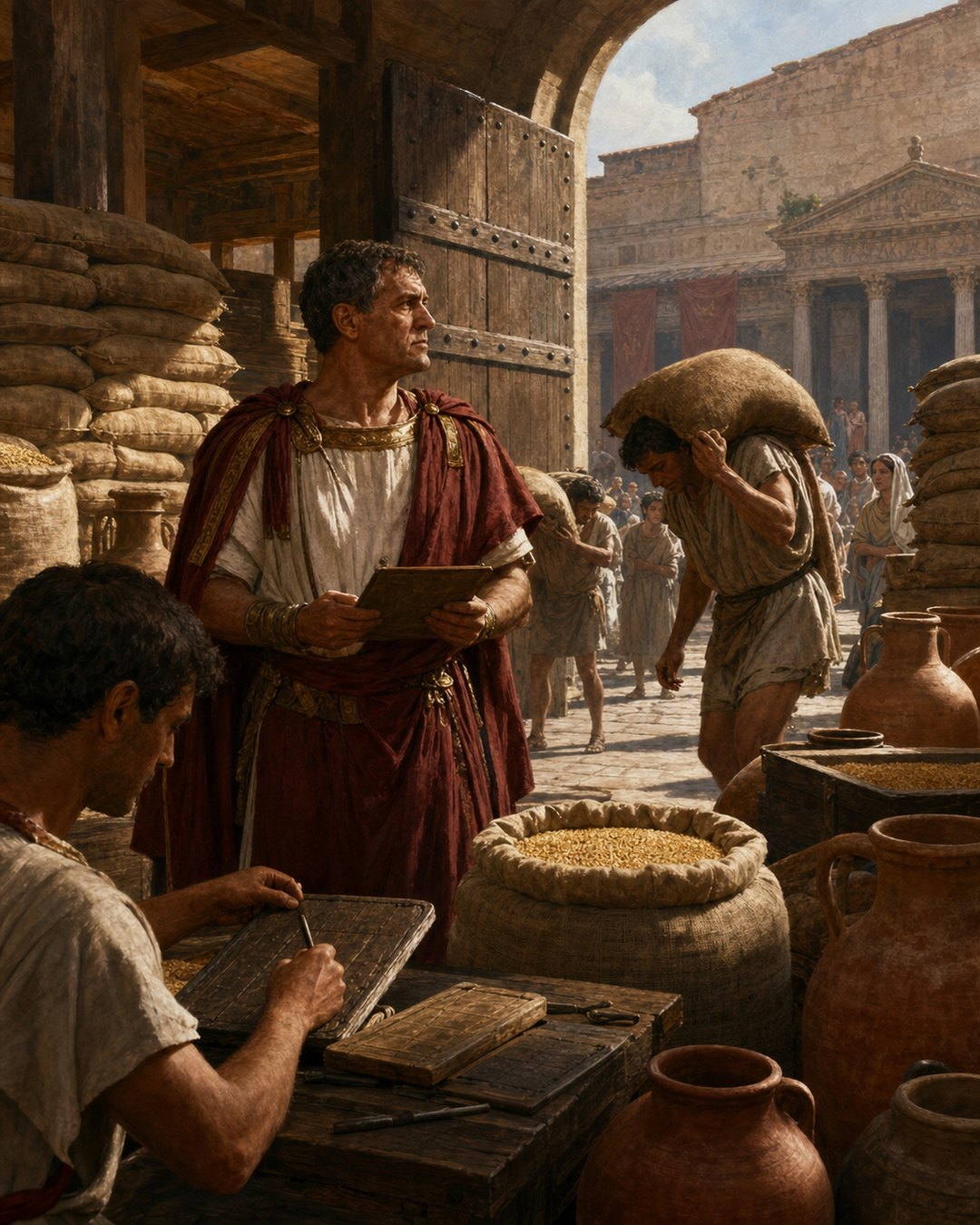
A granary is easy to mistake for a background building. It waits, it stores, it seems less dramatic than a battle, a speech, or a riot. Rome knew better. Roman granaries made surplus visible because stored grain was not only food kept for later. It was evidence that the city could survive tomorrow’s hunger, if … Read more

Why Roman Amphitheater Seating Made Status Visible

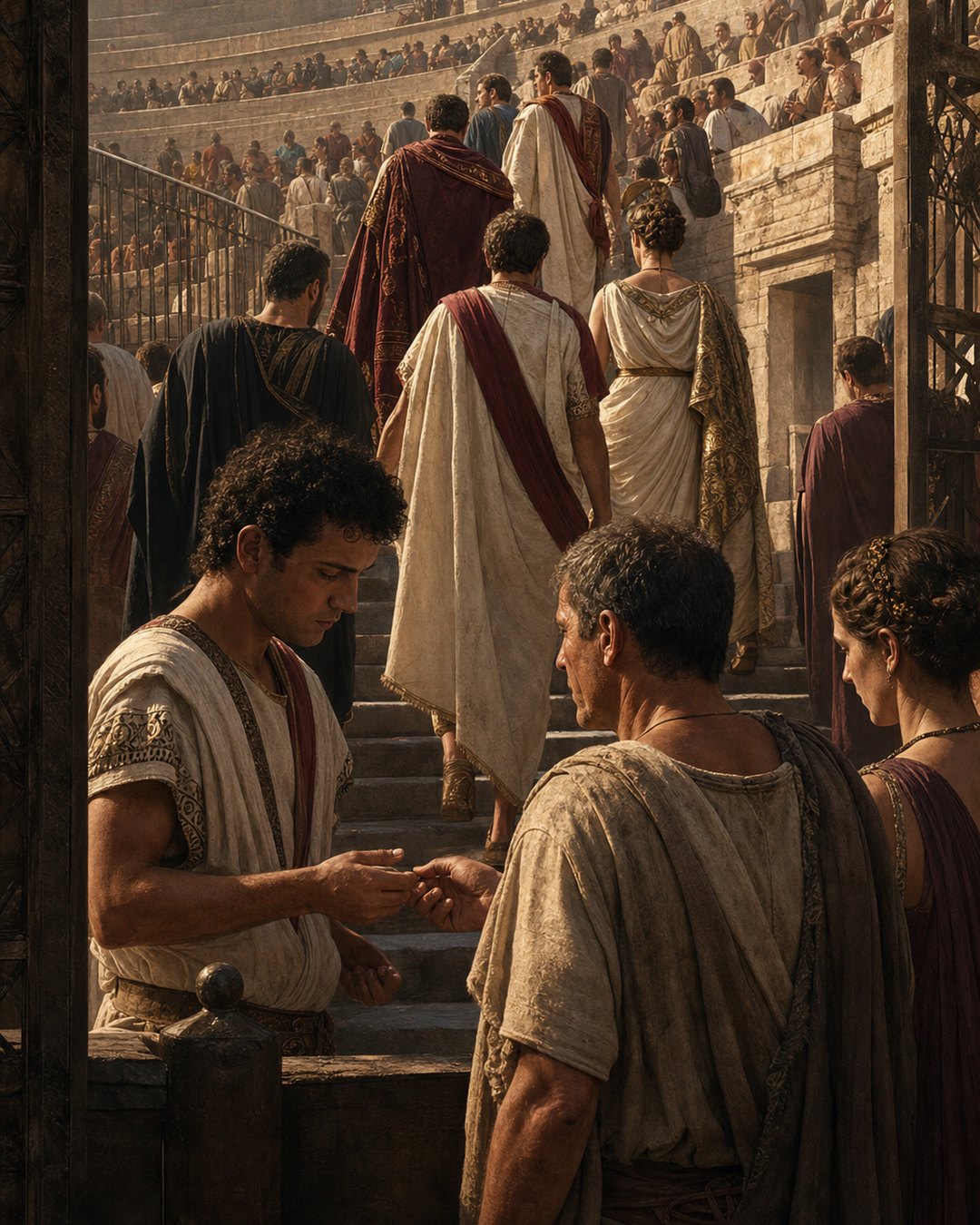
A Roman amphitheater could make thousands cheer at once, but it did not make them equal. The building gathered people together while quietly reminding them that public unity had an order. Roman amphitheater seating made status visible because entry, passage, and position turned the crowd into a map. Entertainment happened in the arena; hierarchy happened … Read more

Why Roman Trophies Made Defeat Speak in Public

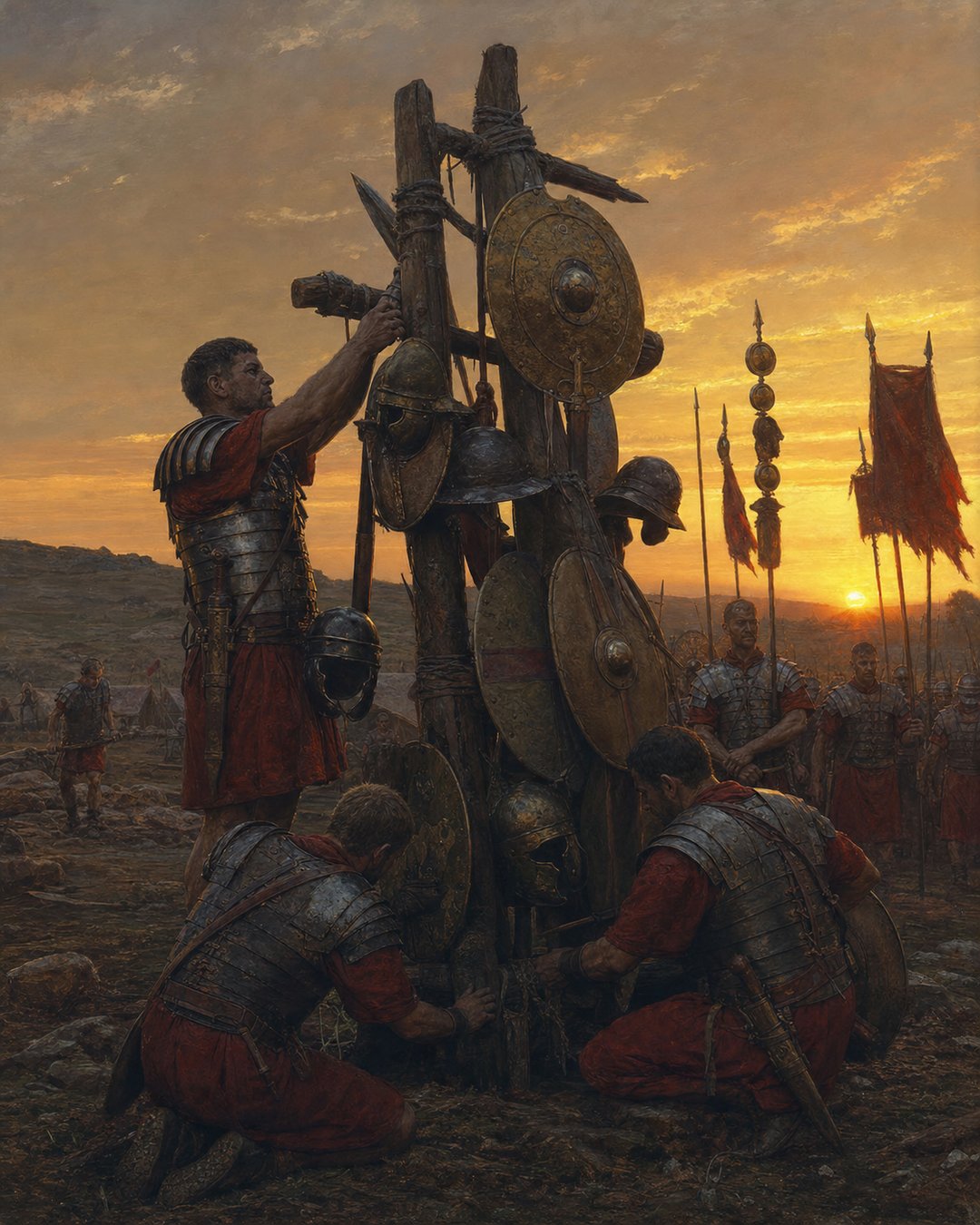
A defeated shield is just an object until someone decides where to put it. Rome was very good at deciding where objects should stand, who should see them, and what story they should be forced to tell. Roman trophies made defeat speak in public because captured arms could be rearranged into evidence. A helmet, a … Read more